
Did Chapter 11 Ghost the Romance Between Gol and Azul — or Was It Just Bad Timing?

Abhishek Nayar
29 Sep 2025

Abra Group — the big shareholder that controls Gol and also backs Avianca — has officially called off talks to merge Gol with rival Azul. The deal that once promised to remake Brazil’s skies and capture roughly 60% of the domestic market is shelved for now, with Abra saying the talks stalled because Azul is tied up in Chapter 11 bankruptcy proceedings.
Why this felt like a telenovela (but with more spreadsheets)
Back in January the two carriers signed a non-binding memorandum of understanding that set off alarm bells and champagne corks in equal measure: combine networks, twin loyalty programs, and — suddenly — a single airline that could command roughly 60% of Brazil’s domestic passengers. For fans of dramatic stats: that would have dwarfed LATAM’s local unit and fundamentally reshaped competition.
But romance doesn’t survive long under Chapter 11. Azul filed for Chapter 11 in late May to reorganize pandemic-era debt and secure debtor-in-possession financing; its focus on restructuring made meaningful deal progress unlikely. Abra told Azul in a letter that discussions hadn’t “meaningfully progressed” for months, and so Abra pulled the plug.
The legal and political stage — regulators, rivals, and ministerial X posts
The possible combination wasn’t just a corporate matchmaking exercise — it was a regulatory headache. Brazil’s antitrust watchdog CADE had been poring over the airlines’ cooperation and raised questions about potential market concentration and remedies. LATAM Brazil was vocal in saying any merger would need tough mitigation measures and that approval without them was implausible. In short: this was going to be a long, thorny process even if Azul’s finances were simpler.
Brazil’s Ports and Airports Minister welcomed the end of talks, framing the outcome as a sign of strengthened airlines and a growing aviation market — a diplomatic way of saying: “Phew, crisis averted… for now.”
The codeshare — a short marriage that also ended

As a practical (and symbolic) move, Gol and Azul have terminated the commercial cooperation/codeshare arrangement they had announced in 2024. That deal — meant to let each sell seats on the other’s flights and integrate loyalty benefits — had already drawn regulatory scrutiny and now it’s been wound down as the merger talks collapsed. Both carriers say they will honor tickets already sold under the agreement.
What each party says (aka official dating profiles)
- Abra / Gol: Still believes the combination was a good strategic idea and left the door open to future talks, but said progress stalled while Azul sorted its bankruptcy matters.
- Azul: Confirmed the talks have ended and reiterated that it’s focusing on reshaping its balance sheet and exiting Chapter 11 — the company expects to emerge from bankruptcy in early 2026 as it secures DIP and exit financing.
- LATAM Brazil (CEO Jerome Cadier): Said regulators would never approve such a merger without mitigation; the development doesn’t alter LATAM’s expectations for the domestic market.
What this means for flyers, competitors and investors
- Passengers: For now, competition remains more diffuse: fewer fears of a near-monopoly, but also fewer immediate chances of route consolidation that might lower fares on some thin routes. Expect networks to stay competitive, with the usual promo chaos during peak season. (Translation: keep your frequent-flyer points close.)
- Competitors: LATAM looks relieved (and probably quietly pleased). Regional and low-cost players will keep jockeying for market share rather than facing a dominant combined behemoth.
- Investors / lenders: The shock went into bond and equity prices when Azul filed for Chapter 11; the scrapped talks reduce near-term uncertainty around a major structural change but keep focus on balance-sheet fixes and liquidity events. Abra’s statement that the idea isn’t dead keeps a distant option alive for future consolidation.
Could the merger ever come back? (Spoiler: maybe, but not soon)
Abra’s letter left the door ajar — “ready, willing and available to engage” — but a successful resurrection would need Azul to exit Chapter 11, clear major antitrust hurdles (CADE will want fixes), and find terms both sets of creditors, managers and governments can stomach. That’s a multi-year negotiation, not a weekend rekindle.
A lighter way to look at it
Think of this like a slow-burn romcom where the two leads get very close at the airport gate, then realistic budgeting, family creditors, and an overprotective regulator put them on different flights. The producers (Abra) still hope for a sequel, but in the meantime everyone’s working on their solo careers — with better loyalty benefits for some, more route tinkering for others, and a few dramatic courtroom scenes in New York.
TL; DR
- Abra Group has terminated talks for a Gol-Azul merger after months of little progress.
- The main reason: Azul’s Chapter 11 bankruptcy and its focus on restructuring made a timely combination impractical. Azul aims to exit Chapter 11 in early 2026.
- The planned 2024 codeshare/commercial cooperation agreement between the airlines has been terminated; tickets already sold will be honored.
- The proposed tie-up would have controlled roughly 60% of Brazil’s domestic market — a fact that attracted strong antitrust scrutiny and criticism from rivals like LATAM.
- Abra says it still sees merit in a combination and is open to future discussions, but any comeback would require debt restructurings, regulatory remedies, and a lot of patience.
With Inputs from Reuters
Read next
Flight Paths & Curry Stops: How India’s Airport Boom Is Rewiring Global Tourism

Jaideep Mirchandani
29 Sep 2025

“India’s aviation boom is opening new tourism corridors that will redefine global travel,” says Jaideep Mirchandani, Group Chairman of Sky One.
And he’s not exaggerating. On World Tourism Day (September 27), the numbers tell the tale:
- 99.5 lakh foreign tourists arrived in India in 2024—just shy of the pre-pandemic peak of 1.09 crore in 2019.
- Nearly 90% came by air. Translation? For most visitors, the airport is India’s handshake. Clear signage, breezy terminals, and smooth transfers aren’t just conveniences—they’re the mood-setters for the entire trip. (Nobody wants their “Incredible India” moment to start with “Where’s the baggage claim?”)
India as a Global Travel Hub
The Ministry of Tourism recently dropped some jaw-dropping stats in Parliament:
- By 2032, India’s outbound tourism is projected to hit US$44.7 billion. Yes, billion with a B.
- Airlines are already circling like hawks spotting opportunity. Malaysia Airlines, for example, joined hands with Kerala Tourism for the Look East campaign, luring Indians toward East Asia while wooing travelers from China, Japan, Australia, and beyond.
Meanwhile, international carriers like British Airways, Emirates, and Singapore Airlines are beefing up their Indian networks. Malaysia Airlines is bumping up flights to 80 per day by December 2025, because apparently, three extra flights make all the difference when you’re trying to keep up with Indian wanderlust.
Airports, Airports Everywhere
The government’s aviation playbook is ambitious enough to give even seasoned CEOs whiplash:
- 50 new airports under the UDAN scheme in the next five years.
- 120 new destinations to be connected in the next decade.
- Fresh terminals rising in Varanasi, Agra, Darbhanga, and Bagdogra—not coincidentally, all hot on the tourist trail.
And let’s not forget the shiny new Jewar (Noida) and Navi Mumbai International Airports, both expected to welcome their first passengers by the end of this year. (Think of them as India’s newest “super malls,” except instead of buying clothes, you’re buying jet lag.)
Greenfield Dreams and “Incredible India” 2.0
In the last decade, 12 Greenfield airports have gone live—including Shirdi, Kushinagar, Rajkot, and Mopa. All conveniently located in places where tourists are already itching to go. Coincidence? Hardly.
Add to this the Tourism Ministry’s Incredible India campaign, which went from being a glossy brochure to an actual global brand. Now, India’s international roadshows and travel expos are essentially the world’s sneak peek at India’s new and improved aviation backbone.
The Hidden Turbulence
But before we break into celebratory bhangra at the terminal, there’s a reality check. Mr. Mirchandani points out some headwinds:
- Shortage of skilled pilots, engineers, and MRO (Maintenance, Repair, Overhaul) capacity.
- Right now, 90% of MRO work is outsourced abroad. Imagine buying a car in Delhi and sending it to Dubai for servicing. Exactly.
If India wants its aviation-tourism synergy to soar, the back end needs as much attention as the runways.
Why This Matters for You (Yes, You)
- For foreign tourists: shorter queues, better connections, and Instagram-ready airports.
- For Indian travelers: more routes, competitive fares, and the occasional cheeky detour via East Asia.
- For local economies: a whole lot of jobs, hotel bookings, and “best biryani in town” signs popping up faster than boarding announcements.
TL; DR
- India welcomed 99.5 lakh tourists in 2024—almost back to pre-pandemic highs.
- Airports matter—90% of foreign arrivals land by air.
- Outbound tourism is booming—projected to hit $44.7B by 2032.
- 50 new airports + 120 new destinations planned under UDAN.
- Jewar and Navi Mumbai airports are opening by year-end.
- 12 Greenfield airports operationalized in the last decade.
- Aviation and tourism are joined at the hip—but skilled workforce and MRO remain weak links.
- Bottom line: India’s aviation surge is less about “flying high” and more about “flying smart.”
Read next
Is Turkish Airlines Buying 225 Boeings — Or Just Getting a Very Long Tinder Date With Boeing?
Abhishek Nayar
26 Sep 2025
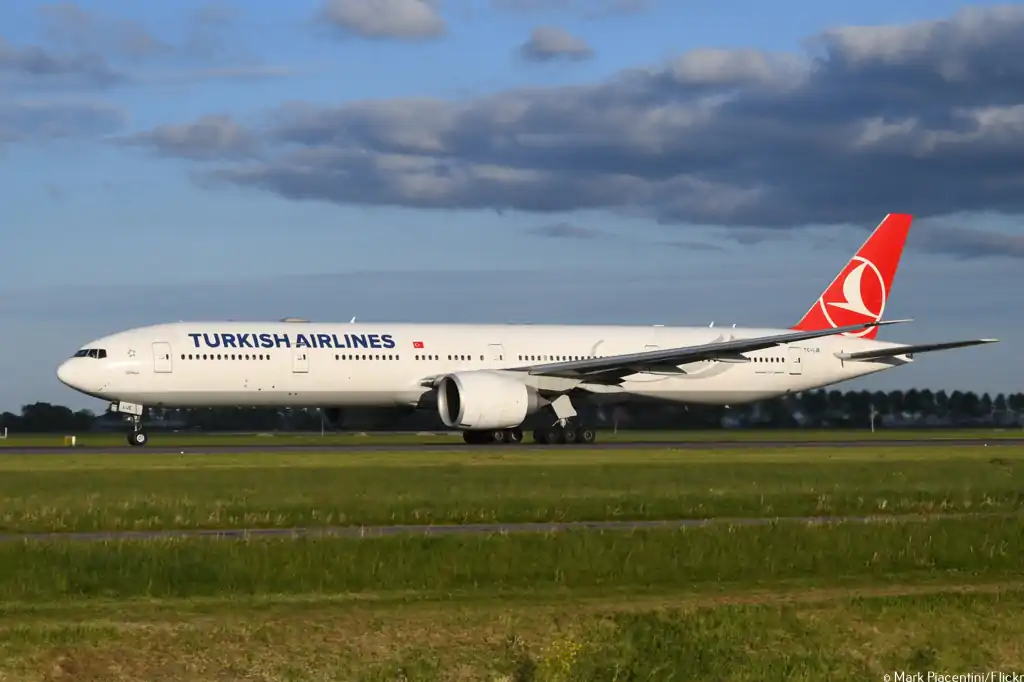
Turkish Airlines announced plans to buy 225 Boeing aircraft: 75 Boeing 787 widebodies (50 firm, 25 options) and 150 737-8/10 MAX single-aisles (100 firm, 50 options) — with the 737 purchases conditional on finishing talks with engine maker CFM International. The airline says the Dreamliner deliveries are slated between 2029 and 2034.
Yes, that’s 225 jets. No, that number does not include complimentary peanuts.
What exactly was announced?
- 75 Boeing 787s (mix of B787-9 and B787-10): 50 firm orders + 25 options. Deliveries scheduled 2029–2034.
- 150 Boeing 737-8/10 MAX: 100 firm + 50 options — but these will only be placed after successful engine talks with CFM International (the exclusive family of LEAP engines for the MAX).
- Turkish Airlines publicly filed the update to the Istanbul Stock Exchange, underlining it as an official corporate decision.
Why now? (Short answer: growth plans + political winds)
Turkish Airlines says the goal is for its entire fleet to be new-generation by 2035, supporting an average annual growth rate of about 6% — so this is fleet-modernization at national-carrier scale.
That ambition ties into broader government-level talks between Turkey and the U.S. — including high-profile meetings between Presidents Erdo?an and Trump — which have recently touched on sanctions, energy purchases and the possibility of thawing ties that could affect defense sales (including talk around the F-35). In short: commercial fleet moves are happening in a very political frame.
The engine subplot (where the drama lives)

Widebodies and narrowbodies require different engine ecosystems:
- For the 787s, Turkish Airlines is in talks with Rolls-Royce and GE Aerospace over engines, spares and maintenance packages — a classic “who powers the Dreamliner?” negotiation that involves price, performance, and maintenance contracts.
- For the 737-8/10 MAX, the purchase is explicitly subject to talks with CFM International — because the MAX family is tied to the LEAP-1B engine. Those discussions often revolve around price, delivery timing, operational support and discounts: tiny things like “will the engines arrive on time?” tend to matter enormously for airlines.
Translation: the order is large, but not yet fully “signed, sealed, and ready for takeoff” until engine paperwork is buttoned up.
What this means for Boeing (and the suppliers)
- Boeing: a headline like “225 aircraft” is a very nice advertisement for Boeing’s order book and a welcome revenue scoop — particularly helpful when plane makers are juggling production rates, supplier capacity and political headwinds.
- Engine-makers: CFM (for the MAX) and Rolls-Royce/GE (for the 787s) suddenly have leverage and busy calendars. Expect tough negotiations on price, long-term maintenance deals, and maybe even some industrial offsets or local workshare talk.
- Supply chain: Deliveries spaced 2029–2034 give breathing room, but global engine & parts bottlenecks and certification schedules could shape the real timetable.
(Also: if airlines were Pokémon cards, Turkish Airlines just said “Gotta catch ‘em all” — and then asked the engine-makers to trade cards.)

Geopolitics: yes, the White House tea matters
The announcement followed diplomatic interactions between President Tayyip Erdogan and U.S. President Donald Trump. Their talks reportedly covered energy (Russian oil), possible lifting of some U.S. sanctions, and the potential reopening of conversations about U.S. fighter jets like the F-35.
That diplomatic backdrop sharpens the commercial story: a national carrier’s megadeal doesn’t happen in a vacuum — and aircraft and defense sales often travel together on the geopolitical highway.
What passengers might actually notice
- Newer planes (787s and newer MAX variants) generally mean better fuel efficiency, quieter cabins, and upgraded inflight systems.
- Longer-term: more non-stop routes, capacity increases, and (hopefully) fewer middle seats that feel like economy-class limbo.
- Short-term: little to no immediate change — deliveries start in 2029 — so don’t expect a Dreamliner selfie on your next weekend trip.
Risks and caveats (because every blockbuster needs a plot twist)
- Engine deals are still pending — if talks with CFM, Rolls-Royce or GE falter, the 737 and 787 parts of the plan could change.
- Delivery schedule: 2029–2034 is a long runway; supply chain disruptions, certification delays or geopolitical shocks could shift that.
- Financial angle: Even with financing and discounts, big orders are expensive. Currency moves, interest rates, and passenger demand evolution matter.
- Political risk: Bilateral politics (U.S.–Turkey) could accelerate or complicate defense/commercial deals in unexpected ways.
The human (and mildly funny) takeaway
Turkish Airlines just announced a plan that’s equal parts industrial strategy, fleet makeover, and international theater. It’s like ordering a mansion for your in-laws — tasteful, ambitious, and requiring serious coordination with contractors (in this metaphor, the contractors are Rolls-Royce, GE, and CFM). Meanwhile, diplomats are sipping coffee and watching how the contractors respond.
Final thought
Big orders like this reshape airline route maps and factory floors alike. Whether this becomes a landmark fleet renewal or a “standing offer while negotiations continue” depends on engines, geopolitics, and the logistics of turning paper orders into metal birds. Either way, keep your window seat — there’s a lot to watch.
TL; DR
- Turkish Airlines announced plans to buy 225 Boeing jets: 75×787s (50 firm + 25 options) and 150×737-8/10 MAX (100 firm + 50 options).
- 787 deliveries are scheduled 2029–2034; 737 MAX purchases depend on engine talks with CFM International.
- Engines for the 787s are being discussed with Rolls-Royce and GE Aerospace (spares & maintenance included).
- The announcement sits against a backdrop of recent Erdo?an–Trump talks around sanctions, Russian oil and potential U.S. defense sales — geopolitics is part of the story.
- Goal: an all new-generation fleet by 2035, supporting ~6% annual growth — ambitious, but engine deals & supply chains will decide the tempo.
Read next
SpiceJet’s A340 Surprise: The Four-Engine Party Plane That Crashed the Budget-Carrier Bash
Abhishek Nayar
26 Sep 2025
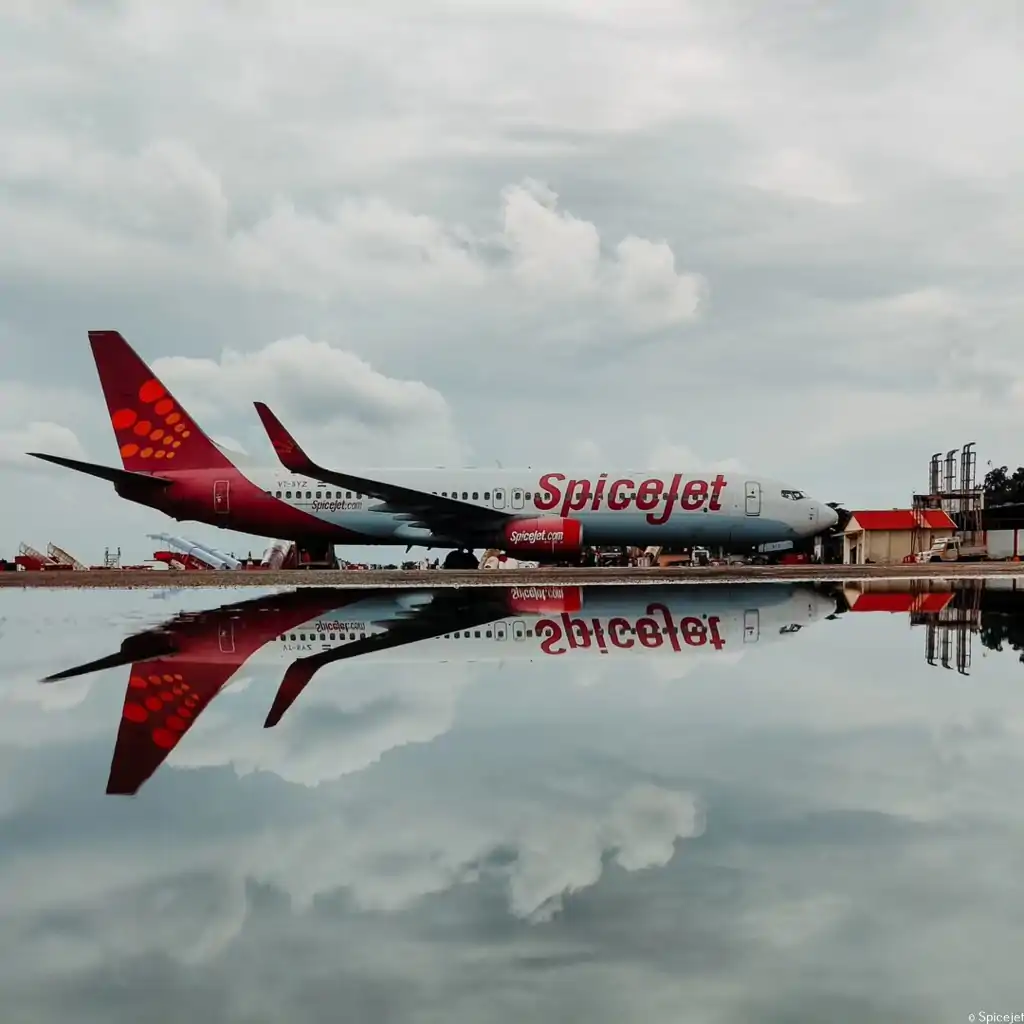
SpiceJet has quietly signed a lease to bring an Airbus A340 — yes, the long-range, four-engine widebody that makes single-aisle jets look like commuter buses — into its fleet. The aircraft is expected to arrive in India by the end of September 2025, with commercial operations penciled in for the first week of October. This is part of a larger winter-season capacity push from the airline.
Why an A340? (And why now?)
The A340 is designed for long-haul and high-density routes — think Bangkok, Europe, or any route where demand suddenly looks like a wedding guest list. SpiceJet’s move gives it a widebody to plug into international or crowded domestic sectors without waiting years for new aircraft deliveries. It’s a tactical, lease-based shortcut to capacity.
Wet Lease — Damp Lease: The Aircraft’s Coming with Babysitters (for now)
Initially the A340 will arrive under a wet lease arrangement (lessor provides plane + crew + maintenance + insurance), which gets the aircraft flying quickly while keeping operational headaches at arm’s length. The airline plans to transition to a damp lease later — a halfway house that gives SpiceJet more operational control while still sharing some functions with the lessor. Regulatory approvals will be needed for any long-term plan.
One A340 Today, Two Maybe Tomorrow

Sources say SpiceJet is also in discussions for a second A340, signaling that this isn’t a one-off stunt — it could be the start of a short-term widebody strategy to carry more people on busy lanes. If the talks progress, expect more big-plane schedules and perhaps more chaat for travelers on longer sectors.
The Boeing Side of the Plot: 18 737s (and a Few MAX)
This A340 news sits alongside SpiceJet’s parallel plan to add a series of Boeing 737s ahead of winter — bringing planned inductions to about 18 new 737s, drawing from several lease deals signed in recent weeks. That larger push is aimed at strengthening frequencies for the busy festive and winter travel window. Some reports also reference the return or induction of several 737 MAX frames in the airline’s broader recovery plans.
How SpiceJet Might Use the A340
- High-density international routes: Plug it into leisure-heavy sectors — think India — Bangkok, or a peek at European runs.
- Hajj / Charter / Peak demand: Perfect for charter operations and religious pilgrimage movements with concentrated demand.
- Leverage for slot-heavy airports: One big plane can replace multiple smaller rotations and simplify slot negotiations.
In other words: more seats where people want them, fewer schedule gymnastics. (And yes, more chances for extra-legroom selfies.)
The Operational Reality Check

Putting an A340 into a low-cost, mainly single-aisle operation isn’t plug-and-play. Challenges include crew rostering (four-engine keeps pilots busy), maintenance logistics (longer checks, spares), airport parking and turnaround choreography, and regulatory approvals for long-term operations. That’s why wet leasing first is a sensible, cautious step.
What This Means for Passengers
- More seats, more options during the busy season — fewer “sold out” surprises.
- Possible new long-haul routes or larger aircraft on existing busy routes (read: more direct international options).
- Short-term comfort surprises — the A340 is wider than a 737, which might feel like a tiny vacation on its own.
And for those who love aircraft trivia: you’ll now see a four-engine dinosaur strolling through Indian airports — dinosaur in the best, most majestic way.
Spice, Strategy, and a Splash of Showmanship

Whether this becomes a long-term pivot to regular widebody ops or a smart seasonal trick to cope with peak demand, it’s a loud signal: SpiceJet is aggressively chasing capacity, using flexible leasing to move quickly. It’s pragmatic, a little audacious, and—let’s be honest—fun to watch.
TL; DR
- SpiceJet has signed a lease for an Airbus A340, arriving by end of Sept 2025 and planned to operate first week of Oct 2025.
- The A340 will start under a wet lease then move to a damp lease for more operational control later (subject to approvals).
- The airline is in talks for a second A340, suggesting a possible ramp-up of widebody capacity.
- SpiceJet is simultaneously inducting around 18 Boeing 737s (from multiple lease deals) to beef up schedules for winter/festive demand.
- Pragmatic move: lease first for speed, then tweak the operating model once regulators and paperwork oblige.
Read next
Where Did All the C919s Go — Is COMAC Building Planes or Plotting a Slow-Motion Surprise?
Abhishek Nayar
24 Sep 2025
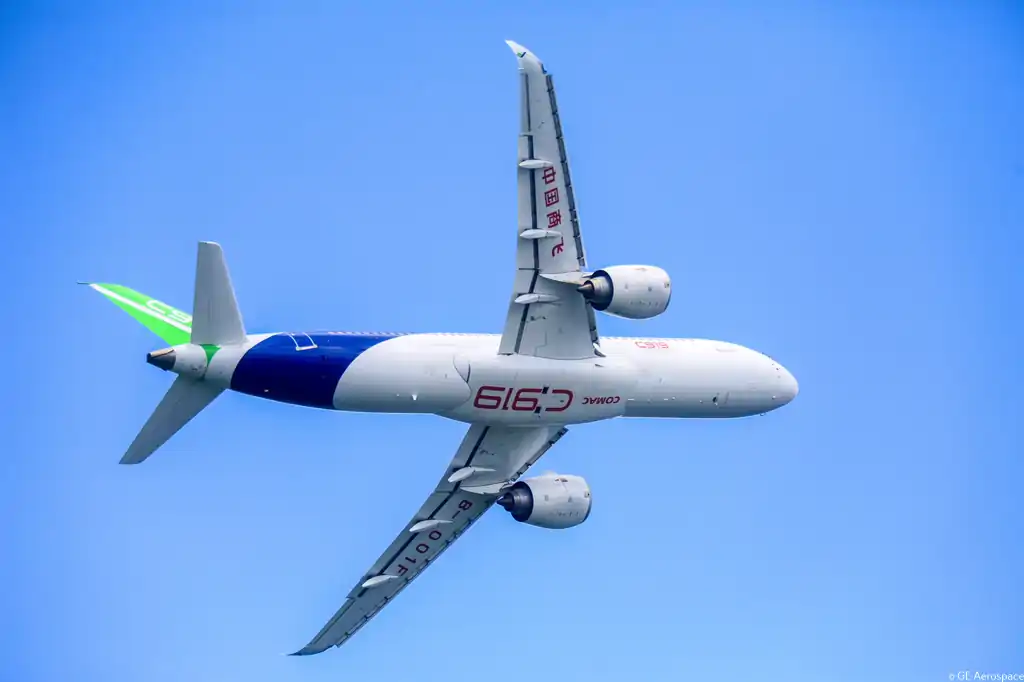
COMAC — China’s state-owned planemaker — set out to make a splash with the C919: a domestic competitor to Boeing’s 737 MAX and Airbus’s A320neo families. Earlier this year the company publicly aimed to ramp up production dramatically (targets changed from 30 to 75 for 2025), but filings from the three Chinese carriers that fly the model show reality is running a little behind the PR brochure. As of September, only five of the roughly 32 C919s those carriers expected this year have actually been handed over.
Yes, that’s the kind of math that makes spreadsheet cells weep. The state-owned manufacturer is reported to have cut its own production target for 2025 to 25 aircraft from the previously stated 75. Reuters says the 25 figure was reported via Bloomberg sources.
What tripped the C919 up? (Spoiler: it's complicated — and a little geopolitical)
Parts dependency: foreign components still matter
Although the C919 is “homegrown” in name, many critical components come from foreign suppliers. That’s normal in the global aviation supply chain — until geopolitics and export controls show up to the party uninvited.
A temporary engine export pause didn’t help
In late spring/early summer, U.S. moves temporarily paused exports of certain engines used on the C919 (CFM/LEAP family), which disrupted supply timing between June and July — a direct, real-world ripple that slows assembly lines. By early July some engine export restrictions were reported to have been eased, but the interruption had already left its mark on schedules.
Certifications and customer base
The C919 currently lacks some of the benchmark certifications from major Western aviation regulators (think EASA/FAR equivalents), which limits international sales and makes COMAC’s market mostly domestic — plus a handful of neighbors. So far its orders have primarily come from Chinese carriers, with small deals in Brunei and Cambodia. That narrows demand sources compared to the global reach enjoyed by Airbus and Boeing.
How big was the plan vs how small the pile of delivered planes is
COMAC’s public roadmap for 2025 read like a motivational poster: expand production capacity, scale up deliveries, challenge Airbus/Boeing. Airlines and COMAC had been talking about dozens of deliveries; the three major Chinese carriers — China Eastern, Air China and China Southern — each have orders of 100 C919s apiece, illustrating governmental-scale faith in the program. But promises ? planes: filings show carriers anticipated 32 handovers this year but received only five so far. That’s a gap big enough to host a small airshow.
What industry watchers are saying — Spoiler: measured optimism, not champagne

Aviation consultancy IBA described COMAC’s targets as ambitious and expected a more gradual ramp-up. Its near-term forecast was about 18 C919 deliveries in 2025, then 25 in 2026, and ~45 in 2027 — a slower climb than the most bullish targets COMAC had announced. In short: growth, yes; rocket launch, not yet.
Why this matters (beyond plane nerds and spreadsheet-lovers)
- Supply-chain realism: The C919 story is a reminder that building modern jets is an industrial symphony — engines, avionics, landing gear and supply chains across borders — one out-of-tune supplier can hold back the whole orchestra.
- Geopolitics = manufacturing risk: When national policy affects export licenses, planes are affected fast. The June–July engine pause is a textbook example.
- Market competition: Airbus and Boeing churn out single-aisles at high monthly rates; COMAC is trying to move from a domestic program to a global player — and that leap is typically measured in certifications, trust, and — yes — steady deliveries.
A fun (and slightly cheeky) “What if…” moment
- What if COMAC started handing out “C919 delayed” loyalty cards? Collect five delays, get a free in-flight cup of tea!
- What if Boeing and Airbus start sending COMAC care packages labeled “spare bolts — for old times’ sake”?
Okay, aviation humor is niche — but it’s honest.
So, what happens next? — Likely scenarios

- Measured ramp-up: COMAC focuses on stabilizing supply chains, smoothing production, and meeting a revised (and more realistic) cadence of deliveries in 2026–2027. This is the IBA view.
- Localization push: Accelerate development and replacement of foreign-sourced components with domestic alternatives — a longer-term strategy that Beijing likely favors.
- Global certification push: If COMAC wants to win over airlines outside its core political and commercial orbit, it’ll need to secure benchmarks from regulators abroad — a technically detailed, politically sensitive process.
Final verdict (short and human)
COMAC aimed high — perhaps ambitiously so — and then reality (supply chains + geopolitics + certification timelines) reminded everyone that airplanes aren’t built by willpower alone. The C919 remains a strategic and symbolic product for China’s aerospace ambitions, but the delivery shortfall this year makes the program look more like a marathon than a sprint. Which is fine — marathons win medals; sprints sometimes trip over laces.
TL; DR
- COMAC’s C919 deliveries are lagging: airlines expected ~32 this year, only 5 delivered as of September 2025.
- COMAC has reportedly cut its production target to 25 for 2025 (previously cited targets were as high as 75).
- A temporary U.S. pause on some engine exports in June–July 2025 disrupted the supply chain and slowed outputs.
- Aviation consultancy IBA expects a slower ramp-up (?18 in 2025, 25 in 2026, ~45 in 2027).
- Bottom line: COMAC’s ambitions are intact, but the timetable is being rewritten — with careful penmanship.
With Inputs from Reuters
Comment