
Did Alaska Airlines Just Set a New Industry Standard for Flight Attendant Contracts?

Abhishek Nayar
05 Jul 2024

In a groundbreaking move, Alaska Airlines' flight attendants have agreed to a new contract that is record-breaking within the United States airline industry. This historic agreement, which came after prolonged negotiations, promises significant benefits and sets a new benchmark for the industry. Let's delve into the details and implications of this new contract.
The Road to Agreement
Alaska Airlines' flight attendants had been in talks with the airline for an extended period. In February, tensions peaked as the flight attendants voted to authorize a strike, signaling their readiness to take drastic measures to secure better terms. However, a strike was averted when a tentative agreement was reached late last month during federal mediation. The union, representing the flight attendants, announced on June 21 that they had achieved a record-breaking tentative labor deal, though specifics were not disclosed until recently.
Key Components of the New Contract
According to Forbes, the new three-year contract includes several critical elements designed to improve compensation and working conditions for Alaska Airlines' flight attendants:
- Average Pay Raises of 32% Over Three Years: This substantial increase will be phased in, starting with an immediate 18% raise, followed by 3% raises in each of the subsequent two years.
- Boarding Pay: Flight attendants will now receive pay for boarding; a significant enhancement compared to previous terms. Depending on the length of the trip and the number of flights, this could add between 5% and 34% to their total earnings.
- Retro Pay: This ensures that flight attendants are compensated for the period during which they were working without the new contract terms in place.
- Reassignment Pay: If crew scheduling changes a flight attendant's schedule mid-trip, they will be paid at 150% of their regular rate, providing compensation for the inconvenience and disruption.
Union Leadership's Perspective
Sara Nelson, president of the union, highlighted the competitive advantage of this new contract. She emphasized that Alaska Airlines' boarding pay rate surpasses that of Delta Air Lines, positioning Alaska as a leader in the industry. Nelson credited the credible strike threat and leverage around the merger for pushing Alaska to offer such favorable terms.
"This is the first time Alaska is leading the industry with a contract," Nelson stated. "It helps to raise the standard and makes it very hard for these other carriers to say they should pay less when in fact they should pay more."
Comparative Analysis: Alaska vs. Southwest
While the new contract is industry-leading in several aspects, it's noteworthy that the hourly pay is not the highest in the industry. Earlier this year, Southwest Airlines agreed to a deal with its flight attendants that pays more per hour. However, Alaska Airlines' flight attendants stand to earn more in total due to the added boarding pay.
Impact on Other Airlines
The pressure is now on other major airlines currently in negotiations, such as United Airlines and American Airlines. At American Airlines, negotiations have been particularly rocky, with talks breaking down a few weeks ago and flight attendants preparing for a potential strike. However, American Airlines has claimed progress and maintains that it has had an industry-leading proposal on the table for months.
Looking Ahead
The voting period for Alaska Airlines' new contract is scheduled between July 24 and August 14. As flight attendants cast their votes, the industry watches closely, recognizing that this agreement could set a new standard for future negotiations across airlines.
Conclusion
Alaska Airlines' new contract with its flight attendants marks a significant milestone in labor relations within the airline industry. By addressing key issues such as pay raises, boarding pay, retro pay, and reassignment pay, this agreement not only benefits the flight attendants but also sets a precedent for other airlines to follow. As negotiations continue at other airlines, the influence of this groundbreaking contract will likely be felt industry-wide.
Read next

Cebu Pacific, the Philippines' leading low-cost carrier, has made a groundbreaking announcement that is set to transform the nation's aviation landscape. The airline has committed to purchasing up to 152 Airbus planes, a deal valued at PHP 1.4 trillion (approximately $24 billion). This agreement represents the largest aircraft order in the history of Philippine aviation, marking a significant milestone for Cebu Pacific and the country as a whole.
Details of the Landmark Deal
A New Fleet of Fuel-Efficient Aircraft
The comprehensive agreement with Airbus includes firm orders for 102 A321neo aircraft and purchase rights for an additional 50 A320neo family aircraft. The A320neo series is renowned for its advanced fuel efficiency and eco-friendly features. Compared to previous-generation Airbus aircraft, the A320neo offers 20% fuel savings and a corresponding reduction in CO2 emissions, underscoring Cebu Pacific's commitment to sustainable aviation.
Partnership with Pratt & Whitney
Powering these new aircraft will be Pratt & Whitney's cutting-edge GTF engines, chosen for their superior performance and environmental benefits. The selection of these engines aligns with Cebu Pacific's strategic goal of enhancing operational efficiency and reducing its carbon footprint.
Strategic Flexibility for Market Adaptation
Michael Szucs, Cebu Pacific's Chief Executive, emphasized the strategic advantages of the deal. "The order is designed to provide Cebu Pacific with maximum flexibility to adapt fleet growth to market conditions, with the ability to switch between the A321neo and A320neo," he stated. This flexibility ensures that the airline can respond dynamically to changing market demands and opportunities, positioning itself for sustained growth and competitiveness.
Timeline and Future Plans
Finalization and Fleet Modernization
Cebu Pacific has announced that the transaction will be finalized in the third quarter of 2024. This timeline sets the stage for the airline's ambitious fleet modernization program, which aims to operate an all-neo fleet by 2028. The transition to a modern, fuel-efficient fleet is a strategic move to enhance operational efficiency and provide a superior travel experience for passengers.
Recent Milestones
In April 2024, Cebu Pacific unveiled a brand-new Airbus A320neo, marking the fourth new aircraft delivery for the airline. This milestone is part of the carrier's broader strategy to continuously upgrade its fleet and maintain a competitive edge in the low-cost carrier market.
Implications for the Future
Economic and Environmental Impact
This historic aircraft order is expected to have far-reaching economic and environmental impacts. The significant investment in new aircraft will stimulate economic activity, create jobs, and contribute to the growth of the Philippine aviation sector. Moreover, the enhanced fuel efficiency and reduced emissions of the new fleet will support global efforts to combat climate change and promote sustainable development.
Enhanced Passenger Experience
For passengers, the new aircraft promise a more comfortable and efficient travel experience. The A321neo and A320neo are equipped with the latest technology and amenities, ensuring that Cebu Pacific continues to offer a high-quality service at affordable prices.
Conclusion
Cebu Pacific's unprecedented aircraft order with Airbus marks a new era for Philippine aviation. By investing in the latest fuel-efficient technology and maintaining strategic flexibility, the airline is poised to lead the industry in both growth and sustainability. As Cebu Pacific transitions to an all-neo fleet, passengers can look forward to a greener, more efficient, and more enjoyable flying experience. This historic deal not only strengthens Cebu Pacific's position as a market leader but also sets a new standard for aviation in the Philippines and beyond.
Read next
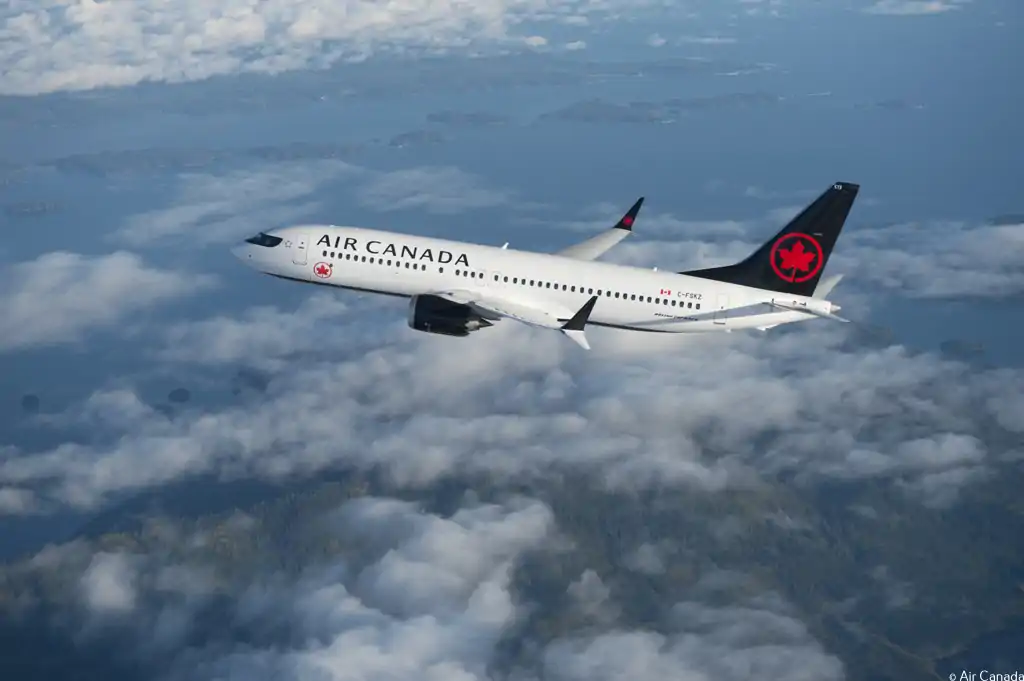
Air Canada, the country's leading airline, is gearing up to enhance its fleet with eight state-of-the-art Boeing 737 MAX 8 aircraft, thanks to a recently finalized agreement with BOC Aviation. These new aircraft are expected to arrive in 2024 and will undergo essential modifications before being introduced into service in 2025.
New Additions to Air Canada’s Fleet
Arrival and Modifications
The eight new Boeing 737 MAX 8 jets are scheduled for delivery in 2024. Before they can take to the skies, these aircraft will undergo necessary modifications to meet Air Canada's standards. Initially, they will feature a single economy class configuration. However, the airline plans to retrofit them with its standard two-cabin layout for narrowbody jets, offering a blend of economy and premium seating options.
Enhanced Fleet Flexibility and Sustainability
Efficiency and Emissions Mitigation
Michael Rousseau, President and Chief Executive Officer of Air Canada, highlighted the benefits of these new aircraft: "We look forward to these aircraft entering into service next year, upon the completion of some required modifications. These eight, brand-new, fuel- and cost-efficient 737-8s will provide more fleet flexibility and additional capacity while supporting one of our sustainability goals of mitigating emissions."
The Boeing 737 MAX 8 is renowned for its fuel efficiency and reduced operating costs, making it a strategic addition to Air Canada's fleet. The airline’s commitment to sustainability is evident in its efforts to incorporate more environmentally friendly aircraft, thus reducing its carbon footprint.
A Broader Look at Air Canada's Fleet Expansion
Pending Deliveries
According to ch-aviation.com, Air Canada is still awaiting the delivery of 82 aircraft, including:
- 27 Airbus A220-300s
- 30 Airbus A321XLRs
- 18 Boeing 737 MAX 10s, which are yet to be certified
This extensive order underscores Air Canada's strategy to modernize its fleet with the latest technology, ensuring enhanced performance, efficiency, and passenger comfort.
Partnership with BOC Aviation
Strengthening the Network
Steven Townend, Chief Executive Officer and Managing Director of BOC Aviation, expressed his enthusiasm for the collaboration: “We are pleased that Canada’s flag carrier, Air Canada, is working with us once again as it strengthens its network. Continued growth in passenger travel is stimulating demand for aircraft, which we have been able to address for Air Canada in this transaction with eight aircraft delivering from our 100 percent latest technology orderbook.”
BOC Aviation, based in Singapore, boasts a fleet of nearly 700 aircraft, with lease arrangements spanning 90 airlines across 45 countries. Their partnership with Air Canada reflects the growing demand for modern, efficient aircraft to support the burgeoning air travel sector.
A Comprehensive Modernization Strategy
Significant Upgrades for the A320 Family
In addition to the new Boeing 737 MAX 8 aircraft, Air Canada is also focused on upgrading its existing fleet. In April 2024, the airline announced a major flight deck upgrade for up to 76 Airbus A320 family aircraft. This significant modernization effort, conducted in partnership with Airbus, will involve a comprehensive cockpit and avionics system upgrade to enhance safety, efficiency, and operational capabilities.
Looking Ahead
Air Canada's fleet modernization efforts underscore its commitment to providing passengers with a superior travel experience while also prioritizing sustainability and operational efficiency. As the airline prepares to welcome the new Boeing 737 MAX 8 aircraft and continues to upgrade its existing fleet, travelers can look forward to a more comfortable, reliable, and eco-friendly journey with Canada’s flag carrier.
Read next
How Did Qatar Airways Achieve Record-Breaking Financial Success in 2023/24?
Abhishek Nayar
04 Jul 2024

In a groundbreaking financial year, Qatar Airways has reported its most successful performance in its 27-year history. The Doha-based carrier achieved unprecedented revenues of QAR81 billion (US$22.2 billion) and a profit of QAR6.1 billion (US$1.7 billion). This article delves into the factors behind this extraordinary success and what it means for the future of the airline.
Unprecedented Financial Growth
Revenue and Profit Surge
Qatar Airways saw a revenue increase of QAR4.7 billion (US$1.3 billion), marking a 6% growth over the previous financial year. This growth was complemented by a significant improvement in the Group’s EBITDA, which rose by QAR1.2 billion (US$0.3 billion) to reach QAR19.1 billion (US$5.2 billion), representing a 24% increase in the EBITDA margin. The airline’s net profits soared by 39%, reaching QAR6.1 billion (US$1.7 billion), underscoring its financial robustness.
Passenger and Cargo Growth
Record Passenger Numbers
Passenger revenues increased by 19%, driven by a 21% capacity increase and an impressive load factor of 83%. The number of passengers carried surged to over 40 million, a 26% increase from the previous year, showcasing the airline’s strong post-pandemic recovery and its enhanced market share.
Leading Air Cargo Carrier
Qatar Airways Cargo maintained its status as one of the world’s leading air cargo carriers, with a market share increase to 7.1%. The cargo division celebrated its 20th year of operation in 2024, contributing significantly to the Group’s overall success.
Strategic Network Expansion
New Destinations and Route Resumptions
The airline expanded its network to over 170 destinations, adding new routes to Al Ula, Neom, and Tabuk in Saudi Arabia; Lyon and Toulouse in France; Medan in Indonesia; and Trabzon in Turkey. Additionally, operations resumed to 14 destinations, including Beijing, Chengdu, Chongqing in China, and Tokyo-Haneda and Osaka in Japan. This strategic expansion played a crucial role in boosting the airline’s competitive position and market presence.
Focus on Innovation and Customer Experience
Enhancing Operational Efficiency
Qatar Airways attributed its success to a continued focus on customer experience, innovation, digitalization, and sustainability. The airline emphasized streamlined, agile, and fit-for-purpose operations across all areas, creating a strong foundation for future growth.
Awards and Recognitions
The airline’s commitment to excellence was recognized at the 2023 World Airline Awards, where it was named the "Best Airline in the Middle East." This accolade highlights Qatar Airways’ dedication to providing superior service and maintaining its position as a leading global carrier.
Executive Leadership Insights
Strategic Vision and Leadership
Qatar Airways Group CEO, Badr Mohammed Al-Meer, credited the airline’s strong financial performance to a clear strategic vision focused on profitability, efficiency, and customer experience. He emphasized the importance of network growth and fleet expansion in achieving record revenues and profit margins.
Resilience and Adaptability
Qatar Airways Group Chairman, His Excellency Engr. Saad Bin Sharida Al-Kaabi, highlighted the airline’s flexibility and resilience in navigating the evolving global travel industry. He noted the airline’s strong rebound from recent challenges, underscoring its robust operational strategies and market adaptability.
Conclusion
Qatar Airways’ stellar financial performance in the 2023/24 fiscal year is a testament to its strategic growth, operational excellence, and unwavering commitment to customer satisfaction. As the airline continues to expand its network and innovate, it sets a strong foundation for future success and maintains its position as a global aviation leader.
Read next

In a landmark move aimed at revolutionizing its air cargo operations, Air India has partnered with IBS Software, a leader in SaaS solutions for the travel industry. This collaboration marks a pivotal step in Air India's extensive digital transformation journey, enhancing its capabilities to handle an ambitious target of ten million tonnes of air cargo annually by 2030.
The Digital Shift: iCargo Solution by IBS Software
Air India has selected IBS Software’s state-of-the-art iCargo solution to spearhead this transformation. This fully integrated platform is designed to digitize the entire cargo management process, from sales to billing, enabling seamless integration and streamlined operations.
Streamlined Processes and Enhanced Decision-Making
The iCargo solution promises to simplify complex cargo operations, enhancing efficiency and decision-making. By integrating various aspects of cargo management into a single platform, Air India aims to reduce operational redundancies and improve service delivery. This move is set to empower the airline to handle increased cargo volumes with greater ease and precision.
Statements from the Leaders: Vision and Commitment
Nipun Aggarwal, Chief Commercial and Transformation Officer at Air India, emphasized the strategic importance of this partnership, stating: "Air India is on a transformation journey to not only reaffirm its position as a global leader in aviation but to also establish foundations for future growth. Air cargo is one of the key drivers of our roadmap for future growth, and technology will be at the core of it."
Somit Goyal, Chief Executive Officer at IBS Software, expressed pride in supporting Air India’s ambitious goals: "We are proud that our market-leading digital platform for the air cargo industry will support the ambitious transformation goals of Air India's cargo offering and take it from strength to strength."
Implementation Timeline: Swift and Strategic Rollout
The first end-to-end implementation of the iCargo solution is expected to be completed within nine months from the project's inception. This swift rollout is designed to provide immediate business benefits to Air India, setting the stage for subsequent phases that will introduce additional value-added capabilities.
Future Prospects: Meeting Ambitious Cargo Targets
As Air India embarks on this digital transformation, the airline is poised to significantly enhance its cargo capabilities. This initiative aligns with India’s broader vision of becoming a major hub for air cargo, handling ten million tonnes per year by 2030. The integration of advanced digital solutions will be instrumental in achieving these ambitious targets.
Conclusion: A Bright Future for Air India’s Cargo Operations
The partnership between Air India and IBS Software represents a significant leap towards modernizing and optimizing cargo operations. By leveraging cutting-edge technology, Air India is set to enhance its operational efficiency, improve service quality, and achieve its growth targets, reaffirming its position as a global aviation leader.
As this digital transformation unfolds, stakeholders and industry watchers alike will be keenly observing the positive impacts on Air India's cargo operations, anticipating a future where technology and aviation converge to create seamless and efficient air cargo solutions.
Read next

Air India Express, a significant player in India's aviation sector, recently faced operational disruptions following a large-scale sick leave incident by its cabin crew in May. In a critical move towards resolving ongoing labor issues, the airline has decided to defer the inquiry process against nearly 200 cabin crew members. This decision, made during a meeting convened by the Central Labor Commissioner, marks a significant step in the ongoing conciliation proceedings.
Background: The Sick Leave Incident
In May, Air India Express experienced considerable operational challenges when around 200 cabin crew members reported sick, leading to significant flight disruptions. The airline issued charge sheets to these employees in June, which escalated tensions between the management and the Air India Express Employees Union (AIXEU). The union, representing a section of the cabin crew, had filed a complaint with the labor department last year, leading to the current conciliation process under the Industrial Disputes Act.
The Central Labor Commissioner's Meeting
On Tuesday, a pivotal meeting took place in the national capital as part of the ongoing conciliation proceedings. Representatives from AIXEU highlighted the issue of the charge sheets and sought their withdrawal. On the advice of the conciliation officer, the airline's management agreed to defer the inquiry process related to these charge sheets.
According to Girish Chandra Arya, All India Secretary of Bharatiya Mazdoor Sangh (BMS), the charge sheets will be held in abeyance, and the inquiry process will be suspended pending the outcome of the conciliation proceedings. Arya emphasized that during such proceedings, the airline management should refrain from any coercive actions.
Broader Labor Concerns
The conciliation process also aims to address several other critical issues, including hotel accommodations and crew scheduling. These matters will be discussed bilaterally between the management and the crew. The next conciliation meeting is scheduled for August 8.
On Monday, representatives from BMS and AIXEU met with Civil Aviation Minister K Rammohan Naidu to discuss various issues. The union proposed a tri-party meeting involving the union, management representatives, and officials from the civil aviation ministry to address the cabin crew's concerns comprehensively.
The Impact of the Dispute on Operations
The cabin crew strike on May 9, called off after a meeting convened by the Chief Labour Commissioner (Central), had caused significant flight disruptions. The strike was a protest against alleged mismanagement at the Tata Group-owned airline. The ongoing labor disputes highlight underlying issues within Air India Express, especially amidst the Tata Group's broader plans to merge Air India Express and AIX Connect, as well as Vistara with Air India.
Moving Forward
The deferral of the inquiry process and the ongoing conciliation proceedings provide a glimmer of hope for resolving the disputes between Air India Express and its cabin crew. The outcome of these discussions will be crucial for the airline's future operations and its efforts to maintain a harmonious relationship with its employees.
Conclusion
As Air India Express navigates through its labor disputes, the aviation industry watches closely. The decisions made in the upcoming conciliation meetings will significantly impact not only the airline's operations but also the broader efforts to merge with other entities under the Tata Group umbrella. Will the deferral of the inquiry process and continued negotiations lead to a lasting resolution? Only time will tell.
By addressing the issues raised by the cabin crew and engaging in constructive dialogue, Air India Express has the opportunity to rebuild trust and ensure smoother operations in the future. The upcoming meetings and decisions will be critical in shaping the airline's path forward amidst its current challenges.
Comment