

Aviation regulator Directorate General of Civil Aviation on June 30 sent a letter to the heads of all domestic airlines to prevent incidents of unauthorised entry of people into the cockpit. According to the DGCA safety norms, unauthorised people are not permitted to enter the cockpit; any such entry violates norms.
In its letter, the DGCA asked the heads of all domestic airlines to sensitise their pilots and cabin crew to strictly follow the Aeronautical Information Circular rules and prevent any unauthorised entry into cockpits. "Instances of unauthorized entry into the aircraft cockpit have been reported to DGCA in the recent past, wherein persons having no authority or purpose, were permitted entry into the cockpit," the regulator said in the advisory.
"The person(s) authorized for entry into the cockpit and occupy the jump seat, wherever provided in an aircraft registered in India during the flight, have been specified in the Aeronautical Information Circular (AIC) 17 of 2019," the DGCA said in its letter, adding that any non-compliance of the applicable regulation, shall be dealt with strictly and may also invite stringent enforcement action.
"All the heads of operations are hereby advised to sensitize their pilots and cabin crew members to strictly follow the AIC and prevent any unauthorized entry in the cockpit through appropriate means," DGCA said. The warning reminds airlines to prioritise cockpit security and ensure that everyone understands the importance of keeping unauthorised individuals out. The DGCA has said that it will take action against airlines that are found to be violating the safety regulations. This could include fines, suspension of operations, or even cancellation of the airline's license.
Reason for the Advisory
The DGCA's letter comes just a couple of weeks after multiple incidents of Air India's pilots inviting female friends into the cockpit were reported in the last few months. "Such unauthorised presence in the cockpit is likely to distract the attention of cockpit crew from their sensitive functions and can lead to errors, which may jeopardise the safety of the aircraft operations," the DGCA said in the letter.
Air India had de-rostered two pilots on June 13, who allowed a female friend into the cockpit of a Chandigarh-Leh flight on June 3. Earlier, the airline grounded another pilot for inviting a female friend into the cockpit of a Dubai-Delhi flight on February 27. DGCA had also imposed an INR 30 lakh fine on Air India for not taking prompt action on the 'safety-sensitive' issue after the February 27 incident.
The DGCA had on June 22 suspended the license of an Air India Pilot-in-Command for one year and that of the First Officer for one month involved in the June 3 incident and suspended the pilot’s license in the February 27 incident for three months.
On June 3 Incident, After a thorough investigation by the DGCA, it was discovered that the unauthorised individual had been permitted in the cockpit during takeoff and had remained there the whole flight. It was also found that the first officer failed to express any worries about the unlawful access and even failed to record the infraction.

Read next
Air India Revises Employment Contracts & Compensation for its Non-Flying Staff
Radhika Bansal
01 Jul 2023
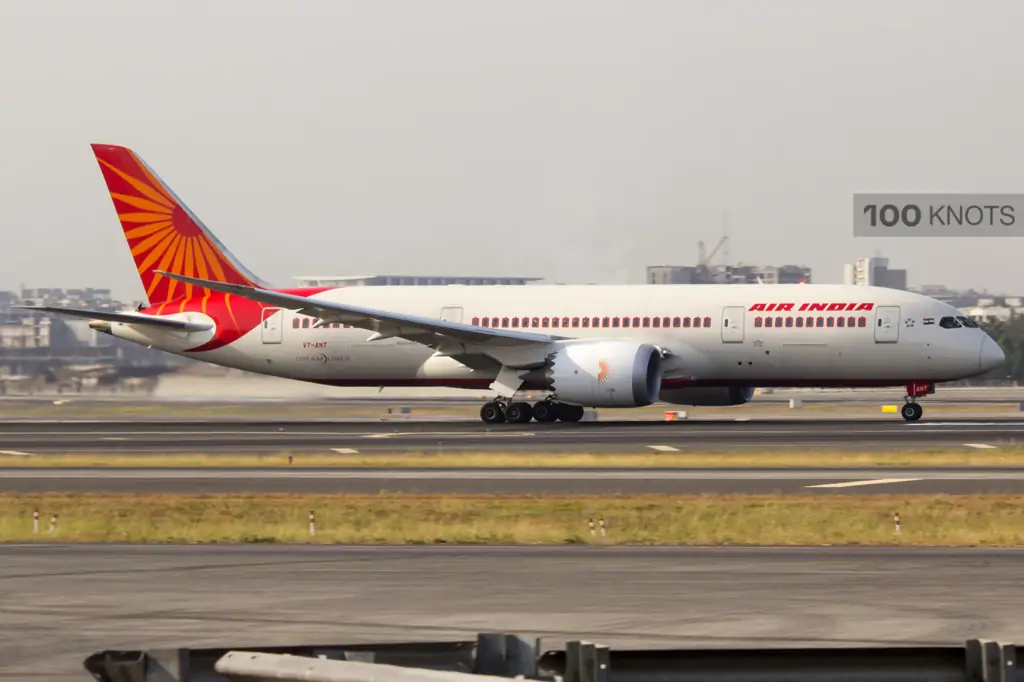
Air India revised employment contracts and compensation for its non-flying staff based in India to bring them in alignment with the ‘market standards’ and ‘promote efficiency’ within the airline, as it tackles one of the most onerous parts of its turnaround plan: streamlining workforce. The carrier has a total of about 16,000 employees: 7,000 are non-flying staff while 9,000 are flying staff such as pilots and cabin crew members. The company revised the salary structure for flying staff in April.
According to a report by Business Standard, Under this, the airline said it has decided on new roles, designations, grades and compensation structure after evaluating the requirements of each role. The compensation structure has been made simple, market-competitive and performance-oriented.
The airline's chief executive officer (CEO)and managing director (MD) Campbell Wilson said, “The new grades and designations have been arrived at after a comprehensive formal job evaluation to assess the size and complexity of each role, which have then been benchmarked against external companies so that the grade and associated compensation is aligned with market standards."
Additionally, Air India is introducing a performance-linked variable pay component in line with its drive to become more performance-oriented and meritocratic, he told employees through a message. "This variable component will be directly linked to both the company’s and each individual’s performance in a financial year, and will be based on clearer job descriptions that provide well-defined goals, KPIs (key performance indicators) and accountabilities," Wilson added.
Keeping Employee Benefits in Mind
The revised salary structures and designations will be applicable from April 1, 2023, onwards. The Tata Group had, on October 8, 2021, won the bid to acquire Air India from the government. The conglomerate took over the airline on January 27, 2022. The airline will also provide annual increments for employees who joined post-privatization on or before December 31.
After Wilson's message, the airline’s chief human resources officer Suresh Dutt Tripathi issued a circular, saying, “The contemporary organisation structure with new roles and designations have been designed to provide clarity on lines of accountability, promote efficiency, cross-functional collaboration and ample growth and advancement of our employees".
Tripathi said that there is absolutely no equivalence or linkage between the old and new grade structure. He said that annual increments would be awarded to employees who joined between October 8, 2021, and December 31, 2023. For employees who joined before the privatisation, their salaries will now follow cost to company (CTC) structure, with fixed pay and performance-linked bonus.
There will be a ‘harmonisation’ of pay and benefits for fixed-term contracts and permanent employees. He clarified that employees who have not been assigned any role in the new organisation structure will not receive the revised employment contracts and compensation. Tripathi said that employees who have applied for voluntary retirement will also not receive the revised employment contracts and compensation.
Air India is currently operating about 2,956 flights per week, which is 32.3% more in the corresponding month last year, according to aviation analytics Cirium.
Wilsons said: "With contracts and compensation structures now transitioned from erstwhile Air India to the new, privatised environment for flying crew and India-based non-flying staff, the final cohort to address is our non-flying staff based outside India. Due to the large number of countries involved and the individual circumstances of each location, it will take a little longer to work through – but we will get there, too. And with job sizes and grades established, we are also now able to update and disseminate certain dependent policies for all staff categories which will roll out in the coming weeks," the CEO added.
“We have taken a cut-off date of 15 May to implement all changes and all such employees who have joined Air India post 15 May, will receive their revised employment contracts in July effective their respective date of joining," the circular added.
Some Main Pointers -
- There is no equivalence or linkage between old and new grade structure
- Annual increments for employees who joined between October 8, 2021, (date of privatisation) and December 31, 2023
- Harmonisation of pay and benefits for fixed-term contracts and permanent employees who joined before privatisation
- Introduction of cost to company (CTC) structure for employees who joined before privatisation
- Revision of CTC with annual increments for employees who joined between April 1-December 31 last year
- Performance bonus for employees who joined between April 1, 2022, and March 31, 2023
The airline is on Hiring Spree
Bullish on growth prospects with a "healthy start" to Air India's five-year transformation plan, its chief Campbell Wilson said the airline is hiring 550 cabin crew members and 50 pilots every month and also expects to have six wide-body A350 planes in its fleet by the end of this year. After taking over the reins from the government in January last year, Tata Group has put in place various measures to turn around the fortunes of the loss-making carrier, including placing the largest order for 470 planes and expanding international operations.
Talking about the airline's hiring plans, Mr Wilson, who is the Managing Director and CEO, said there is no target per se, but about 550 cabin crew members and 50 pilots are coming in and trained afresh every month. "In the case of cabin crew members, it is about ten times and in the case of pilots, it is about five times on an annual rate of the pre-privatised airline," he told PTI in an interview in the national capital.
According to him, this pace of hiring will continue for most of this year, taper off by the end of this year and accelerate again towards the end of 2024. "It (hiring pace) will match the induction of aircraft".
Against the backdrop of merging Air India Express and AirAsia India (now known as AIX Connect), and Vistara with Air India, Mr Wilson said they are also sensitive to the consolidation subject to regulatory approvals. "There are people, and (they) can fill in the roles. We are calibrating on who we are bringing in from outside by who exists with the four airlines... we are consolidating the airlines and growing substantially," he said.
On what could be the staff strength putting all the four airlines together, Mr Wilson said it would be around 20,000, excluding those being hired as part of the growth strategy. Earlier this month, Mr Wilson told employees that Air India and Air India Express have hired more than 3,900 people, including over 500 pilots and 2,400 cabin crew members, since the start of this year.
(With Inputs from Business Standard)
Read next


The recent achievement by Virgin Galactic Holdings, Inc. marks a significant milestone in the realm of space exploration and commercial spaceflight. With the successful completion of 'Galactic 01,' the company has opened up new avenues for scientific research, private astronauts, and the pursuit of a future that includes routine space travel.
About Virgin Galactic
Virgin Galactic is an aerospace and space travel corporation that employs cutting-edge air and space vehicles to pioneer human spaceflight for private individuals as well as researchers. It has established a spaceflight system capable of connecting the globe to the love, wonder, and amazement provided by space travel while also providing clients with a transforming experience.
Galactic 01: A Remarkable Journey
On June 29, 2023, 'Galactic 01' soared into the skies, carrying with it the dreams of exploration and scientific progress. This maiden commercial spaceflight by Virgin Galactic saw the VSS Unity spacecraft reach an altitude of approximately 89 kilometers (55 miles) above Earth's surface. The crew and research payloads experienced several minutes of weightlessness in the microgravity environment, enabling groundbreaking experiments and observations.
Mission Objectives
- Conducted 13 human-tended and autonomous experiments to examine the biomedical field, thermo-fluid dynamics, and the development of innovative and sustainable materials in microgravity conditions.
- Evaluated and measured hyper-gravity to microgravity transition effects on the human body, including both biological and physical data properties.
- Collected data through wearable research payloads and sensors and autonomous research payloads mounted in the cabin on Virgin Galactic's payload rack system.
Scientific Research in Microgravity
Microgravity environments present a unique opportunity for scientific research and experimentation. In the absence of gravitational forces, scientists can observe the behavior of physical and biological systems without the interference of Earth's gravity. This microgravity environment allows for the exploration of various fields such as physics, biology, materials science, and medicine. Galactic 01 carried 13 research payloads, each contributing to the advancement of knowledge in their respective domains.
The Crew Members and Their Role
Virgin Galactic's Galactic 01 mission included three crew members from the Italian Air Force and the National Research Council of Italy. These individuals played a crucial role in conducting the scientific experiments and ensuring the success of the mission. Their expertise and dedication contributed significantly to the progress of research in microgravity.
Post-Flight Inspections and Analysis
Following the completion of Galactic 01, Virgin Galactic will undertake thorough post-flight inspections and analysis. These measures are vital for evaluating the performance of the spacecraft, the impact of the microgravity environment on the research payloads, and ensuring the safety and reliability of future missions. The data collected during these inspections will help enhance the overall capabilities of Virgin Galactic's commercial spaceflight operations.
Galactic 02: The Next Frontier
With the success of Galactic 01, Virgin Galactic is now preparing for its next commercial trip, 'Galactic 02.' This upcoming mission aims to provide the unique experience of space travel to private astronauts. It represents a significant leap forward in making space accessible to individuals beyond professional astronauts.
The Unique Experience for Private Astronauts
Virgin Galactic offers an unparalleled experience to private astronauts who aspire to venture beyond Earth's boundaries. Galactic 02 will enable these individuals to witness the breathtaking views of our planet, experience the wonder of weightlessness, and embrace the perspective-changing journey of space travel. The opportunity to become a private astronaut with Virgin Galactic presents a once-in-a-lifetime chance for those with a passion for exploration and a desire to push the boundaries of human achievement.
Monthly Missions: Expanding the Horizons
Building on the success of Galactic 01 and Galactic 02, Virgin Galactic has ambitious plans for the future. The company intends to launch monthly missions to space beginning in August 2023, allowing more individuals to experience the wonders of space travel. This frequency of missions will contribute to refining the technology, improving safety measures, and broadening the horizons of space exploration.
Comments
"Today, our team successfully launched six people and over a dozen research payloads into space in VSS Unity, our one-of-a-kind suborbital science lab." This historic flight was our first commercial flight and our first dedicated commercial research mission, ushering in a new era of repeatable and reliable access to space for private passengers and researchers. 'Galactic 02, our first spaceflight with private astronauts, is planned for August, and we expect VSS Unity to continue with monthly space missions while we simultaneously work to scale our future spaceship fleet for a global audience." remarked Michael Colglazier, CEO of Virgin Galactic.
"I am extremely honored to be a part of this historic spaceflight." 'Galactic 01' is Italy's first commercial suborbital research spaceflight, an incredible feat made possible by the Italian Air Force and the National Research Council of Italy's long-term partnership. We have reached the pinnacle of our history during the centenary year of both Italian institutions. This ground-breaking partnership catapults Italy into a new age of commercial spaceflight as a trailblazer, encouraging innovation and laying the way for future technical advancement in this critical subject. Together, and in collaboration with Virgin Galactic, we have established a precedent for future endeavors and the limitless possibilities that await us. Today, we honor not only those who made this incredible trip possible, but also those who have committed their lives to our values throughout the last 100 years. Siderum Virtute Tenus." Colonel Walter Villadei of the Italian Air Force commented.
"We are honoured that our first commercial spaceflight enabled the Italian Air Force and the National Research Council of Italy to conduct their first suborbital research experiments successfully." This successful mission serves as an appetizer of what discoveries may be accomplished with consistent access to space to further scientific comprehension," commented Sirisha Bandla, VP of Government Affairs and Research Operations.
Conclusion
Virgin Galactic's completion of Galactic 01 is a testament to human ingenuity, determination, and the relentless pursuit of progress. The successful commercial spaceflight has laid the foundation for a new era in space exploration, where private astronauts and scientific research thrive in the microgravity environment. With Galactic 02 and monthly missions on the horizon, Virgin Galactic is shaping the future of space travel.
With Inputs from Virgin Galactic
Read next
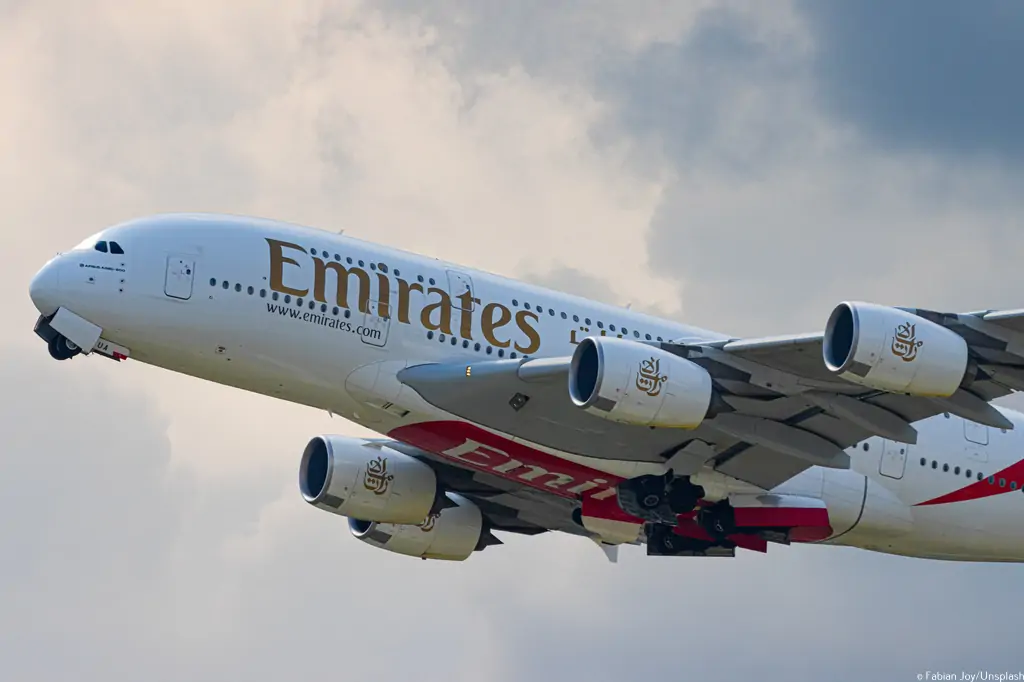
In the world of aviation, technological advancements have continuously shaped the industry. Over the years, four-engine jets have been a symbol of power and capability, ferrying passengers across long distances. However, with recent developments in aircraft design and engine efficiency, questions arise regarding the future of four-engine jets. Are we nearing the end of an era dominated by these colossal machines?
Evolution of Aircraft Technology
The aviation industry has witnessed remarkable advancements in aircraft technology since the first powered flight by the Wright brothers in 1903. Initially, aircraft were limited by the capabilities of engines and materials. Four-engine jets emerged in the mid-20th century, providing improved performance and reliability for long-haul flights. These aircraft were instrumental in opening up intercontinental travel and connecting distant corners of the world.
Development and Introduction of the A380

Airbus embarked on the A380 project with ambitious goals: to create an aircraft that would carry more passengers, consume less fuel per seat, and reduce emissions. However, the development process faced numerous challenges, from engineering complexities to delays in manufacturing. Despite these obstacles, the A380 successfully took its maiden flight and was introduced into commercial service with much anticipation.
Shift in Market Preferences
The rise of long-range twin-engine aircraft, such as the Boeing 787 Dreamliner and Airbus A350, presented a compelling alternative to the A380. These smaller planes offered greater range, operational flexibility, and lower operating costs. Airlines could now efficiently serve long-haul routes without relying on massive capacity. The changing dynamics of the airline industry indicated a shift in passenger preferences, favoring direct flights to smaller airports rather than traditional hub-and-spoke models.
Economic Downturn and the COVID-19 Pandemic
The A380's challenges were further exacerbated by the 2008 financial crisis and, more recently, the COVID-19 pandemic. The economic downturn resulted in reduced air travel demand, and the A380's capacity became a liability rather than an asset. The COVID-19 pandemic brought the aviation industry to a standstill, causing unprecedented disruptions and leading to a significant decline in air travel. The A380, designed for a world of abundant passengers, struggled to find relevance in a time of travel restrictions and reduced demand.
Lessons Learned from the A380 Failure
The failure of the A380 offers valuable lessons for the aviation industry. Despite its initial promise, the A380 struggled to maintain its position in the aviation industry due to a combination of factors. It highlights the importance of understanding market dynamics and aligning product offerings with changing trends and demands. While innovation is crucial, it must be balanced with practicality and a deep understanding of customer needs. The A380 serves as a cautionary tale for the industry, setting a reminder that even groundbreaking ideas can falter if they do not adequately address the importance of adaptability, foresight, and a deep understanding of the ever-changing dynamics of air travel.
The Rise of Twin-Engine Jets

In recent years, twin-engine jets have gained significant popularity among airlines. Advancements in engine design and materials have resulted in more efficient and powerful engines. Twin-engine jets, such as the Boeing 787 Dreamliner and the Airbus A350, offer increased fuel efficiency, reduced maintenance costs, and enhanced range capabilities. These factors have made twin-engine jets an attractive option for airlines, especially on long-haul routes.
What exactly is the ETOPS regulation?
ETOPS, an English acronym for Extended-range Twin-engine Operation Performance Standards, is the standard that allows validating the reliability of an aircraft equipped with two engines to move away from any airport at a certain distance because, in the event of engine failure, the aircraft could fly without problems to an alternative airport located at the maximum distance that its ETOPS certification allows.
That is, the amount of time in flying minutes that can be spent away from an airfield. This is significant for developing routes since higher ETOPS indicate a route is less likely to stay in close proximity to an airfield, resulting in time and fuel savings. The ETOPS of the Airbus 350 is 370 minutes, which means it can be six hours from any alternate airport. This amounts to virtually unrestricted flight all over the globe.
Benefits of Twin-Engine Jets
Twin-engine jets offer several advantages over four-engine jets. Firstly, they are more fuel-efficient, resulting in lower operating costs for airlines. The reduced fuel consumption translates into lower emissions, aligning with the growing emphasis on sustainability in the aviation sector. Additionally, twin-engine jets are more flexible in terms of route selection and can operate on long-haul as well as medium-haul routes, providing airlines with greater operational flexibility.
Advantages and Disadvantages of Four-Engine Jets
Four-engine jets, like the Boeing 747 and the Airbus A380, possess certain advantages. Firstly, they have higher thrust capabilities, enabling them to carry larger payloads over longer distances. This makes them suitable for ultra-long-haul flights and transporting a significant number of passengers. Additionally, four-engine jets have redundancy in case of engine failure, enhancing their safety profile.
Factors Influencing the Decline of Four-Engine Jets
Several factors contribute to the potential decline of four-engine jets. One significant factor is the increasing focus on environmental sustainability. With concerns over carbon emissions and their impact on climate change, airlines are under pressure to reduce their carbon footprint. Twin-engine jets are more fuel-efficient, emitting fewer greenhouse gases per passenger mile travelled. As a result, airlines are shifting towards these greener options.
The Impact on Airlines and Passengers
The phasing out of four-engine jets and the increased adoption of twin-engine and future alternative aircraft will have implications for airlines and passengers alike. Airlines will need to assess their fleet composition, considering factors such as operational efficiency, route networks, and environmental targets. Passengers can expect enhanced comfort, improved fuel efficiency, and potentially lower ticket prices as airlines transition to more modern and efficient aircraft.
The Future of Aircraft Technology
As technology continues to advance, the future of aircraft technology appears to lean towards twin-engine jets. Manufacturers are investing heavily in the development of next-generation twin-engine aircraft, incorporating cutting-edge materials, advanced aerodynamics, and hybrid-electric propulsion systems. These innovations aim to further improve fuel efficiency, reduce emissions, and enhance passenger comfort.
The Potential for Hybrid Propulsion Systems
Hybrid propulsion systems, combining traditional jet engines with electric power, hold promise for the future of aviation. These systems offer the potential for reduced emissions and increased fuel efficiency. Research and development efforts are underway to explore the feasibility of hybrid-electric propulsion in larger commercial aircraft, which could further contribute to the diminishing relevance of four-engine jets.
The Importance of Research and Development
Continued investment in research and development is vital for the advancement of aviation technology. As the industry moves towards more efficient and sustainable solutions, ongoing innovation will shape the future of aircraft design and propulsion systems. Collaboration between aircraft manufacturers, engine suppliers, and research institutions will play a crucial role in driving the evolution of commercial aviation.
Conclusion
In conclusion, the aviation industry is witnessing a shift away from four-engine jets towards more fuel-efficient and versatile twin-engine aircraft. Factors such as environmental sustainability, operational flexibility, and economic considerations are driving this transition. While the era of four-engine jets may not entirely come to an end, their prominence in commercial aviation is likely to diminish. The future lies in the continued development of twin-engine jets and the adoption of greener, more technologically advanced aircraft.
With Inputs from EAS Barcelona
Read next
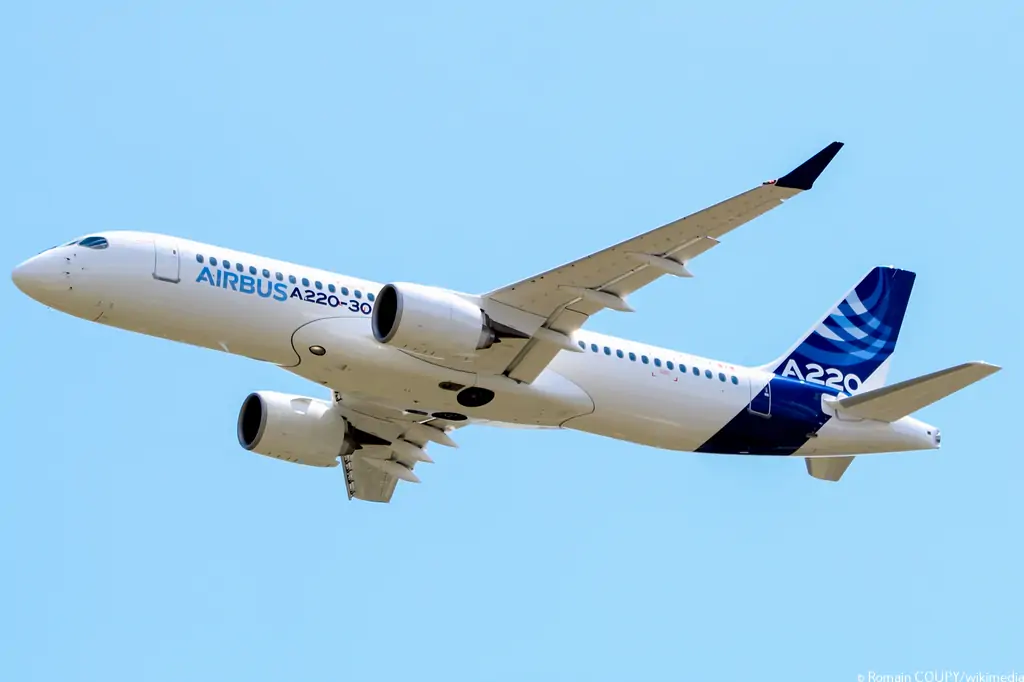
The aviation industry is no stranger to continuous evolution and innovation. Airbus, one of the leading aircraft manufacturers, has consistently pushed boundaries with its remarkable aircraft lineup. The A220 family, formerly known as the Bombardier CSeries, has garnered attention and popularity since its introduction. However, despite its success, the fate of the A220-500 remains uncertain.
The A220 Family: An Overview
Before diving into the details, let us take a moment to understand the A220 family of aircraft. Launched by Airbus in 2017, the A220 is a series of narrow-body, twin-engine jet airliners. With a seating capacity ranging from 100 to 160 passengers, the A220 family strikes a balance between capacity and operational efficiency. It was initially known as the Bombardier CSeries, but Airbus acquired a majority stake in the program and rebranded it as the A220. The family consists of two models, namely the A220-100 and the A220-300, designed to cater to different market segments.
The Need for Expansion: Introducing the A220-500
To further expand its market presence and cater to the demands of airlines seeking larger capacity aircraft, Airbus has contemplated the development of the A220-500. This potential addition to the A220 family aims to address the market gap between the A220-300 and the larger A320neo series. With a higher passenger capacity, estimated to range from 160 to 180 seats, the A220-500 could offer airlines enhanced operational flexibility and increased revenue potential.
Airbus' Perspective on the A220-500
Airbus has acknowledged the interest surrounding the A220-500 but remains cautious about committing to its production. The company's stance on the A220-500 centres around market demand and the viability of the aircraft within the competitive aviation landscape. Airbus strives to ensure any new additions to its aircraft lineup meet the requirements of airlines and deliver a compelling value proposition.
Designation Dilemma: A221 vs. A220
As Airbus evaluates the potential production of the A220-500, a critical consideration arises regarding its designation. Airbus advises that the biggest member of the A220 family be designated as the "A221" rather than the "A220-500." This strategic move aligns with Airbus' branding and numbering conventions, emphasizing the aircraft's integration within the A220 family while distinguishing it as the largest variant.
Advantages of the A221
The decision to designate the larger A220 variant as the A221 brings several advantages. Firstly, it aligns with Airbus's existing nomenclature, making it easier for airlines and pilots familiar with Airbus aircraft to identify and operate the A221. Secondly, the A221 designation suggests a closer kinship to the A220-100 and A220-300, emphasizing their shared characteristics and commonality in systems and design.
Factors Influencing the Potential Production
Several factors influence the potential production of the A220-500. Market demand, economic considerations, and regulatory requirements play a pivotal role in determining the feasibility of introducing the new variant. Airbus closely monitors the evolving dynamics of the aviation industry, carefully assessing customer feedback and market trends to make informed decisions regarding the production of the A220-500.
Manufacturer Support
Airlines place great importance on reliable manufacturer support to address any technical or operational concerns. The A220 benefits from strong manufacturer support, with Airbus providing comprehensive assistance throughout the aircraft's lifecycle. This support includes technical expertise, spare parts availability, and training programs for pilots and maintenance crews, ensuring smooth operations and prompt issue resolution.
Market Demand and Growth
The A220 has experienced significant market demand and growth since its introduction. Airlines recognize the aircraft's capabilities and its potential to meet evolving passenger needs. As a result, the A220 has garnered substantial orders and commitments from airlines around the world, reflecting the industry's confidence in its performance and long-term viability.
The Future of the A220-500: Prospects and Challenges
The A220-500 represents a promising opportunity for Airbus to expand its market share and offer airlines a compelling aircraft choice. If produced, the A220-500 could capitalize on the existing success of the A220 family, catering to airlines with higher passenger capacity demands. However, challenges such as development costs, certification processes, and market competition pose significant considerations. Airbus must carefully evaluate these factors to ensure the viability and success of the A220-500 in the highly competitive aviation landscape.
Implications for the Aviation Industry
The renaming of the A220-500 to the A221 has sparked discussions within the aviation industry. Some experts believe that this decision reflects Airbus's confidence in the existing A220 models and their ability to cater to a wide range of market demands. The consistency in naming also reinforces the brand identity of the A220 family, positioning it as a cohesive and well-integrated product line.
Conclusion
The potential production of the A220-500 remains an intriguing possibility in the evolution of Airbus' A220 family. While the future of the A220-500 is yet to be determined, Airbus continues to assess market demands and customer feedback to make informed decisions. The A220 family has already established its reputation for fuel efficiency, operational flexibility, and passenger comfort, and the potential addition of the A220-500 could further solidify its position in the market.
With Inputs from Air Data News, The Air Current
Read next
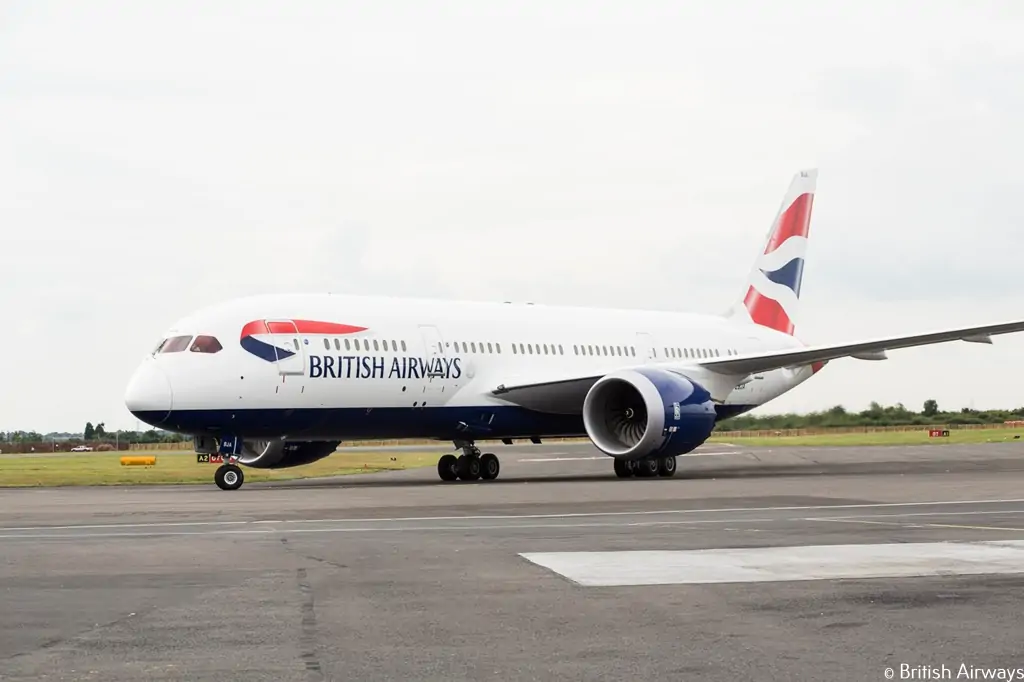
British Airways is seeing a more balanced growth in India and has increased its weekly flights to 56 compared to the pre-pandemic level, the airline's chief Sean Doyle said on Friday, June 30. Speaking at a media roundtable, Doyle, who is the Chairman and CEO, also said there is a growth in air travel demand in India and the airline is looking for expansion.
India continues to be a growth driver & a focus market for the airline which is all set to complete a century of flying here next year. India is the second largest market for British Airways & the airline is exploring routes to expand its services. Currently, the airline has 56 weekly frequencies connecting five Indian cities -- Delhi, Mumbai, Chennai, Bengaluru and Hyderabad. Before the coronavirus pandemic, the airline had 49 weekly flights. "We are rebuilding and modernising," the airline after the pandemic and India is an important part, Doyle said.
British Airways, which started flying into India in 1924, has more than 2,000 employees in the country, the airline's Chief Customer Officer Calum Laming said. It has a total global workforce of more than 35,000 people.
Indian customers travelling between Mumbai, Delhi and Bangalore can enjoy the airline’s newly designed Club Suite (business class) cabin, with direct aisle access, a suite door for greater privacy and luxurious flat-bed seats in a 1-2-1 configuration. Flyers will also soon start to see the new British Airways uniform, as cabin crew, pilots and check-in agents switch over to the airline’s first new uniform in 20 years.
The British flag carrier is counting on a new and modern fleet to be more cost-efficient. It is on the path of replacing its fleet with modern aircraft like the Airbus A350-1000 and Boeing 787. British Airways continues to focus on future technologies and has invested in a company that is working on hydrogen as a fuel for the industry. The IAG was the first to commit to 10% SAF by 2030 and has signed many SAF deals, but proper supply is one of the causes of concerns.
Call Centre in Gurgaon
British Airways has officially opened ‘CallBA’, its new call centre located in Gurugram, near Delhi, offering an enhanced customer experience to travellers across the globe. British Airways opened its first call centre in India in 2006. The airline’s Chairman and CEO, Sean Doyle, unveiled the new office space yesterday, where 1,400 highly trained colleagues offer round-the-clock support to thousands of customers from the US and Europe, through to Asia Pacific.
CallBA has doubled in size since 2019, and the new facility comfortably accommodates the full team, with colleagues now using a cloud-based telephone system with call-flow management and access to insightful data to further personalise the customer experience.
Sean Doyle, British Airways Chairman and CEO, said: “British Airways has been flying to India since 1924, making it one of our longest-served and most valued destinations. This investment in our Customer Care team at CallBA is part of our vision to continually enhance and upgrade our customer service. As we continue to invest in our people and grow our customer service teams in the region, we remain committed to the country and its people as we build a better BA.”
About British Airways
As a global airline and the UK’s flag carrier, British Airways has been flying its customers to where they want to be for more than 100 years. The airline connects Britain with the world and the world with Britain, operating one of the most extensive international scheduled airline route networks together with its joint business, codeshare and franchise partners. British Airways flies to destinations in more than 65 countries. Its primary place of business is London, with its main home at Heathrow Terminal 5. In 2021, the airline won six Business Traveller Awards including Best Short-Haul Carrier, Best Airport Lounge, Best Frequent Flyer Programme, Best Travel App and Best New Seat. In September 2021, British Airways launched its sustainability programme, BA Better World, committing to putting sustainability at the heart of everything it does and with a clear roadmap to achieve net zero carbon emissions by 2050. British Airways is a founding member of the airline alliance oneworld, which serves around 1,000 destinations across the globe.
Comment