
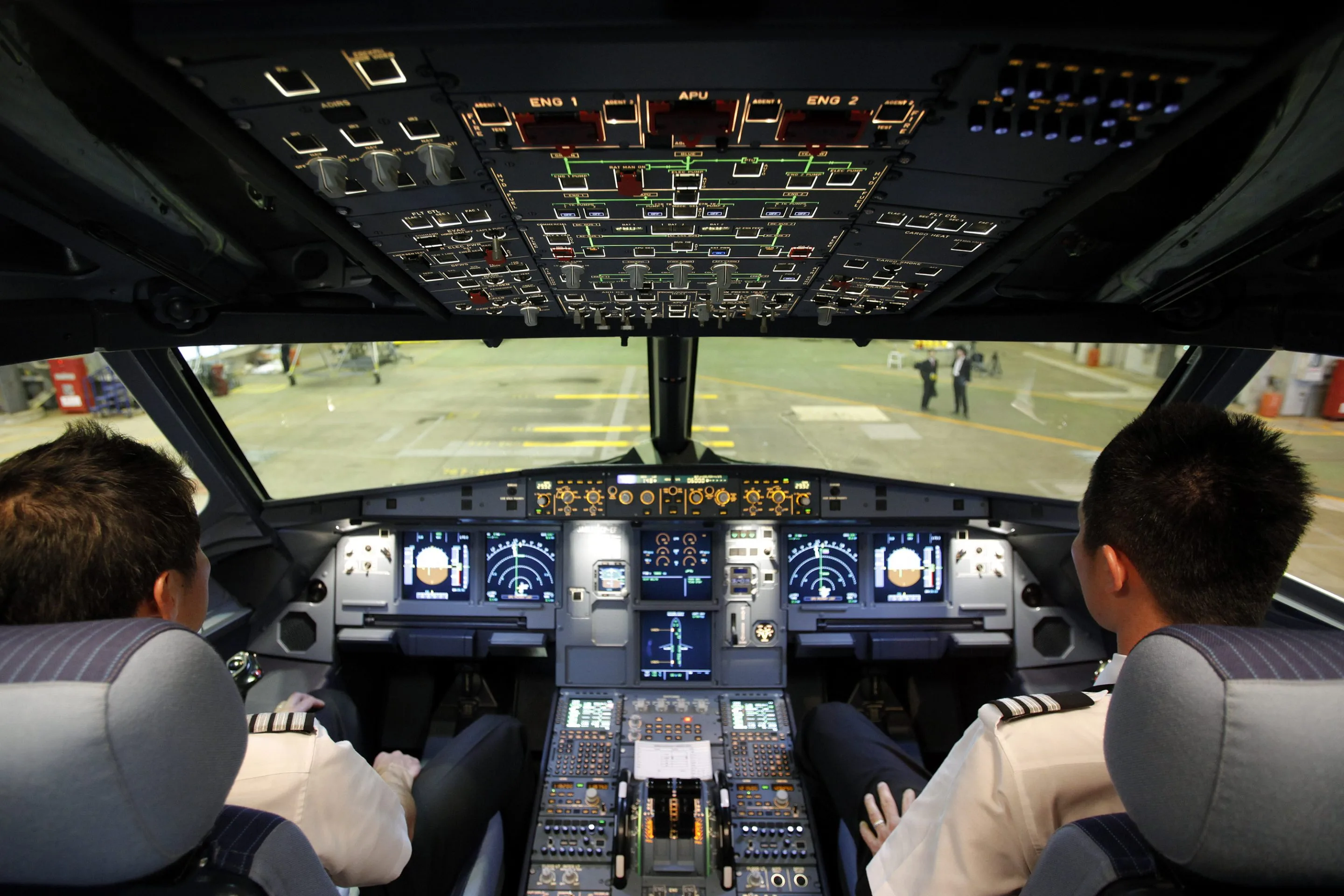
A total of 993 commercial pilot licences have been issued this year till July 24, the government said on Thursday, August 3. Minister of State for Civil Aviation V K Singh informed the Lok Sabha that currently, there are 36 Flying Training Organisations (FTOs) operating at 57 bases. According to data provided as part of a written reply, 993 Commercial Pilot Licences (CPLs) and 407 Airline Transport Pilot Licences (ATPL) have been issued this year till July 24.
In 2022, a total of 1,165 CPLs and 720 ATPLs were issued. According to data provided as part of a written reply, 993 Commercial Pilot Licences (CPLs) and 407 Airline Transport Pilot Licences (ATPL) have been issued this year till July 24. In 2022, a total of 1,165 CPLs and 720 ATPLs were issued.
An individual is eligible to apply for CPL after completing at least 200 hours of flying and fulfilling other conditions. Besides, the individual has to clear theory papers and once successful, the CPL is given for five years subject to complying with various requirements. The Directorate General of Civil Aviation (DGCA) issues three types of licenses -- CPL, Air Transport Pilot Licence (ATPL) and Private Pilot Licence (PPL). While CPL allows a pilot to start flying as a co-pilot, ATPL permits a pilot to be the commander. PPL is issued for operating private planes.
"The estimated supply of engineers from DGCA-approved AME Training Institutes is around 3,500 per year to cater to the demands of the aviation industry," Singh said. Singh, in another written reply, said that as on July 28, a total of 8 Indian scheduled operators with 649 aircraft are operating commercial passenger services in the country.
Airfare and Air Travel Safety
To queries about airfares, he noted that ticket prices are fixed by the airlines keeping in mind the market, demand, seasonality and other market forces. "Airline ticket prices are determined by the demand and supply theory and are governed under the competition laws (Competition Act, 2002). Anti-competitive practices are kept in check by the Competition Commission of India (CCI)," he added.
The minister also said DGCA has taken various steps to enhance the safety of operations and ensure the safe travel of passengers. These include airlines being directed to increase their engineering capabilities at all airports where they operate to ensure the availability of spare and qualified manpower. Further, the watchdog has increased its spot checks on aircraft of airlines and has directed carriers to ensure adequate availability of spares. In a separate written reply, Singh said the Aircraft Accident Investigation Bureau (AAIB) is probing 11 accidents and 4 serious incidents.
The minister also said that investigations in progress are regularly reviewed and efforts are made for their timely completion. "Timelines differ from case to case based on the complexity of the case, number of stakeholders involved, requirement for component testing etc. Hence no specific timelines can be assigned for the completion of the investigation," he added. Serious incidents are those involving circumstances indicating that there was a high probability of an accident associated with the operation of an aircraft.

Read next
Spirit Airlines to Face Revenue Downturn Due Engine Problems Grounding Additional Jets

Abhishek Nayar
04 Aug 2023
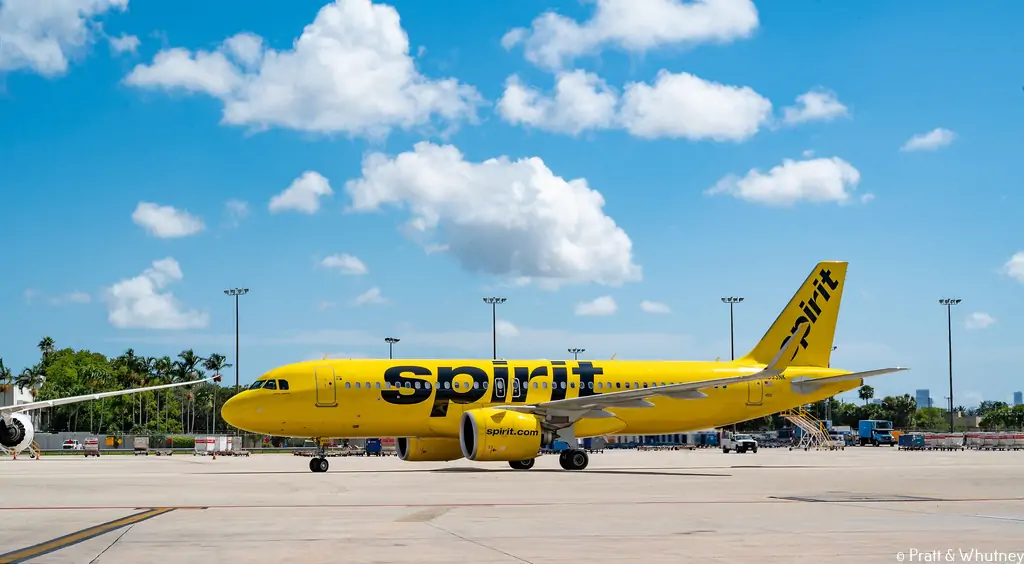
On August 3, 2023, Spirit Airlines issued a warning concerning its September quarter revenue, attributing the decline to the grounding of seven Airbus A320neo aircraft. The grounding was necessitated by a problem with the RTX's Pratt & Whitney Geared Turbofan (GTF) engines.
The Problem with RTX's Pratt & Whitney Geared Turbofan (GTF) Engines
RTX revealed that a "rare condition" in powdered metal was discovered in more than 1,200 of the over 3,000 engines built for the twin-engined Airbus A320neo between 2015 and 2021. As a result, these engines were ordered to be disassembled and inspected for micro-cracks that could indicate fatigue. The discovery of this issue has led to the grounding of affected aircraft, causing disruptions in operations for airlines that rely on the A320neo fleet. Pratt & Whitney's latest engine issue adds to the headache for carriers already dealing with pilots, air traffic controllers, and new plane shortages, making it difficult to add more flights.
Impact on Spirit Airlines' September Quarter Revenue
As one of the airlines affected by the grounding, Spirit Airlines is bracing for a hit to its September quarter revenue. With seven Airbus A320neo aircraft grounded through the end of the year, the airline anticipates a decrease in capacity, leading to potential cancellations, rebookings, and logistical challenges. The revenue warning indicates that Spirit Airlines' financial performance will be adversely affected during this period.
Spirit CEO Ted Christie stated that the grounding of seven aircraft will be added to the seven that are presently out of service due to unplanned engine removals.
"This new issue is yet another frustrating and disappointing development," added Christie.
The Florida-based airline has reduced its September capacity by 5%. The current GTF issue is also projected to reduce its efficiency, as the firm has stated that it will likely be overstaffed and carry more pilots than necessary into the fourth quarter and early 2024.
Mitigation Efforts and Timeline for Resumption
To address the issue with the RTX's Pratt & Whitney GTF engines, the affected A320neo engines are undergoing thorough inspections for micro-cracks. The process involves disassembling and assessing the components to identify any signs of fatigue. This meticulous approach is aimed at ensuring the safety and reliability of the engines before they are allowed to resume operations.
Spirit has up to 13 engines out of the first 200 designated by Pratt & Whitney for expedited examination, according to Christie. These will be decommissioned beginning next month. While the exact date for inspecting an additional 1,000 GTF engines is unknown, Christie believes it will need to be done before the end of September 2024.
Spirit hopes to know by the end of next month whether additional engines will need to be removed for inspection. The business already anticipates that at least ten NEO aircraft will be out of service for most of 2024 owing to planned engine inspections.
However, the extensive inspection process could take some time, given the large number of affected engines and the rigorous scrutiny required. Airlines like Spirit Airlines may have to adjust their schedules and operations to accommodate the grounded aircraft until the inspection and remediation process is completed.
Industry-Wide Implications
The grounding of a significant number of Airbus A320neo aircraft due to engine issues has broader implications for the aviation industry. With Spirit Airlines serving as just one example, other airlines with A320neo fleets may also face revenue and operational challenges. This situation highlights the importance of rigorous maintenance and safety protocols for aircraft engines to prevent potential disruptions and ensure passenger safety.
Conclusion
The grounding of seven Airbus A320neo aircraft is set to impact Spirit Airlines' revenue in the September quarter. The issue with RTX's Pratt & Whitney GTF engines necessitated extensive inspections, which could result in logistical challenges and disruptions for the airline. While the focus remains on ensuring passenger safety, this incident also underscores the significance of stringent maintenance and safety measures in the aviation industry to avoid similar situations in the future.
(With Inputs from Reuters)
Read next
IndiGo to Hike Pilot & Cabin Crew Salaries After Posting Record Profit in Q1 FY24
Radhika Bansal
04 Aug 2023
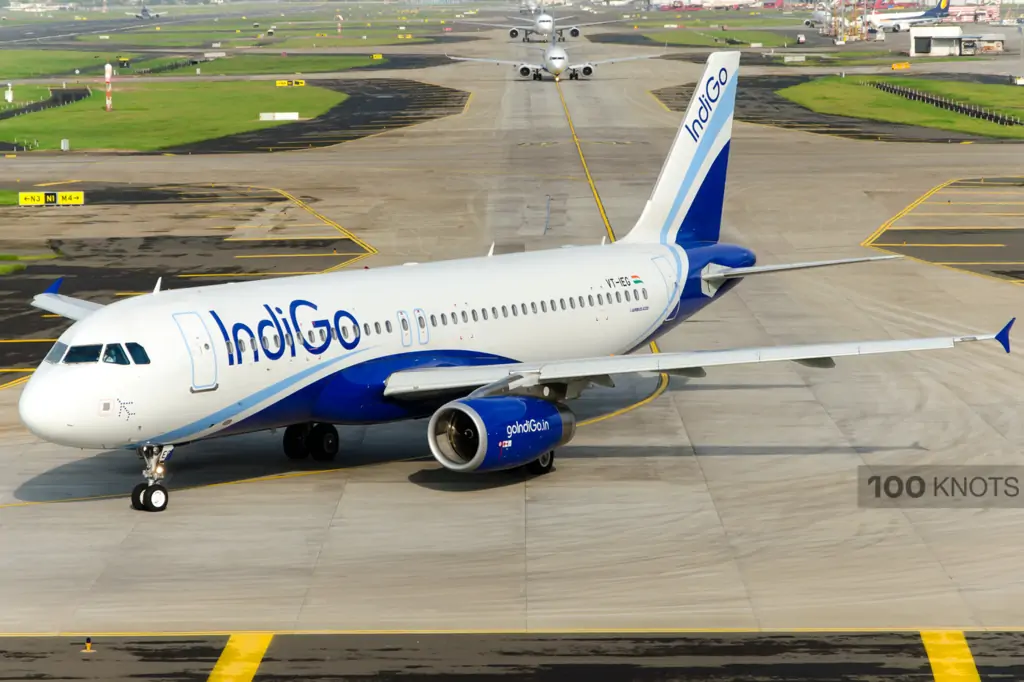
India's largest domestic airline in India, IndiGo said that it will increase the salaries of its pilots and cabin crew after posting a record net profit of INR 3,090 crore in the first quarter of 2023-24. The announcement came after the airline which has more than 60% share of India's domestic market reported a net profit of INR 3,090 crore for the April-June period. This was the airline's highest quarterly profit. It has now logged three consecutive profitable quarters in a row.
The airline has started the performance review for nearly 4,500 flight crew and new salaries will come into effect from October 1. “While we regained and started to build our financial strength over this past year, we reviewed and reinstated salaries and allowances to pre-Covid levels. In the coming months, we will be working with our HR team towards enhancing the salaries of our flight crew. The revised salary structure will be effective October 1,” the airline’s senior vice president of flight operations Ashim Mitra said in a memo.
After last quarter's profit, the airline announced bonuses of 3% of salary to its crew after the airline recorded a profit in the January-March quarter. This pay increase comes at a time when rival airlines have already announced substantial salary hikes in the past few months. Akasa Air increased the salary of its pilots by up to 40%, following Air India's 20% salary hike for its pilots in June. Demand for pilots is high in the market, particularly for senior commanders and trainers, as airlines are expanding their fleets and networks both internationally and domestically.
Record Profit in Q1
Interglobe Aviation, the parent company of IndiGo, recently reported its profit of INR 3,090 crore in the June quarter of 2023-2024. Revenue from operations rose nearly 30% on a year-on-year basis to INR 16,683.1 crore with an increase in capacity and the load factor. The airline also reported its highest-ever quarterly total income of INR 17,160.9 crore in the first quarter of the current fiscal, according to a release. Total income or revenues stood at INR 13,018.8 crore in the three months ended June 2022.
In the latest June quarter, the airline said it had the highest-ever quarterly profit that “reflects strong operational performance, execution of our strategy and favourable market conditions”. “We produced a strong operational performance and welcomed the highest number of quarterly passengers which enabled us to generate the highest ever quarterly revenue and net profit for the quarter ended June 2023,” IndiGo CEO Pieter Elbers said.
IndiGo has earlier announced that it will hire 5,000-6,000 employees in 2023-24 as it continues its expansion plan within India and overseas. At the moment the airline is facing a shortage of pilots on its ATR fleet, with captains exiting the airline to join other carriers after completion of their three-year service bonds. IndiGo is also introducing a policy that will enable ATR-72 aircraft pilots to transition to the Airbus fleet. IndiGo operates 39 ATR-72 planes and is the largest operator of the aircraft type in India.
As of June, IndiGo operated 316 aircraft, including a mix of Airbus and ATR-72 aircraft. The airline has two Boeing 777 aircraft on wet-lease from Turkish Airlines.
IndiGo's LLP Venture
InterGlobe Aviation, the parent company of India's leading airline, IndiGo, is also expanding its horizons by venturing into the world of venture capital. In a recent move, the company's board has given the green light for the incorporation of a Limited Liability Partnership (LLP) dedicated to making strategic investments in early-stage companies within the aviation, consumer, and allied sectors. This decision marks a significant step forward for InterGlobe Aviation, as it seeks to diversify its portfolio and tap into the potential of innovative startups.
IndiGo's Chief Financial Officer, Gaurav Negi, stated that the company will seek regulatory approvals to establish the LLP and that internal discussions regarding potential investments are taking place. He stated that the LLP will be established with an initial investment of INR 7 crore. "We are getting into the venture capital arm side, where we will be making early-stage investments in early-stage companies...," he said on a conference call with analysts following the announcement of the company's June quarter financials. The LLP will focus on "investment in startups operating in aviation, consumer, and allied sectors such as travel & lifestyle, hospitality, and transportation," according to a regulatory filing.
Read next
Air India Estimates INR 14,000 Crore of Accumulated Losses at the End of FY23
Radhika Bansal
03 Aug 2023
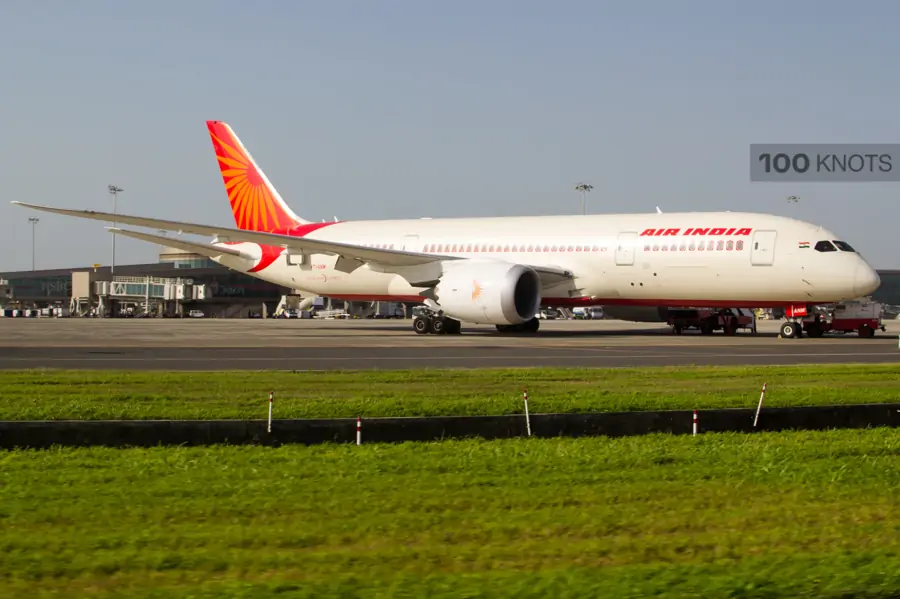
Air India's total accumulated losses at the end of the financial year 2022-23 (FY23) have been estimated at INR 14,000 crore, According to a report by The Economic Times (ET). Sources were quoted as saying that Tata Sons invested about INR 13,000 crore in Air India in FY23 through wholly owned subsidiary Talace.
The amount excludes the investment carved out for 470 new aircraft ordered in June from Airbus and Boeing. Tata gained ownership of Air India in January 2022 after the government privatised it. The losses include write-offs on old planes and engines and those on account of AirAsia India. An impairment cost of INR 1,500 crore is estimated against AirAsia India and about INR 5,000 crore because of Air India's ageing engines and planes.
According to industry sources, the total order value of the new planes is close to USD 30 billion. Meanwhile, Air India also finalized the agreement with US-based engine manufacturer CFM International for engines for 400 aircraft in July this year. The deal was first announced in February.
CFM's LEAP engines will power the Tata Group-backed airline's new fleet of 210 Airbus A320neo/A321neos and 190 Boeing 737 MAX family aircraft. The two companies have also signed a multi-year services agreement that will cover the airline’s entire fleet of LEAP engines. Air India has been a CFM customer since 2002 when the airline began operating Airbus A320ceo aircraft powered by CFM56-5B engines. In 2017, Air India began operating A320neos, becoming the first LEAP-1A-powered operator in India. The airline currently has 27 LEAP-1A-powered A320neo family aircraft in its fleet.
Transformation in Progress
The company also invested in a design revamp and upgraded services, the report added. The airline has also undertaken a USD 400 million project to revamp existing aircraft, which will include refurbishing interiors.
Executives were quoted as saying that the airline's focus is on improving customer service, aircraft quality and operational efficiencies. Tata Sons chairman N Chandrasekaran's mandate is that customer centricity and safety should be prioritised. Chandrasekaran is also Air India's chairman. As Air India will need a strong, skilled workforce to support its growth ambitions, the airline is also investing in retraining employees and hiring new talent, an executive was quoted as saying.
At the present moment, the new Air India management is working on an organisational overhaul. Air India Express is absorbing AirAsia India to create a low-cost unit. Vistara is being merged into Air India to create a full-service airline. Singapore Airlines will have a 25% stake in the newly merged entity.
Executives stated that the airline's lease costs were higher last financial year since it got planes on short-term leases, which cost more than long-term ones. Under a transformational plan called Vihaan.AI, Air India is looking to expand its fleet size threefold and increase its domestic and international market share to 30% in five years.
Last fiscal year, the airline's lease costs were higher due to the use of short-term leases for additional planes, as it needed to compensate for grounded aircraft and expand international services. This opportunity arose from the closure of Russian airspace, which resulted in American and European carriers abandoning certain routes. In total, Air India has leased 21 Airbus A320s, four Airbus A321s, and 14 Boeing B777 widebody aircraft.
Strengthening the Air Cargo Hold
According to Air India, various initiatives taken by it in recent times will not only enhance the role of the airline as a major cargo carrier but also bolster the country's cargo ecosystem and contribute to the development of an efficient air cargo supply chain accelerating exports from India. The airline further revealed that it also plans to deploy the latest IT solutions to strengthen the use of technology, including blockchain, AI, and drones to optimize productivity. It believes that these advancements will help it to deliver a wide range of services with global capabilities including pharma logistics, door-to-door logistics with global partners, and e-commerce.
The carrier said that it is strengthening the use of technologies like blockchain and artificial intelligence to optimize productivity in cargo operations. Short-term changes have been devised in its existing IT cargo system to enhance efficiency in areas like electronic data interchange, seamless connectivity with trade partners, and real-time updates on flight and shipment status.
In its growth plans, Air India revealed to set up three 24x7 control centres to integrate and improve customer interface, customer service and operations efficiency. Moreover, the airline is investing in infrastructure, collaborating with its joint venture partner SATS to develop airport and logistics infrastructure. Air India also seeks to expand its domestic network, catering to the increasing demand from Tier-2 and Tier-3 markets in India.
To strengthen its global reach, Air India is forging strategic partnerships and collaborations. By enhancing interline partnerships and trucking network connections, the airline aims to boost exports. Presently, Air India services cargo transportation to more than 40 international and 38 domestic destinations, and it has partnered with offline trucking points worldwide to further expand its base. The airline is also working closely with service providers at key Indian airports, including Delhi, Mumbai, and Bengaluru, to streamline trans-shipment efficiency and volume at these vital global hubs.
(With Inputs from The Economic Times)
Read next
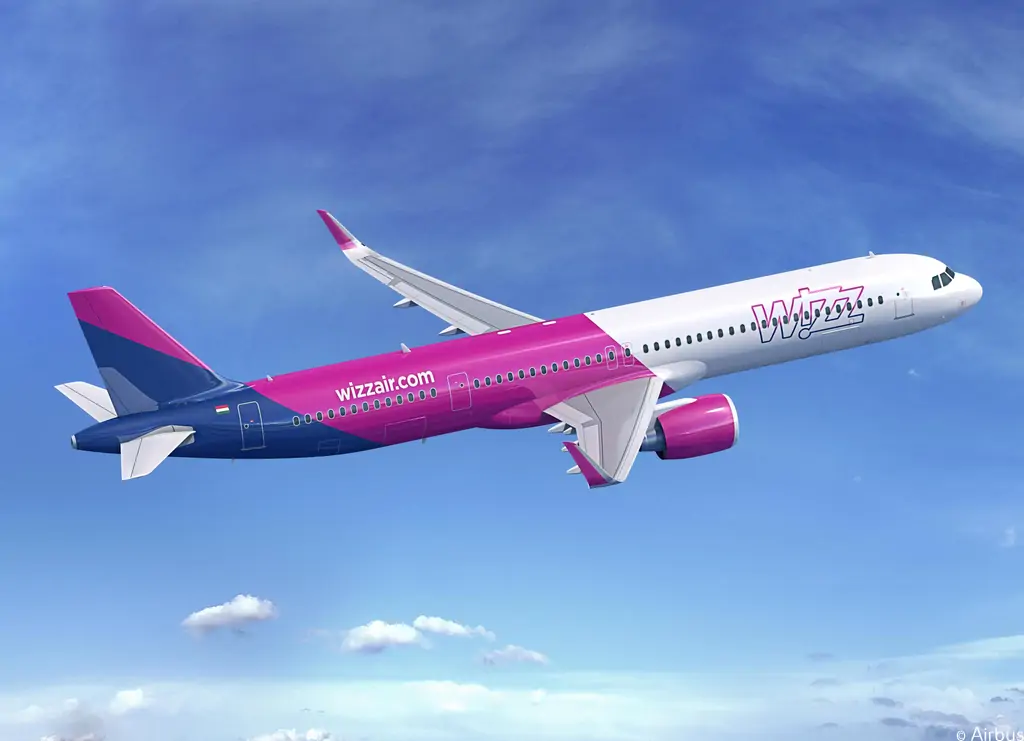
Wizz Air, the renowned ultra-low-cost carrier in Europe, has once again taken a significant step towards expansion and growth in the aviation industry. The airline recently signed a substantial contract for the acquisition of an additional 75 A321neo Family aircraft from Airbus, cementing its position as Europe's fastest-growing carrier. With this latest order, Wizz Air has reinforced its commitment to modernizing its fleet and providing affordable and efficient air travel options to its customers.
Wizz Air's Strategic Move
The recent signing of a contract for 75 A321neo Family aircraft showcases Wizz Air's strategic vision and its commitment to enhancing its operational efficiency and passenger experience. The airline has consistently pursued a growth-oriented strategy by expanding its fleet and route network. This move aligns with Wizz Air's ambition to strengthen its market position as a leading ultra-low-cost carrier in Europe.
The A321neo Family Aircraft
The A321neo Family aircraft, manufactured by Airbus, represents the latest generation of narrow-body single-aisle planes. These aircraft are known for their fuel efficiency, advanced technology, and spacious cabins. The A321neo features next-generation engines, aerodynamic improvements, and innovative cabin design, making it an ideal choice for airlines seeking enhanced performance and reduced environmental impact.
Total Order for the Largest Member of the Airbus Single Aisle
With the addition of 75 A321neo Family aircraft to its fleet, Wizz Air's total order for the largest member of the Airbus single-aisle family now stands at an impressive 434 aircraft. This milestone reflects the airline's confidence in the A321neo's capabilities to cater to its increasing passenger demands while ensuring cost-effective operations.
Expanding the A320 Family Order
Incorporating the 75 A321neo aircraft into its fleet also expands Wizz Air's total order for the Airbus A320 Family to an astounding 565 aircraft. The A320 Family, which includes the A318, A319, A320, and A321 models, has been a cornerstone of Wizz Air's operations, enabling the carrier to offer a diverse range of services to various destinations across Europe.
Meeting Growing Passenger Demand
The substantial order for A321neo Family aircraft reflects Wizz Air's confidence in the future of air travel and the growing demand for affordable and reliable flights. As the airline industry continues to recover from the impact of the COVID-19 pandemic, Wizz Air is positioning itself to capitalize on the pent-up travel demand and cater to passengers seeking budget-friendly travel options.
Environmental Considerations
Despite being an ultra-low-cost carrier, Wizz Air acknowledges the importance of sustainability and reducing its environmental footprint. The Airbus A321neo's fuel-efficient engines and eco-friendly design align with Wizz Air's commitment to operating a more sustainable and greener fleet, contributing to global efforts to combat climate change.
Comments
"With today's announcement, Wizz Air further reinforces its position as the largest A321neo Family operator in Europe and the Middle East," stated József Váradi, CEO of Wizz Air. More than half of our fleet is already equipped with cutting-edge neo technology. The A321neo's exceptional economic efficiency and incredibly low carbon footprint support our commitment to providing our clients with affordable and sustainable travel alternatives. We have enjoyed a long-standing partnership with Airbus and are committed to this exceptional technology, with one of the world's largest outstanding order books of more than 350 neo aircraft."
"Under József's stewardship, Wizz Air has steadily grown to become a formidable airline in European skies and an excellent partner for Airbus." The A321neo investment represents a solid basis for Wizz Air's continued expansion strategy. "We are grateful to József and everyone at Wizz Air for their unwavering confidence in our partnership and our products," comments Christian Scherer, Airbus Chief Commercial Officer and Head of Airbus International.
Conclusion
Wizz Air's latest contract for 75 A321neo Family aircraft marks a significant milestone for the airline and the European aviation industry as a whole. By solidifying its position as Europe's fastest-growing ultra-low-cost carrier, Wizz Air remains committed to providing affordable and efficient air travel while staying ahead of the competition. With a robust order of 434 A321neo Family aircraft and a total order of 565 Airbus A320 Family aircraft, the airline is poised for an exciting future of expansion and continued success in the dynamic aviation market.
Read next
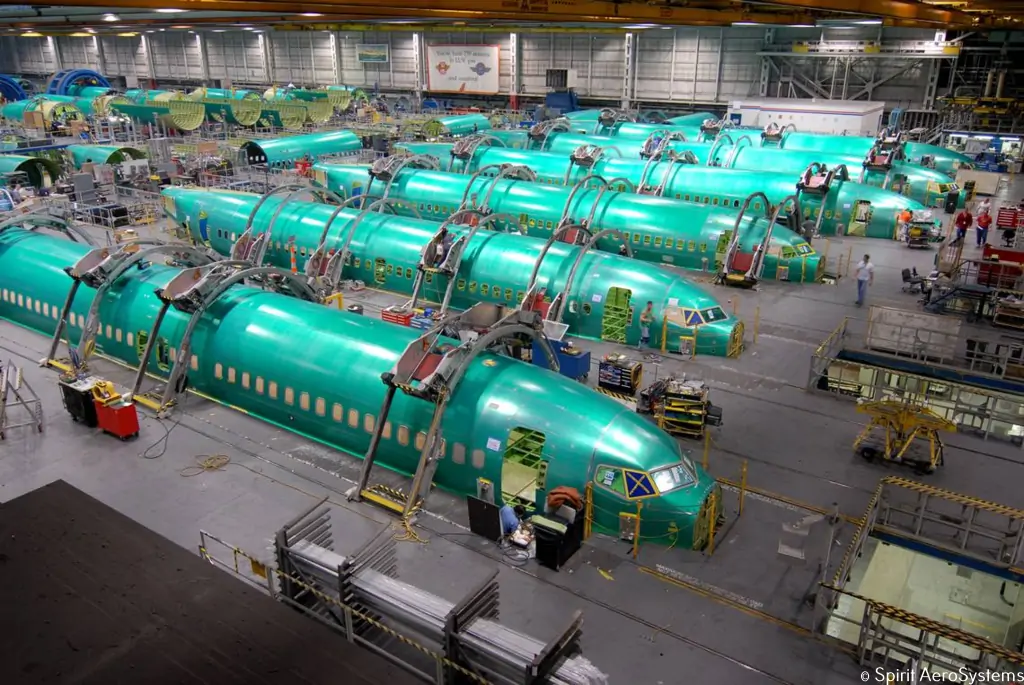
Spirit AeroSystems, a leading supplier to both Airbus and Boeing and a vital contributor to the Boeing 737 program, has successfully completed the rework of all vertical fittings for the 737s at its state-of-the-art facilities. This significant development marks a crucial milestone for the aerospace industry and underscores Spirit AeroSystems' commitment to delivering top-notch components for the world's most popular single-aisle aircraft.
Spirit AeroSystems: A Trusted Tier 1 Supplier
Spirit AeroSystems has long been recognized as a trusted Tier 1 supplier to major aircraft manufacturers like Airbus and Boeing. As a key player in the aerospace industry, the company specializes in the design and production of complex aerostructures, including fuselages, propulsion systems, and wing components. Its collaboration with Boeing spans several decades, with the Boeing 737 program being one of the most critical projects in which Spirit AeroSystems is heavily involved.
Tom Gentile, the firm's president and CEO, stated that the company has "resolved all rework related to the vertical attach fittings issue on available Boeing 737 units in Wichita." However, the supplier was required to record a $23 million charge in Q2 2023 "to account for a potential claim from Boeing for repair work done at their facility to date."
"This estimate represents what Spirit believes to be the low end of the range of potential liability, and the Company cannot reasonably estimate the total potential claim it may receive from Boeing to complete the required repairs," according to the company's Q2 2023 statement.
Importance of Vertical Fittings in Aircraft Manufacturing
Vertical fittings are vital components of an aircraft's structure, playing a critical role in ensuring structural integrity and load distribution. These fittings connect the vertical stabilizer, or tail fin, to the rear fuselage, providing stability and balance during flight. The rework of vertical fittings is a meticulous process that demands precision engineering and adherence to strict safety standards.
Rework Initiative: Enhancing Quality and Safety
In a bid to maintain and enhance the quality and safety of its aircraft components, Spirit AeroSystems initiated a comprehensive rework program for all vertical fittings used in the Boeing 737 program. This initiative was driven by the company's commitment to continuously improve its products and ensure they meet the latest aviation regulations and customer requirements.
State-of-the-Art Facilities and Advanced Manufacturing Techniques
Spirit AeroSystems' success in completing the rework of vertical fittings can be attributed to its cutting-edge manufacturing facilities and advanced engineering capabilities. Equipped with modern technologies and innovative processes, the company's facilities enable efficient production and inspection of intricate aircraft components. The integration of automation and digitalization has streamlined the rework process, ensuring higher accuracy and faster turnaround times.
Collaborative Efforts with Boeing
The successful completion of the rework program for vertical fittings on the Boeing 737s was the result of close collaboration between Spirit AeroSystems and Boeing. The two companies worked hand in hand to assess and address the technical challenges, implement improvements, and maintain open communication throughout the entire process. This collaborative approach reinforces the spirit of partnership and mutual commitment to excellence.
Ensuring Future Air Travel Safety
With the rework of all vertical fittings for the Boeing 737 program now completed, the aircraft industry can rest assured that the critical components of these popular aircraft are thoroughly examined and brought up to the highest standards. This accomplishment is a testament to Spirit AeroSystems' dedication to aviation safety and its role in shaping the future of air travel.
Conclusion
Spirit AeroSystems' successful rework of vertical fittings for the Boeing 737 program showcases its unwavering commitment to delivering top-quality components and contributing to the advancement of the aerospace industry. By investing in cutting-edge technology, maintaining a collaborative approach with manufacturers like Boeing, and prioritizing safety and quality, Spirit AeroSystems continues to play a pivotal role in ensuring the reliability and safety of aircraft that millions of people rely on for their travels around the world.
Comment