
Delta and WestJet Identify Non-Compliant Parts from British Supplier AOG Technics

Abhishek Nayar
05 Oct 2023

In a recent development, Delta Airlines and WestJet have joined a growing list of carriers that have identified issues with components supplied by British supplier AOG Technics. While the problem is reported to be relatively small in scale, it has raised concerns about the documentation requirements and the need for rigorous quality control in the aviation industry.
Delta Airlines' Discovery

On Monday, October 2, 2023, Delta Airlines made a public statement regarding the issue. The airline disclosed that it had been alerted by an anonymous third party working on its engines about certain parts that did not meet documentation requirements.
Delta emphasized that this issue affected only a "small number" of engines, constituting less than 1% of the 2,100+ power plants in its mainline fleet. The airline promptly initiated corrective actions, collaborating with its engine service provider to replace the non-compliant parts, ensuring compliance with all Federal Aviation Administration (FAA) guidelines.
WestJet's Encounter

Following Delta's announcement, WestJet revealed on October 3, 2023, that it had also encountered problems with components from AOG Technics. The airline received a notice from a service provider, stating concerns regarding one of its aircraft. WestJet took immediate action, grounding the affected aircraft and replacing the problematic engine. Importantly, the airline conducted a comprehensive review of its entire fleet to confirm that no other aircraft were affected by the non-compliant parts. Transport Canada was duly informed of the incident.
Implications and Industry-Wide Concerns
Delta Airlines and WestJet's experiences highlight the industry-wide concern over the quality and documentation of aviation components. While the scale of the issue appears to be limited, it underscores the critical importance of maintaining strict adherence to safety and compliance standards in the aviation sector. With millions of passengers relying on air travel daily, even a small number of non-compliant parts can pose serious risks.
AOG Technics: A Growing Problem
Delta and WestJet are not the only airlines to have encountered issues with AOG Technics components. Several other carriers, including American Airlines, United Airlines, Southwest Airlines, TAP, and Virgin Australia Airlines, have also found themselves embroiled in the AOG Technics affair. This series of incidents has led to heightened scrutiny of suppliers and their adherence to documentation requirements.
Conclusion
The recent incidents involving Delta Airlines and WestJet serve as a stark reminder of the aviation industry's commitment to passenger safety and compliance. While the issue appears to be relatively contained, it underscores the need for stringent quality control, thorough documentation, and a proactive approach to addressing concerns.
Airlines, regulatory bodies, and suppliers must continue working together to ensure that every component used in aviation meets the highest standards of safety and reliability. As the industry continues to evolve, maintaining trust in air travel remains paramount.
With Inputs from Fortune, Global News
Read next
CFM International Uncovers 126 Engines with Erroneously Documented Components from UK Distributor
Abhishek Nayar
05 Oct 2023

CFM International, a renowned jet engine manufacturer jointly owned by GE Aerospace and France's Safran, made a significant revelation on October 4, 2023. The company disclosed that the number of engines suspected of containing erroneously documented components from a UK distributor had surged to 126, with 16 of these engines discovered within CFM's own workshops.
This unsettling development stems from inadvertent purchases, and CFM is diligently reviewing the documentation to assess the full extent of the situation. The consequences of this issue could potentially jeopardize the highly regulated aviation system, although no operational impact or safety concerns have been reported as of now.
Background
CFM International is the manufacturer behind the CFM56 engine, one of the most popular jet engines in aviation history. This engine, born out of a transatlantic collaboration, is set to celebrate its 50th anniversary next year. However, recent events have cast a shadow over its reputation. The issue revolves around components supplied with fraudulent paperwork by London-based AOG Technics, a distributor, raising concerns about the integrity of aviation systems.
Expanding Scope of the Issue
The situation has evolved since the initial discovery, with the number of affected engines rising from 96 to 126. While this increase is significant, it still represents less than 1% of the 22,600 CFM56 engines currently in use worldwide. This expansion of the issue highlights the need for a thorough investigation into the components in question.
A document given to a UK court by CFM and its shareholders last month, but only made public on Wednesday, highlighted examples of questionable transactions stretching back to April 2018.
Engine Repair and Maintenance
CFM56 engines are repaired through third-party networks or at CFM's own maintenance, repair, and overhaul (MRO) facilities. The company stated that it discovered four instances of AOG components infiltrating its own facilities, affecting 16 engines.
"There was one instance through CFM Materials." "The other three involved indirect purchases from suppliers who sourced material from AOG with falsified forms and unknowingly sold it to CFM," the company stated in a statement.
Components Under Scrutiny
CFM International has shed light on the nature of the components implicated in this controversy. While some are low-pressure turbine blades and high-pressure compressor vanes, the majority are routine and less critical parts, including nuts, bolts, washers, dampers, seals, and bushings. Notably, no "life-limited parts," which are crucial rotating elements requiring mandatory replacement after a specified number of flights, have been found among the questionable components.
Documentation as the Key
One critical issue arising from this revelation is the significance of precise documentation in the aviation industry. Airlines are unable to determine whether parts are airworthy without accurate documentation. As a result, any parts with suspicious or unapproved paperwork must be removed, further emphasizing the gravity of the situation and the necessity of addressing it promptly.
CFM's Response
CFM International is taking this matter seriously and is actively reviewing the documentation provided by AOG Technics as part of its efforts to understand the full extent of the sale of parts with fraudulent documentation. The company is committed to ensuring the safety and integrity of its engines and the aviation industry as a whole.
Conclusion
The discovery of 126 engines with erroneously documented components originating from a UK distributor has raised concerns within the aviation industry. CFM International, the manufacturer of the CFM56 engine, is diligently investigating the issue to determine its full scope and potential implications.
While this situation is troubling, it serves as a reminder of the critical importance of accurate documentation in maintaining the safety and airworthiness of aircraft. As the investigation continues, the aviation community will be closely watching for further developments and actions taken to rectify the issue and prevent similar incidents in the future.
With Inputs from Reuters
Read next
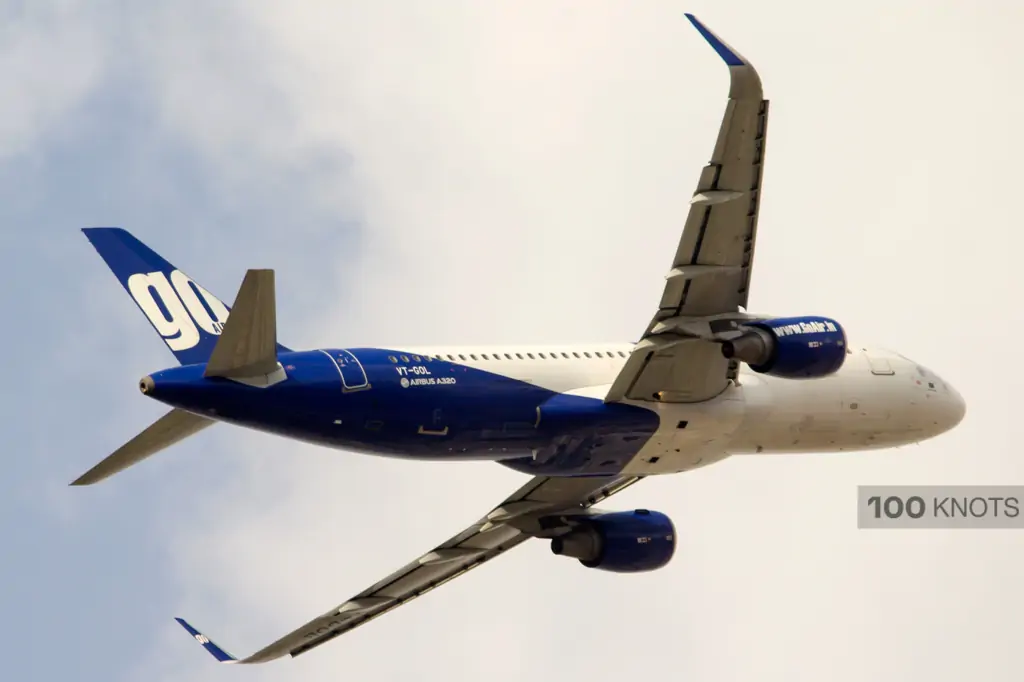
In a significant development for India's aviation industry, the country has recently amended its insolvency legislation to exclude leased aircraft from assets that can be frozen during bankruptcy proceedings.
This long-awaited move aims to align India's bankruptcy rules with international norms, particularly the Cape Town Convention of 2001, which safeguards the rights of foreign lessors. The amendment comes in response to a dispute over the bankruptcy of budget airline Go First and is expected to provide a boost to the financing of India's rapidly expanding aviation sector.
Background: The Go First Dispute
The catalyst for this regulatory change was the bankruptcy of Go First, a budget airline operating in India. During the bankruptcy proceedings, Indian courts imposed a moratorium that prevented aircraft lessors from repossessing planes leased to the airline. This decision created a rift between global and local norms, with international lessors, including the world's second-largest lessor, SMBC Aviation Capital, expressing concerns about the impact on the aviation industry's confidence in India.
Key Amendments to the Insolvency Legislation
The recent amendment to India's insolvency legislation, announced in a government notice on Wednesday, October 4, 2023, brings about several important changes:
Exclusion of Aircraft: The amendment specifies that certain sections of the Indian Bankruptcy Code will no longer apply to transactions involving aircraft, aircraft engines, airframes, and helicopters. This exclusion is aimed at preventing the freezing of leased aircraft during insolvency proceedings.
Alignment with Cape Town Convention: The Cape Town Convention of 2001, which India joined in 2008, seeks to encourage lessors to lease aircraft to airlines by providing a mechanism that allows them to reclaim their planes relatively easily in the event of a carrier's default. The recent amendment aims to align India's legislation with the principles of this convention, thus ensuring that international lessors' rights are protected.

Impact on the Aviation Industry
The aviation leasing industry plays a vital role in providing airlines with access to aircraft, and this regulatory change is expected to have several positive impacts:
Boosting Confidence: The amendment is likely to restore confidence among international lessors who were concerned about the legal protections of their assets in India. This newfound confidence is crucial, especially as India continues to acquire hundreds of new jets.
Compliance Rating: India's compliance with international aviation leasing standards had been under scrutiny, with a global aviation leasing watchdog lowering its rating. With the amendment in place, India is likely to see an improvement in its compliance rating, which will translate into more favorable financing terms for its airlines.
Reduced Financial Burden: Domestic carriers in India will likely benefit from reduced financial burdens, as they may no longer be required to provide larger deposits or pay higher monthly rentals due to concerns about asset protection.
Legal Implications
The implications of this regulatory change will be examined closely during court hearings related to the Go First bankruptcy case. Foreign lessors are expected to use this opportunity to attempt to reclaim their leased planes, which could set important legal precedents in India.
Conclusion
India's decision to amend its insolvency legislation to exclude leased aircraft from frozen assets is a significant step towards harmonizing its bankruptcy rules with international standards. This move is expected to bolster confidence in the country's aviation sector, attract more international lessors, and ultimately contribute to the growth of India's aviation industry. As the Go First case unfolds, it will shed light on the practical implications of these regulatory changes and their impact on the rights of foreign lessors operating in India.
With Inputs from Reuters
Read next
Air India to Establish its Second Hub in South India to Strengthen Operations

Radhika Bansal
04 Oct 2023
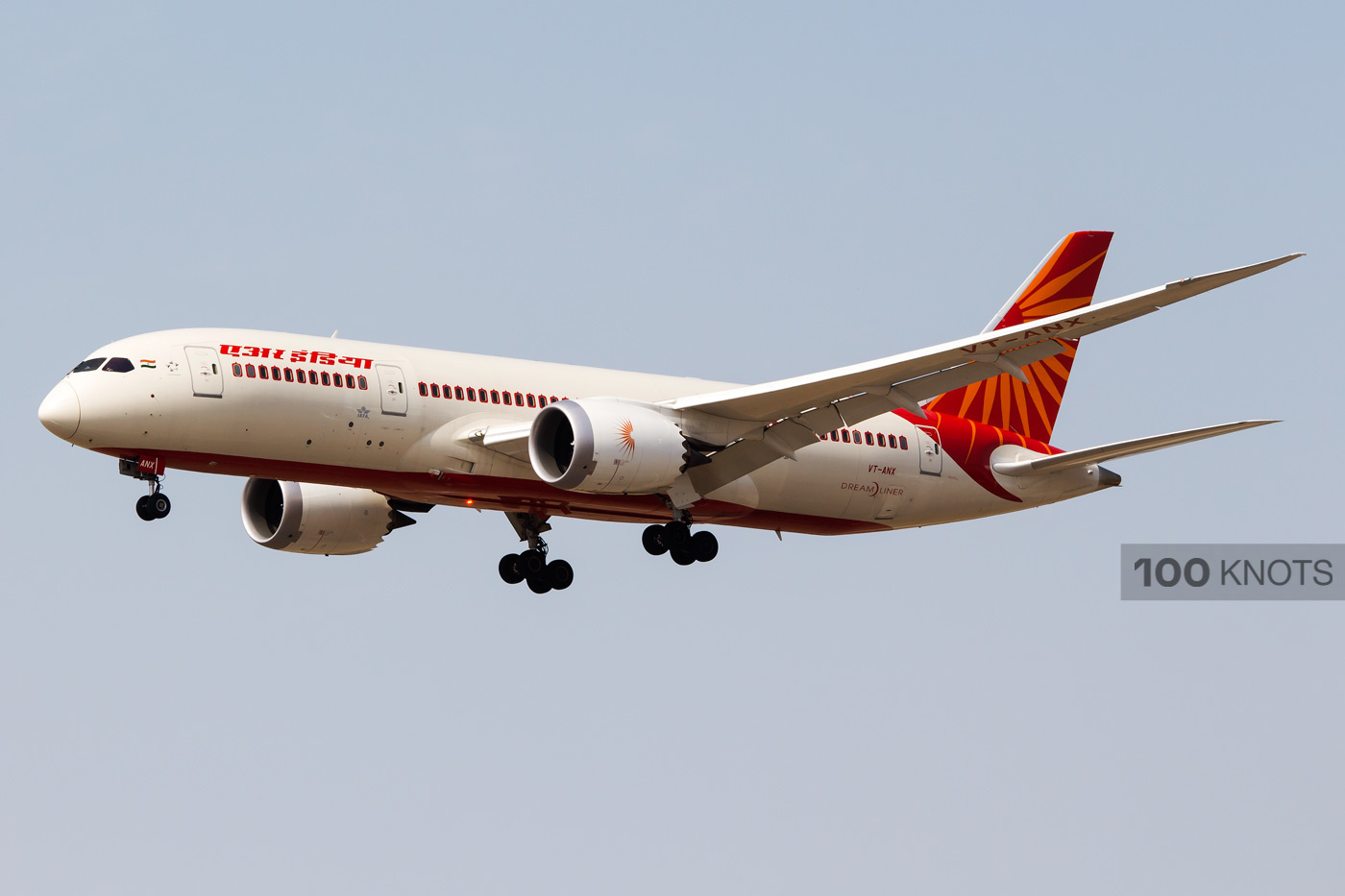
Air India is soon expected to open a second hub in the southern part of the country as it aims to strengthen both international and domestic operations, according to a report by Mint. Currently, the Tata-owned airline's only hub is located in New Delhi.
The new hub may be established in either Bengaluru or Hyderabad and will primarily focus on bolstering its operations in Mumbai. Both Air India and Air India Express will utilise this hub for domestic and international flights, Mint reported. Currently, Air India has a fleet of 116 planes, including 49 wide-body aircraft.
Airlines use hubs as transfer points to fly passengers to their final destinations. The core operations of an airline revolve around its hub. For example, Emirates has its hub in Dubai, Cathay Pacific in Hong Kong, and British Airways in London. The hub-and-spoke system is built around a central airport to which traffic from the spoke airports is directed, and the hub serves as a transfer point to fly passengers to their final destination.
With the establishment of this new hub, Air India also aims to capture a larger market share in airports other than New Delhi, including smaller ones. The Centre has been encouraging airlines to open more aviation hubs to facilitate one-stop international connectivity via India to other overseas destinations. According to the Centre, this will also boost investments and commerce within India.
India's Aviation Hubs
For too long, our civil aviation hubs have been with the neighbours on our eastern border (Singapore, etc.) or with the neighbours on the western border (Dubai, Doha, etc.),” he said. He added that India must have more wide-body planes to build hubs. “We must be able to fly point-to-point from India as opposed to the circuitous route that all our passengers are being made to follow,” Scindia noted. As the government works on ways to boost the country's high growth potential in the civil aviation market, the minister said that now the time has come to set up a civil aviation hub in India.
The civil aviation ministry is already working with Delhi Airport, IndiGo, and Air India to make the airport an international civil aviation hub. Currently, most passengers from India travel to take connecting flights to various international destinations as there are not too many wide-body planes with Indian carriers to operate direct services on long-distance routes.
According to Mint, Air India plans to expand its flights in Tier-II and Tier-III cities via Air India Express. Recently, the airline's Chief Executive Campbell Wilson stated that the company is planning to establish a low-cost stronghold on domestic routes. This aligns with the broader goal of revitalising the airline by refurbishing its entire fleet by the end of 2025.
The airline has placed an order for 470 new aircraft. The massive order includes 34 A350-1000, 20 Boeing 787 Dreamliners, 10 Boeing 777X widebody aircraft, 140 Airbus A320neo, 70 Airbus A321neo, and 190 Boeing 737MAX narrowbody aircraft. The airline had signed purchase agreements to acquire these aircraft with Airbus and Boeing at the Paris Air Show held in June.
(With Inputs from Mint)
Read next
Saudia Unveils New Brand Identity & Livery; Enters New Digital Transformation Era
Radhika Bansal
04 Oct 2023
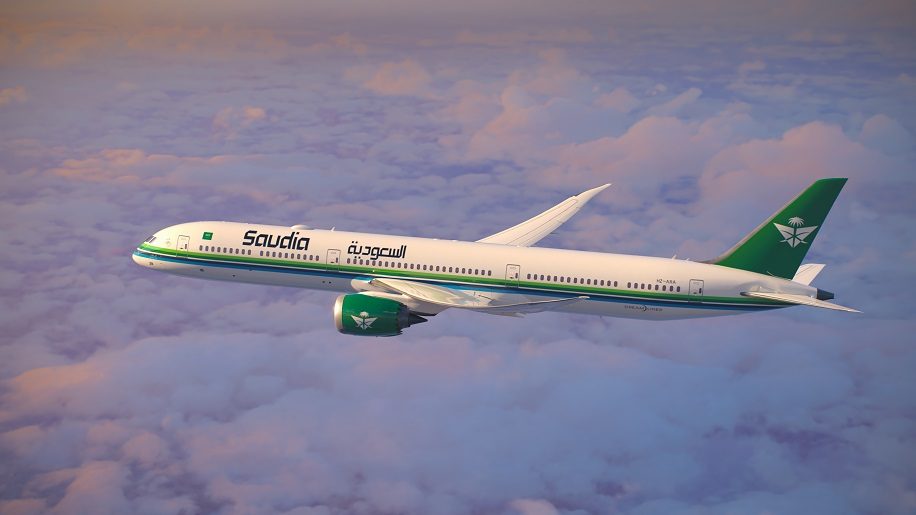
Saudi Arabian flag carrier Saudia has unveiled a new colour scheme, updated as part of the kingdom’s broader modernisation effort known as Vision 2030. The date of the launch, September 30, was chosen to commemorate the anniversary of the late King Abdulaziz’s first flight aboard a “Saudi Arabian” DC-3 aircraft from Afif to Taif.
The airline unveiled the new livery during an event in Jeddah. It features a green base colour, with shades of blue and sand, and retains the Saudia palm-and-swords logo. The new brand colour identity, comprised of green, blue, and sand, represents Saudia’s aim to expand its fleet and destinations, connecting the world to Saudi Arabia, and emphasizing the Kingdom’s authenticity and deep-rooted values.
The rebrand marks the beginning of a new era for Saudia, introducing innovative concepts in terms of customer services with a strong focus on digital aspects and enhancing the guest experience by celebrating Saudi culture. This transformation reinforces Saudia’s national identity as it reimagines all products and services to engage all five senses. Guests can anticipate an authentic Saudi experience during their journey, showcasing the very best of Saudi Arabia and its rich culture. This includes a distinctive fragrance and sonic identity, locally inspired cuisine, all crafted by skilled Saudi craftsmen. This new identity mirrors Saudi Arabia’s welcoming spirit, leaving guests with a deep sense of the country’s warmth and hospitality while promoting a deeper appreciation of Saudi culture for both nationals and visitors. The rebrand also encompasses new uniforms for cabin crew and ground staff.
“The name and logo of Saudia are integral parts of the kingdom’s aviation history and development, and our people share a special emotional connection with the brand,” says Saudia Group director general Ibrahim Al-Omar. “We have incorporated this rich heritage into our new identity, adding elements that reflect our visionary approach.” He further adds, "The name and logo of Saudia are integral parts of the Kingdom's aviation history and development, and our people share a special emotional connection with the brand. We have incorporated this rich heritage into our new identity, adding elements that reflect our visionary approach, poised to captivate the world."
Saudia operates a fleet of some 140 aircraft and aims to expand a network that covers more than 100 destinations. “The rebrand marks the beginning of a new era for Saudia, introducing innovative concepts in terms of customer services with a strong focus on digital aspects and enhancing the guest experience by celebrating Saudi culture,” it adds.
Saudia states that the kingdom has a national aviation strategy which aims to transform the airline into a “leader in the global industry”, and support the ambition to bring 330 million visitors to the country by the end of the decade.
Saudia's Digital Transformation
In parallel with its rebranding, Saudia has undertaken a significant digital transformation to entirely enhance the customer’s digital experience. The airline’s generative Artificial Intelligence (AI)-powered virtual assistant, known as “SAUDIA,” is among the first of its kind across the region. As part of the transformation, the airline aims to enable guests to complete their entire transaction through its efficient process by year-end. Saudia launched generative Artificial Intelligence as a virtual assistant for passengers named "SAUDIA." The new AI service is designed to address all information and travel-related needs. This new service will leverage the capabilities of OpenAI's ChatGPT 4.
Saudia is the national flag carrier of the Kingdom of Saudi Arabia. Established in 1945, the company has grown to become one of the Middle East’s largest airlines. Saudia has invested significantly in upgrading its aircraft and currently operates one of the youngest fleets. The airline serves an extensive global route network covering around 100 destinations across four continents, including all 28 domestic airports in Saudi Arabia.
A member of the International Air Transport Association (IATA) and the Arab Air Carriers Organization (AACO), Saudia has also been a member airline in SkyTeam, the second largest alliance, since 2012. Saudia was recently awarded the ‘World Class Airline 2024’ for the third consecutive year at The APEX Official Airline Ratings™ awards. Saudia has also advanced 11 places in the Skytrax Airlines ranking of the World Best Airlines 2023. The Airline also ranked top among global airlines for best on-time performance (OTP) according to a report by Cirium.
Read next
RTX Joins Boeing and NASA in Advancing Sustainable Aviation with X-66A Flight Demonstrator
Abhishek Nayar
04 Oct 2023

Boeing, a pioneer in aerospace technology, has chosen Raytheon Technologies Corporation (RTX) as a crucial collaborator for its X-66A flight demonstrator project, an integral part of NASA's Sustainable Flight Demonstrator initiative.
This partnership between Boeing and RTX, with two of RTX's business units - Pratt & Whitney and Collins Aerospace, will aim to revolutionize the aviation industry by focusing on sustainable aviation solutions. The X-66A program seeks to develop the Transonic Truss-Braced Wing (TTBW) concept, which holds the potential to significantly enhance fuel efficiency and reduce emissions for next-generation single-aisle aircraft.
Boeing's X-66A Program: Pioneering Sustainability

The X-66A program, led by Boeing, is at the forefront of sustainable aviation technology. Its primary objective is to advance the Transonic Truss-Braced Wing (TTBW) concept, a design innovation poised to revolutionize the aviation industry. By integrating the expertise of RTX's Pratt & Whitney and Collins Aerospace units, Boeing aims to leverage cutting-edge technologies that could lead to remarkable improvements in fuel efficiency and a significant reduction in emissions. These advancements are pivotal in the development of next-generation single-aisle aircraft, which will play a critical role in reducing the environmental footprint of commercial aviation.
RTX's Contribution: Pratt & Whitney's GTF Engines and Collins Aerospace Innovations
Under this collaboration, RTX brings two of its business units into the fold: Pratt & Whitney and Collins Aerospace. Pratt & Whitney will supply the revolutionary Geared Turbofan (GTF) engines, renowned for their industry-leading fuel efficiency and sustainability benefits.
Collins Aerospace, another integral part of the RTX collaboration, will contribute nacelles and engine accessories. Collins Aerospace's nacelles are constructed using lightweight and durable composite and metallic materials, serving multiple functions including engine protection, airflow control, noise reduction, and thrust reversal for aircraft landings. Additionally, Collins provides critical control system components for the GTF engine, further enhancing its efficiency and performance.
The Significance of the Sustainable Flight Demonstrator Initiative
NASA's Sustainable Flight Demonstrator initiative is part of the broader Sustainable Flight National Partnership, a concerted effort dedicated to developing the technologies required to achieve net-zero CO2 emissions in commercial aviation. This partnership exemplifies the power of public-private collaboration in driving technological breakthroughs. By working hand-in-hand with Boeing, RTX, and NASA, this initiative is poised to reshape the aviation industry's future.
Looking Forward: The Impact on Decarbonizing Aviation
Dr. Todd Citron, Boeing's Chief Technology Officer, emphasizes the importance of the learnings from the Sustainable Flight Demonstrator and the X-66 program in the industry's efforts to decarbonize aviation. This collaboration between Boeing and RTX stands as a testament to the dedication of the aerospace industry to address climate change challenges head-on. By harnessing innovation and expertise, they aim to usher in an era of sustainable aviation, ultimately reducing the environmental impact of air travel.
"The learnings from the Sustainable Flight Demonstrator, X-66, and the partnership with NASA are important elements in the industry's efforts to decarbonize aviation," said Dr. Todd Citron, Boeing's Chief Technology Officer. "We're grateful for the support from RTX on this critical effort."
Conclusion
Boeing's selection of Raytheon Technologies Corporation (RTX) as a collaborator on the X-66A flight demonstrator project signifies a pivotal moment in the journey towards sustainable aviation. With Pratt & Whitney's GTF engines and Collins Aerospace's cutting-edge contributions, this partnership holds the promise of transforming the future of commercial aviation.
Through initiatives like the Sustainable Flight Demonstrator, the aviation industry is taking bold steps towards achieving net-zero CO2 emissions, paving the way for a more sustainable and environmentally responsible future in air travel.
With Inputs from RTX
Comment