
Critical Aircraft Turnaround Challenges: Ground Damage, Delays, Missing Passengers

Sakshi Jain
12 Sep 2025
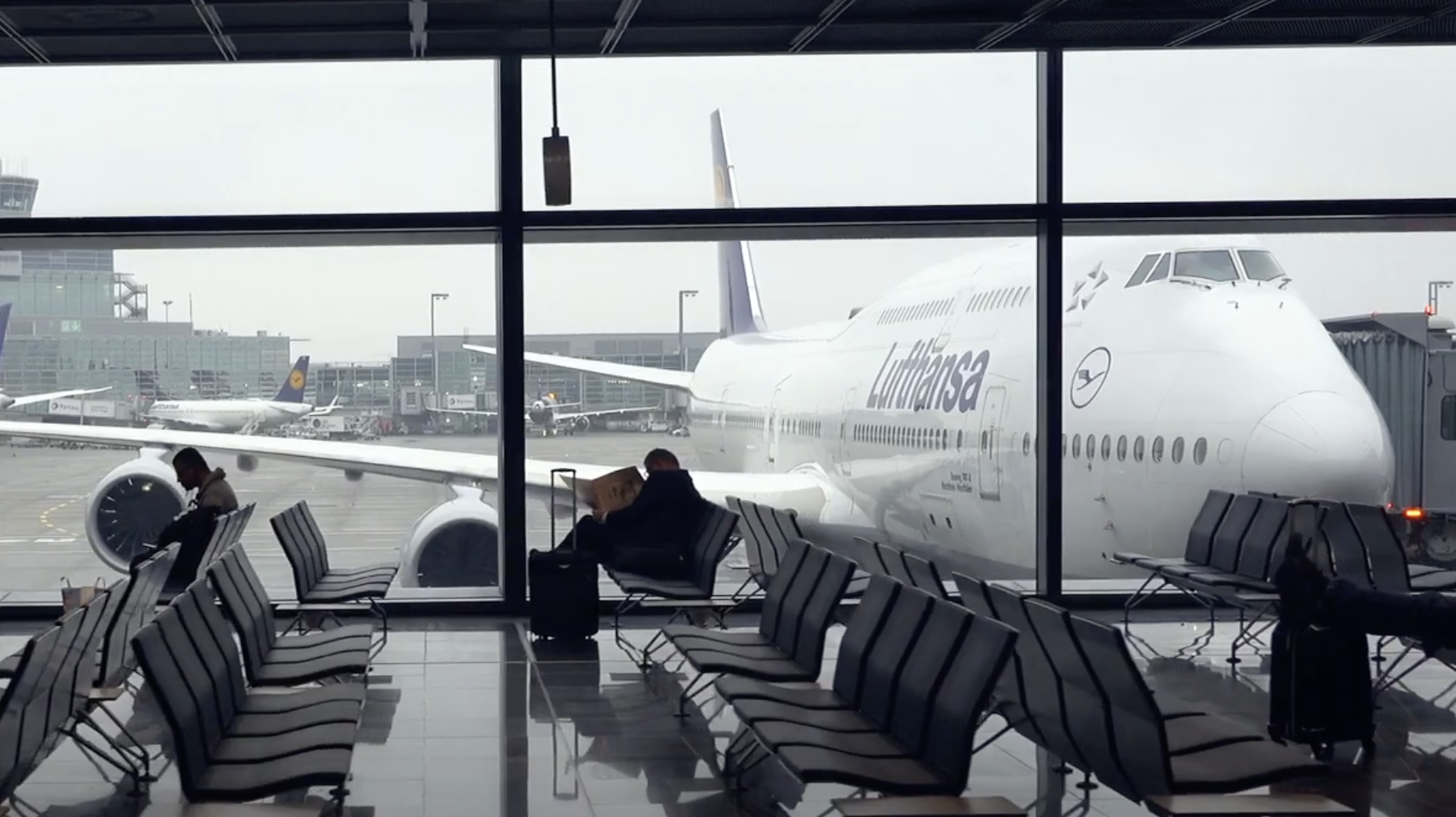
Turnaround operations—where passengers disembark, cargo is unloaded, fuel is replenished, and preparations are made for the next departure—form the backbone of airline profitability and passenger satisfaction. Yet beneath this seemingly routine choreography lies a complex web of potential pitfalls that can transform a smooth operation into a costly delay.
From the roar of jet engines winding down to the final boarding call echoing through terminal corridors, 3 persistent challenges continue to plague ground operations worldwide, threatening schedules, budgets, and the seamless travel experience passengers expect.
1. Ground Damage During Aircraft Operations
Ground damage represents one of the most significant financial and operational challenges facing the aviation industry today. Industry projections suggest that aircraft ground damage costs will surpass $8 billion by 2030, with approximately 27,000 ramp incidents occurring annually worldwide—translating to one incident per 1,000 departures.
Primary Damage Patterns
Research identifies 3 dominant hazard patterns responsible for 94% of all ground damage incidents:
- Equipment-Related Strikes (39%): Ground support equipment colliding with stationary aircraft
- Aircraft Movement Incidents (23%): Aircraft components making contact with objects during parking or positioning
- Towing Operations (32%): Damage occurring during aircraft pushback or repositioning procedures

Contributing Risk Factors
Multiple factors compound the likelihood of ground damage incidents:
Environmental Challenges: Weather conditions, including reduced visibility, slippery surfaces, and strong winds, create hazardous operating conditions. Nighttime operations further increase risk due to limited visibility.
Operational Pressures: Congested ground support equipment around aircraft stands, combined with time constraints and limited manoeuvring space, create high-risk scenarios.
Equipment and Human Factors: Mechanical failures, operator errors, and maintenance issues, such as worn tires that cause hydroplaning during wet conditions, contribute to incident rates.
Mitigation Strategies
Enhanced Training Programs: Comprehensive human factors training, situational awareness development, and maintenance resource management have proven effective in reducing incident rates.
Technology Integration: Advanced solutions, including 5G-enabled ground support equipment monitoring, IoT-based telemetry systems, and computer vision software for real-time behaviour analysis, offer promising damage prevention capabilities.
2. Timing Challenge
Efficient ground handling forms the cornerstone of profitable airline operations. Each turnaround requires precise coordination of multiple services, including refuelling, catering, passenger processing, and cargo handling within strict time parameters.
Essential Success Elements
Successful ground handling depends on 3 fundamental principles:
Sequential Execution: Operations must follow established procedures—aircraft positioning, passenger disembarkation, refuelling, cleaning, catering, and boarding—in proper sequence to avoid conflicts and delays.
Time Compliance: Each service must commence and complete within designated windows to maintain schedule integrity.
Specification Adherence: All services must meet flight-specific requirements, including fuel quantities, catering specifications, and crew configurations.

Root Causes
Communication Breakdown: Inadequate notification systems and outdated communication methods, including reliance on radio communications and paper documentation, contribute to coordination failures.
Resource Constraints: Staff shortages, equipment unavailability, and competing demands during peak operations create service bottlenecks.
Cascade Effects: Initial delays trigger resource allocation challenges, creating compound delays across multiple operations.
External Factors: Weather-related service requirements, such as de-icing, may not be immediately available due to unexpected conditions or staffing limitations.
Solutions for Enhanced Coordination
Real-Time Monitoring Systems: Advanced analytics platforms provide comprehensive turnaround visibility, enabling proactive management and accurate departure time predictions.
Integrated Communication Platforms: Unified systems connecting various service teams through wearable devices and mobile applications improve coordination and situational awareness.
Collaborative Decision Making: Airport Collaborative Decision Making (A-CDM) concepts, successfully implemented across 29 European airports, enhance operational efficiency through improved predictability and resource optimisation.

3. Managing Passenger Flow and Boarding
Passenger handling represents a critical component of turnaround operations, with boarding procedures particularly vulnerable to delays caused by missing passengers. The challenge intensifies when multiple passengers fail to appear at departure gates.
Scale of the Problem
Typical flights may experience 10-30 missing passengers at boarding time, with approximately 50% carrying checked baggage. This situation creates significant operational complexity, as baggage must be removed from flights when passengers fail to board—a time-intensive process that frequently results in departure delays.
Current Management Approaches
Standard procedures involve multiple passenger announcements, lounge searches, and coordination with baggage handlers for bag removal when necessary. However, these reactive approaches often prove insufficient when dealing with multiple missing passengers simultaneously.
Technology-Enabled Solutions
Passenger Flow Analytics: Advanced systems capable of anonymously tracking passenger movements throughout terminals can associate travellers with specific flights, enabling proactive passenger location identification.
Enhanced Communication Systems: Improved coordination between boarding agents, ground crews, and terminal personnel facilitates more effective passenger management and reduces response times.

Bottom Line
The aviation industry's ground operations face three persistent challenges that significantly impact operational efficiency and customer satisfaction. Aircraft ground damage, projected to exceed $8 billion in costs by 2030, requires comprehensive training programs and advanced technology solutions, including IoT monitoring and computer vision systems.
Untimely ground handling, caused by communication breakdowns and resource constraints, can be addressed through real-time monitoring systems, integrated communication platforms, and collaborative decision-making frameworks.
Missing passenger issues during boarding, affecting 10-30 passengers per flight, can benefit from advanced passenger flow analytics and enhanced coordination systems. Success in addressing these challenges requires a multi-faceted approach combining improved training, advanced technology implementation, and systematic process improvements.
By tackling these fundamental issues, airports, airlines, and ground handling companies can achieve reduced delays, lower operational costs, improved sustainability, enhanced reputation, and greater passenger satisfaction—ultimately contributing to a more efficient and reliable aviation system.
Read next

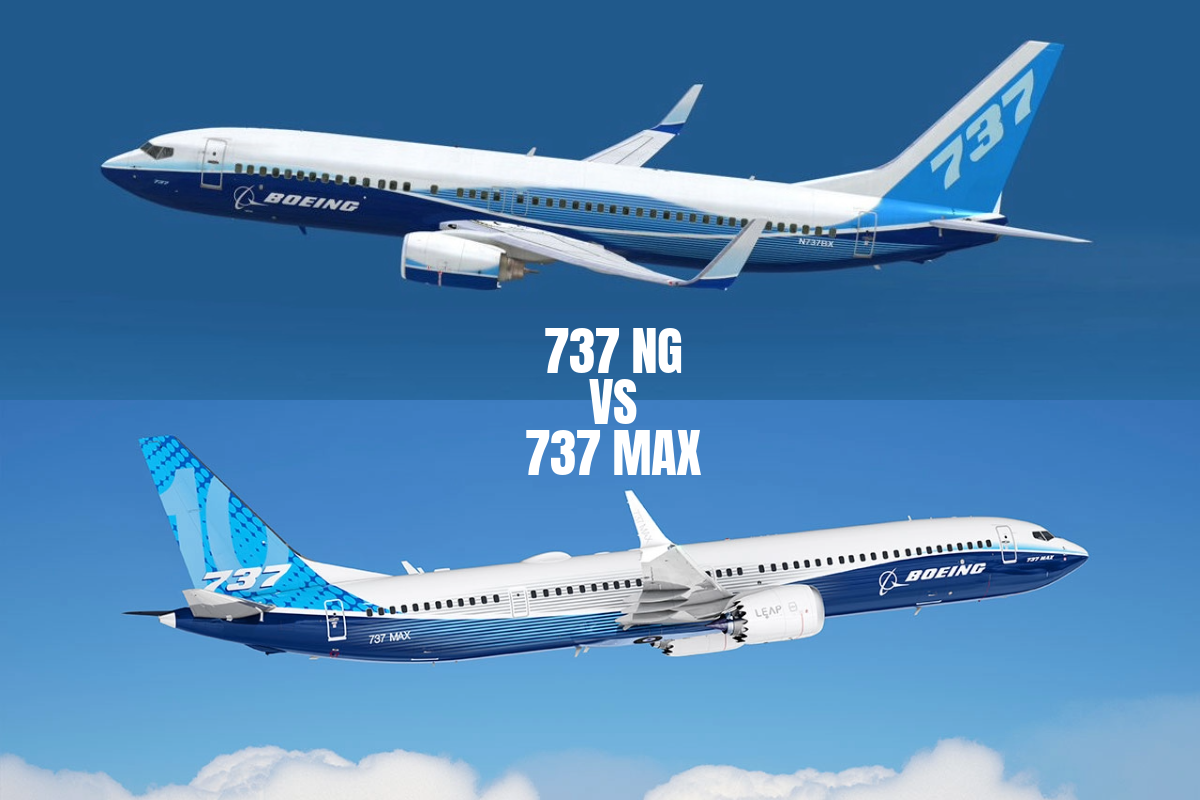
The Boeing 737 MAX series builds upon the remarkable success of its predecessor, the 737 Next Generation (NG) family. While these aircraft may appear similar to passengers settling into their seats, the cockpit tells a different story. From enhanced powerplants that whisper promises of fuel savings to subtle yet significant operational changes that pilots must master, the journey from NG to MAX reveals a fascinating tapestry of engineering refinement and operational adaptation.
Foundation
The Boeing 737 MAX family represents a crucial step forward in airline profitability and environmental stewardship. These next-generation aircraft, including the 737-8, -8-200, -9, and forthcoming -7 and -10 variants, build upon the proven foundation of the 737 Next Generation series—one of aviation's most successful commercial aircraft lines.
At the heart of the MAX's improvements lies the revolutionary CFM LEAP 1B high-bypass turbofan engine, delivering approximately 14% better fuel efficiency compared to the 737-800. Despite these advancements, both aircraft share a common type rating, allowing experienced 737 NG pilots to transition through focused differences training rather than complete recertification.

Ground Operations
Advanced Braking Systems
The MAX introduces carbon fibre brake technology as standard equipment, a significant upgrade from the steel brakes typically found on the 737-800. These advanced brakes offer multiple operational advantages: they maintain superior performance at elevated temperatures, cool down more rapidly, and provide enhanced energy absorption capabilities.
For airlines operating on tight schedules, this translates to reduced ground time between flights. The carbon brakes can handle approximately 2,200 landings before requiring overhaul—nearly double the lifespan of steel alternatives—while reducing overall aircraft weight by up to 320 kilograms per brake set.
Weight Distribution
Aircraft weight and balance calculations require careful attention to passenger distribution across designated cabin zones. The standard 737-800 divides its cabin into three zones, with the forward section typically encompassing rows 1-5. The 737-8-200, however, expands both forward and aft zones to include six rows each, requiring pilots to adjust their loading calculations and accommodate last-minute passenger changes accordingly.
Pre-flight Considerations
The MAX's distinctive Advanced Technology (AT) Winglets demand additional inspection during pre-flight walkarounds, as pilots must check for potential ground damage to these prominent aerodynamic features.

Powerplant Performance
Engine Specifications and Capabilities
The transition from CFM56 engines (rated up to 26,000 pounds of thrust) to the LEAP 1B powerplants (rated up to 27,000 pounds) provides the MAX with improved takeoff performance. This additional thrust capability allows for either enhanced performance or the same performance at reduced engine settings, minimising wear and fuel consumption.
Operational Differences
The LEAP-1B engines require extended startup sequences due to additional system checks and a process called "bowed rotor motoring." While this extends pre-flight preparation time, pilots must factor these requirements into their departure planning.
Ground operations reveal another significant change: the LEAP-1B produces greater idle thrust than its predecessor, often allowing aircraft to reach taxi speed without additional power input. While this reduces taxi fuel burn, it requires heightened awareness in congested airport environments.

Critical Flight Deck Modifications
Landing Gear System
One of the most noticeable cockpit differences involves the landing gear lever configuration. The 737-800 features a three-position lever (Down, Up, Off), with crews typically selecting "Off" after takeoff to depressurise gear hydraulics. The 737-8-200 simplifies this with a two-position system (Down, Up), automatically removing hydraulic pressure ten seconds after gear retraction.
This seemingly minor change represents a potential safety hazard that pilots address through comprehensive threat and error management protocols, as muscle memory from 737-800 operations could inadvertently trigger gear extension during critical flight phases.
Emergency Procedure Adaptations
While memory items—emergency procedures pilots must execute immediately from recall—remain largely unchanged between variants, the Quick Reference Handbook contains modified procedures reflecting system logic updates and alert changes. Pilots employ structured decision-making frameworks like TDODAR and PIOSEE to ensure procedural differences don't compromise safety during high-stress situations.

Approach & Landing
Speed Brake System
The MAX incorporates enhanced speed brake logic that monitors thrust lever position in addition to traditional parameters. If thrust levers remain above idle with speed brakes armed, an amber warning light activates, providing additional protection but potentially introducing new cockpit indications during busy approach phases.
Braking Technique Modifications
Carbon brake operation requires adjusted manual braking techniques, utilising gentle on-off applications rather than continuous pressure. These brakes maintain effectiveness at higher temperatures, unlike steel alternatives that experience reduced performance as heat builds up.
Winter Operations
Anti-ice system indications differ between variants, with the 737-800 displaying blue lights during normal operation, while the 737-8 shows amber lights only when faults occur. This subtle change requires careful attention during cold-weather operations, as the absence of illumination now indicates normal function.
Bottom Line
The Boeing 737 MAX represents a sophisticated evolution of the proven 737 NG platform, delivering enhanced fuel efficiency, improved operational capabilities, and advanced systems integration. While flight characteristics remain fundamentally similar, the differences in ground operations, engine performance, cockpit procedures, and system indications require comprehensive training and ongoing attention to detail.
Read next
Against a backdrop of challenges and operational difficulties, Israel's flagship airline has managed to soar to new heights of recognition. This year marks a historic milestone as El Al not only maintained its distinguished reputation for service excellence but also achieved a breakthrough that places it among the world's most celebrated airlines for passenger experience.
El Al's Milestone
El Al has achieved a significant breakthrough by entering the prestigious top 25 global airlines for passenger experience according to APEX (Airline Passenger Experience Association) rankings. This represents the first time in the carrier's history that it has reached such elite status in worldwide passenger experience evaluations.
The achievement becomes even more remarkable when considered alongside the airline's consistent track record. El Al has now maintained its 5-star APEX rating for an impressive fifth consecutive year, demonstrating sustained excellence in service delivery across multiple challenging periods.
APEX, recognised as a leading global nonprofit organisation in aviation, conducts comprehensive analyses of passenger feedback from over 600 airlines worldwide. Their evaluation methodology examines millions of traveller reviews across 5 critical service dimensions-
- Crew performance
- Food and beverage quality
- In-flight entertainment systems
- Seat comfort standards
- Wi-Fi connectivity services

Exclusive Recognition
The significance of El Al's achievement becomes clear when examining the competitive landscape. Among the hundreds of airlines evaluated globally by APEX, fewer than 7 per cent—approximately 40 companies—earn the coveted 5-star rating. This places El Al within an exclusive group of carriers that have demonstrated exceptional commitment to passenger satisfaction across all evaluated categories.
The recognition carries additional weight given the rigorous assessment methodology employed by APEX. Unlike subjective industry awards, these rankings are based on authentic passenger experiences and feedback, providing a genuine reflection of service quality as perceived by actual travellers.
Leadership Perspective
Oren Cohen-Botansky, El Al's vice president of customer and service, emphasised that this historic achievement validates the airline's strategic approach to service enhancement. He highlighted how the top 25 placement demonstrates the effectiveness of ongoing service improvements that align with the company's long-term strategic vision.
Despite operational challenges stemming from regional conflicts that have significantly impacted passenger occupancy rates, El Al has maintained its commitment to service excellence and continued making measurable progress in passenger satisfaction metrics.
CEO Dina Ben Tal Gananci provided additional context during discussions with APEX leadership. She explained the airline's philosophy towards passenger care. She emphasised that while safety and security remain paramount priorities, passengers also seek emotional connection and genuine care from airline staff.

Beyond Service
According to Gananci, El Al's crew members fulfil roles that extend far beyond traditional service provision. They often serve as caregivers and emotional support for passengers, particularly during challenging travel circumstances. This approach creates an atmosphere of trust and protection that enhances the overall travel experience.
The CEO stressed that while security measures and safety protocols are essential, they cannot substitute for fundamental service elements such as genuine warmth and attentive customer care. This balanced approach appears to have resonated strongly with passengers, contributing to the airline's improved rankings.
Future Outlook
It's important to understand the distinction between different APEX recognition levels. While El Al achieved top 25 status in passenger experience, the organisation's most prestigious APEX World Class Award remains limited to just 10 airlines globally. This elite designation evaluates carriers across broader criteria, including safety records, sustainability initiatives, and technological innovation capabilities.
El Al's recent APEX success contrasts with its performance in other industry rankings. Earlier this year, Skytrax—often referred to as the "Oscars of aviation"—placed the airline outside the top 100 carriers. Similarly, AirlineRatings did not include El Al among their top 100 selections, making the APEX recognition particularly noteworthy.
These varying results highlight the different methodologies and criteria used by various airline rating organisations, with APEX's focus on authentic passenger feedback potentially providing a more accurate reflection of actual travel experiences.
Read next
Against all odds, competing with aviation giants possessing seemingly unlimited resources, Fiji Airways has transformed from a struggling regional operator ranked 105th globally to earning the coveted APEX World Class Airline designation for 2026.
Fiji Airways Transformation
When Andre Viljoen assumed leadership of Fiji Airways a decade ago, he expected a relatively straightforward assignment managing an already-revitalised airline. Reality painted a starkly different picture. The carrier held merely 3-star Skytrax ratings and languished at 105th position worldwide, operating ageing Boeing 747 aircraft over 20 years old alongside newly acquired A330s that brought their own operational complexities.
The service quality issues were immediately apparent, yet Viljoen recognised something extraordinary within the Fijian workforce. He discovered a unique combination of genuine hospitality, deeply rooted in cultural values and remarkable resilience that formed an ideal foundation for world-class aviation service. The critical challenge lay in channelling this inherent "grit" toward achieving ambitious performance goals despite severely limited financial resources compared to major competitors.
Viljoen implemented a comprehensive transformation strategy centred around what he termed "Game Changer" initiatives. This systematic approach prioritised fundamental shifts in organisational mindset and operational capabilities, establishing ambitious benchmarks against established industry leaders.

Cultural Revolution
The transformation began with extensive cognitive psychology programs implemented over 5-6 years, fundamentally altering how employees approached their responsibilities. The central philosophy became "Change your thinking, change your life," encouraging staff to think beyond traditional limitations and compete with aviation giants despite resource constraints.
These psychological frameworks helped develop a competitive mentality that enabled the small Pacific carrier to "punch above its weight" in global markets. The mindset shift proved crucial in elevating service standards and operational excellence across all departments.
Fleet Modernisation
Recognising that exceptional service required modern equipment, Viljoen orchestrated significant fleet expansion and modernisation efforts. The airline doubled its size from 12 aircraft in 2015 to 24 today, incorporating advanced Airbus A350s and new Boeing MAX aircraft.
A particularly innovative addition was establishing Fiji Airways' proprietary aviation academy, which proved invaluable during the COVID-19 pandemic. This facility maintained pilot currency, provided simulator rental services to other carriers, and enabled the airline to operate over 600 repatriation flights while carrying 17,000 tonnes of essential cargo.

Service Excellence
Recognising the importance of world-class service delivery, Fiji Airways engaged renowned service consultant Ron Kaufman, who previously helped establish Singapore Airlines' exceptional reputation. The comprehensive "Up Your Service" program was rolled out across all staff levels, emphasising adaptive, personalised customer interactions with regular refresher training to maintain consistency.
This focus on service excellence, combined with cultural authenticity, helped distinguish Fiji Airways from competitors while building genuine passenger loyalty and positive word-of-mouth recommendations.
Business Partnerships
Understanding the limitations of operating as an independent carrier in price-sensitive leisure markets, Fiji Airways pursued strategic alliances to expand its reach and competitive capabilities.
The most significant achievement was joining the oneworld alliance and establishing partnerships with American Airlines, providing access to a massive 100-million-member loyalty program.
These partnerships allowed the small Pacific carrier to compete effectively with much larger airlines while offering passengers expanded route networks and reciprocal benefits typically reserved for major international carriers.

Remarkable Results and Recognition
The transformation efforts yielded extraordinary results, elevating Fiji Airways from outside the world's top 100 airlines in 2016 to achieving Skytrax four-star status by 2019, 14th globally by 2023, and earning consecutive "Best Airline in Australia-Pacific" honours. The ultimate recognition came with the 2026 APEX World Class Airline award, making Fiji Airways the smallest fleet ever to receive this prestigious designation and the only Oceania-based carrier to achieve this honour.
Bottom Line
Fiji Airways' decade-long transformation from a struggling 105th-ranked carrier to a top-10 global airline represents one of aviation's most remarkable success stories. Through strategic leadership, cultural leverage, fleet modernisation, service excellence programs, and innovative partnerships, the Pacific carrier proved that determination and smart strategy can overcome resource limitations. The journey from three-star to APEX World Class status demonstrates that authentic hospitality, combined with operational excellence and strategic thinking, can enable even the smallest airlines to compete successfully against industry giants while putting their home destinations on the global aviation map.
Read next

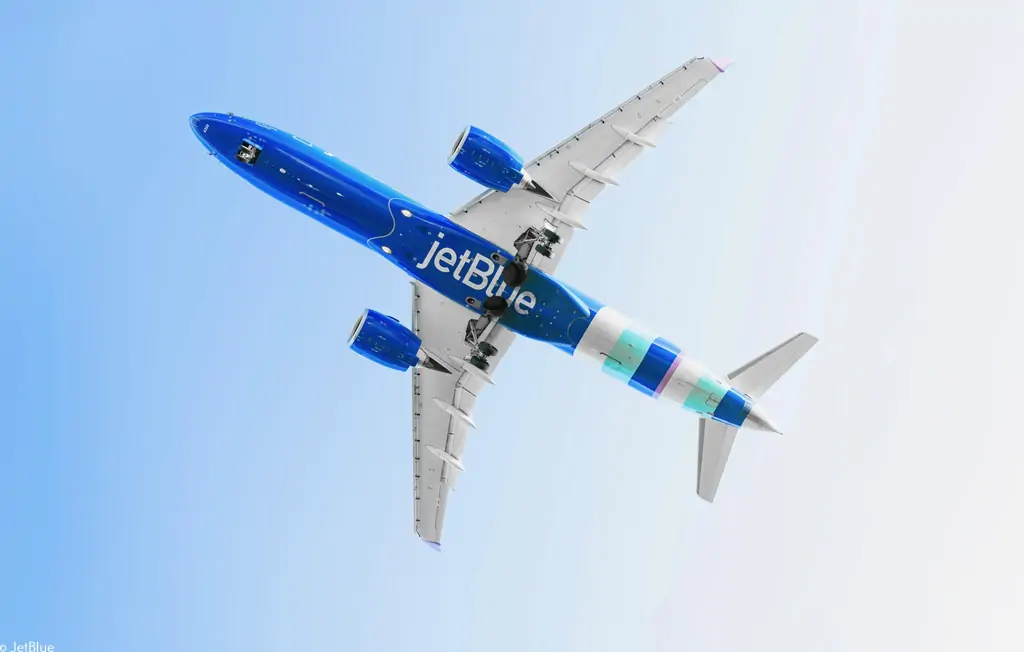
JetBlue’s CEO Joanna Geraghty says 2025 has been a bumpy year, but argues the airline is uniquely set up to attract higher-paying customers while other low-cost carriers attempt the same climb upmarket. JetBlue is leaning into premium products, a high-profile partnership with United called Blue Sky, and a Fort Lauderdale expansion to scoop up passengers left adrift by Spirit’s troubles.
A tale of two cabins: why “premium” suddenly matters
Airlines sell seats, but they also sell status, snacks that aren’t tiny pretzels, and — crucially — fares that make CFOs smile. In 2025, U.S. carriers that used to compete mostly on price are suddenly trying to court wealthier flyers. JetBlue argues it already speaks premium: cabin options like Mint, lounges, and a reputation for service give it a head start when flyers are willing to pay for comfort. That positioning matters now that many leisure and business travelers are trading up for better experiences.
Blue Sky: a love story between frequent-flyer programs (and a bit of drama)

In May, JetBlue and United announced Blue Sky, a collaboration letting customers book flights across both carriers, and earn and use points interchangeably. Regulators have already given the partnership a green light to proceed, and the companies plan to start rolling out customer benefits in fall 2025. Geraghty says Blue Sky should help bring in more revenue and bolster employment at JetBlue — though the airline’s pilot union has pushed back, filing grievances that warn of job insecurity. Expect extra perks for flyers, and extra op-eds from both sides.
Fort Lauderdale: planting a flag where Spirit is losing ground
With Spirit Airlines facing major financial strain and a second bankruptcy filing this year, competitors are moving fast to pick up the slack. JetBlue announced a notable expansion out of Fort Lauderdale — adding nine new nonstop routes starting in November (including, for the first time, Cali, Colombia) and ramping to about 113 daily departures during peak winter times — a bid to be the dominant carrier at FLL. It’s a classic “if you build it (and fly it), they will come” play.
Mint expansion: lie-flat seats + better margins?
JetBlue also plans to expand Mint, its lie-flat premium product. Adding premium seats is about more than pampering customers: those seats carry significantly higher yields, and as carriers chase premium spend, expanding Mint is a direct way to capture travelers willing to pay for privacy, sleep, and actual legroom. If you’ve ever tried to sleep in coach and failed spectacularly, you can see the logic.
Money matters: skies not entirely smooth
JetBlue pulled forward-looking guidance earlier in the year amid uncertainty but has since tightened the expected third-quarter decline in operating revenue — an encouraging sign that demand has been stronger than feared. Still, consensus estimates expect JetBlue to post a full-year loss for 2025, so the airline’s chasing both growth (routes, partnerships, premiums) and improved unit economics. Translation: growth with a side of austerity.
So… will this work — and what could go wrong?
Why it might:
- Brand fit: JetBlue’s customer experience and Mint product map naturally to premium travelers.
- Strategic openings: Spirit’s retrenchment hands JetBlue routes and customers to pursue.
- Revenue levers: Blue Sky may unlock higher-margin bookings and loyalty revenue.
Risks to watch:
- Labor pushback: Pilots’ grievances and union resistance could slow or complicate Blue Sky rollout.
- Execution risk: Expanding routes and Mint means more operational complexity during peak season.
- Macro shadows: If demand cools or fuel spikes return, premium demand could be squeezed and losses could persist.

A few punchlines (because aviation deserves a sense of humor)
- JetBlue expanding at Fort Lauderdale: basically rearranging beach chairs for cash.
- Blue Sky partnership: loyalty programs doing the ballroom dance — sometimes graceful, sometimes stepping on toes.
- Pilots filing grievances: a reminder corporate romance often has awkward in-law moments.
What to watch next (dates & signals)
- Fall 2025: Blue Sky customer benefits begin rolling out — check when you can actually book across both sites.
- November 2025: New Fort Lauderdale routes (including Cali) begin — good time to check fare trends if you fly Florida–Latin America.
- Quarterly results & updates: Look for whether the revenue per seat improvements hold and whether losses shrink.
TL; DR
- JetBlue says 2025 has been tough but argues it’s better placed than many rivals to attract premium customers.
- JetBlue and United’s Blue Sky loyalty/booking partnership is moving ahead, with phased benefits starting in fall 2025.
- Pilots have filed grievances warning the partnership could harm jobs — labor relations remain a wildcard.
- JetBlue is beefing up Fort Lauderdale with nine new nonstop routes (including Cali) and plans around 113 daily winter flights to grab market share from Spirit.
- The airline narrowed its expected Q3 revenue decline after stronger travel demand — progress, but the full-year loss picture is still a concern.
With Inputs from Reuters
Comment