

Colombia's aviation sector has been vibrating with news following the acceptance of a merger between two major aircraft companies, Avianca and Viva Air, by the country's Civil Aviation Authority. This major achievement marks a watershed moment in Colombian aviation, with far-reaching repercussions for both airlines and passengers.
Avianca and Viva Air: Background
Avianca, Colombia's national carrier and one of the world's oldest airlines, was founded in 1919. Avianca has gained a reputation for outstanding service and a dedication to customer happiness because of its long history and vast network of destinations. The airline offers both internal and international flights, connecting Colombia to destinations across the world.
Merger Approval Procedures
Obtaining merger permission in the aviation business is a difficult process, and the Avianca and Viva Air combination was no different. The Colombian Civil Aviation Authority, which is in charge of managing and regulating civil aviation activity, extensively examined the merger proposal. This review considered factors such as market competition, prospective advantages, and the influence on consumers.
Present Situation
Following a series of appeals by other airlines (including LATAM, JetSMART, and Wingo) and Avianca's request to change some of the requirements set by the government for the merger to go through, Colombia's Civil Aviation Authority (Aerocivil) confirmed its approval of the Avianca and Viva Air merger on Monday.
Aerocivil authorized the merger and imposed four requirements that must be met before the merger may take place. These are the conditions:
- Passengers' rights on Viva must be honored. They must be compensated in full for cancelled flights or moved to other flights. Avianca is doing it already. Since Viva's demise, the Colombian airline has assisted in the relocation of over 150,000 passengers, the majority of whom were relocated at no cost.
- The two airlines must restore certain slots at El Dorado International Airport (BOG) in Bogota. Aerocivil stated that this move is necessary to ensure free competition and the survival of Viva Air. Nonetheless, it was not specified in the press announcement how many slots Avianca and Viva should restore.
- Maintain Viva Air's low-cost business strategy, particularly on routes that were formerly operated only by this airline.
- Weekly frequencies on the Bogota-Buenos Aires route will be introduced. This stretch was solely served by these two airlines. Aerocivil is now imposing this criterion in order to allow other possible carriers to fly between the two South American cities if they so desire.
Following Aerocivil's declaration, Avianca and Viva Air have up to five days to notify Colombian authorities of their intentions to merge. This means that Viva's future is entirely in Avianca's hands at this moment. The ultra-low-cost carrier had stated that the only option for it to resume flights would be through a merger with Avianca.
The Advantages of the Avianca-Viva Air Merger
The combination of Avianca and Viva Air delivers several benefits to both airlines and their passengers. For starters, the merged firm will have an expanded network and route portfolio, giving travellers more alternatives and a better connection. Passengers should anticipate faster connections and more efficient travel.
Passengers' Potential Impact
The combination of Avianca and Viva Air bodes well for travelers. The extended network will make it easier for travelers to reach additional destinations, opening up new options for tourism, business, and personal travel. Furthermore, the increased competition as a result of the merger may put pressure on other airlines to enhance their services and offer competitive rates, benefiting consumers in the end.
The Impact on Colombia's Aviation Market
The combination of Avianca and Viva Air is likely to have a substantial impact on the Colombian aviation business. The merged business will most certainly gain market share, cementing its position as the industry's dominant player. This has the potential to change the competitive environment, causing other airlines to reconsider their strategies and products.
Challenges and Risks
While the Avianca-Viva Air combination has many advantages, it is not without problems and hazards. One of the most significant challenges is the integration and consolidation of activities. Merging two big airlines is a difficult and time-consuming process of harmonizing systems, processes, and cultures. A smooth transition is critical to ensuring minimum delays for passengers and the continuation of services.
Prospects for the Future
Looking ahead, the combination of Avianca and Viva Air creates intriguing new development potential for the merged organization. The enhanced efficiency, expanded network, and strengthened market position lay a good foundation for future success. To remain competitive in a dynamic and growing sector, the merged airline can seek new routes, collaborations, and innovations.
Conclusion
Finally, the Civil Aviation Authority of Colombia's acceptance of the Avianca and Viva Air merger represents a key milestone for the country's aviation industry. The merger brings together two major airlines, resulting in several benefits such as a larger network, enhanced efficiency, and increased competitiveness. Passengers may look forward to improved travel experiences and more connections. While there are hurdles, good integration and regulatory compliance can result in long-term profitability. As the united organization takes to the skies, it lays the groundwork for a thriving and competitive Colombian aviation sector.
With Inputs from Reuters

Read next
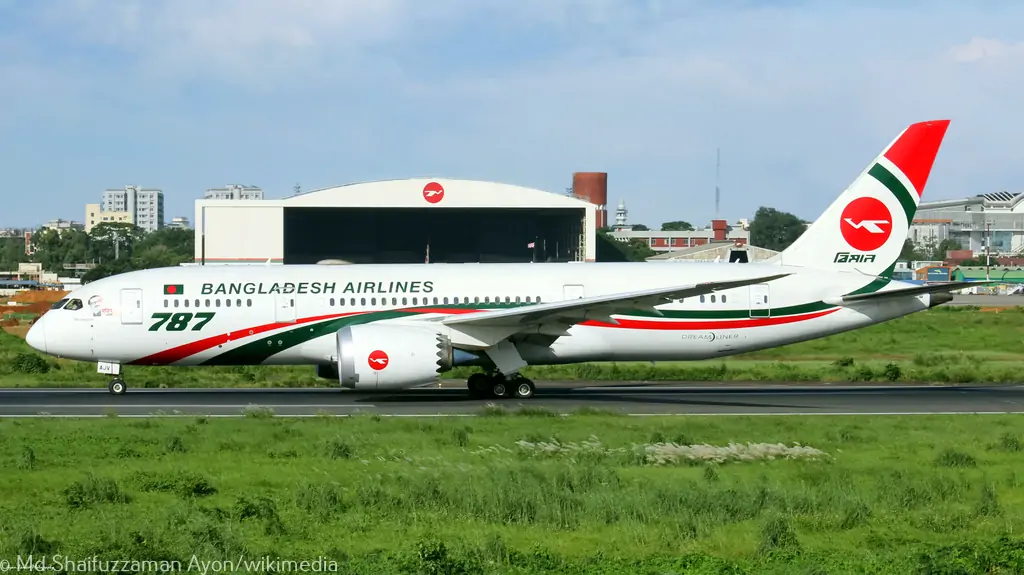
The aviation sector continues to evolve, with airlines looking for ways to improve their operations and customer experiences. Biman Bangladesh, Bangladesh's flag airline, has made news by showing interest in acquiring both passenger and cargo aircraft from Airbus. This is a major step because Biman Bangladesh has previously relied on Boeing aircraft, and this change may potentially usher in a new era for the airline.
Present Scenario
Biman Bangladesh Airways has a long history, having been the country's official airline since 1972. The airline has played an important role in linking Bangladesh to worldwide locations, enabling trade, and helping to expand the country's tourist industry throughout the years. Biman Bangladesh plans to increase its fleet and improve its services in the future to satisfy the rising expectations of passengers and the changing global aviation scene.
"Bangladesh can also get long-term credit facilities from the UK Export Finance Scheme on easy terms for the purchase of aircraft from Airbus," the Bangladesh High Commission in the UK said in a statement. It was unclear how many planes the country intends to acquire for its national flag airline, Biman Bangladesh Airlines. According to ch-aviation.com, the airline now has 21 aircraft in its fleet, 20 of which are operating, and one Boeing 737-800 is stored.
All-Boeing Fleet Decision
Biman Bangladesh's decision to look at aircraft choices other than Boeing is a substantial divergence from the company's previous strategy. The airline recognises that diversifying its fleet may provide various benefits, including access to new technology, enhanced fuel economy, and higher passenger capacity. Biman Bangladesh hopes to make strategic decisions that correspond with its long-term growth ambitions by selecting Airbus aircraft.
Plans for Expansion and Obstacles
Biman Bangladesh's growth goals are ambitious, with the goal of increasing its footprint in both domestic and foreign markets. However, expansion brings its own set of obstacles, such as fierce competition, increasing regulatory constraints, and the need to strike a balance between profitability and reasonable ticket pricing.
Passenger Aircraft Specifications
Biman Bangladesh recognizes the need to expand its passenger aircraft fleet in order to fulfil the rising demand for air travel. The airline's goal is to purchase contemporary, fuel-efficient planes that can provide customers with a comfortable and delightful flight experience. To meet the different demands of travellers, the new aircraft should offer roomy cabins, cutting-edge entertainment systems, and modern facilities. By adopting Airbus passenger aircraft, Biman Bangladesh may investigate a variety of solutions that correspond with its efficiency and customer satisfaction goals.
Cargo Aircraft Specifications
Biman Bangladesh aims to expand its freight operations in addition to passenger flights. The airline understands the need for efficient cargo transportation to promote commerce and economic progress. To ensure timely delivery of products, cargo aircraft must have a large payload capacity, long-range capability, and dependable performance. Biman Bangladesh can widen its options and pick models that are adapted to the unique demands of its cargo operations by choosing Airbus cargo aircraft.
Advantages of Fleet Diversification
Diversifying the fleet with passenger and freight aircraft from Airbus can provide various benefits to Biman Bangladesh. To begin with, it allows the airline to access a broader selection of aircraft types with various capabilities, allowing for better customization based on individual routes and market demands. Second, diversity lowers reliance on a single aircraft manufacturer, lowering the risk of supply chain interruptions or changes in market dynamics. Finally, including Airbus aircraft can bring potential for fleet modernization, increased fuel efficiency, and lower environmental impact, all of which accord with Biman Bangladesh's commitment to sustainable aviation practices.
The Consequences for the Aviation Industry
Biman Bangladesh's choice to go beyond Boeing has significant repercussions for the aviation sector. It denotes a shift in market dynamics as well as increased competition among aircraft manufacturers. The change allows airlines to select from a broader range of aircraft types, stimulating innovation and driving manufacturers to constantly enhance their offers. Furthermore, major airlines, like Biman Bangladesh, may influence industry trends, and determine the future landscape of commercial aviation.
Conclusion
Biman Bangladesh's interest in Airbus passenger and cargo aircraft is a big step forward in the airline's growth plan. Biman Bangladesh intends to expand its fleet, improve passenger experiences, and boost its cargo operations by looking outside its traditional dependence on Boeing. This diversification illustrates the airline's dedication to adapting to changing market conditions and embracing chances for innovation and sustainability. The aviation industry is keenly awaiting the conclusion of Biman Bangladesh's possible partnerships with Airbus, which may possibly reshape the airline's trajectory and have a long-term influence on the sector as a whole.
With Inputs from AeroTime
Read next

Air New Zealand, a renowned airline noted for its innovative approach to customer experience, recently revealed further details about its ground-breaking Skynest concept. This ground-breaking service places sleep pods in the sky, hoping to deliver unmatched luxury and relaxation on long-haul flights. Air New Zealand designed the Skynest to enhance the overall flight experience and prioritize passenger well-being by understanding the requirements and wishes of modern travelers.
The Skynest Concept
The Skynest is a novel sleeping configuration that redefines comfort at high altitude. These sleep pods are intended to provide passengers with a comfortable and private environment in which to unwind and even sleep peacefully during lengthy journeys. Each pod has a comfy bed, high-quality linen, and plenty of storage space for personal items.
Current Situation
Long flights may be stressful and uncomfortable, leaving travellers exhausted when they arrive. Air New Zealand recognizes this issue and has taken the lead in addressing it by providing Skynest sleep pods. These unique pods allow passengers to relax and recharge during their flight, completely changing the idea of in-flight luxury.
"SkyNest has captivated a global audience, and its uniqueness has already been recognized by multiple awards, the most recent being a finalist in the Crystal Cabin Awards." We are thrilled that our customers are as enthusiastic about this new invention as we are. Our five-year, 170,000-hour research and design process has resulted in a product that we are convinced will alter the in-flight experience for Economy customers."
"With our ultra-long-haul routes to destinations such as New York and Chicago, Skynest offers our passengers a unique and innovative way to rest and recharge, making their journey with us even more enjoyable." By launching Skynest on these routes, we are putting our commitment to delivering choice and the best possible experience for our customers into action, as well as continuing to innovate and lead the way in the aviation industry.
The Skynest will be a six-pod sleep zone with sessions for economic travelers to lie down when travelling long distances. It will be accessible beginning in September 2024. Each pod will have a full-size pillow, sheets and blanket, ear plugs, a separate reading light, a USB outlet for personal devices, a ventilation outlet, and rest lighting. Families travelling on the same ticket will be able to schedule a session for each passenger, subject to availability. During longer flights, Skynest gives economy customers another opportunity to sleep and recover.
Enhancing Passenger Comfort
The Skynest prioritizes passenger comfort, using a variety of design features to create a soothing experience. Each pod's bed is meticulously designed to give ideal support and minimize pressure spots, ensuring a comfortable sleep experience. The bedding, which includes high-quality cushions, blankets, and duvets, is intended to mimic the opulence of a hotel accommodation.
Maintaining Privacy and Security
Air New Zealand understands the significance of privacy and security for Skynest sleep pod passengers. To address these issues, each pod is outfitted with privacy screens, giving passengers a sense of personal space while traveling.
Customer Reactions and Expectations
Skynest sleep pods have sparked interest and favorable responses from customers and industry professionals alike. Many passengers express their desire for the Skynest to be offered on all long-distance flights since it considerably improves the entire travel experience. Experts in the industry recognise the Skynest's potential influence on long-distance travel. They believe that the launch of sleep pods in the sky will change customer expectations and drive other airlines to invest in similar developments. The Skynest has the ability to change people's perceptions of and experiences with lengthy flights, making them more joyful and revitalizing.
Innovation and Technology
In the development of the Skynest sleep pods, Air New Zealand has embraced technology and innovative thinking. The pods are outfitted with innovative technologies to offer each passenger a personalized experience. Smart controls enable travelers to customize their sleeping environment by adjusting lighting, temperature, and other settings. This technological integration improves the Skynest's overall comfort and convenience.
Future Potential Developments
With the advent of the Skynest sleep pods by Air New Zealand, there is potential for the concept to spread outside their carrier. The Skynest's popularity and favorable reaction may motivate other airlines to take a similar approach and offer their own versions of in-flight sleep pods. This would allow more people to benefit from improved comfort and rest during long trips.
Conclusion
Air New Zealand's Skynest sleep pods are a notable advancement in long-distance travel. Air New Zealand has revolutionized the in-flight experience by emphasizing consumer convenience, privacy, and innovation foremost. The Skynest idea provides travelers with a one-of-a-kind opportunity to rest and relax while traveling, allowing them to arrive at their destination feeling refreshed and ready to embark on new experiences.
With Inputs from Air New Zealand
Read next
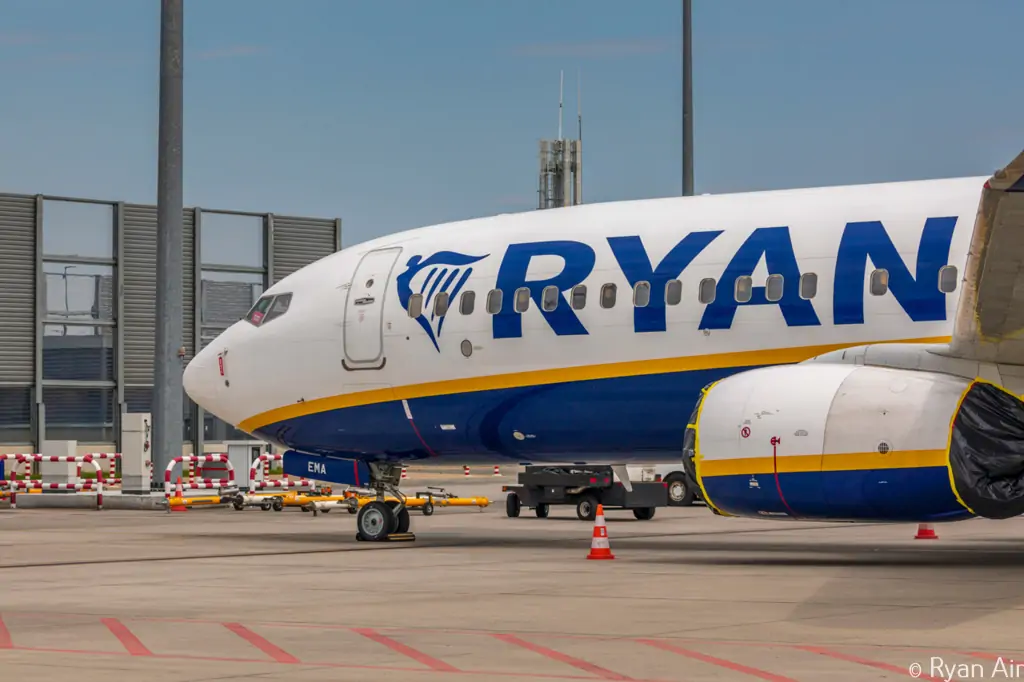
Ryanair, Europe's leading low-cost carrier, has placed a substantial order for up to 300 Boeing 737 MAX 10 aircraft. The contract comprises 150 definite orders as well as an option for another 150 aircraft. The announcement is a big boost for Boeing, which has been struggling to recover from two catastrophic crashes and the impact of the COVID-19 epidemic on the aviation sector.
Boeing's 737 MAX
Boeing Commercial Aeroplanes designed and manufactured the Boeing 737 MAX family of narrow-body airliners. The MAX series integrates cutting-edge technology and safety features, making it one of the world's most modern commercial aeroplanes. However, since its introduction in 2017, the MAX has been plagued by issues. In March 2019, the whole fleet was grounded due to two deadly crashes, one in Indonesia and one in Ethiopia. After Boeing made major upgrades to the aircraft's software and safety systems, the suspension was removed in November 2020.
Current Scenario
The COVID-19 epidemic has had a significant influence on the aviation sector. Airlines all across the world have been fighting to stay afloat, with several grounding flights and cutting off personnel. Ryanair, Europe's leading low-cost airline, has chosen a different path. Instead of cutting back, the airline has placed a large order for up to 300 Boeing 737 MAX 10 aircraft.
Boeing's new fuel-efficient B737-MAX-10 aircraft have 228 seats (21% more than the B737NG), and the phased deliveries between 2027 and 2033 will allow Ryanair to create more than 10,000 new high-paying jobs for pilots, cabin crew, and engineers, enabling disciplined traffic growth of 80% from 168 million in year-end March 2023 to 300 million per year by March 2034. Ryanair anticipates that 50% of these deliveries will replace older B737NGs, allowing the airline to maintain one of Europe's youngest, most fuel-efficient, and ecologically sustainable fleets.
Dave Calhoun, President, and CEO of Boeing, stated: "The Boeing-Ryanair partnership has been one of the most fruitful in commercial aviation history, allowing both companies to succeed and provide affordable travel to hundreds of millions of people." This historic agreement will enhance our collaboration about a quarter century after our firms made our first direct aeroplane purchase. We are committed to delivering for Ryanair and assisting Europe's largest airline company in meeting its objectives by providing its passengers with the lowest tickets in Europe."
Ryanair's Business Strategy
Ryanair is known for being a low-cost carrier, and the purchase of up to 300 Boeing 737 MAX 10 aircraft fits with the company's cost-cutting approach. The 737 MAX 10 is the biggest model of the 737 MAX series, accommodating up to 230 people. The new jets are estimated to be 14% more fuel-efficient than Ryanair's existing fleet of Boeing 737-800 flights, allowing the airline to keep costs low.
The Aviation Industry's Impact
Ryanair's purchase of up to 300 Boeing 737 MAX 10 planes is a huge boost for Boeing and the aviation industry as a whole. The order will aid in the preservation of jobs at Boeing and its suppliers, which have been heavily impacted by the COVID-19 outbreak. It also demonstrates Ryanair's faith in the aviation industry's future, which has been severely harmed by the epidemic.
Conclusion
Ryanair's decision to place a large order for up to 300 Boeing 737 MAX 10 aircraft is a big boost for Boeing and the whole aviation sector. The order will assist to protect jobs and express confidence in the industry's future. The MAX 10 is a cutting-edge, fuel-efficient aircraft that will help Ryanair preserve its position as Europe's top low-cost carrier.
With Inputs from Ryan Air
Read next

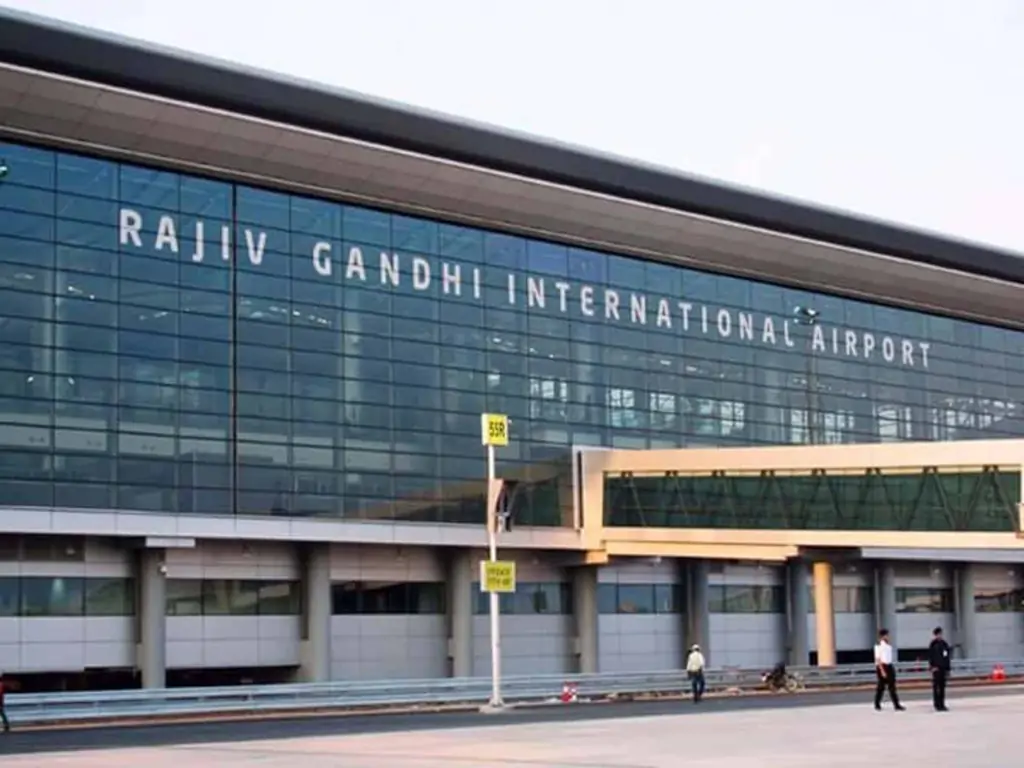
The aviation business is expanding due to the continuous increase in passenger traffic. Today, there are countless airports and airlines connecting us on a worldwide scale. An analysis of airports all over the world was published in a report by the aviation analytics company Cirium. In accordance with it, Bangalore's Kempegowda International Airport is rated second best in the world for "On-Time Performance" after Hyderabad's Rajiv Gandhi International Airport!
Cirium published a report on the best airports. To produce the report Cirium reviews the total number of flights in a month, which is around 3 million, for every airport globally, and categorizes those airports into four types. The four types are based mainly on seat numbers and are listed as a Global Airport (25-40m seats and serve at least three regions), Large (25-40m seats), Medium (15-25m) and Small (5-15m). 'On-time performance' was one of them. Where it has superior coverage (or 80% of actual gate departure), the company evaluates airports. A flight is considered on time if it leaves the gate within 15 minutes of the stated gate departure time.
On-Time Ranking | Airport | Country | On-Time Departure | Total Flights | Routes Served |
1 | Rajiv Gandhi International Airport (HYD) | India | 90.43% | 14,658 | 77 |
2 | Kempegowda International Airport (BLR) | India | 86.14% | 21,413 | 88 |
3 | El Dorado International Airport (BOG) | Colombia | 85.73% | 24,051 | 91 |
4 | Philadelphia International Airport (PHL) | US | 85.11% | 20,028 | 100 |
5 | Haneda Airport (HND) | Japan | 83.93% | 37,055 | 92 |
6 | Washington Dulles International Airport (IAD) | US | 83.41% | 17,415 | 126 |
7 | Hamad International Airport (DOH) | Qatar | 83.14% | 17,077 | 157 |
8 | Minneapolis St. Paul International Airport (MSP) | US | 83.11% | 24,694 | 135 |
9 | King Khalid International Airport (RUH) | Saudi Arabia | 82.87% | 16,846 | 88 |
10 | Seattle-Tacoma International Airport (SEA) | US | 82.71% | 31,174 | 121 |
Each category’s top 20 airports are listed by Cirium. Rajiv Gandhi International Airport (HYD) in Hyderabad was the only airport in the world to breach the 90% on-time departure (OTD) barrier, albeit narrowly at 90.43%. The airport serves 29 airlines and 77 routes and had 14,658 scheduled single-segment flights in March
Kempegowda International Airport Bengaluru, another airport in India, came in second with 86.14%. Colombia’s El Dorado International (BOG) was the one that came after it. In addition to this, these airports have bagged the same positions in the large airport category for ‘on-time performance’.
After the global and large airport categories, two Indian airports have bagged sixth and seventh rank in the medium airport category. With a departure rate of 89.28% and 56 delays, Kolkata’s Netaji Subhas Chandra Bose Airport has ranked sixth on the list. Chennai International Airport has listed as seventh.
Besides this, the Osaka International Airport of Japan is ranked first in the medium airport category for being the most on-time airport. Its on-time departure rate is 93.37% and it was followed by the Tocumen International Airport Panama.
Read next
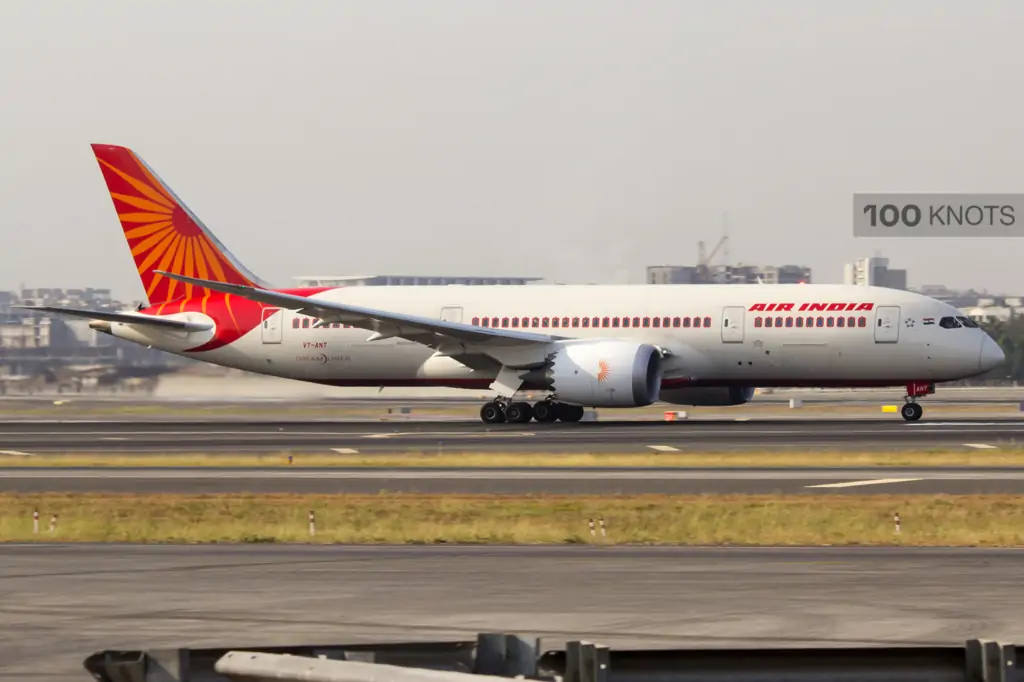
Air India, India's leading carrier and a Star Alliance member and BurdaLuxury, one of Asia's leading media companies, have announced a partnership to bring innovative, quality content to Air India travellers through the relaunch of Air India's in-flight magazine in mid-2023.
Combining BurdaLuxury's expertise in travel, lifestyle and luxury content with Air India's premium customer, the partnership reflects the airline's plans for significant brand evolution and expansion after being welcomed back to the Tata Group in 2022.
In 2022, Air India revealed a multi-stage transformation roadmap, with goals including growing both its network and fleet - recently announcing the purchase of 470 new jets to bolster its fleet - and developing a completely revamped customer proposition. As part of the revamped branding, the partnership will leverage BurdaLuxury's expertise in content creation to align its new inflight magazine with the airline's refreshed brand ethos. The new magazine will launch in June 2023 with all the attributes of a leading newsstand magazine.
"At BurdaLuxury, our passion is the creation of media products that truly thrill and engage readers. High-quality content and a dynamic, contemporary design aesthetic are our watchwords. We're excited to partner with the Air India team and look forward to delivering new levels of content quality to Air India’s 2.5 million monthly passengers through their monthly in-flight magazine," said Simon Clays, Director of Print Operations and Strategy, Asia at BurdaLuxury.
"Air India is on a flight path of exponential growth over the last year. We have been spreading our wings to not only strengthen our connectivity and fleet strength but also to enhance our customer experience in every area of operation. We are glad to have joined hands with BurdaLuxury to offer a world-class publication that will keep our guests engaged with a range of engrossing and enriching content to make their flight experience more pleasant and fulfilling," said Sunil Suresh, Head of Marketing & Communications of Air India.
Air India’s Transformation Plan
The flag carrier is expanding its fleet and network, revamping its customer proposition, and improving reliability in operations. Earlier in April, the airline said it had concluded its five-year transformation plan’s first phase, Vihaan.AI
Between May 2022-February 2023, Air India hired over 1900 cabin crew. Over 1,100 cabin crew have been trained in the last seven months (between July’22-January’23), and in the past three months, approximately 500 cabin crew have been released for flying by the airline. The first phase in the airline's transformation journey focussed on addressing legacy issues of the airline and laying the foundation for future growth.
Air India also recently announced it will use artificial intelligence-driven chatbots and other initiatives as part of modernising the digital systems for which it has made an initial investment of USD 200 million.
About BurdaLuxury
BurdaLuxury is one of?Asia's?most vibrant and progressive independent media houses. Its portfolio includes a variety of successful regional publishing brands in the lifestyle, luxury and travel markets across?Hong Kong,?India,?Malaysia,?Singapore, and?Thailand. Print publications include AUGUSTMAN, HELLO! Magazine?Thailand, Prestige, PIN Prestige, Architecture + Design and Travel + Leisure India & South Asia. Digital offerings include Lifestyleasia.com, Augustman.com, PrestigeOnline.com, PinPrestige.com, Architectureplusdesign.in and Travelandleisureasia.com. BurdaLuxury is part of the Hubert Burda Media family, one of the largest media companies in?Germany. Operating in 14 countries, Burda employs over 11,000 people and owns 550 media brands.
Comment