
China Southern's Strategic Investment Boosts Sichuan Airlines Amid Challenging Times

Abhishek Nayar
03 Jan 2024
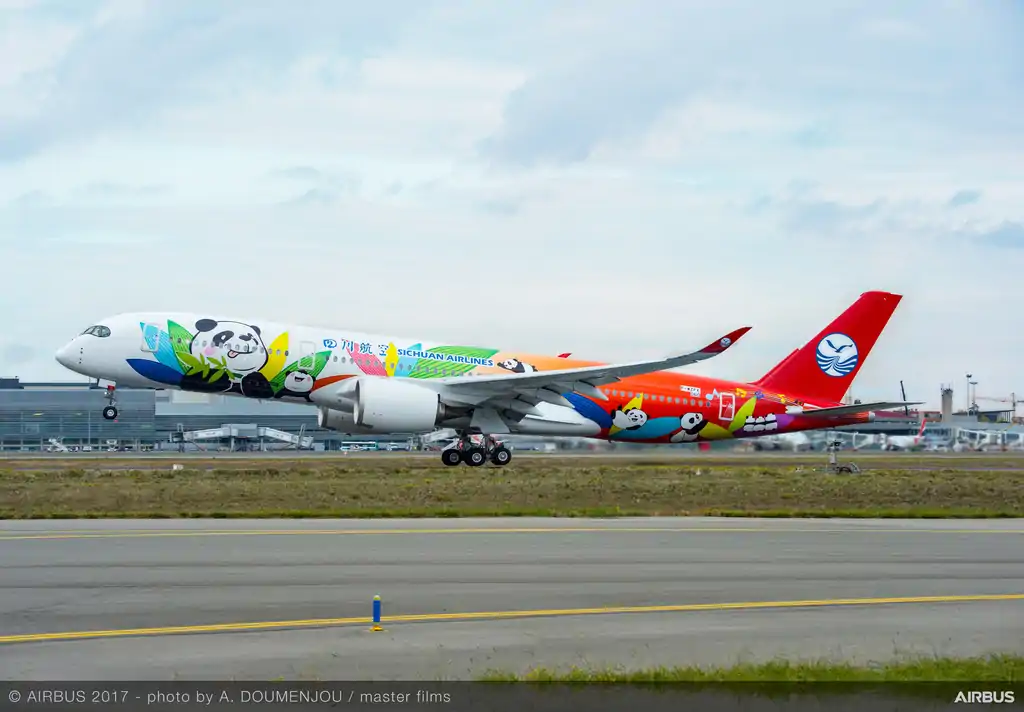
In a significant move to bolster Sichuan Airlines, one of Chengdu's prominent carriers, China Southern, one of its largest shareholders, has announced a substantial investment of approximately CN 4.7 billion yuan ($659 million). The strategic investment is expected to provide crucial financial support and enhance the corporate development scope of Sichuan Airlines. This move comes as the carrier faced financial challenges, reporting a net loss of CN 10 billion yuan ($1.4 billion) in 2022.
Investment Details
China Southern's investment will be executed in three tranches, commencing in mid-January. The initial cash injection of CN 2.3 billion yuan ($332 million) will be followed by the mid-year transfer of an Airbus A330-300, valued at CN 919 million yuan ($128 million). The final tranche, expected to be completed by March 2025, will bring the total investment to CN 4.7 billion yuan. This financial injection aims to supplement working capital and mitigate financial security risks for Sichuan Airlines.
Fleet Expansion and Ownership Structure
As part of the agreement, Sichuan Airlines will add an Airbus A330-300 to its fleet, expanding its operational capabilities. China Southern, currently holding a 39% stake in Sichuan Airlines, will see additional capital infusion from other key shareholders, including China Eastern, Air China, and Chengdu Gingko, an education group. The collaboration among these shareholders underscores a collective commitment to the growth and stability of the Chengdu-based carrier.
Corporate Vision and Risk Mitigation
China Southern has reiterated its vision behind the investment, emphasizing the intention to fortify Sichuan Airlines' working capital, reduce financial security risks, and broaden the airline's corporate development scope. The strategic move reflects a commitment to navigating the challenges faced by the aviation industry and ensuring the long-term viability of Sichuan Airlines.
Financial Performance and Market Dynamics
Sichuan Airlines reported a net loss of CN 10 billion yuan ($1.4 billion) for the fiscal year 2022, marking a significant increase from the challenges encountered in 2021. The aviation sector, globally affected by the COVID-19 pandemic, has witnessed financial strains, making strategic investments and collaborative efforts crucial for the recovery and sustainability of airlines.
Conclusion
The infusion of CN 4.7 billion yuan ($659 million) by China Southern into Sichuan Airlines signifies a strategic move to strengthen the financial position of the Chengdu-based carrier. With the planned investment tranches and the addition of an Airbus A330-300 to its fleet, Sichuan Airlines aims to navigate the complexities of the aviation industry and position itself for future growth. The collaborative effort among major shareholders underscores a collective commitment to ensuring the stability and success of Sichuan Airlines in a challenging market environment.
Read next
Korean Air-Asiana Airlines Merger: A Prolonged Journey Towards Completion
Abhishek Nayar
03 Jan 2024
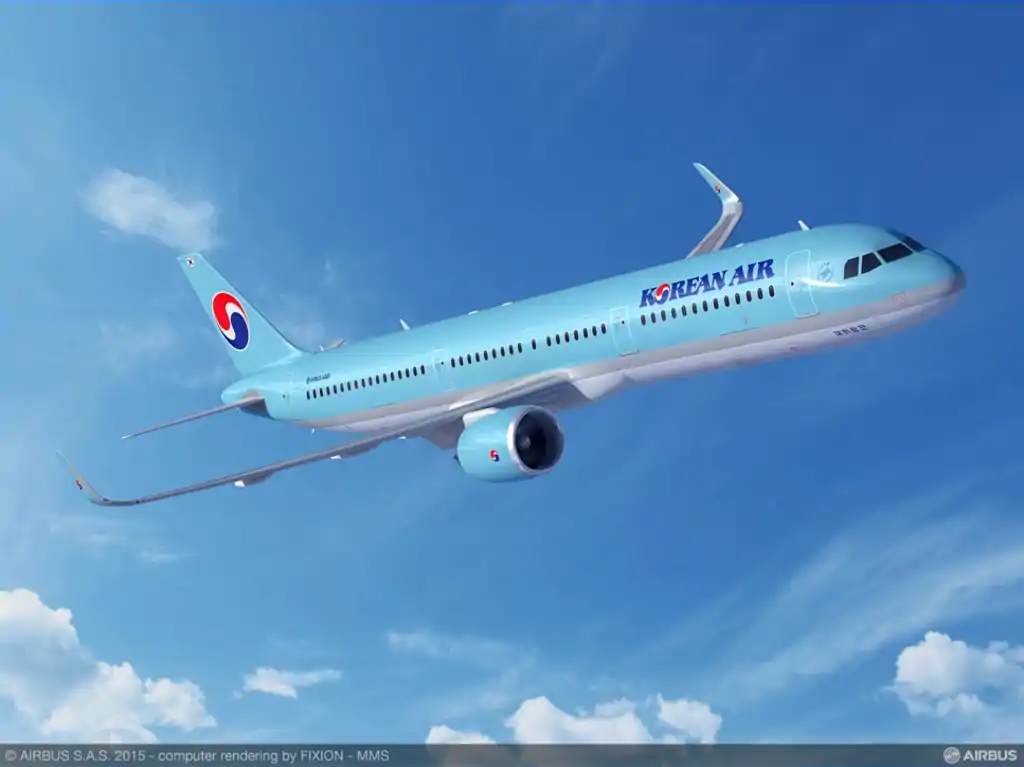
The anticipated merger between Korean Air and Asiana Airlines has encountered delays, but Korean Air Chairman and CEO Cho Won-tae is determined to finalize the deal in 2024. While approvals have been secured from various global markets, key players such as Europe, the US, and Japan are yet to give their consent.
Prolonged Process & Global Approvals and Challenges
In his New Year’s message, Cho Won-tae acknowledged the extended timeline, stating that the company aims to "complete the acquisition of Asiana Airlines in 2024." The merger, proposed in November 2020, has faced scrutiny in multiple jurisdictions, but progress is being made.
Despite gaining approval from antitrust authorities in markets like Australia and China, the merger is awaiting decisions from Europe, the US, and Japan. These critical regions are diligently examining the deal to ensure it does not impede healthy competition.
European Union's Stance & Asiana Airlines' Efforts
The European Commission, a key player in this process, has set a new deadline of February 14, 2024, to reach a decision. Encouragingly, EU's antitrust chief, Didier Reynders, reported positive progress, citing a "very good progress with some proposals." The EU had temporarily halted its investigation awaiting requested information from the airlines.
To address concerns raised by the EU, Asiana Airlines decided to sell its cargo business in November 2023. This move aims to alleviate worries about reduced competition in cargo transport services between Europe and South Korea. Asiana Airlines is actively collaborating with Korean Air to submit necessary reports to the European Commission.
US and Japan: Key Markets
While the EU progresses positively, convincing the US and Japan remains crucial for the merger's success. The airlines announced the merger proposal in November 2020, and over the last few years, numerous countries including South Korea, Singapore, the UK, Vietnam, Thailand, Turkey, Taiwan, Malaysia, China, and the Philippines have given their approval.
Future Prospects
With Korean Air's determination to conclude the acquisition this year, optimism surrounds the possibility of gaining approvals from the remaining key markets in the coming months. The airlines continue to navigate regulatory landscapes, addressing concerns and ensuring compliance to make the merger a reality.
Conclusion
In summary, the Korean Air-Asiana Airlines merger, while facing its fair share of challenges, is progressing steadily. The commitment of the involved parties, coupled with positive signals from the European Union, sets the stage for a potentially successful merger in 2024, reshaping the landscape of the South Korean aviation industry.
Read next
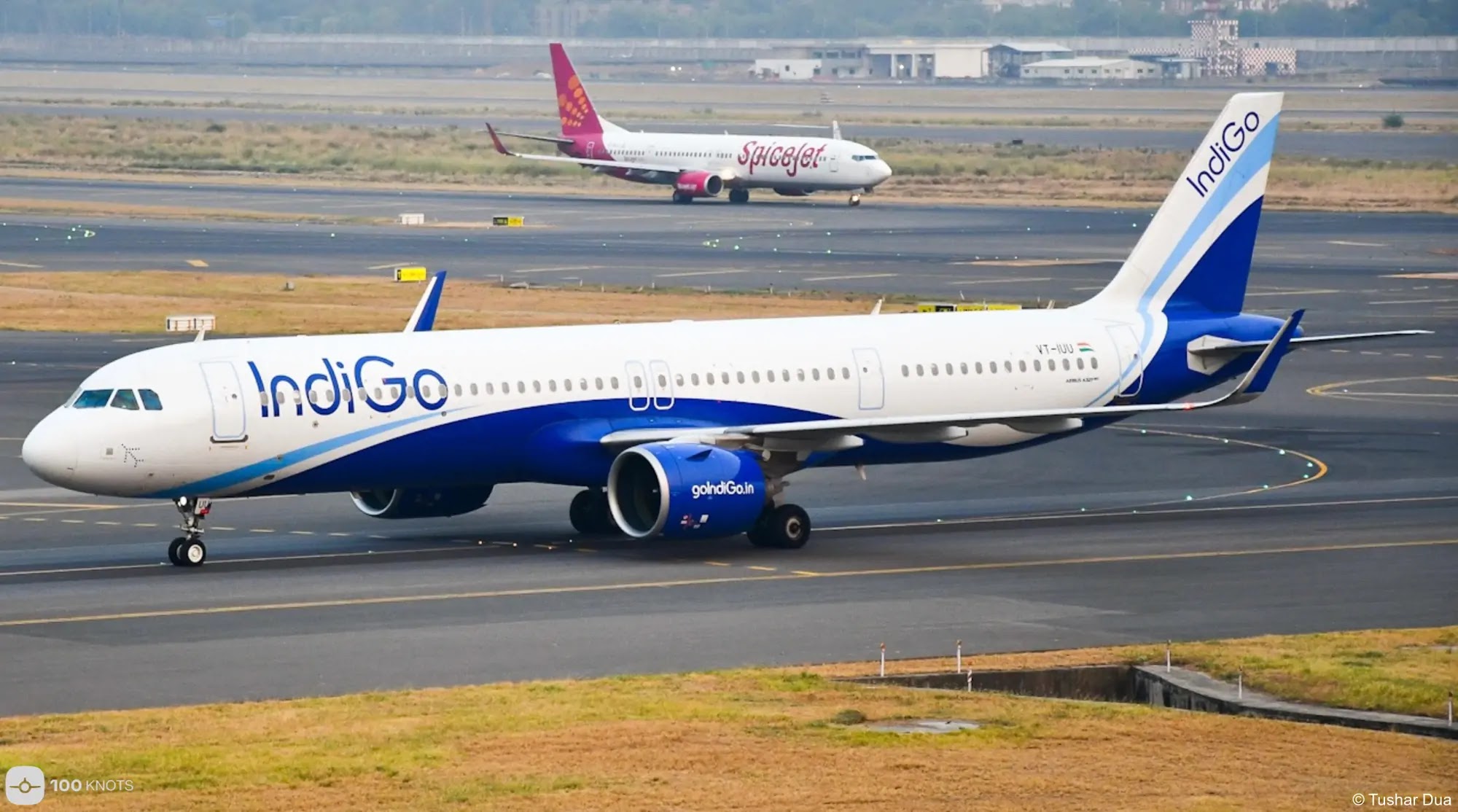
Jet fuel or ATF (Aviation Turbine Fuel) prices in the national capital were cut to INR 1.01 lakh per kilolitre (kl) from INR 1.06 lakh on January 1. State-owned Indian Oil Corporation, Bharat Petroleum and Hindustan Petroleum revise ATF prices on the 1st of every month, based on the average international price in the previous month.
The second half of last year saw a steady escalation in the prices of aviation turbine fuel (ATF), with a cut coming finally in November 2023 as crude prices started cooling off.
ATF constitutes a significant portion of an airline's operational expenditures, often requiring fare adjustments to accommodate the impact of increased costs. Lower ATF prices indicate some respite for airfares as well.
The revision of ATF prices is a common practice and is influenced by factors such as the average rate of the international benchmark and foreign exchange rates. These adjustments often made monthly, impact the overall operational expenses of airlines, providing relief or adding to the financial challenges they face, depending on the direction of the change.
On the back of this, shares of InterGlobe Aviation and SpiceJet gained 1.77% and 1.92%, respectively. At 9:30 AM, IndiGo shares were quoted at INR 3,019.60 on the NSE and SpiceJet was quoted at INR 61.20.
Airlines' Shares Fly High
IndiGo - the country’s largest airline and one of the two listed airlines in the country, saw its fuel expenses at 37.15% of total expenditure. In absolute terms, the airline spent INR 5,228 crore on fuel in the first quarter of FY24. For the quarter ended September, the company posted a profit of INR 188.9 crore compared to a net loss of INR 1,583.33 crore in the same period a year ago. Revenue from operations for IndiGo rose 19.5% to INR 14,943 crore, from the year-ago period when the airline had reported a topline of INR 12,497 crore.
SpiceJet, on the other hand, reported a narrowed net loss of INR 449 crore in the September quarter, compared to INR 830 crore in the corresponding period of the previous year. However, consolidated revenue from operations witnessed a 27% year-on-year decline, settling at INR 1,429 crore. Despite these challenges, SpiceJet is actively pursuing growth opportunities, as evidenced by its bid to acquire Go First, which is currently undergoing insolvency proceedings.
The regular revision of ATF prices is a standard industry practice influenced by factors such as the average rate of the international benchmark and foreign exchange rates. These adjustments, occurring monthly, play an important role in shaping the overall operational expenses of airlines, either easing the financial burden or exacerbating the challenges they face, depending on the direction of the change. The reduction in the price of jet fuel, which makes up for 40 per cent of an airline's operating cost, will ease the burden on already financially strained airlines.
Read next
New Design & Test Facility at Aero Engine Research & Development Centre of HAL Inaugurated in Bengaluru

Radhika Bansal
02 Jan 2024
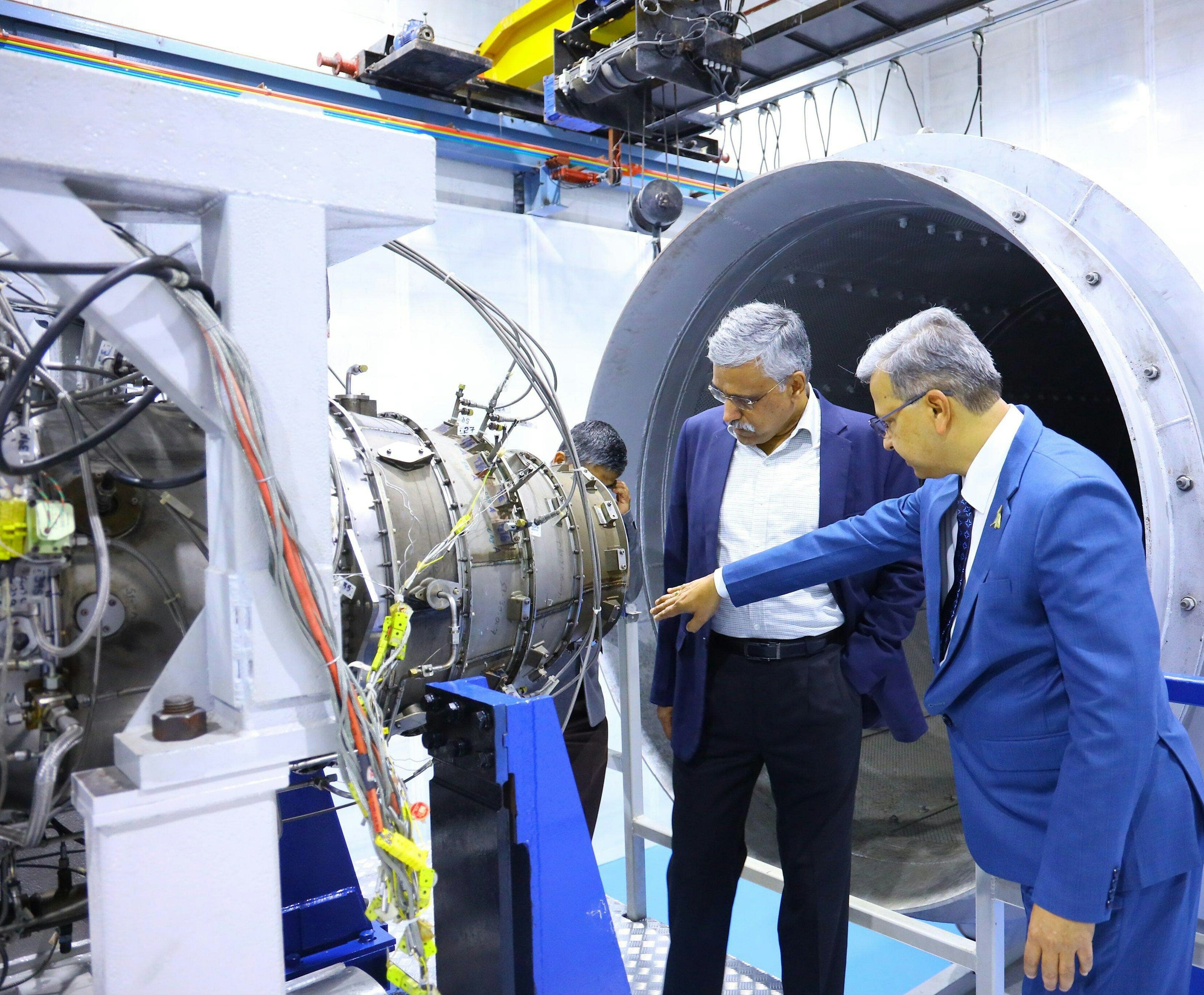
A new state-of-the-art design and test facility at the Aero Engine Research and Development Centre (AERDC) of Hindustan Aeronautics Limited (HAL) in Bengaluru was laid open on Friday, December 29 to facilitate the development of strategic engines for powering trainer aircraft, drones, regional jets and light and medium helicopters.
Defence Secretary Shri Giridhar Aramane inaugurated the centre spanning over 10,000 square meters, which houses special machines, advanced setups leveraging on computational tools, in-house fabrication facility and two test beds for testing HTFE-25 and one testbed each for testing HTSE-1200 and upcoming JV engine for Indian Multi-Role Helicopter (IMRH) to be co-developed by Safran, France and the HAL, the Ministry of Defence said in a statement.
HAL and Safran had in February this year announced a tie-up to produce the engine for the 13-tonne helicopter. As per the agreement, HAL will participate in the design, development and production of the core engine components. Safran already has a joint venture with HAL to manufacture engines for the advanced light helicopter (ALH), weighing 5.5 tonnes. Some 284 of these twin-engine helicopters are flying. This is the only helicopter to be designed and manufactured in India while the rest are of US, Russian, French and UK origin.
Features of the New Facility
The AERDC is currently involved in the design and development of several new engines including two strategic engines -- the Hindustan Turbo Fan Engine (HTFE) of 25 kN thrust for powering trainers, UAVs, twin-engine small fighter aircraft or regional jets and Hindustan Turbo Shaft Engine (HTSE) of 1200 kN thrust for powering light and medium weight helicopters (3.5 to 6.5 tonnes in single/twin-engine configuration).
Additionally, the newly developed facility has set-ups for testing air producers of Jaguar, Gas Turbine Starter Unit (GTSU) - 110 M2 and 127E of Light Combat Aircraft, Auxiliary Power Units of IMRH and Advanced Medium Combat Aircraft, Gas Turbine Electrical Generator (GTEG)-60 for An-32 aircraft, the MoD stated. Set-ups to carry out, elaborated by the Ministry, various critical tests for engine components and Line Replacement Units (LRUs) have also been established within the new facility.
The Centre, established in the 1960s, holds the unique distinction of being the only design house that has developed test beds for engines of both Western and Russian origin. The Centre has successfully developed and certified PTAE-7 engine, the first indigenous turbojet engine of India powering Lakshya (Unmanned Aircraft), Gas Turbine Electrical Generator GTEG-60 for starting An-32 aircraft, Air starter ATS 37 and Air producer for starting Adour-Mk 804E/811 on Jaguar Aircraft and Shakti engine for powering ALH to support Ad804/811 engine of Jaguar aircraft.
Officials' Comments
The Defence Secretary, however, stated that the government trusts the capability of the Defence PSU to deliver and make the country self-reliant. “The manufacturing sector is the country’s future and in the coming decades, the HAL should focus on mastering technologies for all types of aircraft. Think ahead as the entire warfare paradigm is changing,” he advised.
Aramane in his address informed the Ministry, highlighted the role of unmanned aircraft in future warfare and encouraged the HAL to collaborate with other private companies to develop new platforms.
Chairman & Managing Director (Addl. Charge) of HAL CB Ananthakrishnan said, “The development of this facility marks a key milestone in HAL’s growth trajectory. It is a testimony of our commitment towards achieving ‘Aatmanirbharta’ in aero-engine design and development.”
At the same time, Dr DK Sunil, Director (Engineering, R&D) outlined the design perspectives of HAL’s R&D initiatives. Senior officials from HAL, IAF, GTRE ADA, NAL, CEMILAC and ADE were present on the occasion.
Read next
Boeing Recommends Airlines to Check Their B737 MAX Fleet for Possible Loose Hardware
Radhika Bansal
02 Jan 2024
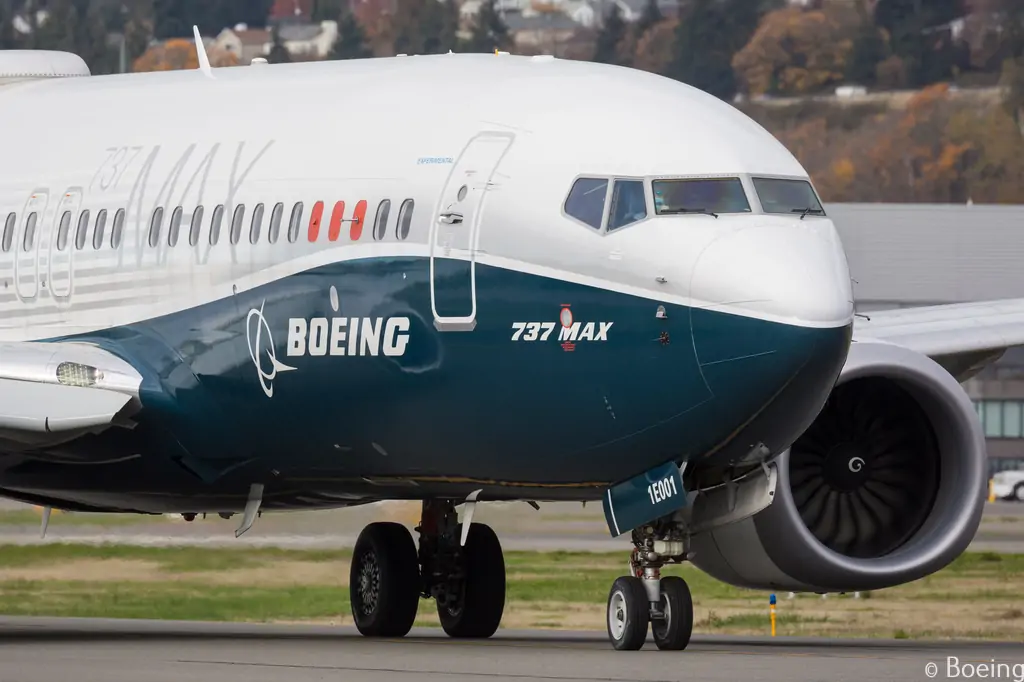
Boeing has recommended airlines to conduct an inspection of their B737 Max fleet after an international operator discovered a bolt with a missing nut while performing routine maintenance. In a statement on Friday, December 29, Boeing said the issue identified on the particular airplane has been remedied.
In India, three airlines -- Akasa Air, SpiceJet and Air India Express -- have B737 Max planes in their fleet. Akasa Air's full fleet of 21 aircraft is 737 Max, Air India Express has eight out of 38 planes and SpiceJet has 13 out of the 66 planes, according to planespotters.com.
Earlier on Thursday, December 28, the US aviation regulator, Federal Aviation Administration (FAA) issued a statement, saying it was closely monitoring "targetted inspection," of Boeing 737 Max planes for a possible loose bolt in the rudder control system.
"The issue identified on the particular airplane has been remedied. Out of an abundance of caution, we are recommending operators inspect their 737 MAX airplanes and inform us of any findings," Boeing said in the statement.
The aircraft maker said it has informed the FAA and will continue to keep the regulator aware of the progress. Queries sent to SpiceJet and Air India Express remained unanswered while Akasa Air said that the issue has not impacted either its operating fleet or the aircraft deliveries so far.
"We have been made aware of this issue by Boeing. Like all operators around the world, and following our highest standards of safety, Akasa will be following the same checks and procedures that the manufacturer or regulator recommends," an Akasa Air spokesperson said in the statement on Saturday, December 30. The airline further added, “our operating fleet and deliveries are not impacted so far.”
FAA Monitoring B737 MAX Aircraft
Under consultation with it, the FAA in its Thursday, December 28, the statement said, Boeing has issued a Multi-Operator Message (MOM), urging operators of newer single-aisle airplanes to inspect specific tie rods that control rudder movement for possible loose hardware. The FAA will remain in contact with Boeing and the airlines while the inspections are underway, the regulator said.
The agency is asking the airlines to work through their approved Safety Management Systems to identify whether any loose hardware has been detected previously and to provide the agency with details on how quickly these two-hour inspections can be completed. The FAA also said it would consider additional action based on any further discovery of loose or missing hardware.
Boeing, according to the FAA, recommended the inspections after an international operator discovered a bolt with a missing nut while performing routine maintenance on a mechanism in the rudder-control linkage. The company discovered an additional undelivered aircraft with a nut that was not properly tightened, it said.
"The FAA will remain in contact with Boeing and the airlines while the inspections are underway,” the agency said, asking airlines to answer if any loose hardware has been detected previously and provide details on how quickly these inspections can be completed.
Any issue involving a rudder that is not working properly would likely be identified in a pre-flight check, as flight crews routinely examine the rudder system before an aircraft pushes back from the gate, Boeing said.
The 737 MAX was grounded for 20 months worldwide after two fatal crashes in 2018 and 2019 killed 346 people in Ethiopia and Indonesia. Boeing is still awaiting certification of its smaller 737 MAX 7 and larger MAX 10. The FAA has carefully scrutinized the MAX. The FAA in 2021 said it was tracking all 737 MAX airplanes using satellite data.
DGCA in touch with Indian Carriers
India's aviation regulator, Directorate General of Civil Aviation (DGCA), is closely monitoring the situation and has been in touch with Akasa, Air India Express and SpiceJet, which operate the aircraft. The DGCA has said it is in touch with its US counterpart and Boeing and that the checks currently being carried out are part of the regular process to ensure flight safety.
"This has been an ongoing issue with Max 737 and these are service bulletins issued from time to time by Boeing to the airline operators for the suggested action whenever any issue has come across. We have been in touch with Boeing, FAA and our airline operators in the past too on such issues concerning 737 Max," the DGCA said in a statement.
"In such cases, mitigation as recommended by the Original Equipment Manufacturers is carried out by the airline operator as has been done in the past in respect of 737 Max," it added.
An Air India Express spokesperson said, "As per Boeing's global recommendation for all airline operators, Air India Express will check its Boeing 737-8 aircraft within the timelines. Our unwavering commitment to safety remains paramount."


Comment