
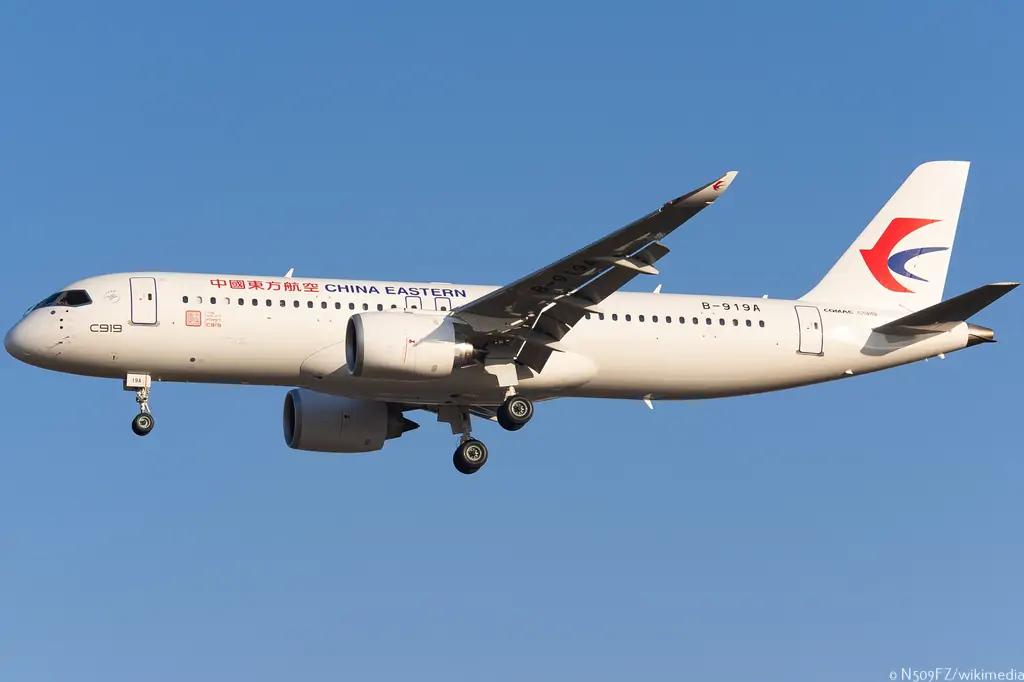
In a groundbreaking move within the aviation industry, China Eastern Airlines announced on Thursday, September 28, 2023, that it will acquire an additional 100 C919 planes, marking the largest-ever order for this aircraft manufactured by the Commercial Aircraft Corporation of China (COMAC). Valued at a staggering $10 billion at list prices, the deal signifies a significant milestone in China's ambitions to challenge industry giants Airbus and Boeing.
Substantial Discount Secured
The state-owned carrier was keen to emphasize that this monumental order came with a substantial discount. Although the C919 boasts a list price of $99 million per unit, it's a well-known practice in the aviation industry to negotiate discounts, which can sometimes reach up to 50%, especially for new variants like these.
Delivery Phases
China Eastern Airlines disclosed that the 100 C919 planes will be delivered in phases over an eight-year period, spanning from 2024 to 2031. This extended delivery schedule aligns with the airline's fleet expansion plans and provides ample time for COMAC to manufacture and deliver these advanced aircraft.
A Shift in the Global Aircraft Manufacturing Landscape
The massive order placed by China Eastern Airlines for 100 C919 planes signifies a notable shift in the global aircraft manufacturing landscape. For decades, Airbus and Boeing have held sway in the industry, with only a few competitors attempting to challenge their dominance. The emergence of COMAC and its C919 is indicative of China's determination to break into this exclusive club. The C919 is positioned as a direct competitor to Airbus SE's A320neo and Boeing Co.'s 737 MAX single-aisle jet families.
The C919 is a technologically advanced single-aisle aircraft designed to meet the demands of modern aviation. It boasts fuel efficiency, state-of-the-art avionics, and a spacious cabin designed for passenger comfort. With China Eastern Airlines' substantial investment in this aircraft, it's clear that they believe in its capabilities and potential to meet the growing demands of air travel in the Asia-Pacific region and beyond.

Navigating Complex Geopolitics
China Eastern's decision to expand its fleet with the C919 also reflects the complexities of geopolitics in the aviation industry. The ongoing trade tensions between China and the United States have had a profound impact on aircraft sales. Boeing, a major player in the global aviation market, has found its sales to Chinese carriers virtually halted since 2017 due to these tensions. This has paved the way for domestic manufacturers like COMAC to gain ground.
As China strengthens its domestic aviation industry, it not only reduces its reliance on foreign aircraft but also positions itself as a formidable competitor in the international market. The purchase of 100 C919 planes by China Eastern Airlines further solidifies this stance and underscores China's commitment to achieving self-sufficiency in aircraft manufacturing.
An Anniversary Deal
According to Li Hanming, an independent aviation industry analyst, this historic deal is particularly significant as it coincides with the one-year anniversary of the C919 receiving its type certificate. Li explained, "COMAC has made a good start in terms of C919 delivery so far. Following that, the plane manufacturer will cooperate more closely with China Eastern to demonstrate the reliability and performance of the C919 to other potential users."
Meeting the Needs of a Post-Pandemic World
The timing of this order is significant. The aviation industry, like many others, faced unprecedented challenges during the COVID-19 pandemic. Airlines worldwide grappled with reduced demand, grounded fleets, and financial strain. However, as the world gradually emerges from the pandemic, air travel is experiencing a resurgence. People are eager to explore the world once more, and airlines are gearing up to meet this pent-up demand.
China Eastern Airlines recognizes the need to modernize its fleet to align with these changing dynamics. The acquisition of 100 C919 planes will allow the airline to offer more efficient, cost-effective, and environmentally friendly options to passengers while remaining competitive in the global market.

A Step Towards Global Recognition
The aviation industry is a global stage where manufacturers, airlines, and countries vie for recognition and influence. China's commitment to building a strong domestic aircraft manufacturing industry is a significant step in this direction. The C919, along with other future projects, could position China as a key player in the aerospace sector.
With the expansion of its fleet with these 100 C919 planes, China Eastern Airlines is not only investing in its own future but also contributing to China's broader ambitions in the global aviation industry. This strategic move exemplifies the airline's vision to be at the forefront of innovation and sustainability in air travel.
Payment Structure
The airline revealed that it plans to pay for these aircraft in installments using a combination of its own funds, bank loans, and bond issuance. This multi-pronged approach reflects China Eastern Airlines' commitment to securing these state-of-the-art aircraft while maintaining financial stability.
A Detailed Delivery Schedule
The delivery schedule for the 100 C919 planes is as follows:
- 5 aircraft will be delivered in 2024.
- 10 aircraft per year from 2025 through 2027.
- 15 C919s will be produced annually from 2028 through 2030.
- The final 20 aircraft will be delivered in 2031.

Conclusion
The historic order for 100 C919 planes by China Eastern Airlines represents a pivotal moment in the evolution of the aviation industry. It demonstrates China's determination to compete on the global stage, the resilience of the aviation sector in the face of challenges, and the readiness of airlines to adapt and grow in a post-pandemic world. As the world watches this transformation, it is clear that the C919 and its impact will extend far beyond China's borders, shaping the future of aviation worldwide.
With Inputs from Reuters

Read next
JetBlue Airways Faces Challenges in Third Quarter Due to Weather and Staffing Issues
Abhishek Nayar
29 Sep 2023

JetBlue Airways, a prominent player in the airline industry, has recently issued a warning regarding its third-quarter revenue projections. The airline cited a range of challenges, including weather-related disruptions and shortages of air traffic control personnel.
Weather-Related Disruptions
One of the primary factors affecting JetBlue's third-quarter revenue forecast is the series of weather-related disruptions that have plagued the airline industry this year. Adverse weather conditions, including storms, hurricanes, and extreme heatwaves, have led to flight cancellations and delays, causing significant operational challenges for airlines. These disruptions not only inconvenience passengers but also result in increased costs for carriers like JetBlue.
JetBlue's warning regarding the impact of weather-related disruptions highlights the vulnerability of the airline industry to the effects of climate change. As extreme weather events become more frequent and severe, airlines must adapt their operations and contingency plans to minimize the impact on their bottom line.
Shortages in Air Traffic Control Personnel
Another critical issue facing JetBlue and the broader aviation industry is the acute shortage of air traffic control personnel. This shortage has been exacerbated by factors such as retirements, pandemic-related workforce challenges, and the complexities of hiring and training new controllers.
JetBlue's CEO acknowledged the severity of the problem earlier this month, stating that the airline had been forced to curtail flights due to the inability of the air traffic control system to handle the volume of flights. This situation not only disrupts airline schedules but also poses safety concerns, as overworked controllers may struggle to manage airspace effectively.

Impact on Expenditures
The combination of weather-related disruptions and staffing shortages is expected to drive up expenditures for JetBlue in the third quarter. Airlines must invest in additional resources to manage these challenges effectively. This includes increased spending on customer service, operational adjustments, and potentially even overtime pay for employees working under adverse conditions.
Fuel Cost Predictions
In addition to the aforementioned challenges, JetBlue is also grappling with the rising cost of fuel. The airline has revised its third-quarter fuel cost prediction to approximately $2.95 per gallon, up from its previous range of $2.75 to $2.90 per gallon. This increase in fuel costs can be attributed to the considerable spike in crude oil prices, which has a direct impact on the operating expenses of airlines.
Conclusion
JetBlue Airways' warning about its third-quarter revenue outlook serves as a reminder of the ongoing challenges faced by the airline industry. Weather-related disruptions, shortages in air traffic control personnel, and rising fuel costs are all contributing factors. While these challenges are significant, they also underscore the need for airlines to be agile, adapt to changing circumstances, and prioritize the safety and satisfaction of their passengers.
As JetBlue and other carriers navigate these hurdles, it is evident that collaboration between airlines, government agencies, and industry stakeholders is essential to finding long-term solutions that ensure the resilience and sustainability of the aviation sector. In the meantime, passengers may need to brace themselves for potential disruptions and increased costs when traveling with JetBlue and other airlines in the near future.
With Inputs from Reuters
Read next
Portugal to Privatize Majority Stake in TAP Airline to Bolster Aviation Sector
Abhishek Nayar
29 Sep 2023
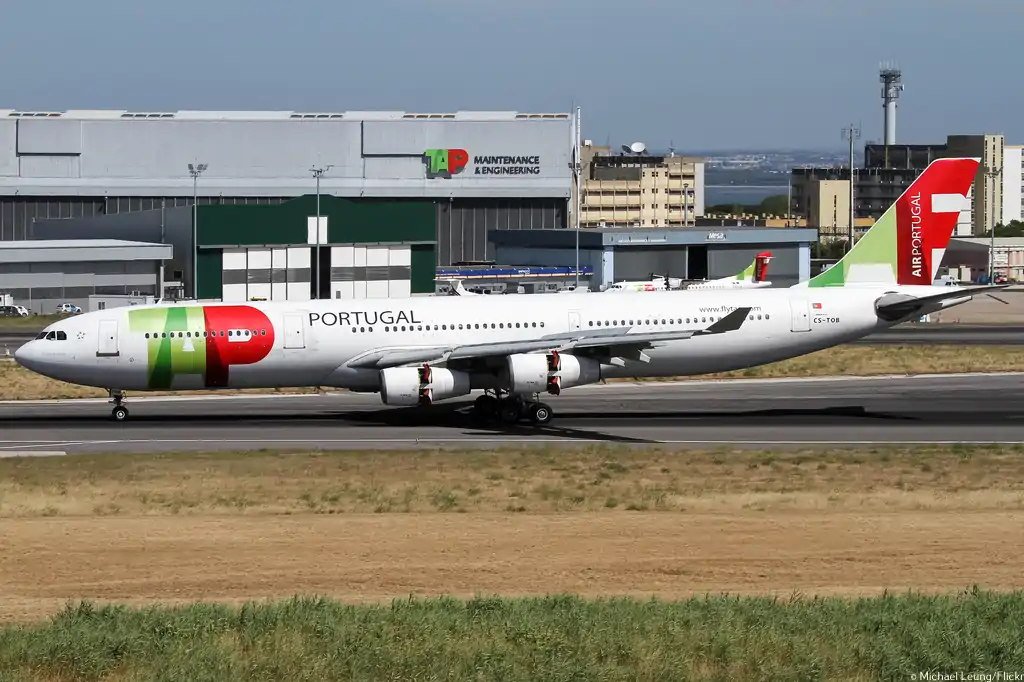
Portugal's government has announced its intention to divest a controlling stake of at least 51% in the state-owned airline TAP, marking a significant move in the country's efforts to strengthen its national aviation sector.
The privatization process received cabinet approval on Thursday, September 28, 2023. This development has already attracted the attention of major international airlines such as Lufthansa, Air France-KLM, and International Airlines Group (IAG), the owner of British Airways.
Objectives of Privatization
The privatization of TAP is driven by several key objectives aimed at promoting growth and sustainability within the aviation sector and improving the airline's overall performance. Finance Minister Fernando Medina outlined the following goals:
- TAP Growth: The government aims to facilitate the expansion of TAP, ensuring it remains competitive in the global aviation market.
- National Hub Growth: Enhancing TAP's role as a national hub for air travel is a priority, which will benefit both the airline and the country's connectivity.
- Aviation Sector Growth: The privatization process is expected to stimulate growth within Portugal's aviation industry, encouraging innovation and competition.
- Employment: Maintaining and creating jobs within the aviation sector is a vital aspect of the privatization plan, contributing to economic stability.
- Utilization of National Airports: The government intends to improve the utilization of national airports, optimizing their efficiency and capacity.
- Pricing: Ensuring fair and competitive pricing in the aviation sector is a crucial part of the government's strategy.
Stakeholder Benefits
TAP employees are set to benefit from this privatization, with plans to allocate an additional 5% stake to them. However, the precise percentage of the stake that will remain in state hands is yet to be determined.
The potential involvement of industry participants, rather than purely financial investors, is emphasized as a requirement for bidders. This approach is intended to ensure that those taking control of TAP have a vested interest in the airline's long-term success, rather than purely financial gains.

Interest from International Airlines
The announcement of TAP's privatization has generated substantial interest from leading international carriers. Notably, Lufthansa, Air France-KLM, and IAG, the parent company of British Airways, have all expressed interest in acquiring a stake in TAP.
IAG CEO Luis Gallego expressed his company's interest in TAP, citing its alignment with IAG's strategic profile. However, Gallego emphasized the need to evaluate the terms of the sale before making a formal commitment.
Strategic Importance of TAP
TAP's strategic significance lies in its "privileged connections" to Portuguese-speaking countries such as Brazil, Angola, and Mozambique. These connections have the potential to bolster trade, tourism, and cultural ties between Portugal and these nations.
Finance Minister Fernando Medina welcomes the interest shown by international airlines, viewing it as a positive indicator for the success of the privatization process.
Timeline and Future Steps
The Portuguese government aims to finalize the full privatization dossier, including terms and requirements, by the end of the year. The entire privatization process is expected to conclude by mid-2024.
Conclusion
Portugal's decision to privatize a controlling stake in TAP Airline represents a significant step towards revitalizing its national aviation sector. The government's multifaceted objectives, including fostering growth, enhancing connectivity, and creating employment opportunities, underscore its commitment to ensuring a successful transition. With the interest of major international airlines, the future of TAP promises to be both dynamic and competitive, benefiting Portugal's economy and the broader aviation industry.
With Inputs from Reuters
Read next
Ryanair Announces Winter 2023 Schedule Adjustments Due to Boeing Aircraft Delivery Delays
Abhishek Nayar
29 Sep 2023

Ryanair, Europe's leading airline, recently confirmed significant schedule reductions for its Winter 2023 operations, citing delays in Boeing aircraft deliveries from September to December. This unexpected setback has prompted the airline to make strategic adjustments to its flight schedules and fleet allocation.
Background
Ryanair had originally anticipated receiving 27 Boeing aircraft between September and December 2023. However, due to production delays at the Spirit Fuselage facility in Wichita and subsequent repair and delivery delays in Seattle, the airline now expects to receive only 14 aircraft between October and December. This delay has created operational challenges for Ryanair during a crucial period.
Mitigation Efforts
In response to the delivery delays, Ryanair is actively collaborating with Boeing to expedite aircraft deliveries, aiming to have all 57 new Boeing aircraft in its fleet by May 2024. This strategic move is essential for the airline to be fully prepared for the Summer 2024 peak travel season.
According to Michael O'Leary, "We are in regular dialogue with Boeing, and our primary objective is to ensure we get delivery of all 57 contracted B737 aircraft before the end of May 2024, so that Ryanair’s fleet can grow to over 600 aircraft for what will be our largest ever summer flight program."
Winter 2023 Schedule Adjustments
To cope with the reduced number of aircraft available for the Winter 2023 season, Ryanair has announced several schedule adjustments:
- Charleroi Reduction: Three aircraft will be removed from the Charleroi base.
- Dublin Reduction: The number of aircraft based in Dublin will be reduced by two.
- Italian Bases: Five aircraft will be reduced across four Italian bases, including Bergamo, Naples, and Pisa.
- Other Bases: East Midlands, Porto, and Cologne will also experience reductions in the number of aircraft based there.
These adjustments are deemed necessary to accommodate the reduced aircraft availability during the winter months.

Apology to Passengers
Ryanair has issued a sincere apology to passengers affected by these schedule changes. Passengers booked on affected flights will be contacted via email in the coming days and offered re-accommodation on alternative flights or full refunds, as per their preference.
"These flight cancellations will take effect from the end of Oct, and will be communicated to all affected passengers by email over the coming days. Passengers will be offered re-accommodation on alternative flights or full refunds as they so wish. We apologize sincerely to passengers for any inconvenience caused by these delivery delays this winter." Ryanair’s Michael O’Leary said.
Impact and Future Prospects
While Ryanair does not expect these delivery delays to significantly affect its full-year traffic target of 183.5 million passengers, the airline acknowledges the possibility of revisiting this figure if the delays worsen or extend further into the first quarter of 2024. Despite the challenges posed by these delays, Ryanair remains committed to maintaining its position as Europe's premier airline.
Conclusion
The unexpected Boeing aircraft delivery delays have forced Ryanair to adapt its Winter 2023 schedule. The airline's proactive approach in collaborating with Boeing to expedite deliveries and its commitment to passenger satisfaction remain evident. As the situation unfolds, Ryanair continues to prioritize its long-term growth and exceptional service, aiming to emerge stronger and well-prepared for the upcoming summer travel season in 2024.
With Inputs from Ryanair
Read next
Ministry of Civil Aviation Increase Workforce at DGCA, AERA & AAI; Several ATCOs & AMEs Also Recruited

Radhika Bansal
28 Sep 2023

The Ministry of Civil Aviation said various initiatives have been taken to increase the workforce at various authorities, including DGCA, where 114 positions out of the 416 newly created posts have been filled, and the remaining will be phased. DGCA employs a team of qualified and experienced aircraft/aeronautical engineers, pilots, and air traffic controllers to carry out its regulatory and oversight functions.
Besides the Directorate General of Civil Aviation (DGCA), initiatives have been taken to increase the workforce at the Airports Economic Regulatory Authority (AERA) and the Airports Authority of India (AAI).
"As a testament to these efforts, a total of 416 new positions have been established in the DGCA, which will help the aviation watchdog to provide a safe environment in the sector. The positions will be filled in a phased manner. 114 posts out of these have already been filled," the ministry said in a release. Created in 2022, these positions are distributed across the DGCA's headquarters and its regional and sub-regional offices.
Concerning AERA, 10 new posts have been created and 5 of them have been filled. "The rest of the posts will be filled soon. Apart from this, there were 27 vacancies in existing posts. Out of which 24 have been filled and the remaining 3 are under process," the release said.
According to the ministry, several Air Traffic Controllers (ATCOs) posts have been created at AAI. "To meet the growing demand of air travel, 796 additional posts of ATCOs have been created in two phases i.e. 340 posts in May 2022 and 456 posts in April 2023. Action has also been taken to fill the posts of ATCOs," the release said.
Air Travel Rebound
The Indian skies have returned to normalcy, with August marking the sixth straight month when domestic air traffic in India has surpassed pre-Covid levels. The severe ground handling staff shortage post-pandemic layoffs caused massive mismanagement in big airports like Delhi and Mumbai. In addition, industry specialists cited the non-availability of required licensed aircraft maintenance engineers (AMEs) to carry out aircraft inspections and cater to multiple spot checks as the reasons for multiple reported incidents including snags in recent months.
With the demand for air travel booming and the country on its way to becoming the third-largest aviation market in the world, the need for more staff both in the air and on the ground is critical.
While the DGCA regulates air transport services to, from, and within India while enforcing civil air regulations, maintaining air safety and airworthiness standards, as well as overseeing the licensing and training of aviation personnel, the AERA is an independent regulatory body tasked with overseeing the economic regulation of airports in India. The AAI is a statutory authority responsible for the management, development, and operation of airports and carries out infrastructure development of airports alongside offering air navigation services.
Shortage of Staff at DGCA & ATCO
The Directorate General of Civil Aviation (DGCA) is taking at least a couple of months to issue licences to trained pilots as the regulator is grappling with the shortage of staff at key positions, according to sources. After training, individuals need to obtain a Commercial Pilot Licence (CPL) to be eligible to fly commercial flights. Sources in the civil aviation ministry said that at present, a pilot has to wait for a couple of months to get his or her licence and the pendency time is likely to go up in the coming months.
"The Directorate of Training and Licensing (DTL), under the Operations Department which deals with licensing, has a total of 129 sanctioned posts of assistant directors. Of those, 92 posts or almost 72 per cent of the total strength are lying vacant," one of the sources said. Till July 2022, the DGCA had only 72 sanctioned posts of assistant directors. In August 2022, the ministry created 57 new posts and the sanctioned strength rose to 129 positions.
However, DGCA has failed to initiate any process to fill the 57 newly created posts. As many as 35 old posts out of the 72 that fell vacant due to retirement or promotions of the employees are also lying vacant, the source said. When contacted, DGCA Director General Vikram Dev Dutt did not offer any comment on the issues.
The sources also claimed that even Air Traffic Controllers Licensing and Aerodrome Licensing processes are also moving at a snail's pace. Airports Authority of India (AAI) has recently fast-tracked the training of air traffic controllers (ATCOs) at its Prayagraj College to meet the needs of rising air traffic in the country.
Civil Aviation Training College (CATC) which celebrated its platinum jubilee last week, is now conducting ATC ab initio training classes in two shifts and has tweaked the course structure that will enable quicker deployment of ATCOs. The changes were put in place this summer and are expected to double the training capabilities of the college. According to the Civil Aviation Ministry projections the combined fleet of all Indian carriers is expected to increase from over 700 now to 1,200 in the next five years. Similarly, the number of airports in the country is expected to rise from 148 now to over 220 in the same period.
Read next
Singapore Airlines to Complete Air India - Vistara Merger Soon; to Maintain Minimum Capacity on Certain Routes
Radhika Bansal
28 Sep 2023

Singapore Airlines aims to complete the merger of Vistara with Air India "as soon as possible" subject to remaining approvals from relevant authorities. Once the proposed merger, which was approved by the Competition Commission of India (CCI) on September 1, is complete, Singapore Airlines will have a 25.1% stake in Air India.
Vistara is a joint venture in which Singapore Airlines has a 49% stake, while the rest is with the Tatas. Singapore Airlines and Air India have given certain commitments to the CCI to address the competition concerns arising out of the merger.
The merger deal would mark a major consolidation in India's fast-growing aviation space. Once the merger concludes, Singapore Airlines will be allotted additional shares in the merged entity through a preferential allotment. The deal will make Air India the country's largest international carrier and second-largest domestic carrier.
Air India Express and AIX Connect (earlier known as AirAsia India) are in the process of being merged. Tata Group has four airlines -- Air India, Air India Express, AIX Connect, and Vistara, in which Singapore Airlines has a 49% stake.
In a statement on Tuesday, September 26, Singapore Airlines welcomed the CCI's approval of the merger and said the airline as well as Scoot will follow the commitments. Scoot is a part of the Singapore Airlines group. "Singapore Airlines continues to work with our partner Tata Sons and aims to complete the merger as soon as possible, subject to the remaining approvals from the relevant authorities," an airline spokesperson said in an e-mailed statement.
Concerns raised by CCI
Certain competition concerns due to the proposed merger were raised by the watchdog and to address them, the airlines have given certain commitments concerning the merger. As per the commitments, Air India has voluntarily offered to maintain a "minimum capacity/ supply level" on certain overlapping O&D (Origin & Destination) domestic and overseas routes.
They are Bhubaneshwar-Delhi, Bengaluru-Guwahati, Cochin-Delhi, Delhi-Thiruvananthapuram, Amritsar-Delhi, Bhubaneshwar-Mumbai and Bengaluru-Delhi in the domestic segment, according to a 73-page CCI order that has been made public. The international routes where Air India will maintain minimum capacity/supply level are Delhi-Sydney, Delhi-Melbourne, Delhi-Paris and Delhi-Frankfurt. On these domestic and international routes, both Air India and Vistara operate flights.
"The Commission notes that the voluntary capacity commitments offered by the parties seem to address the likely competition concerns that could otherwise result from the proposed combination and thus decided not to proceed further with the investigation in the matter," the order, dated September 1, said. The merger deal would mark a major consolidation in India's fast-growing aviation space. Once the merger concludes, Singapore Airlines will be allotted additional shares in the merged entity through a preferential allotment. The deal will make Air India the country's largest international carrier and second-largest domestic carrier.
Air India and Singapore Airlines have committed to maintain minimum capacity/ supply level about certain overlapping O&D (Origin & Destination) pairs between India and Singapore -- Delhi-Singapore, Mumbai-Singapore, Tiruchirappalli-Singapore and Chennai-Singapore, as per the CCI order.
According to the statement, Singapore Airlines flies "14 times weekly/twice daily" on the Delhi-Singapore route and flies 16 times weekly on the Mumbai-Singapore route. On the Chennai-Singapore route, Singapore Airlines flies 17 times weekly and Scoot operates flights 14 times weekly/twice daily on the Tiruchirappalli-Singapore route.
Comment