

Low-cost carriers (LCCs) are renowned for their rapid expansion strategies, aiming to grow swiftly in a market characterized by slim profit margins but high capacity. Hungarian budget airline Wizz Air exemplifies this approach, having bolstered its fleet and network even during the quiet months of the COVID-19 pandemic. Now, the airline is setting its sights on a monumental goal: more than doubling its aircraft portfolio.
Wizz Air’s Current Standing and Ambitious Fleet Expansion Plans
Wizz Air is far from a small player in the aviation industry. It operates with a substantial fleet and has established subsidiaries in Malta, the UK, and the UAE, which extend its reach beyond its European stronghold. As of now, Wizz Air boasts 208 aircraft in its fleet, according to CEO József Váradi. However, the airline's ambitions do not stop there.
Váradi has revealed that Wizz Air plans to add "more than 300 more aircraft in the pipeline over the next 5-6 years," with the objective of expanding its fleet to 500 aircraft by 2030-2032. This expansion is crucial for Wizz Air's broader goals, including operating one million flights annually and transporting approximately 170 million passengers.
Preferred Aircraft for Growth and Strategic Advantages of the A321XLR
Like many budget airlines, Wizz Air prefers a uniform fleet model to simplify maintenance and operations. Its aircraft of choice is the Airbus A320 family. Airbus data indicates that Wizz Air has 13 outstanding orders for the A320neo and an impressive 310 orders for the larger A321neo model. A significant portion of these orders includes the extra-long-range A321XLR model, with 45 on order for the mainline division and additional units for its subsidiaries in Abu Dhabi and the UK.
The A321XLR will enhance Wizz Air's capability to operate long-haul routes, some of which already have block times of nearly seven hours. The introduction of this aircraft model will unlock further operational growth opportunities, allowing the airline to establish new base airports and potentially form new airline companies.
Meeting the Delivery Schedule and Future Prospects
Achieving the ambitious goal of doubling its fleet requires a steady delivery schedule. Wizz Air needs to receive an average of four to five new planes monthly over the next six years. Data from Airbus shows varying monthly delivery rates, with three aircraft delivered in January and February, five in March, and three in April. Thus, Wizz Air will need a consistent and slightly increased delivery rate to stay on track.
Wizz Air's planned fleet growth will also necessitate a significant increase in its workforce, more than doubling its current size. This expansion underscores the airline's commitment to scaling its operations and enhancing its market presence.
Conclusion
Doubling the size of an already substantial fleet is a formidable challenge, but Wizz Air's strategic planning and robust order book position it well to achieve this goal. As the airline navigates its path towards a 500-strong fleet by 2030-2032, the aviation industry will be keenly watching its progress. The coming years will reveal whether Wizz Air can maintain its ambitious expansion trajectory and redefine its footprint in the low-cost carrier sector.

Read next

In a significant boost to Canada's aerospace industry, Boeing has announced a C$240 million ($176 million) investment in three innovative development projects within the province of Quebec. This investment is part of a larger agreement following Canada's purchase of Poseidon military surveillance planes. Here’s a closer look at how this investment is set to transform the aerospace landscape in Canada.
A Strategic Partnership and Breakdown of the Investment
Last November, Canada and the United States finalized a monumental C$5.9 billion deal for the purchase of up to 16 Poseidon surveillance planes along with related equipment. As part of this extensive agreement, Boeing committed to investing in Canadian enterprises, reinforcing its long-standing partnership with Canada.
Boeing’s investment in Quebec will be channeled into three primary projects, each aimed at pushing the boundaries of aerospace technology and innovation.
Aerospace Innovation Zone
One-third of the C$240 million will be allocated to an aerospace innovation zone. This hub is expected to foster cutting-edge research and development, encouraging collaboration among industry leaders, startups, and academic institutions. The innovation zone will serve as a catalyst for technological advancements and commercial applications within the aerospace sector.
Advanced Air Taxi Development and Research in Advanced Landing Gear
Another significant portion of the investment will go towards a center dedicated to developing a four-seat air taxi. This project aims to revolutionize urban transportation by creating efficient, environmentally friendly, and cost-effective air mobility solutions. The air taxi initiative aligns with global trends towards sustainable urban transport and has the potential to position Canada as a leader in this emerging field.
The remaining funds will support a firm specializing in advanced landing gear research. This project focuses on enhancing the safety, reliability, and performance of landing gear systems. Innovations in this area are crucial for improving the overall efficiency and safety of both commercial and military aircraft.
Boeing’s Commitment to Canada and Implications for the Industry
Brendan Nelson, Boeing Global President, emphasized the significance of these investments, stating, "These investments serve as a testament to Canada's aviation leadership and exemplify Boeing's unwavering commitment to the country." This statement highlights Boeing’s strategic interest in nurturing Canadian aerospace capabilities and fostering a mutually beneficial relationship.
Boeing’s investment is expected to have far-reaching implications for the Canadian aerospace sector. By driving innovation and development in key areas, these projects will likely create high-tech jobs, stimulate economic growth, and enhance Canada's position in the global aerospace market. The collaboration also underscores the importance of international partnerships in advancing technological frontiers and addressing future challenges in aviation.
Future Prospects
As Boeing embarks on these ambitious projects, the future of Canadian aerospace looks promising. The strategic investments in Quebec not only reflect confidence in Canadian expertise but also pave the way for groundbreaking advancements that could reshape the industry.
In summary, Boeing’s C$240 million investment in Quebec signifies more than just a financial commitment; it represents a forward-thinking approach to fostering innovation, enhancing capabilities, and reinforcing the strategic partnership between Canada and one of the world’s leading aerospace companies. The success of these projects could mark a new era for aerospace development in Canada, with potential ripple effects across the global aviation industry.
With Inputs from Reuters
Read next
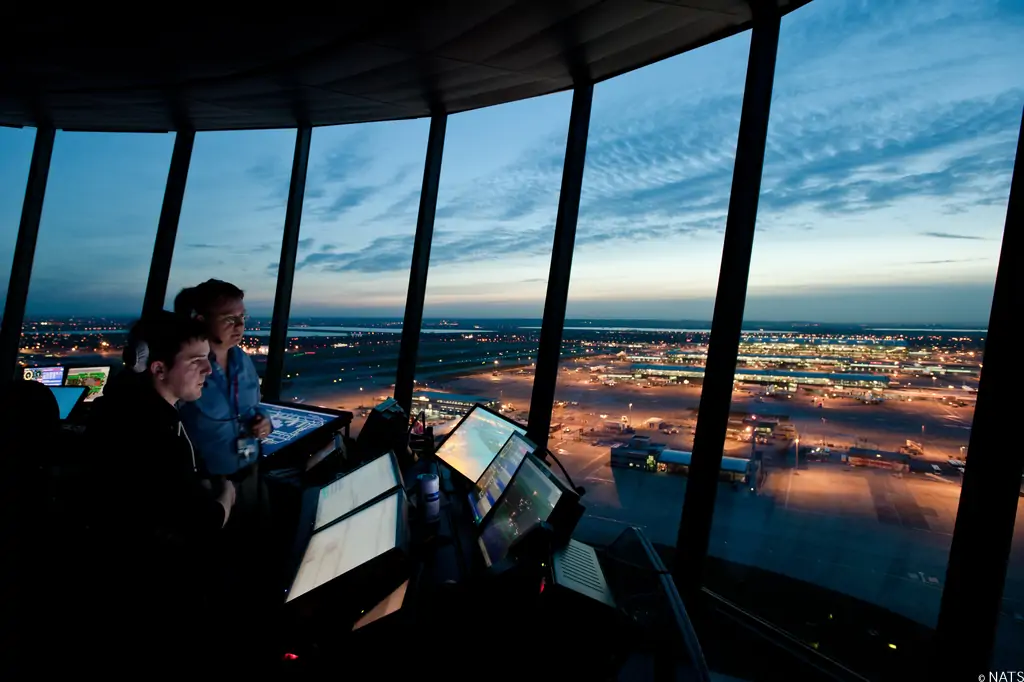
With the busy summer travel season fast approaching, the trade group for major U.S. airlines is pressing the government to swiftly address a long-standing air traffic controller shortage. This plea comes amidst a backdrop of increasing delays and operational disruptions. Nick Calio, head of Airlines for America, which represents prominent carriers such as American Airlines, Delta Air Lines, United Airlines, and Southwest Airlines, highlighted the critical impact of the staffing shortage on airline operations and the traveling public.
FAA Responds with Criticism of Airlines
In response to the airlines' demands, FAA Deputy Administrator Katie Thomson pushed back, accusing the airlines of attempting to deflect responsibility for flight delays. Thomson emphasized that the FAA is actively working to increase hiring, stressing that the agency is primarily focused on ensuring the safety of the flying public. She called for more substantial support from airlines in recruiting air traffic controllers, rather than engaging in what she described as "publicity stunts."
The Real Causes of Delays: A Point of Contention
Thomson pointed to industry data indicating that weather and airline-specific issues, such as staffing and maintenance problems, contribute more significantly to flight delays than air traffic control capacity. This statement challenges the airlines' narrative, highlighting a fundamental disagreement over the root causes of operational delays.
The Biden Administration's Efforts
In an effort to address the air traffic controller shortage, President Joe Biden's administration announced in March that it is seeking funding from Congress to hire an additional 2,000 air traffic controllers for the 2025 budget year. This move comes in the wake of several near-miss incidents that underscored the urgent need for more personnel.
A History of Disputes and Calls for Immediate Action
The current dispute is just one in a series of clashes between airlines and the administration over the past three years. These disputes have included contentious issues such as airline mergers, consumer protection regulations, and family seating policies. The ongoing tension underscores the complex and often adversarial relationship between the aviation industry and regulatory authorities.
Calio reiterated his calls for immediate action, urging Transportation Secretary Pete Buttigieg and FAA Administrator Mike Whitaker to address the crisis and increase staffing levels. The persistent shortage of air traffic controllers has led to mandatory overtime and six-day workweeks for many controllers, exacerbating the strain on the system.
FAA's Financial Requests and Operational Adjustments
To alleviate the staffing crisis, the FAA is seeking $43 million to accelerate the hiring and training of new controllers. Staffing shortages have already forced the FAA to extend cuts to minimum flight requirements at congested New York City-area airports through October 2024, allowing airlines to operate fewer flights without losing their valuable take-off and landing slots. Airlines are pushing for this waiver to be extended by another year.
Independent Reports and Union Concerns
An independent report published in November called for "urgent action" to strengthen the FAA, noting that the agency has been "asked to do more with less in an already strained system." This sentiment was echoed by a June 2023 report from the USDOT inspector general, which found that critical air traffic facilities are facing significant staffing shortages, posing risks to air traffic operations. In response to union objections, FAA Administrator Whitaker agreed this month to delay the implementation of new rest requirements for controllers.
Conclusion: Navigating the Path Forward
As the summer travel season looms, the urgent need for more air traffic controllers remains a critical issue. Both airlines and the FAA must navigate this challenging landscape to ensure safe and efficient air travel. The ongoing debate underscores the complexity of managing the nation's air traffic control system and highlights the need for collaborative solutions to address these pressing challenges.
With Inputs from Reuters
Read next
Are Surprise Fees on the Way Out? US Budget Airlines Embrace Transparency
Abhishek Nayar
23 May 2024

In a significant shift for the budget airline industry, Frontier Airlines and Spirit Airlines have introduced measures to reduce or eliminate surprise fees for consumers. This move, potentially influenced by new US legislation, aims to enhance transparency and improve customer satisfaction.
Frontier Airlines: The New Frontier in Transparency

On May 17th, Frontier Airlines announced a comprehensive overhaul of its fee structure, marking a pivotal step in rebranding itself as "The New Frontier." This initiative includes introducing four new airfare bundles that incorporate various amenities, echoing the model of 'hybrid' carriers like Breeze Airways.
Four New Airfare Bundles
- Basic: Minimal amenities, change fees still applicable.
- Standard, Premium, and Business: Increased benefits, including the elimination of change fees.
Barry Biffle, Frontier's CEO, emphasized that these changes are part of the airline’s commitment to making travel with Frontier as flexible and worry-free as possible. The headline feature of eliminating change fees, however, applies only to the top three tiers, leaving Basic package customers still liable for last-minute changes.
Additionally, Frontier is reinstating live phone support for customers within 24 hours of their flight or those with Elite status, extending flight credit validity from three to twelve months, and offering a "For Less" guarantee. This guarantee awards members 2,500 FRONTIER Miles if they find a comparable flight on the same route and date for a lower price elsewhere.
Spirit Airlines: A Broad Sweep of Changes

Following Frontier’s announcement, Spirit Airlines unveiled its own set of changes, notably eliminating change and cancellation fees for all ticket fares, including the basic economy package. This move is a significant departure from the previous tiered fee structure based on the proximity to the departure date:
- $119 for changes made 0 to 6 days before departure.
- $99 for changes made 7 to 30 days prior.
- $69 for changes made between 31 and 59 days before departure.
Spirit had previously offered a 24-hour grace period for accidental bookings, allowing changes or cancellations without penalties. The elimination of these fees marks a significant improvement in customer experience and aligns with the broader industry trend towards greater fee transparency.
Industry Trends and Governmental Influence
Ancillary fees, often seen as a critical revenue stream for airlines, have come under increasing scrutiny. According to the US Bureau of Transportation Statistics, airline revenue from baggage fees grew by over 30% between 2018 and 2022, outpacing overall operating revenue growth.
The Biden administration has prioritized addressing these fees, culminating in new rules from the Department of Transportation (DOT) to protect passengers from "surprise junk fees." These rules mandate that airlines and ticket agents disclose upfront fees for checked and carry-on bags and for changing or canceling reservations.
US Transportation Secretary Pete Buttigieg highlighted the anticipated consumer savings of up to $500 million per year, stating, “Airlines should compete with one another to secure passengers’ business—not to see who can charge the most in surprise fees.”
The Road Ahead: Implications for Low-Cost Carriers
The recent changes by Frontier and Spirit raise questions about the future of low-cost carriers (LCCs) in the United States. While governmental pressure has led to the collapse of some LCCs worldwide, others have adapted and thrived. The impact of these changes on ticket prices and overall customer savings remains to be seen.
The DOT’s ongoing efforts, including a proposed rule to ban fees for family seating assignments, indicate a continued focus on consumer protection. As the industry adjusts, it will be crucial to monitor how other carriers respond and whether these measures genuinely result in the predicted savings for consumers.
Conclusion
The recent fee structure changes by Frontier and Spirit Airlines mark a significant shift towards greater transparency and customer-friendly practices in the US budget airline industry. While the full impact of these changes remains uncertain, the move represents a positive step towards reducing the financial burden on travelers and fostering a more competitive market.
Read next
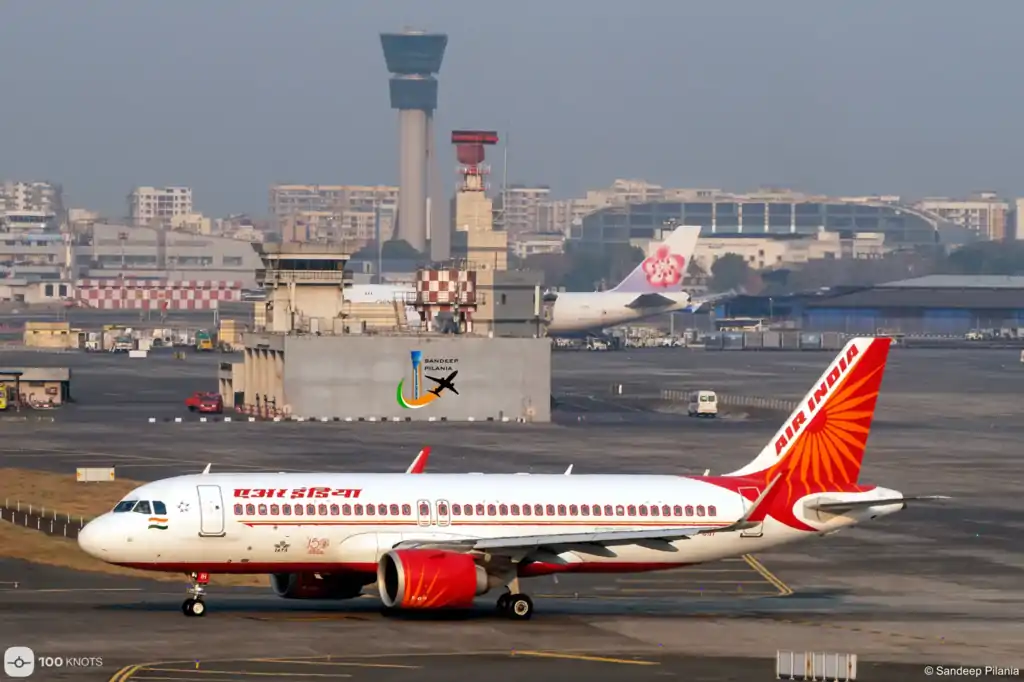
The skies over India are bustling with more activity as domestic air passenger traffic experienced a notable rise of 3.88% in April 2024 compared to the same month last year. According to the latest data released by the Directorate General of Civil Aviation (DGCA), the number of passengers surged to 1.32 crore from 1.28 crore in April 2023. This trend highlights the continued recovery and growth in the aviation sector.
Rising Numbers and Unforeseen Hiccups
The DGCA data revealed that the domestic airlines carried 523.46 lakh passengers between January and April 2024, marking an annual growth of 3.88%. This growth underscores a steady rebound in air travel demand post-pandemic, with a 2.42% monthly increase observed in April alone.
Despite the positive growth in passenger traffic, not all news was smooth sailing. A total of 1,370 passengers faced denied boarding in April. Airlines spent a considerable Rs 136.23 lakh to compensate and provide facilities to these affected passengers. Flight cancellations were also significant, with 32,314 flights not taking off as planned. Compensation and facilities for these cancellations amounted to Rs 89.26 lakh.
Delays and On-Time Performance
Flight delays were another challenge, with 1,09,910 flights experiencing delays in April. Airlines had to shell out Rs 135.42 lakh to manage these delays and provide facilitation to passengers. On-Time Performance (OTP) varied among airlines, with Akasa Air leading the pack at 89.2%. The performance of other airlines is as follows:
- AIX Connect: 79.5%
- Vistara: 76.2%
- IndiGo: 76.1%
- Air India: 72.1%
- SpiceJet: 64.2%
- Alliance Air: 49.5%
Market Dynamics and The Road Ahead
The competitive landscape of domestic airlines saw some shifts in market shares. IndiGo continued to dominate with a slight increase to 60.6%, maintaining its stronghold as the market leader. Air India also saw a rise in its market share to 14.2%. However, Vistara and AIX Connect experienced declines, dropping to 9.2% and 5.4% respectively. Akasa Air's market share remained steady at 4.4%, while SpiceJet saw a decrease to 4.7%.
The growth in domestic air passenger traffic is a promising sign for the aviation industry, indicating a recovery trend. However, the challenges of denied boardings, flight cancellations, and delays highlight the need for airlines to enhance operational efficiency and passenger services. The industry must focus on improving OTP and minimizing disruptions to sustain this growth trajectory.
Conclusion
As the Indian skies become busier, the rise in domestic air passenger traffic is a positive development for the aviation sector. The DGCA's latest data paints a picture of growth interspersed with operational challenges that need to be addressed. Airlines will have to balance this growth with improved service quality to ensure a seamless travel experience for passengers.
Read next
Go First' Creditor Auction: Prime Thane Land to Fetch Crores Amid Bleak Revival Hopes
Abhishek Nayar
22 May 2024
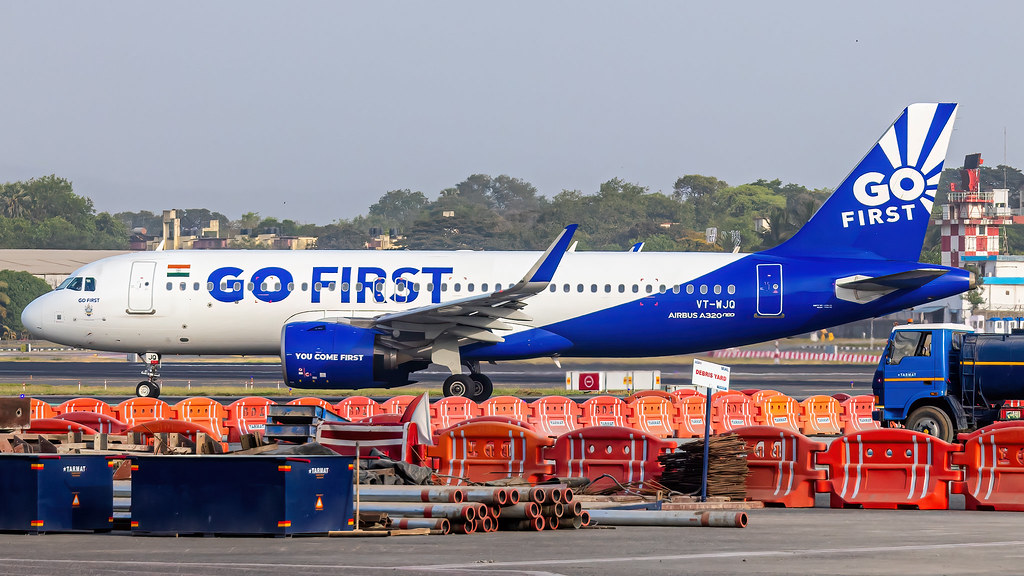
Creditors of the defunct Go First are gearing up for a significant auction, targeting a prime 94-acre land parcel in Thane near Mumbai. The reserve price for this coveted property has been set at approximately Rs.1,960 crore. The formal auction process is expected to commence soon, with advertisements slated to appear in newspapers this week, according to sources close to the matter.
A Glimmer of Hope in a Bleak Scenario
This auction comes at a critical juncture as the prospects of reviving Go First grow increasingly dim. The Delhi High Court's recent decision to allow lessors to deregister and reclaim 54 Go First aircraft has severely impacted the airline's valuation. With little left to salvage, creditors are turning to the land asset to recoup some of their losses.
Auction Details and Timeline
"The formal auction process will start after the ads are released in a few newspapers later this week. All lenders have given their go-ahead for the publishing of the ads. Potential bidders will be given about 60 days to make an offer for the land," stated an informed source. This timeline aims to attract serious bids, giving potential buyers ample time to evaluate the opportunity.
Valuation and Development Potential
The land parcel, situated in a prime location in Thane, has been valued at around ?1,200 crore based on current market conditions. However, considering its development potential and future cash flows, its value could soar to at least Rs.2,500 crore. This property was pledged as collateral by the Wadia group for loans taken by Go First and is owned by the group's realty arm.
Sale Conditions and Liabilities
Lenders plan to offer the land on an "as-is, where-is" basis, which means that bidders will inherit any future tax, government, or other liabilities associated with the property. Notably, about four acres of the land have already been taken over by the Thane Municipal Corporation for road widening and beautification, which will need to be factored into the bids.
Dwindling Airline Assets and Creditor Deliberations
The court's decision to allow the deregistration of planes significantly diminishes what remains of Go First as a viable business. Creditors are still in discussions about the next steps, with the current deadline for these deliberations set for June 4. An extension is likely, as the two bidders in contention— a consortium of Nishant Piti, CEO of EaseMyTrip, and Ajay Singh, chairman of SpiceJet, alongside Sharjah-based Sky One Aviation—reassess their strategies in light of recent developments.
Bidders' Offers and Future Arbitration Claims
Both bidders have factored future arbitration claims from Go First's legal proceedings against engine manufacturer Pratt & Whitney into their proposals. Sky One Aviation has put forth a bid offering Rs.735 crore upfront in cash and a share of up to 20% of future arbitration claims. Conversely, Ajay Singh's consortium has proposed a payment of Rs.650 crore over 12 months plus 10% of arbitration claims.
Creditor Landscape and Stakes
Go First owes over Rs.6,200 crore to its creditors. Among the secured creditors, Central Bank of India, Bank of Baroda, and IDBI Bank hold the highest stakes, with admitted claims amounting to Rs.1,934 crore, Rs.1,744 crore, and Rs.75 crore, respectively.
Conclusion
The upcoming auction of the Thane land parcel represents a critical move by creditors to recover their dues amidst the unraveling of Go First. While the land's prime location and development potential are significant draws, the complex liabilities and uncertain future value add layers of risk for potential bidders. As the auction unfolds, it will be a closely watched event, with implications not just for the creditors and bidders, but for the broader market as well.
With Inputs from Economic Times
Comment