
Can United Really Fall in Love with Spirit — or Is That a $15 Million Makeover and Two Years Too Many?

Sakshi Jain
17 Sep 2025

Imagine trying to fit a pair of flip-flops into a polished leather Oxford. That’s the mental image United Airlines CEO Scott Kirby painted this week when he explained why United won’t be chasing Spirit Airlines’ assets now that Spirit—again—finds itself in Chapter 11. The blunt answer? It’s expensive, messy and not exactly in United’s shoe size.
The short story: Spirit files, United shrugs (politely)
Spirit—America’s poster child for bare-bones, ultra-low-cost flying—filed for Chapter 11 protection on August 29, 2025, after a failed restructuring earlier in the year and mounting losses that left cash and credit stretched. The filing forces a re-think of its network and fleet, and naturally sent other carriers looking at freshly available planes, slots and routes.
Kirby’s response, in an interview: thanks, but no thanks. He said reconfiguring Spirit’s aircraft to United’s standards would take two to three years and cost roughly $15 million per airplane — a makeover bill that, for United, just doesn’t pencil out. He also pointed to gate scarcity in key Spirit markets (hello, Fort Lauderdale) as another practical barrier. Bottom line: “It’s not in our wheelhouse.”
Why $15 million per plane? (aka: the upholstery is not compatible)
Converting discount-carrier aircraft into something that fits a global network is more than repainting the tail:
- Cabin reconfiguration (seats, galleys, lavatories) to match United’s service model.
- Systems integration for avionics, maintenance procedures and crew training.
- Contract and lease headaches — not all planes are owned; lots are leased with strings attached.
Kirby’s point: even if the math works on paper for someone, for United the time and cash make it impractical.
United isn’t standing still — it’s just picking smaller battles

Instead of buying Spirit’s pieces, United has been expanding into some of the very markets Spirit serves. The carrier started selling seats on new flights to 15 cities formerly served by Spirit, positioning itself as an immediate alternative for passengers if Spirit shutters routes. The timing speaks: rather than a long, expensive merger, United chose quick route entries where demand exists.
The JetBlue factor and the JFK chessboard

United’s broader partnership with JetBlue — which offers shared frequent-flier benefits and access to JFK slots — complicates the takeover calculus. The alliance gives United route and slot benefits without the headaches of ownership, and Kirby indicated he isn’t convinced a full merger (and the “pain” that comes with it) is necessary. In short: partner where it helps, buy where it makes strategic sense — but Spirit’s puzzle pieces don’t slot into United’s map neatly.
Fleet talk: pilots, A350s and replacing old birds
Even as it declines to buy Spirit, United is planning for growth of a different kind:
- The airline aims to hire 2,500 pilots by the end of next year, anticipating Boeing deliveries and expansion.
- United still has an order for 45 Airbus A350-900s on its books but has deferred and considered conversions; Kirby said the company is still working on the decision and may announce more this year. The push to replace aging 767s and 777s is a driver in the background.
Who wins (and who should be nervous)?

Winners:
- Frontier and other nimble LCCs could snap up market share cheaply and quickly.
- Passengers in cities losing Spirit service get more options — United’s new routes among them.
- JetBlue (and United) by deepening partnership gains — slots, loyalty and network breadth without a merger’s headache.
Losers:
- Spirit shareholders and unsecured creditors face a messy, uncertain chapter.
- Budget-travel purists may see fares spike in some markets while incumbents re-balance capacity.
Humor aside: this is consolidation by attrition, not by romance. Airlines are picking the low-hassle fruit first — slots and routes — and leaving the expensive reworks on the pruning floor.
The bigger picture: Is cheap flying over?

Kirby played down doom-and-gloom for price-conscious travelers, reminding listeners that “lots of low-cost competition” remains in the U.S. The industry is simply bifurcating: some ultra-low-cost models may fail, others will survive or be picked off, and full-service carriers will selectively step in where it makes sense. Consumers will likely still find deals — but the era of every route being relentlessly cheap? That may be a memory of boomier times.
Final take — a playful metaphor (because why not)
Think of the airline industry as a giant wardrobe. Some carriers sell high-fashion suits (big global networks, premium cabins); some sell flip-flops (cheap, no-frills). United peeked at Spirit and decided it didn’t want to buy a whole flip-flop collection that would require a bespoke suit to wear. Instead, United bought a few pairs of shoes that fit and hired more tailors (pilots). Practical, if less dramatic.
TL; DR (for people who skim headlines and select fries)
- Spirit Airlines filed for Chapter 11 again (Aug 29, 2025) after continued losses and cash strain.
- United will not bid for Spirit’s assets — Kirby says reconfiguration would take 2–3 years and cost about $15M per plane.
- United is expanding into 15 cities previously served by Spirit instead of buying the airline’s fleet or routes.
- The United–JetBlue partnership gives United benefits (like JFK slots) without a merger — Kirby sees value in the alliance but isn’t pushing for an outright merger.
- United plans to hire ~2,500 pilots by end of next year and is still deciding on its A350 purchase options.
With Inputs from Reuters
Read next
Will India Train Pilots by Simulator & Squad? How the MPL Could Flip (or Fine-Tune) Our Cockpits

Jaideep Mirchandani
17 Sep 2025

India’s aviation industry is buzzing again—this time, not about delayed flights or missing baggage (phew!), but about a potential game-changer in pilot training. The Directorate General of Civil Aviation (DGCA) is flirting with the idea of introducing the Multi-Crew Pilot License (MPL), a system already used in over 50 countries, including several in Europe.
And if you thought this was just another bureaucratic “committee-formation exercise,” think again. MPL could radically reshape how pilots in India are trained, certified, and ready to fly your next Airbus A320.
What is MPL — the short, sensible version?
MPL (Multi-Crew Pilot License) is an ICAO-sanctioned, competency-based route that trains ab-initio students specifically for multi-crew airline operations. Instead of the older stepwise path (get CPL by lots of flying hours, then do a separate type-rating), MPL weaves airline procedures, multi-crew cooperation, threat-and-error management and heavy simulator exposure into the training from the outset. Think teamwork, standard operating procedures and automation management before you ever sit in an A320 cockpit for the first time.
Traditionally, cadet pilots in India follow the Commercial Pilot License (CPL) route:
- 200+ hours flying actual aircraft.
- A type rating (on simulators) for specific aircraft like the Boeing 737 or Airbus A320.
- Then (finally) they sit in the cockpit, praying the coffee machine works.
MPL flips this approach:
- 70 hours on smaller training aircraft.
- 150+ hours on high-tech simulators.
- Straight into airline training on a specific aircraft type, skipping the “wandering years” between CPL and type rating.
Sounds efficient, right? Like switching from dial-up to Wi-Fi.
Why the Buzz Now?
In July 2025, DGCA formed a committee to draft policy, regulations, and standards for MPL. The committee is expected to deliver its report within three months. And the aviation industry is already debating: Is India ready for this leap?
Industry leader Jaideep Mirchandani, Chairman of Sky One, has been particularly vocal about the transition:
“The crucial lesson for India from airlines already using MPL is that its implementation demands stringent simulator standards, competency-based assessments, strong partnerships between airlines and training organizations, and—most importantly—robust regulatory oversight.”
Translation: if India tries MPL without serious checks and balances, it risks turning into “Pilot Training Lite.”
The Simulator Question
MPL is heavily dependent on world-class simulators. Unlike your Xbox Flight Simulator (no, landing in your backyard doesn’t count), these are multimillion-dollar machines replicating every detail of modern cockpits.
If simulator standards slip, pilots risk entering real cockpits underprepared. That’s like learning to drive on Mario Kart and then merging onto the Delhi-Gurgaon expressway. You get the picture.
The FTO Dilemma
Here’s where things get sticky.
Currently, Flight Training Organizations (FTOs) across India train pilots via the CPL system. Under MPL, a bulk of training shifts to airline-linked simulators. This could leave independent FTOs—many set up by AAI and state governments—with fewer cadets and a lot of idle infrastructure.
Mirchandani points out that their concerns must be addressed, or else India risks creating a monopolized training ecosystem where only a few airlines dominate the pilot pipeline. Think of it as the “Swiggy-Zomato duopoly,” but for pilot training.
Safety First (and Second, and Third)
The good news? DGCA has already hinted at creating a dedicated aviation safety oversight cadre, which would strengthen regulatory supervision for MPL. That means more qualified professionals checking whether pilots are actually cockpit-ready, instead of rubber-stamping licenses.
Done right, this could modernize India’s pilot training to match global best practices. Done wrong… well, let’s not imagine that.
So, What’s the Verdict?
MPL in India is like ordering a brand-new aircraft model: exciting, shiny, and full of promise—but only if properly maintained. It could:
- Streamline pilot training.
- Better prepare pilots for modern airline operations.
- Save cadets time (and maybe some money).
But it also risks:
- Weakening independent FTOs.
- Creating overdependence on a few airlines.
- Producing underprepared pilots if simulator quality dips.
As Mirchandani wisely says, “MPL must not become a shortcut, but a structured pathway.”
TL; DR (Because we know your attention span is shorter than a boarding call announcement)
- MPL = Multi-Crew Pilot License -- already used in 50+ countries.
- DGCA formed a committee in July 2025 to draft MPL rules.
- Key strengths: advanced simulators, airline-specific training, focus on multi-crew ops.
- Risks: simulator dependence, marginalization of independent FTOs, airline monopolies.
- DGCA may create a dedicated aviation safety oversight cadre for MPL.
- Bottom line: MPL could modernize India’s pilot training—if done right.
Read next

With aircraft contrails painting temporary white streaks across blue skies and jet engines releasing invisible gases into the atmosphere, the true environmental cost of air travel has remained frustratingly elusive to measure accurately.
Current emission measurement tools have been like trying to determine inadequate data. This measurement challenge has created a blind spot in our understanding of aviation's climate impact, potentially undermining global efforts to achieve meaningful decarbonization.
Current Industry Emission Tracking Methods
Major travel platforms have started implementing emission disclosure systems to provide passengers with environmental impact information.
Google Flights, for instance, displays lifecycle greenhouse gas estimates alongside flight options, categorising each journey as having higher, typical, lower, or unknown emissions relative to similar routes. These estimates derive from 2 primary sources that aim to standardise emission calculations across the industry.
From July 2025 onward, Google prioritises the EASA Flight Emissions Label when available, which utilises airlines' own verified historical data for specific routes. This voluntary standard allows participating airlines to provide standardised emission estimates directly to consumers through integrated platforms. When EASA data isn't accessible, Google employs its Travel Impact Model (TIM), a sophisticated calculation system overseen by sustainability and aviation experts. TIM combines publicly available and licensed datasets with current scientific research and internationally recognised measurement standards.
Both EASA and TIM have committed to methodology alignment, enabling fair comparison between their respective estimates. However, these systems maintain certain limitations, such as displaying sustainable aviation fuel reductions separately from main carbon dioxide equivalent calculations rather than incorporating them into comprehensive impact assessments.

Problem with Current Emission Calculations
The aviation sector's environmental accounting has significant flaws that extend far beyond simple carbon dioxide measurements.
Traditional carbon calculators employed by airlines and booking platforms typically rely on basic distance-based calculations, creating an incomplete picture of aviation's actual climate impact.
These conventional tools systematically ignore crucial climate-warming factors, including contrail formation, nitrogen oxide emissions, and cloud formation effects. This oversight represents more than a minor technical shortcoming – it fundamentally underestimates aviation's contribution to global warming, potentially by substantial margins.
The United Kingdom exemplifies this growing concern, where aviation emissions now account for nearly 7% of the country's national greenhouse gas output. Projections indicate this figure could climb to 9% by 2025 and reach 11% by 2030 as other economic sectors successfully reduce their carbon footprints.

ATP-DEC: New Standard for Measurement
Addressing these critical gaps, researchers from Therme Group and the University of Surrey have developed the Air Travel Passenger Dynamic Emissions Calculator (ATP-DEC). This innovative tool represents a fundamental shift from traditional measurement approaches by incorporating comprehensive lifecycle analysis with real-world operational data.
ATP-DEC distinguishes itself through its holistic methodology, which accounts for the impacts of-
- Aircraft manufacturing
- Fuel processing emissions
- Airport infrastructure
- In-flight services
- Passenger seating classes
- Non-carbon dioxide climate effects
The calculator also incorporates dynamic factors such as actual flight paths, including route diversions due to geopolitical restrictions like airspace closures.
Extensive validation testing across more than 30,000 actual flights has demonstrated ATP-DEC's exceptional accuracy, achieving a mean absolute percentage error of approximately 0.5%. This precision level significantly exceeds existing tools from major aviation organisations and tech companies.

Global Implications
The timing of ATP-DEC's development aligns perfectly with increasing regulatory scrutiny worldwide. The UK Civil Aviation Authority is considering requirements for airlines to disclose passenger carbon footprints during booking processes, while the EU's ReFuelEU initiative pushes for sustainable aviation fuel adoption despite supply challenges.
Unlike proprietary tools with unclear methodologies, ATP-DEC offers complete transparency through peer-reviewed academic validation. This approach provides regulators with defensible data for policy decisions, audit processes, and carbon disclosure requirements.
The calculator's global applicability extends beyond European markets, supporting various national decarbonization strategies from Japan's domestic sustainable fuel production targets to Singapore's passenger levy system for funding cleaner aviation fuels.
Path Forward
ATP-DEC's developers have designed the tool to work alongside innovative financing mechanisms, particularly the Carbon Tokenomics Model (CTM). This blockchain-based approach aims to channel consumer micro-investments into green aviation projects, potentially accelerating sustainable fuel production and deployment.
This integrated approach addresses a fundamental challenge in aviation decarbonization: bridging the gap between measurement accuracy and actionable financing for environmental solutions. By combining precise emissions calculation with accessible green investment opportunities, the system creates a comprehensive framework for industry transformation.
Read next

India’s aviation regulator, the DGCA, released a detailed draft circular on Fatigue Risk Management System (FRMS) on September 4, 2025 — a science-forward attempt to move beyond rigid duty-hour limits. The Federation of Indian Pilots (FIP) fired back on Monday, calling the draft “fundamentally flawed” and asking the regulator to withdraw it, saying it ignores ground realities and legal safeguards. The DGCA invited stakeholder comments until September 15.
Why the DGCA tried FRMS: science, data — and perhaps optimism
FRMS is the modern toolset aviation regulators and airlines use worldwide to manage fatigue by combining scientific models, data-driven monitoring, and performance checks — instead of relying solely on prescriptive flight-duty hour rules.
DGCA’s draft says FRMS would complement the existing Flight Duty Time Limitation (FDTL) rules and allow operators flexibility to manage crew fatigue with monitored, evidence-based programs. The draft also lays out documentation, accountable-manager approvals, and monitoring requirements.
Why pilots are wary (and loud about it)
The Federation of Indian Pilots argues the draft:
- Was produced at a bad time (during phased implementation of new FDTL rules),
- Skips important legal processes and protections, and
- Fails to include an independent, expert voice of the flight crew — a key ingredient in any FRMS that actually protects safety, not profits.
In short, FIP warns the draft could become a blueprint for “regulatory ambiguity and commercial exploitation” that may reduce safety margins rather than improve them. They’ve formally urged the DGCA to withdraw and instead work in partnership with pilot bodies to build a legally sound, practical FRMS.
The background: FDTL changes that already have everyone talking
This row isn’t happening in a vacuum. India’s FDTL reforms — introduced earlier and partly phased in — include raising weekly rest periods from 36 to 48 hours, widening night duty windows, and cutting the allowed number of night landings per pilot (reportedly down to two in the stricter phase).
Some parts of the new limits came into effect in June, with the remaining changes set to come into force in November 2025. Airlines such as IndiGo and Air India have told the regulator they have operational concerns about the pace and impact of these changes.
Two competing — and valid — safety logics
- Prescriptive FDTL rules: simple, enforceable, and clear. If pilots must have X hours rest, you can audit compliance easily. But prescriptive rules can be blunt and inflexible.
- FRMS (performance-based): potentially smarter — it can adapt crew rostering to circadian science and real operational patterns, but it demands strong data systems, transparent oversight, independent crew representation, and time to implement properly.
FIP’s fear is that an FRMS rushed in while airlines and regulators are still adapting to the new FDTL baseline could be used to sidestep stricter prescriptive limits rather than to genuinely reduce fatigue. That’s a legitimate concern: a bad FRMS is worse than a cautious, clear FDTL rule.

Practical problems on the tarmac (and why pilots call it “ignoring realities”)
- Crew supply and rostering: tighter rest requirements already mean airlines need more pilots or fewer flights. A complex FRMS requires strong rostering software and data pipelines many operators don’t yet have.
- Legal clarity: pilots want written protection — who’s accountable when FRMS decisions are made? What happens if a company’s FRMS metrics and the crew’s lived fatigue disagree? FIP says the draft paper leaves gaps.
- Independence and trust: FRMS only works if crew voices are truly independent and heard — pilots fear “consultation” that’s purely cosmetic.
Where this could go next (and what a sane path looks like)
A constructive route would be:
- Pause adoption until the DGCA and pilot bodies co-design FRMS minimums.
- Create short-term bridge rules that preserve prescriptive protections while trial FRMS pilots on willing carriers.
- Mandate independent crew representation in any FRMS governance and transparent public reporting of fatigue-related metrics.
- Give smaller operators technical assistance and a realistic timeline to implement digital monitoring and training.
Those steps reduce the chance that FRMS becomes a loophole rather than a safety booster. Several experts and some industry commentators note that when properly implemented and audited, FRMS can be world-class — but only with time, trust, and teeth.
A few light-hearted observations (because aviation needs levity)
Pilots have long histories of counting sheep between airports — it’s only fair they get the science to count which sheep are best for sleep.
“We need more rest” is not usually a rallying cry for more coffee — but expect coffee companies to secretly cheer if rostering gets tougher.
If regulators, pilots and airlines can hold a meeting without someone dropping a spreadsheet and blaming a simulator, that will be progress. Progress celebrated with (extra) rest, obviously.
Final read — why you should care
This is about safety and sanity: passengers want well-rested pilots; pilots want rules that protect them and passengers; airlines want reliability. An FRMS adopted without crew trust or legal clarity risks producing the opposite of its intention — the illusion of modernity with worse outcomes. The DGCA’s next steps — and whether it listens to pilots’ concerns — will determine whether India’s skies get safer or just busier with memo-writing.
TL; DR
- DGCA released a draft FRMS circular on September 4, 2025; stakeholder comments were invited till Sept 15.
- Federation of Indian Pilots (FIP) has asked DGCA to withdraw the draft, calling it legally and operationally flawed and warning it could erode safety margins.
- This debate happens amid new FDTL rules (weekly rest to 48 hours, tighter night limits) that were phased in from June with more changes due in November 2025; airlines have raised implementation concerns.
- FRMS can be excellent if implemented slowly, transparently, with independent crew representation and strong audits — rushed FRMS risks becoming a loophole.
- Practical fix: pause -- co-design with pilots -- pilot FRMS trials with strict oversight -- scale with support and clear legal protections.
Read next
SpiceJet’s Autumn Plot Twist — 8 More Boeings, One Big Winter Hype (and a Side of “We’ll Fix the Parts”)

Abhishek Nayar
16 Sep 2025
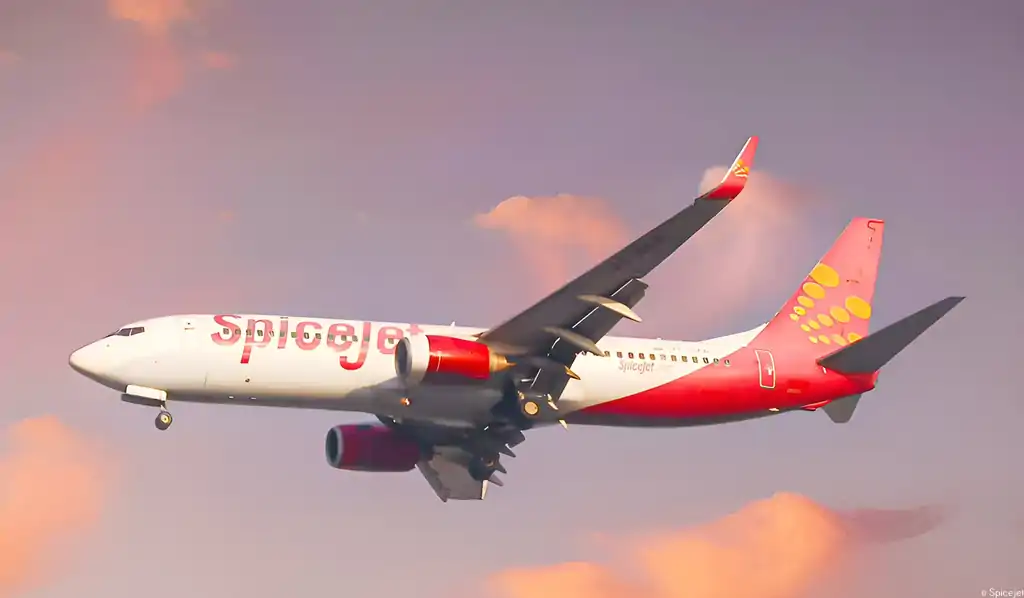
Budget carrier SpiceJet has just signed lease agreements for eight more Boeing 737s — bringing its planned winter additions to 18 aircraft — as it gears up for the festival-and-winter travel crush. This is part of a broader, aggressive scaling push that includes earlier leasing deals and promises to massively ramp daily flights.
What happened (the short, headline-friendly version)
SpiceJet announced it has tied up leases for eight additional Boeing 737 aircraft, pushing the airline’s announced fleet inductions to 18 for the Winter Schedule 2025. The airline says these additions will help bump up frequencies on key routes and handle surging passenger demand during the festive season.
Why now? Because Indians love to travel during festivals (and seats sell themselves)
October–December is the busiest stretch for India’s skies — weddings, festivals, a thousand Instagram pilgrimages — and airlines that don’t boost capacity risk selling only aisle seats to the gods. SpiceJet’s CBO, Debojo Maharshi, framed the eight-aircraft signing as an instrument to “enhance frequencies on key routes” and meet demand for the winter/holiday season. Expect more flights, and yes, more khichdi-carrying aunties on board.
The numbers that matter (and sound impressive at parties)
- +8: Latest Boeing 737 leases signed (this pushed planned new inductions to 18).
- +10: Earlier lease agreements covered 10 Boeing 737s that were scheduled to join from October 2025 — together these explain the 18 total.
- Ambition: SpiceJet has publicly hinted at adding 25 aircraft for the winter program and nearly tripling daily flights — from about 100 now to around 280 daily flights. That’s bold, and makes for very busy shift charts for crews.
Where are the planes coming from — and what type of leases?
Much of this expansion is happening via short-term leasing (including damp/dry leases) — i.e., the airline is borrowing aircraft (sometimes with crew) from European and other lessors to quickly scale up capacity for the season. This is a common, pragmatic play for airlines that need fast scale without long-term capital outlay.
The fine print / reality check (because aviation never lets you fly without small print)

SpiceJet’s rapid growth plans come after a bumpy period: the airline raised Rs.3,000 crore in a capital raising last year and its chairman Ajay Singh had earlier said the carrier aimed to operate 40 aircraft by March, a plan that ran into trouble because aircraft and spare-part shortages delayed restorations and deliveries. In short: ambitions are big, market supply is frenetic.
SpiceJet has been navigating financial and operational headwinds — including lessor disputes and losses — even as it signs new leases and settles some past claims. So, while the fleet talk is bullish, the airline is also juggling legacy issues in parallel.
What this means for passengers (good, and selectively ecstatic)
- More seats and frequencies on popular domestic routes — fewer “sold out” messages and more options to fly home for Diwali.
- Short-term leased planes can mean quick fixes, but occasionally there are differences in onboard features and in-flight service style — think same airline, slightly different personalities.
- If SpiceJet nails the supply-chain fixes (parts, engineers, crew rostering), travelers should see smoother schedules; if not, quick expansion can produce teething troubles (delays, swaps).
One-liners for airline-nerd group chats
- “SpiceJet: adding capacity faster than my playlist adds sad break-up songs.”
- “18 new planned inductions — because the skies need more red-tails and the runway needs more drama.”
(Yes, aviation puns are a thing — and yes, we’re here for it.)
Bottom line
SpiceJet’s eight-plane signing is a clear play for volume and market share during India’s busiest travel season. It’s a high-stakes juggling act: lease quickly to serve demand now, while simultaneously fixing the supply-chain and legacy issues that slowed the airline earlier. If everything clicks, passengers get more flights and lower fuss; if not, expect classic airline suspense (delays, swaps, and the occasional inflight menu mystery).
TL; DR
- SpiceJet signed leases for 8 Boeing 737s, taking planned winter additions to 18 aircraft.
- These follow earlier lease deals for 10 Boeing 737s expected from October 2025.
- The airline aims to add up to 25 aircraft and nearly triple daily flights (to ~280/day) for Winter 2025.
- Expansion is fueled mainly by short-term leasing and a ?3,000 crore capital raise last year; past plans (40 aircraft by March) were delayed due to spare-part/aircraft shortages.
- Verdict: Ambitious and timely — but operational execution (parts, crew, lessor relationships) will make or break the festive-season promise
Read next
Is SpiceJet Playing Payroll Favorites — Or Just Doing a “Phased Disbursement” Tightrope Act?
Abhishek Nayar
15 Sep 2025

In September 2025 multiple reports say SpiceJet has been paying junior staff (salaries up to Rs.55,000) on time, while many mid- and senior-level employees — mostly assistant managers and above — have been seeing their paychecks land 10–15 days late.
The airline’s FY25 annual report also shows it gave an interest-free advance of Rs.32 crore to Chairman Ajay Singh, which the company says is being adjusted from his subsequent salaries. Meanwhile the airline reported losses in recent quarters and has many aircraft still grounded.
What actually happened (the receipts, receipts)
- Senior staff — typically those drawing above Rs.55,000 a month — have reportedly experienced repeated delays in salary payments over the past few months, with delays generally in the 10–15-day range. Meanwhile, employees paid up to Rs.55,000 reportedly received their August pay.
- SpiceJet’s FY25 annual report confirms the airline had 6,484 employees (4,894 permanent staff) and discloses an interest-free advance of Rs.32 crore to Ajay Singh for a five-year period; the company says the advance was adjusted from his subsequent salaries (April and May 2025) and that the board approved the arrangement.
Cue the eyebrow-raise: Rs.32 crore to the chairman while others wait?
It’s an attention-grabber line: one end of the company is stretching cash to cover senior salaries later, and on the other end, there’s a large, interest-free advance to the CMD. SpiceJet’s annual report describes this advance as board-approved and not prejudicial to the company’s interest — in corporate governance speak that’s the equivalent of saying “trust us, we checked the math.” Critics will still squint at the optics.
The bigger money picture (why payroll became a juggling act)
SpiceJet has not been immune to the industry’s turbulence. Recent quarterly results showed a loss (the June quarter reported a net loss figure cited in coverage), and fleet utilization has been constrained — analysts and trackers reported only a fraction of the airline’s fleet in the air on some recent days (sources put the number of operational aircraft much lower than total fleet).
Lower utilization + maintenance/grounding costs = tighter cash flow, and payroll is sadly one of the visible places where that tightness shows.
Company line: “Phased disbursement schedule”
SpiceJet has characterized the delays as part of a “phased disbursement schedule” during “lean” periods, saying the payments roll out over a few days and that operational and fleet costs have been a driver. In plain English: the airline says it’s deliberate, scheduled, and temporary. Employees and unions tend to prefer “on time and predictable,” though — which is a different color of temporary.
Employee perspective (imagine your bank balance doing an air-show)
For junior staff, getting paid on time is relief; for higher-paid staff who budget on the assumption of punctual pay, a recurring 10–15-day lag can be frustrating — mortgage or loan EMIs don’t care about corporate phrasing. There’s also an intangible morale cost: when news headlines shout about big advances to top management at the same time salaries trickle out late for others, it’s hard not to feel a little… left on the tarmac.
Why this matters beyond HR drama
- Operational risk: unhappy staff — especially among managers who keep operations smooth — can amplify delay and safety risks if left unaddressed.
- Reputation risk: prospective recruits and partner’s notice. A payroll hiccup plus governance eyebrow-raisers = negative PR.
- Investor and regulator attention: board approvals for large advances and public reporting of operational constraints invite scrutiny.
(Also, no airline likes being the subject line of “Will they pay me?” text threads.)
What could SpiceJet do (and what stakeholders might watch)

- Reconfirm and publicize an exact payroll calendar so staff can plan.
- Offer short-term interest-free payroll advances for affected employees (yes, it costs cash today but helps morale).
- Improve transparency about cashflow plans and aircraft re-entry schedules to reassure staff and markets.
- Investors and regulators will likely watch upcoming quarterly results, fleet-in-service numbers and any board disclosures about liquidity.
A little humor (because we all need it):
If SpiceJet is running a “phased disbursement schedule,” maybe next they’ll phase their coffee machine: first espresso for junior staff, then decaf for senior managers. Kidding — please don’t actually do that.
What to watch next (the flight-plan)
- Any official follow-up from SpiceJet clarifying exact timelines for pending payments.
- Investor/market reaction to the FY25 disclosures and the airline’s June-quarter performance.
- Fleet operational updates — more planes in the air would mean revenue pickup and less payroll pressure.
TL; DR
- SpiceJet has reportedly paid employees earning up to Rs.55,000 for August; many higher-paid staff are seeing 10–15-day delays.
- The airline’s FY25 report shows 6,484 employees (4,894 permanent) and an interest-free advance of Rs.32 crore to CMD Ajay Singh, adjusted from later salaries per the company.
- SpiceJet says delays are due to a “phased disbursement schedule” during a lean period; the airline has also reported losses and lower fleet utilization recently.
- Optics suck when top management gets big advances while others wait; watch next earnings, fleet updates, and any clearer payroll calendar from the company.
Comment