
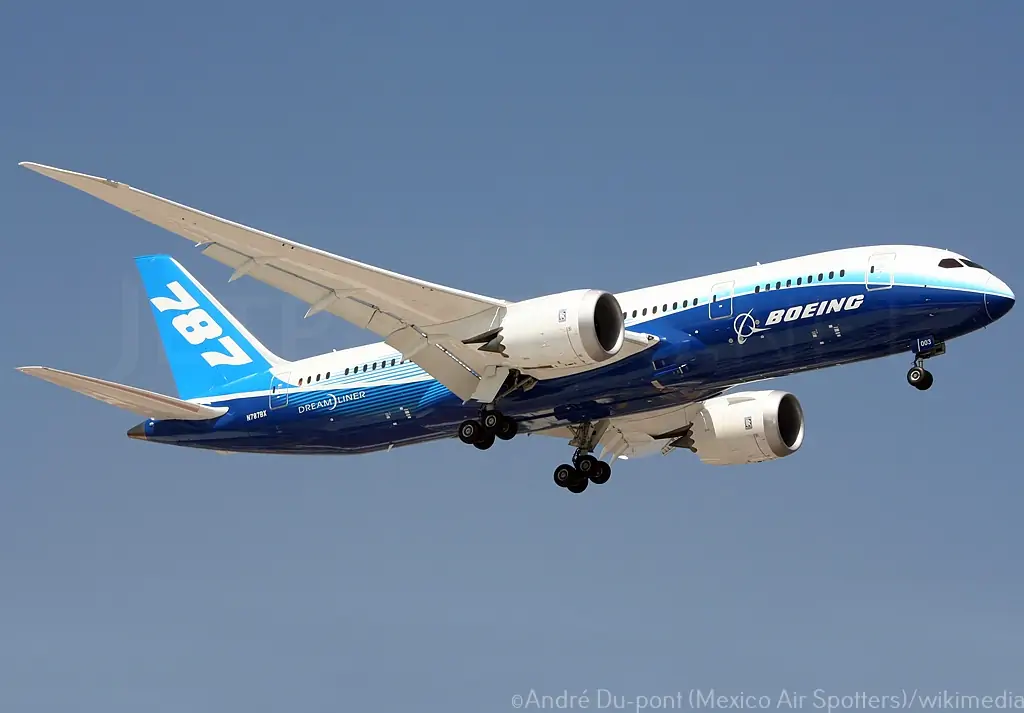
In a significant development, Boeing is poised to restart deliveries of its 787 Dreamliner to China, marking a pivotal step that could potentially lead to the end of a more than four-year freeze on deliveries of the Boeing 737 MAX in the country.
The resumption comes after a series of safety concerns and regulatory hurdles that ensued following the tragic crashes of the 737 MAX in 2018 and 2019. This move is anticipated to not only strengthen Boeing's presence in one of the world's most crucial aerospace markets but also signifies a renewed trust in the safety of Boeing aircraft.
Background and Suspension of Deliveries
Boeing's operations in China faced a substantial setback in 2019 when deliveries of its aircraft, particularly the 737 MAX, were halted in the aftermath of two fatal crashes. The global grounding of the 737 MAX ensued, prompting heightened scrutiny and regulatory concerns worldwide. The Civil Aviation Administration of China (CAAC) suspended Chinese orders and deliveries of Boeing planes, including the lucrative 787 Dreamliner, pending safety reassurances.
Juneyao Airlines to Receive 787 Dreamliner
Sources indicate that Juneyao Airlines, a prominent privately-owned Chinese carrier, is set to receive a new 787 Dreamliner from Boeing's facilities in Seattle. This move, scheduled to take place within days, serves as a notable signal of the resumption of Boeing's deliveries to China. The significance of this delivery is underscored by its potential to pave the way for the clearance of deliveries for the Boeing 737 MAX, a critical component of Boeing's global portfolio.
Key Clearance from China's Aviation Regulator
Recent reports from The Air Current suggest that Boeing has secured a key clearance from China's aviation regulator, the CAAC. This clearance is seen as a crucial step towards the reinstatement of 737 MAX deliveries to China. The regulator's decision is a testament to the collaborative efforts between Boeing and Chinese aviation authorities to address safety concerns and restore confidence in Boeing's aircraft.
Current Status and Future Prospects
While the safety bans on existing 737 MAX planes have been lifted, new deliveries have been on hold pending regulatory approvals. Boeing remains optimistic about the future, expressing its commitment to supporting its customers in China. The company's readiness to resume deliveries underscores its strategic vision, as China is projected to contribute significantly to the global demand for aircraft through 2042.
Next Steps and Regulatory Approvals
The recent clearance from the CAAC is a positive development, but individual 737 MAX deliveries to China still require approval from the National Development and Reform Commission (NDRC). Analysts suggest that the recent flight of a 737 MAX designated for China Southern Airlines from Boeing Field in Seattle may indicate progress, possibly a customer acceptance flight, a customary test flight before final delivery.
Conclusion
Boeing's imminent resumption of deliveries to China represents a crucial turning point in the aerospace industry. The collaborative efforts between Boeing and Chinese aviation authorities to address safety concerns underscore the commitment to ensuring the highest standards of safety in air travel. As Boeing takes steps to re-enter one of the world's most significant aviation markets, the industry watches closely, anticipating a renewed era of cooperation and growth.
With Inputs from Reuters

Read next
Ethiopian Airlines Secures $450 Million Loan from Citibank for Aircraft Expansion
Abhishek Nayar
22 Dec 2023
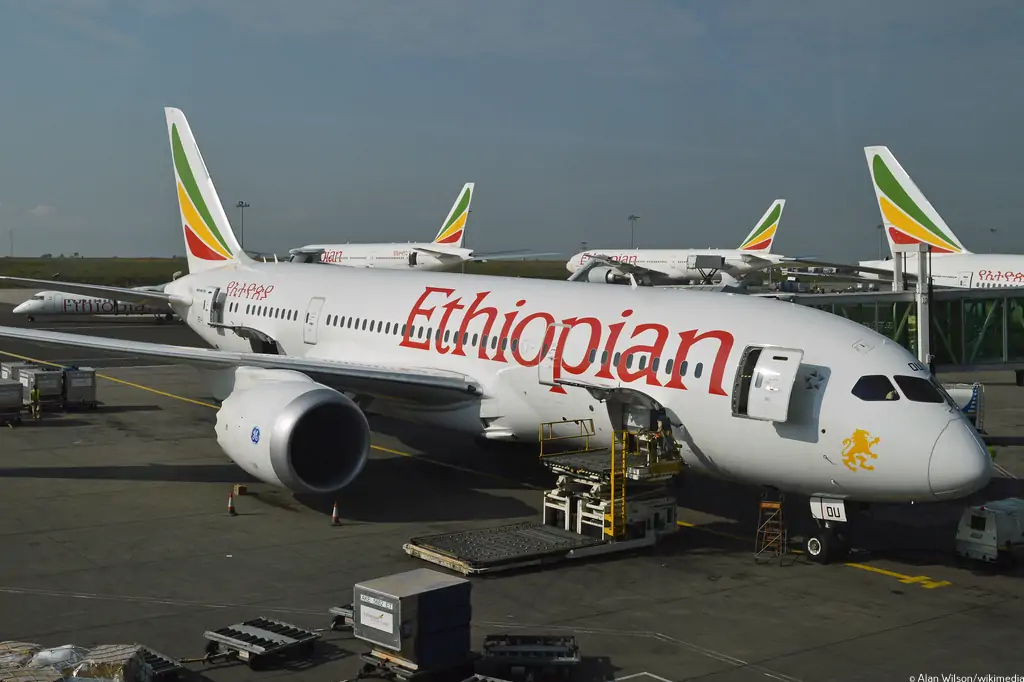
Ethiopian Airlines, one of Africa's most successful indigenous carriers, has successfully secured a $450 million loan from Citibank to facilitate the acquisition of five new Boeing aircraft. This landmark loan agreement will see the addition of three Boeing 737 MAX 8s and two Boeing 777 Freighters to Ethiopian Airlines' fleet, bringing the total number of planes to over 150.
Decade's Largest Aircraft Financing for Ethiopia
The financing deal, announced on December 12, 2023, is not only a significant milestone for Ethiopian Airlines but also represents Citibank's largest aircraft financing in Ethiopia within the last decade. The long-standing partnership between Citi and Ethiopian Airlines, spanning 45 years, has been a key driver in making this substantial financial arrangement possible.
Details of the Loan and Aircraft Acquisition
The $450 million loan will be secured against the value of the five planes, emphasizing the confidence that Citibank has in Ethiopian Airlines' operational success and growth trajectory. The newly acquired aircraft include three Boeing 737 MAX 8s, known for their fuel efficiency and advanced technology, and two Boeing 777 Freighters, designed for efficient and reliable cargo transportation.
All five aircraft are set to be delivered in December 2023 in the State of Washington, where Boeing is headquartered. This delivery location underscores the global nature of the aviation industry and highlights the collaboration between Ethiopian Airlines and Boeing.
Strategic Growth and Fleet Expansion
Mesfin Tasew, Ethiopian Airlines Group CEO, expressed his satisfaction with the agreement, stating, "Fleet expansion being one of our strategic growth pillars, we will continue expanding and modernizing our fleet size so as to grow our business and reach new markets." Ethiopian Airlines aims to have a fleet exceeding 270 aircraft by 2035, showcasing its ambitious vision for the future.
Citi's Role in Supporting Growth
Akin Dawodu, Citi Sub Saharan Africa Head, highlighted the bank's commitment to supporting Ethiopian Airlines' growth, stating, "Citi has been serving Ethiopian Airlines for many decades, and we are pleased to support its growth with financing for five new aircraft." Dawodu emphasized the importance of strong relationships and global connectivity in making this deal a reality.
Current Fleet and Future Aspirations
Ethiopian Airlines' current fleet consists of Boeing 737s, 777s, 787s, Airbus A350-900s, and Bombardier Dash 8-400 planes. The addition of the new Boeing aircraft will not only enhance the airline's operational capabilities but also contribute to its goal of becoming a leading player in the aviation industry.
Conclusion
Ethiopian Airlines' successful securing of a $450 million loan from Citibank marks a significant step towards achieving its ambitious growth targets. The partnership between the airline and the bank continues to thrive, with the financing deal representing a testament to the enduring strength and mutual benefit of their collaboration. As the aviation industry evolves, Ethiopian Airlines remains at the forefront, poised for further expansion and success on the African and global stages.
Read next
Lufthansa Group Expands Airbus A220 Fleet with Firm Order for 40 Aircraft
Abhishek Nayar
21 Dec 2023
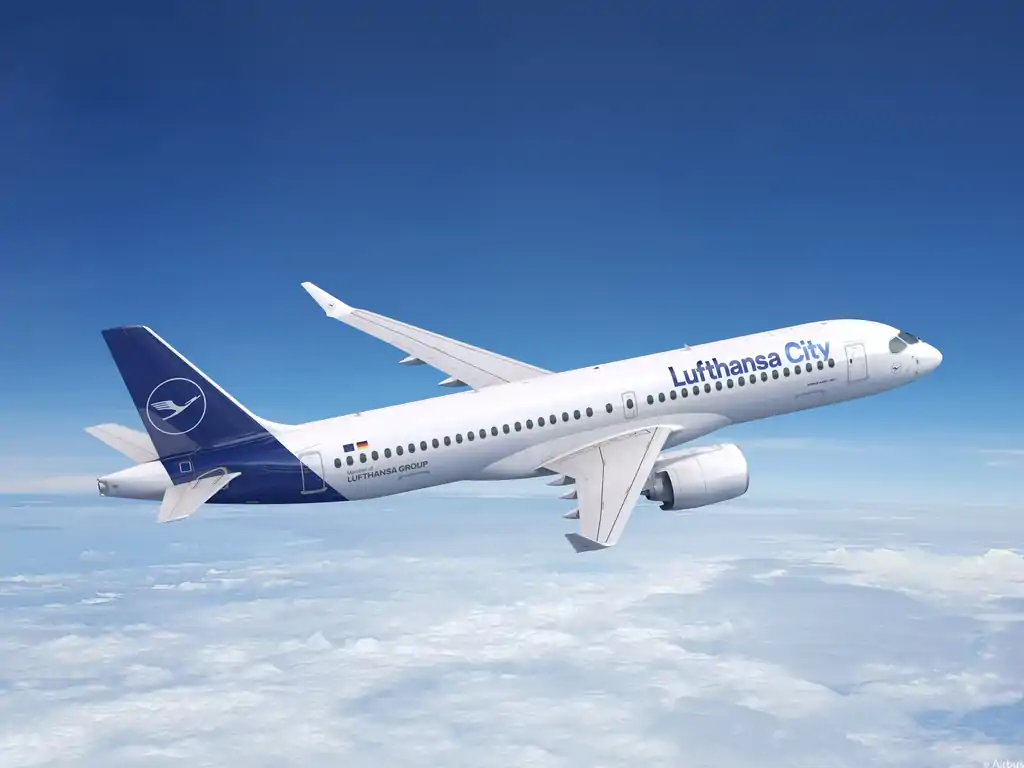
In a strategic move to enhance its short and medium-haul fleet, Lufthansa Group's Supervisory Board announced a decisive order for an additional 40 Airbus A220-300s on December 19, 2023. This development solidifies the long-standing collaboration between Lufthansa Group and Airbus, marking a significant milestone in their history of cooperation and innovation in the aviation industry.
A Steadfast Partnership
Carsten Spohr, Chairman of the Executive Board and CEO of Deutsche Lufthansa AG, expressed enthusiasm about the latest order, emphasizing the unique partnership with Airbus. Lufthansa Group, as the largest airline customer, recently celebrated the delivery of its 600th aircraft from Airbus, highlighting the strength of their relationship. Spohr anticipates the delivery of the 700th aircraft and underscores the anticipation of customers for these modern, economical, and fuel-efficient additions to the fleet.
Historical Perspective
The Lufthansa Group has been a pioneer in embracing Airbus aircraft, dating back to the A300 in the 1970s. Over the years, the group has operated various members of the Airbus product family, including the A220, A320-Family, A330/A340, A350, and the iconic A380. This latest order reinforces the enduring partnership between Lufthansa and Airbus, underscoring the airline's commitment to modern and diverse fleet options.
A220's Success Story

The A220, a clean sheet design aircraft, has been an integral part of the Lufthansa Group's fleet since 2016 when SWISS, a subsidiary of the group, introduced the first aircraft into scheduled service. Christian Scherer, Chief Commercial Officer and Head of Airbus International, commended the Lufthansa Group for its continued confidence in the A220. Designed for the 100-150 seat market, the A220 is celebrated for its efficiency and plays a crucial role in supporting Lufthansa Group's airline development and sustainability objectives.
Efficiency and Sustainability
The A220-300, the latest addition to the A220 family, accommodates 120 to 150 passengers on flights covering up to 3,400 nautical miles (6,300 km). Noteworthy is its impressive 25% lower fuel burn and CO2 emissions per seat compared to previous generation aircraft, aligning seamlessly with the industry's increasing focus on environmental sustainability. The A220's commitment to eco-friendly operations is further emphasized by its capability to operate with up to 50% Sustainable Aviation Fuel (SAF), with all Airbus aircraft set to achieve up to 100% SAF compatibility by 2030.
Global Success and Future Prospects
As of November, Airbus has secured 849 orders for the A220 from 31 customers, with 303 already delivered. Currently, the A220 is operational with 18 airlines worldwide, covering a vast network of over 1,350 routes. The aircraft's success is a testament to its innovative design, fuel efficiency, and operational flexibility.
Conclusion
Lufthansa Group's firm order for an additional 40 A220-300s not only reinforces its commitment to Airbus but also highlights the pivotal role the A220 plays in the group's growth strategy and sustainability objectives. This strategic move sets the stage for continued success in the evolving landscape of the aviation industry, where efficiency, innovation, and environmental responsibility are paramount. The partnership between Lufthansa Group and Airbus stands as a shining example of collaboration driving progress in the aviation sector.
With Inputs from Airbus
Read next
Southwest Airlines Pilots Reach $12 Billion Agreement in Principle After Three-Year Negotiations
Abhishek Nayar
21 Dec 2023
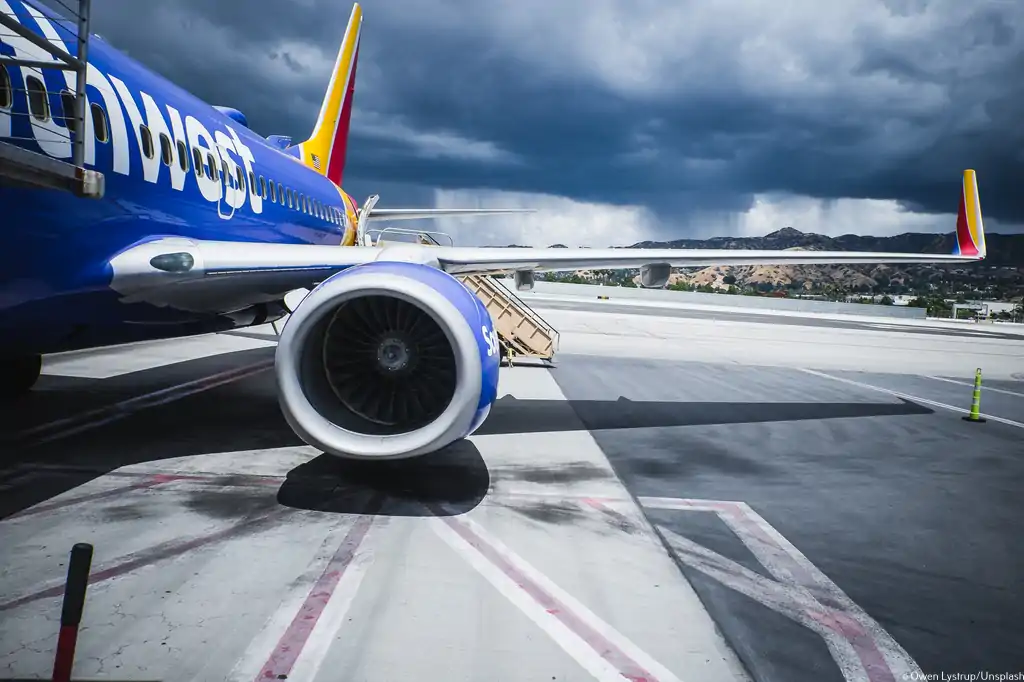
After more than three years of negotiations and federal mediation since September 2022, negotiators for pilots at Southwest Airlines have reached an agreement in principle with the company for a new five-year contract valued at $12 billion. The Southwest Airlines Pilots Association (SWAPA), representing over 10,000 pilots, announced the breakthrough on Tuesday, December 19, 2023.
Terms of the Agreement
While specific details of the agreement were not disclosed by SWAPA, the union later confirmed that the deal is worth $12 billion over five years. The negotiations primarily focused on addressing pilots' demands for higher pay and improved work rules. The agreement reflects the ongoing trend in the airline industry, with pilots at major carriers like United Airlines, Delta Air Lines, and American Airlines securing substantial pay raises and enhanced working conditions in their recent contracts.
Long-Standing Negotiations
The negotiations between Southwest Airlines and its pilots began over three years ago, following the expiration of the previous contract in 2020. The prolonged process, including federal mediation since September 2022, has contributed to increased attrition rates among pilots, as many have sought opportunities with rival airlines. The delays in reaching a new agreement have underscored the challenges faced by the airline industry, exacerbated by the industry-wide shortage of pilots.
SWAPA's Decision and Pilot Ratification Vote
SWAPA's president, Casey Murray, announced that the union's board will convene on Wednesday to evaluate the proposed deal. The board will decide whether to proceed with sending the agreement to the pilots for a ratification vote. The outcome of this vote will determine whether the new contract is officially accepted by Southwest Airlines' pilot workforce.
Industry-Wide Trends and Bargaining Power
The broader context of the negotiations reflects a larger trend in the post-pandemic era, where labor shortages and high inflation have emboldened workers and their unions across various industries, including auto, airline, entertainment, and healthcare. The scarcity of pilots in the U.S. has compelled airlines to compete for talent, providing pilots with increased bargaining power to negotiate for better compensation and working conditions.
Conclusion
The tentative agreement between Southwest Airlines and its pilots marks a significant development after years of protracted negotiations. With the potential ratification vote on the horizon, the outcome will not only shape the working conditions of Southwest's pilots but also contributes to the broader narrative of increased labor activism and negotiations within the post-pandemic landscape. As the aviation industry navigates ongoing challenges, the Southwest agreement underscores the pivotal role pilots play in shaping the future of airline operations.
With Inputs from Reuters
Read next
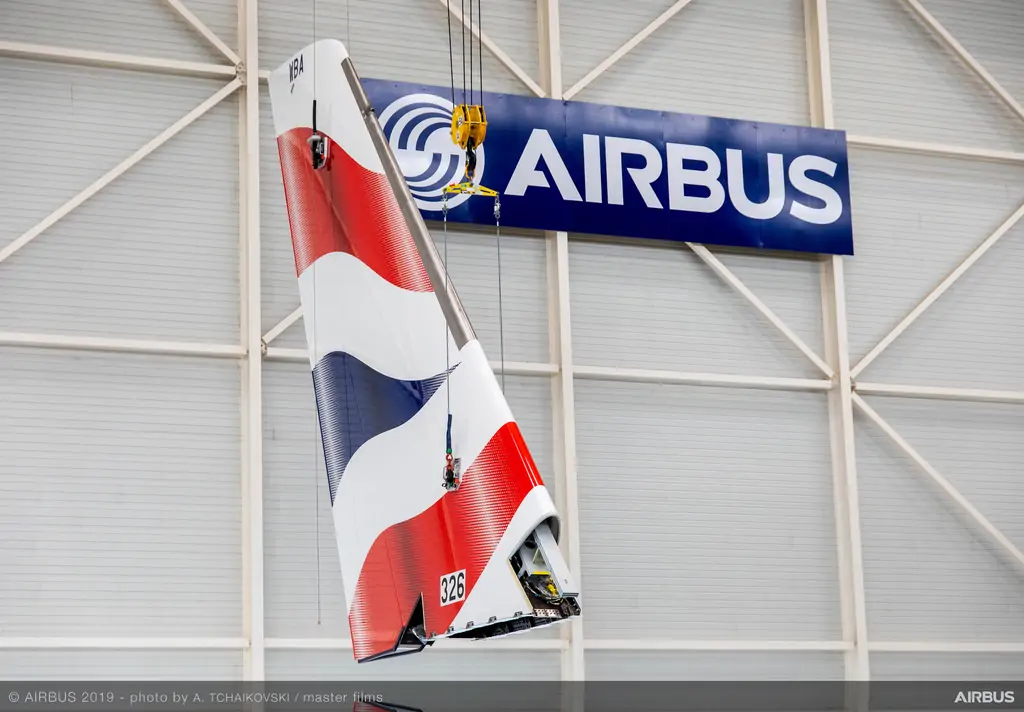
In a remarkable turn of events, Airbus is poised to shatter aerospace order records in 2023, fueled by a buying spree from European airlines and robust deliveries. As of December 19, 2023, industry sources indicate that the European aircraft manufacturer is on track to surpass the previous record of around 1,800 gross orders set in 2014. The surge in orders, particularly from major carriers like easyJet and Lufthansa, underscores the aviation industry's optimism and recovery post-COVID-19.
Unprecedented Orders
On Tuesday, easyJet and Lufthansa collectively placed orders for nearly 200 jets, a move that is expected to push this year's gross orders to new heights. The demand for aircraft reflects airlines' strategic efforts to renew their fleets amid concerns about potential shortages in the coming years. While gross orders provide a rough indication of market activity, industry analysts emphasize the significance of "net orders," which exclude cancellations and conversions, as a more accurate measure of a jetmaker's performance.
Record-Breaking Potential
Although official figures for net orders will not be available until January, sources suggest strong chances that Airbus could breach the previous record of over 1,500 net orders. Both Airbus and Boeing, the two major players in the aerospace industry, are expected to announce more deals this month, capitalizing on the rebound in demand following the COVID-19 pandemic.
Leadership Transition
The potential record-breaking year adds a significant note to the career of Airbus Chief Commercial Officer Christian Scherer, who is set to become the CEO of the overall civil jetliner business in the upcoming year. Scherer's tenure coincides with a surge in demand and underscores the resilience of the aviation industry in the face of unprecedented challenges.
Turkish Airlines' Mega-Order

On Friday, Turkish Airlines announced a substantial order of 220 new Airbus planes, including 10 A350-900s. This announcement, combined with the potential for a similar order from Boeing, further reinforces the positive outlook for aircraft manufacturers.
Challenges and Setbacks
Despite the positive momentum, Airbus faces challenges, including a strategic loss with Thai Airways. The Thai carrier is reportedly finalizing an order for 80 GE-powered Boeing 787s after disagreements over pricing with long-time supplier Rolls-Royce, which also powers the competing Airbus A350.
Delivery Performance
In terms of deliveries, Airbus delivered 623 aircraft between January and November, leaving 97 more to meet its annual target of 720 aircraft. As of mid-December, the company had already reached around 680 deliveries, signaling a high likelihood of achieving its delivery targets for the year.
Looking Ahead
While analysts express confidence in Airbus meeting its 2023 delivery targets, concerns linger for the following year. The production ramp-up in 2024 is expected to face challenges due to shortages of materials and parts, emphasizing the need for strategic planning and adaptation in a rapidly evolving industry.
Conclusion
As Airbus positions itself to break aerospace order records in 2023, the aviation industry's resilience and recovery post-COVID-19 are evident. The surge in orders, particularly from European airlines, underscores the sector's determination to adapt and thrive in the face of challenges. The pending leadership transition at Airbus, combined with strategic orders and potential setbacks, adds layers of complexity to the narrative, highlighting the dynamic nature of the aerospace industry as it propels itself into a new era of growth and innovation.
With Inputs from Reuters
Read next
FAA Delays Certification of Boeing 737 MAX 7 Amid Ongoing Safety Concerns
Abhishek Nayar
21 Dec 2023
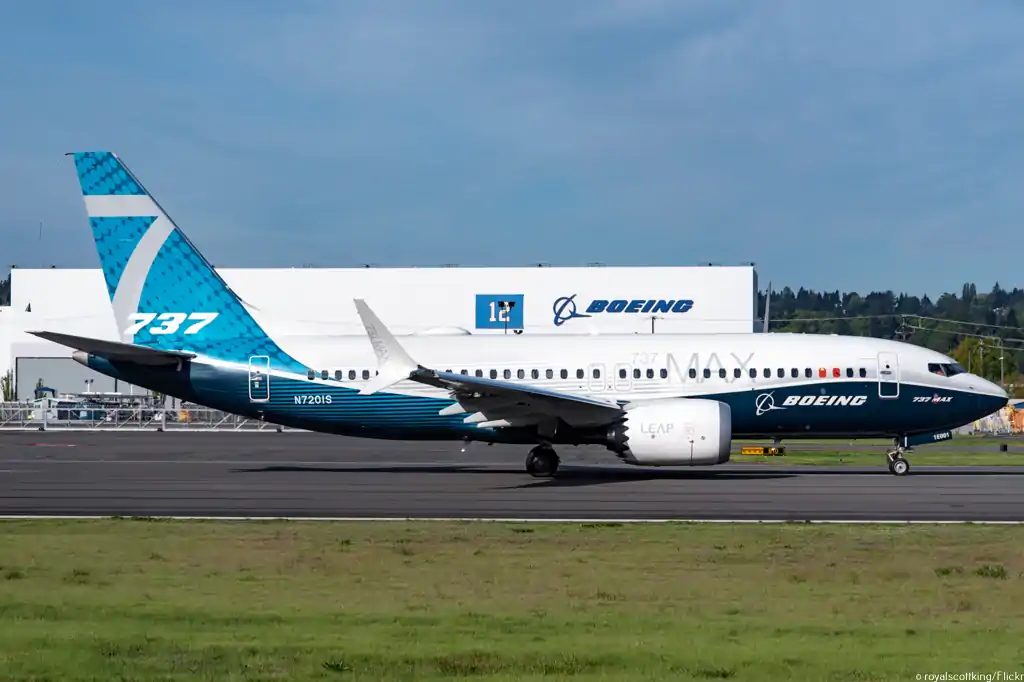
In a recent statement, Federal Aviation Administration (FAA) Administrator Michael Whitaker revealed that the agency has no "specific timetable" for the certification of the Boeing 737 MAX 7. This comes as a departure from Boeing's earlier expectations of certification by the end of the current year. The delay is attributed to unresolved safety issues, prompting a thorough review to ensure the aircraft's safety before approval.
Certification Process Challenges
- Data-Driven Safety Assurance: According to Whitaker, the FAA will certify the MAX 7 when they have all the necessary data to deem it safe. The emphasis is on a meticulous and data-driven approach to ensure comprehensive safety assessments are conducted.
- Ongoing Briefings and Issue Resolution: Whitaker underscored the importance of staying informed on the certification process's status. He is actively engaged in receiving briefings to understand emerging issues not only with the MAX 7 but also with other projects under the FAA's purview.
- Unchanged Boeing Schedule vs. FAA Caution: Despite Boeing's executives maintaining an unchanged schedule in October, Whitaker emphasized that the FAA will determine the certification timeline based on when all safety requirements are met.
Company and Airline Perspectives
- Boeing's Pursuit of Exemptions: Boeing is currently seeking exemptions related to the MAX 7's engine nacelle inlet structure and engine anti-ice system. The exemptions, if granted until May 31, 2026, would facilitate certification while design changes are made to address safety concerns.
- Southwest Airlines' Expectations: Southwest Airlines, the largest customer for the MAX 7, anticipates FAA certification by April. However, this expectation might be subject to change given the ongoing safety assessments and the FAA's cautious approach.
Regulatory Landscape Changes
- Key Flight Control Design Changes: The FAA announced that it would categorize certain flight control design changes as "major," particularly those related to systems implicated in the two fatal MAX crashes in 2018 and 2019. This underscores a stricter regulatory stance on safety measures.
- Legislative Reforms: In late 2020, Congress passed legislation reforming the FAA's certification process. The reforms include mandatory disclosure of safety-critical information and a heightened focus on oversight to prevent lapses like those identified in the MAX development.
- FAA's Vigilance Post-MAX Crashes: Whitaker acknowledged a "heightened level of vigilance" at the FAA following the MAX crashes. This underscores the agency's commitment to learning from past mistakes and continuously improving the certification process.
Conclusion
The FAA's cautious approach to certifying the Boeing 737 MAX 7 reflects a commitment to prioritizing safety over timelines. With ongoing safety concerns and the need for design changes, the aviation industry, including Boeing and its customers, must navigate these challenges while keeping the lessons from the MAX crashes in mind. The FAA's vigilance and commitment to continuous improvement signal a determined effort to enhance aviation safety in the face of evolving technologies and regulatory landscapes.
With Inputs from Reuters
Comment