
Boeing Says Soon. Emirates Says Maybe. The 777X Story Gets Another Chapter

Abhishek Nayar
11 Nov 2026
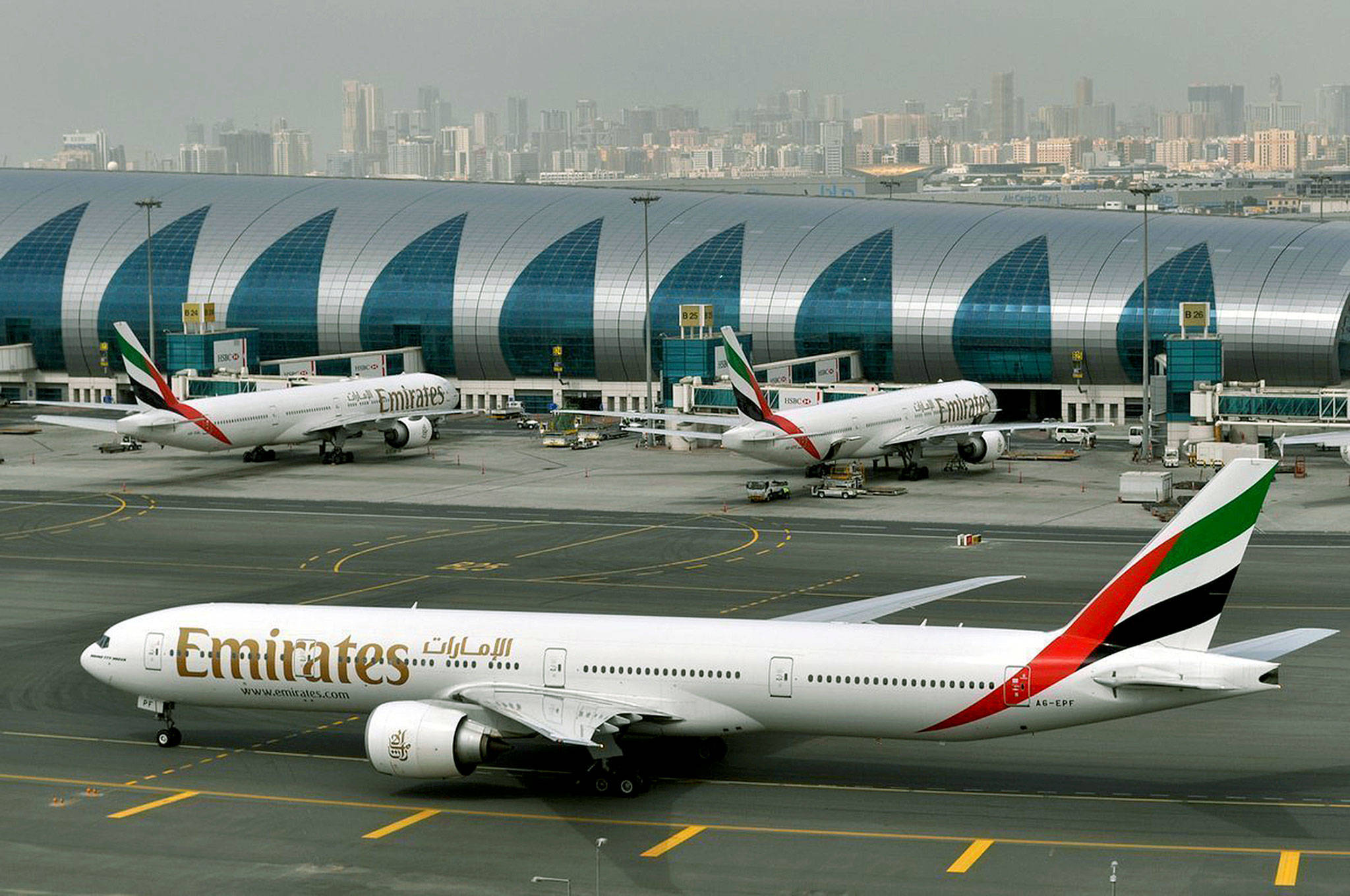
The Wait That Refuses to End
Years of delays, mounting frustration, and a fleet gap that has tested even the world’s most powerful airline — the Boeing 777X saga has been one of commercial aviation’s longest-running headaches. Now, at a media event in Berlin on Tuesday, Emirates President Tim Clark offered what may be the clearest timeline yet for the jet’s long-awaited arrival.
A Cautious Forecast From Dubai’s Most Powerful Voice
Clark told reporters that Emirates hopes to receive its first 777X widebody aircraft from Boeing toward the back end of next year. The initial delivery haul, however, will be modest. Clark confirmed the airline expects to take between three and five aircraft in that first year, with deliveries potentially rising to around ten the following year.
His words carried a candid edge: “I’m fairly vague about it because, I think, Boeing are fairly vague about it as well, even at this stage.” For an airline that has 270 of the type on order, that uncertainty speaks volumes.
Boeing’s first 777X variant to enter service will be the 777-9, the longest passenger aircraft ever built.
The A350-2000: Clark Eyes Airbus’ Next Move
Clark did not limit his fleet ambitions to Boeing. He reiterated his interest in a stretched variant of the Airbus A350, informally referred to as the A350-2000 — a jet that does not yet exist commercially. “You’ve got to have a bigger aeroplane” than the A350-1000, Clark said plainly, though he acknowledged uncertainty about where Airbus stands on the matter.
A 787 Backstop — With Options on the Table
Amid the 777X uncertainty, Clark pointed to Emirates’ existing order of 35 Boeing 787 Dreamliners as a potential buffer. The airline will likely make a decision on those aircraft within about a month, once it has greater clarity on 777X production timelines.
Interestingly, Clark suggested those 787s may not all stay within the Emirates network. “We’ve got a range of things that we can do,” he said, noting that several airlines and lessors have expressed interest in the aircraft — leaving open the possibility that some jets could be redirected elsewhere.
Why This Matters Beyond Dubai
Emirates is the world’s largest buyer of widebody jets, making every word from Clark a signal the broader industry watches closely. Delays to the 777X — which Boeing has partly attributed to a lengthy certification process — have rippled across multiple carriers. Lufthansa and Singapore Airlines are among the airlines waiting alongside Emirates for deliveries to begin.
With a combined order book of 270 777X jets and 35 787s, Emirates has more riding on Boeing’s recovery than almost anyone. Clark’s measured optimism at Berlin is perhaps the most honest summary of where things stand: progress, yes — but certainty, not quite yet.
With Inputs from Reuters
Read next
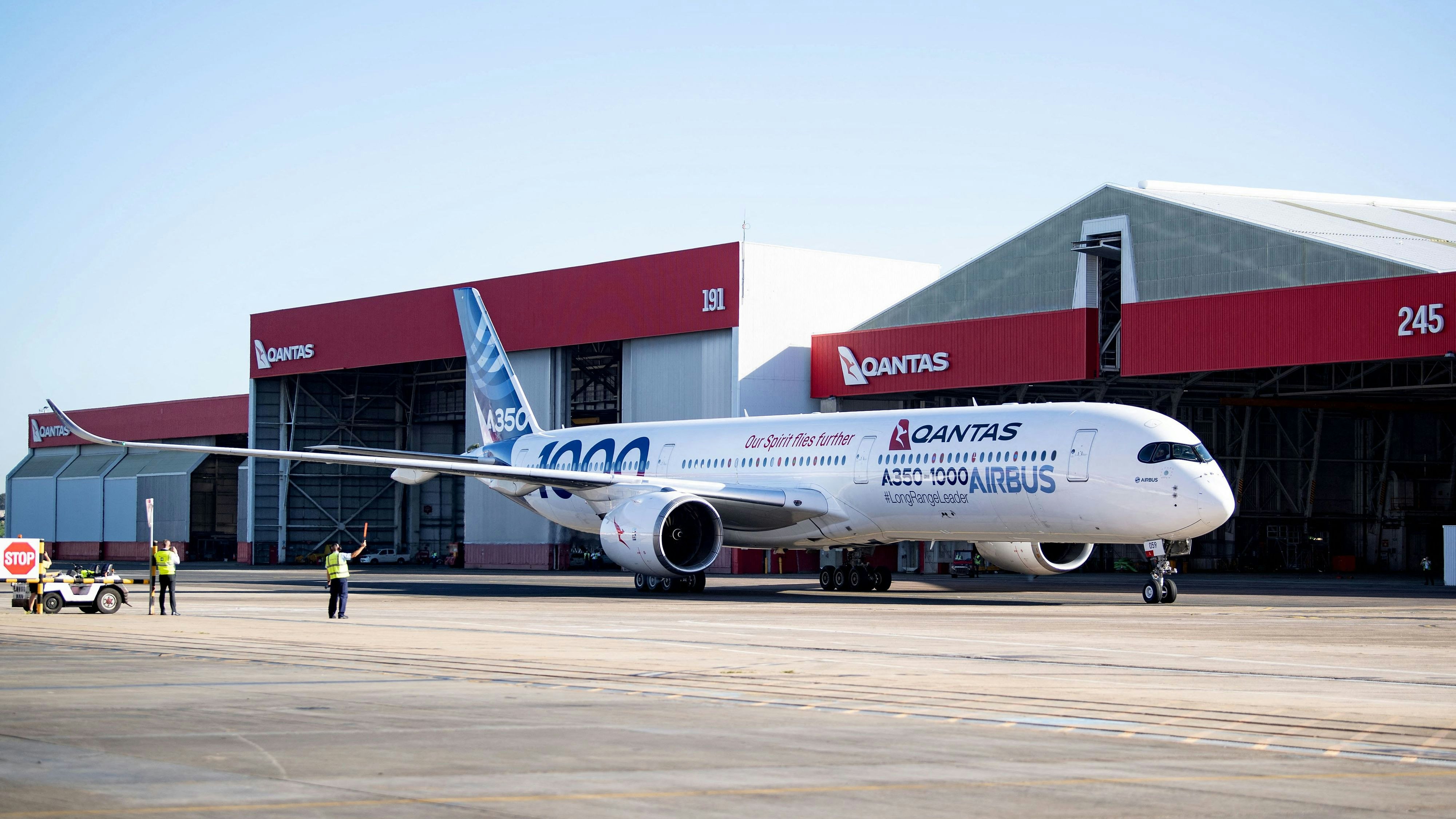
Australia’s flagship carrier Qantas made headlines, announcing it would eliminate 850 positions as the airline pivots toward artificial intelligence and shifts a portion of its corporate operations overseas.
The Deal Behind the Decision
At the heart of the restructuring is a partnership with global consulting giant Accenture. Qantas confirmed it had signed a deal with the firm to overhaul its “back-end systems,” a sweeping move that will see an unspecified number of roles transferred to teams based in India. The airline did not detail which departments or functions would be relocated, but positioned the move as part of a broader digital transformation strategy.
A Difficult Message to 850 Employees
Qantas chief executive Vanessa Hudson acknowledged the weight of the announcement, addressing the human toll head-on. “We know this will be difficult news for some of our people and this decision is not a reflection of their contribution or commitment,” Hudson said in a statement. The airline clarified that the job cuts would not begin immediately, with the reductions phased in starting from the middle of 2027, offering affected staff some lead time.
AI: The Force Reshaping the Skies
Hudson did not stop at the announcement — she framed the entire move within a larger, urgent global conversation about artificial intelligence’s role in the airline industry. According to the CEO, AI is on the brink of fundamentally transforming how airlines around the world operate, and Qantas does not intend to be left behind.
“The scale and speed of change in this space is unprecedented and unlike anything businesses have seen in generations,” Hudson said. She added that leading organisations globally are already deep into using technology and AI to completely reimagine how they work, warning that “standing still is not an option” for Qantas.
What This Means for Australia’s Aviation Sector
As the nation’s largest airline, Qantas’s move carries significant weight beyond its own workforce. The decision signals that even legacy carriers — long considered among the more conservative adopters of new technology — are now accelerating their embrace of automation and offshore operational models. The combination of AI integration and international outsourcing reflects a strategy increasingly common among global airlines seeking to trim costs while scaling capability.
For the 850 employees facing redundancy, the road ahead will undoubtedly be challenging. For the airline itself, the bet is clear: adapt aggressively, or risk falling behind a rapidly evolving industry.
With Inputs from Economic Times
Read next
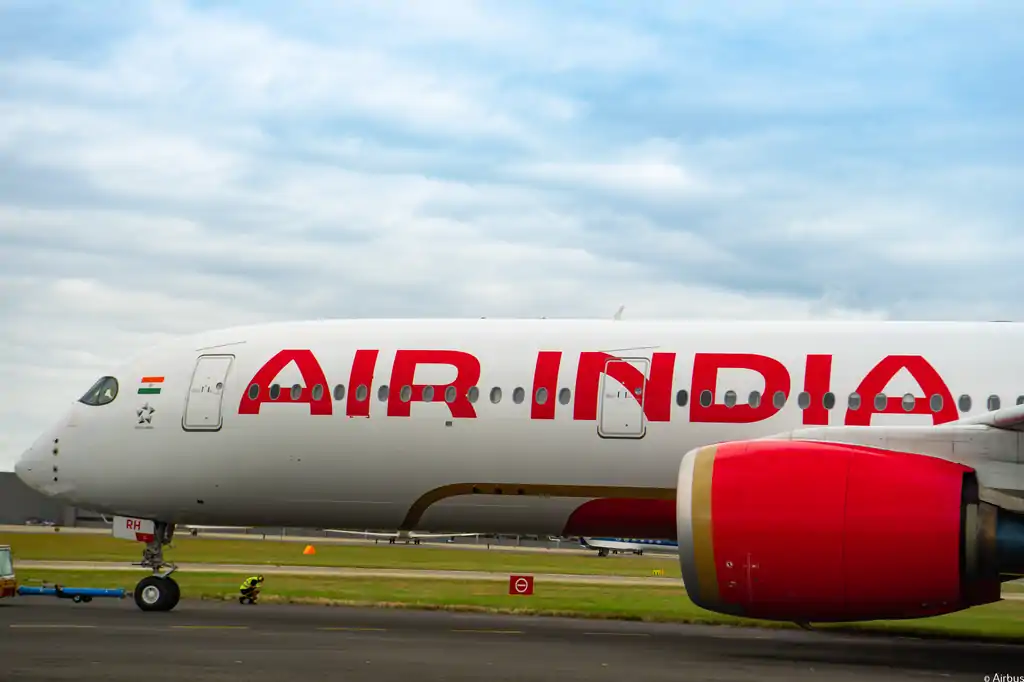
The Admission That Set the Tone
Air India’s chief executive Tewolde Gebremariam didn’t mince words at a recent industry event.
Profitability, he said, remains a pressing concern — and he’s not willing to wait around for it.
“I am more impatient than shareholders to see Air India turn profitable,” Gebremariam said.
It was a refreshingly blunt statement from a CEO, and it set the tone for everything that followed. The airline, he added, is actively working on costs across the board.
Punching Below Its Weight — Not for Long
Gebremariam was equally candid about where Air India currently stands.
The airline, he said plainly, has been “punching below its weight.” For a carrier of Air India’s legacy and scale, that’s a significant admission.
But the CEO was quick to follow it with conviction. The right foundation, he insisted, is already in place.
“There are huge growth opportunities,” he said — and Air India, in his view, is finally positioned to go after them.
The Wide-Body Bet
The most concrete signal of that ambition came when Gebremariam announced the airline’s intention to grow its wide-body aircraft order.
Wide-body jets are the workhorses of long-haul international flying. Ordering more of them isn’t a small decision — it’s a statement of intent.
“We want to increase our wide-body aircraft order,” he said, pointing directly to the scale of opportunity he sees ahead.
It’s a move that places Air India firmly in the conversation as a serious intercontinental player, not just a domestic carrier with international routes.
India as a Global Hub: The Bigger Vision
Gebremariam didn’t stop at Air India’s own growth story. He zoomed out to make a broader point about India itself.
The country, he said, has what it takes to become a genuine global aviation hub — on par with Dubai, Singapore, or London.
But there’s a catch.
“India can be a global hub if we do the right thing at the right time,” he said. The emphasis on timing was deliberate. Opportunities like this don’t stay open forever.
Read next
As Pilot Fatigue Debates Rage On, Akasa Air Steps Up With a Comprehensive Welfare Package
Abhishek Nayar
29 Oct 2026
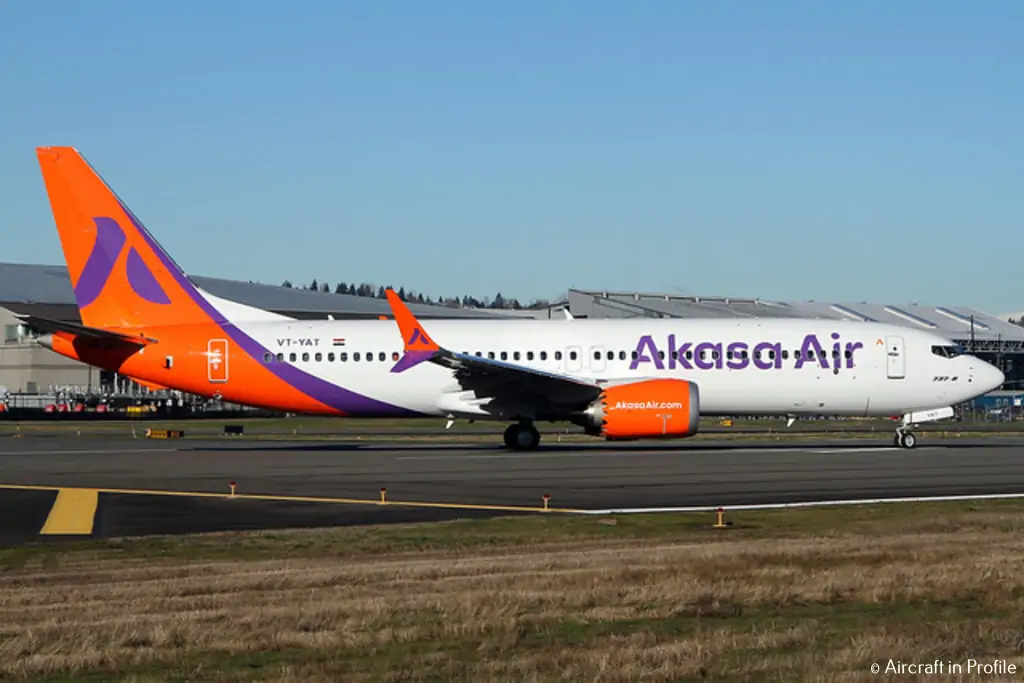
India's youngest major carrier, Akasa Air, is set to roll out a comprehensive overhaul of its pilot compensation and work-life structure, effective January 1, 2027. The four-year-old airline, which currently operates a fleet of 45 Boeing 737 MAX aircraft with over 800 pilots on its roster, confirmed the revisions through internal channels, with pilots being briefed directly by Captain Sanket Limaye, Director of Flight Operations, during a dedicated internal meeting.
Salary Hikes of Up to 20 Percent
At the heart of the announcement is a significant pay revision. Both fixed salaries and hourly payouts for pilots will see upward revisions, with hikes reaching as high as 20 per cent. The airline has also committed to raising the minimum protected flying hours per month to 50 under the standard work pattern — a move that guarantees pilots a higher earnings floor regardless of scheduling fluctuations. Protected flying hours essentially ensure that pilots are compensated for a minimum stipulated number of hours each month, offering financial predictability in a profession where rosters can be unpredictable.
More Days Off, More Choices
Beyond the pay bump, Akasa Air is expanding the menu of work patterns available to its pilots. Two new scheduling options will be on offer — a '25/9' model, comprising 25 working days and 9 guaranteed days off within a month, and a '6-2-6-3' arrangement that alternates between six working days followed by two rest days, then six more working days and three rest days.
Alongside these flexible scheduling choices, the airline is also raising minimum annual leave entitlements to 42 days — a figure that could climb further depending on the flexi-options a pilot chooses.
Loyalty Rewards and Long-Term Incentives Sweeten the Deal
The revised package does not stop at salaries and leave. Pilots will also be eligible for loyalty rewards, as well as the previously announced Long-Term Incentive Plan (LTIP), both of which sit over and above the revised base compensation. The airline has framed these additions as a commitment to retaining experienced talent as it continues to scale its operations and expand its network.
Pilot Fatigue and FDTL Conversations in the Background
The timing of these revisions is not incidental. Akasa's announcement arrives amid an ongoing and increasingly pointed industry conversation around Flight Duty Time Limitations (FDTL), with concerns about pilot fatigue taking centre stage across India's aviation sector. The airline's emphasis on better work-life balance through structured rest days and protected flying hours appears to be a deliberate signal that it is taking those concerns seriously — even as regulatory discussions continue to evolve across the broader ecosystem.
With Inputs from People Matters
Read next

In a move that signals a sharp pivot toward self-sufficiency, Air India broke ground on a sprawling new Maintenance, Repair, and Overhaul (MRO) facility at Indira Gandhi International Airport in New Delhi — a project the Tata Group-owned airline describes as central to its long-term engineering strategy.
A Nine-Acre Bet on Operational Independence
The facility, set across nine acres, is designed to house one widebody and one narrowbody aircraft simultaneously under a single roof. Once operational, it will hold the distinction of being the first MRO hangar in the national capital with that dual-aircraft capability — a milestone that underlines just how significant a gap it is filling in Delhi’s aviation infrastructure.
The groundbreaking ceremony brought together Air India’s CEO and Managing Director Tewolde Gebremariam alongside senior leadership from the Air India group and Delhi International Airport Limited (DIAL). P Balaji, the group’s Head for Governance, Regulatory, Compliance and Corporate Affairs, was also present at the occasion.
Built to Last — and to Scale
The hangar’s engineering specs are built with the future in mind. A 25-metre clear height and column-free spans across large sections are designed to accommodate next-generation, wide-body aircraft without structural compromise. This isn’t a facility designed for today’s fleet alone — it’s one built with tomorrow’s aircraft already in mind.
What It Means for Air India’s Day-to-Day Operations
The facility is expected to bring immediate, tangible benefits to Air India’s day-to-day operations. By centralising inspections, cabin upkeep, and defect rectification under one roof, the airline aims to reduce the aircraft ground time that has long been a pressure point for any growing carrier.
Integrated engineering offices and an on-site warehouse for spare parts will eliminate the fragmented workflows and logistics costs that come with outsourced maintenance. A dedicated cabin shop within the facility will further speed up interior repairs, reducing dependence on third-party vendors and cutting down on cabin-related defects — an area that directly affects passenger experience.
Faster Recovery, Fewer Disruptions
Perhaps the most operationally critical aspect of the new hangar is its potential to dramatically reduce Aircraft on Ground (AOG) situations. Direct access to technical teams and an on-site spare parts inventory means that aircraft grounded due to technical issues can be turned around faster, minimising knock-on delays and flight disruptions for passengers.
A Piece of the Larger MRO Puzzle
Beyond Air India’s internal gains, the airline positioned the facility as a contribution to India’s broader aviation ecosystem. As India continues its rapid expansion as a global aviation market, the push to develop domestic MRO capability has become both an economic and strategic priority.
Air India’s new Delhi hangar, when completed, will stand as one of the most concrete expressions of that ambition — built on nine acres, and carrying the weight of an entire industry’s aspirations with it.
Read next
The Plane That Kept the World Waiting Is Finally About to Land Its Clearance
Abhishek Nayar
19 Oct 2026

The United States' aviation regulator is reportedly on the verge of certifying Boeing's 737 MAX 10, a decision that could arrive as early as next week — bringing to a close one of the most turbulent certification journeys in modern commercial aviation history.
A Long Road to a Critical Milestone
Three people familiar with the matter revealed that the Federal Aviation Administration completed a key safety review on Friday through its Type Certification Board — a panel of senior FAA management members — marking the final procedural hurdle before a certification decision.
The 737 MAX 10 is the largest variant of Boeing's best-selling 737 MAX family. Boeing had originally planned to begin delivering the aircraft back in 2020, a timeline that now feels like a distant, optimistic memory.
Crises That Rewrote the Rulebook
Boeing's path to certifying any MAX variant grew dramatically steeper after two fatal crashes involving the 737 MAX 8 in 2018 and 2019 killed 346 people, triggering a global grounding and a sweeping overhaul of how the FAA evaluates Boeing aircraft.
The scrutiny intensified further after a January 2024 incident in which a mid-air cabin panel blowout occurred aboard a nearly new Alaska Airlines 737 MAX 9, exposing deeper concerns about Boeing's manufacturing and quality control systems.
A 2023 anti-ice system defect on 737 MAX engines added yet another layer of delay for both the MAX 7 and MAX 10 programs. As recently as late September, a glitch in the aircraft's navigation software threatened to push certification back once more — before the FAA determined on October 2nd that it posed no safety concern and would not block certification.
A Critical Revenue Engine for Boeing
The stakes surrounding the MAX 10's approval extend well beyond regulatory paperwork. Airlines have placed nearly 1,500 orders for the aircraft, representing roughly 30% of Boeing's entire 737 backlog. The company, still navigating a protracted financial recovery, has called the MAX 10 a major future cash-flow driver.
Major customers include United Airlines, Delta Air Lines, American Airlines, Alaska Airlines, and Ryanair — carriers whose network expansion plans are directly tied to the jet's capacity and efficiency.
Airbus Has Not Been Waiting
Each month of delay handed European rival Airbus an open runway. The A321neo steadily gained market share in the large single-aisle segment — precisely the space the MAX 10 was built to contest.
The FAA's certification of the smaller 737 MAX 7 in August, after more than eight years under review, offered a preview of what the MAX 10 approval might look like.
What Comes Next
Boeing still faces the separate challenge of certifying its wide-body 777-9, already six years behind schedule, with deliveries now targeted for 2027. But for now, the MAX 10 approval represents the most immediate and commercially significant finish line in sight.
Neither Boeing nor the FAA offered detailed comment, with the FAA stating simply: “Safety dictates the certification timeline.”
With Inputs from Reuters
Comment