
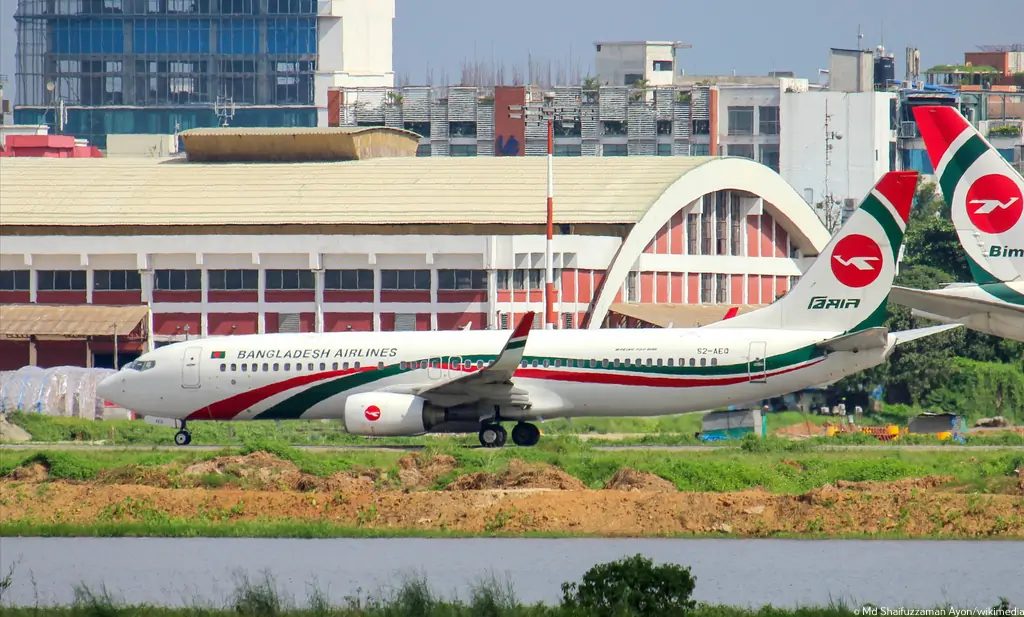
Biman Bangladesh Airlines, the national flag carrier of Bangladesh, is embarking on an ambitious journey to nearly double its fleet size over the next 11 years. The newly appointed Managing Director and CEO, Mohammad Jahidul Islam Bhuiyan, who took the helm in May 2024, has laid out an extensive plan that aims to expand the airline's fleet from the current 21 aircraft to 47 by 2035. This strategic move marks a significant investment in new aircraft, positioning Biman for substantial growth and enhanced global presence.
Fleet Expansion Plan
Current Fleet and Future Needs
As of now, Biman Bangladesh Airlines operates a fleet of 21 aircraft. However, six of these aircraft are slated to be phased out by 2035 due to age and operational efficiency considerations. To achieve the target of 47 aircraft, Bhuiyan's plan includes the acquisition of an additional 32 aircraft. This expansion is essential for the airline's route development and overall growth strategy.
Recent Acquisitions
In a recent development, Biman's board has approved the acquisition of four Airbus A350-900s, securing funding through the UK's Export Finance scheme. This acquisition is a significant step towards modernizing the fleet and enhancing passenger experience with state-of-the-art aircraft.
Strategic Partnerships: Airbus and Boeing
Airbus Advancements
Discussions with Airbus have progressed significantly, highlighting a strong potential partnership for future acquisitions. The A350-900s, known for their fuel efficiency and long-range capabilities, are set to play a pivotal role in Biman's fleet enhancement strategy. These aircraft will not only improve operational efficiency but also offer passengers a more comfortable and modern flying experience.
Boeing's Proposal
While Airbus has made notable strides, Boeing is also in the running to supply aircraft to Biman. Bhuiyan confirmed that Boeing has presented its proposal, which the airline is currently reviewing. The inclusion of Boeing aircraft would diversify the fleet and ensure a balanced approach to expansion, leveraging the strengths of both leading manufacturers.
Financial and Operational Considerations
Investment Requirements
The ambitious expansion plan requires substantial financial investment. Securing funding, as demonstrated by the UK's Export Finance scheme for the A350-900s, will be a crucial component of the strategy. Biman will need to explore various financing options, including government support, international loans, and partnerships with financial institutions.
Operational Readiness
Expanding the fleet is not just about acquiring new aircraft; it also involves preparing the airline's operational infrastructure to support the larger fleet. This includes enhancing maintenance facilities, training additional pilots and crew, and upgrading airport operations to handle increased traffic.
Conclusion
Biman Bangladesh Airlines, under the visionary leadership of Mohammad Jahidul Islam Bhuiyan, is poised for a transformative decade. By 2035, the airline aims to nearly double its fleet size, positioning itself as a major player in the global aviation industry. With strategic partnerships with Airbus and Boeing, and a clear focus on financial and operational readiness, Biman is set to soar to new heights. The journey ahead is challenging but promising, heralding a new era of growth and success for Bangladesh's national flag carrier.
With Inputs from ch-aviation

Read next

European airline consolidation has been a hot topic in the aviation industry, especially as major players like Lufthansa, IAG, and Air France-KLM seek to expand their footprints through strategic acquisitions. However, increasing scrutiny from European regulators poses significant challenges. The recent approval of Lufthansa’s acquisition of a 41% stake in ITA Airways, following a year-long negotiation with the European Commission, underscores the complexities involved. This article delves into the implications of these regulatory hurdles and what they mean for the future of airline mergers and acquisitions in Europe.
Lufthansa's Acquisition of ITA Airways: A Case Study

Lufthansa’s purchase of ITA Airways highlights both the opportunities and obstacles in the current regulatory landscape. Despite the acquisition expanding Lufthansa’s presence in the lucrative southern European market, it came with significant concessions. To gain approval, Lufthansa had to cede certain routes and slots to competitors, reflecting the European Commission’s cautious stance on consolidation.
The Regulatory Gauntlet

The European Commission’s stringent scrutiny of airline mergers aims to prevent market monopolies that could harm consumer choice and drive-up prices. This heightened vigilance can deter airlines from pursuing deals, fearing prolonged legal battles, high costs, and the loss of valuable assets. British Airways-owner IAG’s protracted efforts to acquire Spanish carrier Air Europa since 2019 exemplify these challenges. With an EU deadline for concessions approaching, the future of this deal remains uncertain.
The Role of Government Stakes and Strategic Assets
National carriers often hold strategic importance for governments, complicating potential mergers. The political and economic significance of these airlines means governments are reluctant to relinquish control completely. Portugal’s TAP is a prime example, with its CEO advocating for a partial sale involving non-aviation investors to alleviate regulatory concerns.
Market Dynamics: The Rise of Low-Cost Carriers
While major airline groups face regulatory headwinds, low-cost carriers like Ryanair continue to expand rapidly. Ryanair’s dominance in Italy, where it holds over 40% market share, was notably absent from the European Commission’s assessment during Lufthansa’s ITA acquisition. This oversight raises questions about the comprehensive nature of regulatory evaluations and whether low-cost carriers’ market influence is being adequately considered.
Industry Perspectives
Airline executives argue that consolidation is necessary to mitigate soaring operating costs and recover from the COVID-19 pandemic’s severe impact. However, they also express frustration over the European Commission’s demands. EasyJet CEO Johan Lundgren highlights the paradox that without consolidation, airlines may continue relying on government bailouts, which could be more detrimental in the long run.
The Future of Airline Consolidation in Europe
The path forward for airline mergers in Europe appears fraught with regulatory challenges. While consolidation can bring operational efficiencies and stabilize the industry, the European Commission’s rigorous oversight aims to preserve competitive markets. The balance between these two objectives will shape the landscape of European aviation in the coming years.
Conclusion
As the debate over airline consolidation continues, the European aviation industry must navigate a complex regulatory environment. The outcomes of high-profile mergers, such as Lufthansa’s stake in ITA Airways and IAG’s bid for Air Europa, will serve as benchmarks for future deals. Striking a balance between fostering competition and enabling industry growth remains the key challenge for regulators and airlines alike.
With Inputs from Reuters
Read next
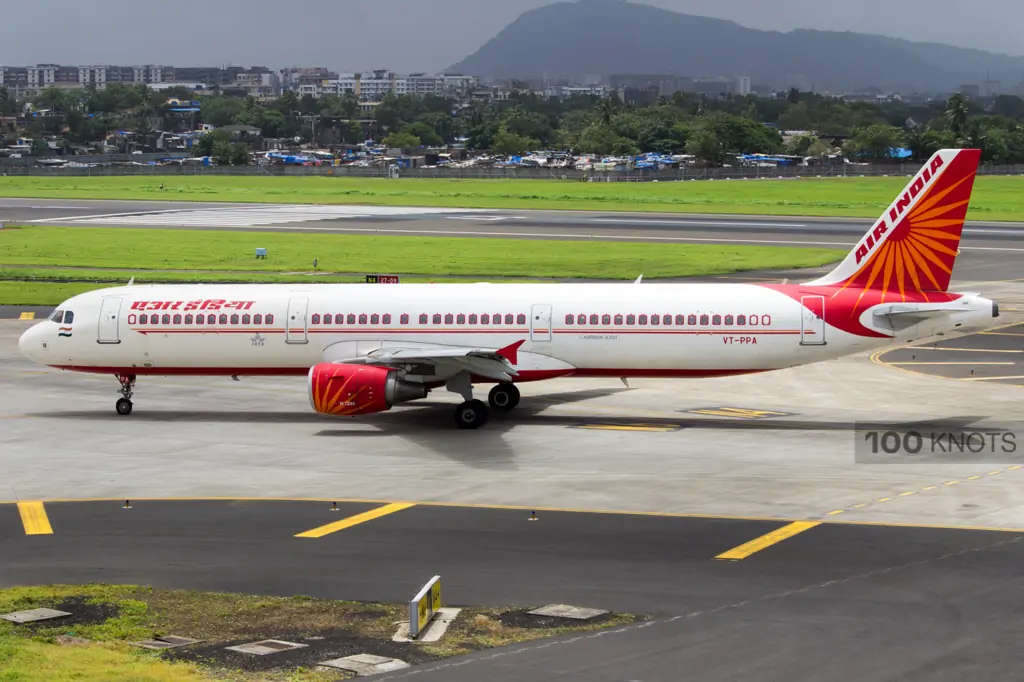
India's air cargo sector is on the brink of a significant transformation. With the government actively working to develop logistics hubs and improve operational efficiencies, the future looks promising for this critical industry. Senior government officials and industry leaders are optimistic about the sector's growth, driven by initiatives aimed at enhancing processes, ensuring faster turnaround times, and better utilization of existing facilities.
Government's Vision for Air Cargo
Piyush Srivastava's Insight
Piyush Srivastava, Senior Economic Advisor at the Ministry of Civil Aviation, recently highlighted the bright future of India's air cargo sector. Speaking at a conference organized by the Air Cargo Forum India (ACFI) in the national capital, he emphasized the importance of improving the ease of doing business and reducing turnaround times. With only 18 freighters currently operating in the country, there is substantial room for growth, and Srivastava expects the number of freighters to rise significantly in the coming years.
Focus on Logistics Hubs
The government's strategy includes developing logistics hubs to streamline operations and improve efficiency. These hubs are expected to play a pivotal role in the sector's expansion, enabling quicker and more efficient handling of cargo.
Current State and Challenges
Recovery Post-Pandemic
While passenger traffic has rebounded to pre-pandemic levels, the air cargo sector is still on its path to recovery. In the fiscal year 2023-24, India handled a little over 3.36 million tonnes of air cargo, indicating a need for further growth to match pre-Covid levels.
Surendra Kumar Ahirwar's Perspective
Surendra Kumar Ahirwar, Joint Secretary at the Department for Promotion of Industry and Internal Trade (DPIIT), emphasized the ongoing developments in logistics, including the skilling of personnel. However, he pointed out that there is sub-optimal utilization of existing air cargo facilities. To address this, Ahirwar stressed the importance of developing hubs as part of the broader logistics infrastructure.
Industry Insights and Future Prospects
Revenue Contribution
According to ACFI President Yashpal Sharma, the air cargo sector contributes nearly 10% of domestic carriers' revenues. This highlights the sector's significant role in the overall aviation industry.
Market Growth Projections
Market research reports predict robust growth for India's air freight market, estimating it to reach USD 16.37 billion by 2027. This optimistic outlook is driven by plans to establish air transport shipment hubs at major airports, which are expected to further propel the industry's growth.
Conclusion
The concerted efforts by the government and industry stakeholders to improve processes, develop logistics hubs, and enhance operational efficiencies are set to unlock the immense potential of India's air cargo sector. As the country moves towards becoming a global logistics hub, the sector's growth will not only boost the aviation industry but also contribute significantly to the economy. With the right strategies in place, the sky is truly the limit for India's air cargo sector.
Read next

In the fiscal year 2023-24, Kempegowda International Airport Bengaluru (KIAB/BLR Airport) has once again solidified its position as India's top airport for exporting perishables. This marks the fourth consecutive year BLR Airport has achieved this milestone, reflecting its pivotal role in enhancing India's perishable export capabilities.
Record-Breaking Growth in Perishable Cargo
During FY 2023-24, BLR Airport recorded an impressive total perishable cargo tonnage of 63,188 metric tons (MT), marking an 18% growth compared to the previous fiscal year. This achievement underscores BLR Airport's significant contribution to India's perishable exports, handling 28% of the nation's total perishable cargo.
Dominance in Poultry Product Exports
BLR Airport secured the top position for poultry product exports in FY 2023-24, shipping an astounding 47,041 metric tons. Additionally, the airport exported 2,050 metric tons of flowers, with poultry, fresh vegetables, fresh fruits, and flowers emerging as the leading perishable cargo categories.
Leadership in South India's Perishable Exports
BLR Airport processed 44% of South India’s total perishable cargo, reinforcing its status as the premier gateway to South and Central India. Satyaki Raghunath, Chief Operating Officer at Bangalore International Airport Limited, expressed pride in this consistent growth, stating, "This milestone reflects our commitment to excellence in an unbroken cold chain and the trust placed in us by our partners and customers."
Strategic Connectivity Enhancing Export Capacity
As a crucial gateway, BLR Airport significantly enhances connectivity, linking Indian producers with key international markets. The airport's extensive network facilitates seamless transportation of perishable goods to over 100 global destinations, including Oman, Singapore, Qatar, UAE, Maldives, UK, and Kuwait. This connectivity ensures that fresh produce reaches international buyers swiftly and efficiently, boosting the export capacity of southern India.
State-of-the-Art Infrastructure
BLR Airport is home to WFS BLR Coolport, India’s first integrated on-airport Perishable Handling Centre with a terminal capacity of 40,000 metric tons. This facility, designed exclusively for perishable cold chain cargo, features on-site regulatory services, including plant and animal quarantine inspections, a drug controller lab, and Indian Customs.
Commitment to Excellence and Growth
By continuously improving its infrastructure and services, BLR Airport is committed to supporting the growing demand for perishable goods. The airport's strategic initiatives underscore its role as a crucial hub for agricultural and horticultural exports in India, ensuring it remains at the forefront of the industry, driving economic growth and fostering international trade relationships.
Conclusion
BLR Airport's consistent leadership in perishable exports highlights its critical role in global trade and its commitment to excellence. As the airport continues to enhance its infrastructure and connectivity, it solidifies its position as a key player in the international export landscape, driving economic growth and supporting India's agricultural and horticultural sectors.
By addressing the growing demand for perishable goods and maintaining an unbroken cold chain, BLR Airport ensures that India’s fresh produce reaches international markets efficiently and in prime condition.
Read next
Vietnam Airlines' Lifeline: Government Grants Three-Year Extension on USD158 Million Loan
Abhishek Nayar
05 Jul 2024

Vietnam Airlines, the state-owned carrier, has secured a crucial three-year extension on its VND4 trillion (USD158 million) government loan. Originally due later this month, the extension to July 2027 was approved by Viet Nam's National Assembly, as reported by Bloomberg. This move comes as a much-needed relief for the airline, which has been grappling with severe financial challenges and was on the brink of insolvency.
Financial Crisis and Looming Insolvency
Just a week prior to the extension, a statement on the National Assembly's website highlighted the airline's dire financial situation. The airline was facing a financial crisis due to incomplete refinancing tasks, including the restructuring of non-core investments and the sale of new shares. The statement warned that without an extension, Vietnam Airlines could face insolvency as soon as this month.
The Background of the Financial Struggles
Vietnam Airlines' financial woes are not new. In 2021, Viet Nam's central bank refinanced the airline's loans, obtained from commercial banks, at a 0% interest rate. Despite this relief, the airline has accumulated VND35 trillion (USD1.38 billion) in aggregate losses over the past three years. The COVID-19 pandemic, reduced travel demand, and operational challenges have significantly impacted the airline's financial health.
The Restructuring Plan
To address these challenges, Vietnam Airlines has embarked on a comprehensive restructuring program. This program aims to streamline operations, divest non-core investments, and explore new revenue streams to set the airline on a more sustainable and profitable path. The National Assembly emphasized that the three-year extension would provide the airline with the necessary time to implement these restructuring measures effectively.
A Ray of Hope for the Future
The extension of the repayment deadline is a significant step in stabilizing Vietnam Airlines' financial situation. It allows the airline to focus on its restructuring efforts without the immediate pressure of repaying the substantial loan. This move is expected to help the airline navigate its current challenges and position itself for future growth and profitability.
Conclusion
Vietnam Airlines' journey towards financial recovery is far from over, but the three-year extension on the USD158 million government loan is a positive development. As the airline works through its restructuring plan, the aviation industry and stakeholders will be closely watching its progress. The future of Vietnam Airlines will depend on its ability to adapt, innovate, and execute its strategies effectively in the coming years.
With Inputs from ch-aviation
Read next
SpiceJet in Hot Water: Delhi High Court Issues Contempt Notice Over Aircraft Engines
Abhishek Nayar
05 Jul 2024
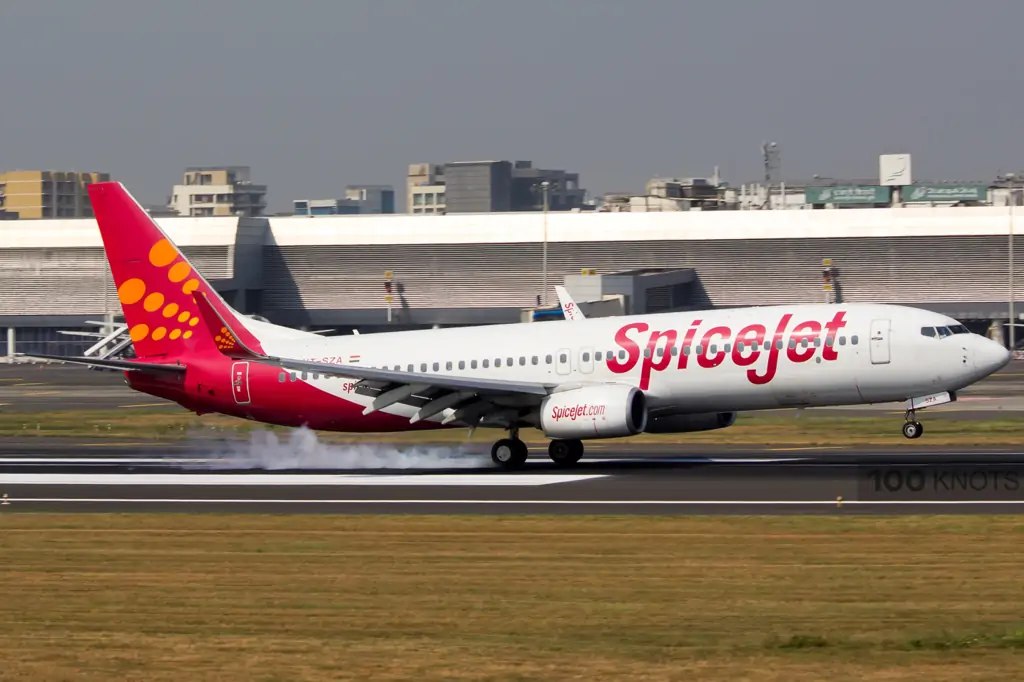
The Delhi High Court has issued a contempt notice to SpiceJet for failing to comply with previous deadlines to return three aircraft engines to lessor TWC Aviation Capital. This legal action underscores the airline's mounting troubles and its ongoing struggles with operational and financial challenges.
Missed Deadlines and Mounting Debts
TWC Aviation Capital has been pursuing the return of its engines after SpiceJet accumulated around USD 14 million in debts. Initially, the court had ordered SpiceJet to hand over the engines by May 28, a deadline that was later extended to June 16. However, despite these extensions, the engines were not returned, leading to the current contempt notice.
Court's Ultimatum: July 8 Deadline
In a recent hearing on July 2, Senior Advocate Amit Sibal, representing SpiceJet, informed the court that the engines were fitted to in-service aircraft. He argued that removing the engines would necessitate grounding the aircraft. Despite this plea, the court criticized SpiceJet for transferring the engines from their assigned aircraft to other airframes, a move that contravened the original lease terms.
The court has now set a new deadline of July 8, 2024, for SpiceJet to hand over the engines, offering a stay on the contempt action if the engines are returned by this date. The matter is set to return to court on July 9.
Operational Woes: Grounded Fleet
SpiceJet's legal troubles are compounded by significant operational issues. The airline is grappling with a high number of out-of-service aircraft, which has severely impacted its operations. According to ch-aviation fleet data, out of SpiceJet's 56 aircraft (excluding wet-leased planes), 33 are currently grounded. This includes three of five B737-700s, two of three B737-700(BDSF)s, two of seven B737-8s, five of fourteen B737-800s, all three B737-900ERs, and eighteen of twenty-four DHC-8-Q400s.
Efforts to Mitigate the Crisis
In response to the operational crisis, SpiceJet has resorted to wet-leasing eight planes to mitigate the impact of its grounded fleet. However, this measure is a temporary fix and does not address the underlying financial and operational issues that the airline is facing.
Looking Ahead: Court Date Looms
The upcoming court date on July 9 will be crucial for SpiceJet. The airline must meet the July 8 deadline to avoid further legal repercussions. As the situation unfolds, stakeholders and industry watchers will be closely monitoring how SpiceJet navigates these turbulent times.
Conclusion
SpiceJet's current predicament highlights the complex interplay between legal, financial, and operational challenges that airlines can face. The Delhi High Court's contempt notice serves as a stark reminder of the consequences of failing to adhere to legal obligations. With the new deadline fast approaching, all eyes are on SpiceJet to see if it can rise to the occasion and begin to stabilize its operations.
With Inputs from ch-aviation
Comment