

Imagine strapping into a state of the art jet and gliding through the clouds with 20% less fuel burn—no wonder Avolon is on a shopping spree for neo powered aircraft. On July 24, 2025, Dublin based Avolon, the world’s second largest aircraft lessor, inked a deal for 75 A321neos and 15 A330neos—a total of 90 jets—to bolster its fleet through 2033. This latest win pushes Avolon’s Airbus commitments to 413 aircraft over the next eight years.
What’s in the 90 Aircraft Order
- 75 A321neos: Airbus’s single aisle workhorse—ideal for short to medium haul routes.
- 15 A330neos: The wide body marvel, perfect for long haul comfort and efficiency.
- Purchase Rights & Options: Rights to pick up 25 more A321neos and 15 additional A330neos down the line.
Neo licious Details: Why These Models Rock
- Fuel Sipping: Both neo families cut fuel consumption by up to 15% vs. predecessors, trimming airline costs and runway emissions.
- Passenger Perks: Quieter cabins, bigger overhead bins, and mood lighting that makes red eye flights feel (almost) classy.
- Flexibility: The A321neo’s range can stretch well beyond 4,000 km—think Mumbai to Perth nonstop—with the A330neo covering truly intercontinental routes.
Beyond the Numbers: What This Means for Airlines
Airlines leasing from Avolon will snag modern hardware without the upfront sticker shock of buying new jets. That means:
- Fleet Renewals: Swap aging 737 Classics and A330 Classics for neos that burn less and cost less to maintain.
- Network Expansion: Add thin long haul routes with smaller wide bodies, opening niche markets.
- Competitive Edge: Fly passengers in fuel efficient comfort, appealing to eco conscious travelers.
Delivery Timeline & the Supply Crunch
Avolon expects to take delivery of roughly 70 aircraft per year from Airbus and Boeing combined in 2026 and 2027. While Cronin is “fairly surprised” if all jets land on schedule, the company remains confident most will arrive on time—just in time for peak travel demand.
Why Lessors Are the Market Barometer
If airlines are the visible tip of the aviation iceberg, lessors like Avolon are the submerged mass—placing orders, negotiating delivery slots, and signaling where the industry is headed. As Airbus SVP Benoit de Saint Exupery puts it, orders from lessors “illustrate the strong attractiveness to a wide variety of customers”.
Avolon’s Financial Windfall
The timing couldn’t be better: Avolon reported a 36% year on year jump in Q2 net income, buoyed by last year’s $5 billion acquisition of Castlelake Aviation. With air travel booming globally, Avolon’s pockets—and balance sheet—look healthier than ever.
TL; DR
- Order Highlights: 75 A321neos + 15 A330neos, plus rights/options for 40 more jets.
- Total Backlog: 413 aircraft with Airbus through 2033.
- Key Benefits: Fuel efficiency, passenger comfort, route flexibility.
- Delivery Pace: ~70 jets/year in 2026–27; some timing surprises possible.
- Market Signal: Lessors like Avolon are the “barometers” of aviation demand.
- Financials: Q2 net income up 36% post Castlelake acquisition.
Strap in—Avolon’s neo fleet is set to reshape airline fleets and your next in flight experience!
With Inputs from Reuters

Read next

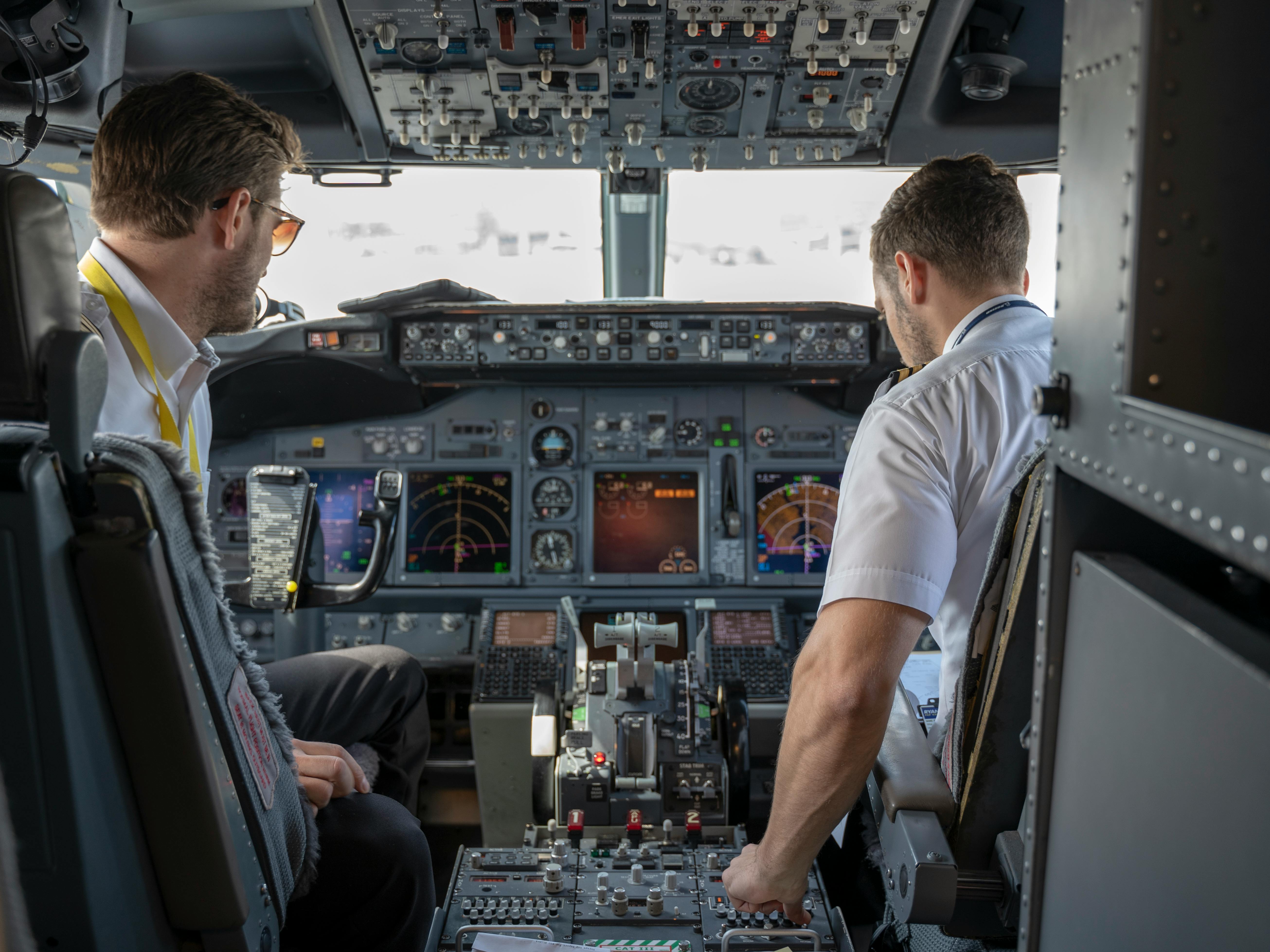
The aviation industry continues to grapple with security enhancements more than two decades after the September 11, 2001 terrorist attacks fundamentally changed commercial air travel. Recent developments surrounding secondary cockpit barriers have sparked renewed debate about aviation security priorities, implementation timelines, and the balance between safety requirements and operational practicalities.
Need For Secondary Cockpit Door
The concept of secondary cockpit barriers emerged from lessons learned during the darkest day in American aviation history. The September 11 attacks demonstrated catastrophic vulnerabilities when terrorists successfully stormed cockpits on four commercial aircraft, including United Airlines flights UA93 and UA175, along with American Airlines flights AA11 and AA77. These breaches led to unfathomable devastation and forever changed aviation security protocols.
Following extensive investigations, the 9/11 Commission issued several recommendations to enhance aviation security.
While most recommendations were implemented relatively quickly, the requirement for secondary cockpit barriers remained the final outstanding item for more than two decades.
The commission recognized that even with reinforced cockpit doors mandated after 2001, brief moments when doors must be opened create potential security vulnerabilities.
Implementation Challenges
The path to mandatory secondary barriers began in 2018 when Congress directed the Federal Aviation Administration to develop requirements for additional cockpit protection. However, progress remained slow until August 2023, when the FAA finally issued a formal proposal following sustained pressure from aircraft manufacturers and pilots' associations.
The legislative breakthrough came in May 2024 when President Joe Biden signed the FAA Reauthorization Act of 2024 into law. The House of Representatives adopted the measure with overwhelming bipartisan support, passing 387-26. This legislation mandated secondary cockpit barriers on all new commercial aircraft, with the law remaining in effect until 2028, when the National Transportation Safety Board will review its continuation.
Transportation Secretary Pete Buttigieg emphasized the significance of this development, stating that pilots and flight crews transport millions of Americans safely every day, and these physical protections represent another important step in ensuring their security.

Technical Specifications
The new regulations apply specifically to commercial airliners manufactured after mid-2025, providing relief to airlines concerned about retrofitting existing fleets. This approach acknowledges practical implementation challenges while ensuring future aircraft incorporate enhanced security features from the manufacturing stage.
Importantly, the requirement applies only to scheduled commercial airlines, exempting charter operators from mandatory compliance. This distinction recognizes different operational models and risk profiles within the aviation industry. Airlines operating under regular schedules face different security considerations than charter services with more controlled passenger manifests.
The barriers themselves serve as additional protection during vulnerable moments when cockpit doors must be opened. These instances include pilot restroom breaks, meal service delivery, and other operational necessities that require brief door access. David Boulter, the FAA's acting Associate Administrator for Safety, emphasized that no pilot should worry about potential intrusions into the critical cockpit environment.
Implementation Delays
Despite legislative momentum, implementation has faced significant obstacles. Regional airlines requested a two-year delay in 2024, citing concerns about meeting compliance deadlines. This request received support from Airlines for America, the industry advocacy group, which argued that practical implementation faced challenges due to insufficient FAA certification processes for secondary barriers.
The FAA ultimately granted a one-year extension, moving the original August 2025 deadline to 2026. This compromise fell short of the industry's requested two-year delay but acknowledged legitimate certification and training concerns. A spokesperson for Airlines for America explained that their request reflected the practical reality of limited FAA certification availability for secondary barrier systems.
However, this delay generated criticism from pilot organizations. Air Line Pilots Association President Jason Ambrosi expressed deep disappointment, describing the extension as undermining national aviation security. While acknowledging that the granted delay was less than the requested two years, Ambrosi argued that any extension compromises sky safety and security.
Interim Security Measures
During the extended implementation period, airlines must rely on temporary security procedures to maintain cockpit protection. These makeshift solutions often involve using service trolleys to block forward galley entrances during brief moments when cockpit doors open. While functional, these methods have drawn criticism for their rudimentary nature.
Representative André Carson of Indiana has been particularly vocal about these temporary measures, arguing that airlines should not have to rely on beverage carts for flight deck security. Such criticism highlights the gap between ideal security implementations and practical interim solutions.
Recent incidents have underscored ongoing vulnerabilities. A United Airlines flight from Los Angeles to Boston in March 2023 saw passenger Francisco Severo Torres attack a flight attendant with a wooden spoon, demonstrating continued risks to crew members. Additionally, the Alaska Airlines flight AS1282 door plug incident revealed that Boeing aircraft cockpit doors automatically open during cabin decompression events, a feature not documented in aircraft manuals.

Future Implementation
The complete implementation of secondary cockpit barriers will require substantial time investment.
Experts estimate the full rollout could take five to six years, during which period existing aircraft will continue operating with current security measures.
A retired FAA investigator warned that the United States remains vulnerable to 9/11-style attacks until retrofitting is completed.
Different stakeholders have advocated for varying implementation timelines. Pilot unions initially requested accelerated implementation within one year, arguing for retrofitting existing aircraft to eliminate security gaps between old and new fleets. Conversely, aircraft manufacturers sought three-year implementation periods to accommodate design and production challenges.
The FAA's two-year timeline represents a compromise between these positions. The agency justified this decision by noting that aircraft manufacturers received less time to implement reinforced cockpit doors following the 2001 attacks, suggesting precedent for expedited security enhancements.
Bottom Line
Secondary cockpit barriers represent a critical evolution in aviation security, addressing the final outstanding recommendation from the 9/11 Commission. While implementation delays have generated controversy, the ultimate requirement demonstrates continued commitment to enhancing pilot and passenger safety. The balance between security imperatives and practical implementation challenges reflects broader tensions within aviation regulation, where safety priorities must align with operational realities.
As the aviation industry moves toward full compliance, these enhanced security measures will provide additional protection layers that honor lessons learned from past tragedies while preparing for future challenges.
Read next

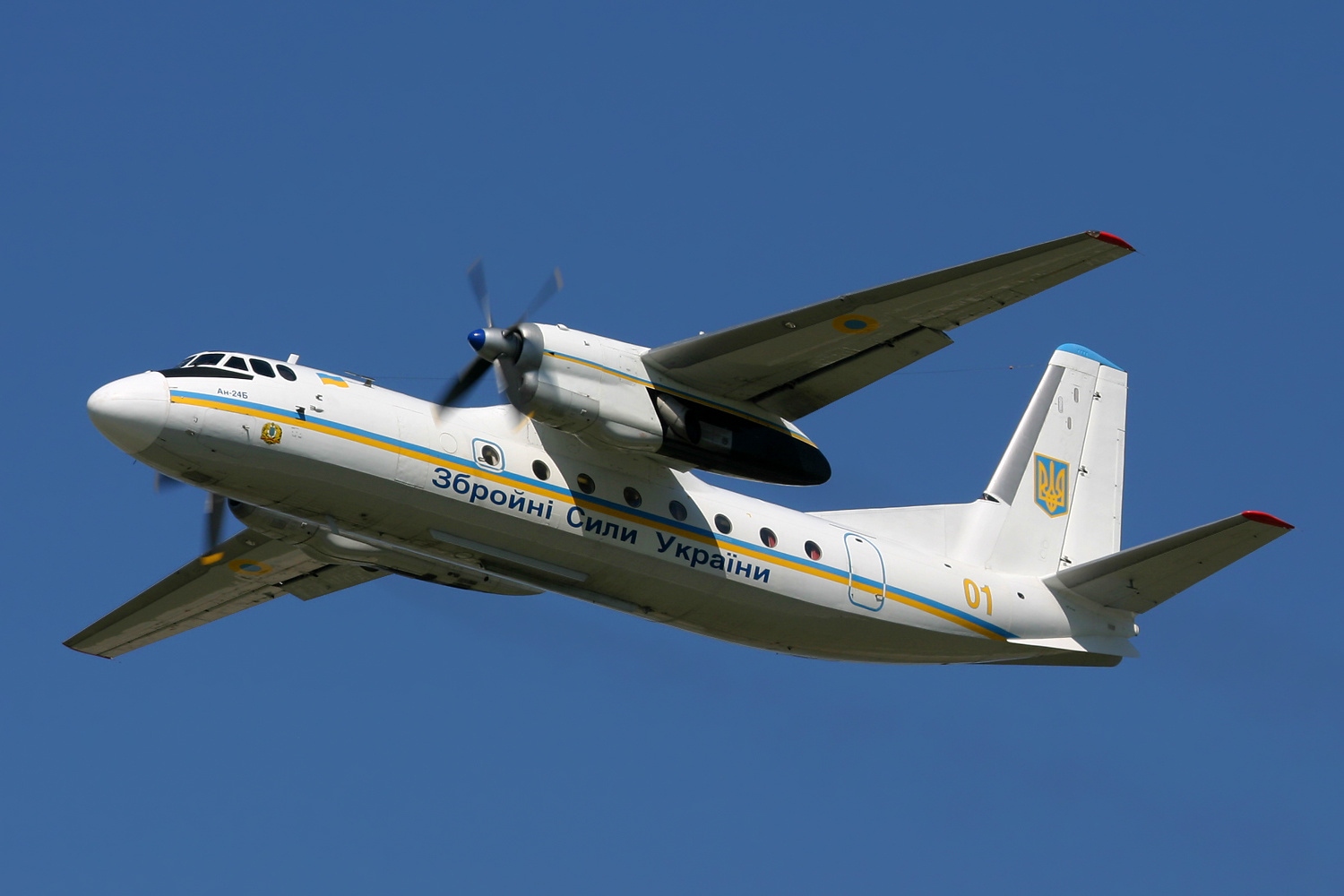
A devastating aviation disaster unfolded in Russia's remote Far East on Thursday as an Angara Airlines Antonov An-24 passenger aircraft carrying approximately 49 people, including five children, disappeared from radar contact before crashing in the Amur region. The incident has prompted a massive search and rescue operation in one of Russia's most isolated territories, located near the Chinese border.
Flight Details and Initial Contact Loss
The An-24 aircraft was operating on the Khabarovsk-Blagoveshchensk-Tynda route when tragedy struck. The aircraft, operated by Siberia-based Angara Airlines, was headed for the town of Tynda in the Amur region and was believed to be just a few kilometers away from its destination when air traffic controllers lost contact. The timing of the contact loss suggests the aircraft encountered difficulties during its final approach phase, historically one of the most critical periods of flight operations.
According to emergency services, the An-24 "failed to make contact at a designated checkpoint a few kilometers from Tynda Airport", indicating that the aircraft had progressed normally through most of its scheduled flight path before the fatal incident occurred. The proximity to the destination airport has intensified the tragedy, as passengers and crew were mere minutes from completing what should have been a routine domestic flight.
Passenger and Crew Manifest
The human toll of this disaster is significant, with reports varying slightly on the exact number of people aboard. Regional governor Vasily Orlov stated that preliminary information indicated 43 passengers, including five children, and six crew members were onboard. However, other sources report 40 passengers, including two children, along with six crew members, highlighting the ongoing uncertainty as authorities work to establish definitive passenger manifests.
The presence of children among the passengers adds particular poignancy to the tragedy, representing families likely traveling for personal or business reasons within Russia's vast Far Eastern territories. The six crew members aboard were experienced aviators familiar with the challenging flying conditions that characterize aviation operations in Russia's remote regions.
Discovery of Wreckage
The search efforts, which began immediately after contact was lost, yielded tragic results within hours. Local emergency ministry officials confirmed that the plane dropped off radar near the Amur region, bordering China. Debris from the aircraft has been located in the eastern Amur region, with rescue teams discovering burning wreckage of the missing aircraft.
The discovery of burning debris suggests the aircraft suffered a catastrophic incident, though investigators will need to conduct thorough examinations to determine the exact sequence of events that led to the crash. The remote location of the wreckage site presents significant challenges for both rescue operations and subsequent investigation efforts.
Search and Rescue Operations
Governor Vasily Orlov confirmed that "all necessary forces and means have been deployed to search for the plane", demonstrating the scale of the emergency response in this sparsely populated region. The Amur region's vast wilderness and harsh terrain complicate rescue efforts, requiring specialized equipment and personnel capable of operating in challenging conditions.
The proximity to the Chinese border adds international dimensions to the search operation, though there is no indication that the aircraft crossed into Chinese airspace. Russian emergency services are coordinating the response, drawing upon resources from across the Far Eastern Federal District to support the operation.
Aircraft Background and Safety History
The Antonov An-24 is a Soviet-era twin-engine turboprop aircraft that has served as a workhorse for regional aviation across the former Soviet Union for decades. The crashed aircraft was operated by Angara Airlines, a Siberia-based carrier that specializes in regional services throughout Russia's vast territory.
Angara Airlines has experienced previous safety incidents involving An-24 aircraft. On July 11, 2011, Angara Airlines Flight 9007, an Antonov An-24 operating from Tomsk to Surgut, suffered an in-flight engine fire, prompting the crew to ditch the aircraft in the Ob River, resulting in seven fatalities among the 37 people on board. This history underscores ongoing safety challenges associated with aging Soviet-era aircraft operating in demanding conditions.
Regional Aviation Challenges
The Amur region represents one of Russia's most challenging aviation environments, characterized by extreme weather conditions, vast distances between airports, and limited infrastructure. Regional airlines like Angara serve as vital lifelines connecting remote communities with major population centers, making their services essential despite inherent operational risks.
The reliance on older aircraft types like the An-24 reflects economic realities facing regional carriers, which must balance operational costs against safety investments while serving routes that may not generate sufficient revenue to support newer, more expensive aircraft.
Investigation and Response
Russian aviation authorities have launched a comprehensive investigation into the incident, though the remote location and apparent destruction of the aircraft will complicate efforts to determine the exact cause. Investigators will examine weather conditions, mechanical factors, crew performance, and other variables that could have contributed to the tragedy.
The incident occurs against the backdrop of ongoing scrutiny of Russian aviation safety, particularly regarding older aircraft types and regional operators serving remote destinations. International aviation safety organizations will likely monitor the investigation's progress and recommendations.
Community Impact
The crash represents a devastating blow to the small communities served by the route, where aviation accidents have profound personal and economic impacts. The loss of life affects families across the region, while the disruption to air services impacts the mobility and connectivity that remote communities depend upon.
As rescue operations continue and investigation efforts begin, this tragedy serves as a stark reminder of the risks faced by those who maintain vital transportation links across Russia's vast and unforgiving landscape. The full extent of this disaster will become clearer as authorities work to account for all passengers and crew while seeking answers about what caused this devastating accident in Russia's Far East.
Read next
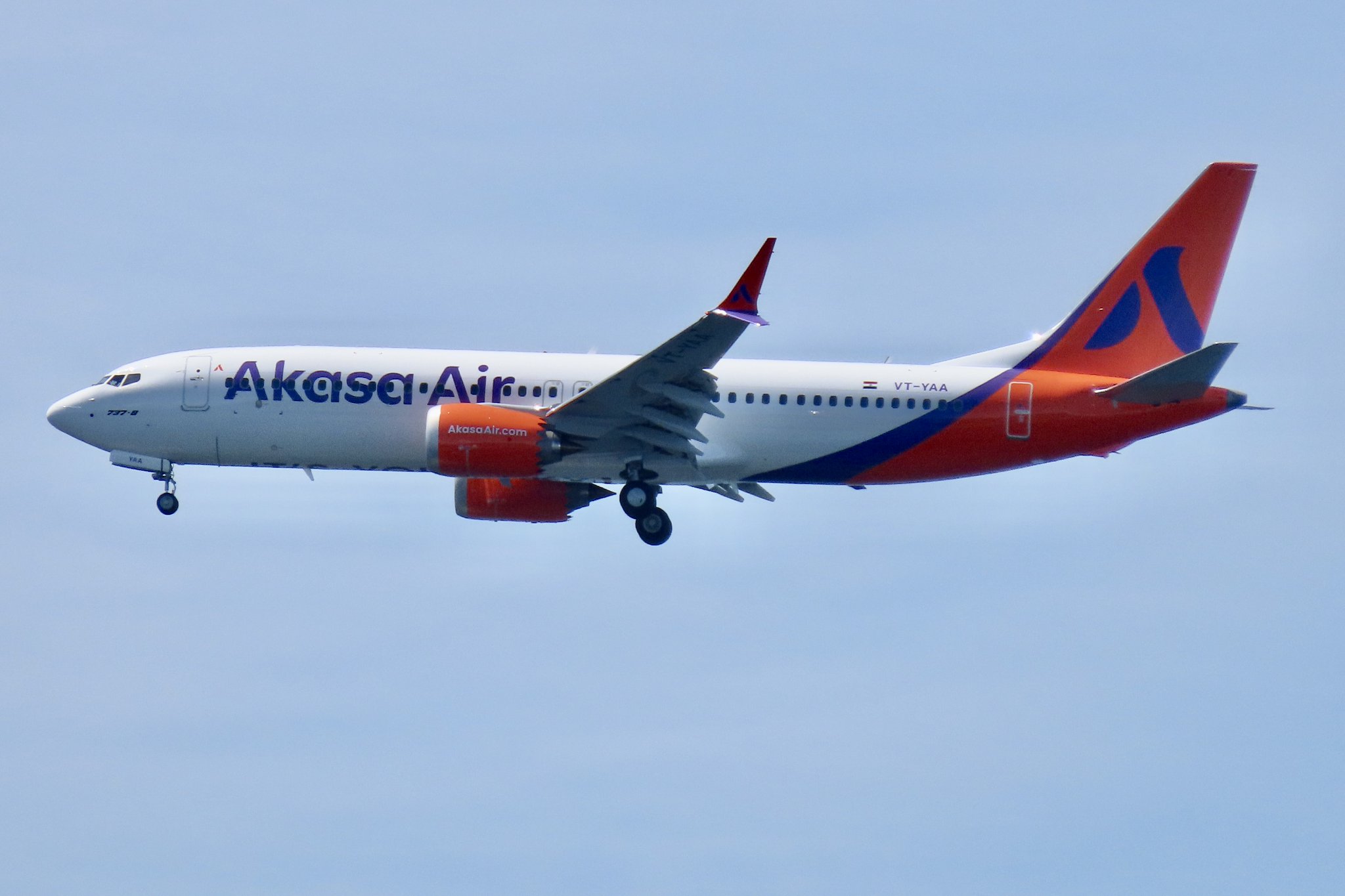
Akasa Air, India's rapidly expanding low-cost carrier, has established a comprehensive international network exclusively focused on Middle Eastern destinations during August 2025. Operating with its modern Boeing 737 MAX 8 fleet, the airline has strategically positioned itself to serve the substantial travel demand between India and the Gulf region, completing 533 scheduled flights across five key Middle Eastern destinations throughout the month.
Akasa Air's Strategic Middle East Focus
Akasa Air's international expansion has been methodical, with the airline launching daily direct flights connecting Abu Dhabi with Bengaluru and Ahmedabad in March 2025, and introducing its first international flight from Kochi to Jeddah in June 2025. This targeted approach reflects the airline's understanding of market dynamics, focusing on routes with high passenger demand driven by business travel, diaspora connections, and religious tourism.
The airline's exclusive Middle East strategy capitalises on the region's significance as a hub for Indian expatriate workers, business travellers, and pilgrims travelling to Saudi Arabia for religious purposes. This focused deployment allows Akasa Air to optimise operations, crew scheduling, and maintenance planning while building expertise in specific markets before expanding to other regions.
Route Network Analysis
According to Cirium aviation analytics data, Akasa Air's August 2025 international schedule demonstrates a well-balanced network serving 4 major Indian cities with connections to five Middle Eastern destinations. The route structure reveals strategic frequency allocation based on market demand and operational efficiency.
Akasa Air International Routes - August 2025
| Origin City | Destination City | Route Code | Monthly Flights | Total Route Flights |
|---|---|---|---|---|
| Mumbai (BOM) | Jeddah (JED) | BOM-JED | 79 | 158 |
| Jeddah (JED) | Mumbai (BOM) | JED-BOM | 79 | |
| Ahmedabad (AMD) | Abu Dhabi (AUH) | AMD-AUH | 31 | 62 |
| Abu Dhabi (AUH) | Ahmedabad (AMD) | AUH-AMD | 31 | |
| Bangalore (BLR) | Abu Dhabi (AUH) | BLR-AUH | 31 | 62 |
| Abu Dhabi (AUH) | Bangalore (BLR) | AUH-BLR | 31 | |
| Mumbai (BOM) | Abu Dhabi (AUH) | BOM-AUH | 31 | 62 |
| Abu Dhabi (AUH) | Mumbai (BOM) | AUH-BOM | 31 | |
| Mumbai (BOM) | Kuwait (KWI) | BOM-KWI | 31 | 62 |
| Kuwait (KWI) | Mumbai (BOM) | KWI-BOM | 31 | |
| Kochi (COK) | Jeddah (JED) | COK-JED | 19 | 38 |
| Jeddah (JED) | Kochi (COK) | JED-COK | 19 | |
| Mumbai (BOM) | Doha (DOH) | BOM-DOH | 18 | 36 |
| Doha (DOH) | Mumbai (BOM) | DOH-BOM | 18 | |
| Mumbai (BOM) | Riyadh (RUH) | BOM-RUH | 14 | 28 |
| Riyadh (RUH) | Mumbai (BOM) | RUH-BOM | 14 | |
| Ahmedabad (AMD) | Jeddah (JED) | AMD-JED | 13 | 26 |
| Jeddah (JED) | Ahmedabad (AMD) | JED-AMD | 13 | |
| Total | 533 | 533 |
Mumbai-Centric Operations
Mumbai emerges as Akasa Air's primary international hub, accounting for 286 of the 533 total flights (53.7% of operations).
The city serves five different Middle Eastern destinations, demonstrating its strategic importance for the airline's international network. The Mumbai-Jeddah route leads with 158 total flights, reflecting the strong demand for religious tourism and the substantial Indian Muslim population seeking Hajj and Umrah travel opportunities.
Mumbai's connectivity extends across the Gulf region with 62 flights each to Abu Dhabi and Kuwait, 36 flights to Doha, and 28 flights to Riyadh. This comprehensive coverage positions Mumbai as Akasa Air's gateway to the Middle East, leveraging the city's status as India's commercial capital and its large expatriate workforce in Gulf countries.

Multi-City Network Strategy
Beyond Mumbai, Akasa Air has strategically developed secondary hubs to capture regional demand. Abu Dhabi receives service from three Indian cities - Ahmedabad, Bangalore, and Mumbai - with 186 total flights, making it the most connected Middle Eastern destination. This reflects Abu Dhabi's role as a major business and tourism centre attracting travellers from across India.
Ahmedabad contributes 88 flights across two destinations (Abu Dhabi and Jeddah), serving Gujarat's substantial business community and religious travellers. Bangalore provides 62 flights exclusively to Abu Dhabi, catering to the technology sector's business travel needs and the city's growing international connectivity requirements.
Kochi's 38 flights to Jeddah represent a strategic addition to serve Kerala's significant Muslim population and the state's traditional connections to the Middle East through trade and employment.
Premium Offerings
Akasa Air enhances its international routes with comprehensive onboard facilities designed to ensure passenger comfort throughout Middle Eastern flights. The airline's signature "Café Akasa" in-flight dining service provides passengers with multi-cuisine meals, healthy options, and industry-first offerings like Kombucha, setting new standards for low-cost carrier dining experiences.
The cabin experience emphasises comfort with soft seat cushions and ample legroom, while USB charging ports on most aircraft ensure passengers remain connected during flights. The airline has also pioneered inclusive services, providing Braille safety cards and menu cards for visually impaired passengers, demonstrating commitment to accessibility.
While Akasa Air currently does not offer in-flight Wi-Fi or entertainment systems, the airline encourages passengers to download content beforehand and focuses resources on tangible comfort improvements and service quality.
Future Growth
Akasa Air's concentrated Middle East strategy positions the airline as a specialised carrier serving one of India's most important international corridors. The 533 monthly flights across five destinations demonstrate the airline's commitment to frequency and connectivity, essential factors for business travellers and diaspora communities.
The airline has indicated plans for future expansion beyond the Middle East, with potential destinations including Hong Kong, Dubai, Sharjah, Vietnam, Laos, Tashkent, and Bali, focusing on high leisure markets and diaspora destinations. However, the current Middle East concentration allows Akasa Air to establish operational expertise and market presence before diversifying geographically.
Operational Excellence
The August 2025 schedule represents Akasa Air's mature international operations, building on the experience gained since launching international services. The airline's Boeing 737 MAX 8 fleet provides optimal capacity and range for Middle Eastern routes, while the frequency distribution ensures regular connectivity for business and leisure travellers.
Akasa Air's international network in August 2025 demonstrates strategic focus, operational efficiency, and commitment to serving India's substantial Middle Eastern travel demand. The 533 monthly flights across five destinations establish the airline as a significant player in the India-Middle East corridor, providing passengers with reliable connectivity, modern aircraft, and enhanced service standards that differentiate it in the competitive international market.
Read next
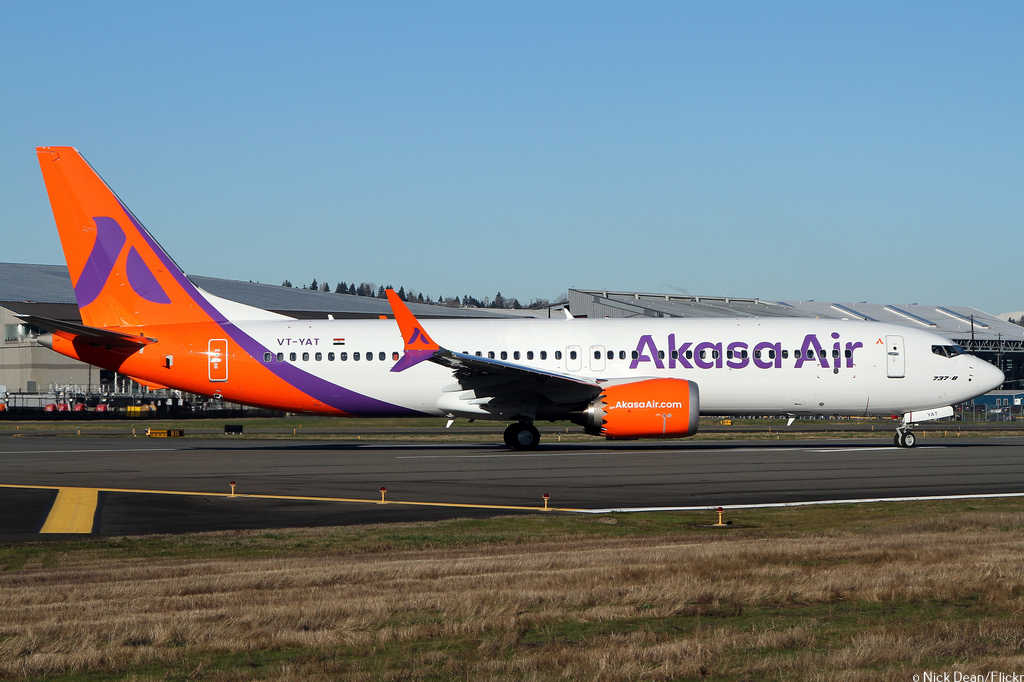
When a fledgling airline posts a near?50% year?on?year revenue surge in FY25, you sit up and take notice. Akasa Air, India’s third?largest carrier by market share, has been turning heads—and tables—on typical low?cost dynamics. But is this takeoff sustainable? Let’s unpack the numbers, the fleet story, and what lies ahead.
Financial Takeoff: FY25 Metrics

Akasa’s CFO, Ankur Goel, reports some stunning figures for the last fiscal year:
- Revenue growth: +49% y?o?y
- ASK (Available Seat Kilometers) jump: +48% y?o?y
- Fleet expansion: +50% (to 30 Boeing 737 MAXs)
Despite being a young operator, Akasa’s
- RASK (Revenue per ASK): 13%
- CASK (Cost per ASK, incl. fuel): <10%
That gap is what every airline CFO dreams of. And with EBITDA margins improving by 50% over FY24, the runway looks clear—if they can keep the momentum.
Fleet Expansion: Orders, Deliveries, and Projections

Since launch, Akasa has inked three major Boeing 737 MAX deals:
- 2021: 72 aircraft
- 2023: +4 aircraft
- 2024: +150 aircraft
Total order book: 226 jets (30 delivered so far; 196 to come by 2032).
Goel hints FY26 may see even more deliveries than planned—targeting a 25–30% fleet growth every year.
Boeing Partnership: A Smooth Ascent
“Not many airlines can induct 30 aircraft in 2–3 years,” Goel quipped, praising Boeing’s support. With early MAX?family teething issues largely behind them, negotiations now revolve around “how soon can we get our planes?” That close collaboration could mean even faster network expansion, especially with Navi Mumbai and Noida airports coming online.
International Ambitions: Beyond Domestic Borders

Today, roughly 16% of Akasa’s flights are international. The goal: 20–25% by year’s end. Stronger bilateral rights—especially to the Middle East—and the MAX’s 6?hour range unlock Southeast Asia routes too.
Charting the Future: What’s Next?
- ASK growth: +30% projected for FY26
- RASK trajectory: Upward trend seen in first 7 months of FY25 and 4 months of FY26
- Cost control: Further CASK reductions in sight
If Akasa keeps beating its own projections, that curious question— “Is this just the beginning?”—might soon have an emphatic “Yes!” as an answer.
TL; DR
- Revenue up 49%, ASK up 48%, fleet up 50% in FY25.
- RASK/CASK gap of ~5 percentage points driving margin improvements.
- 226 Boeing 737 MAX orders (30 delivered; 196 more by 2032).
- EBITDA margins jumped 50% versus FY24—profitability within view.
- International share to climb from 16% to ~25%.
- ASK guidance: +30% in FY26; fleet to grow 25–30% annually.
With Inputs from Mint
Read next
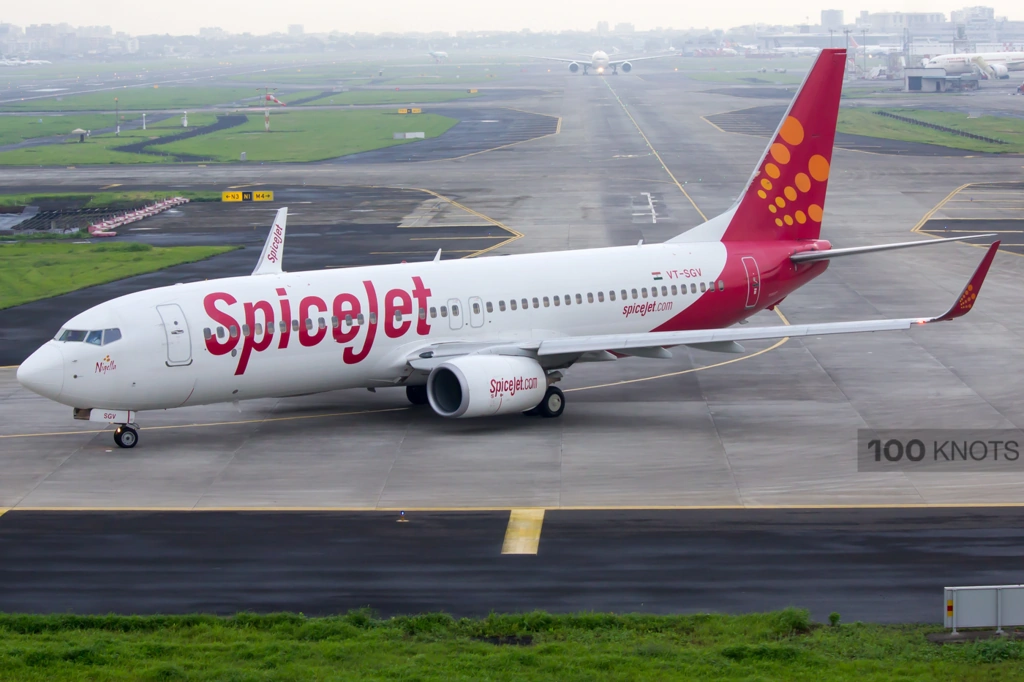
Imagine gearing up for takeoff only to have runway lights extinguished mid-air. That’s precisely how SpiceJet must have felt on July 23, 2025, when the Supreme Court of India dismissed Kalanithi Maran–backed KAL Airways’ appeal for a staggering Rs.1,300?crore in damages. It wasn’t just another courtroom drama—it was the final descent in a decade-long promoter saga that reshaped how corporate disputes navigate the Indian aviation landscape.
Background of a High-Stakes Promoter Dispute
2010–2015: The Rise and Fall of KAL Airways’ Stake
Between 2010 and 2015, KAL Airways, under the aegis of media baron Kalanithi Maran, held a commanding 58.5?% stake in SpiceJet. Riding on that equity wave, Maran was poised to influence the budget carrier’s strategic direction—until financial headwinds forced a dramatic pivot.
The Rs.1,500?Crore Takeover Deal
In early 2015, Ajay Singh swooped in, acquiring Maran’s stake for a nominal Rs.2 but assuming liabilities north of Rs.1,500?crore. It sounded like a rescue mission on paper—but buried in the fine print were clauses and transactions that would later spark fierce legal crosswinds.
Convertible Warrants and Preference Shares: The Money Trail
Rs.679?Crore Paid, No Shares Issued
As part of the takeover, Maran and KAL Airways paid Rs.679?crore for convertible warrants and preference shares. Yet, under Singh’s stewardship, those instruments never materialized—a discrepancy Maran saw as grounds for recovery.
How Convertible Warrants Work
Think of warrants as airline upgrade vouchers: they promise the holder a future stake—if and when exercised.
Preference Shares in Corporate Finance
Preference shares pay fixed dividends and prioritize investors in liquidation—making their non-issuance a serious breach of trust.

Arbitral Tribunal’s First Verdict (July 2018)
Claim Denied, Partial Refund Ordered
In July 2018, a three-judge arbitral tribunal—retired Supreme Court justices at the helm—rejected the Rs.1,323?crore damages claim but ordered SpiceJet to refund Rs.579?crore plus interest. It was a split runway: claims grounded, partial landing approved.
Panel of Retired SC Judges
The tribunal’s stature added weight: former constitutional luminaries, now arbitrators, dissected complex finance before delivering a mixed verdict.
Delhi HC’s Single-Judge Rejection (July 2023)
Challenges Under the Arbitration Act
Both sides challenged portions of the arbitral award under Sections 34 and 37 of the Arbitration and Conciliation Act, 1996—sparking parallel court battles.
Grounds for Dismissal
In July 2023, a single-judge bench of the Delhi HC dismissed Maran’s challenge outright—citing procedural defects and insufficient evidence to revisit the tribunal’s conclusions.
Division Bench’s Remand and Further Appeals (May 2024)
Fresh Consideration Under Section 34
A division bench partially overturned the single-judge order in May 2024, remanding the matter for fresh consideration on strict Section 34 grounds.
Why the Division Bench Sent It Back
They sought clarity on whether the tribunal’s narrower refund award truly captured Maran’s rights—extending the legal holding pattern by months.
Delhi HC’s “Calculated Gamble” Ruling (May 23, 2025)
Condonation of Delay Denied
On May 23, 2025, the Delhi HC division bench slammed Maran’s reflights: condonation of delay was refused. The court accused the appellants of “willful concealment” and strategic dithering.
“Deliberate and Willful Concealment” Explained
In stark language, the bench called the saga a “calculated gamble”—stalling appeals to see which judgments stuck, then pouncing on the most favorable one.
The Final Stop: Supreme Court’s Dismissal (July 23, 2025)
Apex Court’s Reasoning
On Wednesday, a vacation bench upheld the HC’s May 23 verdict wholesale, emphasizing that Maran and KAL Airways missed crucial deadlines and kept key facts under wraps—two cardinal sins in civil procedure.
Implications for SpiceJet
For SpiceJet, the SC ruling is a legal tailwind: it all but extinguishes a Rs.1,323?crore overhang, bolstering its balance sheet and investor confidence in a turbulent market.

Lessons for Corporate Litigants
Timeliness Is Everything
Court calendars move at glacial speeds—miss a filing deadline, and you risk the bench calling it quits.
Full Disclosure Beats “Strategic Silence”
Hiding facts may feel tactical, but judges frown on gamesmanship. Transparency often wins the day.
Impact on Aviation Sector Confidence
Lender and Lessors’ Perspective
Banks and leasing companies will sleep easier knowing promoter disputes can’t linger indefinitely.
Promoter Disputes in India’s Fast-Growing Market
As India’s aviation boom accelerates, clean governance and swift dispute resolution become non-negotiable.
Anatomy of the Rs.1,323?Crore Claim

- Rs.679?Crore: Paid for warrants & preference shares
- Rs.579?Crore + Interest: Ordered refund by tribunal
- Rs.744?Crore: Additional damages originally sought
- Rs.1,323?Crore: Total claim rejected by SC
What’s Next for Kalanithi Maran & KAL Airways?
With the SC’s stamp of finality, Maran’s avenues have all but evaporated. Could he pivot to negotiation or accept the tribunal’s partial refund? Only time will tell—but one thing’s clear: the legal fuel tank is empty.
Conclusion: Grounded Outcomes, Clear Skies Ahead
Corporate battles can be bumpy—full of technicalities, deadlines, and unexpected gusts. But the SpiceJet–KAL Airways saga reminds us that timely action and full transparency are non?negotiable. For SpiceJet, the verdict is uplifting: a substantial liability lifted, a clearer runway for growth. For litigants everywhere, it’s a cautionary tale: play fair, file on time, or prepare for a hard landing.
TL; DR
- Supreme Court on July 23, 2025, dismissed KAL Airways’ Rs.1,323?crore damages appeal against SpiceJet.
- Legal battle spanned from a 2015 stake sale, through an arbitral award (Rs.579?crore refund), Delhi HC rulings, to final SC closure.
- Delhi HC labeled Maran’s tactics a “calculated gamble” for stalling appeals.
- SC upheld dismissal—no damages, no further refund.
- Lesson: transparency and punctuality are paramount in corporate litigations.
With Inputs from CNBC TV18
Comment