
Aviation Infrastructure Push Could Rewrite Northeast India's Economic Future

Jaideep Mirchandani
18 Nov 2025

The Ministry of Civil Aviation convened a landmark gathering in Itanagar, Arunachal Pradesh this September, bringing together regional ministers and aviation stakeholders for the North East Region Ministers' Conference on Civil Aviation and the 3rd North East Aviation Summit. The event spotlighted a transformative vision: leveraging aviation infrastructure to unlock the Northeast's economic potential and bridge the connectivity gap that has long hindered the region's development.
Connectivity as a Catalyst for Regional Transformation
Jaideep Mirchandani, group chairman of Sky One, emphasizes that thoughtfully designed connectivity solutions can reshape a region's socio-economic landscape in profound ways. The aviation executive explains that improved access to markets and emergency services directly translates into entrepreneurial opportunities and expanded trade networks. Tourism sectors gain momentum, employment opportunities multiply, and previously underserved communities find themselves empowered with new economic pathways.
The Northeast faces a particular challenge that robust aviation infrastructure can address head-on. Mirchandani points out that strengthening air connectivity will dramatically reduce both the cost and time required to transport goods across the region, creating ripple effects throughout the local economy. This efficiency gain stands to enhance the Northeast's overall growth trajectory and competitive positioning.
Measuring Progress and Building Momentum
The region has already witnessed tangible progress. Airport infrastructure has expanded significantly, with operational facilities growing from nine in 2014 to sixteen today. Domestic passenger traffic has surged upward in response, demonstrating real demand for improved connectivity. The UDAN scheme has played a crucial role in this expansion, streamlining connections to airports in areas that stakeholders once considered too remote for viable commercial aviation.
Mirchandani views the increasing interest from major industry players as a positive indicator for the region's future. He anticipates that additional heliports and cargo facilities will emerge as the aviation ecosystem matures, bringing further benefits to Northeast communities.
Government Support Fuels Future Development
The Union Civil Aviation Ministry recently announced a strategic initiative that Mirchandani describes as a game-changer: four complimentary pre-feasibility studies annually for new Greenfield airports in the Northeast. This commitment from the Centre removes a significant barrier to airport development by eliminating the upfront costs associated with project planning. Mirchandani predicts this support will encourage stakeholders to pursue more aviation projects, potentially creating an expansive network that links remote areas with major commercial hubs and attracts both trade and investment.
Tourism and Employment Opportunities Take Flight
The Northeast possesses immense cultural richness and stands ready to emerge as a tourism hotspot, Mirchandani notes. Aviation-driven development will create employment opportunities spanning multiple sectors, from hospitality and travel services to indigenous crafts and artisanal industries. Local youth who receive proper training will access technical positions within the aviation ecosystem itself, while training facilities and aviation academies can cultivate a skilled workforce drawn from the region.
Sustaining the Aviation Boom
Mirchandani concludes that lasting success requires establishing clear, measurable objectives, identifying potential obstacles, allocating necessary resources, and regularly reviewing progress. The region needs comprehensive long-term planning, strict timeline adherence, private-sector expertise, and operational support including MRO facilities. These elements will determine whether the Northeast's aviation expansion delivers commercially viable and environmentally sustainable growth that endures beyond initial enthusiasm.
Read next
Why Is Wizz Air Racing to Train 1,200 Pilots Before 2028—And Can Budget Airlines Solve Aviation's Crew Shortage?

Abhishek Nayar
18 Nov 2025
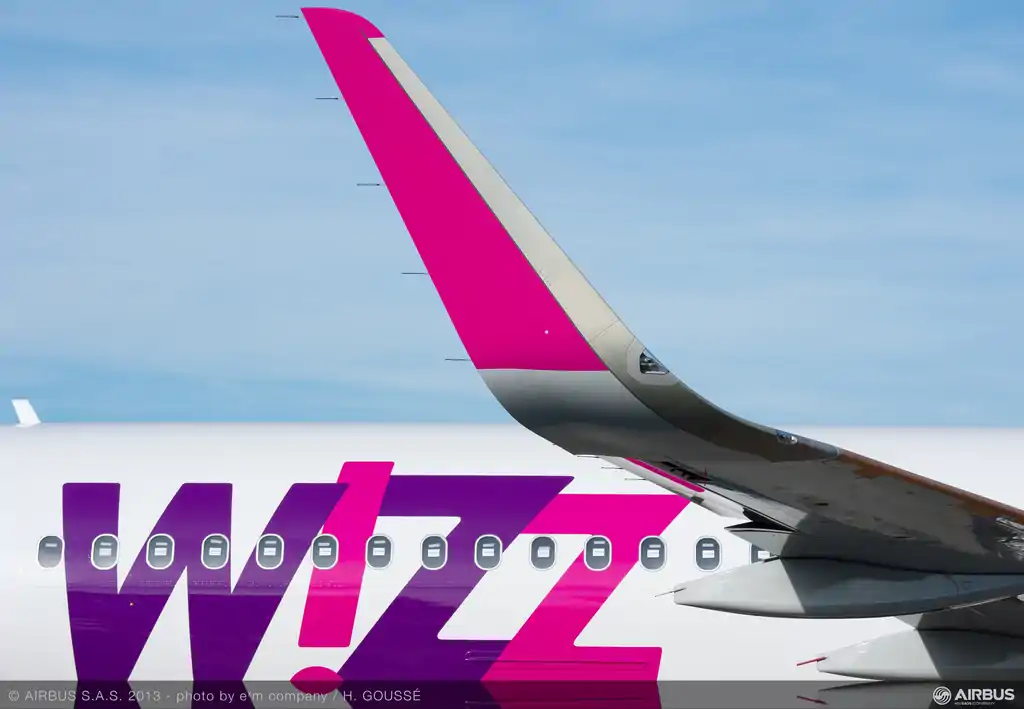
European budget carrier Wizz Air has launched an aggressive recruitment drive that aims to transform 1,200 aspiring aviators into fully qualified pilots by 2028, including 240 cadets based in the United Kingdom. The Budapest-based airline unveiled this initiative through its Wizz Air Pilot Academy, signaling a major investment in human capital as it prepares for unprecedented expansion across its European and Middle Eastern routes.
From Application to Airbus: The Journey Begins
The airline has designed a comprehensive pathway that welcomes candidates with zero flying experience, targeting both fresh graduates and professionals seeking career changes. Wizz Air operates one of Europe's youngest fleets and now offers these recruits a structured route into commercial aviation that spans roughly two and a half years from initial selection to cockpit.
Candidates begin with a rigorous six-month selection phase that tests their aptitude for professional flying. Those who succeed enter approximately two years of intensive flight training delivered through approved training organizations partnered with the academy. Graduates emerge qualified to serve as First Officers on Airbus A320 and A321 aircraft, flying passengers across Wizz Air's extensive network.
Financial Structure and Entry Requirements
Wizz Air has introduced improved financial arrangements for tuition fees, though specific details remain tied to individual circumstances. The airline requires candidates to hold legal residence and work authorization in one of its operational base countries, be at least eighteen years old, demonstrate English fluency, and possess the physical capability to swim fifty meters without assistance.
Interestingly, the carrier has participated in recruitment events like Pilot Careers Live Dublin despite not currently operating commercial flights to or from Ireland, suggesting strategic interest in tapping into Ireland's established aviation talent pool.
The Career Progression and Earning Potential
The financial pathway offers substantial incentives for successful cadets. Trainees can expect approximately forty thousand pounds during their training period, which rises to sixty thousand pounds upon qualifying as First Officers. Pilots reaching their two-year milestone typically earn around ninety thousand pounds, while those advancing to Captain positions can command salaries approaching two hundred thousand pounds annually.
Supporting a Fleet Revolution
Industry observers connect this recruitment surge directly to Wizz Air's ambitious fleet expansion plan. The carrier targets five hundred aircraft by 2030, positioning itself to transport over one hundred million passengers yearly. This growth relies heavily on its substantial Airbus A321neo order book, which promises enhanced fuel efficiency and reduced environmental impact.
Captain Phil Cullen, who serves as Head of Operations and Accountable Manager at Wizz Air UK, described the programme as a significant investment that strengthens both aviation's future and the UK's economic foundation. He emphasized that the initiative creates stable, long-term career opportunities for young people entering an industry traditionally characterized by lengthy qualification timelines.
Candidates interested in applying can access the airline's careers portal, selecting the Cadet Pilot Program and then Pilot Academy options to begin their multi-stage assessment journey.
With Inputs from Aviation Today
Read next
Indian Airlines' 1,700-Aircraft Order Creates Urgent Hunt for 30,000 Pilots
Abhishek Nayar
17 Nov 2025

Union Civil Aviation Minister K Ram Mohan Naidu revealed on Saturday that India faces an unprecedented challenge in pilot recruitment as domestic carriers prepare to absorb 1,700 newly ordered aircraft. The minister addressed this critical manpower gap during a session at the CII Partnership Summit, emphasizing that the nation will require approximately 30,000 additional pilots to operate this massive fleet expansion.
Current Aviation Landscape Reveals Staffing Crisis
The minister provided crucial context about India's existing aviation workforce. The country currently operates 834 aircraft with roughly 8,000 licensed pilots on record. However, a significant portion of this pilot pool remains inactive, with 2,000 to 3,000 pilots not currently flying commercial routes. This situation becomes more pressing when Indian carriers have already committed to orders with major manufacturers including Boeing and Airbus for 1,700 new aircraft.
Naidu explained the mathematical reality behind the pilot shortage. Operating a single aircraft on proper commercial schedules requires between 10 to 15 pilots per plane to maintain routing flexibility and comply with mandatory rest periods. When airlines multiply 1,700 incoming aircraft by this ratio, the demand surges to between 25,000 and 30,000 new pilots. This calculation represents one of the largest pilot recruitments challenges any nation has faced in recent aviation history.
Training Infrastructure Needs Urgent Expansion
The minister identified Flying Training Organizations as the bottleneck in addressing this manpower crisis. Current FTOs across India produce only limited numbers of certified pilots annually, falling far short of meeting the projected demand. Naidu stressed that expanding this training ecosystem becomes essential for sustaining India's aviation growth trajectory.
The minister also announced the government's consideration of establishing dedicated cargo airports, drawing inspiration from FedEx's specialized facility in the United States. This infrastructure development aims to support India's growing logistics sector alongside passenger aviation expansion.
Economic Ripple Effects Extend Beyond Aviation
Naidu highlighted remarkable employment multiplier effects within Indian aviation. Each direct aviation job creates 15 indirect employment opportunities across related sectors, significantly exceeding the International Air Transport Association's global estimate of six indirect jobs per aviation position. This amplification makes pilot training and aviation sector development crucial for broader economic growth.
The minister pointed to India's daily passenger traffic as evidence of the sector's vitality. An average of 480,000 passengers fly daily across Indian skies, with November 10 marking a milestone when 530,000 passengers traveled in a single day. These numbers underscore why India requires comprehensive skilling and training programs to support this expanding aviation ecosystem. The government recognizes that without addressing the pilot shortage immediately, this growth trajectory faces serious constraints.
Read next

Bengaluru-headquartered regional carrier Star Air has secured Rs.150 crore in Series B funding to propel its ambitious fleet expansion strategy. The airline announced this significant capital infusion as part of a larger fundraising effort that positions it for substantial growth in India's competitive aviation sector.
Major Investors Back Regional Carrier's Vision
A consortium of prominent investors led this funding round, bringing together diverse business expertise. Pharmaceutical giant Micro Labs Limited joined forces with Deepak Agarwal of Bikaji Foods, alongside other marquee investors, to back Star Air's expansion plans. The airline, which operates under the Sanjay Ghodawat Group, revealed it plans to raise an additional Rs.200 crore to complete its fundraising objectives.
Strategic Deployment Across Multiple Verticals
CEO Simran Singh Tiwana outlined how Star Air will deploy these funds across three critical operational areas. The airline will accelerate its fleet expansion program while simultaneously enhancing route efficiency across its network. Additionally, the carrier plans to strengthen its non-scheduled operations, commonly known as charter flights, and bolster its maintenance and research capabilities.
"The funds will enable us to accelerate fleet expansion, enhance route efficiency, and further invest in NSOP and MRO capabilities," Tiwana stated, emphasizing the multi-pronged approach to growth.
Ambitious Five-Year Growth Trajectory
Star Air has set an aggressive expansion target that will fundamentally transform its operational scale. The airline currently operates nine aircraft across its network. However, management envisions growing this fleet to fifty aircraft by 2030, representing a more than fivefold increase within six years. This expansion timeline suggests the airline will add approximately seven aircraft annually to meet its target.
Positioning in Regional Aviation Market
This capital raise comes at a strategic moment for regional aviation in India. Star Air operates as a regional carrier, focusing on connecting tier-two and tier-three cities that remain underserved by major national carriers. The airline's expansion strategy addresses the growing demand for improved connectivity across smaller urban centers throughout the country.
The investment in maintenance and research operations signals Star Air's commitment to building sustainable infrastructure rather than relying solely on third-party service providers. This vertical integration approach could provide the airline with greater operational control and potentially reduce long-term costs as the fleet expands.
The participation of investors from diverse sectors—pharmaceuticals and food manufacturing—demonstrates confidence in India's aviation growth story beyond traditional aviation-focused investors. Their involvement suggests strong fundamentals in Star Air's business model and growth projections that appeal to investors seeking exposure to India's expanding domestic travel market.
With Inputs from The Hindu
Read next

Singapore Airlines confronted investors Thursday with sobering financial results that revealed how its Indian expansion strategy now threatens profitability. The carrier's first-half performance showed net profit tumbling to S$239 million, a dramatic 68% collapse from the S$742 million earned during the same period last year.
Air India Integration Creates Unexpected Turbulence

The airline's troubles intensified sharply during the second quarter, when profit plummeted from S$186 million in the opening quarter to just S$52 million. This steep quarterly decline exposed the painful reality of Singapore Airlines' 25.1% stake in Air India, which the carrier began accounting for in December 2024 following the merger of joint venture Vistara into Air India.
The numbers tell a stark story about this partnership. Associated company results crashed by S$417 million, with Air India's losses creating the overwhelming bulk of this decline. Singapore Airlines now finds itself absorbing significant losses from an airline market known for razor-thin margins and fierce competition.
Revenue Growth Fails to Offset Mounting Pressures
Despite achieving record first-half revenue of S$9.68 billion, representing a modest 1.9% increase, Singapore Airlines struggled to convert this top-line growth into bottom-line success. The airline encountered multiple headwinds simultaneously. Intensifying competition across key markets compressed yields, even as passenger demand remained robust and fuel costs declined.
Rising non-fuel expenses from inflation and network expansion consumed most of the savings from cheaper jet fuel, pushing overall costs steadily higher. This cost squeeze left the airline's earnings well below analyst expectations, missing the S$341.9 million consensus estimate compiled by Visible Alpha.
Management Responds with Shareholder Sweeteners
Recognizing investor disappointment, Singapore Airlines unveiled a comprehensive capital return strategy designed to maintain shareholder confidence. The carrier announced a three-year special dividend program totaling approximately S$900 million, distributing 10 Singapore cents per share annually. The airline complemented this with an interim dividend of 5 Singapore cents per share.
Management expressed optimism about travel demand heading into the year-end holiday rush, attempting to reassure investors that current challenges represent temporary headwinds rather than structural problems.
Cargo Operations Add Another Layer of Uncertainty
The airline's cargo division faces its own distinct challenges. After flagging unpredictable demand during the first quarter due to global tariff concerns, the cargo business continues struggling with yield pressure. Airlines have shifted capacity away from United States routes despite rising cargo volumes, creating an oversupply situation that depresses pricing power.
Industry analysts attribute much of the profit decline to market normalization following the post-pandemic travel boom. Lorraine Tan, director at Morningstar, noted the drop aligns closely with forecasts projecting a 74% decline for fiscal 2026, explaining that passenger yields are returning to pre-COVID levels after several years of elevated pricing. Singapore Airlines now navigates this new reality while managing unexpected losses from its Indian investment.
With Inputs from Reuters
Read next
Can Airbus Still Hit Its Ambitious 2025 Target After October's Mixed Performance?
Abhishek Nayar
14 Nov 2025

The commercial aircraft manufacturing landscape showed contrasting fortunes in October 2025, with both Airbus and Boeing navigating complex production challenges while racing against year-end delivery targets. The data reveals a fascinating story of industrial ambition colliding with operational reality.
Boeing delivered 53 aircraft during October, comprising 40 narrowbody jets and 13 widebody aircraft. This figure fell slightly short of the 55 deliveries Boeing achieved in September. The breakdown included 39 737 MAX aircraft, a single 737NG, four 767s, two 777s, and seven 787 Dreamliners. The 737 MAX program has maintained remarkable consistency, hovering between 38 and 40 deliveries monthly. Boeing recently received Federal Aviation Administration approval to increase production from 38 to 42 aircraft per month, which should boost delivery numbers in coming months.
Airbus demonstrated stronger monthly performance with 78 aircraft deliveries, representing an increase from the 73 deliveries recorded in September. The manufacturer handed over 68 narrowbody jets and 10 widebody aircraft. The narrowbody count included four A220s, 64 aircraft from the A320neo family, while widebody deliveries consisted of three A330s and seven A350s. However, these numbers reveal a challenging mathematical reality for the European manufacturer.
The Race Against Time
Airbus faces a daunting challenge to reach its 2025 target of 820 aircraft. With 585 deliveries completed through October 31st, the company needs to average 117 deliveries monthly across November and December. This represents a substantial acceleration beyond current production rates. The A320neo family bears the heaviest burden, requiring 101 deliveries across the final two months, significantly exceeding the program's long-term production target of 75 aircraft monthly.
Boeing appears to have set more achievable expectations. Forecast International projects 590 total deliveries for Boeing in 2025, which would require averaging just under 49 aircraft monthly through year-end based on the 493 deliveries completed through October. This target seems considerably more attainable given current production rates.
Program-Specific Challenges
The A350 widebody program continues struggling with consistency. Airbus delivered seven A350s in October after managing just one in September, averaging only four aircraft monthly throughout 2025. This performance falls well short of the manufacturer's six-aircraft-per-month production target. Analysis suggests Airbus has effectively abandoned near-term plans to increase A350 production to 10 aircraft monthly, instead focusing on stabilizing output at the existing six-aircraft target.
Boeing's 787 program shows more encouraging signs. The manufacturer delivered seven Dreamliners in October, supported by a stabilized production rate of seven aircraft monthly. Boeing targets increasing this rate to eight aircraft monthly, followed by 10 monthly in 2026. Meanwhile, the 777X program faces continued delays, with the first delivery now pushed from 2026 into 2027 due to ongoing certification challenges.
The order book tells another story entirely. Boeing secured 836 gross orders through September 30th compared to Airbus's 722 orders, suggesting stronger market confidence despite production challenges. October brought 15 additional orders for Boeing and 112 for Airbus, including a significant 100-aircraft A321neo order from Vietjet.
With Inputs from Flight Plan
Comment