
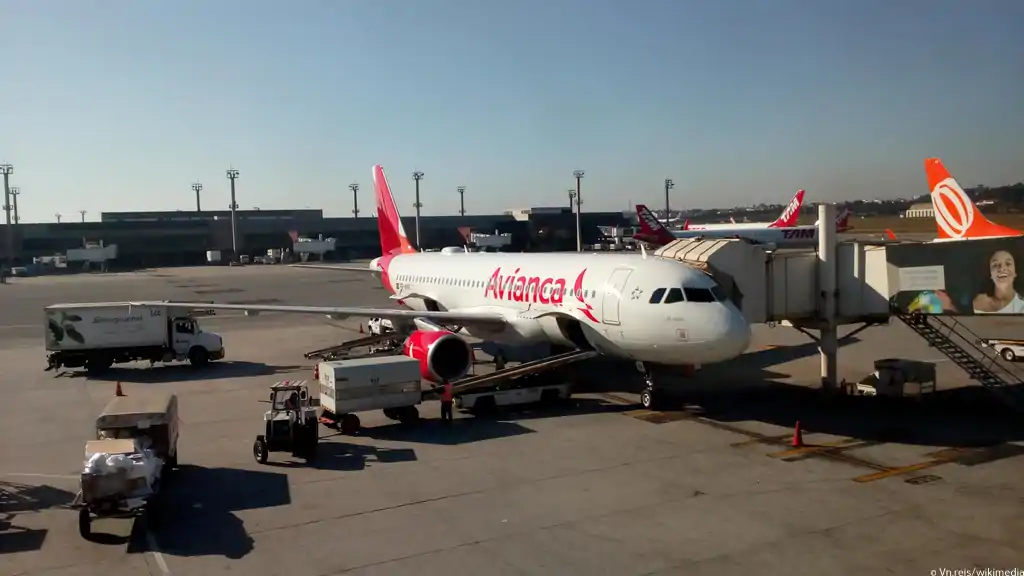
In December 2021, Avianca Group emerged from the shadows of bankruptcy, marking a significant turning point in its century-long history. The Latin American airline, once on the brink of collapse due to the ravages of the COVID-19 pandemic, has not only survived but thrived with a daring growth strategy. Let's delve into the remarkable journey of Avianca, from the depths of financial crisis to its current position as one of South America's aviation giants.
Climbing Out of Bankruptcy
Avianca's story of resilience begins with its Chapter 11 bankruptcy filing in May 2020, a move triggered by the pandemic-induced travel restrictions that paralyzed air travel globally. Alongside peers like LATAM Airlines Group and Aeromexico, Avianca faced unprecedented challenges as passenger numbers plummeted, and aircraft remained grounded.
Under the leadership of CEO Anko van der Werff, Avianca navigated through the storm, making tough decisions such as the closure of its Peruvian subsidiary to refocus on core markets. The airline reevaluated its business strategy, recognizing the need to adapt to the changing landscape dominated by low-cost carriers.
A New Flight Path: Growth and Expansion
Emerging from bankruptcy in December 2021, Avianca wasted no time in charting a course for growth. The airline unveiled a bold strategy aimed at doubling its network by the end of 2025, signaling its intent to reclaim its position in the Latin American aviation market.
Central to its expansion plan was a shift towards point-to-point routes and the streamlining of its fleet to enhance cost efficiency. Investments totaling $200 million were earmarked for cabin renewal, with the introduction of lighter seats and increased capacity on narrowbody aircraft. Avianca also redefined its fleet composition, maintaining a hybrid model with a mix of widebody and narrowbody aircraft to cater to different market segments.
Point-to-Point Strategy Pays Off & International Expansion
Avianca's hybrid model, combining hub-and-spoke operations with point-to-point routes, proved to be a winning formula. Despite the risks inherent in such a strategy, the airline saw significant success in expanding its route network and increasing passenger traffic. CEO Frederico Pedreira emphasized the importance of agility and adaptability in responding to market dynamics, even if it meant some routes didn't meet expectations.
Avianca's ambitions extended beyond its home turf, with a renewed focus on international expansion. The relaunch of its Bogotá to Paris route symbolized a triumphant return to a market it had previously explored. With plans to compete against established players like Air France, Avianca showcased its determination to carve out a niche in the fiercely competitive transatlantic market.
Continued Success and Recognition
The airline's expansion efforts bore fruit in 2023, a historic year marked by record passenger numbers and the opening of 18 new routes. Avianca's commitment to affordability and punctuality earned it accolades, with Cirium ranking it as the most punctual airline in the world for the year.
Conclusion
Avianca's journey from bankruptcy to expansion serves as a testament to its resilience and adaptability in the face of adversity. With a strategic focus on affordability, efficiency, and innovation, the airline has repositioned itself for sustained growth in the dynamic aviation industry. As Avianca continues to soar to new heights, its story stands as an inspiring example of overcoming challenges and embracing opportunities in pursuit of success.

Read next
Australia's Aviation Industry Faces Turbulence Amidst Firefighter Strike Threat
Abhishek Nayar
02 Apr 2024
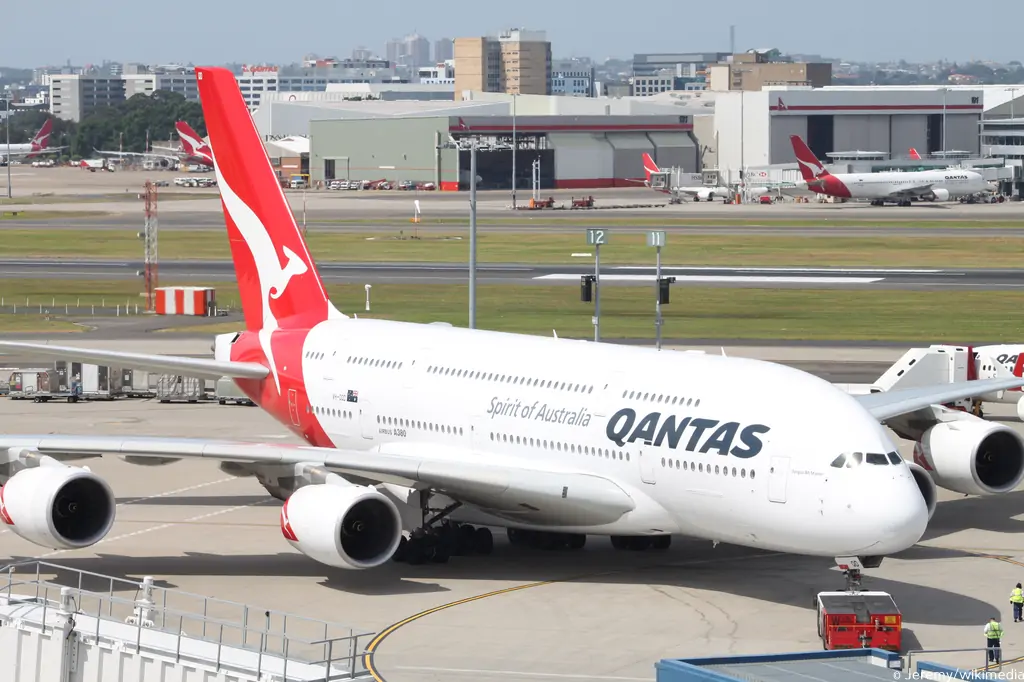
Australia's aviation sector, having weathered the storms of pandemic-induced disruptions, now faces a new challenge: a looming strike by aviation firefighters. As the nation's travelers return to the skies in the wake of the Easter holiday rush, concerns over safety, staffing, and fair compensation have ignited tensions between the United Firefighters Union (UFU) and Airservices Australia, threatening to disrupt air travel during the upcoming April school holiday period.
The Strike Threat & Safety Concerns
Amidst negotiations over a new pay deal and claims of inadequate resources to ensure passenger safety, the Aviation Branch of the United Firefighters Union (UFU) has announced plans for a four-hour work stoppage on April 15. This move, aimed at highlighting concerns over staffing levels and safety protocols, has sent shockwaves through the aviation industry.
The UFU alleges that airports across Australia have been operating with insufficient aviation firefighting personnel and equipment, potentially compromising passenger safety. Reports of flights departing without the required number of firefighters on duty, particularly at regional airports, raise significant concerns about compliance with international aviation safety standards.
Resource Shortages & Negotiations Stalemate
Leaked documents reveal troubling findings from Task Resource Analysis (TRA) assessments, with several major airports rated as "extreme" or "high risk" due to inadequate firefighting resources. Airservices Australia, responsible for employing aviation firefighters, has been accused of failing to address these deficiencies adequately.
Negotiations between the UFU and Airservices Australia have reached an impasse, with the union pushing for minimum staffing clauses to safeguard passenger safety. However, Airservices contends that the planned strike is primarily motivated by wage demands, offering a 11.2% pay increase over three years and enhanced conditions.
Regulatory Oversight & Mitigating Impact
Australia's aviation regulator, the Civil Aviation Safety Authority (CASA), asserts that emergency response staffing levels at airports are regulated and monitored rigorously, refuting claims of safety breaches. Despite assurances from CASA, the standoff between the UFU and Airservices persists, casting a shadow over the industry's safety reputation.
With the strike threat looming, major airlines and airports are scrambling to mitigate disruptions and ensure passenger safety. Airservices pledges to collaborate with stakeholders to minimize the impact on travelers, emphasizing its commitment to safe operations.
Conclusion
As Australia's aviation industry braces for potential turbulence amidst the firefighter strike threat, questions linger over the balance between ensuring fair compensation for essential personnel and upholding stringent safety standards. With negotiations deadlocked and travelers caught in the crossfire, the path forward remains uncertain, underscoring the need for swift resolution to safeguard both passenger welfare and industry stability.
Read next

In a significant development within the logistics industry, UPS has clinched a pivotal government contract, displacing FedEx as the primary transporter for the United States Postal Service (USPS). This shift marks the end of a longstanding partnership between FedEx and USPS and signifies a strategic move by UPS to fortify its position in the market. The repercussions extend beyond the realm of package delivery, with implications reverberating through the aviation sector, particularly for pilots and fleet management.
UPS Emerges Victorious
After unsuccessful negotiations between USPS and FedEx, UPS seized the opportunity and secured a contract set to span over five and a half years. This triumph for UPS underscores the company's agility and adaptability in navigating complex contractual landscapes. Faisal Hersi, an analyst at Edward Jones, asserts that while the loss isn't catastrophic for FedEx financially, it does represent a dent in their consistent revenue stream.
Impact on FedEx and Aviation Labor

The fallout from losing the USPS contract isn't solely financial for FedEx. Nearly 300 pilot jobs are at risk of termination, drawing ire from the Air Line Pilots Association International (ALPA). The termination of negotiations between FedEx and USPS, swiftly followed by the UPS announcement, has left FedEx pilots in limbo, exacerbating existing tensions stemming from failed negotiations and company-wide cuts.
UPS' Strategic Expansion
UPS' successful bid for the USPS contract is bolstered by strategic acquisitions and fleet expansion efforts. Recent reports indicate UPS acquiring two Boeing 747 freighters previously operated by Qatar Airways Cargo. This move, coupled with plans to retire aging MD-11s, signals UPS' commitment to modernizing its fleet and optimizing operational efficiency.
FedEx's Challenges and Industry Dynamics
FedEx's woes extend beyond losing the USPS contract. Failed negotiations, fleet reductions, and pilot dissatisfaction paint a tumultuous picture for the logistics giant. Industry dynamics, including fluctuating cargo demands and disruptions in aircraft deliveries, compound FedEx's challenges, highlighting the precarious nature of the aviation sector.
Conclusion
UPS' triumph in securing the USPS contract heralds a new era in the logistics landscape, while dealing a significant blow to FedEx. The repercussions extend beyond financial implications, impacting aviation labor and highlighting broader industry dynamics. As UPS moves forward with its innovative solutions and strategic expansions, FedEx faces mounting challenges, underscoring the volatile nature of the aviation industry in the face of evolving market forces.
Read next
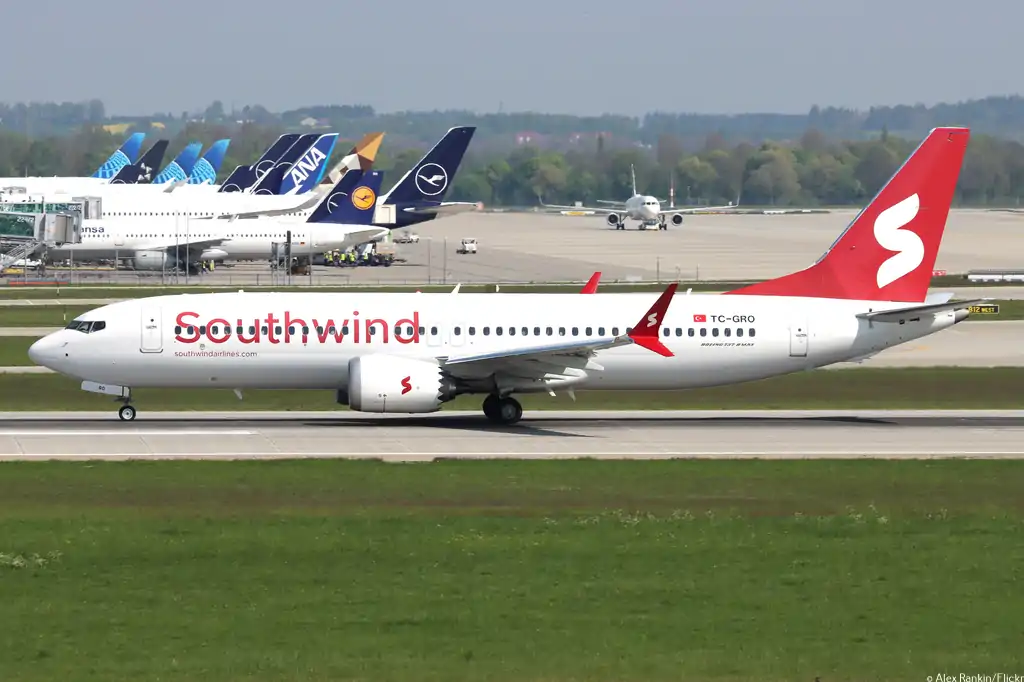
The European Union (EU) has recently taken a decisive step in its response to the crisis in Ukraine by banning Turkey's Southwind Airlines from operating flights within its airspace. This action follows the discovery of alleged connections between the Turkish carrier and Russia, further complicating the geopolitical landscape of air travel in the region.
EU Imposes Ban
On March 28, 2024, the EU officially prohibited Southwind Airlines from conducting flights to or from its member states. The decision stemmed from suspicions of ties between the airline and Russian interests, as revealed by the Finnish Transport and Communications Agency. This move has effectively grounded the carrier's aircraft, disrupting its operations and signaling a significant escalation in EU sanctions against Russia.
Background and Allegations
Southwind Airlines, legally known as Cortex Havacilik Ve Turizm Ticaret, had previously been approved by the EU Aviation Safety Agency (EASA) as a third-country operator. However, concerns arose regarding the airline's ownership and control, with allegations suggesting Russian individuals wielded significant influence over its operations. These suspicions prompted the Finnish agency to invoke EU sanctions regulations, leading to the ban on Southwind Airlines.
Routing Changes and Operational Impact
The EU's ban forced Southwind Airlines to swiftly alter its flight paths, particularly affecting routes between Egypt and Russia. Flights that previously traversed EU airspace were rerouted, circumventing member states' territories to comply with the ban. This adjustment has not only disrupted the airline's operations but also underscored the far-reaching implications of geopolitical tensions on the aviation industry.
Flight Route Alterations
For instance, Flight SM903 between Sharm el-Sheikh International Airport and Moscow Sheremetyevo International Airport had to undergo substantial route changes to avoid EU airspace. Similarly, other flights, such as those between Istanbul and Minsk, faced detours and delays as Southwind Airlines adapted to the new restrictions imposed by the EU.
Geopolitical Context
The EU's decision to ban Southwind Airlines must be understood within the broader context of geopolitical tensions stemming from Russia's actions in Ukraine. Since the annexation of Crimea and the proxy war in Donbas, the EU and other Western nations have imposed sanctions on Russia, aiming to curb its aggressive behavior and support for separatist movements in Eastern Ukraine.
Conclusion
The EU's prohibition of Southwind Airlines represents a significant escalation in efforts to isolate entities with alleged ties to Russia amid ongoing geopolitical tensions. As the aviation industry grapples with the ramifications of these geopolitical dynamics, the ban serves as a stark reminder of the intertwined nature of politics and air travel in the modern world.
Read next

Bali is seeing a rush of Indian tourists with 4 lakh Indian tourists visiting Bali in 2023 alone.
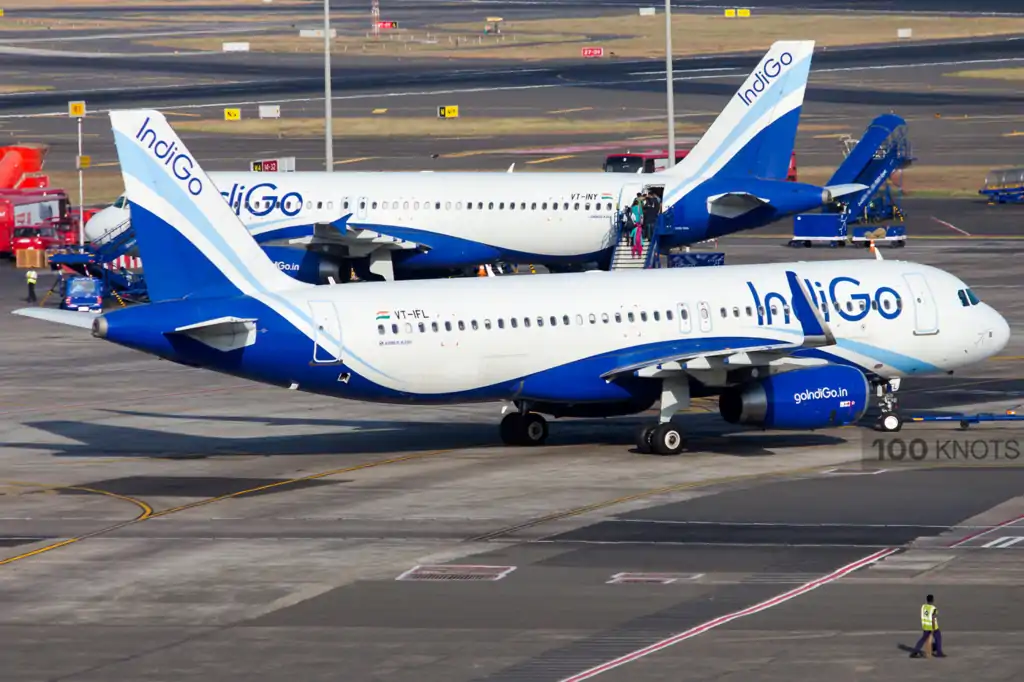
IndiGo has begun flying to Bali from Bengaluru from March 29th expanding its South East Asia presence, the airline said in a statement.
The airline will offer daily direct flights between Bengaluru and Denpasar. Bali is the second destination, after Jakarta, to join the airline’s network. This new connection will enhance accessibility for tourists from India to Bali.
Vinay Malhotra, Head of Global Sales, IndiGo said, “We are pleased to announce commencement of direct flights between Bengaluru and Bali, one of the extremely popular destinations amongst tourists. Bali is the second destination in Indonesia to join our 6E network, after Jakarta, and offers an enhanced range of travel options. This new connection will play a key role in strengthening ties between India and Indonesia, while promoting tourism and fostering potential business collaborations. IndiGo remains committed to delivering on its promise of affordable, on-time, courteous, and hassle-free travel experience across an unparalleled network.”
After commencing operations from Jakarta in 2023, Denpasar is the 33rd international and 119th overall destination to join the extensive 6E network. It is the capital city of Bali and serves as the main gateway to Indonesia's most famous island. This vibrant city offers several sites of historical and cultural significance with a wide range of lively markets, stunning temples, and museums for visitors to explore. It is also home to some of Bali's best restaurants, serving delicious local dishes and international cuisines, IndiGo added.
The flight from Bengaluru takes off at 12:50 am while leaving Bali at 11:20 am.
Bali is seeing a rush of Indian tourists with 4 lakh Indian tourists visiting Bali in 2023 alone.
Vistara too is upgrading its Delhi-Bali flights to a widebody plane using Boeing 787-9 Dreamliner aircraft from 31 March 2024. It launched daily, non-stop flights on this route in December 2023 and has been the only airline offering direct flights between the two cities.
Read next

The health and safety of the pilots cannot be prejudiced for the commercial benefit of operators, the Federation of Indian Pilots has warned.
The Federation of Indian Pilots (FIP) has written to aviation minister Jyotiraditya Scindia expressing its displeasure over the deferment of revised Flight Duty Time Limitations (FDTL) norms for pilots by the Directorate General of Civil Aviation (DGCA) saying this could lead to increased fatigue.
DGCA has deferred the implementation of the revised Flight Duty Time Limitations (FDTL) norms, which were to be effective from June without specifying any new timelines.
In the March 28 letter, the pilot’s body with 5000 members said, “The action of the DGCA not only endangers pilot safety but also undermines the safety of passengers which the implementation of the revised CAR (Civil Aviation Requirements) could prevent. Furthermore, the health and safety of the pilots cannot be prejudiced for the commercial benefit of the operators. The latest revision by the DGCA has made the revised CAR a dead letter of the law as it has effectively granted operators and discretionary power in implementing the revised CAR”.
Three pilots have died on the job in recent months.
“It is regrettable to observe that the DGCA has chosen to disregard the representations made by the FIP. Without prior consultation with stakeholders, the DGCA proceeded to issue a revised version of the CAR on March 26. This revision eliminates the mandatory requirement for operators to implement the revised CAR before June 1. Instead, operators engaged in scheduled air transport operations are now permitted to continue operations in accordance with CAR Section 7 Series J Part III Issue III dated April 24, 2019, until the approval of their respective schemes, in alignment with the new CAR,” it said adding, “We would like to state that the latest revision by the DGCA, i.e. omitting the cutoff date for implementation and amendment to the regulations pertaining to Consecutive Night Operation, is arbitrary as it has the effect of ensuring the revised CAR is 'stillborn'. Clearly, that was not your intent as conveyed to the public at large."
Comment