
Australia's Regulator Halts Qantas-China Eastern Airlines Collaboration Over Competition Concerns

Abhishek Nayar
16 Sep 2023

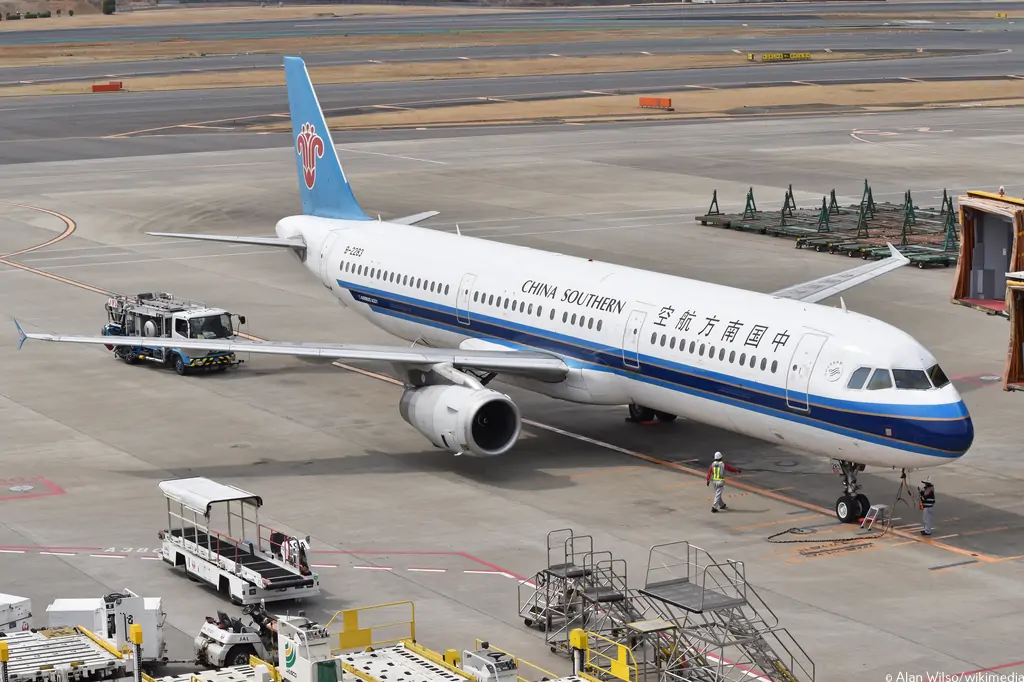
In a significant development, the Australian Competition and Consumer Commission (ACCC) announced on September 15, 2023, that it would discontinue the long-standing collaboration between Qantas Airways, Australia's flagship carrier, and China Eastern Airlines, a Chinese state-owned carrier. The decision comes as the regulator raised concerns about the partnership's potential to reduce competition and increase airfares, posing a challenge to consumers.
Background
The partnership between Qantas Airways, Australia's flagship carrier, and China Eastern Airlines, a state-owned carrier from China, has been in place for several years. It allowed the two airlines to operate flights between the two nations, providing travelers with a range of options for flights between Australia and China.
In 2015, the ACCC initially approved the collaboration between the two carriers but imposed specific conditions to ensure that it would not harm competition or lead to higher prices for consumers. However, recent developments and changes in the airline industry have raised concerns among regulators.
Prior to the COVID-19 outbreak, China was Australia's largest tourism market, and the effort to block the deal would put an end to a collaboration on which Qantas has relied for almost a decade.

Concerns Over Reduced Competition
The ACCC's decision to discontinue the partnership stems from concerns that it could lead to a reduction in competition within the airline industry. Commissioner Anna Brakey expressed reservations about the authorization, suggesting that it might provide both airlines with an "incentive to increase prices" beyond what they would charge in the absence of the partnership. Brakey emphasized the importance of maintaining a competitive environment in the airline industry to ensure fair pricing and accessibility for travelers.
Reduced competition in the airline industry could have adverse effects on consumers, including:
Higher Ticket Prices: With fewer airlines competing on routes between Australia and China, there is a risk that ticket prices could rise. This could impact travelers' budgets and potentially discourage travel between the two countries.
Limited Choice: Reduced competition often leads to reduced choices for consumers. Travelers may find themselves with fewer options when it comes to flight times, routes, and services.
Lower Quality of Service: Competition encourages airlines to improve their services and amenities to attract passengers. With less competition, there may be less motivation for airlines to enhance the passenger experience.
ACCC's Decision
The ACCC has issued a preliminary order denying Qantas Airways and China Eastern Airlines permission to continue their flights between Australia and China. This decision is a significant development, considering the previously approved collaboration with conditions.
Commissioner Brakey stated that the ACCC is concerned about the potential impact of the partnership on consumers and competition in the airline industry. The regulator is now attempting to reject the extended pact between the two carriers.
The fundamental difference between the current situation and past authorizations, according to Brakey, is a lack of evidence that the cooperation will lead to additional services on other routes between the two nations.

Impact on Airlines and Passengers
The decision by the ACCC will likely have far-reaching consequences for both Qantas Airways and China Eastern Airlines. The airlines will need to reassess their strategies and consider alternative options for their operations in the Australian and Chinese markets.
The ACCC's main worry was the possible increase in airline prices as a result of less competition. If the cooperation had been permitted to continue, travelers between Australia and China may have faced increased ticket prices, changes in flight availability, routes and more. It remains to be seen how the termination of the agreement would affect airfares on certain routes. Travelers should stay informed about any developments and be prepared for potential adjustments to their travel plans.
Industry Response
The airline industry, both in Australia and globally, is closely watching the developments surrounding this decision. Competition in the airline industry is crucial for providing consumers with choice and affordable travel options. Many industry experts believe that regulatory bodies must carefully weigh the impact of partnerships on competition before granting approval.
Conclusion
The ACCC's decision to halt the collaboration between Qantas Airways and China Eastern Airlines reflects the regulator's commitment to maintaining competition within the airline industry. While the airlines have operated together for years, the changing landscape and concerns about reduced competition have led to this unexpected decision. The impact on both airlines and passengers remains to be seen, but it underscores the importance of maintaining a competitive marketplace for the benefit of consumers.
Read next

Tony Fernandes, the CEO of Capital A, the parent company of AirAsia, unveiled the airline's aspirations for expansion during an exclusive interview at the Milken Institute Asia Summit in Singapore. One of the highlights of this announcement was AirAsia's consideration of a new wide-body aircraft deal with Airbus, marking a potential shift in the company's fleet strategy.
A Bold Step Towards Expansion
AirAsia, known for its extensive network of short-haul flights, has long been associated with Airbus's A320 family of narrow-body aircraft. However, the recent revelation by Tony Fernandes indicates a significant shift in the airline's strategy. While AirAsia has traditionally focused on the budget-friendly segment of the aviation industry, the consideration of wide-body aircraft hints at its desire to explore long-haul routes and expand its market reach.
The Preferred Choice: Airbus
In the interview with Channel NewsAsia presenter Roland Lim on September 14, 2023, Tony Fernandes made it clear that while Boeing has been invited to submit a bid, Airbus is the preferred choice for this potential purchase. The decision, however, remains subject to approval by the company's board of directors.
Airbus has a strong track record of providing fuel-efficient, reliable, and technologically advanced wide-body aircraft, making it an attractive choice for airlines looking to expand their long-haul operations. Additionally, AirAsia's existing relationship with Airbus, given its extensive fleet of A320 series aircraft, could play a crucial role in the final decision.
Implications for AirAsia's Expansion
If AirAsia proceeds with the acquisition of wide-body aircraft, it would signal a significant shift in its business model. The airline, known for its point-to-point connections across Asia, could potentially venture into transcontinental and long-haul markets, opening up new opportunities for growth and revenue generation.
The move aligns with the evolving demands of the airline industry, where carriers are increasingly exploring diverse route networks to cater to the changing preferences of travelers. AirAsia's consideration of wide-body aircraft suggests its intent to become a more versatile player in the aviation industry.
AirAsia presently has 362 A321neo aircraft on order, with deliveries scheduled through 2035, while AirAsia X, the group's medium and long-haul affiliate, is awaiting the delivery of 20 A320 and 15 A330-900neos.

Navigating the Challenges Ahead
Expanding into the wide-body aircraft market is no small feat. It presents a myriad of challenges that AirAsia will need to navigate successfully. Here are some key considerations:
Route Planning and Market Research
One of the first hurdles AirAsia will need to overcome is thorough route planning and market research. The airline must identify the most lucrative long-haul routes, assess competition, and understand the demand for these destinations. With its expertise in the short-haul market, AirAsia can leverage its vast customer base and network to identify potential opportunities for expansion.
Fleet Management and Training
Introducing wide-body aircraft into the fleet requires a significant investment in both the aircraft themselves and the training of flight crews. Pilots, cabin crew, and ground personnel will need specialized training to operate and maintain these larger aircraft safely and efficiently. AirAsia will need to ensure a seamless transition while maintaining its reputation for cost-efficiency.
Marketing and Branding
As AirAsia ventures into long-haul markets, it will need to adapt its marketing and branding strategies. The airline has built a strong brand identity in the budget airline segment, and extending this identity into the long-haul sector will be a critical aspect of its success. Effective marketing campaigns that highlight competitive pricing, quality service, and the AirAsia brand will be essential.
Fleet Selection
Choosing the right wide-body aircraft is a crucial decision. Factors such as fuel efficiency, passenger capacity, and range will play a significant role in determining the success of AirAsia's expansion. Airbus offers a range of wide-body options, including the A330 and the newer A350, each with its own unique advantages. The final choice will depend on AirAsia's specific operational needs and objectives.
Competitive Landscape
The long-haul market is fiercely competitive, with established carriers and emerging airlines vying for passengers. AirAsia will need to differentiate itself from the competition, possibly by continuing to offer cost-effective options while providing an exceptional travel experience. Partnerships and codeshare agreements could also be explored to expand the airline's reach.
Economic and Regulatory Factors
Global economic conditions and regulatory requirements can significantly impact the success of AirAsia's expansion plans. The airline must stay attuned to changes in fuel prices, international regulations, and trade agreements that may affect its operations. Adapting to these factors swiftly will be key to maintaining profitability.

The Future of AirAsia
AirAsia has been a pioneering force in the budget airline sector, revolutionizing travel options for millions of passengers across Asia. However, the potential acquisition of wide-body aircraft from Airbus signifies the company's ambition to expand its horizons further.
While this decision is still pending board approval, it underscores AirAsia's commitment to adapting to the ever-changing dynamics of the aviation industry and remaining a key player in the global market. As Tony Fernandes and his team embark on this new journey, the world watches with anticipation to see how AirAsia's expansion plans will unfold.
Conclusion
AirAsia's consideration of a new wide-body aircraft deal with Airbus represents a bold step into uncharted territory for the airline. If the board approves this strategic move, it could mark a significant turning point in AirAsia's history. The airline has proven its ability to disrupt the aviation industry in the past, and this expansion plan could be its most ambitious yet.
As the aviation world watches and speculates about AirAsia's future, one thing is clear: the airline is prepared to adapt, innovate, and evolve to meet the changing demands of travelers. Whether it's short-haul or long-haul, AirAsia's commitment to providing affordable, reliable, and convenient air travel experiences remains at the forefront of its mission. Only time will tell how this new chapter in AirAsia's journey will unfold, but one can be certain it will be a story worth following closely.
Read next
In a significant move towards bolstering its general aviation infrastructure, China's leading aircraft manufacturer, has announced ambitious plans to increase the total number of approved general aviation airports in the country to 500 by the year 2025.
This announcement was made by Cao He, the director of Aviation Industry Corporation of China (AVIC)'s civil aviation engineering research center, at the 6th China Helicopter Exposition held in Tianjin, North China, on September 14, 2023.
A Vision for Widespread Access
Cao He emphasized China's commitment to developing a general aviation airport in each of its 2,800 county-level regions. The goal is to ensure that access to aviation facilities is widely distributed across the nation, reaching even remote areas. This ambitious endeavor is part of China's broader strategy to boost its aviation industry and promote general aviation.
Remarkable Progress Already Achieved
By the end of 2022, China had made significant strides in expanding its general aviation infrastructure, with a total of 399 general aviation airports already in operation. This number is nearly 1.6 times the count of civil transport airports in the country. The rapid development of general aviation airports highlights China's growing interest in fostering not only commercial aviation but also recreational and business aviation activities.
A Growing Market for General Aviation
China's expanding network of general aviation airports reflects a growing demand for these facilities. General aviation encompasses various activities such as private flying, aerial photography, agricultural aviation, and emergency services, all of which contribute to the country's economic and social development.

Economic and Social Benefits
The establishment of more general aviation airports across China is expected to yield several economic and social benefits. Here are some key advantages:
Regional Development: General aviation airports can stimulate economic growth in underserved regions, attracting investments and creating job opportunities.
Improved Connectivity: Enhanced aviation infrastructure will improve connectivity, making it easier for people and goods to move within the country.
Tourism Boost: Scenic areas and remote destinations will become more accessible, promoting tourism and cultural exchange.
Emergency Response: General aviation airports play a crucial role in emergency response, allowing for quick access to disaster-stricken areas.
Training Opportunities: The expansion of general aviation facilities will provide more opportunities for pilot training and education.
Challenges on the Horizon
While the plan to increase the number of general aviation airports is undoubtedly ambitious, it also presents challenges. Infrastructure development, land acquisition, environmental considerations, and regulatory coordination are some of the hurdles that need to be overcome. However, with China's strong commitment to aviation growth and innovation, these challenges are expected to be addressed systematically.
Conclusion
China's commitment to expanding its general aviation airport network to 500 by 2025 demonstrates its dedication to fostering a robust aviation industry and promoting accessibility to aviation services throughout the country. This ambitious plan is set to deliver economic, social, and developmental benefits, marking an exciting chapter in China's aviation journey. As the nation continues to invest in its aviation infrastructure, the world will be watching closely to see how these developments shape the future of aviation in China and beyond.
With Inputs from Aviation A2Z
Read next
Akasa Air’s Domestic Market Share Slips Behind SpiceJet in August Due to Pilot Shortage

Radhika Bansal
15 Sep 2023

Akasa Air’s domestic market share slipped to 4.2% in August from July’s 5.2% after it had to cancel flights after some of its pilots resigned to join rivals in the past few months. The airline slid to the sixth spot, falling behind cash-strapped SpiceJet, in domestic airline market share, according to the Directorate General of Civil Aviation (DGCA) data.
The airline, which commenced operations last year, had overtaken SpiceJet’s market share in June this year and held on to the position in July. It ferried 527,000 and 624,000 passengers in August and July respectively. On the other hand, SpiceJet carried 541,000 and 504,000 passengers in the same period.
The hiring by Tata Group Airlines has seen a huge interest among crew members from other Indian airlines due to several factors like getting a chance to operate wide-body aircraft. IndiGo is also hiring. In the cyclical airline business, it is currently advantageous for employees with many finding it hard to retain talent — something that keeps changing every few years as and when a big airline collapses. This was most recently witnessed this May when Go First collapsed.
Meanwhile, Vistara experienced an uptick in its market share as compared to the previous month. The airline captured 9.8% of the domestic aviation market compared to 8.4% in July. IndiGo maintained its lead as the country’s largest airline with a 63.3% market share in August.
The market share of Air India and Vistara stood at 9.8% each, with AirAsia India’s number coming in at 7.1% in August. The combined market share of all the Tata Airlines-- Air India, Vistara and AirAsia India -- was pegged at 26.7% during the same time. The three airlines -- Air India, Vistara and AirAsia India -- together flew a total of 33.07 lakh passengers in the previous month.
Vistara topped the list of airlines in terms of occupancy as it registered a 91.3% passenger load factor in August, according to the DGCA data. SpiceJet was ranked second with a 90.9% load factor. IndiGo, Air India and Akasa’s load factors were recorded at 83.6, 84.5, and 87.3%, respectively.
Moreover, August recorded 12.4 million flyers, a 23% increase in terms of domestic passengers as compared to the same month last year. January-August 2023 has seen 10.1 crore domestic flyers, up 30% from 7.7 crore in the same period last year.
IndiGo flew 78.67 lakh passengers and accounted for 63.3% of the total domestic passenger volume during the month, the Directorate General of Civil Aviation (DGCA) said. Air India, now owned by the Tata Group, and its wholly-owned subsidiary AIX Connect (formerly AirAsia India), transported 12.12 lakh and 9.78 lakh passengers, respectively, during August.
With 89% of its flights arriving and departing as per schedule to and from four key airports -- Delhi, Mumbai, Hyderabad and Bengaluru -- IndiGo had the highest on-time performance during the previous month.
Read next
DGCA Raises Issues With Pratt & Whitney Over Recent IndiGo Engine Incidents
Radhika Bansal
15 Sep 2023

Aviation regulator DGCA on Thursday, September 14 said Pratt & Whitney will issue a service bulletin regarding the second phase of recall of its engines in two months and most of the engine removals are expected in the first quarter of 2024. The Directorate General of Civil Aviation (DGCA) has also taken up with Pratt & Whitney (P&W) the three incidents of IndiGo planes suffering engine issues in recent weeks and had sought urgent intervention, according to a note.
Out of the three incidents of In-Flight Shut Down (IFSD), two happened on August 28, involving Madurai-Mumbai and Kolkata-Bengaluru flights that were operated with A321neo planes. The third one involving the Amritsar-Delhi flight, operated with an A320neo aircraft, happened on September 3.
IndiGo’s fleet of A320 planes are powered by P&W engines and a total of 11 engines were impacted due to the High Pressure Turbine (HPT) hub issues that were flagged by the engine maker in July. Globally, a total of 200 engines were to be recalled due to the HPT hub issues which could only be detected with an Angular Ultra Sonic Inspection (AUSI) at shop level. In the first phase, the impacted engines were required to be removed before September 15 for the AUSI in a shop.
In the note, DGCA said that 11 engines of the IndiGo fleet were impacted and out of these, six were part of the current P&W AOG (Aircraft on Ground) and only five were operating engines, which were removed before September 15. “On September 11, P&W indicated that the phase-2 recall is being reviewed by P&W which will require removal of up to 600 engines between 2023 and 2026, with most of the removals in Q1 of 2024. P&W will issue a Service Bulletin in the next 60 days with the fleet management action plan,” as per the note.
Incidents Leading to the Grounding
Two incidents involving IndiGo’s A321Neo aircraft with registration VT IUJ and VT IUF operating from Madurai to Mumbai and Kolkata to Bengaluru, respectively, were detected with high vibration and low oil pressure in one engine, followed by an engine stall. Upon landing of both the flights at Mumbai airport, metallic chips were discovered on the oil chip detector, upon landing.
A similar incident took place on Sunday, September 3 after an IndiGo A320neo aircraft (VT-IVI) from Amritsar to Delhi was involved in a commanded IFSD, wherein low oil pressure was observed by the crew on engine number -2, forcing the aircraft to land back at Amritsar. The DGCA said an external oil leak was observed on the affected engine, however, no vibration or oil chip was reported.
Following these incidents, the airline performed the Boroscopic Inspection (BSI) of the engines involved in IFSD. According to the DGCA, damage to the Stage 1 blades of the HPT was observed on the engines involved in the two incidents that took place on August 29, but no anomaly was observed in the BSI of the affected engine on September 3.
DGCA added that the engines involved in all three incidents had done more than 3,000 hours since the last shop visit. Concerning the blade damage observed in the aircraft engines that operated on August 29, the DGCA, as a proactive measure, had directed Indigo to identify and conduct BSI of all the engines installed on A321 aircraft.
“Accordingly, three engines were identified and the BSI was carried out, however, no abnormality was observed in any of the engines. As a matter of abundant precaution, Indigo was further directed to undertake BSI on the engines installed on the A321 aircraft, which had done more than 2,500 hours since the last shop visit, accordingly, five engines were identified, and the BSI was done on the identified engines however, no abnormality was observed in any of the engines,” the statement read.
P&W Engine Issues
IndiGo had earlier said it is working closely with the engine maker to assess and minimise any impact on its fleet. The airline's 11 engines were impacted. IndiGo is the largest customer of the A320 planes and the aircraft are powered by P&W engines.
Grounded carrier Go First's A320 neo fleet are also having P&W engines. P&W is already grappling with supply chain issues and some of the aircraft of IndiGo are already grounded due to engine issues. IndiGo and Go First have been facing issues with their P&W engines, which have also resulted in aviation regulators grounding some of the aircraft in the past.
Cash-strapped Go First, which stopped flying on May 3, had blamed P&W engine problems as the main reason for seeking a voluntary insolvency resolution process. The dispute between the grounded carrier and the engine maker is going on.
Read next

DAE (SY 22) 13 Ireland alleges that as one of the lessors of the grounded airline Go First, the condition of the leased aircraft is deteriorating every time it is inspected, reported MoneyControl. The plea further alleges that the lessor came to know that one of the aircraft was not being maintained because the staff of Go First had not been paid salaries in August 2023. The lessor alleges that "the surface of the top fuselage was completely dirty and had a greenish deposit on it.
Corrosion was observed in various places on the aircraft, including the brakes. The blankings/protective covers were apparently removed before the lessor's inspectors arrived as engine runs were being carried out." According to the plea, filed through lawyers Amit Pai and Bhavna Duhoon, the lessor inspected the aircraft on three occasions in July and August 2023 and noticed that the aircraft was in "a significantly worse condition since the last inspection."
As a result of this, the lessor has asked the court for directions to permit them to pay for the maintenance of their two aircraft or engage a third party to carry out maintenance, without prejudice to their rights.
Access to Documents Denied
The lessor, who has leased two aircraft, has further alleged in their application that the Resolution Professional (RP) is not giving them access to key documents of the aircraft, such as maintenance records, which are essential to determine if they are being maintained in an airworthy condition.
The plea further notes that the inspection of the aircraft would necessarily include the inspection of records/documents of the aircraft as per the lease agreement. Furthermore, the term “Aircraft” is defined to mean the Airframe together with all aircraft Documents. Thus, an inspection is not complete without physically inspecting the aircraft and reviewing the documents as well.
DAE has alleged that despite repeated emails and follow-ups with the RPs and representatives, they have refused to provide them access to the aircraft's records. The RP has not only unlawfully refused such a request but has also provided no reasons for such refusal. Thus, the company has asked the court to direct the RP to provide them with full records and to maintain the aircraft properly.
DAE is the third aircraft lessor to approach the court with such an application. Other lessors, such as BOC Aviation Ireland and ACG Aircraft Leasing, have also filed similar applications. They have sought the court's permission to maintain their aircraft.
While the Delhi High Court has already issued a notice in ACG Aircraft's plea, it heard the pleas by BOC and DAE today. The High Court issued a notice in these petitions and asked the RP to respond to the same. The court is likely to hear these petitions and pass an order on September 19. Leasing has also filed similar applications. They have sought the court's permission to maintain their aircraft.
Go First was admitted to insolvency on May 10 by the National Company Law Tribunal (NCLT). Aircraft lessors approached the Delhi High Court filing a writ petition against the Director General of Civil Aviation (DGCA) to deregister their aircraft. On July 5, the HC permitted the lessors to inspect and perform maintenance work. However, a division bench of the Delhi HC on July 12 modified the order to the extent that the lessors could only inspect the aircraft while the RP could carry out maintenance.
Timing of Cos Cancelling Leases Questionable
Aircraft leasing companies were aware of Go First’s financial troubles but terminated leases when it filed for insolvency, the resolution professional (RP) in the bankruptcy process told the National Company Law Tribunal. Senior advocate Ramji Srinivasan, appearing for the RP, said Go First received a notice terminating aircraft and engine leases on May 2, when the airline announced it would file for insolvency.
The tribunal was hearing applications by SMBC and Engine Lease Finance BV, aircraft and engine lessors, asking for their assets to be exempted from the moratorium period. The two companies told the court that they had terminated leases before the moratorium started on May 10.
The tribunal told one of the lessors it could not go into the legality of the termination. "You are asking if the moratorium applies to termination notice. This means we should answer if the termination is valid. How will we say that such a notice is valid or not?" it said. The tribunal said that it could not go into the legality of termination notice when the lessors' prayers did not ask for it. "Insolvency did not trigger termination notice. Termination (of leases) was outside moratorium," the lessor told the tribunal.
The arguments will continue on September 22. Lessors have moved the tribunal to exempt aircraft and engines from the moratorium. They have moved the Delhi High Court against the Directorate General of Civil Aviation for the release of their aircraft. Go First's application for insolvency was admitted by NCLT on May 10 and the airline was put under a moratorium, which means aircraft cannot be taken back from it.
(With Inputs from MoneyControl)
Comment