
Alaska Airlines Places Historic Bet on Boeing's Comeback with Massive 110-Plane Order

Abhishek Nayar
08 Jan 2026

Alaska Airlines announced on Wednesday a monumental aircraft purchase that represents both the carrier's largest single order ever and a powerful statement of confidence in Boeing's recovery. The Seattle-based airline is acquiring 110 new Boeing aircraft as it pursues an ambitious strategy to transform itself into America's fourth major global carrier.
A Vote of Confidence Two Years After Crisis
The timing of this order carries particular significance. Just two years ago, a door plug missing critical bolts violently separated from one of Alaska's new Boeing 737 MAX 9 jets while climbing through sixteen thousand feet. That frightening incident triggered widespread disruptions across the aviation industry and forced Alaska to ground its entire MAX 9 fleet temporarily. The memory of that January 2024 event remains fresh, making Alaska's decision to double down on Boeing all the more remarkable.
Boeing CEO Kelly Ortberg acknowledged the weight of Alaska's trust during Wednesday's announcement event. He emphasized that Alaska is essentially putting all its eggs in Boeing's basket, and the manufacturer understands it must deliver flawless performance in return. The aircraft order encompasses one hundred five 737 MAX 10 jets and five 787-10 Dreamliners, with options for thirty-five additional MAX 10s available if needed.
Charting an Aggressive Growth Trajectory
Alaska CEO Ben Minicucci outlined the carrier's bold vision to challenge the established Big Three airlines directly. The new aircraft will enable Alaska to expand its fleet from approximately four hundred thirteen planes today to more than four hundred seventy-five by 2030, eventually reaching over five hundred fifty aircraft by 2035. This growth includes seventeen long-haul 787 Dreamliners that will unlock entirely new markets for the carrier.
The widebody Dreamliners represent Alaska's ticket to competing on international routes, with planned service to Rome and London already on the horizon. Minicucci confirmed the airline aims to serve at least twelve long-haul international destinations from Seattle by decade's end, targeting both European and Asian markets. Meanwhile, the larger 737 MAX 10 narrow-body jets will strengthen domestic operations and replace aging aircraft in the existing fleet.
Integration and Safety Oversight
Alaska's expansion plans intertwine closely with its ongoing integration of Hawaiian Airlines, which it acquired for nearly two billion dollars in 2024. The companies now operate under a single certificate while maintaining separate brands. Chief Financial Officer Shane Tackett revealed that passenger service systems will merge by late April, and the airline is working to establish joint union contracts across pilot, cabin crew, and maintenance worker groups throughout this year.
On safety matters, Alaska has implemented rigorous oversight measures, including deploying its own inspectors directly to Boeing's production facilities and conducting quarterly audits. Minicucci expressed confidence that Boeing has demonstrated steady improvement and is now delivering top-quality aircraft. The carrier has built contingency plans into its order, prepared to switch some MAX 10s to certified MAX 8 or 9 variants if certification delays extend beyond six months. Boeing continues seeking FAA approval for both the MAX 7 and MAX 10 models, with certification timelines now projected into 2026.
With Inputs from Reuters
Read next
Could India's First Commercial Aircraft Assembly Line Transform the Nation into an Aviation Manufacturing Hub?
Abhishek Nayar
08 Jan 2026
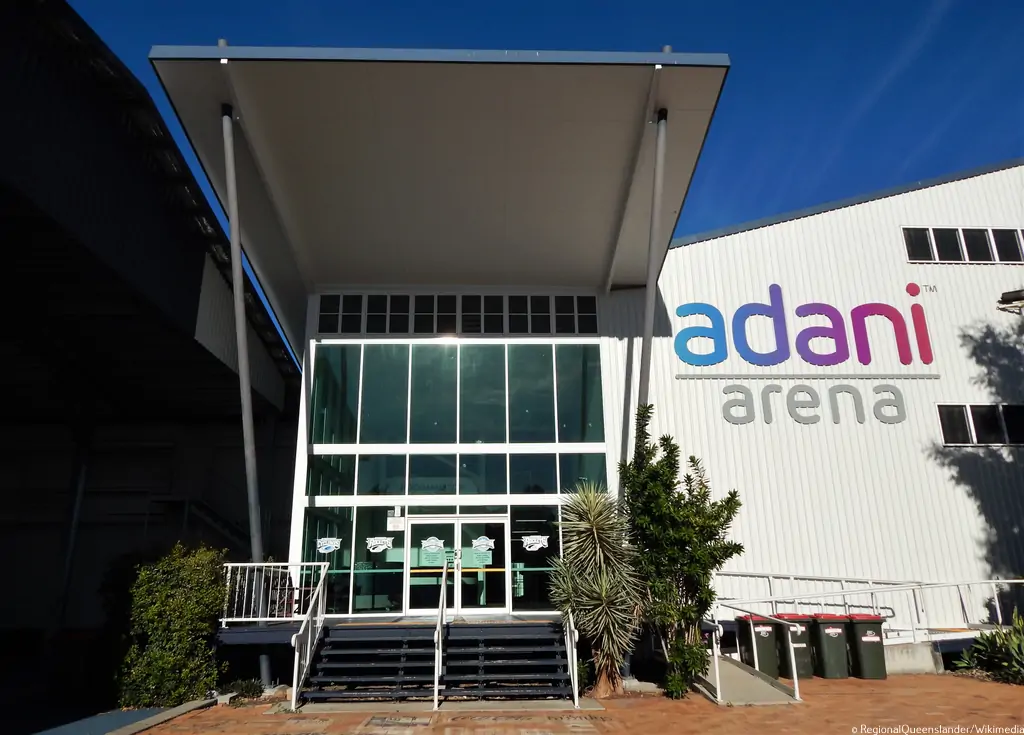
India stands on the brink of a historic aviation milestone as the Adani Group partners with Brazilian aerospace giant Embraer to establish the country's first major commercial aircraft final assembly line, a development that could reshape the nation's position in global aviation manufacturing.
A Landmark Partnership Takes Shape
The Times of India reports that this collaboration will bring Embraer's popular regional jets to Indian soil for domestic assembly. These aircraft, designed for short to medium-haul routes, accommodate between seventy and one hundred forty-six passengers and have proven their worth in regional connectivity worldwide. The partnership gained formal momentum last month when Adani Aerospace signed a memorandum of understanding with Embraer during a ceremony in Brazil, marking what officials describe as the biggest advancement for Prime Minister Modi's Make in India initiative within the aviation sector.
While specific details regarding the assembly line's location, required investment, and operational timeline remain under wraps, industry insiders anticipate a formal announcement during the upcoming Hyderabad air show later this month. This secrecy has only amplified anticipation within India's aviation community.
Strategic Restructuring of Aviation Business
The Adani Group has been methodically expanding its aviation footprint beyond airport infrastructure. In December of the previous year, the conglomerate announced ambitious plans to venture into engine maintenance, repair, and overhaul services, alongside passenger-aircraft-to-freighter conversion capabilities. Jeet Adani, Director of Adani Airport Holdings Limited, revealed during a recent interaction with PTI that the group has strategically separated its aviation operations into distinct divisions, with airport infrastructure on one side and aircraft services on the other, encompassing both defense and civilian applications through a unified maintenance platform combining Indamer and Air Works.
Government Incentives to Drive Adoption
Understanding that pioneering ventures require initial support, government officials told the Times of India that fiscal incentives are under consideration for customers placing orders through this assembly line. The proposed incentive structure follows a graduated approach, with benefits decreasing incrementally as order volumes grow, potentially after every fifty aircraft ordered. This strategy aims to kickstart demand while ensuring long-term commercial viability.
Tapping Into India's Aviation Boom
The timing proves particularly strategic given India's status as the world's fastest-growing aviation market, with over eighteen hundred aircraft currently on order from major carriers including Air India group, IndiGo, and Akasa. Government authorities believe that Embraer's pioneering move, combined with successful establishment of a commercial aircraft assembly ecosystem, could encourage industry giants Airbus and Boeing to establish their own assembly lines rather than limiting their engagement to increased component sourcing.
Embraer already maintains a meaningful presence in India, operating nearly fifty aircraft across military, government, business, and commercial segments since E-Jets began Indian operations in two thousand five. The company reinforced its commitment by inaugurating a Delhi office on October seventeenth, twenty twenty-five, targeting expansion across commercial aviation, defense, business aviation, services, and urban air mobility sectors. Company executives have identified tremendous opportunities within India's aviation landscape, emphasizing their aircraft's competitive seat-cost advantages for operators.
Read next
Why Is IndiGo's New Aircraft Being Called a Game-Changer for Indian Aviation?
Abhishek Nayar
07 Jan 2026
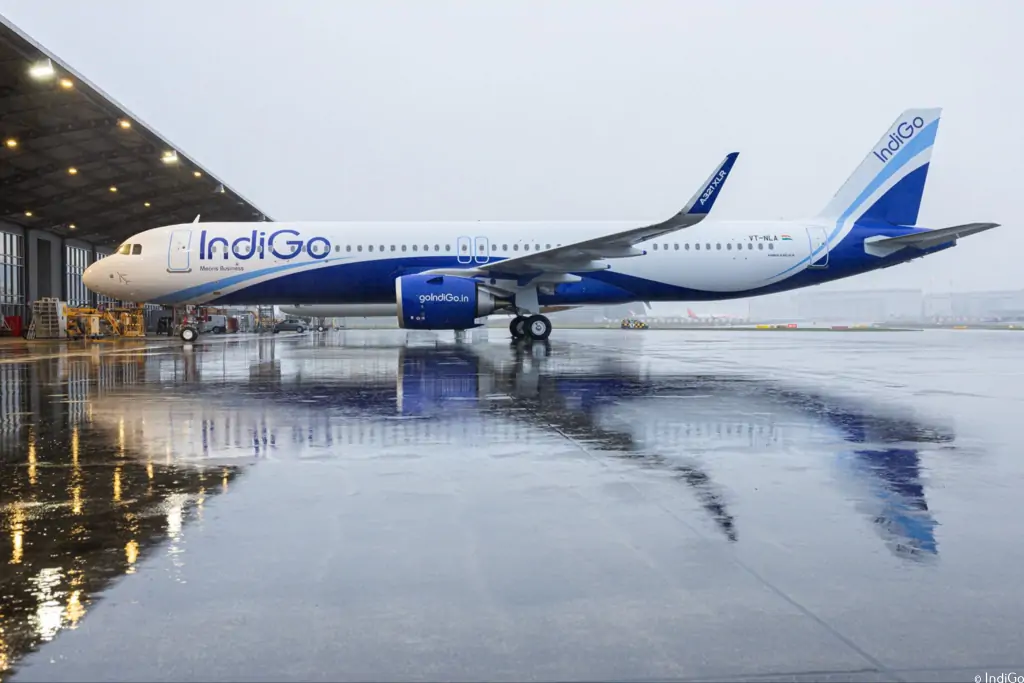
IndiGo made aviation history on Wednesday when India's first Airbus A321 XLR touched down in Delhi, marking a pivotal moment for the country's largest airline. The carrier shared glimpses of the sleek aircraft as it arrived at its home base, announcing with evident pride that "India's first A321 XLR has finally made its way home."
A Bold Step Beyond Familiar Skies
This arrival represents far more than just another aircraft joining IndiGo's fleet. The introduction of the A321 XLR signals the airline's ambitious pivot toward global expansion, moving beyond the short-haul routes that have defined its operations for years. IndiGo has already outlined plans to deploy this aircraft on non-stop services to Athens along with several domestic routes, demonstrating its commitment to entering medium- to long-haul markets that were previously beyond its operational scope.
What Makes This Aircraft Different?

The A321 XLR distinguishes itself from every other aircraft in IndiGo's fleet through its remarkable range and capacity. This aircraft can fly up to 4,700 nautical miles while accommodating a maximum of 244 passengers, capabilities that translate to approximately 11 hours of continuous flying time. These specifications make it perfectly suited for international connectivity on routes that would have been impossible with IndiGo's existing fleet.
According to Airbus, this unique combination of range and efficiency creates a "low risk solution for airlines to open new long-haul routes." The aircraft essentially fills a crucial gap in the market, allowing airlines to test international routes without committing to larger, more expensive widebody aircraft.
Redefining the Passenger Experience
IndiGo's A321 XLR comes equipped with features designed to deliver a complete long-haul passenger experience. The aircraft features wider economy seats for enhanced comfort during extended flights, full flat business class seats that rival those found on traditional long-haul carriers, and the latest generation in-flight entertainment and connectivity systems to keep passengers engaged throughout their journey.
The aircraft serves another strategic purpose by complementing widebody aircraft on established routes. It can operate these same routes during off-peak times or handle significant seasonal variations in demand, providing airlines with unprecedented operational flexibility.
According to Airbus's website, the A321 XLR has so far been deployed on routes connecting Paris, Kuala Lumpur, and Dallas, though this deployment roster is expected to expand significantly as more airlines take delivery of the aircraft type. With IndiGo now joining this exclusive group, Indian travelers can anticipate new international destinations becoming accessible through non-stop flights in the coming months.
Read next
How Is Akasa Air Bringing India's Harvest Festival to 30,000 Feet This January?
Abhishek Nayar
06 Jan 2026

Akasa Air has unveiled a celebration that transforms the ordinary experience of in-flight dining into something deeply rooted in Indian tradition. Through its onboard meal service, Café Akasa, the airline has launched its fourth edition of the Sankranti Special Meal, a carefully crafted culinary tribute to Makar Sankranti that will be available throughout January 2026.
A Festival Meal That Tells a Story
The special offering centers around Theplas, the beloved Gujarati flatbread, accompanied by stuffed brinjal curry that brings together the savory warmth associated with harvest celebrations across India. Completing this festive plate is Patali Gurer Patishapta, a traditional Bengali sweet made with date palm jaggery that captures the essence of winter festivities. Passengers can complement their meal with a beverage of their choice, creating a complete dining experience that honors the spirit of Sankranti while flying above the clouds.
This thoughtful combination of dishes represents more than just a meal. It reflects the agricultural abundance and communal joy that Makar Sankranti symbolizes in Indian households, where families gather to mark the sun's transition into the northern hemisphere and celebrate the winter harvest with special foods prepared using seasonal ingredients.
How to Experience This Limited-Time Offering
Travelers interested in enjoying this festive meal can pre-book it through Akasa Air's website at www.akasaair.com or via the airline's mobile app. The Sankranti Special Meal is available across the entire Akasa Air network, but only for a limited window from January first through January thirty-first, making it an exclusive opportunity for passengers flying during this celebratory month.
A Growing Tradition of Festive Flying
Since beginning operations in August 2022, Akasa Air has distinguished itself by creating specially curated meals that connect passengers with India's rich tapestry of celebrations. The airline's festive menu calendar reads like a cultural almanac, featuring special offerings for Makar Sankranti, Valentine's Day, Holi, Eid, Mother's Day, International Yoga Day, the Monsoon season, Navroz, Onam, Ganesh Chaturthi, Dussehra, Diwali, Children's Day, and Christmas. Beyond seasonal offerings, Café Akasa maintains a pre-selection of cakes on its regular menu, allowing passengers to celebrate birthdays and personal milestones while traveling.
The broader Café Akasa menu showcases an impressive variety with over forty-five meal options. These include fusion creations, appetizers with regional influences, and indulgent desserts, all developed by respected chefs from different parts of India. The menu undergoes frequent refreshes to ensure passengers encounter diverse gourmet meals, snacks, and beverages that accommodate various dietary preferences and culinary tastes, transforming the in-flight dining experience into something genuinely memorable.
Read next
CALC Cements Aviation Future with Massive 30-Aircraft Airbus Deal Worth Hundreds of Millions
Abhishek Nayar
02 Jan 2026

China Aircraft Leasing Group Holdings Limited has strengthened its position as one of Asia's leading aircraft lessors by placing a substantial order for 30 Airbus A320neo Family aircraft, marking a significant expansion of its partnership with the European aerospace giant. This strategic acquisition comes as airlines worldwide scramble to modernize their fleets with fuel-efficient aircraft amid surging travel demand and increasing environmental pressures.
Fifth Chapter in a Decade-Long Partnership
The newly announced agreement represents CALC's fifth order with Airbus since the partnership began in 2012, demonstrating the lessor's continued confidence in the European manufacturer's single-aisle aircraft program. With this latest commitment, CALC's total Airbus order book has swelled to an impressive 282 aircraft, with 203 of these belonging to the highly sought-after A320neo Family. This substantial portfolio positions CALC as a major player in the global aircraft leasing market, providing the company with the inventory needed to serve airlines across multiple continents.
Strategic Vision Driving Growth
Mike Poon, Executive Director and CEO of CALC, emphasized that the enduring partnership with Airbus has been instrumental to the company's expansion trajectory. He highlighted that this order reflects a shared commitment to innovation and sustainable aviation, noting that CALC takes pride in growing alongside Airbus while delivering high-value, modern aircraft solutions to airline customers worldwide. The emphasis on sustainability aligns with the aviation industry's broader push toward reducing carbon emissions and meeting ambitious climate targets.
Market Validation and Customer Demand
Benoît de Saint-Exupéry, Airbus Executive Vice President of Sales for Commercial Aircraft, expressed appreciation for the repeat business, calling CALC a valued long-term partner. He noted that CALC's sophisticated understanding of market dynamics and customer requirements serves as a strong endorsement of the A320neo Family's capabilities. Saint-Exupéry reinforced that this commitment demonstrates CALC's strength as a lessor equipped with the most efficient, versatile, and in-demand single-aisle aircraft available for their customer base.
Technical Advantages Driving Selection
The A320 Family has emerged as the world's most popular single-aisle aircraft, having secured over 19,000 orders globally. The family includes the A321neo, which offers exceptional range and performance as the largest member of the series. These aircraft deliver at least 20 percent fuel savings and carbon dioxide reduction compared to previous generation single-aisle models, while maximizing passenger comfort through one of the widest single-aisle cabins available. Additionally, all Airbus aircraft can currently operate with up to 50 percent Sustainable Aviation Fuel, with the manufacturer targeting 100 percent SAF capability by 2030, addressing growing environmental concerns in commercial aviation.
With Inputs from Airbus
Read next
Why Did India's Aviation Watchdog Issue This Stern Warning to Air India Pilots?
Abhishek Nayar
02 Jan 2026
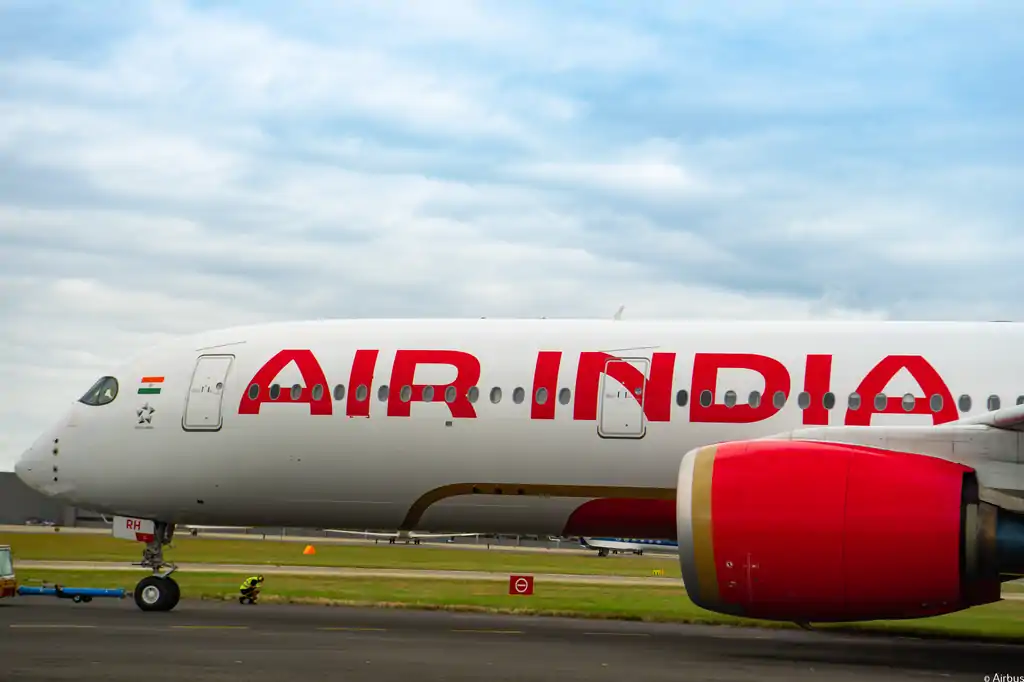
India's civil aviation regulator has taken an unusually serious step against Air India pilots, raising questions about what went wrong in the cockpit and whether passenger safety was compromised during recent flight operations.
The Regulatory Action
The Directorate General of Civil Aviation issued a show-cause notice on December 29, 2025, demanding answers from pilots involved in operating Flight AI-358 and its counterpart Flight AI-357. The regulatory body has given the flight crew fourteen days to explain why disciplinary action should not be taken against them for alleged breaches of aviation safety protocols.
What Happened During the Flight
The concerns center around a troubling sequence of events during one particular flight operation. The crew received multiple system warnings while the aircraft was in operation, which should have immediately raised red flags about the plane's airworthiness. Adding to the alarm, passengers and crew detected the smell of smoke near one of the aircraft doors, a potentially dangerous situation that typically requires immediate attention and investigation.
A Pattern of Technical Problems
The situation becomes more concerning when viewed against the aircraft's recent operational history. Records examined by the aviation regulator revealed that the same aircraft, bearing the registration number VT-ANI, had experienced similar technical malfunctions during five previous flights. This pattern suggests an ongoing mechanical issue that was not adequately addressed before the aircraft was cleared to continue flying.

The Core Allegations
The DGCA's notice centers on two main accusations against the flight crew. First, the regulator alleges that the aircraft was cleared for flight operations even though some of its safety equipment failed to meet the mandatory standards required for commercial aviation. Second, and perhaps more seriously, the pilots accepted the aircraft for operation despite having knowledge of the repeated technical problems and documented system weaknesses.
Questions About Pilot Decision-Making
The regulatory notice goes further in its criticism, stating that the crew demonstrated awareness of the aircraft's safety limitations. However, according to the DGCA, the pilots failed to properly assess how multiple faulty systems might interact and compound each other, potentially creating a more dangerous situation than any single malfunction would cause on its own.
What Happens Next
The pilots now have a two-week window to respond to the allegations and provide their explanation for the decisions made during these flight operations. The outcome of this investigation could have significant implications not only for the individuals involved but also for aviation safety protocols and enforcement across India's growing civil aviation sector.
Comment