
Akasa Air Upgrades Its Training Academy; Opens India's First 'Open-Door' Trainer

Radhika Bansal
16 May 2023
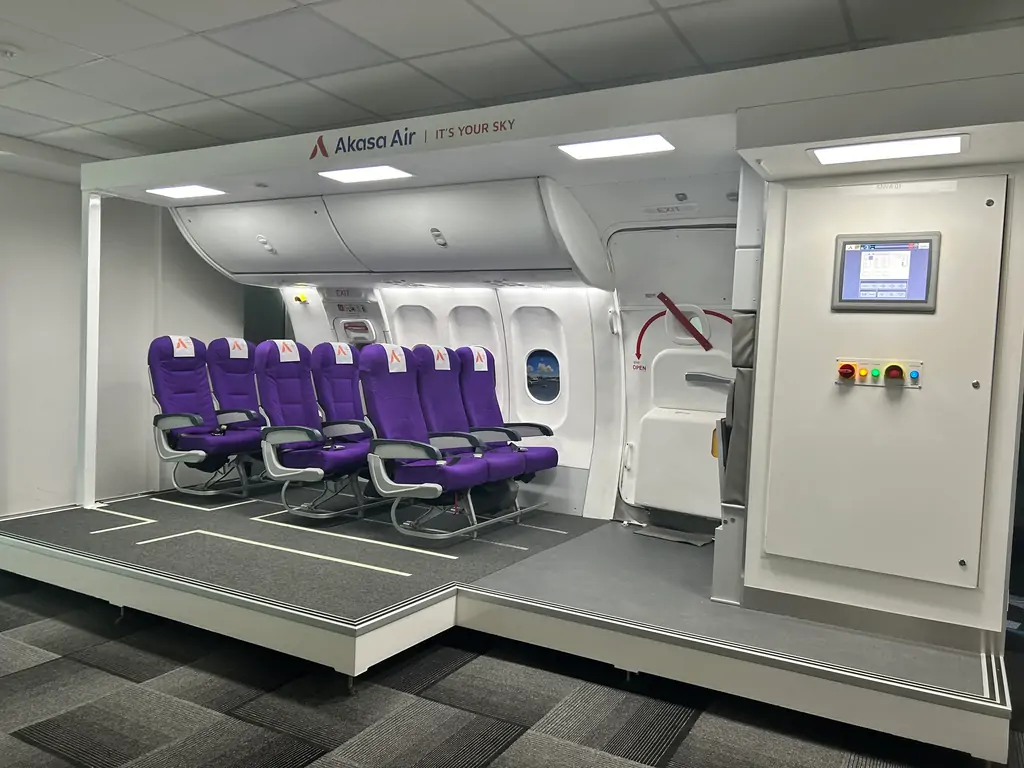
Akasa Air has expanded its training and development centre, which can train more than 700 aviation professionals, including pilots, cabin crew, engineers, airport services, and security personnel. As the less-than-a-year-old carrier, which has over 2,500 staff, announced its expansion on Monday, Founder and CEO Vinay Dube said, “We are confident about our future and continue to invest in it. Nothing we do at Akasa is short-term in nature".
In recent days, the country's fast-growing civil aviation sector has witnessed turbulence with budget carrier Go First suspending flights since May 3 and later going into resolution proceedings under the insolvency law. This comes at a time when India has become the fastest-growing aviation market and third largest market globally after the US and China. Still, the country suffers from poor quality of aviation training and infrastructure, especially of pilots and co-pilots, experts have pointed out.
India's Only ‘Open-Door’ Training Academy
According to a release, Akasa Air has inaugurated the second phase of the Akasa Air Learning Academy (AALA) in Gurugram. In July 2022, Akasa Air invested in a 14,000 sq feet, dedicated learning academy. "This new facility adds another 20,000 square feet of world-class, technologically forward, learning capabilities for the modern aviation world. The expansion builds capabilities for Akasa Air to train over 700 future-ready aviation professionals," the release said.
Akasa Air has inaugurated phase two of its training and development centre - Akasa Air Learning Academy (AALA) in Gurugram. The academy aims to enhance its capabilities in providing hands-on and experiential training to its employees, including pilots, cabin crew, engineers, airport services, and security personnel. The training centre, which opened in July 2022, now gets India’s only door trainer for next-generation aircraft.
The 14,000 sq ft, dedicated Learning Academy, now gets another 20,000 sq ft of additional space with world-class learning capabilities for the modern aviation world. The facilities equip the airline to offer regulatory and safety, service and operational training, including service excellence, leadership, communication, departure control system, safety & emergency procedures, first aid, and advanced computerised reservation & check-in training.
The state-of-the-art door trainer enables the cabin crew to practice normal and emergencies in a realistic environment. The hands-on operation, and practical training, on the Type I main door and Type III automatic over-wing exit is provided, in addition to the simulation of regular flight phase scenarios such as pushback, taxi, cruise, descent and landing along with pre-recorded announcements. The door trainer is equipped to simulate multi-scenario emergency situation management.
The trainer makes the training even more effective in real-world environments by matching the operational characteristics of the aircraft equipment and is designed to facilitate cabin crew with the highest possible levels of safety and emergency training.
Dube also said the significant financial investment it has made will pay rich dividends for multiple years to come. Indian airlines have placed an order for at least 1,115 planes to be delivered over the next decade, with a bulk of them expected to come in 2025 onwards. For instance, Akasa Air has placed an order for 72 Boeing 737 MAX airplanes.
About Akasa Air
Akasa Air, a brand of SNV Aviation Private Limited is an Indian low-cost airline headquartered in Mumbai, Maharashtra, India. It was founded by Vinay Dube and Aditya Ghosh with investor Rakesh Jhunjhunwala holding a 46% stake in the airline. The carrier launched its first commercial flight on August 7, 2022, and currently has a fleet of 19 planes. Akasa Air now flies to 17 cities, operating over 900 weekly flights across India, and will likely start overseas flights later this year. The airline will continue to grow its network to establish a strong pan-India presence focusing on the metro, Tier 2 & Tier 3 route connectivity. It has placed a firm order for 72 Boeing 737 MAX airplanes, powered by CFM fuel-efficient, LEAP-1B engines.
Being a low-cost airline, Akasa Air operates an all-economy configuration in their Boeing 737 Max variants, with a total of 189 or 174 passengers in the -8 variant and 197 in the -200 variant. To keep fares at a low price, the airline does not provide any in-flight meals, however, the airline operates Cafè Akasa, its own catering service where passengers can purchase food on board. The airline has no In-Flight Entertainment system. The airline offers passengers the "Flexi premium services" where passengers get food, seat selection, priority and lower costs for date changes and cancellations. This service is similar to other Low-Cost Carriers in India.
Read next
Cargolux B747 Landing Gear Detached Following Overweight Emergency Landing

Abhishek Nayar
16 May 2023
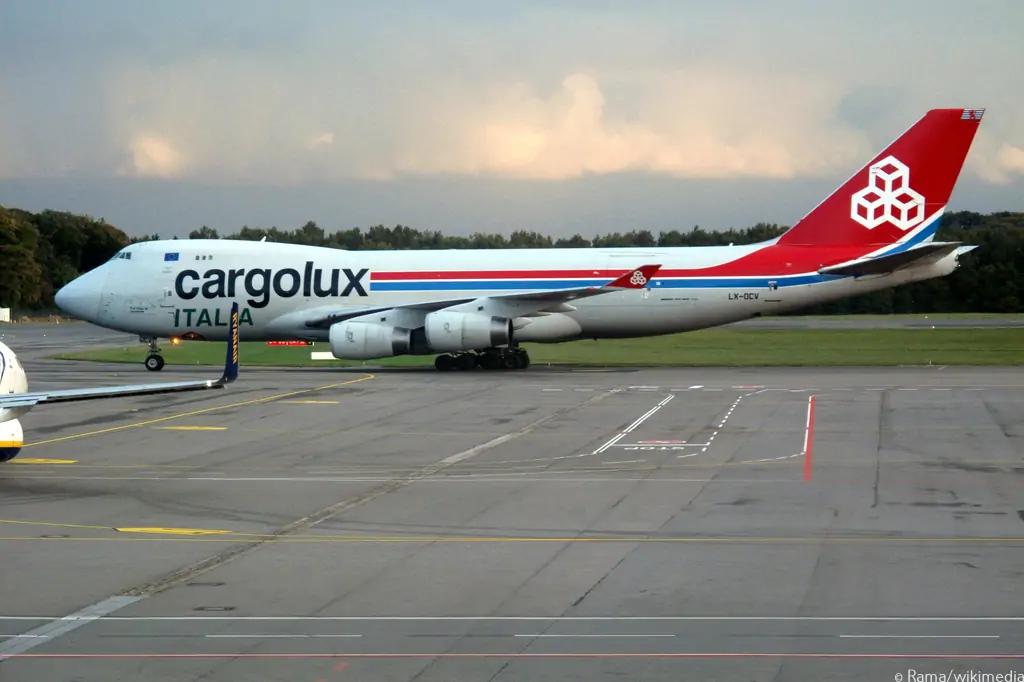
A Cargolux Boeing 747 freight airliner recently endured a horrific event when a portion of its landing gear broke off following an emergency landing, sending shockwaves across the aviation industry. Concerns have been expressed pertaining to safety procedures and the possible impact on freight transit as a result of the occurrence.
Cargolux Airlines: Background Information
Cargolux Airlines, based in Luxembourg, is one of the world's top cargo airlines, specialized in the global transportation of valuable and time-sensitive commodities. Cargolux has earned a reputation for its broad network and dedication to client satisfaction by focusing on dependability and efficiency.
Specifications for the Boeing 747 Aircraft
The Boeing 747, sometimes known as the "Queen of the Skies," is an iconic aircraft notable for its size and cargo capacity. It has been the backbone of Cargolux's fleet, allowing the airline to effectively transport enormous amounts of cargo across great distances. The Boeing 747 is known for its safety and dependability due to its modern systems and technology.
Current Scenario
Yesterday evening (Sunday, May 14th), a Cargolux Boeing 747 cargo aircraft flying from Luxembourg to Chicago was forced to return to its departure location after the aircraft's undercarriage failed to retract after take-off. Yesterday evening, the Cargolux Boeing B747-400F, registered LX-OCV, operated flight CV6847 from Luxembourg Findel Airport (LUX) to Chicago O'Hare Airport (ORD).
Crew Response and Safety Measures
This incident demonstrated the significance of stringent safety precautions and personnel training. The pilots and staff onboard displayed excellent professionalism and fast thinking while effectively managing the difficult situations. Their training, together with their adherence to established protocols, was critical in preventing a possible disaster.
Incident Investigation and Analysis
An inquiry was launched following the event to establish the underlying cause of the landing gear malfunction. Cargolux and aviation authority experts painstakingly investigated the aircraft, its maintenance records, and many operating elements. The inquiry sought to identify any technological faults, human mistakes, or other factors that may have played a role in the occurrence.
Cargolux's Safety Commitment
Cargolux Airlines has always prioritized safety, and the incident served as a clear reminder of the significance of strong safety precautions. The airline informed its customers and stakeholders that it would thoroughly investigate the occurrence and put in place the necessary procedures to prevent a repeat.
Future Enhancements and Preventive Actions
Cargolux is committed to making the necessary modifications to avoid a repeat of this situation. This involves a thorough examination of maintenance processes, increased inspections of crucial components, and tighter engagement with aircraft manufacturers to resolve any design flaws.
Conclusion
The loss of a portion of the Cargolux Boeing 747's landing gear during an emergency landing was a terrifying incident that underlined the necessity of safety in aviation operations. Cargolux was forced to rethink its safety processes, engage in training programmes, and work closely with regulatory agencies and aircraft manufacturers as a result of the incident. Cargolux is resolved to keep its commitment to safety and ensure the seamless and secure delivery of cargo throughout the world by adopting essential enhancements and preventative measures.
With Inputs from Twitter
Read next
Alliance Air All Set To Get An INR 300 Crore Equity Infusion From The Government
Radhika Bansal
15 May 2023
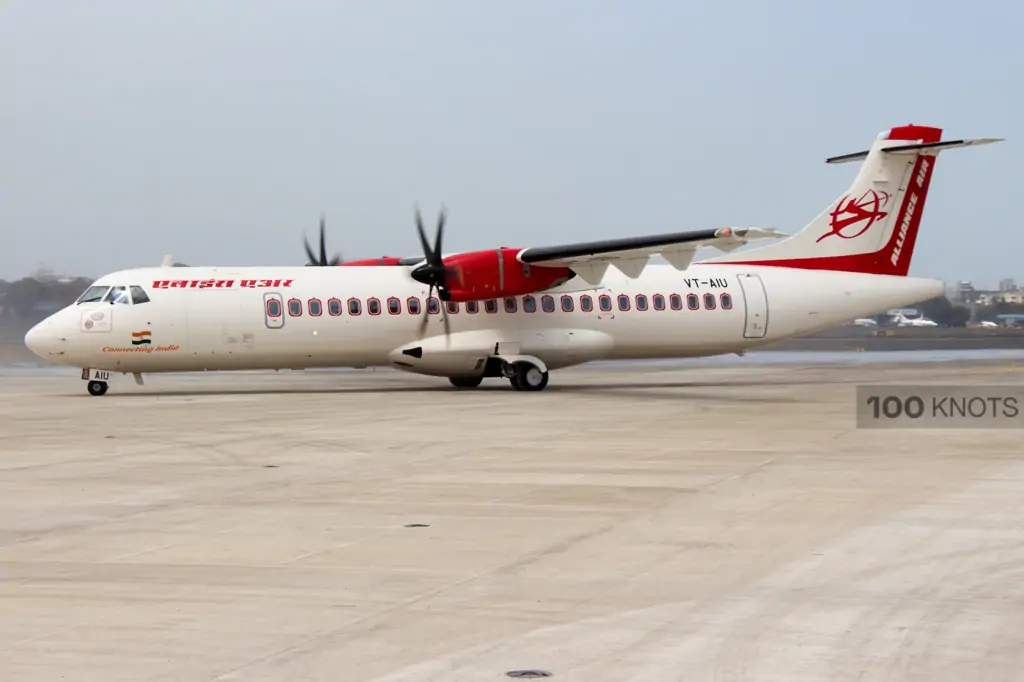
The government is all set to make an equity infusion of INR 300 crore in Alliance Air, reported PTI, citing a senior official. Alliance Air, which was part of Air India, is owned by AI Assets Holding Ltd (AIAHL), a special-purpose vehicle formed by the central government. The government's move might help the company to fade the impact of the financial headwinds that it has been facing.
The disinvestment-bound Alliance Air operates around 130 flights daily. In recent months, there have been instances of strikes by pilots to protest against the non-restoration of salaries to the pre-Covid level and non-payment of allowance, among other issues. The finance ministry has approved an equity infusion of INR 300 crore into Alliance Air, the senior civil aviation ministry official told PTI. Specific details could not be immediately ascertained.
Flights under 'Alliance Air' brand are operated by Airline Allied Services, which changed its name to Alliance Air Aviation Ltd. The company's authorised capital is INR 2,000 crore and the paid-up capital is INR 402.25 crore, as per the latest data available from the corporate affairs ministry. Alliance Air, which saw its net loss widen to INR 447.76 crore in fiscal 2021-22, has been grappling with financial woes. The carrier's cash loss widened to INR 224.18 crore in the financial year ended March 2022.
Alliance Air Pilot Strike
State-owned Alliance Air has around 200 pilots. A source had said that at least 70 flights were affected due to the strike by the pilots on April 12 and April 13. A section of pilots has gone on strike without issuing a notice to the airline. It is pertinent to note that Alliance Air airline's pilots have been demanding the restoration of salaries to the pre-Covid level for the past few months. They went on a strike in September 2023, prompting delays and flight cancellations.
The Alliance Air pilot strike began on April 11, 2023, when pilots went on strike to seek better working conditions and greater compensation. The pilots claim that the airline has not provided them with enough rest and has overworked them. They also say that their salary is not competitive with the industry and are requesting a large raise. According to two sources, some 70 Alliance Air flights were impacted on Tuesday as a group of pilots maintained their strike for the second consecutive day, and the airline issued show-cause warnings to the pilots. Roughly 70-80 pilots did not report for duty to protest, among other things, the non-restoration of salary to pre-COVID levels and the non-payment of allowances.
Passengers affected by aircraft cancellations and delays have suffered significantly as a result of the pilot strike. According to sources, over 70 flights have been cancelled and many more have been delayed since the strike began. Several passengers have been stuck at airports and have been forced to make other travel plans. The situation has been especially tough for travellers who want immediate transportation and cannot afford to wait for the strike to conclude.
About Alliance Air
Four companies that were earlier part of Air India are now under AIAHL. These are Air India Air Transport Services Ltd, Air India Engineering Services Ltd, Airline Allied Services Ltd and Hotel Corporation of India Ltd. All four companies are proposed to be divested by the government in due course. The Expression of Interest (EoI) for Air India Air Transport Services and Air India Engineering Services are likely to be floated soon. Loss-making Air India along with Air India Express was taken over by Tata Group in January 2022.
Alliance Air flies with a fleet of 20 ATR turboprops - two ATR 42s and 18 ATR 72s - with an average age of less than seven years and one Dornier Do-228 made in India. The second Dornier aircraft from Alliance Air will soon be introduced. The airline currently operates around 130 flights per day to over 70 destinations across India mostly in Tier II and III cities. The airline is also working to expand its markets in Tier II and Tier III cities. Alliance Air also wants to establish a wider international network, including flights to Bangladesh, Nepal and Myanmar, this has yet to materialize.
Alliance Air (formerly Air India Regional) is a wholly-owned subsidiary of AIAHL (AI Assets Holding Ltd.) which is a Special Purpose Vehicle (SPV ) formed by the Government of India after the disinvestment of Air India Limited. It was founded in April 1996 as a wholly-owned subsidiary of Indian Airlines (later merged with Air India in 2011 and remained a subsidiary till 2022) and mainly operates domestic routes as part of the government's Regional Connectivity Scheme. Alliance Air was also the launch carrier of India's Regional Connectivity Scheme, also known as Ude Desh Ka Aam Naagrik, with the commencement of the Shimla-Delhi service in 27-Apr-2017.
Read next
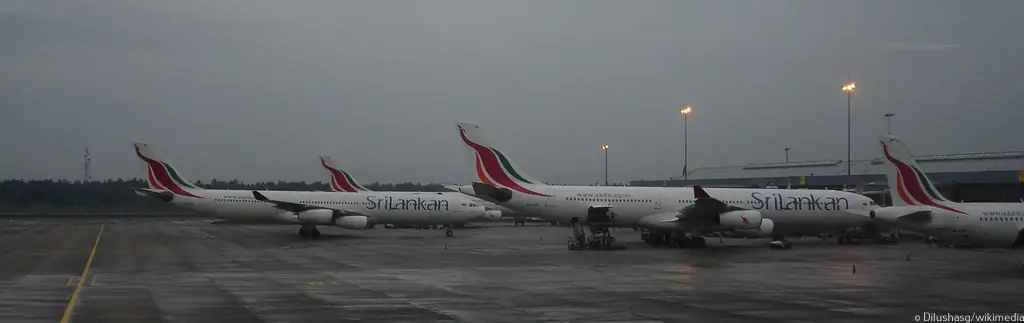
The ongoing COVID-19 epidemic has had a large financial impact on the aviation sector, resulting in considerable financial issues for many airlines globally. SriLankan Airlines, Sri Lanka's national carrier, has announced a startling annual loss of $525 million in March 2023. This financial setback has sparked doubts about the airline's future and ability to weather these turbulent times.
Present Situation
Despite the fact that 2022 was a year of significant recovery from the COVID-19 epidemic for the aviation sector, airlines continue to incur yearly losses. For example, Sri Lanka’s national airline, SriLankan Airlines, recorded a $525 million deficit in the fiscal year ending March 2023. The yearly loss of $525 million has tripled compared to the deficit reported in the previous fiscal year, when demand for air travel fell due to pandemic-related travel restrictions.
According to the airline's chairman, Ashok Pathirage, the country's extraordinary financial crisis occurred at a particularly crucial moment for the carrier, which had just begun its recovery from the COVID-19 epidemic, the most severe catastrophe since its inception. As a result, SriLankan's chairman claims that restructuring the airline is the only realistic alternative for saving the national carrier. He has not, however, disclosed any preparations for a possible sell-off. Furthermore, considering SriLankan Airlines' difficult financial state, reservations have been raised about the probable interest of external investors in investing in the carrier.
Factors That Contributed to the Loss
A number of factors have led to SriLankan Airlines' significant yearly loss. To begin, the significance of the COVID-19 epidemic cannot be underestimated. The worldwide health crisis has cut passenger numbers significantly, causing airlines to operate at reduced capacity. This drop in demand has directly impacted SriLankan Airlines' income stream.
The Implications of the Loss for SriLankan Airlines
SriLankan Airlines' yearly deficit of $525 million has far-reaching consequences. The airline confronts substantial financial issues in maintaining operations and satisfying its financial obligations. Such a large loss needs immediate action to restore the company's financial health and profitability.
SriLankan Airlines' Efforts to Offset the Loss
SriLankan Airlines has taken many steps to address the financial issues and offset the significant loss. To simplify operations and enhance efficiency, the airline is focused on cost-cutting methods and restructuring plans. Contracts may be renegotiated, overhead costs reduced, and resource allocation optimized.
Industry-wide Difficulties and Potential for Recovery
SriLankan Airlines' problems are not unique to the aviation sector. The COVID-19 epidemic has had a significant impact on worldwide aviation travel, and recovery will be gradual. The sluggish restoration of passenger demand, persistent travel restrictions, and uncertainty surrounding emerging virus strains pose substantial hurdles for airlines throughout the world.
Conclusion
The reported yearly loss of $525 million by SriLankan Airlines in March 2023 underscores the significant issues confronting the aviation sector as a result of the COVID-19 epidemic. The financial setback has forced the airline to adopt proactive efforts to offset the effect of the loss, such as cost reductions, collaborations, and digital transformation.
With Inputs from TOI
Read next
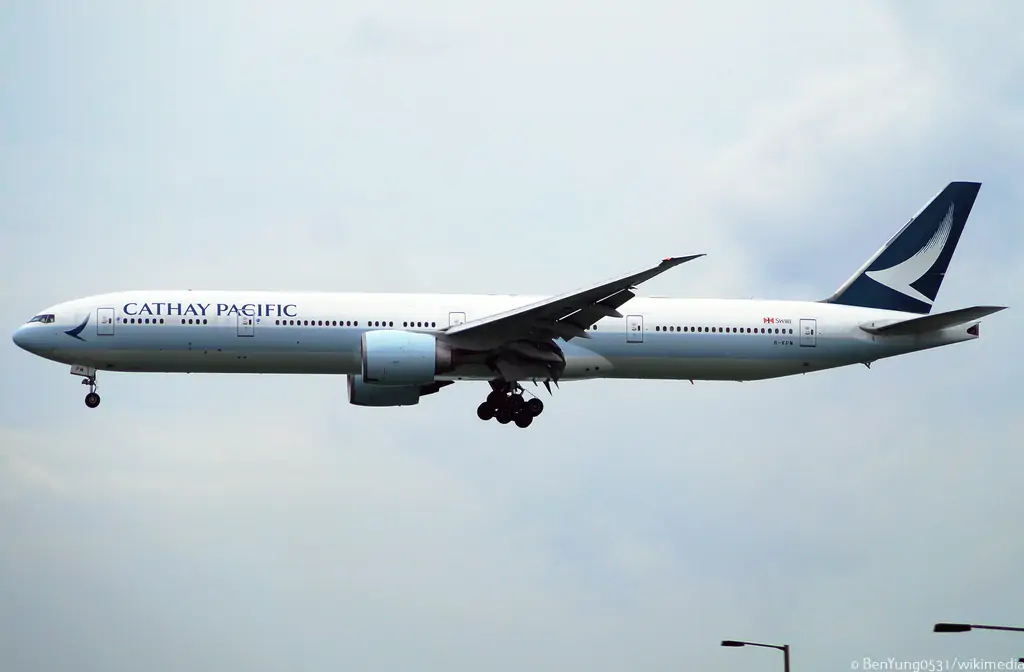
Slow taxiing and airport congestion may be major challenges for airlines, affecting both operational efficiency and the customer experience. This issue has lately piqued the interest of Cathay Pacific Airways, one of the region's top airlines, in the bustling metropolis of Hong Kong. After some of its pilots were accused of contributing to the congestion at Hong Kong International Airport, the airline took action to remedy the issue.
Understanding Slow Taxi
Slow taxiing is the delay or reduction in speed of an aircraft when traversing on the ground, often between the terminal and the runway or vice versa. Heavy traffic, limited airport infrastructure, and misunderstandings between pilots and ground control are among the issues that might lead to slow taxiing. These variables can cause bottlenecks and congestion, reducing airport efficiency overall.
The influence of slow taxiing extends beyond flight scheduling. Taxi delays can have a domino effect, causing future aircraft to be delayed and affecting the airport's general flow of operations. Passengers may get frustrated and inconvenienced, negatively impacting their opinion of the airline and the airport.
Present Scenario
According to newly released reports, the Hong Kong-based carrier Cathay Pacific recently emailed its staff about an internal investigation conducted by the airline, which revealed recent findings that suggest the airline's pilots have been taxiing at lower speeds than other airlines, causing runway congestion.
To reduce taxi times, the Federal Aviation Administration (FAA) and the National Aeronautics and Space Administration (NASA) completed testing in 2021 of software that allows an aircraft to push back from its gate and get to the runway with minimal delays, thus reducing time spent on the ground, and once it takes off, get the aircraft to high altitude en-route traffic towards its destination.
Cathay Pacific Airways and the Taxiing Problem
Cathay Pacific Airways, headquartered in Hong Kong, began operations in 1946. It operates in over 190 destinations globally and is known for offering excellent service. Recent instances involving some of its pilots, however, have brought to light the issue of sluggish taxiing at Hong Kong International Airport.
Cathay Pacific Airways' Repercussions from Slow Taxiing
Slow taxiing can have profound implications for an airline like Cathay Pacific Airways. For starters, operational disruptions and delays might result in higher expenditures owing to increased fuel usage, missed airline connections, and staff scheduling issues. Such disruptions might also have a repercussion on passenger happiness and the overall consumer experience. Delays and longer taxiing periods can cause customers to be frustrated, inconvenienced, and perhaps miss connections, degrading the airline's image.
Measures Taken by Cathay Pacific Airways
Cathay Pacific Airways has adopted efforts to reduce the issue of slow taxiing, recognizing the importance of resolving the issue. Internal communication and reminders to pilots have been prioritized by the airline, emphasizing the importance of effective taxiing and its influence on overall operations.
The Significance of Technology in Mitigating Slow Taxiing
Technology is critical to overcoming the issues associated with sluggish taxiing. Pilots may make educated judgements and pick the most effective taxiing paths using advanced navigation systems and runway monitoring technologies that offer real-time data. Such technology can improve situational awareness and assist pilots in successfully navigating crowded locations.
The Importance of Efficient Taxiing in the Aviation Industry
Efficient taxiing is a critical part of the aviation industry as a whole, not just Cathay Pacific Airways. Streamlining taxi operations may increase airport efficiency by minimizing delays and increasing total capacity. This helps not just the airlines but also passengers, airport authorities, and other aviation stakeholders.
Conclusion
Finally, slow taxiing and airport congestion pose substantial issues for airlines such as Cathay Pacific Airways. The airline, on the other hand, has taken proactive initiatives to solve the issue, emphasizing the necessity of efficient operations and engagement with airport authorities. Cathay Pacific Airways aspires to reduce delays, improve passenger experiences, and contribute to a more sustainable aviation sector by harnessing technology and encouraging best practices in taxiing.
With Inputs from South China Morning Post
Read next

In 2022, China's aviation sector, like many others throughout the world, endured a turbulent year. The COVID-19 epidemic, as well as the resulting travel restrictions and decreased passenger demand, had a significant influence on the industry. As a result, China's aviation sector suffered a whopping $31.44 billion loss.
COVID-19's Impact on the Aviation Sector
The COVID-19 epidemic wreaked havoc on the worldwide aviation industry, including China. To limit the virus's fast spread, governments throughout the world enacted travel restrictions, border closures, and quarantine procedures. These policies had a huge influence on the aviation industry, resulting in a considerable decrease in passenger numbers.
Current Situation
Before delving into the issues that China's aviation sector confronted in 2022, it is critical to grasp the industry's significance and magnitude. With a massive network of domestic and international airports and airlines and a growing middle class eager to tour the world, China has one of the world's largest aviation markets.
Contributing Factors: Deficit in 2022
Several causes contributed to China's aviation industry's enormous financial loss in 2022. Let us look at some of the most important factors:
Lower Passenger Demand
Fear of getting the virus, combined with travel limitations, resulted in a significant drop in passenger demand. Many consumers cancelled or postponed their trip plans, resulting in low occupancy rates on carriers' flights. This drop in demand has a considerable influence on the aviation industry's revenue.
Border Closures and Travel Restrictions
Governments enacted tight travel restrictions and border closures to prevent the spread of COVID-19. These policies attempted to restrict people's movement both locally and internationally, making it difficult for airlines to operate and earn income.
Reduced Foreign Tourism
China is primarily reliant on international travel, which took a hit during the epidemic. Foreign visitors were barred from entering China due to travel restrictions and border closures, resulting in a major drop in international tourism earnings.
Financial Challenges Faced by Airlines
The epidemic put an enormous financial strain on airlines. Airlines encountered difficulties financing expenses such as aircraft maintenance, fuel prices, and personnel compensation due to decreased income and rising operating costs. This financial hardship led to China's aviation industry's total loss.
China's Measures to Boost the Aviation Sector
Recognizing the importance of the aviation industry and its role in driving economic growth, the Chinese government adopted a number of steps to assist the industry through the difficult times of 2022. Among the steps implemented are:
Subsidies and Financial Assistance from the Government
Subsidies and loans were offered by the Chinese government to struggling airlines. These funds were established to relieve airlines' financial burdens and assure their continued operations throughout the crisis. By providing financial aid, the government hoped to avert major bankruptcies and keep the aviation industry running.
Incentives for Domestic Travel
The Chinese government has introduced a variety of incentives to enhance domestic tourism and passenger demand. These included subsidized flights, travel certificates, and packages that encouraged individuals to travel across the country. The government hoped to revitalize the aviation industry and create income for airlines by increasing domestic travel.
Infrastructure Construction
China has traditionally led the way in infrastructural development, and the aviation sector is no exception. The government kept investing in airport infrastructure, building new airports, and expanding old ones. These initiatives sought to increase connections and handle future air travel demand.
The Chinese Aviation Industry's Recovery and Future Prospects
While 2022 was unquestionably a difficult year for China's aviation sector, there are indications of recovery and optimism for the future. Passenger trust is gradually being restored as vaccination rates rise and the worldwide situation improves. Airlines are adjusting to the changing environment by instituting health and safety precautions such as improved cleaning processes and contactless services.
Conclusion
With a deficit of $31.44 billion, the year 2022 was clearly difficult for China's aviation sector. The COVID-19 epidemic and its related issues, including reduced passenger demand, travel restrictions, and financial strains on airlines, all contributed to this loss. However, the Chinese government's assistance in the form of subsidies, domestic travel incentives, and infrastructure improvement has helped to alleviate the damage and prepare the way for recovery.
With Inputs from Global Times, Prensa Latina
Comment