
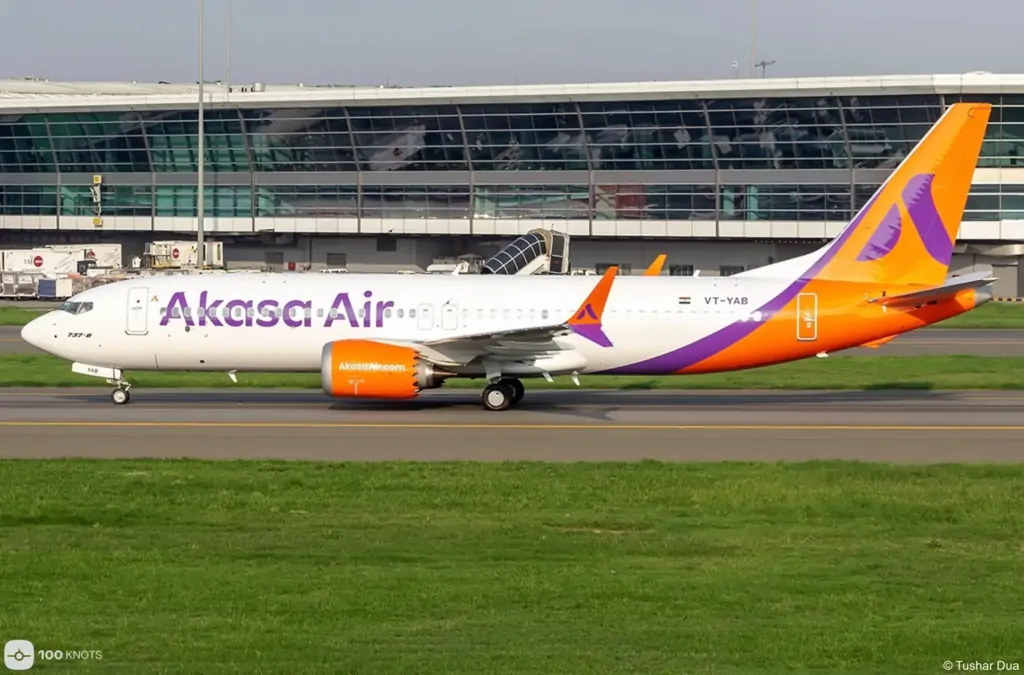
Indian airline Akasa Air has begun reconfiguring its Boeing 737 Max aircraft by replacing 12 spacious seats in the front of the cabin with standard economy class seats. This move comes as 11 of the airline's 20 aircraft were initially fitted with more comprehensive and more comfortable seats due to supply chain challenges. These aircraft have three rows in the front in a 2x2 configuration and seats have more legroom.
The premium seats attracted an additional charge of INR 3,500 and were well-received by customers. However, Akasa Air has decided to maintain a standard 189-seat configuration for all planes, with the 11 aircraft undergoing the seat change having a total of 174 seats.
The airline's founder and CEO, Vinay Dube said, “We remain on track. By the end of the year, we hope to have our full set of aircraft in standard configuration. Consumers have definitely appreciated the seats, but we still think the right thing for us to have a standard product across the board.”
The seat change work is currently taking place at a maintenance repair and overhaul unit in Hyderabad, and more aircraft are expected to undergo the change in the coming weeks, reducing some flights. Akasa Air did not disclose details about changes to the flight schedule, but it was revealed that the airline did not market the premium seats as a business class product to maintain service consistency.
International Expansion
Akasa Air is planning to launch its international operations, with the Middle East and Southeast Asia regions currently on its radar. Akasa Air, which celebrated its first anniversary earlier this month, has now shifted its focus to launching its international routes since the August delivery of its 20th aircraft that allows the low-cost carrier to fly overseas based on requirements set by Indian authorities.
Speaking to India’s CNBC-TV18 this week, the airline’s co-founder Aditya Ghosh shed more light on Akasa Air’s global expansion. “We’re the fastest airline in India ever to have reached the point at which we are going to start international operations. We think that the five to six-hour range is ideally suited not just to our type of aircraft, but also where the demand sits — the SAARC countries, Middle East, and Southeast Asia,” he stated.
Ghosh did not highlight which countries the airline was targeting in the Middle East. "We are finalising an order for another triple-digit order so let's take a minimum order of at least 100. That's 176 aeroplanes that will be on order before this year is out and we think that's going to cater for this massive burgeoning demand in the aviation sector for the long period to come," Ghosh said.
Ghosh also spoke about how the airline doesn't currently have any internal guidelines or any internal targets in terms of market share and that he believes that offering 'affordable fares consistently' to customers will ensure a growth in market share automatically. "I think what's important is to make sure that you run a ferociously low-cost structure, which helps you offer affordable fares consistently to your customers. And customers like the efficiency and the friendliness and market share grows automatically," Ghosh said.
Induction of Aircraft
Talking about the aircraft that the airline has acquired for its international expansion, Ghosh said that the airline was getting high-capacity Dash 200s to chase the international demand. "We are beginning to get our Dash 200s the Boeing 7378-200s, even in our original 76 aircraft order two-thirds of it is the higher capacity Dash 200s so therefore that then is an aircraft that lends perfectly to chasing this international demand," Ghosh said.
Talking about the airline's preparation for the expansion in terms of crew, Ghosh said that the airline had the fungibility to move crew between international and domestic operations. “We are a single feet type, disciplined sort of operation, it gives us a huge amount of fungibility to move capacity between the international and domestic, we don't have to start thinking about multiple different types of aircraft multiple different types of crew and so on,” the co-founder said.
The airline has been eyeing an international launch this year, alluding to its plans at the Paris Air Show in June where Akasa Air placed an order for four Boeing 737 Max jets, as a follow-up to a 72 aircraft order book, which includes 23 737-8s and 53 high-capacity 737-8-200 aircraft. The airline said at the time that it was on course to announce another significant three-digit aircraft order by the end of 2023, while also launching its international operations before the end of the year.
(With Inputs from Hindu BusinessLine and CNBC TV18)

Read next
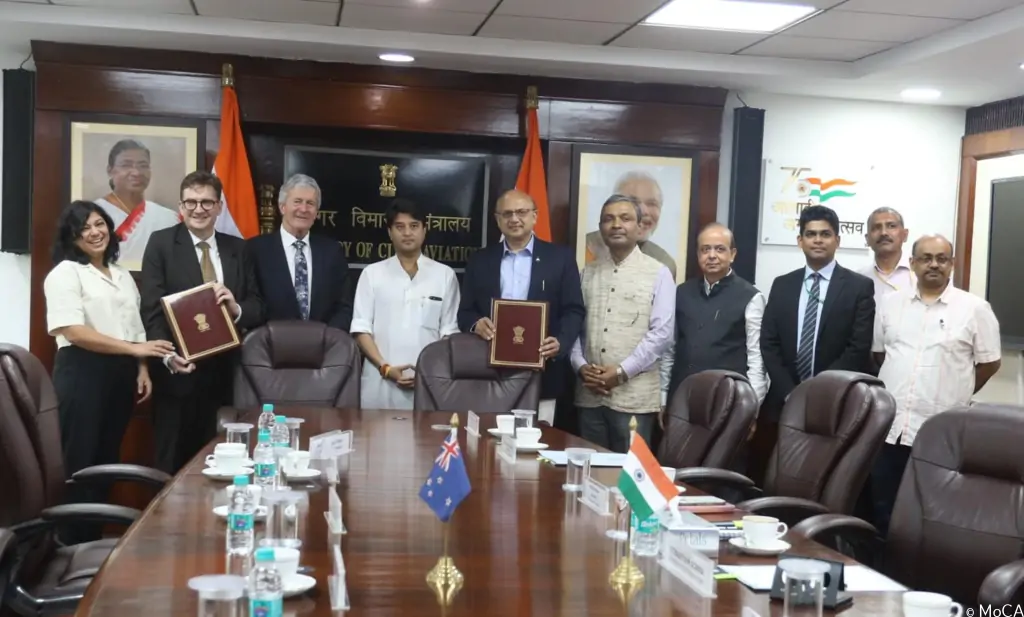
India and New Zealand have signed a Memorandum of Understanding (MoU) to boost cooperation in civil aviation, which includes scheduling of new routes, codeshare services, traffic rights and capacity entitlement, an official statement said on Tuesday, August 29. India and New Zealand signed the Air Services Agreement at Auckland on May 1, 2016.
According to the MoU, the designated airline(s) of New Zealand may operate any number of services with any type of aircraft, with third and fourth freedom traffic rights to/from six points in India, namely New Delhi, Mumbai, Bengaluru, Chennai, Hyderabad, and Kolkata, it stated.
Governments of the two countries have reviewed the existing arrangements relating to air service between the two countries, it said and added that the initial pact is expected to further boost the bilateral ties in civil aviation between the two countries. The MoU was signed by Civil Aviation Secretary Rajiv Bansal and the High Commissioner of New Zealand, David Pine. Minister of Civil Jyotiraditya Scindia and the New Zealand Minister for Trade Growth, Agriculture, Biosecurity, Land Information, and Rural Communities of New Zealand, O’Connor were present on this occasion.
We have signed an MoU that has opened the possibilities of furthering air transport between our two countries, Scindia was quoted as saying in the statement. The open sky policy has been put in place. The point of calls has been increased (and) we have also increased intermediate points, he added.
Under the terms of the agreement, India’s designated airlines also gain extensive rights. They can operate an unrestricted number of services with diverse aircraft types, securing third and fourth freedom traffic rights for routes to and from Auckland, Wellington, Christchurch, and three additional destinations in New Zealand, as designated by the Indian Government.
The MoU additionally permits the designated airlines of both India and New Zealand to operate all-cargo services with diverse aircraft types. These services enjoy third, fourth, and fifth freedom traffic rights for routes travelling through any intermediate points and extending to any beyond points, irrespective of the points originally specified in the route schedule. This multi-faceted agreement is poised to reshape the landscape of civil aviation cooperation between India and New Zealand.
Air India has continued to flesh out its international network, with the addition of a non-stop service between Delhi and Amsterdam in May, while Air New Zealand highlights rebounding international capacity. The flight will operate four times weekly with Boeing 787-8s with services commencing on 11 June, bringing Air India’s European network to eight destinations. “With the launch of this new non-stop flight to Amsterdam, Air India adds further breadth to our long-haul network and more options for our customers,” says Air India chief executive Campbell Wilson.
Read next
Air India Planning to Deploy Additional Cabin Crew on its Narrow-Body Aircraft
Radhika Bansal
30 Aug 2023
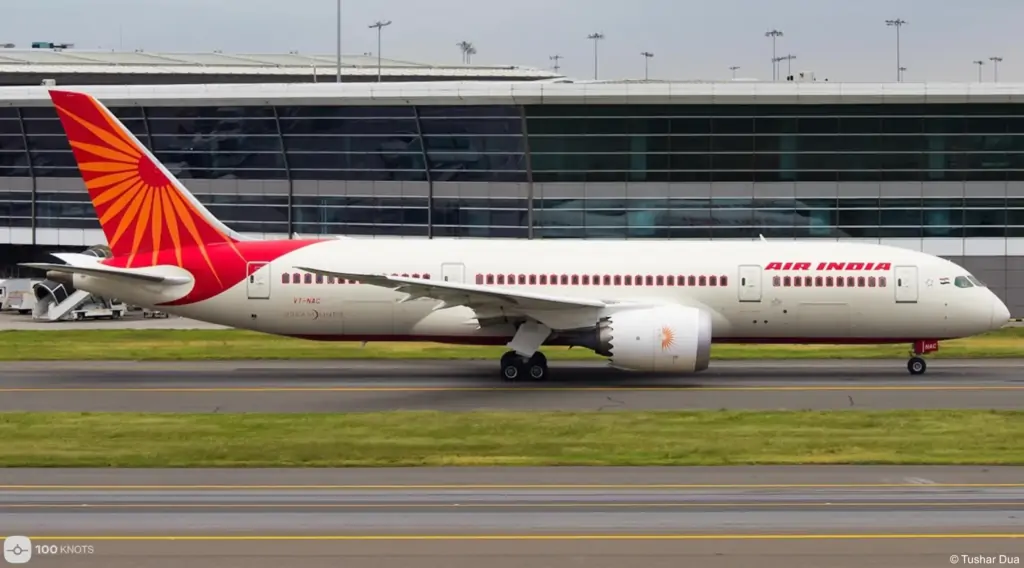
Air India will deploy additional cabin crew members on its narrow-body aircraft, which are operating on international routes and domestic metro-to-metro routes, to provide better service to passengers, its Chief Executive Officer and Managing Director Campbell Wilson said according to a report by Business Standard.
"On the cabin crew front, our recruitment and training teams have done a great job in recent months of onboarding new colleagues. Thanks to their efforts, and notwithstanding our ongoing growth, we'll be restoring a full service-based complement of cabin crew on our narrowbody international and domestic metro-to-metro flights from September 1," he told employees in a message. "As even more new crew enter the system we will be restoring the full service-based complement on all other flights too, subject to load factors," Wilson added.
Air India has 127 planes in its fleet, out of which 74 are narrowbody aircraft, according to aviation analytics firm Cirium. A narrowbody plane like A320neo has a smaller fuel tank as compared to widebody aircraft. They are used domestically or on short international routes. Many of its flights to the Middle East and Southeast Asia also fall within the range of these jetliners and are carried out by the A320 family jets. According to data by Cirium, Air India will operate more than 1,400 return flights in September alone to destinations such as Dubai, Muscat, Abu Dhabi, Singapore, and Doha, among many others.
Air India placed a massive aircraft order earlier this year. The order includes 34 A350-1000, six A350-900, 20 Boeing 787 Dreamliners and 10 Boeing 777X widebody aircraft, as well as 140 Airbus A320neo, 70 Airbus A321neo and 190 Boeing 737MAX narrowbody aircraft.
Staff Integration with Vistara
Vistara has reportedly begun discussions with Air India – both are part of the Tata Group – to integrate its staff with the latter. This comes as both carriers wait for regulatory approvals for their merger. Vistara has a dedicated workforce of 5,500 currently and is aiming to expand it to 6,000 by the end of 2023.
Vistara CEO Vinod Kannan said that any rationalisation of staff is unlikely, but not everyone might get the same role or position in Air India, according to a report in The Economic Times. Air India is also in the process of bringing various segments of its employees under one structure, the report added. The first round of integrations, the report stated, would take place between old and new Air India employees, which will be followed by that with Vistara and AirAsia India.
Kannan said that the airline aims to get all the approvals for the Vistara merger with Air India by April 2024. It might take a few months after that for the actual merger process. However, some areas of integration, such as networks and brands, would be possible only after the regulatory approvals are granted, Kannan said.
This development comes even as the Competition Commission of India (CCI) which is required to approve the merger, asked Air India why its merger with Vistara should not be investigated. Air India and Vistara told the competition watchdog that there will be no adverse impact on competition due to their merger. They also said that the CCI scrutiny would not have any material business impact on their operations.
(With Inputs from Business Standard)
Read next
Bounce Index Lists Vistara Among Top 5 International Airlines; Air India in Top 10
Radhika Bansal
30 Aug 2023
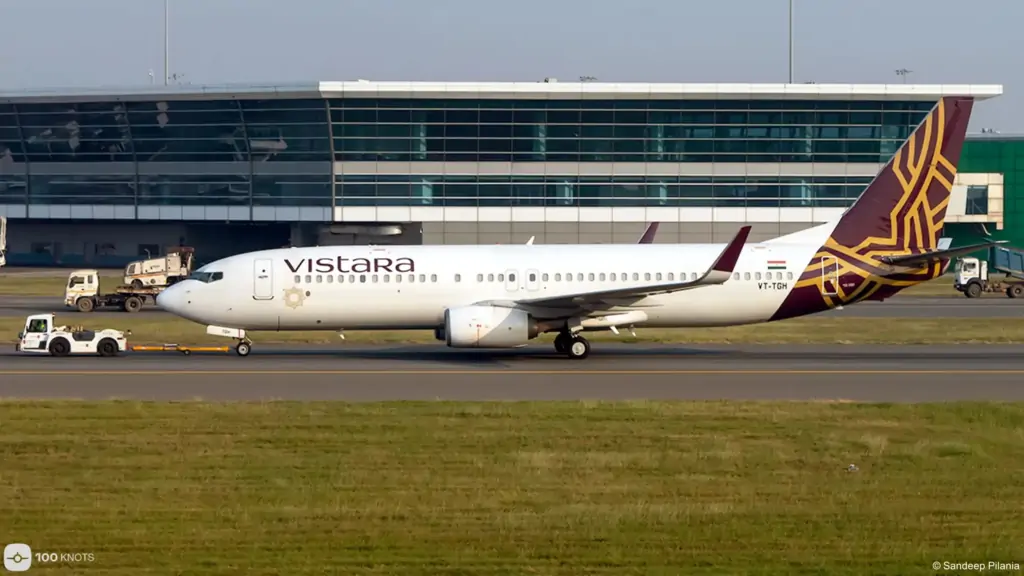
Tata Group-owned full-service carrier Vistara featured among the top international airlines, while Air India jumped many places to feature among the top 10 in the annual index of luggage storage company Bounce. Vistara maintained its position at number 5 with an airline index score of 6.43 out of 10. The index, which was published earlier this month, compared 60 airlines on various factors from the number of on-time arrivals to the quality of in-flight catering.
Japan Airlines ranked the highest with an overall score of 8.28, followed by Singapore Airlines with a score of 7.63. Qatar Airways and Korean Air were ranked third and fourth with a score of 7.50 and 7.19 respectively.

Under Tata Group's ownership, Air India jumped to rank 8 from 24 last year in the index. The airline's index score improved to 5.40 in 2023 from 3.85 last year. Low-cost carrier IndiGo's emphasis on international travel benefited the airline as it climbed to rank 18 from 25 last year. The index score improved to 4.38 from 3.83 last year. In the UK-based consultancy Skytrax's rankings for the world's top airlines, Vistara featured at 16 in 2023, while Air India didn't make the list. IndiGo stood at 43, improving just two places from 45 last year.
For international ratings, Bounce took into account 62 of the world’s largest airlines (based on departures). On-time arrival and cancellation percentages were calculated based on data from OAG and parameters such as meals, inflight entertainment and staff services were recorded from Skytrax, notes the agency. Other key factors included checked-in and carry-on baggage allowance (for both domestic and international flights), seat comfort and number of flights.
"The reliability of airlines can vary hugely from company to company, as can the quality of onboard comfort, service, and entertainment, all of which contribute to a fantastic laying experience," Bounce wrote on its website.
Air India - Vistara Merger
Since the conglomerate assumed control in October 2021, the Tata Group has been considering a merger between Air India and its sister airline Vistara. The government, which seeks to maintain an even playing field, is now paying more attention to the sheer size of the final product. Campbell Wilson, Air India’s Chief Executive Officer (CEO), and Sidharth Sharma, Tata Group’s General Counsel, met with Ravenet Kaur, the Chief of the Competition Commission of India (CCI), to discuss the ongoing merger process and its potential impact the merger will have on India’s airline industry. As it currently stands, the Tata Group owns Air India, AirAsia India, and Air India Express outright. The Tata Group also has a 51% stake in Vistara, with Singapore Airlines holding the remaining 49%.
Concerns about a potential duopoly by the post-merger Air India and IndiGo have piqued the CCI's interest in the case. Furthermore, the merger will result in the Tata Group’s market share exceeding 50% in at least seven domestic markets. The Air India-Vistara combination will also have a hold on various domestic and international routes.
In June, the CCI notified the airlines about why the process should be fast-tracked and why it should not investigate the merger further. Air India’s CEO met with the Chief of the CCI to address the watchdog's concerns about the merger. The airline is yet to make an official response to the CCI. Once a reply has been sent, the CCI will review it and decide on the merger. If the CCI is unsure of the proposal, it can order a broader, more detailed review. However, Vistara’s Chief Executive Officer, Vinod Kannan, stated that regulatory approvals for the merger will be sorted by April 2024.
Read next
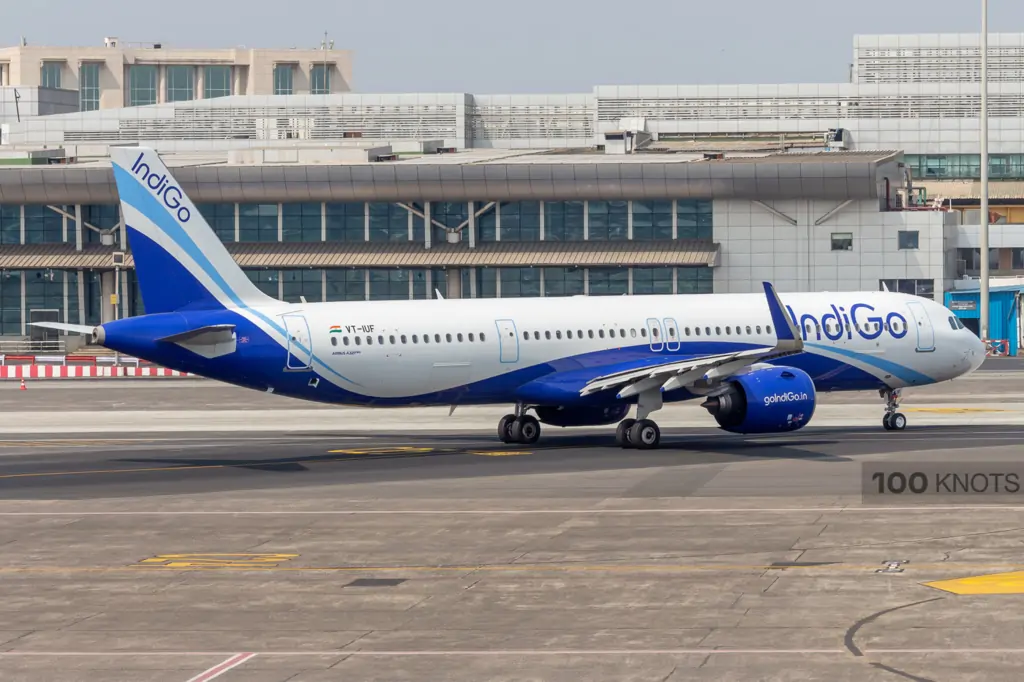
In a recent turn of events, IndiGo Airlines found itself grappling with yet another mid-air scare, further fueling concerns over the safety of its flights. This incident unfolded during a routine flight from Kolkata to Bengaluru when one of the aircraft's engines, specifically engine number two, unexpectedly shut down. Unfortunately, this wasn't an isolated occurrence, as earlier on the same day, another IndiGo flight, this time from Madurai to Mumbai, encountered a similar engine-related issue.
A Mid-Air Nightmare
The affected aircraft, an Airbus A321neo bearing the registration VT-IUF, encountered a distressing mid-air situation when engine number two experienced a sudden stall, accompanied by a warning signal indicating the detection of an oil chip. In adherence to standard safety protocols, the engine was promptly shut down, and the aircraft, along with its passengers, safely returned to Kolkata.
Parallel Incident in Madurai
Coincidentally, the day witnessed a parallel incident involving another IndiGo flight. This flight, operated by an Airbus A321 registered as VT-IUJ, also faced an engine stall during its journey from Madurai to Mumbai. However, in this case, the pilot skillfully managed the situation, ensuring the safety of everyone on board. The flight landed smoothly at its scheduled destination.
IndiGo's Response
In response to these alarming incidents, IndiGo released a statement acknowledging the technical issues faced by both flights. They expressed their commitment to passenger safety and reassured the public that all necessary actions were being taken.
The statement read, "VT-IUJ operating flight 6E-2012 from Madurai to Mumbai had a technical issue prior to Landing in Mumbai. The pilot prioritized landing in Mumbai. The aircraft is held in Mumbai and will be back in operation after necessary maintenance. We regret the inconvenience caused to the passengers."
Grounded for Maintenance
As a precautionary measure, both aircraft involved in these incidents have been grounded for thorough maintenance. This decision aligns with IndiGo's uncompromising dedication to safety standards and ensuring that its fleet operates in prime condition.
The Persistent Engine Woes
These recent events add to the growing list of troubles that IndiGo has faced with its Pratt & Whitney (PW) engines. This ongoing saga has led to the grounding of approximately 40 aircraft within the IndiGo fleet, primarily due to engine problems. The airline has also grappled with a shortage of replacement engines, further exacerbating the situation.
Conclusion
The incidents involving engine troubles on IndiGo flights from Kolkata to Bengaluru and Madurai to Mumbai serve as stark reminders of the critical importance of aviation safety. IndiGo's commitment to addressing these issues, grounding aircraft for maintenance, and ensuring passenger safety is commendable. However, the recurring nature of engine-related problems underscores the need for a comprehensive and long-term solution to prevent such incidents in the future.
With Inputs from Times of India
Read next
Air India's Boeing Simulator Training Facility Suspended Amidst Alleged Violations: What Went Wrong?

Abhishek Nayar
30 Aug 2023
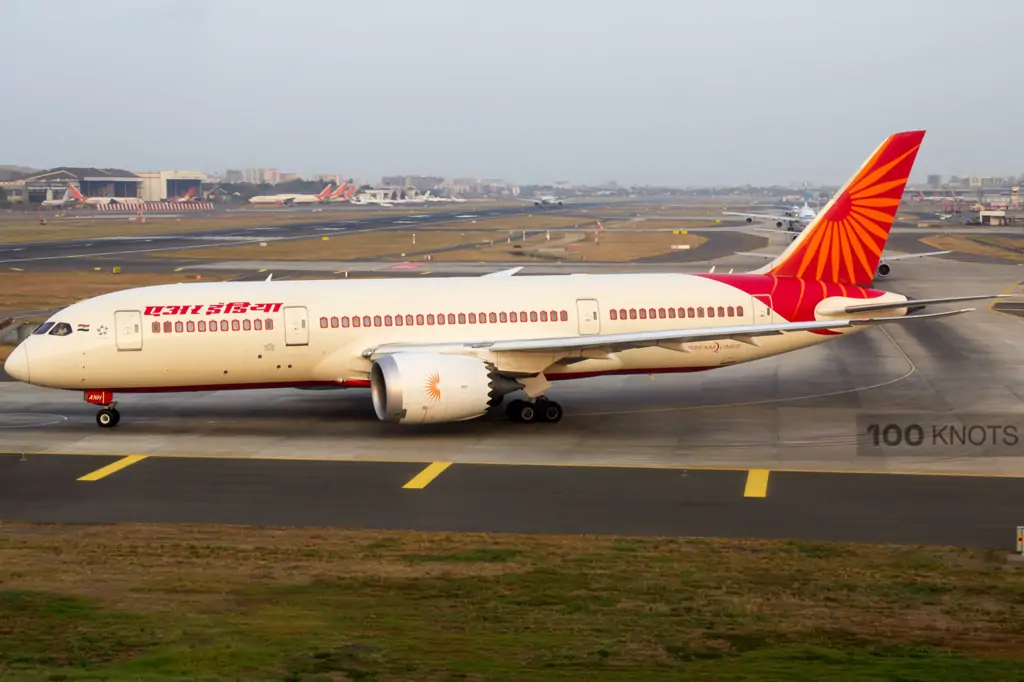
In a recent turn of events, the aviation safety regulator, the Directorate General of Civil Aviation (DGCA), has taken the decision to temporarily suspend Air India's Boeing simulator training facility. This decision follows a series of alleged violations that have come under scrutiny in recent days.
Understanding the Situation
Alleged Violations Unveiled
The controversy surrounding Air India's Boeing simulator training facility arose when allegations of non-compliance with safety regulations came to light. The DGCA, responsible for ensuring the safety and security of civil aviation in India, initiated a closer examination of the matter.
DGCA's Verification Process
As part of its due diligence, the DGCA began the process of verifying various documents and reports related to the functioning of Air India's training facility. This meticulous investigation aims to ascertain the veracity of the alleged violations and the extent to which they may have compromised safety standards.

The Regulatory Response
Temporary Suspension
In response to the alleged violations, the DGCA took the unprecedented step of temporarily suspending Air India's Boeing simulator training facility. This suspension serves as a precautionary measure to prevent any potential safety hazards that may arise from the alleged lapses.
"Due to certain lapses, the DGCA has temporarily suspended Air India's Boeing simulator training facility." "The regulator is verifying some documents related to the matter," according to the source.
Pending Decision
While the suspension is in effect, the DGCA has refrained from making any hasty decisions. Instead, it has opted for a thorough review of the documentation and reports in question. The regulatory body intends to make an informed decision on the reinstatement of the training facility once this meticulous process is complete.
Uncovering the Triggers
Safety Audit Reports Under Scrutiny
The suspension of Air India's training facility stems from concerns raised during a safety audit conducted by the DGCA. A two-member inspection team reportedly discovered discrepancies in the airline's internal safety audit reports. These findings prompted the DGCA to launch a full-fledged investigation into the matter.
The Need for Clarity
The DGCA's decision to suspend the training facility underscores the critical importance of adherence to safety regulations in the aviation industry. Safety audits and regulatory actions serve as crucial mechanisms to maintain the highest standards of safety for both passengers and crew.

The Way Forward
As the DGCA's investigation unfolds, the aviation industry watches with bated breath. The suspension of Air India's Boeing simulator training facility serves as a stark reminder of the uncompromising commitment to safety that is imperative in the aviation sector.
Conclusion
In conclusion, the temporary suspension of Air India's Boeing simulator training facility by the DGCA due to alleged violations highlights the unwavering dedication to safety in the aviation industry. This proactive measure underscores the importance of adherence to safety regulations and the critical role of regulatory bodies in ensuring the highest standards of safety.
Comment