
Airbus Contemplates Hiring Separate Leader For its Manufacturing Business

Abhishek Nayar
26 Jul 2023
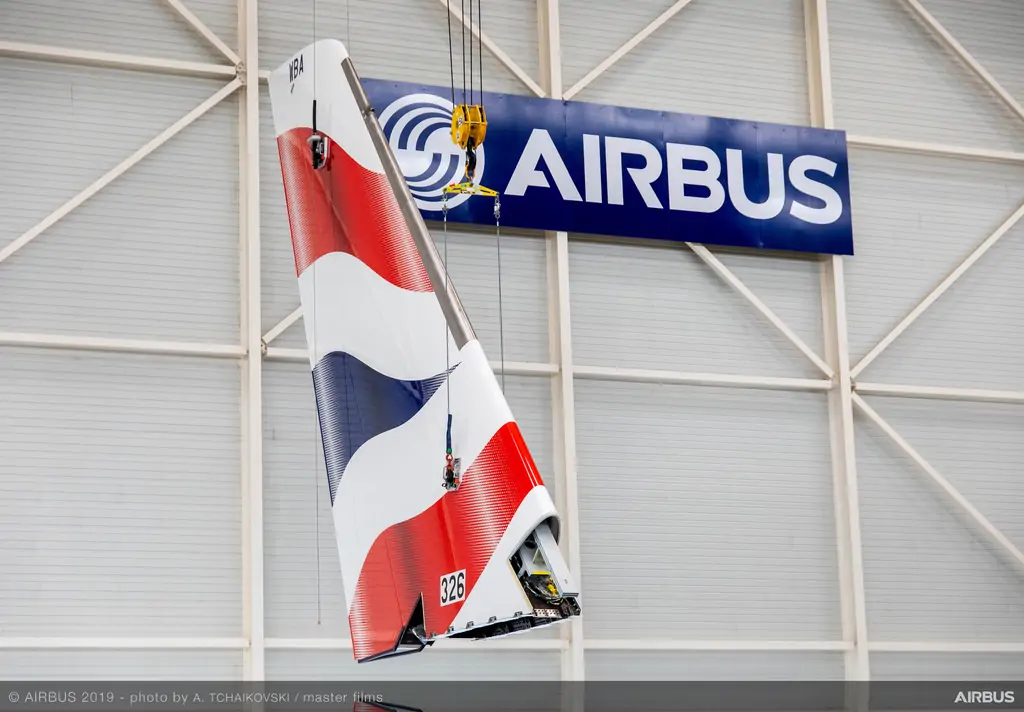
Airbus, a leading aerospace company known for manufacturing some of the world's largest commercial airplanes, is reportedly contemplating a management shuffle to address broader strategic priorities. The proposed reshuffling aims to reestablish a de facto separate head for its planemaking business, which would enable its CEO, Guillaume Faury, to focus on the wider strategic aspects of the aerospace and defense group.
Background on Airbus and Guillaume Faury
Founded in 1970, Airbus has become one of the world's foremost manufacturers of commercial aircraft, rivaled only by Boeing. With a diverse portfolio of aircraft, the company serves airlines and aviation enthusiasts globally. Guillaume Faury, a French-born executive with a rich background in aerospace engineering, has been at the helm of Airbus for a significant period of time.
The Current Management Structure
At present, Guillaume Faury holds a unique dual role within Airbus. He serves as both the CEO of the company's planemaking business and the CEO of the broader aerospace and defense group. While this arrangement might have its benefits, it has also raised concerns about the division of responsibilities and the ability to effectively tackle key strategic challenges.
The Need for a Management Shuffle
Considering the magnitude and complexity of Airbus's operations, there is a growing need for a dedicated leader to oversee the planemaking business exclusively. By separating this role from the broader CEO responsibilities, the company can streamline decision-making, enhance operational efficiency, and concentrate on producing cutting-edge aircraft. "We don't comment on rumors or speculation about organizational or personnel changes," stated an Airbus representative.
Any discussion of Airbus' management structure is laden with sensitivity due to the company's history of internal conflicts, which have occasionally affected industrial relations amongst the founding nations that still possess stakes: France, Germany, and Spain.
Benefits of Reestablishing a Separate Head for Planemaking Business
Focus and Expertise: Having a separate head for the planemaking business allows for focused attention on aircraft design, production, and innovation. This specialized expertise can lead to faster development cycles and higher-quality aircraft.
Strategic Agility: With a dedicated leader at the helm of the planemaking business, Airbus can respond more swiftly to market demands and industry trends, ensuring its competitiveness in a rapidly evolving aviation landscape.
Clear Accountability: Separating the roles clarifies accountability, making it easier to measure the success of the planemaking business and the broader aerospace group independently.
Guillaume Faury's Broader Strategic Priorities
As CEO of the entire aerospace and defense group, Guillaume Faury is tasked with steering the company through various challenges and opportunities. Some of his key strategic priorities include:
Sustainability: Developing and implementing eco-friendly aviation solutions to reduce the industry's environmental impact and contribute to a greener future.
Innovation: Continuously investing in research and development to introduce technological advancements that enhance safety, efficiency, and passenger experience.
Global Expansion: Exploring new markets and partnerships worldwide to expand Airbus's global footprint and increase its market share.
Digital Transformation: Embracing digital technologies to optimize operations, supply chains, and manufacturing processes.
Potential Challenges and Risks
While the proposed management shuffle presents several advantages, it is essential to acknowledge potential challenges:
Leadership Transition: Any change in management carries the risk of a transitional period, during which the new leadership adjusts to the role and its responsibilities.
Employee Morale: Internal restructuring can impact employee morale and productivity if not communicated effectively and handled with care.
External Perceptions: Investors, customers, and other stakeholders may closely monitor the transition, leading to speculation and uncertainty.
Conclusion
In conclusion, Airbus's consideration of a management shuffle is a strategic move aimed at addressing broader priorities while ensuring the continued success of its planemaking business. By having a dedicated leader for the planemaking division, Airbus can leverage specialized expertise and navigate the complex aerospace landscape more effectively. Concurrently, Guillaume Faury's leadership in broader strategic aspects positions Airbus to drive innovation and growth in the industry.
With Inputs from Reuters
Read next

In a significant development for the aviation industry, the Civil Aviation Authority of Malaysia (CAAM) has recently granted Type Certification to Embraer's E-jets E2 family of commercial jets, specifically the E190-E2 and E195-E2. This achievement marks a major milestone for Embraer and opens up new opportunities for the aviation market in Malaysia.
Understanding Type Certification
What is Type Certification?
Type Certification is a crucial process in the aviation industry, where an aircraft model undergoes rigorous testing and evaluation to ensure its compliance with safety and performance standards set by the civil aviation authorities. This certification attests that the aircraft is safe and airworthy for commercial operations.
The Importance of Type Certification
Type Certification is vital for aircraft manufacturers as it validates their products' safety and reliability. It also enables airlines to confidently operate certified aircraft, knowing that they meet the required safety standards.
Embraer's E-Jets E2 Family
The E190-E2 and E195-E2
Embraer's E-jets E2 family comprises the E190-E2 and E195-E2 models. These next-generation aircraft boast advanced technology, improved fuel efficiency, and reduced emissions compared to their predecessors. The E2 family has gained popularity among airlines worldwide for their exceptional performance and passenger comfort.
Approval from Leading Aviation Authorities
The E190-E2 and E195-E2 models received their initial approvals in 2018 and 2019 from three major civil aviation authorities: the Federal Aviation Administration (FAA) in the United States, the European Union Aviation Safety Agency (EASA) in Europe, and the Agência Nacional de Aviação Civil (ANAC) in Brazil. The recent Type Certification from Malaysia's CAAM further solidifies the aircraft's global acceptance.
SKS Airways and E195-E2 Selection
A Strategic Decision
During LIMA'23, Malaysia's premier aerospace and maritime exhibition, SKS Airways made a strategic move by selecting ten E195-E2s to support its regional expansion aspirations. This decision came following the CAAM's grant of Type Certification to the E2 family.
Advantages of the E195-E2
SKS Airways' choice of the E195-E2 highlights the aircraft's appeal to airlines seeking enhanced operational efficiency and passenger experience. The E195-E2's spacious cabin, extended range, and eco-friendly features position it as an attractive option for regional carriers aiming to modernize their fleet.
The Impact of Certification
Boosting Confidence in the E2 Family
The Type Certification by Malaysia's CAAM reinforces the reputation of Embraer's E-jets E2 family as a reliable and safe choice for airlines globally. This official stamp of approval is likely to attract more airlines and increase demand for these cutting-edge aircraft.
Expanding Regional Connectivity
With SKS Airways' announcement of E195-E2s, Malaysia's regional connectivity is expected to improve significantly. The aircraft's ability to operate on both short and longer routes will open up new possibilities for airlines to expand their services to various destinations, supporting tourism and business travel.
Comments
"Following our comprehensive assessment, CAAM is pleased to grant Embraer's E195-E2 and E190-E2 aircraft type certification validation." "We appreciate Embraer's collaborative spirit towards our goal of instilling a safety culture to ensure the highest level of safety, security, and efficiency in the Malaysian aviation industry," stated Captain Norazman Bin Mahmud, CEO of the Civil Aviation Authority of Malaysia.
"The E2's CAAM certification is fantastic news for Embraer and the industry," remarked Martyn Holmes, CCO of Embraer Commercial Aviation. "It lays the groundwork for the E195-E2 to enter service in Malaysia in 2024." The E2 series of aircraft is ideal for supplementing larger aircraft and expanding regional connectivity within Malaysia and beyond, all while delivering outstanding performance in terms of lowest fuel burn, smallest noise footprint, and excellent passenger comfort."
"With its remarkable efficiency and economics, Embraer's E2 family of aircraft is reshaping the landscape of regional aviation in Asia Pacific," stated Raul Villaron, VP Sales & Marketing, Commercial Aviation, Head of Region Asia Pacific. "It is a compelling solution that enables airlines to broaden their network and establish unique routes in the region."
Conclusion
Embraer's E-jets E2 family's Type Certification by the Civil Aviation Authority of Malaysia is a momentous achievement that underscores the aircraft's top-notch safety and performance. The decision of SKS Airways to select the E195-E2 further demonstrates its value to the aviation industry. With this certification, the E2 family is set to make a positive impact on Malaysia's aviation sector, promoting growth, efficiency, and connectivity.
With Inputs from Embraer
Read next
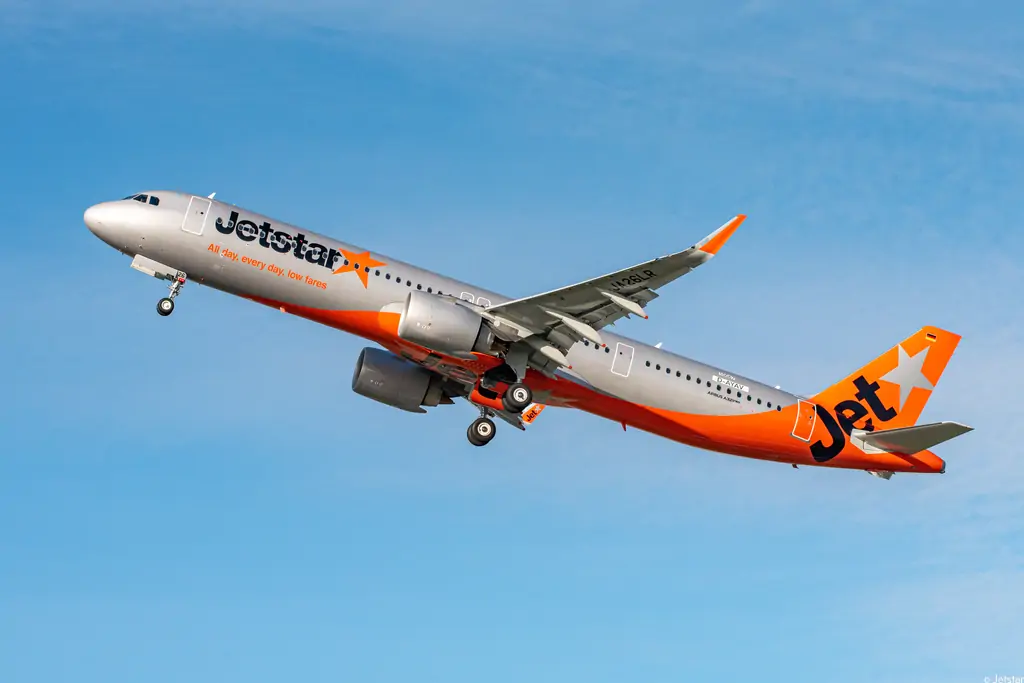
With the constant expansion of its fleet, Jetstar, Australia's prominent low-cost carrier, is witnessing exponential growth. As the airline continues to introduce new Airbus A321LR aircraft to its arsenal almost every month, the demand for additional pilots has surged. Recently, Jetstar disclosed its plans to hire 700 more cabin crew members, and now it is set to recruit 140 new pilots to support its rapid network expansion.
The A321LR Fleet Expansion
Jetstar's decision to acquire new Airbus A321LR aircraft comes as a strategic move to enhance its operational efficiency and passenger capacity. The A321LR is a long-range version of the popular A320 family, known for its fuel efficiency and extended flight range. By incorporating these modern and economical aircraft into its fleet, Jetstar aims to serve new international routes, expand existing ones, and cater to the growing number of travelers.
Meeting the Growing Travel Demand
Australia's aviation industry has experienced a substantial increase in domestic and international travel demand in recent years. Jetstar, being a major player in the low-cost carrier market, has been at the forefront of this growth. The airline's affordable fares and extensive route network have attracted a significant number of travelers seeking cost-effective travel options.
The Need for Additional Pilots
As Jetstar continues to expand its services, the need for qualified and skilled pilots has become paramount. Operating new aircraft and serving more destinations require a larger pilot workforce to ensure safe and efficient operations. The addition of 140 new pilots is not only a response to the growing demand for air travel but also a proactive measure to maintain high operational standards.
Recruitment and Training Process
Jetstar's pilot recruitment process is rigorous and selective. Prospective candidates undergo thorough evaluations to assess their technical knowledge, flying skills, and ability to handle challenging situations. Those who pass the initial screening phases move on to comprehensive training programs designed to equip them with the necessary skills to operate Jetstar's fleet proficiently.
Coping with Industry Competition
The aviation sector in Australia is highly competitive, with several carriers vying for a share of the market. Jetstar faces competition from both established airlines and emerging low-cost carriers. To maintain its competitive edge, Jetstar focuses on its core strengths, including its extensive network, cost-efficient operations, and excellent customer service. Employing more pilots ensures that the airline can continue to expand its services, attracting more passengers in the process.
Investing in Employee Satisfaction
Jetstar places great importance on employee satisfaction and work-life balance. The airline offers attractive remuneration packages and benefits to retain its employees and attract new talent. A content and motivated workforce are essential for delivering high-quality service to passengers and ensuring the airline's success in a competitive market.
Ensuring Safety and Reliability
Safety is the topmost priority for any airline, and Jetstar is no exception. The company adheres to stringent safety protocols and invests heavily in the maintenance and upkeep of its aircraft. With the addition of new pilots, Jetstar can maintain optimal crew-to-aircraft ratios, ensuring that every flight is staffed with qualified professionals capable of handling any situation that may arise.
Comments
Jetstar Chief Pilot and Head of Flight Operations Jeremy Schmidt stated that as the airline approaches its 20th anniversary, it is an exciting moment to join the airline, and it is fantastic to see so many new team members joining this year.
"With our ninth state-of-the-art A321neo LR on the way and nine more on the way by the end of 2024, we need more pilots to support our expanding fleet and network." The new NEOs have enabled us to enhance the number of services we provide on established routes between Brisbane, Adelaide, and Bali, as well as redeploy our Boeing 787 fleet to interesting new routes like Brisbane to Seoul."
Conclusion
Jetstar's rapid network expansion, fueled by the introduction of new Airbus A321LR aircraft, has propelled the demand for additional pilots. The airline's commitment to providing affordable travel options to passengers drives its continuous growth. By recruiting 140 new pilots, Jetstar is poised to meet the challenges of an increasingly competitive market while maintaining its reputation for safety, reliability, and exceptional service.
With Inputs from Jetstar
Read next
Pratt & Whitney Reports Numerous A320neo Family Engines to be Removed for Inspection
Abhishek Nayar
26 Jul 2023
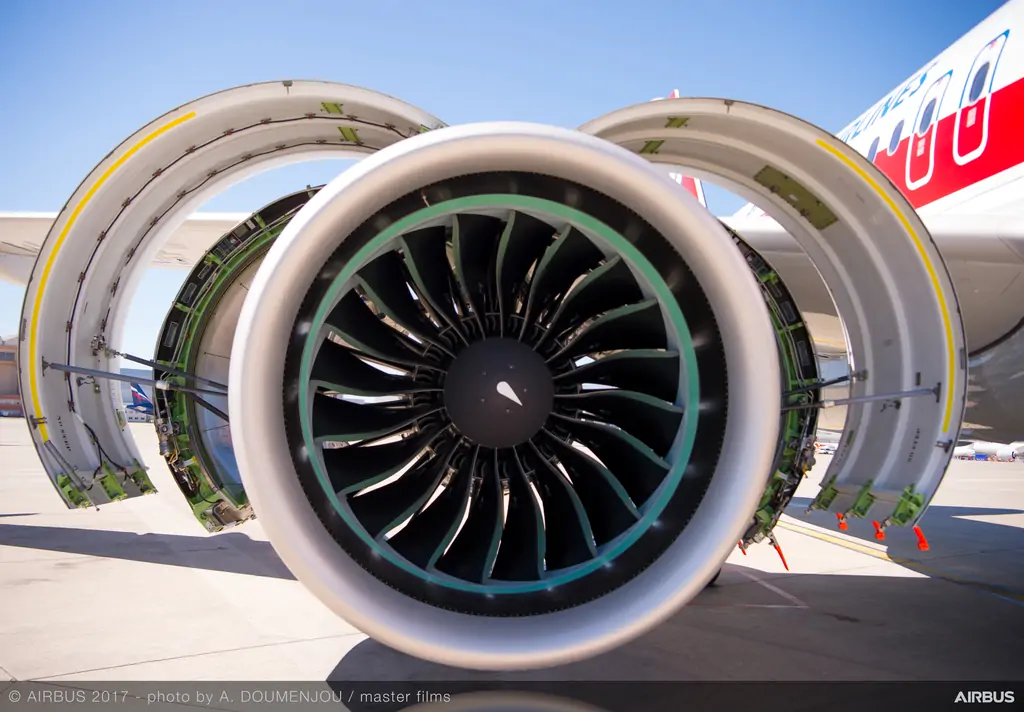
In a recent announcement, RTX (formerly Raytheon Technologies), the parent company of Pratt & Whitney, a leading aerospace manufacturer, revealed a critical development that could significantly impact the airline industry. A substantial number of engines powering the entire Airbus A320neo aircraft series will need to be removed for inspection.
This unprecedented step has raised concerns among airlines, passengers, and aviation authorities, prompting a thorough examination of the issue at hand.
Background of RTX and Pratt & Whitney
RTX, a global aerospace and defense company, holds a reputable position in the aviation industry. Pratt & Whitney, one of its prominent subsidiaries, is a renowned aircraft engine manufacturer. Over the years, Pratt & Whitney has played a pivotal role in providing cutting-edge propulsion solutions, powering various commercial and military aircraft.
The Airbus A320neo Aircraft Series
The Airbus A320neo series represents a new generation of fuel-efficient and environmentally friendly aircraft. "Neo" stands for "New Engine Option," and these planes are equipped with state-of-the-art engines that offer improved fuel economy and reduced emissions. The A320neo series has gained immense popularity among airlines worldwide for its operational efficiency and passenger comfort.
The Engine Issue Announcement
RTX's announcement regarding the engine inspection has caught the attention of the aviation community. The company identified a specific concern that warrants immediate action. As a precautionary measure, a significant number of engines installed on Airbus A320neo aircraft will need to be taken out for thorough inspection and potential rectification.
Reasons Behind Engine Removal for Inspection
The decision to remove engines for inspection has been necessitated by a series of reported incidents related to engine performance. While the engines have demonstrated high reliability in the past, recent events have highlighted the need for rigorous assessment. Safety is the top priority in aviation, and this proactive step aims to address any underlying issues that may compromise it.
"Pratt & Whitney has determined that a rare condition in powder metal used to manufacture certain engine parts will require accelerated fleet inspection," RTX said in its Q2 2023 results statement, adding that the issue does not affect engines presently in production.
Impact on Airline Operations
The engine inspection announcement has raised concerns among airlines as it may lead to potential disruptions in flight schedules. With a portion of the A320neo fleet temporarily grounded for inspection, airlines will need to make significant adjustments to ensure continuity in their operations. Passengers may also experience flight cancellations or delays, prompting the need for clear communication from airlines during this period.
RTX believes that "a significant portion" of Airbus A320neo family aircraft operators, which includes the A319neo, A320neo, and A321neo and its derivatives, would have to remove the PW1100G engine sooner than expected for inspection "within the next nine to twelve months." This includes "200 accelerated removals by mid-September of this year," according to the corporation.
Inspection and Safety Measures
The engine inspection process will involve a detailed examination of critical components and systems. Highly skilled technicians will assess the engines to identify any anomalies or signs of wear. Pratt & Whitney and RTX will leave no stone unturned to ensure that each engine is meticulously inspected and, if required, repaired, or replaced to meet the highest safety standards.
According to ch-aviation.com, the PW1100G engine powers 3,246 Airbus A320neo family aircraft operated by 68 different airlines worldwide. 210 of them are stored, implying that 6.46% of the PW-powered A320neo family fleet is currently inactive. An analysis of ch-aviation.com data revealed that there are 1,474 Airbus A321neo family aircraft powered by the CFM International LEAP 1-A, of which 74 are stored or under maintenance (5%).
Steps Taken by RTX and Pratt & Whitney
RTX and Pratt & Whitney have been actively collaborating with Airbus, regulatory bodies, and airlines to address the situation promptly and effectively. They are committed to providing full support and resources to expedite the inspection process while maintaining the highest safety and quality standards.
Addressing Customer Concerns
Airlines that operate the Airbus A320neo aircraft have expressed concerns about potential disruptions and the implications of the inspection process on their operations. RTX and Pratt & Whitney have dedicated teams to liaise with customers directly, providing regular updates and addressing queries to minimize uncertainties during this period.
Technological Advancements to Improve Engine Reliability
With safety and performance as top priorities, Pratt & Whitney is continually investing in research and development. The company is exploring advanced technologies to enhance engine reliability and efficiency. These efforts aim to ensure that future engines surpass existing standards, reducing the likelihood of similar issues in the long run.
The Future of the Airbus A320neo Series
While the inspection process may present temporary challenges, it is essential to recognize the long-term benefits of this proactive approach. Once the inspection is complete, airlines can operate their A320neo fleet with enhanced confidence in the engines' reliability. This incident serves as a reminder of the aviation industry's commitment to safety and continuous improvement.
Conclusion
RTX's decision to conduct an engine inspection for the Airbus A320neo series marks a crucial moment in the aviation industry. By prioritizing safety and customer satisfaction, RTX and Pratt & Whitney are taking significant steps to ensure the continued success of the A320neo aircraft series. While the inspection may lead to short-term inconveniences, it underscores the industry's dedication to maintaining the highest safety standards for passengers and crew.
With Inputs from AeroTime
Read next

In the world of aviation, advancements are continually being made to improve safety, efficiency, and reduce fuel consumption. One such significant development is the concept of Free Route Airspace (FRA).
Understanding Free Route Airspace (FRA)
Definition of Free Route Airspace
Free Route Airspace refers to a portion of the sky where aircraft are not confined to predefined airways. Instead, pilots are granted the flexibility to choose their optimal flight path, subject to certain restrictions and regulations. This concept allows airlines to plan more direct routes, avoiding unnecessary detours and air traffic congestion.
The Evolution of FRA
The idea of Free Route Airspace has been in development for several decades. It gained momentum as air traffic increased and the need for more efficient routes became apparent. Traditionally, aircraft were restricted to following fixed airways, often leading to longer flight times and increased fuel consumption. FRA emerged as a solution to tackle these challenges. Lets try to under with below example.

INTRO and ENTER are entry points in the sample FIR, ALTAV and EXITO are exit points, SNA is a VOR, and REKRA is an RNAV point. When FRA is adopted, the ATC flight plan processing system will accept green routes while rejecting red routes. Crossing a danger zone (INTRO-ALTAV) and the intended route not remaining within the FRA (ENTER-ALTAV) also causes refusal. The permitted routes can be either direct (e.g., ENTER-EXITO) or with intermediate points (navigational aids (SNA), published locations (REKRA), or arbitrary points (42°39'26" N, 23°22'42" E).
The Benefits of Free Route Airspace
Reduced Flight Times
FRA significantly reduces flight times by allowing airlines to chart more direct paths. Shorter routes mean quicker journeys, enhancing passenger satisfaction and lowering airline operating costs.
Fuel Efficiency and Emissions Reduction
With reduced flight distances, airlines can consume less fuel, which not only lowers operational expenses but also contributes to a decrease in greenhouse gas emissions. FRA is crucial in the aviation industry's efforts to combat climate change and promote environmental sustainability.
Enhanced Air Traffic Management
Implementing Free Route Airspace requires sophisticated air traffic management systems. These systems facilitate better coordination between air traffic controllers and pilots, leading to smoother operations and increased airspace capacity.
Cost Savings for Airlines
Shorter flight paths and decreased fuel consumption translate into substantial cost savings for airlines. These savings can be reinvested in improving services, upgrading fleets, or driving innovation within the industry.
Issues and Challenges
FRA, like any new technology or technique in aviation, presents a variety of obstacles to users. These do not outweigh the benefits, but they must be addressed effectively if FRA is to be efficient. These are some of the concerns and challenges:
- Conflicts may become more difficult to spot as they spread and the number of potential clashing locations increases.
- Changes in ATC's separation-providing techniques (for example, direct routes are less of an option for resolving conflicts because most aircraft utilize the most direct route available anyhow).
- When instructing the flight crew to resume their own navigation, vectoring aircraft plotting their course using points with geographical coordinates might cause complications.
- The need for a coordinated approach to FRA implementation - the efficiency gains will be seen only if FRA is deployed over vast regions and suitable precautions are taken to prevent aerodromes from becoming bottlenecks.
- Enhanced (system-supported) coordination between ANSPs is required if FRA spreads outside state borders.
- The use of odd/even levels, which is typically defined in the respective AIPs, may deviate from the standard assignment (i.e., odd=eastbound, even=westbound).
- Aircraft flying along sector borders - the possibility of separation loss in the event of departure from the scheduled path (e.g., due to weather) must be considered.
- Aircraft flying near special use areas (danger zones, TRAs, TSAs, and so on) with no built-in safety buffer.
- To effectively accommodate the additional traffic flows, sectorization may need to be optimised. This is an especially difficult challenge during a time-constrained FRA implementation.
- The lack of set pathways raises the likelihood of blind spots, both inside and around the area of responsibility.
Implementing Free Route Airspace

Collaboration Between Airspace Users and Authorities
The successful implementation of FRA relies on effective collaboration between airspace users, including airlines and air traffic management authorities. Cooperation and communication are essential to ensuring the seamless integration of FRA into existing airspace structures.
Navigation and Communication Technologies
Advanced navigation and communication technologies are required to enable pilots to navigate and communicate effectively within FRA. Satellite-based navigation systems, such as GPS, play a crucial role in this regard.
Safety and Regulations
While FRA offers flexibility to pilots, safety remains paramount. Strict regulations and procedures are in place to ensure aircraft adhere to safety standards and avoid potential conflicts in shared airspace.
UAE
From July 13, 2023, it will be applied in the OMAE/Emirates FIR above FL355.

It's not the entire FIR - the orange portion isn't FRA, and the other orange piece with all the routes isn't FRA - but the major airspace ( all around OMDB/Dubai and OMAA/Abu Dhabi).
Conclusion
Free Route Airspace is revolutionizing the way aircraft navigate the skies. FRA reduces flight times, lowers fuel consumption, and enhances air traffic management by providing airlines with the flexibility to choose optimal flight paths. It is a big deal for the aviation industry, as it improves operational efficiency and contributes to a greener and more sustainable future.
With Inputs from Euro Control, Skybrary, The Aviation Place
Read next

In a bid to meet the ever-increasing demand for commercial aeroplane pilots and foster diversity within the aerospace industry, Boeing has pledged to invest a significant sum of $950,000 in pilot training scholarships. This bold initiative aims to nurture and support aspiring aviators from various backgrounds, bringing fresh perspectives and innovative ideas to the skies.
Through strategic partnerships and philanthropic efforts, Boeing is set to create a pathway for enthusiastic individuals to soar to new heights in their aerospace careers.
The Urgency of Pilot Training Scholarship Investments
The demand for commercial aeroplane pilots has been steadily rising over the years, driven by an expanding global aviation industry and a surge in air travel. However, a concerning gap exists between the demand for pilots and the available talent pool. This situation necessitates focused efforts to bridge the gap and cultivate a skilled workforce that can efficiently navigate the skies.
Boeing's Scholarships: Fostering Future Aviators
Partnering with Aviation Organizations
Boeing's commitment to enhancing pilot training starts with allocating $500,000 to sponsor 25 scholarships through collaboration with five esteemed aviation organizations. These organizations are dedicated to nurturing and developing future pilots from diverse backgrounds. The partnership includes:
- Latino Pilots Association
- Aircraft Owners and Pilots Association
- Organization of Black Aerospace Professionals
- Women in Aviation International
- Sisters of the Skies
By supporting these organizations, Boeing aims to create a more inclusive and dynamic aviation community.
Empowering Minority Students Through Fly Compton
Recognizing the importance of empowering underrepresented communities, Boeing has earmarked $450,000 to support Fly Compton, a Los Angeles-based charity. The primary focus of this initiative is to encourage minority students in Compton to explore and pursue careers in aerospace. Through this investment, Fly Compton will be able to expand the number of flying training lessons available to adolescents in the neighborhood while also exposing them to various career opportunities related to aircraft design, production, and maintenance.
The Impact of Boeing's Investment
Boeing's substantial investment in pilot training scholarships is expected to have a transformative impact on the aerospace industry.
Diversifying the Aerospace Workforce
By collaborating with leading aviation organizations and investing in Fly Compton, Boeing seeks to increase diversity within the aerospace workforce. These efforts will open doors for individuals who may have previously faced barriers to pursuing aviation careers, fostering a more inclusive and innovative industry.
Addressing the Pilot Shortage
The pilot shortage is a global concern that threatens to impede the growth of the aviation sector. Through the provision of scholarships, Boeing aims to attract and nurture aspiring pilots, thereby replenishing the talent pool and mitigating the pilot shortage challenge.
Strengthening Communities
Boeing's partnership with Fly Compton not only enriches the aerospace industry but also strengthens the Compton community. By offering opportunities for local students to engage with aviation-related subjects, this investment fosters educational and career growth, ultimately uplifting the community as a whole.
Comments
"Demand for qualified and diverse pilots remains high at airlines around the world." While becoming a pilot provides a lifelong profession, access to training remains a barrier for many," said Ziad Ojakli, Boeing's executive vice president of Government Operations. "These organizations are assisting the next generation of pilots in realizing their full potential while also demonstrating to historically underrepresented communities in the industry that a career in aviation is possible."
"More women and individuals from diverse backgrounds are entering the pilot profession as a result of the mentorship and guidance that aviation organizations like these provide for early career professionals," asserted Chris Broom, vice president of Commercial Training Solutions for Boeing Global Services. "Their efforts to implement the necessary changes to remove social and financial barriers to entry are critical."
Conclusion
Boeing's $950,000 investment in pilot training scholarships reflects its unwavering commitment to building a thriving and diverse aerospace industry. By supporting aspiring aviators from different backgrounds, Boeing paves the way for a more inclusive and talented workforce that can navigate the skies with excellence. Through strategic partnerships and community-focused initiatives, this aerospace giant is set to leave a lasting impact on both the aviation industry and the lives of countless individuals.
With Inputs from Boeing
Comment