
Air New Zealand Faces Fleet Challenges Amidst Delays and Maintenance Issues

Abhishek Nayar
28 Feb 2024
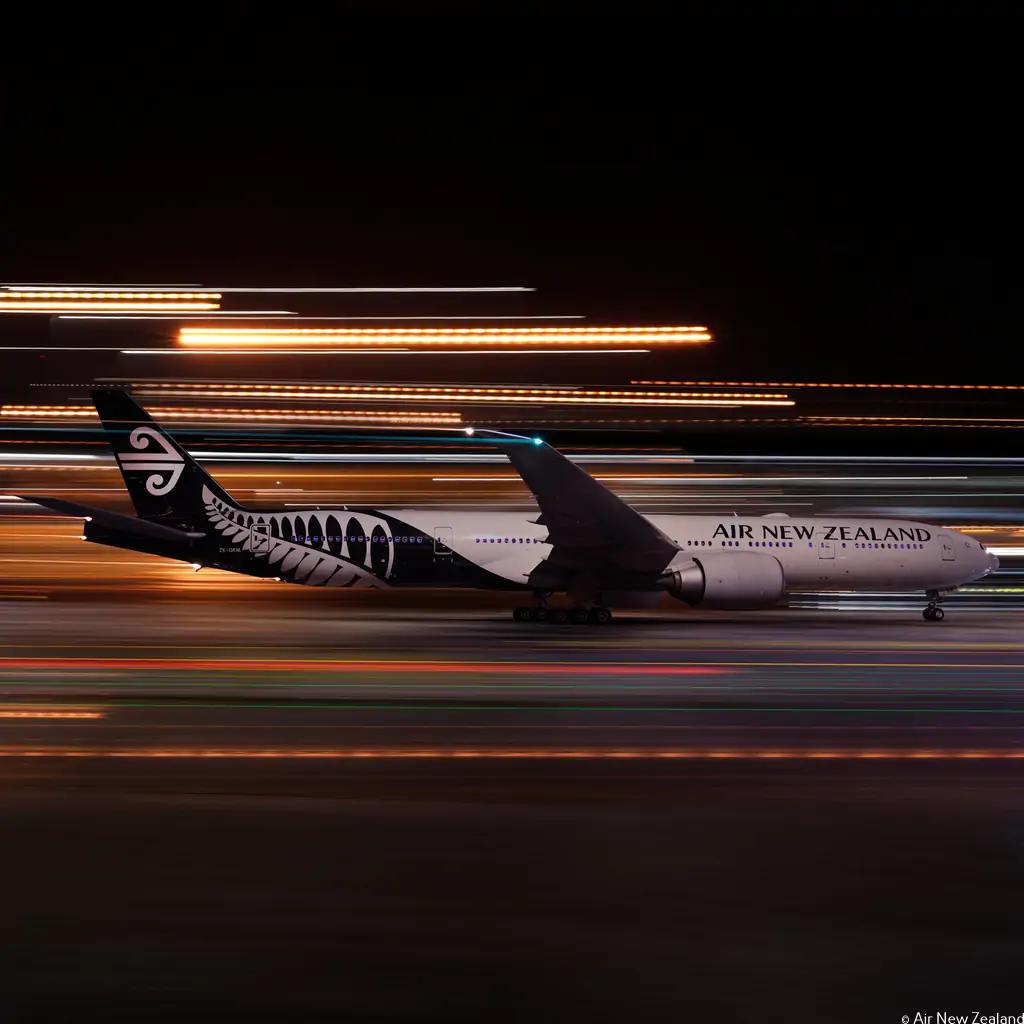
Air New Zealand, the flag carrier of New Zealand, has encountered significant hurdles in its fleet management strategy, as highlighted in a recent update during its half-yearly interim results announcement on February 22, 2024. Chief Financial Officer Richard Thomson addressed the challenges faced by the airline, ranging from delays in aircraft deliveries to maintenance issues affecting its existing fleet.
Boeing 787 Delivery Delays
Thomson acknowledged the persistent delays in the delivery of the airline's eagerly awaited Boeing 787 Dreamliners. Initially expected in late 2023, then pushed to 2024, the latest estimate now points to a delivery timeframe midway through calendar year 2025. This setback has forced Air New Zealand to reassess its capital expenditure plans, with the possibility of adjusting expectations for the 2026 financial year.
Fleet Expansion and Leasing Strategy
To mitigate the impact of delayed deliveries and bolster its fleet capacity, Air New Zealand has adopted a multifaceted approach. CEO Greg Foran revealed plans to engage in short-term wet leasing with Wamos Air and secure additional dry-leased Boeing 777-300ERs. These strategic arrangements aim to address immediate operational needs while providing flexibility for future requirements.
Pratt & Whitney Engine Challenges
In addition to delays in widebody deliveries, Air New Zealand faces maintenance challenges with its narrowbody fleet, particularly those equipped with Pratt & Whitney engines. The airline operates a mix of Airbus A320neo and A321neo aircraft, with ongoing issues necessitating up to five of its newest A321neo aircraft being out of service at any given time over the next 18 months. This situation underscores the significance of proactive measures to mitigate operational disruptions.
Investment in Fuel-Efficient Aircraft
Despite the challenges posed by engine maintenance, Air New Zealand remains committed to investing in fuel-efficient aircraft. The forthcoming addition of an A321neo to its fleet signifies a strategic focus on maximizing fuel efficiency and optimizing operational performance. This investment underscores the airline's long-term sustainability objectives and commitment to reducing its environmental footprint.
Conclusion
Air New Zealand's proactive approach to addressing fleet challenges underscores its resilience amidst a dynamic operating environment. While delays in aircraft deliveries and maintenance issues present immediate hurdles, the airline's strategic initiatives demonstrate its commitment to overcoming obstacles and optimizing operational efficiency. As it navigates through these challenges, Air New Zealand remains steadfast in its dedication to delivering exceptional service and value to its customers while ensuring the sustainability of its operations for the future.
With Inputs from ch-aviation
Read next
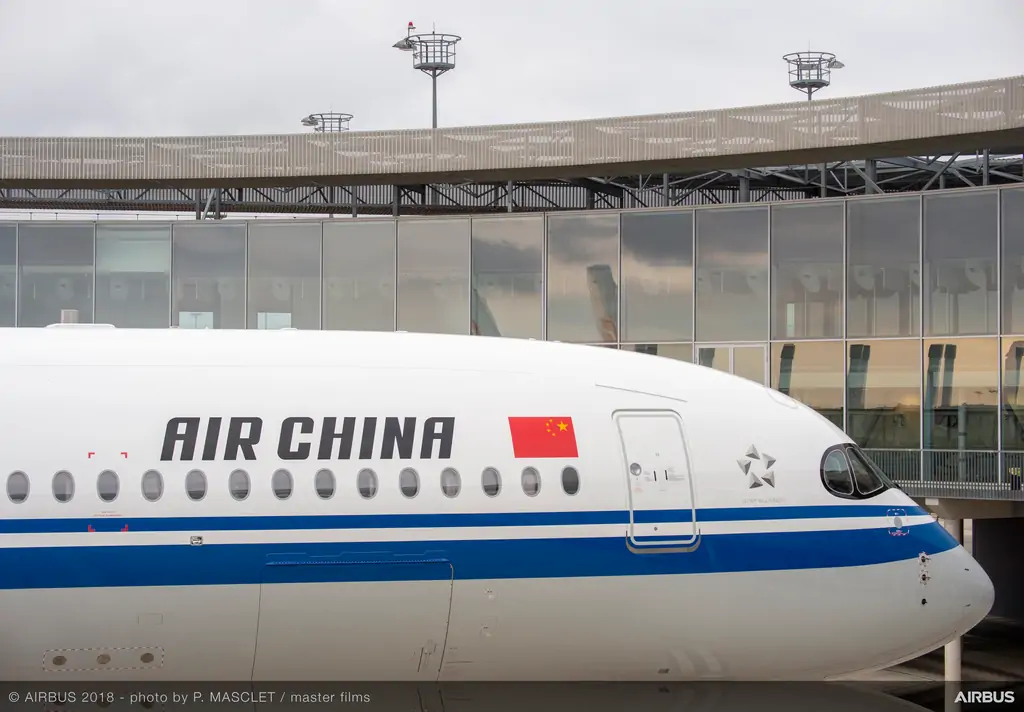
Amidst shifting dynamics in the aviation industry, reports have surfaced suggesting that Air China, a major player in the Chinese airline market, is contemplating increasing its stake in Cathay Pacific, one of Hong Kong's flagship carriers. This potential move could have significant implications for both airlines and the broader landscape of air travel in the region.
Background & The Current Situation
Air China currently holds a 29.99% stake in Cathay Pacific, a position it acquired incrementally since 2009. While discussions about bolstering this stake have been ongoing, recent reports indicate a renewed interest from Air China in tapping into Cathay Pacific's resurgence following a challenging period for the industry.
Air China's consideration comes at a time when the aviation sector is gradually recovering from the impact of the COVID-19 pandemic. Despite facing losses, Air China sees an opportunity to diversify and enhance its revenue streams by capitalizing on the rebounding traffic through Hong Kong, where Cathay Pacific operates as a major player.
Financial Outlook & Stakeholder Dynamics
While Air China anticipates posting losses for the calendar year 2023, Cathay Pacific is gearing up to announce its best financial results in 14 years. This stark contrast in financial performance underscores the potential benefits Air China could derive from a closer association with Cathay Pacific.
Cathay Pacific's ownership structure is notable, with Swire Pacific Ltd. holding the majority stake of 45%. Despite Air China being the second-largest shareholder, Qatar Airways also holds a significant portion of approximately 10%. Swire Pacific has reiterated its commitment to Cathay Pacific, signaling stability amidst potential changes in shareholding.
Implications and Future Plans
The potential increase in Air China's stake raises questions about its future plans for Cathay Pacific. While specifics regarding the extent of the stake increase and its financing remain unclear, Air China's presence on Cathay Pacific's board of directors indicates a level of influence that could shape the airline's strategic direction.
Fleet and Network Expansion
Both Air China and Cathay Pacific boast extensive fleets and global networks. Cathay Pacific serves 91 airports in 32 countries with 188 aircraft, while Air China operates to 198 airports in 42 countries with a fleet of 517 aircraft. Any collaboration or increased integration between the two airlines could potentially enhance connectivity and offer passengers a wider range of travel options.
Conclusion
As discussions regarding Air China's potential stake increase in Cathay Pacific gain momentum, the aviation industry watches closely for developments that could reshape the competitive landscape in the region. With both airlines facing unique challenges and opportunities, the outcome of these deliberations could have far-reaching implications for stakeholders, passengers, and the future of air travel in Asia.
With Inputs from ch-aviation
Read next

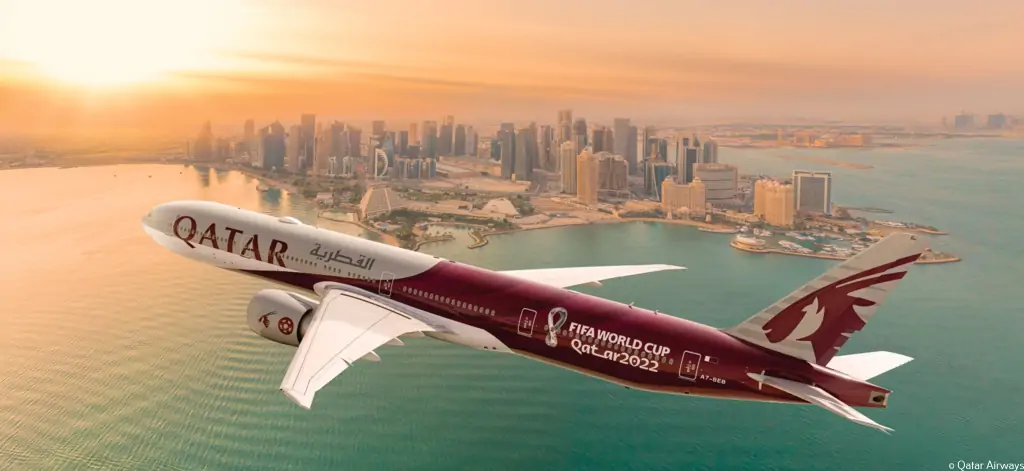
Qatar Airways will shift its Goa operations to the new Manohar International Airport (GOX) located in the North Goa district from the current Dabolim Airport (GOI) in South Goa, India, effective 20 June.
It will serve this route with a direct daily flight operated on a mix of Airbus 320 and Boeing 787 from Doha.
Qatar Airways is joining a list of airlines ready to be served by GOX, including strategic partners IndiGo and Oman Air, the airline said.
Qatar Airways first launched its operations in Goa in 2009, marking the start of the long-standing partnership between Doha and Goa. The transition from GOI and GOX heralds a "superior airport experience" for travellers on Qatar Airways’ network to over 170 destinations.
Currently, Qatar Airways flies to 13 destinations in India including: Ahmedabad, Amritsar, Bengaluru, Calicut, Chennai, Delhi, Goa, Hyderabad, Kochi, Kolkata, Mumbai, Nagpur, and Thiruvananthapuram.
Read next

Bengaluru will become the key southern hub for Air India Group going forward according to plans being prepared by the airline, sources say.
Firstly, Air India will increase direct connectivity over the coming months to Bengaluru which will help not only expand its global footprint but also aggregate traffic from southern India.
Secondly, the airline has signed an MoU with Kempegowda International Airport to develop MRO facilities for both narrow-body and wide-body capabilities which will not only make the airline, which outsources most of its engineering needs so far, become self-reliant but also generate 1200 direct and 25000+indirect job opportunities.
The airline has been working for a year on this project in a bid to also have a common engineering pool at a group level with all its airlines including Vistara, and Air India Express.
Also on the engineering side, Air India has signed a 12-year agreement with SIA Engineering that will provide component and on-wing engine support for our current A320 fleet, with similar agreements with other world-class players being pursued to support other fleets.
Read next
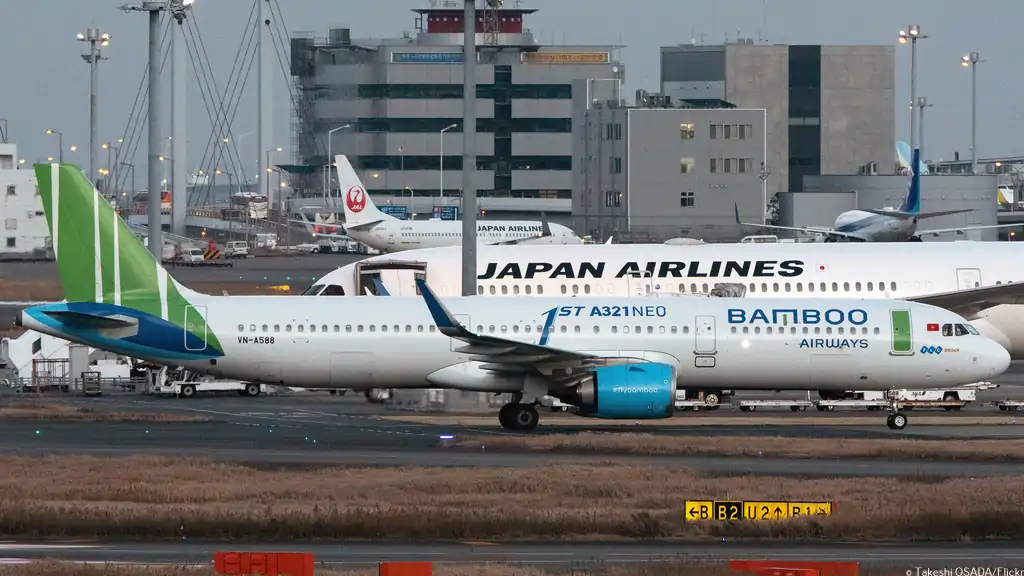
Bamboo Airways, the Vietnamese carrier, has made significant strides in its operational strategy by transitioning to an all-Airbus fleet. This move comes shortly after the announcement of the termination of its lease agreement for Embraer E190 aircraft, signaling a pivotal shift in its fleet management approach.
End of an Era: Farewell to the Embraer E190 & Rationale Behind Fleet Restructuring
After a brief stint with the Embraer E190 aircraft, Bamboo Airways has decided to terminate its lease agreement, marking the end of an era for this regional jet. The decision aligns with the airline's strategic vision to streamline its fleet and enhance operational efficiency.
The decision to phase out the Embraer E190 aircraft stems from various factors, including operational costs, fuel efficiency, and pilot training requirements. Despite its capabilities, the E190's fuel consumption and limited passenger capacity have rendered it less viable compared to Airbus counterparts.
Financial Challenges, Fleet Optimization & Embracing the Airbus Advantage
Bamboo Airways has faced financial challenges in recent years, leading to significant losses and operational constraints. The restructuring of its fleet, including the termination of the E190 lease agreement, reflects the airline's commitment to addressing these challenges and optimizing its resources for sustainable growth.
By transitioning to an all-Airbus fleet, Bamboo Airways aims to leverage the benefits offered by these modern and efficient aircraft. The Airbus A320/321 family not only offers superior fuel efficiency but also aligns with Vietnam's existing training infrastructure and airport expansion plans.
Expansion Plans, Fleet Targets & Focus on Passenger Experience
Under the leadership of Luong Hoai Nam, Bamboo Airways is poised for expansion, with plans to operate 18 aircraft by the end of 2024 and 30 aircraft within the next four years. This ambitious growth strategy underscores the airline's commitment to enhancing its market presence and serving growing passenger demands.
As Bamboo Airways prepares to usher in the New Year and T?t (Vietnamese New Year) 2024, the airline remains focused on enhancing the passenger experience. The recent lease agreement for two Airbus A320 family aircraft reflects its commitment to accommodating increased passenger traffic during festive seasons.
Conclusion
Bamboo Airways' decision to transition to an all-Airbus fleet marks a significant milestone in its journey towards operational excellence and financial sustainability. By optimizing its fleet, the airline is poised to capitalize on growth opportunities and deliver enhanced services to passengers, reaffirming its position as a leading player in the Vietnamese aviation industry.
Comment