
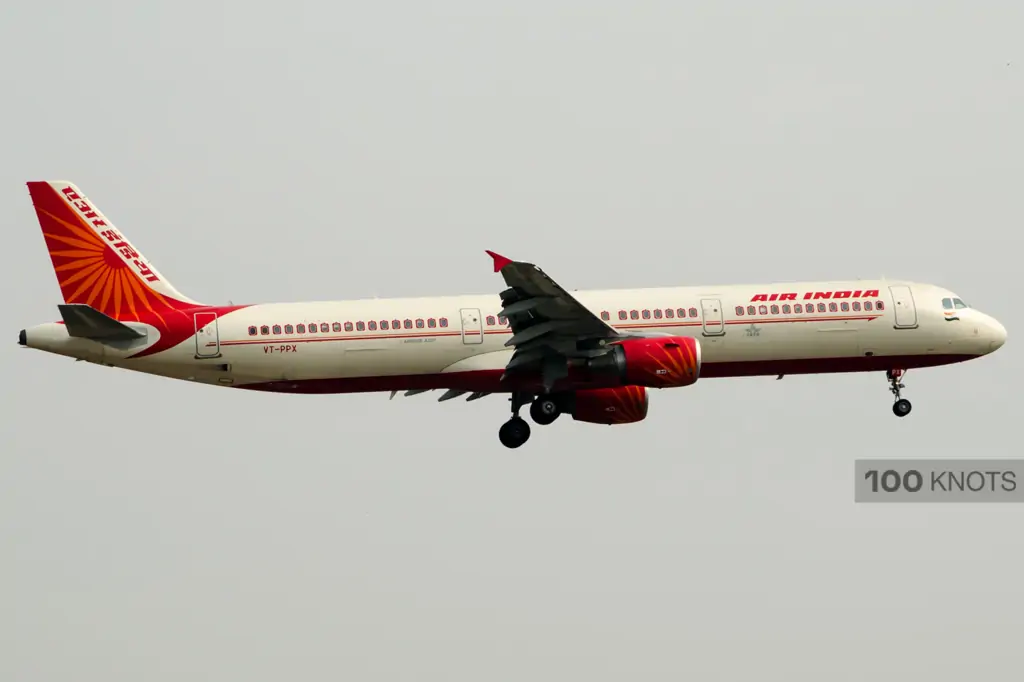
Air India has redesigned its website for the first time in years, with a focus on highlighting the airline's history and legacy associated with the Tata group. The redesigned website of Air India includes an "About Us" section that highlights how the airline was started by Tatas and its current status as part of the Tata Group following its privatization.
On January 27, 2022, the strategic disinvestment transaction of Air India has been successfully completed. With the sale of the airline, there is no equity stake of the government of India left in Air India and is now under the management control of the buyer.
Air India's website includes the chronology of the airline since its launch, highlighting that India's first commercial airline was launched by JRD Tata in 1932. "With the support of The Tata Group, we are on a mission to blend advanced technology with vintage hospitality, spreading our wings to take you more places," the revamped About Us section read.
In January 2022, the Tata Group reacquired Air India, which now operates flights to 79 destinations. The Tata Group has a global presence, with over 700,000 employees and operations in more than 100 countries.
What are the new upgrades?
Along with some technology upgradations, the Tata-owned airline also changed the URL to www.airindia.com, from ".in" earlier. The design change was executed by its in-house teams based in Kochi and Gurugram and Silicon Valley in the US. "The experienced management, digital marketing, analytics and personalization technology upgrades rolled out on the airline’s website are expected to contribute to a significant improvement in customer experience," the airline said.
An airline’s website is a key component of serving its customer base effectively and thereby increasing its direct-channel revenues. Air India said that the design upgrade will enable the rapid rollout of new customer-friendly features which was not possible with the two-decades-old technologies used earlier.
"It is also expected to lead to user perceptible improvements in the performance of the website in areas ranging from time-to-load to perceived response time while making the website accessible to users with vision or hearing disabilities. Since nearly two-thirds of the airline’s website traffic comes from mobile devices, the website is designed to be mobile-friendly, accessible, and as intuitive on the smaller screens of mobiles as it is on a computer," the airline said.
Air India also plans to launch an upgraded version of its mobile app later this year. “This website upgrade we have launched now is just the first in a series of design, content and feature improvements we have planned for the coming months that will culminate in what we believe will be a clear global leadership position for Air India’s digital direct channels,” said Air India’s Chief Digital and Technology Officer Satya Ramaswamy.
The technology upgradation is part of Vihaan.AI, Air India’s transformational 5-year roadmap with clear milestones. It focuses on dramatically growing both its network and fleet, developing a completely revamped customer proposition, and improving reliability and on-time performance. In January 2023 the airline placed one of the industry’s largest-ever orders for new aircraft, at 470, and has committed more than USD 400 million to upgrade the interiors of all widebody aircraft with new seats and entertainment systems.

Read next

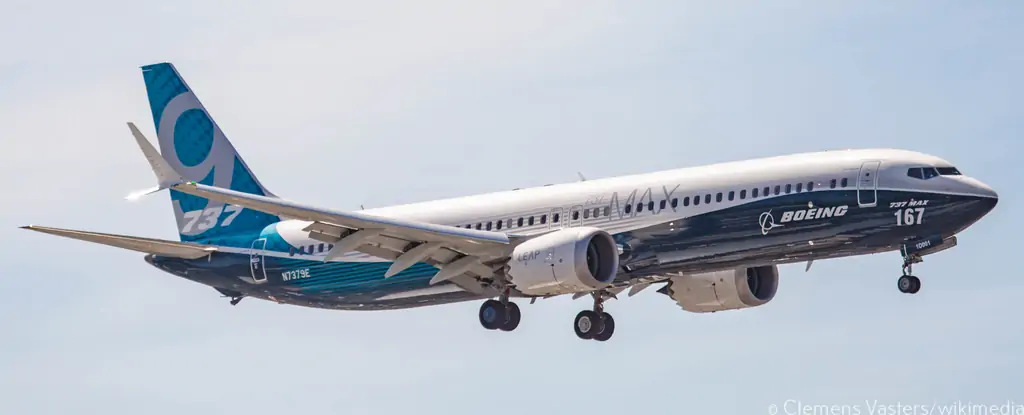
The aviation industry is continually evolving, with manufacturers attempting to create more efficient, dependable, and safe aircraft. Even the most modern aircraft, however, might confront obstacles that necessitate immediate action to maintain passenger safety. The Boeing 737 MAX, for example, has been the subject of intensive investigation owing to prior safety concerns. The Federal Aviation Administration (FAA) has issued a new directive to address engine compressor stalls on the Boeing 737 MAX, with the goal of mitigating possible hazards and improving overall safety.
Background on the Boeing 737 MAX Engine Issues
Before digging into the FAA's directive, it is critical to understand the Boeing 737 MAX's history and other engine-related issues. The Boeing 737 MAX is a prominent aeroplane model known for its fuel economy and innovative technologies. However, the aircraft's reputation suffered significant damage as a result of two deadly crashes in 2018 and 2019, which resulted in a worldwide grounding of the type.
The FAA's Directive
The Federal Aviation Administration has issued a directive in response to the concerns raised about engine compressor stalls on the Boeing 737 MAX. The Federal Aviation Administration (FAA) is the regulatory organization in charge of guaranteeing the safety and security of civil aviation in the United States.
Current Situation
The Federal Aviation Administration (FAA) of the United States (US) published a final rule, Airworthiness Directive (AD), to solve compressor stalls on the CFM LEAP 1-B engine, which is only utilized on the Boeing 737 MAX aircraft. The FAA issued the AD in response to "multiple aborted take-offs and air turn-backs (ATBs) caused by high-pressure compressor (HPC) stall, which was induced by high levels of non-synchronous vibration (NSV)".
"The unsafe condition, if not addressed, could result in engine power loss at a critical phase of flight such as take-off or climb, loss of thrust control, reduced controllability, and loss of the aircraft," the FAA claimed.
The Causes and Hazards of Engine Compressor Stalls
Compressor stalls can be caused by a variety of events, including changes in air conditions, foreign object ingestion, and engine malfunctions. These stalls impair the smooth flow of air within the engine, resulting in an abrupt imbalance and loss of thrust. Engine compressor stalls can cause modest performance disturbances or more catastrophic instances in which the engine entirely shuts down. This creates major concerns during flight, jeopardizing both the aircraft's and its passengers' safety.
Collaboration to Improve Aircraft Safety
Improving aviation safety requires a collaborative effort from a variety of stakeholders, including aircraft manufacturers, regulatory agencies, and industry experts. Close coordination between Boeing and the FAA was critical in addressing the engine compressor stall issue on the Boeing 737 MAX. Both sides collaborated to uncover the underlying reasons, devise effective solutions, and execute the required improvements to assure the aircraft's safety.
Ensuring Public Confidence in the Boeing 737 MAX
It is critical for the aviation sector to restore public trust and confidence in the Boeing 737 MAX. Following earlier safety concerns and the ensuing global grounding of the aircraft, Boeing and the FAA have taken significant steps to rebuild trust in the model's safety and dependability.
Conclusion
Finally, the FAA's directive on engine compressor stalls is an important step towards improving the safety of the Boeing 737 MAX. The FAA and Boeing are working collaboratively to restore trust in the aircraft by determining the causes of compressor stalls and adopting comprehensive procedures to eliminate the related risks. The aviation industry is committed to delivering a safe and secure flight experience for passengers through joint efforts, continual communication, and a dedication to safety. The FAA requirement, together with Boeing's changes and proactive maintenance practices, guarantees that engine compressor stalls are addressed and minimized efficiently.
With Inputs from AeroTime
Read next
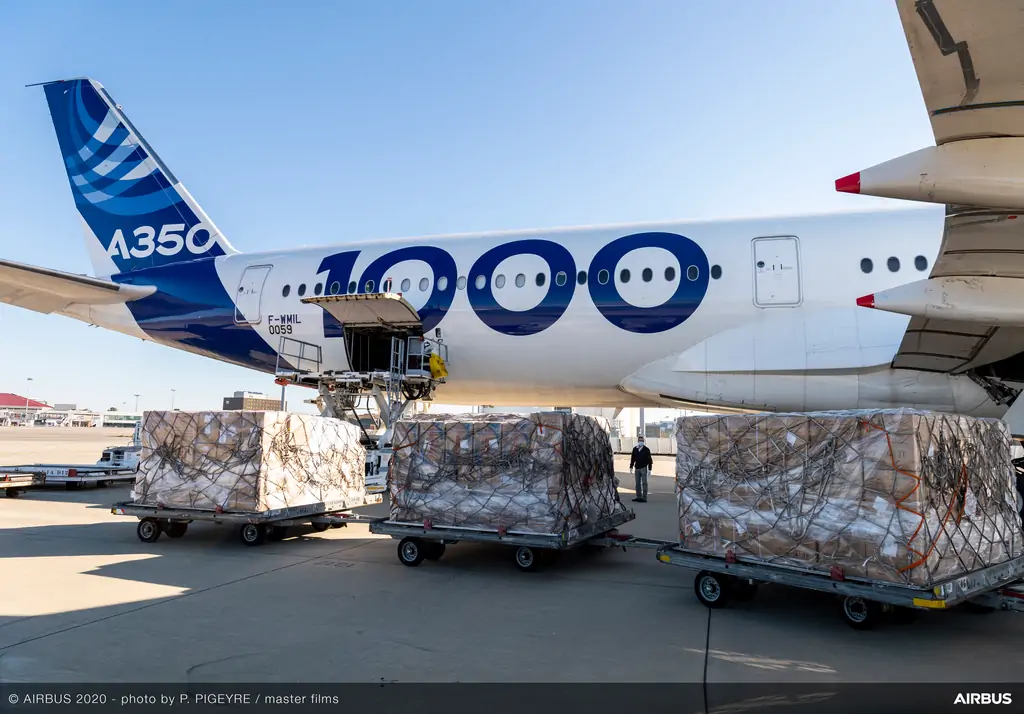
Philippine Airlines, one of the country's top carriers, recently made the prudent decision of selecting the A350-1000 aircraft for its future long-haul fleet. This is a huge step forward for the airline, which aspires to improve its operations, boost customer experience, and reinforce its position in the competitive long-haul market.
Philippine Airlines' Selection of the A350-1000
Philippine Airlines has selected the A350-1000 as their preferred aircraft for future long-haul operations after extensive research and analysis. This choice was made due to the significant benefits provided by the A350-1000, which correspond with the airline's strategic objectives.
Current Scenario
Philippine Airlines has been serving passengers as a vital element of the global aviation sector for decades, connecting the Philippines with other worldwide locations. With the growing demand for long-distance travel, the airline understands the necessity of selecting the correct aircraft to satisfy the changing demands of its passengers while remaining competitive in the market.
According to Captain Stanley K. Ng, President and Chief Operating Officer of Philippine Airlines, the A350-1000's range would allow the airline to operate nonstop transpacific and transpolar trips in both directions all year. These will include some of the world's longest commercial flights, such as those connecting the Philippines to New York and Toronto. With an increased A350 fleet, PAL will be able to provide direct connectivity from the Philippines to Europe once more.
"Flying passengers farther and in greater comfort, the A350 brings a step-change in fuel efficiency and an immediate and significant contribution to reduced emissions," stated Christian Scherer, Airbus Chief Commercial Officer. These are the characteristics that have led to the A350 being chosen by the world's biggest airlines. We look forward to continuing to collaborate with our long-standing customer, Philippine Airlines, as it implements its long-haul fleet modernization project."
The A350-1000's features and capabilities
The A350-1000 has a number of characteristics and capabilities that make it a good fit for Philippine Airlines. For starters, its fuel efficiency allows the airline to save money, making it a financially feasible alternative. Furthermore, the A350-1000 provides a better passenger experience with its roomy interior, comfortable seats, and cutting-edge amenities. Passengers can have a more pleasant and pleasurable flight, particularly on long-haul flights.
The Impact on the Operations of Philippine Airlines
The decision in favor of the A350-1000 will benefit Philippine Airlines' operations in a variety of ways. For starters, it will allow the airline to improve connectivity by launching new long-distance flights and increasing the frequency of current ones. This enlarged network will provide passengers with more alternatives and boost the airline's competitiveness in the long-haul market.
Future Goals and Chances for Expansion
The A350-1000 decision also prepares Philippine Airlines for future development and expansion. With its expanded capabilities, the airline may enter new markets and pursue strategic partnerships and alliances. The A350-1000's adaptability and agility will allow Philippine Airlines to respond to changing market circumstances and fulfil the expanding requirements of its customers.
Conclusion
Finally, Philippine Airlines' selection of the A350-1000 for its future long-haul fleet is an important strategic step. The aircraft's fuel economy, passenger comfort, innovative technology, and long range make it an excellent candidate for the airline's expansion plans. This move will improve Philippine Airlines' operations, increase customers' travel experiences, and boost its competitive position in the long-haul market.
With Inputs from Airbus
Read next
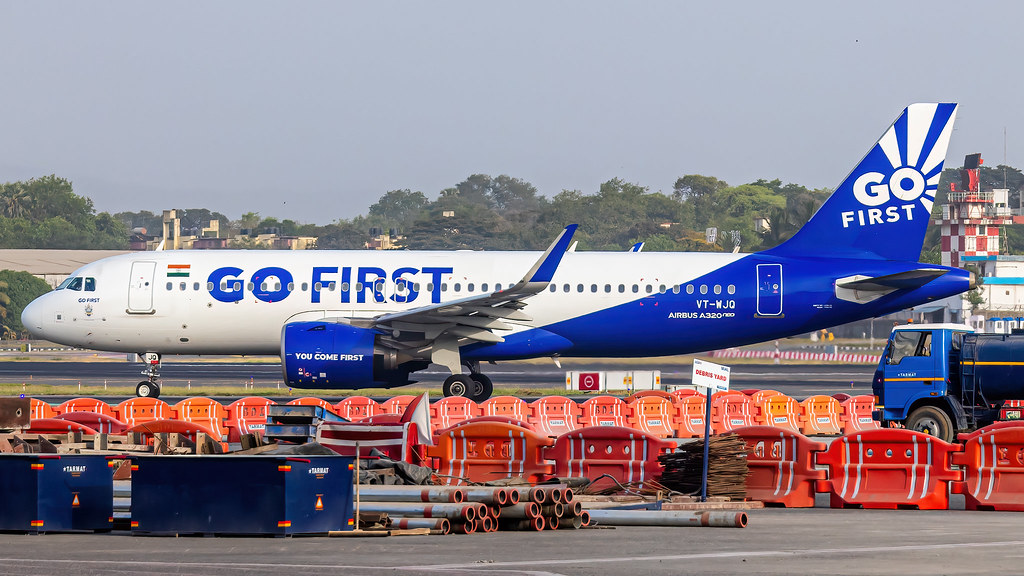
Tata Group and IndiGo are reportedly in talks to take Airbus SE planes from Go First that had filed for voluntary insolvency proceedings last week. The Directorate General of Civil Aviation had asked the beleaguered airline to stop selling tickets with immediate effect, after the airline cancelled all tickets till May 12.
According to a report in Bloomberg, the Tata conglomerate that owns Air India, Vistara and AirAsia India and one of India’s largest airlines, IndiGo, are holding separate negotiations with Go First’s lessors, and are also discussing landing and parking slots with airport operators including in New Delhi and Mumbai. Several other parties, including new airline Akasa Air, have also expressed interest in the airport slots, the report stated.
The high demand for Go First's assets could potentially create hurdles for the airline's debt restructuring plans and efforts to resume operations. Sky High XCV Leasing Ltd, ACG Aircraft Leasing Ireland Ltd, and SMBC Aviation Capital Ltd are among the major lessors of Go First.
This comes after Go First’s lessors seek to repossess 36 aircraft. The rush for the airline’s assets might make Go First’s attempts to revive its operations complicated. In its plea with National Company Law Tribunal, the airline sought the tribunal’s intervention and restraining lessors from taking back their aircraft.
Go First also sought the tribunal’s intervention in restraining DGCA from taking any adverse action against the airline. However, during the hearing, the regulator asked Go First to refund the money to the impacted passengers. Following this, the DGCA asked the airline to stop selling tickets immediately until further orders.
Ongoing Issues With The Airline
In its plea with the NCLT, the airline said that the purpose of the Insolvency and Bankruptcy Code is to revive the airline. It said that it sees a huge scope in the revival of the airline but also pointed out that lessors were terminating their contracts with Go First. Besides, the watchdog has issued a show cause notice to the budget carrier under the relevant provisions of the Aircraft Rules, 1937, for its failure to continue the operation of the service in a safe, efficient and reliable manner.
The airline asked for an interim moratorium and the appointment of a resolution professional. However, NCLT stated that there is no provision for an interim moratorium under IBC. In a major relief for the struggling budget airline Go First, the National Company Law Tribunal (NCLT) today admitted its voluntary plea to initiate an insolvency resolution process, which is aimed at restructuring debt and liabilities.
Go First blamed engine maker Pratt & Whitney for its situation. It said that due to faulty engines, the airline had to ground nearly half of its fleet, which impacted its revenues and increased its losses. Go First CEO Kaushik Khona said in an interview that the airline is seeking USD 1 billion in damages from the engine maker.
Go First was established in 2005 under the leadership of business tycoon Nusli Wadia. The airline has stated that the Pratt & Whitney engines installed on its A320neo aircraft had degraded faster than anticipated, resulting in premature failure. According to the airline, it had to replace over 500 Pratt GTF engines from 2016 until February 2023. As a result, several aircraft had to be taken out of service, leading to losses worth INR 10,800 crore (USD 1.3 billion) for the airline.
Raytheon Technologies Corp's subsidiary Pratt & Whitney has previously said the issue Go Air faces is being dealt with within legal courts. It also stated that its priority is to ensure timely delivery schedules for all its customers.
A shortage of new commercial jetliners due to supply chain disruptions and a faster-than-expected recovery in travel demand after the pandemic have created an opportunity for companies like Tata and IndiGo to expand their fleets. Tata has acquired the formerly state-run Air India and is integrating its brands, including local ventures of Singapore Airlines Ltd and Capital A Bhd’s AirAsia. InterGlobe Aviation Ltd-managed budget airline IndiGo carried almost 60% of the Indian domestic market by flying 7.3 million passengers in March.
(With Inputs From Bloomberg)
Read next
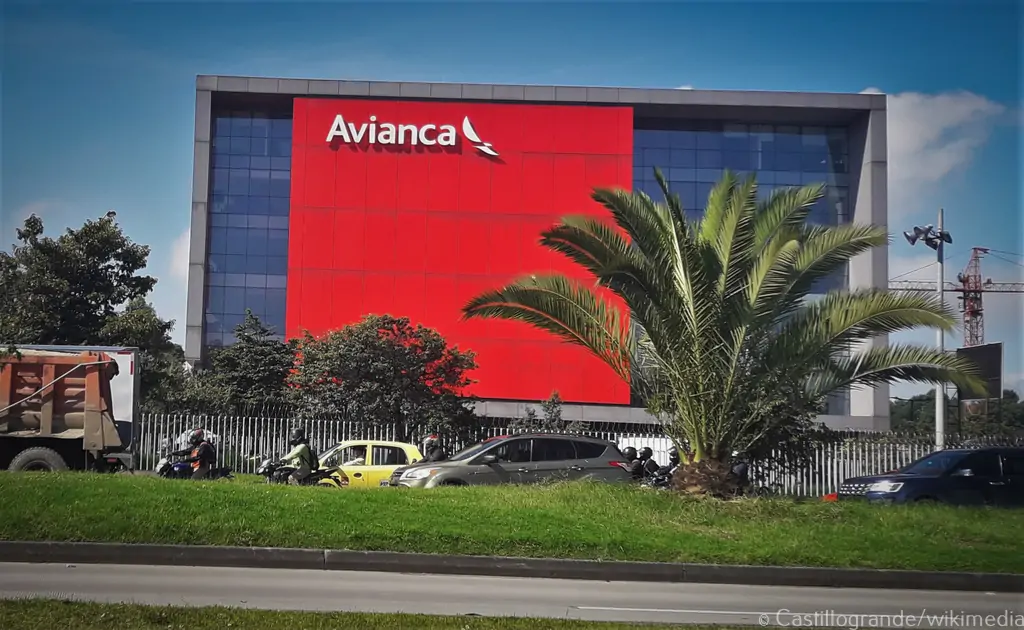
Colombia's aviation sector has been vibrating with news following the acceptance of a merger between two major aircraft companies, Avianca and Viva Air, by the country's Civil Aviation Authority. This major achievement marks a watershed moment in Colombian aviation, with far-reaching repercussions for both airlines and passengers.
Avianca and Viva Air: Background
Avianca, Colombia's national carrier and one of the world's oldest airlines, was founded in 1919. Avianca has gained a reputation for outstanding service and a dedication to customer happiness because of its long history and vast network of destinations. The airline offers both internal and international flights, connecting Colombia to destinations across the world.
Merger Approval Procedures
Obtaining merger permission in the aviation business is a difficult process, and the Avianca and Viva Air combination was no different. The Colombian Civil Aviation Authority, which is in charge of managing and regulating civil aviation activity, extensively examined the merger proposal. This review considered factors such as market competition, prospective advantages, and the influence on consumers.
Present Situation
Following a series of appeals by other airlines (including LATAM, JetSMART, and Wingo) and Avianca's request to change some of the requirements set by the government for the merger to go through, Colombia's Civil Aviation Authority (Aerocivil) confirmed its approval of the Avianca and Viva Air merger on Monday.
Aerocivil authorized the merger and imposed four requirements that must be met before the merger may take place. These are the conditions:
- Passengers' rights on Viva must be honored. They must be compensated in full for cancelled flights or moved to other flights. Avianca is doing it already. Since Viva's demise, the Colombian airline has assisted in the relocation of over 150,000 passengers, the majority of whom were relocated at no cost.
- The two airlines must restore certain slots at El Dorado International Airport (BOG) in Bogota. Aerocivil stated that this move is necessary to ensure free competition and the survival of Viva Air. Nonetheless, it was not specified in the press announcement how many slots Avianca and Viva should restore.
- Maintain Viva Air's low-cost business strategy, particularly on routes that were formerly operated only by this airline.
- Weekly frequencies on the Bogota-Buenos Aires route will be introduced. This stretch was solely served by these two airlines. Aerocivil is now imposing this criterion in order to allow other possible carriers to fly between the two South American cities if they so desire.
Following Aerocivil's declaration, Avianca and Viva Air have up to five days to notify Colombian authorities of their intentions to merge. This means that Viva's future is entirely in Avianca's hands at this moment. The ultra-low-cost carrier had stated that the only option for it to resume flights would be through a merger with Avianca.
The Advantages of the Avianca-Viva Air Merger
The combination of Avianca and Viva Air delivers several benefits to both airlines and their passengers. For starters, the merged firm will have an expanded network and route portfolio, giving travellers more alternatives and a better connection. Passengers should anticipate faster connections and more efficient travel.
Passengers' Potential Impact
The combination of Avianca and Viva Air bodes well for travelers. The extended network will make it easier for travelers to reach additional destinations, opening up new options for tourism, business, and personal travel. Furthermore, the increased competition as a result of the merger may put pressure on other airlines to enhance their services and offer competitive rates, benefiting consumers in the end.
The Impact on Colombia's Aviation Market
The combination of Avianca and Viva Air is likely to have a substantial impact on the Colombian aviation business. The merged business will most certainly gain market share, cementing its position as the industry's dominant player. This has the potential to change the competitive environment, causing other airlines to reconsider their strategies and products.
Challenges and Risks
While the Avianca-Viva Air combination has many advantages, it is not without problems and hazards. One of the most significant challenges is the integration and consolidation of activities. Merging two big airlines is a difficult and time-consuming process of harmonizing systems, processes, and cultures. A smooth transition is critical to ensuring minimum delays for passengers and the continuation of services.
Prospects for the Future
Looking ahead, the combination of Avianca and Viva Air creates intriguing new development potential for the merged organization. The enhanced efficiency, expanded network, and strengthened market position lay a good foundation for future success. To remain competitive in a dynamic and growing sector, the merged airline can seek new routes, collaborations, and innovations.
Conclusion
Finally, the Civil Aviation Authority of Colombia's acceptance of the Avianca and Viva Air merger represents a key milestone for the country's aviation industry. The merger brings together two major airlines, resulting in several benefits such as a larger network, enhanced efficiency, and increased competitiveness. Passengers may look forward to improved travel experiences and more connections. While there are hurdles, good integration and regulatory compliance can result in long-term profitability. As the united organization takes to the skies, it lays the groundwork for a thriving and competitive Colombian aviation sector.
With Inputs from Reuters
Comment