
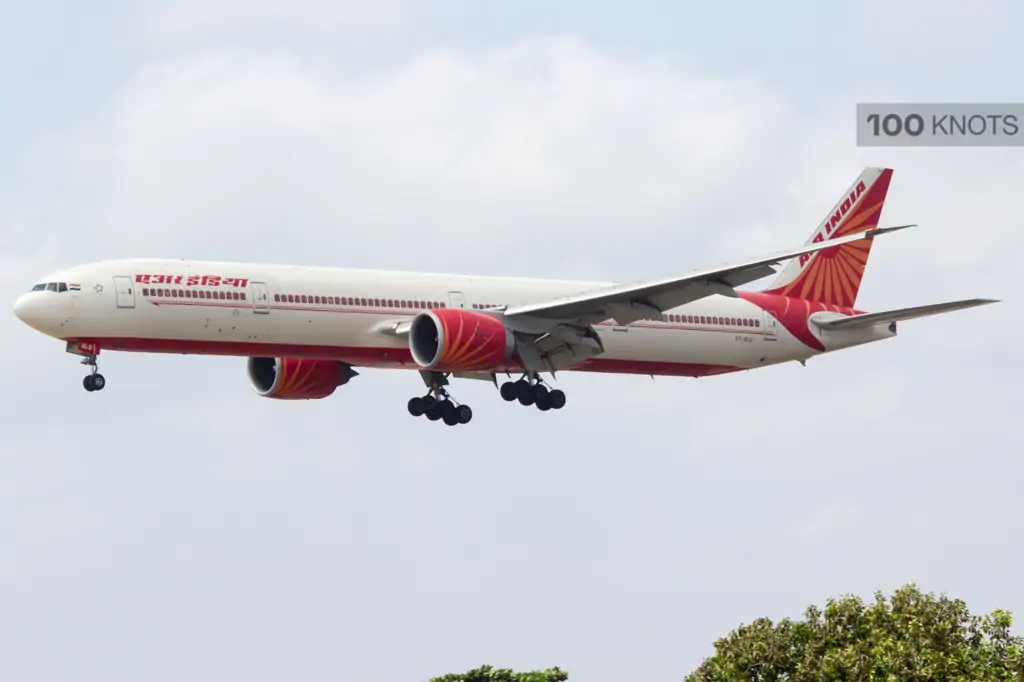
Anti-trust regulator Competition Commission of India (CCI) has issued a show cause notice to Air India, seeking clarification on why its proposed merger with Vistara should not be investigated over concerns about competition in the aviation sector. Reports mention that the CCI has given Air India 30 days to respond.
Vistara and Air India, two full-service airlines, are part of the Tata Group. Singapore Airlines (SIA) holds a 49% stake in Vistara. In November 2022, the salt-to-software conglomerate announced the merger of Vistara with Air India under a deal wherein SIA will also hold a 25.1% stake in Air India.
As a part of the deal, SIA would pump into INR 2,059 crore in the expanded share capital of Air India for a 25.1% stake. Tata Sons would own the remaining 74.9% stake in the combined entity. The approval for the proposed combination was sought from CCI in April this year. The parties to the combination are Tata Sons Pvt Ltd (TSPL), Air India Ltd, Tata SIA Airlines Ltd (TSAL) and Singapore Airlines Ltd.
Tata Sons and SIA filed a merger application with the CCI in April this year, mentioning that the proposed merger of Vistara with Air India would not alter the competitive landscape or cause any adverse impact on competition in India. They had expressed hope to seal the merger deal by March 2024.
If the deal sees the light of day, it will make Air India the country's largest international carrier and second-largest domestic carrier after IndiGo. In terms of overall domestic passenger numbers, Air India Group had a 25.1% market share in the January-March period of 2023, according to the Directorate General of Civil Aviation. IndiGo, India’s largest airline, had a 55.7% market share in the same period.
The Role of CCI
As per the competition law, the regulator can probe into the matter before giving the green light for a merger or acquisition in case there are concerns about possible anti-competitive practices in the deal. Section 29 of the Competition Act mentions the procedures for the probe of combinations. In CCI parlance, combinations refer to mergers and acquisitions.
"Where the Commission thinks that a combination is likely to cause, or has caused an appreciable adverse effect on competition within the relevant market in India, it shall issue a notice to show cause to the parties to combination calling upon them to respond within thirty days of the receipt of the notice, as to why investigation in respect of such combination should not be conducted," as per the section.
In case, the regulator is not satisfied with the responses, it can go to the second stage wherein the parties will be asked to make the details of the proposed deal public and comments will be sought. Besides, CCI can seek additional information from the parties before taking a final decision on the deal.
There have also been instances where parties to a combination submitted remedial measures to address anti-competitive concerns and after accepting them, CCI has given its conditional approvals. Additionally, the CCI has the authority to request further information from the parties involved before reaching a final decision on the merger.
In November 2013, the CCI approved a proposal by Gulf carrier Etihad to purchase 24% of grounded Jet Airways. The CCI then cited the insignificant increase in market share forecast on India-UAE routes as one of the reasons for the approval.
Challenges Ahead
It is a new challenge for formerly government-owned Air India, which Tata Group took over last year. The Indian airline has ambitious plans to modernise its fleet, operational systems and revenue management. The Competition Commission of India (CCI) has flagged that on some routes and categories - such as business class travel - the merged entity could have a monopoly, said one of the two sources, who declined to be named as the matter is confidential.
To address the CCI's concerns, Air India could make concessions such as giving up certain routes or reducing the frequency, the second source said, adding that Air India remains confident the matter can be resolved by recommending certain changes.
The CCI note comes amid growing concerns within the industry about a duopoly, with a merged Air India-Vistara and IndiGo controlling more than 80% of the domestic market as smaller rivals such as SpiceJet and Go First struggle.
The first source said that Vistara and Air India both fly on international routes such as London and Dubai and would need antitrust clearances in other jurisdictions. Air India is expecting similar queries from foreign countries once it applies for clearance there, but the source is waiting for the India process to close first, the source added.
The Tata Group is consolidating its aviation business and merging the four airlines into two. While Air India is being merged with Vistara to create a single full-service carrier, AirAsia India is being merged into Air India Express to create a single low-cost airline under Air India. AirAsia India and Air India Express are completely owned by Tata Sons and these two carriers’ merger got approved by the CCI in June last year.

Read next

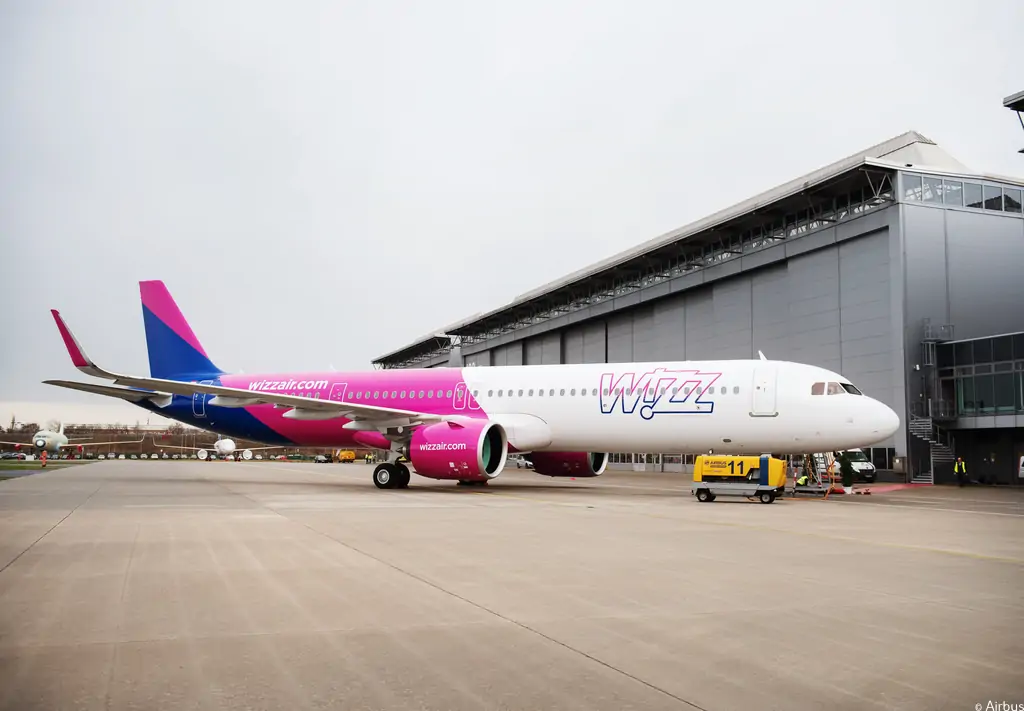
On June 27, 2023, history was made as Airbus delivered its first aircraft assembled in Tianjin to Wizz Air, a prominent low-cost carrier based in Hungary. This momentous event signifies a significant achievement for both Airbus and the city of Tianjin, highlighting the expanding collaboration between Europe and China in the aerospace industry.
The Role of Tianjin Municipality in Airbus' Expansion
Tianjin, a vibrant metropolis in North China, has emerged as a crucial hub for Airbus' manufacturing operations. With state-of-the-art facilities and a skilled workforce, Tianjin Municipality offers a conducive environment for aerospace innovation and production. The delivery of the A321neo to Wizz Air demonstrates the successful integration of Tianjin into Airbus' global supply chain.
Wizz Air: Empowering Low-Cost Travel in Europe
As Hungary's leading low-cost carrier, Wizz Air has been instrumental in democratizing air travel throughout Europe. By offering affordable fares and a wide range of destinations, Wizz Air has revolutionized the way people explore the continent. The acquisition of the A321neo further strengthens Wizz Air's commitment to enhancing its fleet and providing passengers with modern, fuel-efficient aircraft.
The A321neo: A Technological Marvel
The A321neo represents Airbus' dedication to technological advancements and sustainable aviation. With its enhanced efficiency, reduced emissions, and improved passenger comfort, the A321neo is at the forefront of modern aircraft design. Its state-of-the-art engines and aerodynamic features make it a preferred choice for airlines seeking to optimize their operations while minimizing their environmental impact. The largest member of the A320 series, the A321neo, can carry up to 244 passengers.
Airbus' Final Assembly Line (FAL Asia) in Tianjin
Airbus' Final Assembly Line (FAL Asia) in Tianjin has played a pivotal role in the company's production strategy. This facility undertakes the assembly, testing, and delivery of Airbus A320 family aircraft, catering to the growing demand in the Asia-Pacific region. The successful delivery of the A321neo to Wizz Air showcases the manufacturing excellence and collaborative efforts at FAL Asia.
Collaborative Efforts and Manufacturing Excellence
The delivery of an Airbus aircraft involves the combined efforts of a global network of suppliers, engineers, and skilled workers. This collaborative approach ensures the highest standards of quality and safety throughout the manufacturing process. The remarkable achievement of delivering an aircraft assembled in Tianjin exemplifies the manufacturing excellence upheld by Airbus and its partners.
The Significance of the European Customer's Choice
As a European customer, Wizz Air's decision to procure an aircraft assembled in Tianjin is of immense significance. It demonstrates the confidence that European airlines place in the manufacturing capabilities and craftsmanship of Airbus' facilities worldwide. The delivery of the A321neo marks a new chapter in the relationship between Wizz Air and Airbus, further fostering their partnership for future endeavors.
Implications for Wizz Air's Fleet Expansion
Wizz Air's acquisition of the A321neo is a testament to the airline's ambitious growth plans. With its increased capacity and range, the A321neo enables Wizz Air to explore new markets and expand its operations. The advanced technology and operational efficiency of the aircraft empower Wizz Air to offer more routes and improved services to its ever-growing customer base.
Strengthening Airbus' Global Presence
Airbus' delivery of an aircraft assembled in Tianjin signifies the company's commitment to expanding its global footprint. By strategically locating assembly facilities around the world, Airbus can cater to regional demands and forge stronger partnerships with local aviation stakeholders. The successful delivery to Wizz Air underscores Airbus' position as a leading aircraft manufacturer with a truly global presence.
Enhancing China's Aerospace Industry
China's aerospace industry has witnessed remarkable growth in recent years, with Tianjin playing a pivotal role in this advancement. The delivery of the A321neo assembled in Tianjin showcases China's expanding capabilities in aircraft manufacturing and positions the country as a key player in the global aerospace market. This achievement bolsters China's ambition to become a technological powerhouse in the aviation sector.
Promoting Sustainable Aviation with the A321neo
The A321neo embodies Airbus' commitment to sustainable aviation practices. Through innovative technologies and design improvements, the A321neo reduces fuel consumption and emissions, contributing to a greener aviation industry. Wizz Air's adoption of the A321neo underscores its dedication to operating a modern and environmentally friendly fleet.
Looking Ahead: Future Prospects and Innovations
As Airbus and Wizz Air continue to push the boundaries of aviation, exciting prospects and innovations lie ahead. From advanced materials and propulsion systems to enhanced passenger experiences, the industry will witness continuous advancements. Collaborative efforts between Airbus and Wizz Air, fueled by their shared vision for the future, will drive the next generation of aircraft and shape the way we travel.
Conclusion
The delivery of an Airbus A321neo assembled in Tianjin to Wizz Air marks a historic achievement for both parties involved. It represents the culmination of collaborative efforts, manufacturing excellence, and a commitment to sustainable aviation practices. With this significant milestone, Airbus reinforces its global presence, while Wizz Air strengthens its fleet and expands its low-cost travel offerings. This achievement stands as a testament to the innovation and dedication propelling the aerospace industry forward.
With Inputs from Xinhua
Read next
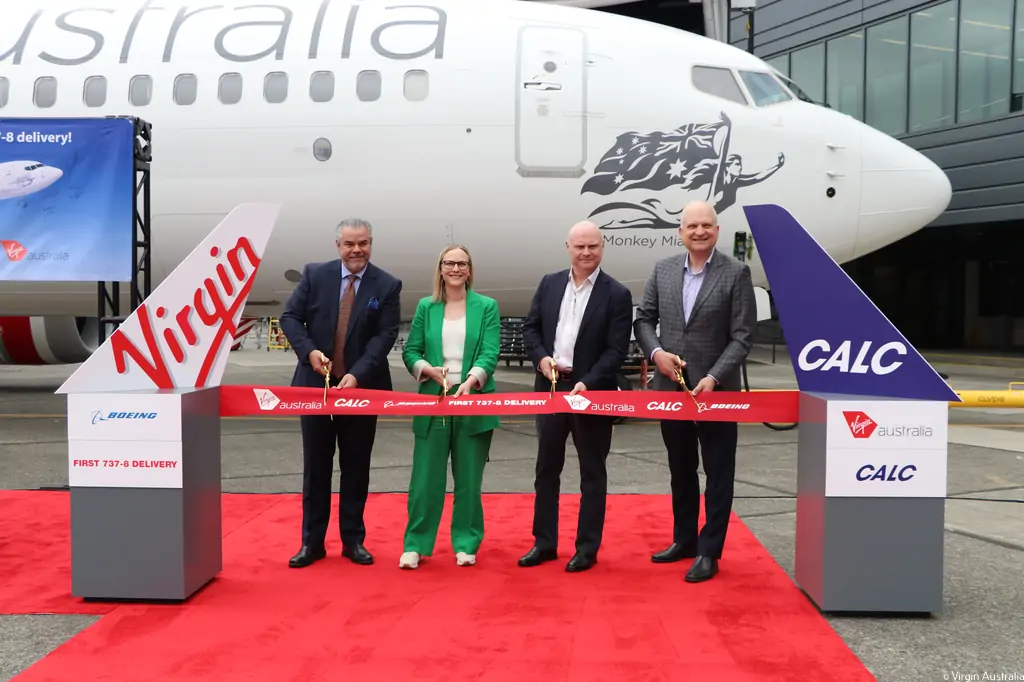
Virgin Australia, a renowned airline operating in the Australian aviation industry, has recently celebrated a significant milestone with the delivery of its first new-generation Boeing 737 MAX aircraft. This momentous occasion marks a crucial step in Virgin Australia's ongoing transformation and underscores its commitment to delivering an exceptional travel experience to passengers.
The Boeing 737 MAX: A New Era of Aviation
The Boeing 737 MAX represents the latest evolution in aircraft technology, bringing numerous advancements that revolutionize air travel. Designed with passenger comfort, operational efficiency, and environmental sustainability in mind, the 737 MAX family introduces cutting-edge features that enhance the overall flying experience.
Virgin Australia's Transformation Strategy
In December 2020, Virgin Australia made a strategic decision to restructure its aircraft order, aligning its fleet expansion plans with the industry's changing landscape. This move allowed the airline to adapt to shifting passenger demands, optimize operational efficiency, and maintain a competitive edge in the market. The delivery of the first Boeing 737-8 aircraft signifies a critical milestone in Virgin Australia's transformation journey. The aircraft is being leased to Virgin Australia by China Aircraft Leasing Group Holdings Limited (CALC), a prominent global aircraft lessor.
"It is great to work with Boeing and Virgin Australia on the successful delivery of the 737-8," remarked Winnie Liu, Executive Director, Deputy CEO, and CCO of CALC. The arrival of the first 737-8 not only represents a watershed moment in CALC's history as the first aircraft type in our fleet, but it also boasts unsurpassed fuel economy and lends great support to the airline's sustainable fleet optimisation programme. CALC has made significant investments in cutting-edge technology aircraft types, with a strong emphasis on sustainable and green fleet solutions. We will continue to develop energy-efficient aircraft models and work with all aviation partners to achieve net zero emissions by 2050."
Enhanced Passenger Experience
One of the key objectives of Virgin Australia's fleet renewal is to provide passengers with a superior travel experience. The Boeing 737 MAX family offers a range of features designed to enhance passenger comfort and convenience. From spacious cabins and ergonomic seating to improved overhead storage and larger windows, the MAX aircraft ensures a more pleasant and enjoyable journey for passengers.
Fuel Efficiency and Sustainability
As the aviation industry continues to prioritize environmental sustainability, Virgin Australia's adoption of the Boeing 737 MAX is a testament to its commitment to reducing carbon emissions. The MAX aircraft boasts advanced fuel-efficient engines, aerodynamic improvements, and optimized flight systems, resulting in reduced fuel consumption and lower greenhouse gas emissions. By embracing these eco-friendly aircraft, Virgin Australia contributes to global efforts aimed at achieving a more sustainable future for aviation.
Safety and Technology Features
Safety remains a top priority in the airline industry, and Virgin Australia's selection of the Boeing 737 MAX underscores its dedication to passenger well-being. The MAX family incorporates state-of-the-art safety features, including advanced avionics, enhanced sensors, and an upgraded flight control system. These technologies work in harmony to provide pilots with comprehensive situational awareness and ensure a safe and secure flight experience.
Fleet Expansion and Operational Advantages
Virgin Australia's acquisition of the Boeing 737 MAX aircraft signifies a significant expansion of its fleet, enabling the airline to meet growing passenger demands and expand its route network. With its fuel-efficient engines and increased range, the 737 MAX offers operational advantages by enabling non-stop flights to new destinations and enhancing overall operational flexibility. This expansion aligns with Virgin Australia's long-term growth strategy and strengthens its position as a leading player in the aviation industry.
Collaboration with Boeing: A Shared Vision
The delivery of the first new-generation Boeing 737 MAX aircraft to Virgin Australia highlights the fruitful collaboration between the airline and Boeing. Both organizations share a common vision of transforming the travel experience and driving innovation within the aviation sector. Through this collaboration, Virgin Australia can leverage Boeing's expertise in aircraft design and manufacturing, ensuring the delivery of world-class aircraft to its passengers.
Comments
The new MAX family aircraft, according to Virgin Australia Chief Operations Officer Stuart Aggs, are a vital component of the airline's transition, providing not just a more luxurious experience to customers but also forming the backbone of Virgin Australia's decarbonization aspirations.
"Operating younger, more fuel-efficient 737-8 aircraft will support Virgin Australia in taking key steps towards meeting its sustainability goals while providing passengers with enhanced comfort and a more enjoyable flying experience," said Erika Pearson, Boeing Vice President, Commercial Sales and Marketing, Southeast Asia, and Oceania.
Conclusion
Virgin Australia's acceptance of the first Boeing 737 MAX aircraft marks a significant milestone in its ongoing transformation journey. This strategic move not only enhances the airline's operational capabilities but also elevates the overall passenger experience. With a renewed focus on passenger comfort, fuel efficiency, and sustainability, Virgin Australia positions itself as a forward-thinking airline that embraces the latest advancements in aviation technology.
With Inputs from Virgin Australia
Read next

Airlines in the highly competitive aviation industry are constantly on the hunt for innovative methods to streamline their operations while providing excellent services to passengers. China Airlines, a world-class player in the Asian market, has taken an intelligent step to modernize its fleet by selecting GE's GEnx-1B engines to power its growing Dreamliner fleet.
China Airlines Background
China Airlines, established in 1959, is the national carrier of Taiwan and a leading airline in the Asia-Pacific region. With its headquarters in Taipei, the airline operates an extensive network of domestic and international flights, connecting Taiwan with destinations worldwide. China Airlines is renowned for its commitment to safety, efficiency, and excellent service, consistently striving to provide passengers with a comfortable and memorable travel experience. With its strong presence in the global aviation industry, China Airlines continues to play a vital role in promoting tourism, trade, and cultural exchanges between Taiwan and the rest of the world.
China Airlines' Order of GEnx-1B Engines
China Airlines has been a GE Aerospace customer since 1999, when it ordered 13 GE CF6-80C2-powered Boeing 747-400 aircraft. The firm currently operates an 87-aircraft fleet, which includes 66 passenger jets and 21 freighters. China Airlines has recently made a substantial investment in its fleet by placing an order for 17 GEnx-1B engines and spares. These engines will play a crucial role in powering the airline's expanding fleet of Boeing 787 Dreamliner commercial aircraft. This strategic move demonstrates China Airlines' commitment to enhancing its operational capabilities and ensuring a seamless travel experience for its passengers.
GE's GEnx-1B Engines: A Strong Option
The aviation industry has recognized GE's GEnx-1B engines for their cutting-edge technology and outstanding efficiency. These engines are intended to deliver substantial fuel savings, reduced emissions, and lower maintenance costs. The GEnx-1B engines incorporate advanced materials and innovative design features that contribute to enhanced aerodynamics and noise reduction, resulting in a smoother and more comfortable flying experience for passengers. The GEnx-1B engines, with their sophisticated architecture and novel features, are a suitable answer for China Airlines ambitious fleet development ambitions.
The Benefits of GE's GEnx-1B Engines
Fuel Efficiency: The GEnx-1B engines offer significant fuel savings, leading to lower operating costs for airlines. These engines utilize advanced technologies such as lightweight composite fan blades and a unique fan bypass design, which contribute to improved fuel consumption.
Reduced Emissions: As the aviation industry places increasing emphasis on environmental sustainability, GE's GEnx-1B engines stand out for their reduced emissions. These engines employ advanced combustion technology, resulting in lower nitrogen oxide (NOx) emissions and a smaller carbon footprint.
Enhanced Performance: GE's GEnx-1B engines provide exceptional performance in terms of thrust, power, and reliability. The incorporation of advanced materials and design features allows for higher thrust levels, enabling better takeoff performance and enhanced operational flexibility.
Quieter Operations: Noise reduction is a crucial aspect of modern aircraft engines, and the GEnx-1B engines excel in this area. The innovative fan blade design and advanced acoustics contribute to a quieter flight experience, reducing noise pollution around airports and residential areas.
The Boeing 787 Dreamliner
The Boeing 787 Dreamliner is a state-of-the-art aircraft that has revolutionized air travel. It is designed to offer a superior flying experience with its advanced technology, spacious cabin, and fuel efficiency. The Dreamliner's composite materials, aerodynamic design, and innovative systems enable it to consume less fuel and provide a quieter and more comfortable journey for passengers. With its long-range capabilities, the Boeing 787 Dreamliner has opened up new possibilities for airlines, enabling them to connect distant destinations efficiently.
The Significance of the Order
China Airlines' order for GEnx-1B engines holds significant importance for the airline and the aviation industry as a whole. It signifies the airline's confidence in the performance and reliability of these engines, which will power its expanding fleet of Boeing 787 Dreamliner aircraft. By investing in these advanced engines, China Airlines aims to enhance its operational efficiency, reduce fuel consumption, and minimize its environmental footprint. This order also reflects the airline's commitment to delivering a superior travel experience to its customers.
China Airlines' Fleet Expansion Plans
The decision to order GEnx-1B engines aligns with China Airlines' ambitious fleet expansion plans. The airline aims to strengthen its position as a leading international carrier by increasing its capacity and improving its service offerings. The addition of Boeing 787 Dreamliner aircraft, powered by GEnx-1B engines, will enable China Airlines to expand its route network, enhance long-haul operations, and cater to the growing demand for air travel. This strategic investment will undoubtedly play a pivotal role in the airline's growth and success in the competitive aviation market.
The Comprehensive Services Agreement
In addition to the order for GEnx-1B engines, China Airlines has also secured a comprehensive services agreement. This agreement encompasses various aspects of engine maintenance, repair, and overhaul services, ensuring that the airline's engines operate at peak performance throughout their lifecycle. The comprehensive services agreement provides China Airlines with the peace of mind that it can rely on General Electric's expertise and support to maintain the reliability and efficiency of its GEnx-1B engines.
Comments
"We are thrilled that China Airlines has chosen the GEnx-1B engine for its growing 787 Dreamliner fleet." "This agreement exemplifies the airline's confidence in our products and services," said Kathy MacKenzie, Vice President, GE Commercial Programs at GE Aerospace.
Conclusion
China Airlines' recent order for 17 GEnx-1B engines and spares to power its expanding fleet of Boeing 787 Dreamliner aircraft marks a significant milestone for the airline. This strategic investment demonstrates China Airlines' commitment to enhancing its operational capabilities, improving fuel efficiency, and providing a superior travel experience for its passengers. The GEnx-1B engines, renowned for their advanced technology and performance, will play a crucial role in enabling China Airlines to achieve its fleet expansion goals.
With Inputs from GE Aerospace
Read next
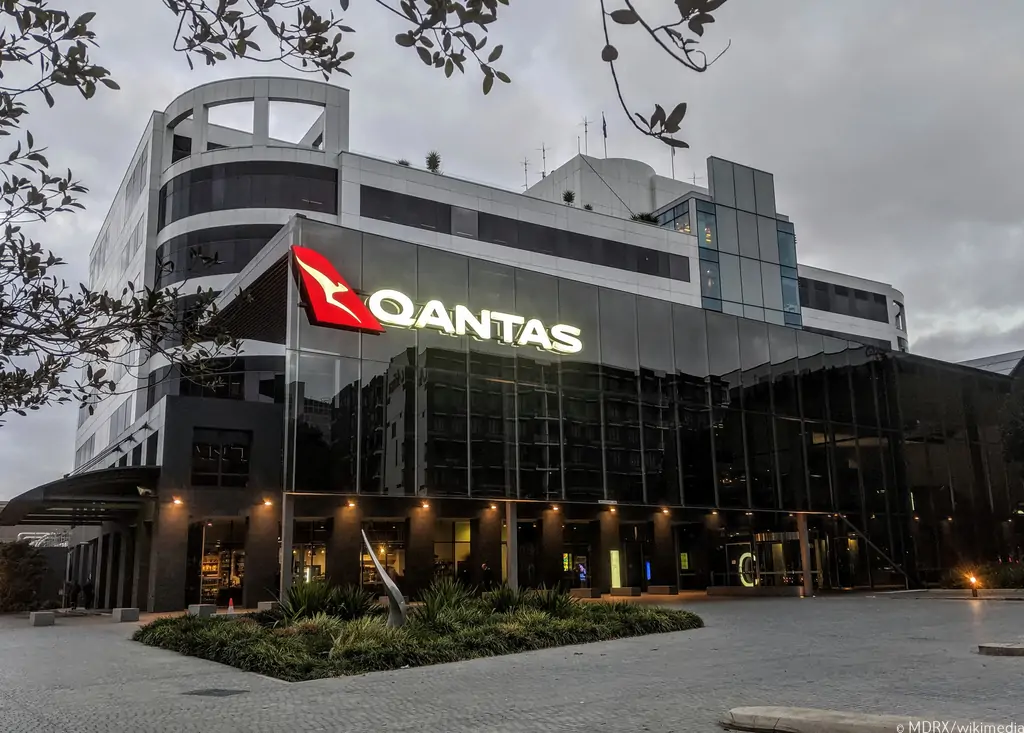
Qantas, also known as the "Spirit of Australia," is the leading airline in the country. With a rich history spanning over a century, Qantas has built a reputation for its commitment to safety, customer service, and innovation. As a symbol of Australian pride, Qantas continues to connect passengers to both domestic and international destinations while maintaining its status as a global industry leader.
The Importance of the Next Two Weeks
With the closing of its books on June 30th, Qantas is determined to maximize its operations in the next two weeks. This period marks a significant opportunity for the airline to accommodate a substantial number of passengers during a peak travel season. Qantas recognizes the importance of meeting the travel demands of Australians and international travelers alike, and it aims to provide seamless and memorable experiences for everyone on board.
Expanding its Fleet
Qantas has taken a lot of heat for its sky-high rates and the lack of capacity that keeps them that way, yet it currently operates above pre-COVID domestic capacity and about 90% of international capacity. In the past month, the Qantas Group has acquired six new aircraft and announced or resumed eleven overseas routes since the beginning of 2023.
It will also resume service with its eighth Airbus A380 in early July, when the cabin has been refurbished and all engineering inspections have been completed.
Expanding Domestic Operations
Qantas has taken significant steps to expand its domestic operations, catering to the increased demand for travel within Australia. By increasing flight frequencies and adding new routes, the airline aims to serve as many passengers as possible. Whether it is a quick getaway to a coastal paradise or a business trip to a bustling city, Qantas ensures there are ample options available to suit various travel needs.
International Travel Resumes
As international borders gradually reopen, Qantas is ready to resume its international flights. The anticipation of carrying millions of passengers over the next two weeks reflects the eagerness of travelers to explore the world once again. From popular tourist destinations to important business hubs, Qantas connects Australians to global opportunities while maintaining its commitment to safety and service excellence.
This week, Qantas ran bargains on its North American and domestic networks, selling over 30,000 discounted fares before the sale ended on Friday.
Enhanced Safety Measures
Qantas understands the paramount importance of passenger safety. As such, the airline has implemented comprehensive safety measures to provide peace of mind to travelers. These measures include enhanced cleaning protocols, increased sanitization, mandatory mask-wearing, and the promotion of social distancing wherever possible. By prioritizing safety, Qantas aims to create a secure environment for passengers to enjoy their journey.
Qantas Loyalty Program
Qantas' loyalty program, known as Qantas Frequent Flyer, is one of the most renowned in the industry. Passengers have the opportunity to earn points and enjoy a range of exclusive benefits. From complimentary lounge access to priority boarding and discounted flights, the loyalty program rewards frequent flyers for their continued support. Qantas continues to innovate and enhance its loyalty program to provide exceptional value to its customers.
Passenger Experience and Comfort
Qantas goes above and beyond to ensure a pleasant and comfortable experience for its passengers. From the moment they step onboard, passengers are greeted by friendly and attentive cabin crew. The airline's modern and well-maintained fleet offers a range of seating options, from spacious economy class to luxurious business and first-class cabins. Qantas aims to create an environment where passengers can relax, work, and arrive at their destination feeling refreshed.
Qantas' Commitment to Sustainability
Recognizing the importance of environmental responsibility, Qantas is dedicated to reducing its carbon footprint and implementing sustainable practices. The airline invests in fuel-efficient aircraft, explores alternative fuels, and supports various conservation initiatives. Qantas aims to lead the industry in sustainable aviation practices while maintaining its commitment to operational efficiency and customer satisfaction.
Boosting Tourism and the Economy
As Qantas carries millions of passengers during this peak period, the airline plays a crucial role in boosting tourism and stimulating the economy. By connecting Australians to both domestic and international destinations, Qantas supports local businesses, creates job opportunities, and showcases the diverse beauty of Australia to the world. The airline's contribution to tourism helps to solidify Australia's position as a desirable travel destination.
Conclusion
Qantas, Australia's flag airline, is poised to make the most of the next two weeks, with its books closing on June 30th. With a focus on expanding domestic operations, resuming international travel, enhancing safety measures, prioritizing passenger comfort, and promoting sustainability, Qantas strives to deliver exceptional experiences to its passengers. By playing a pivotal role in boosting tourism and the economy, Qantas reinforces its position as a leading global airline.
With Inputs from Qantas
Comment