
Air India Eyes a 300% Increase in Cargo Segment in Next 5 Years With Increase in its Fleet Capacity

Radhika Bansal
27 Jul 2023
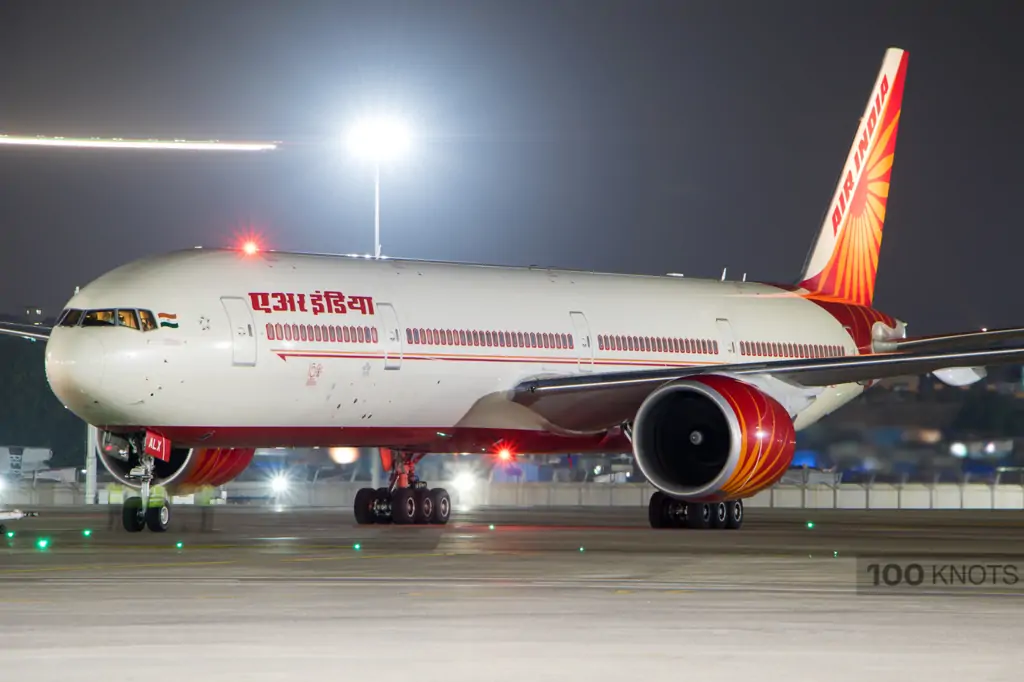
Air India has placed orders for wide-body aircraft of 34 A350-1000, six A350-900, 20 Boeing 787 Dreamliner, and 10 Boeing 777X wide-body aircraft, thus bolstering India’s cargo ecosystem, the airline announced. As Air India adds capacity to its fleet, it is eyeing at a 300% increase in the cargo segment over the next five years.
“At Air India, we see a huge potential in the air cargo industry, which the Indian Government plans to grow to 10 million tonnes by 2030. Our cargo division is implementing a series of strategic measures aimed at fostering growth and strengthening our market presence,” Air India CEO and MD, Campbell Wilson, said. With this, Air India’s annual cargo capacity will increase by an impressive 300% to 2 million tonnes over the next five years. It promises to provide the country with a non-stop connection to key export markets globally.
“The belly capacity of the Air India fleet will grow significantly over the next few years, with the addition of new wide-body aircraft to its fleet this year and with most aircraft on firm order set to arrive from 2025, complementing India’s manufacturing and export growth,” the airline said in a release. Not only will it support the economy but also help in generating greater employment prospects and boosting various business sectors, it added.
Strengthening the Air Cargo Industry
According to Air India, various initiatives taken by it in recent times will not only enhance the role of the airline as a major cargo carrier but also bolster the country's cargo ecosystem and contribute to the development of an efficient air cargo supply chain accelerating exports from India. The airline further revealed that it also plans to deploy the latest IT solutions to strengthen the use of technology, including blockchain, AI, and drones to optimize productivity. It believes that these advancements will help it to deliver a wide range of services with global capabilities including pharma logistics, door-to-door logistics with global partners, and e-commerce.
The carrier said that it is strengthening the use of technologies like blockchain and artificial intelligence to optimize productivity in cargo operations. Short-term changes have been devised in its existing IT cargo system to enhance efficiency in areas like electronic data interchange, seamless connectivity with trade partners, and real-time updates on flight and shipment status.
In its growth plans, Air India revealed to set up three 24x7 control centres to integrate and improve customer interface, customer service and operations efficiency. Moreover, the airline is investing in infrastructure, collaborating with its joint venture partner SATS to develop airport and logistics infrastructure. Air India also seeks to expand its domestic network, catering to the increasing demand from Tier-2 and Tier-3 markets in India.
To strengthen its global reach, Air India is forging strategic partnerships and collaborations. By enhancing interline partnerships and trucking network connections, the airline aims to boost exports. Presently, Air India services cargo transportation to more than 40 international and 38 domestic destinations, and it has partnered with offline trucking points worldwide to further expand its base. The airline is also working closely with service providers at key Indian airports, including Delhi, Mumbai, and Bengaluru, to streamline trans-shipment efficiency and volume at these vital global hubs.
India's Air Cargo Industry
With increased capacity, advanced technology, and a diverse array of services, Air India is positioning itself on a global stage.
Among local players, Air India and Vistara had the maximum share as they have the advantage of having wide-body planes in their fleet. IndiGo, which is expanding its international operations, is looking to ramp up its cargo business while crisis-hit SpiceJet has hived off its cargo and logistics division ‘SpiceXpress’ into a separate entity. There are new players, such as Pradhaan Air Express, that have realized the untapped potential of the air cargo business in India.
As per Boeing’s commercial market outlook, India’s air cargo growth is expected to average 6.3% annually, driven by the country’s manufacturing and e-commerce sectors. According to Airports Authority of India data, Indian airports handled a total of 3.2 million tonnes of cargo in 2022-23, up 0.6% year on year. Domestic cargo registered around 10% year-on-year growth, while international freight declined 5%. Foreign air operators commanded a market share of around 94-95% while the remaining 5-6% was shared among the Indian air operators.
Read next


The global aviation industry is soaring to new heights, and its trajectory shows no signs of slowing down. With the ever-increasing demands for air travel and the expansion of the commercial aeroplane fleet, the need for skilled aviation personnel is more urgent than ever before. Boeing, one of the leading aircraft manufacturers, foresees a doubling of the global commercial aircraft fleet by 2042, and to support this growth, an estimated 2.3 million additional aviation personnel will be required over the next two decades.
Growth of the Global Aviation Industry
The aviation industry has experienced a remarkable boom in recent years, driven by factors such as globalization, increasing disposable income, and a growing middle class. People from different corners of the world now have access to air travel, making it a popular mode of transportation for both business and leisure purposes. This surge in demand has prompted airlines to expand their fleets and open new routes, leading to an ever-increasing number of flights taking to the skies.
Boeing, in its market outlook, predicts that air carriers will need approximately 44,000 new commercial aeroplanes by 2042 to cater to this rising demand, which is nearly double the present number of aircraft. Alongside new aircraft, there will be a requirement for more pilots, cabin crew, maintenance technicians, air traffic controllers, and ground staff to ensure the smooth operation of the aviation industry.
The Need for More Aviation Personnel
Boeing's projection of needing 2.3 million additional aviation personnel over the next two decades underscores the scale of the challenge facing the industry. The demand for personnel is not limited to a specific segment; it encompasses various fields within the aviation sector. As the number of flights increases, airlines will need more pilots and cabin crew to operate these flights efficiently.
Furthermore, the maintenance and engineering aspects of the aviation industry are equally crucial. Skilled technicians and engineers will be required to keep the growing fleet in top-notch condition, ensuring the safety and reliability of the aircraft.
Pursuant to Boeing's 2023 Pilot and Technician Outlook (PTO), commercial carriers will require substantial personnel to support the global commercial fleet through 2042
- 649,000 pilots
- 690,000 maintenance technicians
- 938,000 cabin crew members
Job Opportunities in the Aviation Industry
The rapid growth of the aviation industry translates to abundant job opportunities for aspiring aviation professionals. Becoming a pilot remains a coveted career choice, with excellent salary prospects and the thrill of flying high above the clouds. Aspiring pilots need to undergo rigorous training and accumulate flying hours before obtaining their licenses.
Apart from pilots, there are diverse roles available in the aviation industry. Maintenance technicians play a critical role in ensuring that aircraft are airworthy and safe to fly. These professionals work on intricate aircraft systems and must meet strict regulatory standards.
Air traffic controllers are the unsung heroes who manage the busy skies, guiding planes during takeoff and landing, and ensuring safe and efficient navigation. Ground staff members are the face of airlines, providing customer service and support at airports worldwide.
Training and Skill Development
To meet the demands of the aviation industry, proper training and skill development are imperative. Aviation academies and institutions play a pivotal role in nurturing the next generation of aviation professionals. They provide comprehensive training programs that cover theoretical knowledge, practical skills, and hands-on experience.
As technology continues to advance, aviation personnel must adapt to new systems and procedures. Training programs need to stay updated to equip professionals with the latest knowledge and tools to excel in their roles.
"With domestic air travel fully recovered and international traffic nearing pre-pandemic levels, demand for aviation personnel continues to increase," commented Chris Broom, Vice President, Commercial Training Solutions, Boeing Global Services. "Through immersive and virtual training solutions, our competency-based training and assessment offerings will help ensure high-quality training for future and current aviation professionals while also continuing to improve aviation safety."
Women in Aviation
Promoting gender diversity in the aviation industry is essential for its sustainable growth. Historically, aviation has been a male-dominated field, but efforts are being made to encourage women to pursue careers in this exciting industry. Women have proven their mettle as pilots, engineers, and aviation executives, shattering stereotypes, and inspiring future generations.
Technological Advancements in Aviation
The aviation industry has been at the forefront of technological innovation, with advancements like automation and artificial intelligence revolutionizing various aspects of air travel. While these technologies improve efficiency and safety, they also raise questions about the future role of aviation personnel.
Aviation professionals must embrace technological advancements and work in tandem with automation to deliver a seamless travel experience while prioritizing safety and customer service.
Addressing Environmental Concerns
The aviation industry's growth comes with environmental challenges, notably its carbon footprint. Airlines and aircraft manufacturers are increasingly focusing on sustainable practices to reduce emissions and minimize their impact on the environment.
Innovations in sustainable aviation fuels and the development of more fuel-efficient aircraft are some of the steps being taken to address environmental concerns. Balancing growth with environmental responsibility remains a top priority.
Coping with Industry Challenges
The aviation industry has faced its share of challenges, with the recent Covid-19 pandemic being one of the most significant setbacks. Travel restrictions, lockdowns, and reduced air travel demand have affected airlines and their personnel worldwide.
Overcoming such hurdles requires collaboration between industry stakeholders, governments, and regulatory bodies. By working together, the industry can navigate through difficult times and emerge stronger.
The Role of Governments and Policies
Governments play a crucial role in supporting the aviation industry through favorable policies and investments in infrastructure. Developing and maintaining airports, air traffic control systems, and aviation training facilities are essential for the industry's growth.
Moreover, international cooperation is vital to ensure seamless air travel across borders. Harmonizing regulations and standards improves efficiency and safety for the global aviation community.
Career Progression and Opportunities
The aviation industry offers promising career progression opportunities for motivated individuals. Professionals can advance to higher positions within their fields and even explore roles in different aviation sectors. Obtaining specialized certifications in areas like aircraft maintenance, air traffic control, and aviation management can open doors to exciting career paths.
Emphasizing Safety and Security
Safety and security are paramount in the aviation industry. Rigorous safety protocols, regular training, and emergency preparedness are ingrained in the culture of the industry to ensure the well-being of passengers and crew. Aviation personnel are trained to handle emergencies with composure, making air travel one of the safest modes of transportation.
Balancing Technology with Human Touch
While technology has transformed the aviation industry, maintaining the human touch is equally important. Excellent customer service and personal interactions create memorable flying experiences for passengers. Aviation personnel are the face of airlines, and their warmth and professionalism contribute significantly to customer satisfaction.
Challenges and Opportunities for New Markets
As the aviation industry continues to grow, new markets and regions offer both challenges and opportunities. Understanding the unique demands and cultural aspects of different markets is crucial for success. Innovative approaches and a willingness to adapt are key to thriving in diverse aviation landscapes.
Conclusion
The global aviation industry is on a trajectory of rapid growth, and its potential for the future is awe-inspiring. To meet the soaring demands of air travel, the industry needs a skilled and dedicated workforce. Aspiring aviation professionals have a plethora of opportunities to contribute to this dynamic and ever-evolving industry. By embracing technological advancements, maintaining a focus on safety and sustainability, and fostering a diverse and inclusive workforce, the aviation industry will soar to new heights, fulfilling the dreams of millions of passengers worldwide.
With Inputs from Boeing
Read next
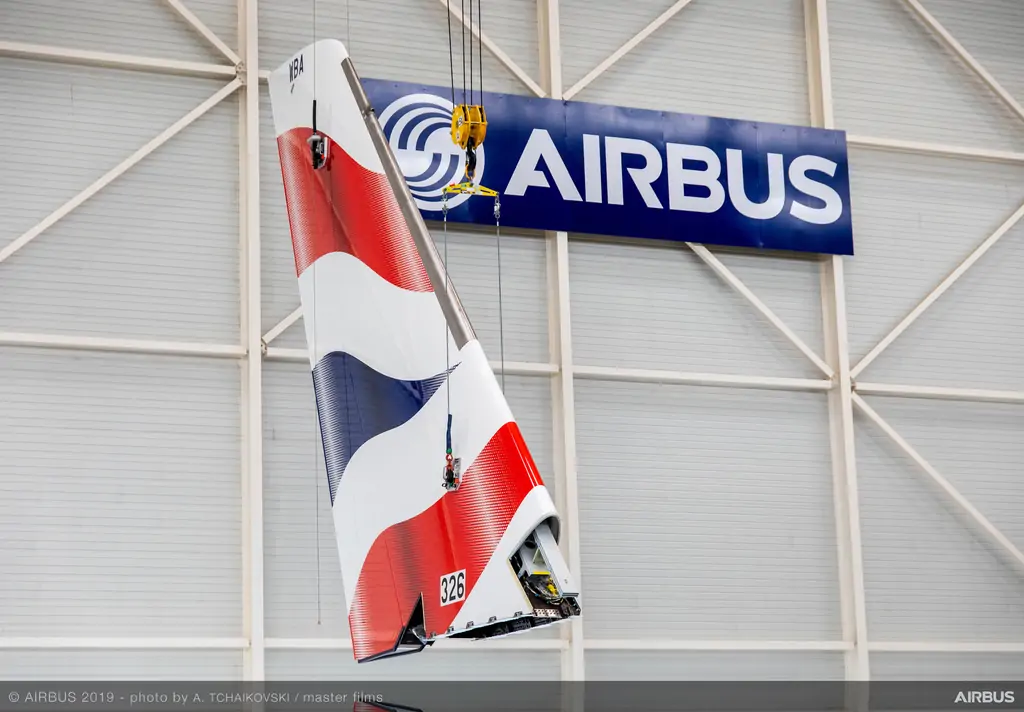
On July 26, 2023, Airbus, the renowned aerospace manufacturer, unveiled its first-half operating results for the year, showcasing a robust position with a full order book and well-prepared strategies to meet the ambitious 2023 delivery objectives.
The company reported a significant surge in consolidated and commercial aircraft revenues starting in 2022. However, despite this impressive performance, Airbus experienced a 20% decline in net income during this period.
Solid Operating Results Amid Challenging Objectives
Airbus announced consolidated revenue of €27.7 billion ($30.7 billion) in the first half of 2023, up 11% from €24.8 billion ($27.5 billion) in H1 2022. Airbus (Commercial), Airbus Helicopters, and Airbus Defence and Space contributed to the combined performance.
Airbus's first-half operating results for 2023 demonstrated its capability to maintain a strong market position despite facing considerable challenges in the aviation industry. The company's strategic focus on strengthening its commercial aircraft segment has paid off, with significant revenue growth observed over the past year.
Full Order Book and Delivery Objectives
One of the standout achievements for Airbus is the full order book, which indicates robust demand for its aircraft. The company's commitment to meeting delivery objectives is evident, as it lays the foundation for a successful and sustainable future.
CEO Guillaume Faury commented on the results, stating, "During the first half of 2023, we progressed well across our businesses in an operational environment that remains complex." More than 800 orders for our commercial aircraft were announced during the Paris Air Show, demonstrating their high demand. This demand is being driven by both expansion and fleet replacement as airlines invest in more fuel-efficient fleets. Based on this H1 performance, we maintain our 2023 guidance."
Net Income Decline
While revenues increased significantly this year, consolidated Adjusted Earnings before Interest and Tax (EBIT) decreased slightly from €2.64 billion to €2.62 billion ($2.93-$2.9b). Consolidated Reported EBIT decreased by 27% in H1 2022 to €1.89 billion ($2.1 billion), while net income was reported at €1.53 billion ($1.7 billion), a 20% decrease from €1.9 billion ($2.1 billion) in H1 the previous year.
Despite impressive revenue growth, Airbus faced a setback with a 20% decline in net income. The decline could be attributed to various factors, including increased production costs, global economic uncertainties, and supply chain challenges.
Shift in Production-Rate Objective for the A320neo-Family Project
Airbus made a significant decision by adjusting its monthly production-rate objective for the A320neo-family project. The initial plan to achieve 65 aircraft per month has been abandoned in favor of a higher output target of 75 per month. During a half-year briefing on July 26, Airbus CEO Guillaume Faury stated that the 65-per-month figure acted as a pandemic-recovery threshold because it mirrored Airbus' pre-crisis output. This move demonstrates Airbus's confidence in the demand for the A320neo-family aircraft and its commitment to meeting market requirements.
Timeline for Production-Rate Increase
The airframer's revised production-rate objectives indicate an ambitious timeline. Airbus aims to reach a production rate of 65 aircraft per month by the end of 2024, and further increase it to 75 aircraft per month by the end of 2026. This expansion plan is aligned with the company's long-term growth strategy and anticipated market demands.
Embracing Market Dynamics
Airbus's decision to adjust its production-rate objectives is a strategic move to adapt to market dynamics. By increasing the output of the A320neo-family aircraft, Airbus is positioning itself to capitalize on growing demands and ensure it remains a dominant player in the aviation industry.
Ensuring Quality Amidst Expansion
As Airbus gears up for increased production rates, the company emphasizes maintaining the highest standards of quality in its aircraft. Stringent quality control measures will be in place to ensure that the rise in production does not compromise the safety and reliability of their products.
Potential Impact on the Aerospace Industry
Airbus's decision to ramp up production could have a notable impact on the aerospace industry. Increased production rates may result in a surge in job opportunities, fostering economic growth in regions where Airbus has production facilities.
Addressing Environmental Concerns
As Airbus expands production, it also reaffirms its commitment to sustainability and environmental responsibility. The company continues to invest in research and development to create more fuel-efficient and eco-friendly aircraft, contributing to the global effort to reduce aviation's carbon footprint.
Navigating Uncertain Times
The aviation industry has been navigating unprecedented challenges, including the impact of the COVID-19 pandemic, geopolitical tensions, and fluctuating oil prices. Airbus's ability to adapt and evolve during these uncertain times is a testament to its resilience and forward-thinking approach.
Future Prospects and Innovations
Looking ahead, Airbus remains focused on exploring innovative technologies and solutions that will shape the future of aviation. Research into electric and hydrogen-powered aircraft and advancements in autonomous flight are some of the exciting areas the company is actively investing in.
Conclusion
Airbus's first-half operating results for 2023 showcase the company's tenacity in the face of industry challenges. With a full order book and revised production-rate objectives, Airbus is poised to meet market demands effectively. However, the decline in net income raises concerns that the company must address. By balancing growth with a commitment to quality and sustainability, Airbus can solidify its position as a global leader in the aerospace industry.
With Inputs from Airbus, FlightGlobal
Read next
Go First to Resume Operations Soon; Conducts Handling Flight, NCLT Gives Green Light to Use Leased Aircraft
Radhika Bansal
27 Jul 2023
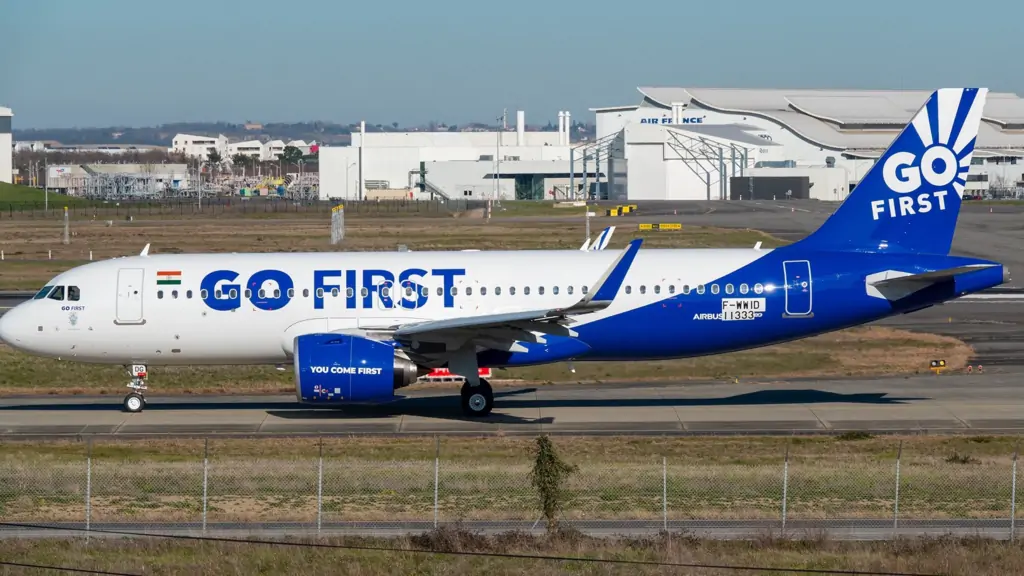
The National Company Law Tribunal (NCLT) on July 26 refused to restrain Go First from using leased aircraft for its operations, noting that those aircraft are essential to keep Go First as a going concern company. According to the tribunal's order, "the DGCA has not deregistered the aircraft, which means that they are available to Go First for use to resume operations. Therefore, as long as the aircraft/engines are registered, they can be used for operating or flying to keep Go First as a going concern, however, within the safeguards/safety norms prescribed by the regulators."
The NCLT also dismissed the plea by lessors to inspect their aircraft and engine and held that they have in their previous order from June 15 already directed the Resolution Professional (RP) to maintain the same. The tribunal has granted relief to the lessors only to the extent of protection and maintenance of the aircraft/engines by the RP.
It is to be noted that the lessors had sought some interim orders from the tribunal, till their applications are decided. The tribunal will on August 4 hear applications by the lessor to exempt them from moratorium as they had terminated lease agreements beforehand. The Delhi High Court will hear applications by lessors against DGCA to deregister their aircraft on August 3.
NCLT has further held that Delhi HC's July 5 order is an interim order passed in its writ jurisdiction and no law has been laid down, however, lessors have filed applications in the insolvency proceedings under the IBC and hence they need not consider what has been held by the High Court. The order was passed in applications filed by lessors such as Bluesky 31 Leasing Co. Ltd, Bluesky 19 Leasing Co. Ltd, Jackson Square Aviation Ireland Limited, SMBC Afro Engine Lease B, Engine Lease Finance B.V and BOC Aviation (Ireland) Limited.
On July 12, a two-judge bench of the Delhi High Court refused to entertain an appeal by Go First's Resolution Professional (RP) challenging a previous order that had allowed lessors to conduct inspections of 30 aircraft and their parts at regular intervals. The court upheld the decision, granting permission to the lessors to carry out inspections regularly. The court, however, permitted Go First to continue maintaining the aircraft.
On July 5, a single-judge bench of the Delhi High Court granted permission to the lessors to inspect and perform maintenance work on their 30 leased aircraft and their parts twice a month. The order also prohibited Go First's resolution professionals and employees from removing, replacing, or taking out any part or component of the leased aircraft without the explicit permission of the lessors.
The aircraft need to be flown to keep the airline as a “going concern,” and it was determined that the aircraft must remain with the corporate debtor. Allowing inspection of the aircraft would only act as an impediment to the effective discharge of the resolution professional's duties. Considering these factors, the NCLT ruled that allowing inspection served no purpose and upheld its decision to permit Go First to continue operating the leased
The aircraft lessors, including Pembroke Aviation, Accipiter Investments Aircraft 2 Ltd, EOS Aviation and SMBC Aviation, filed a writ with the Delhi High Court seeking instructions to release the planes leased to Go First, which is currently facing financial distress. On May 22, the National Company Law Appellate Tribunal (NCLAT) upheld the National Company Law Tribunal's (NCLT) order to admit Go First's plea for insolvency. On May 10, the principal bench of the NCLT in Delhi accepted Go First's voluntary plea to initiate an insolvency resolution process. As a result, the tribunal appointed an Insolvency Resolution Professional (IRP), suspended the board and imposed a moratorium on the airline's financial obligations.
Go First Operates Handling Flight
Soon after the Directorate General of Civil Aviation (DGCA) allowed Go First to resume its operations, the airline on Tuesday, July 25 started its ‘handling' flight from Mumbai. The airline conducted a test flight via VT-WGD Airbus A320neo aircraft at the Mumbai airport Handling flights are operated by airlines when aircraft remain grounded for a long. As per DGCA, airlines are mandated to carry out handling flights to ensure that the aircraft are operation ready.
On Friday, July 21, DGCA conditionally allowed the grounded airline Go First to resume its operations. Directorate General of Civil Aviation (DGCA) had said Go First may resume scheduled flight operations on the availability of interim funding and approval of flight schedule by the regulator. The regulator has allowed the operation of 15 aircraft and 114 daily flights.
Further, DGCA has directed the airline to ensure compliance with all the “applicable regulatory requirements, ensure the continued airworthiness of the aircraft engaged in operations and subjecting every aircraft to a satisfactory handling flight before deployment for flight operations.” DGCA said the sale of tickets can be only commenced after the approval of the flight schedule by the regulator.
DGCA conducted a special audit of the airline during 4-6 July to assess safety-related aspects of the airline and check compliance of Go First with the requirements to hold an air operator certificate. Under the audit, DGCA also undertook a physical verification of the arrangements made by the airline for the resumption of flights.
Regaining Airport Slots
Go First is reportedly also in conversation with airports to hand over its slots. The carrier’s slots were given to other airlines on an ad-hoc basis. But a report by the Financial Express says that the airline has asked for its slots to be restored. The budget carrier’s resolution professional (RP), Shailendra Ajmera, has also had discussions with its committee of creditors (CoC) regarding the airline's funding as it plans its next move. With test flights being conducted, Go First is now busy securing airport slots and funding. Once these are done, it can confidently approach the DGCA for final approval, following which it can start selling flight tickets again.
In May this year, Go First stopped flight operations after it filed for voluntary bankruptcy before the National Company Law Tribunal (NCLT). In its plea before the NCLT, the carrier alleged that the US-based engine maker Pratt & Whitney was unable to meet its obligations towards the airline, leading to the grounding of a large portion of its fleet.
Read next
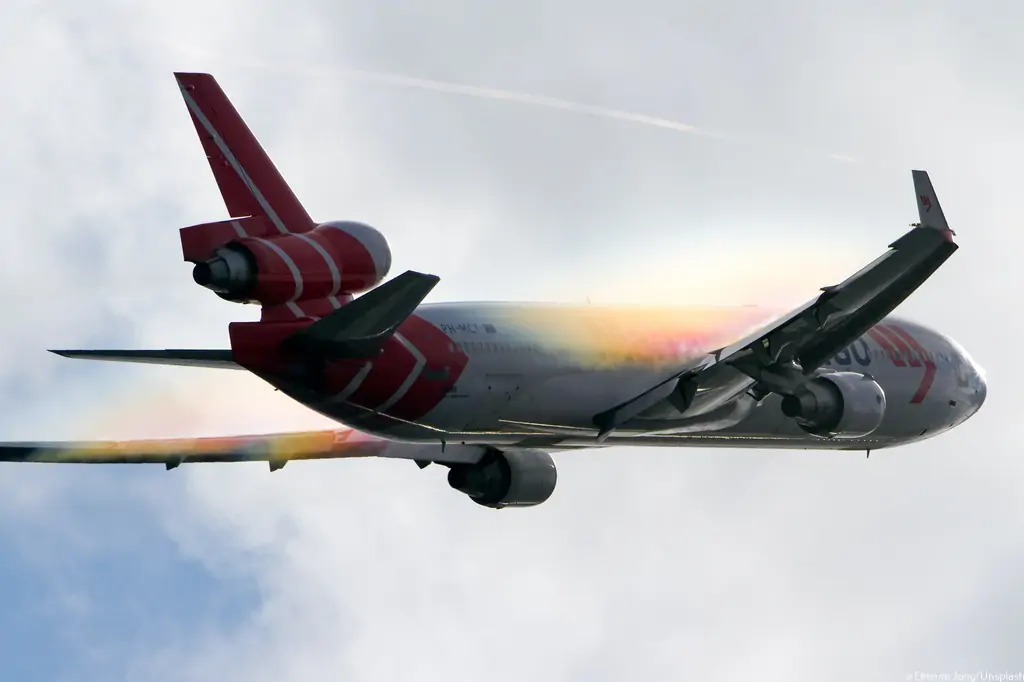
TriJets, also known as trijet aircraft, were once a dominant force in the aviation industry, revolutionizing air travel with their innovative design and capabilities. However, as time passed, these three-engine aircraft faced fierce competition from more advanced twinjets, leading to their eventual decline.
The Rise of TriJets
In the mid-1960s, the aviation landscape witnessed a significant transformation with the introduction of TriJets. These aircraft featured three engines: two under the wings and one at the tail, which set them apart from traditional twinjets. This engine configuration provided various advantages that made it popular among airlines and passengers.
Interestingly, the trijet concept was inspired by the famed 747. When it came to long-haul flights, the enormous jumbo jet with its four engines was the absolute queen of the skies, but unfortunately, not every journey traverses from one continent to the other. Companies like Lockheed, McDonnell-Douglas, and subsequently Boeing recognized the need for something that could sacrifice an element of its passenger carrying capabilities for greater efficiency while also targeting the highly competitive medium-to long-term travel market. And, because four engines were too many and two engines were too little, three engine planes were a familiar sight in airports all over the world for many decades (and still are to some extent).
Advantages of TriJets
Payload and Range
One of the primary advantages of TriJets was their ability to carry heavier payloads over longer distances. The additional engine provided the necessary thrust for extended flights, making them ideal for intercontinental travel and cargo transportation.
Short Takeoff and Landing (STOL) Capability
TriJets boasted impressive short takeoff and landing (STOL) capabilities, allowing them to operate from shorter runways than most other aircraft. This feature made them invaluable for accessing airports in remote or challenging locations.
Fuel Efficiency
Despite having an extra engine, TriJets were considered fuel-efficient during their heyday. Their engines were designed to provide optimal performance, ensuring economical fuel consumption while delivering the required power.
The Decline of TriJets
Emergence of Twinjets
As technology advanced, twinjets with more fuel-efficient engines and improved performance started to emerge. Twinjets offered comparable range and payload capacity while consuming less fuel, making them a preferred choice for airlines seeking cost-effective operations.
Operating Costs and Environmental Concerns
TriJets had higher maintenance and operational costs due to their additional engine. Additionally, with growing environmental concerns, airlines and regulators began prioritizing fuel efficiency and lower emissions, which worked against the TriJet's favor.
Technological Obsolescence
Over time, TriJets faced the challenge of technological obsolescence. Their designs were reaching their limits, and manufacturers found it more profitable to invest in developing twinjet models with advanced features.
The Last TriJets Standing
Lockheed L-1101: Pioneering the Jet Age

The Lockheed L-1101, also known as the Lockheed L-1000 or more commonly the L-1101 TriStar, was an ambitious project by Lockheed Corporation to introduce the era of jet-powered commercial aviation. It was conceived in the 1950s as a response to the growing demand for faster and more efficient air travel. However, due to various technical and financial challenges, the L-1101 never made it into production, and only prototypes were built, numbering around 250. Nonetheless, it laid the groundwork for future jet aircraft developments.
Boeing 727: Revolutionizing Short-Haul Travel

The Boeing 727, introduced in the early 1960s, was a game-changer for short-haul air travel. With its distinctive T-shaped tail, the aircraft was capable of taking off and landing on shorter runways, making it ideal for regional routes and airports with limited infrastructure. The 727's efficiency, reliability, and passenger capacity made it one of the most successful and enduring aircraft in aviation history.
McDonnell-Douglas DC-10: A Trijet Marvel

The McDonnell-Douglas DC-10, first flown in 1970, was a wide-body, trijet aircraft that brought significant advancements in long-haul travel. With its three powerful engines, the DC-10 was capable of flying extended distances and carrying a substantial number of passengers. Despite facing some early challenges related to safety, the DC-10 became a popular choice for airlines worldwide.
McDonnell-Douglas MD-11: Extending the Legacy

As an evolution of the DC-10, the McDonnell-Douglas MD-11 made its debut in 1990 as a wide-body, trijet successor. It incorporated several improvements over its predecessor, including a more aerodynamic wing design and advanced avionics. While the MD-11 faced tough competition from other modern aircraft, it found its niche in cargo operations, becoming a reliable workhorse for freight carriers.
Dassault Falcon 900: Redefining Business Aviation

Moving away from commercial airliners, let us explore the world of business aviation with the Dassault Falcon 900. Introduced in the 1980s, this luxurious and high-performing business jet offered executives and affluent travelers the opportunity to fly in unparalleled comfort and style. With its exceptional range and sophisticated cabin amenities, the Falcon 900 became a preferred choice for corporate jet travel.
Air India's L-1011 Fleet
Acquisition and Fleet Size
Air India, the flag carrier airline of India, recognized the potential of the L-1011 jet and acquired a fleet of these state-of-the-art aircraft. During its heyday, Air India operated five L-1011 jets, making it a prominent player in the international aviation arena.
Routes and Operations
Air India's L-1011 fleet was deployed on both domestic and international routes, connecting major cities around the globe. The trijet's impressive range allowed it to serve long-haul destinations, making it a preferred choice for passengers seeking comfortable and efficient travel options.
Improved Efficiency and Performance
The L-1101 Trijet proved to be highly efficient, consuming less fuel compared to other aircraft in its category. This not only resulted in cost savings for Air India but also contributed to the airline's commitment to reducing its environmental footprint.
Passenger Comfort and Safety
Air India's passengers praised the L-1101 Trijet for its spacious interiors, comfortable seating, and low noise levels. The aircraft's advanced engineering and safety features instilled confidence in travelers, making it a preferred choice for long-haul flights.
The Legacy of TriJets
Historical Impact
TriJets played a significant role in shaping the aviation industry and expanding global air travel. They introduced innovative technologies that paved the way for modern aircraft development.
Niche Applications
Though no longer the dominant choice, TriJets continue to find applications in specific niche areas. Their capabilities for STOL operations and heavy payload handling make them valuable for certain specialized missions.
The Future of TriJets
The future of TriJets lies in their historical significance and the niche roles they play. While they are no longer the mainstream option for commercial airlines, their unique design and capabilities ensure their place in aviation history.
Airlines That Still Operate Trijets
Though the number of airlines operating trijets has significantly decreased, several carriers worldwide continue to use them for specialized operations. Let us take a look at some of these airlines:
FedEx Express
FedEx Express, a global cargo carrier, still relies on the McDonnell Douglas MD-11, a trijet that plays a crucial role in its long-haul operations. The MD-11's capacity to carry significant cargo loads makes it an ideal choice for freight transportation.
Iran Air
Iran Air operates the Boeing 747SP, a unique trijet variant of the classic 747. This aircraft has been a symbol of pride for the airline and serves on long-haul international routes.
Russian Post
The Russian Post employs the Tupolev Tu-154, a Soviet-era trijet, for transporting mail and cargo within Russia's vast territory.
Conclusion
TriJets were once the trailblazers of the aviation world, revolutionizing long-distance travel with their remarkable capabilities. However, the emergence of more fuel-efficient twinjets, coupled with rising operating costs and environmental concerns, led to their decline. Despite this, their legacy endures, and they continue to serve specific niche applications.
With Inputs from Motor Diction
Comment