
Air China Plans Private Share Placement for Aircraft Acquisitions and Working Capital

Abhishek Nayar
03 Jan 2024
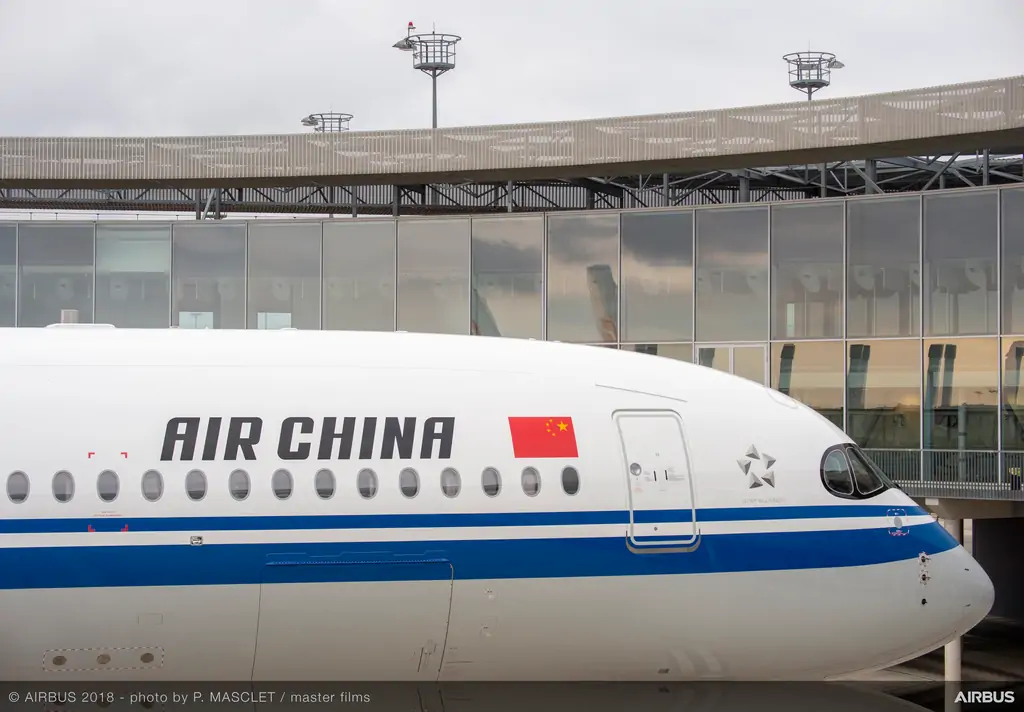
Air China, one of China's leading airlines, has announced its intention to raise up to CNY 7.8 billion yuan (USD 1.1 billion) through a private share placement, as disclosed in a stock market filing on December 22, 2023. The funds raised are earmarked for acquiring new aircraft and boosting the airline's working capital.
Aircraft Acquisitions Strategy
While the filing did not provide specific details regarding the aircraft acquisitions, it outlined Air China's broader strategy. The company aims to optimize its fleet structure, expand the fleet size, strengthen security assurance capabilities, and enhance the competitive advantage of its principal air transport business. The plan is aligned with the acceleration of the company's strategic planning.
Chinese language news outlets have reported that CNY 4.2 billion (USD 596 million) of the funds will be allocated to the purchase of 17 aircraft. This includes six units of the domestically developed C919 aircraft and eleven ARJ21-700s. The deliveries for these aircraft are expected to be spread across the years 2024 and 2025.
Focus on Fleet Enhancement and Expansion
Air China's decision to acquire the domestically manufactured C919 and ARJ21-700 aircraft indicates a commitment to supporting and showcasing China's homegrown aviation technology. The C919, a narrow-body airliner developed by Commercial Aircraft Corporation of China (COMAC), and the ARJ21-700, a regional jet also produced by COMAC, represent advancements in China's efforts to compete in the global aviation market.
Utilization of Funds Beyond Aircraft Acquisitions
Beyond the aircraft acquisitions, the filing outlines the diverse use of the remaining funds. A significant portion will be allocated to replenishing working capital, thereby providing the airline with the necessary financial flexibility for its operations. The funds will also be directed towards improving the capital structure, strengthening financial soundness, and enhancing comprehensive risk resistance capabilities.
Boosting Market Confidence
The private share placement is not only a strategic move to fund crucial aspects of Air China's operations but also serves to boost market confidence. By demonstrating a commitment to fleet optimization, expansion, and financial stability, Air China aims to reassure investors and stakeholders about its long-term sustainability and growth prospects.
Conclusion
Air China's decision to raise funds through a private share placement for aircraft acquisitions and working capital underscores the airline's strategic vision and commitment to staying competitive in the dynamic aviation industry. The acquisition of both the C919 and ARJ21-700 showcases a dedication to supporting China's aviation advancements while meeting the demands of a growing air travel market. As the funds are deployed and the aircraft acquisitions unfold, the industry will be closely watching how Air China's strategic moves contribute to its position in the global aviation landscape.
With Inputs from ch-aviation
Read next
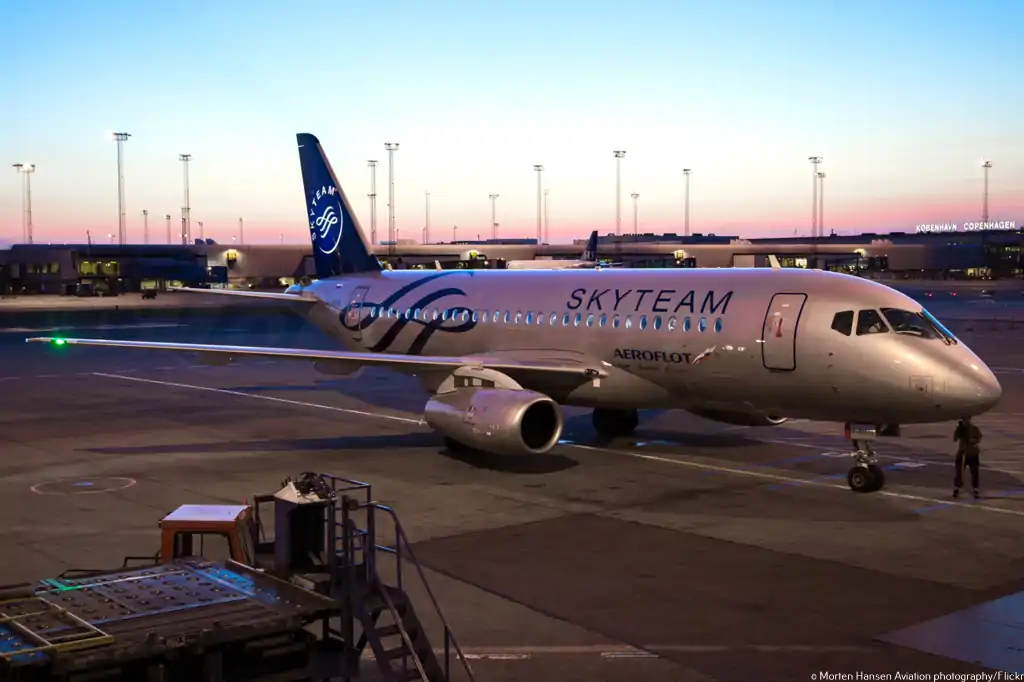
In a significant development for the Russian aviation industry, the Federal Air Transport Agency (Rosaviatsia) has granted approval for the updated airframe of the SJ-100 aircraft. The approval marks a crucial milestone for the United Aircraft Corporation (UAC), a part of Rostec, as it allows for the production of the SJ-100, an import-substituted version of the Sukhoi SuperJet 100. This modified version incorporates Russian systems and assemblies, aligning with the country's goal of achieving greater self-sufficiency in its aviation sector.
Production Ready & Certification Process
With the regulatory green light, UAC Deputy General Director for Civil Aviation, Andrey Boginsky, announced that the production of the SJ-100 can now shift gears, leveraging the serial design documentation. The first aircraft is expected to be delivered and operational in 2024. This move reinforces Russia's commitment to advancing its domestic aviation capabilities and reducing dependence on foreign technologies.
Boginsky emphasized the upcoming steps in the certification process, highlighting the need for the approval of import-substituted systems and the PD-8 propulsion system integral to the SJ-100. He revealed that collaboration with suppliers is ongoing to expedite the certification process, underscoring the significance of these efforts in ensuring the aircraft's compliance with aviation standards.
Prototype Success and Future Milestones
The journey towards a fully localized SJ-100 began with a prototype featuring Franco-Russian SaM146 engines taking its inaugural flight in August of the preceding year. According to UAC head Yuri Slyusar, the next critical step involves the first flight of a fully localized SJ-100 equipped with Russian PD-8 engines, anticipated in early 2024. This achievement sets the stage for serial deliveries slated to commence later in the same year, with the national carrier, Aeroflot, expected to be the initial recipient.
Strategic Implications
The development and approval of the updated airframe signify not only technological progress but also carry strategic implications for Russia's aviation industry. The import substitution approach aligns with the broader national agenda of achieving self-reliance in critical sectors. By incorporating indigenous systems and assemblies, the SJ-100 project becomes a symbol of Russia's commitment to fostering a robust and self-sufficient aerospace sector.
Conclusion
The approval from Rosaviatsia for the updated airframe of the SJ-100 aircraft marks a pivotal moment in Russia's pursuit of a more self-reliant and technologically advanced aviation industry. As the production gears up and the certification process advances, the SJ-100 project is poised to contribute significantly to the country's aerospace capabilities.
The successful integration of Russian systems and assemblies into the aircraft reflects a strategic shift towards reducing dependence on foreign technologies and fostering domestic innovation in the aviation sector. The upcoming months hold promise for the aviation enthusiasts and industry observers, as the first fully localized SJ-100 prepares to take flight and contribute to Russia's aerospace legacy.
With Inputs from Interfax
Read next
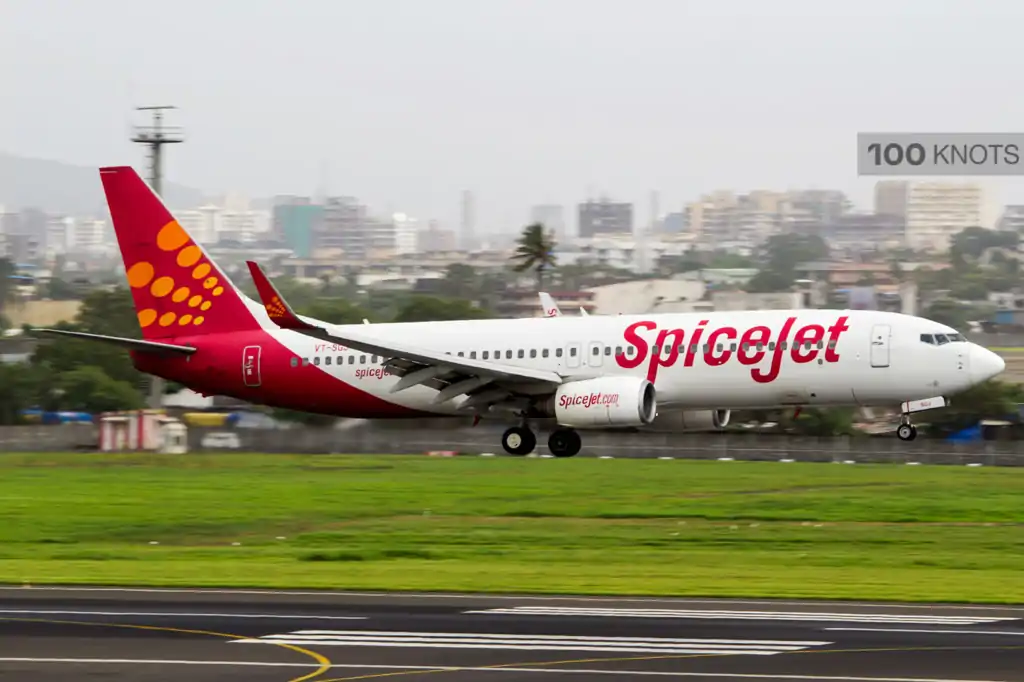
In a recent development, Boeing has issued an alert regarding the rudder system of its 737 MAX aircraft, prompting airlines worldwide, including those in India, to conduct inspections for possible loose bolts. The Directorate General of Civil Aviation (DGCA), India's aviation regulator, is closely monitoring the situation, collaborating with affected airlines, Boeing, and the Federal Aviation Administration (FAA).
Background & Indian Aviation Regulator's Response
Boeing issued a Multi-Operator Message (MOM) globally, urging all MAX operators to inspect their rudder systems within the next two weeks. The alert was issued in consultation with the FAA, following an alarming discovery during routine maintenance by an unnamed operator. The incident involved a bolt found without a nut in the rudder system, prompting immediate action from Boeing.
The DGCA has been actively engaged in addressing the issue, emphasizing that such concerns are not new and are addressed through service bulletins issued by Boeing. The regulator highlighted ongoing communication with Boeing, FAA, and Indian airline operators to ensure the safety of the 737 MAX fleet.
Airline Responses & Fleet-Wide Inspection Details
Despite the inspection process, SpiceJet and Akasa Air, two prominent 737 MAX operators in India, have reassured the public that their operations remain unaffected. SpiceJet's spokesperson mentioned that each aircraft's inspection takes less than two hours, while Akasa Air confirmed the proper execution of inspections with no impact on their operational or delivery schedules.
Boeing's official statement acknowledges the identification and resolution of the issue on the specific airplane that triggered the inspection. However, as a precautionary measure, the company is recommending all 737 MAX operators to inspect their aircraft and report any findings. The FAA is actively involved in coordinating efforts with Boeing and airlines globally.
737 MAX Presence in India
As of early 2024, three Indian carriers operate the 737 MAX. Akasa Air, with 22 MAXs, leads the fleet, followed by Air India Express with nine units and SpiceJet with 13. Despite its modest current presence, the 737 MAX is anticipated to become a prevalent aircraft type in the Indian aviation landscape. Air India's order for 190 MAXs, including both the -8 and -9 variants, and the significant number of pending deliveries for Akasa Air and SpiceJet, underscore the aircraft's future prominence.
Conclusion
The recent alert from Boeing regarding the 737 MAX rudder system has led to a coordinated effort among Indian airlines, aviation regulators, and the aircraft manufacturer to ensure the safety of the fleet. The proactive response from the DGCA and the airlines involved reflects a commitment to maintaining the highest standards of safety in the aviation industry. As inspections progress and any necessary actions are taken, passengers can trust that safety remains the top priority for all stakeholders involved in the operation of the 737 MAX aircraft in India.
Read next
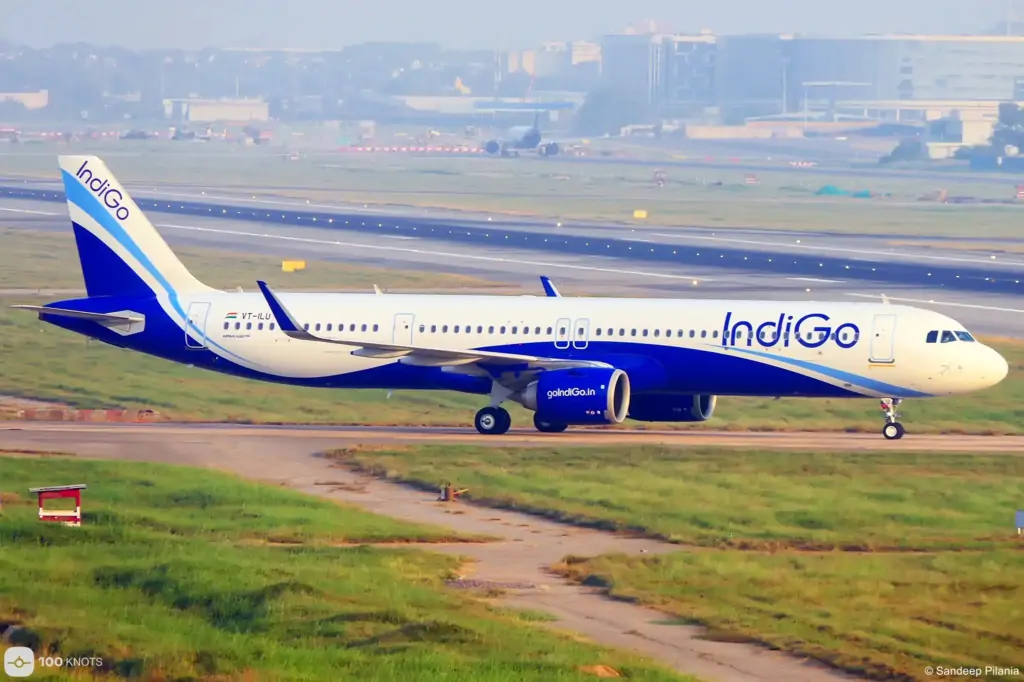
In the dynamic world of aviation, punctuality stands as a crucial benchmark for customer satisfaction. Cirium Aviation Analytics, in its annual review for 2023, has unveiled the most punctual airlines globally and regionally. India's IndiGo emerges as a standout performer, securing the 4th position in the Asia-Pacific region with an impressive On-Time Performance (OTP) of 82.12%.
IndiGo's Noteworthy Achievement & DGCA's Validation
IndiGo's recognition as the only Indian airline in the top five and the sole representative from the country in the Asia-Pacific's top 10 underscores its commitment to operational excellence. The competition was fierce, with IndiGo facing a marginal difference in OTP compared to the three airlines that secured higher positions.
Further validation comes from the Directorate General of Civil Aviation (DGCA) in India, which provides insights into IndiGo's performance throughout 2023. The data reveals a neck-and-neck race between IndiGo and Akasa Airlines in the first half of the year. IndiGo's consistency, particularly in the second half, solidified its position as a punctuality leader, with notable victories in July, August, September, and October.
Operational Strategies & Growth Amid Punctuality
IndiGo's success is not only attributed to its commitment but also to innovative strategies aimed at enhancing efficiency. The airline's quick turnaround times, a critical aspect of punctuality, have been a focal point. In August 2022, IndiGo introduced the use of an additional door at the front of its aircraft, resulting in a 3 to 5-minute reduction in turnaround time. This strategy was implemented across major airports, including Delhi, Mumbai, and Bengaluru, with plans for a broader rollout.
Remarkably, IndiGo has managed to balance its pursuit of punctuality with substantial operational growth. In November 2023, the airline achieved a significant milestone by surpassing 2,000 scheduled flights per day. This encompassed passenger operations, cargo, and military charters, showcasing IndiGo's capability to manage a high frequency of flights while maintaining punctuality.
Passenger Milestone
A testament to its operational prowess, IndiGo set another milestone by becoming the first Indian airline to transport over 100 million passengers in a year. This accomplishment, achieved in December 2023, reinforces IndiGo's status not only as a punctuality leader but also as a preferred choice for a vast number of air travelers.
Conclusion
IndiGo's remarkable performance in the Cirium rankings for 2023 and its consistency in DGCA's data underline the airline's unwavering commitment to punctuality. With innovative operational strategies and sustained growth, IndiGo has proven that punctuality and operational efficiency can go hand in hand, making it a standout player in the competitive aviation landscape.
Read next
China Southern's Strategic Investment Boosts Sichuan Airlines Amid Challenging Times
Abhishek Nayar
03 Jan 2024
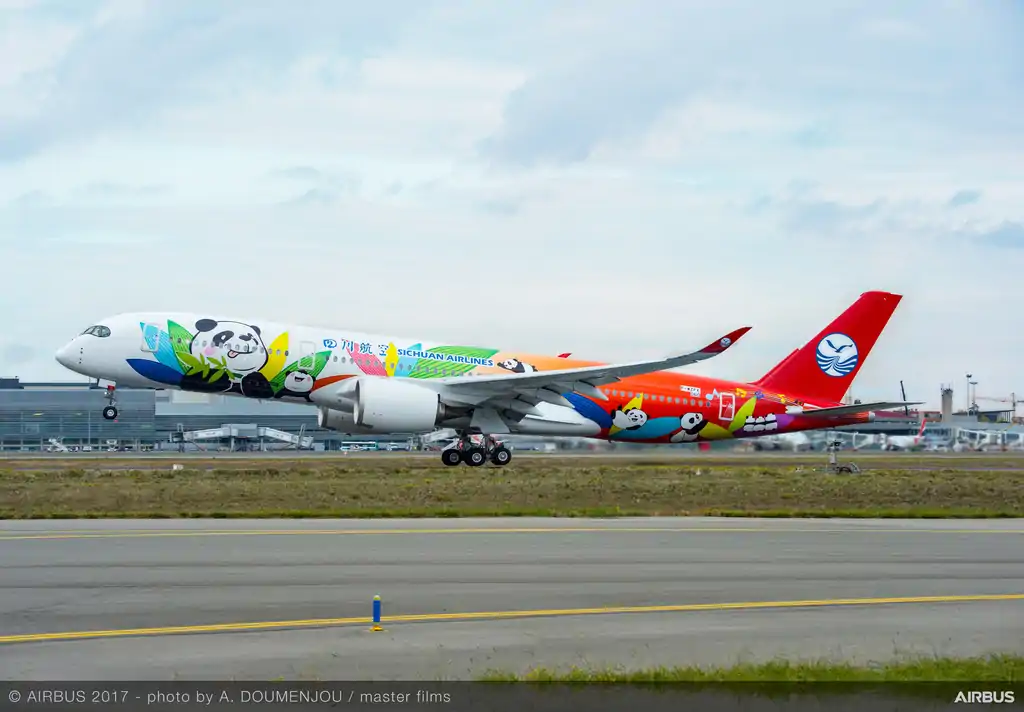
In a significant move to bolster Sichuan Airlines, one of Chengdu's prominent carriers, China Southern, one of its largest shareholders, has announced a substantial investment of approximately CN 4.7 billion yuan ($659 million). The strategic investment is expected to provide crucial financial support and enhance the corporate development scope of Sichuan Airlines. This move comes as the carrier faced financial challenges, reporting a net loss of CN 10 billion yuan ($1.4 billion) in 2022.
Investment Details
China Southern's investment will be executed in three tranches, commencing in mid-January. The initial cash injection of CN 2.3 billion yuan ($332 million) will be followed by the mid-year transfer of an Airbus A330-300, valued at CN 919 million yuan ($128 million). The final tranche, expected to be completed by March 2025, will bring the total investment to CN 4.7 billion yuan. This financial injection aims to supplement working capital and mitigate financial security risks for Sichuan Airlines.
Fleet Expansion and Ownership Structure
As part of the agreement, Sichuan Airlines will add an Airbus A330-300 to its fleet, expanding its operational capabilities. China Southern, currently holding a 39% stake in Sichuan Airlines, will see additional capital infusion from other key shareholders, including China Eastern, Air China, and Chengdu Gingko, an education group. The collaboration among these shareholders underscores a collective commitment to the growth and stability of the Chengdu-based carrier.
Corporate Vision and Risk Mitigation
China Southern has reiterated its vision behind the investment, emphasizing the intention to fortify Sichuan Airlines' working capital, reduce financial security risks, and broaden the airline's corporate development scope. The strategic move reflects a commitment to navigating the challenges faced by the aviation industry and ensuring the long-term viability of Sichuan Airlines.
Financial Performance and Market Dynamics
Sichuan Airlines reported a net loss of CN 10 billion yuan ($1.4 billion) for the fiscal year 2022, marking a significant increase from the challenges encountered in 2021. The aviation sector, globally affected by the COVID-19 pandemic, has witnessed financial strains, making strategic investments and collaborative efforts crucial for the recovery and sustainability of airlines.
Conclusion
The infusion of CN 4.7 billion yuan ($659 million) by China Southern into Sichuan Airlines signifies a strategic move to strengthen the financial position of the Chengdu-based carrier. With the planned investment tranches and the addition of an Airbus A330-300 to its fleet, Sichuan Airlines aims to navigate the complexities of the aviation industry and position itself for future growth. The collaborative effort among major shareholders underscores a collective commitment to ensuring the stability and success of Sichuan Airlines in a challenging market environment.
Read next
Korean Air-Asiana Airlines Merger: A Prolonged Journey Towards Completion
Abhishek Nayar
03 Jan 2024
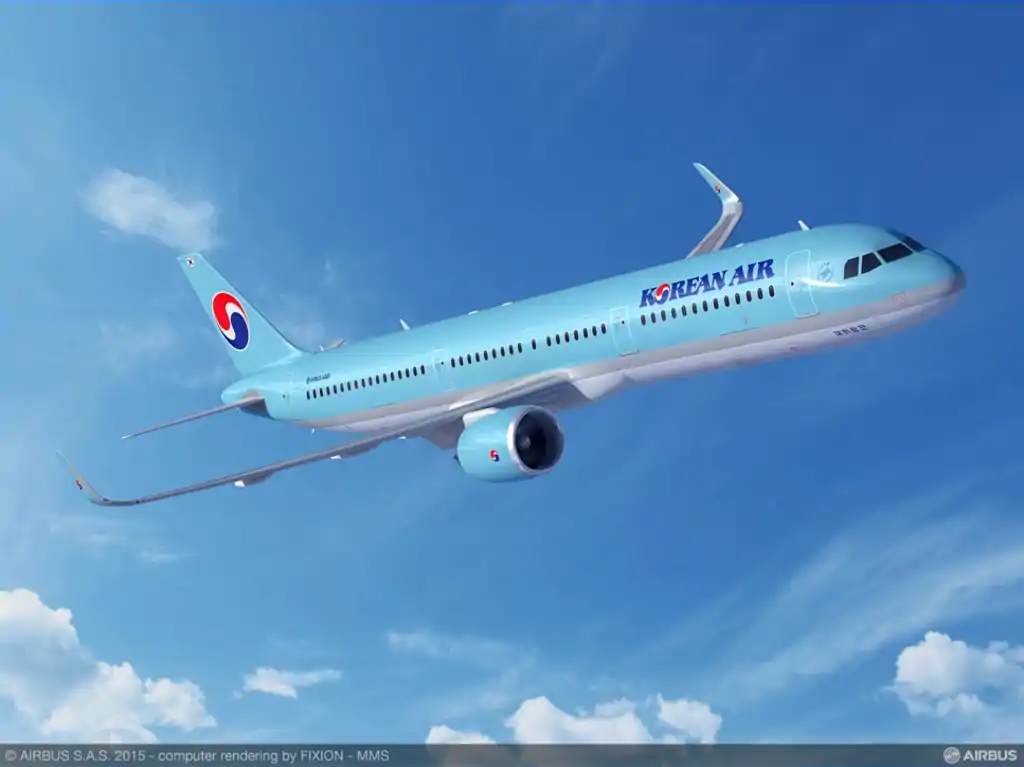
The anticipated merger between Korean Air and Asiana Airlines has encountered delays, but Korean Air Chairman and CEO Cho Won-tae is determined to finalize the deal in 2024. While approvals have been secured from various global markets, key players such as Europe, the US, and Japan are yet to give their consent.
Prolonged Process & Global Approvals and Challenges
In his New Year’s message, Cho Won-tae acknowledged the extended timeline, stating that the company aims to "complete the acquisition of Asiana Airlines in 2024." The merger, proposed in November 2020, has faced scrutiny in multiple jurisdictions, but progress is being made.
Despite gaining approval from antitrust authorities in markets like Australia and China, the merger is awaiting decisions from Europe, the US, and Japan. These critical regions are diligently examining the deal to ensure it does not impede healthy competition.
European Union's Stance & Asiana Airlines' Efforts
The European Commission, a key player in this process, has set a new deadline of February 14, 2024, to reach a decision. Encouragingly, EU's antitrust chief, Didier Reynders, reported positive progress, citing a "very good progress with some proposals." The EU had temporarily halted its investigation awaiting requested information from the airlines.
To address concerns raised by the EU, Asiana Airlines decided to sell its cargo business in November 2023. This move aims to alleviate worries about reduced competition in cargo transport services between Europe and South Korea. Asiana Airlines is actively collaborating with Korean Air to submit necessary reports to the European Commission.
US and Japan: Key Markets
While the EU progresses positively, convincing the US and Japan remains crucial for the merger's success. The airlines announced the merger proposal in November 2020, and over the last few years, numerous countries including South Korea, Singapore, the UK, Vietnam, Thailand, Turkey, Taiwan, Malaysia, China, and the Philippines have given their approval.
Future Prospects
With Korean Air's determination to conclude the acquisition this year, optimism surrounds the possibility of gaining approvals from the remaining key markets in the coming months. The airlines continue to navigate regulatory landscapes, addressing concerns and ensuring compliance to make the merger a reality.
Conclusion
In summary, the Korean Air-Asiana Airlines merger, while facing its fair share of challenges, is progressing steadily. The commitment of the involved parties, coupled with positive signals from the European Union, sets the stage for a potentially successful merger in 2024, reshaping the landscape of the South Korean aviation industry.
Comment