
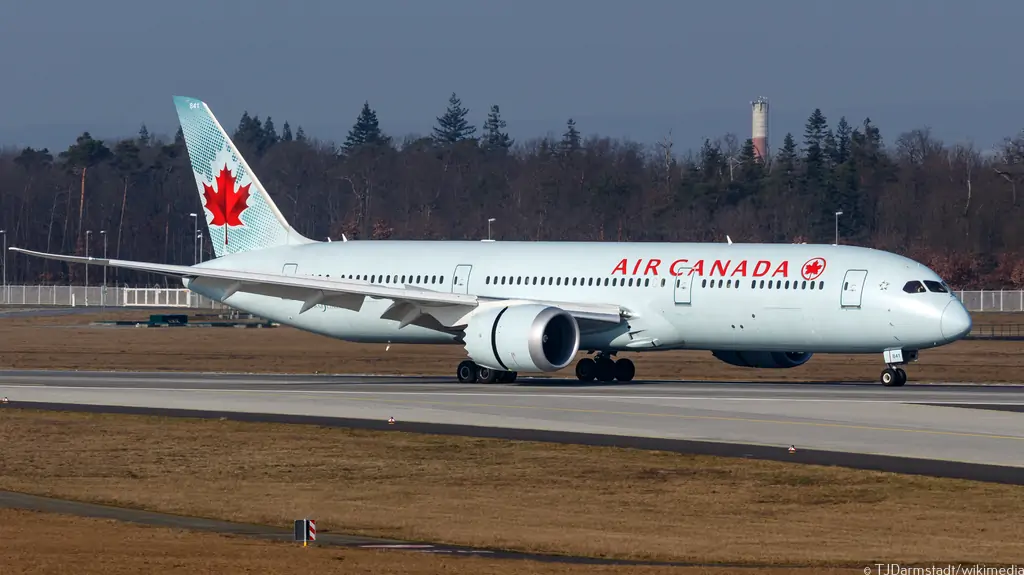
Air Canada, one of North America's largest airlines, is apparently in discussions with the famed American aircraft manufacturer, Boeing, to purchase up to 20 Boeing 787 Dreamliners. This possible transaction comes at a critical time for the global aviation sector, which is anticipating a recovery following the difficult period caused by the COVID-19 epidemic.
Background
Air Canada has a long history of providing a broad network of domestic and international flights to passengers. With a focus on improving the customer experience and increasing its worldwide reach, the airline has searched for new methods to improve its fleet and optimize operating efficiency.
Boeing's 787 Dreamliner
The Boeing 787 Dreamliner is a cutting-edge aircraft noted for its superior technology, minimal fuel consumption, and passenger comfort. Because of its long-range capability and minimal impact on the environment, it has gained appeal with airlines worldwide. The Dreamliner provides an excellent blend of performance and passenger comfort, making it a popular choice for long-haul trips.
Strategy for Fleet Expansion at Air Canada
Air Canada understands the need to maintain a modern and adaptable fleet in order to satisfy the changing needs of the aviation industry. The airline has deliberately invested in increasing its fleet to ensure that it remains competitive and can provide its passengers with an amazing travel experience.
Present Scenario
Amos Kazzaz, the airline's CFO, stated at the Q1 analysis conference last Friday, "Overall, we continue to always hunt for lift, as we've said before in our process." When we see signs of recovery and robust demand, we may go out and look for more interim boosts. And we're continuously in the market looking for lift, so we'll evaluate how well we can bring it in and align it with [our] network goals."
Advantages of the Boeing 787 Dreamliner
The Boeing 787 Dreamliner offers various benefits to airlines, including increased fuel efficiency, lower operating costs, and greater environmental consciousness. Its unique design elements, such as composite materials and efficient engines, allow for considerable fuel savings, resulting in reduced carbon emissions and a smaller environmental imprint.
Potential Air Canada Deal
Air Canada is said to be in talks with Boeing about purchasing up to 20 Boeing 787 Dreamliners as part of its fleet expansion strategy. This decision underlines the airline's dedication to improving its long-haul fleet and providing passengers with an unparalleled intercontinental travel experience.
Air Canada's Implications
Purchasing Boeing 787 Dreamliners would give Air Canada a number of strategic benefits. The long-range capabilities of the Dreamliner would allow the airline to expand its worldwide reach and explore new markets. Furthermore, the aircraft's fuel economy would add to cost savings while mitigating the impact of variable fuel costs.
The Global Aviation Market is Rebounding
The worldwide aviation business is expected to recover as the impacts of the COVID-19 epidemic fade. Passenger confidence is likely to rise as a result of the effective deployment of vaccination campaigns and the relaxation of travel restrictions, resulting in an increase in demand for air travel.
Conclusion
Finally, Air Canada's possible purchase of up to 20 Boeing 787 Dreamliners demonstrates the company's strategic commitment to fleet expansion and fulfilling the growing demands of the post-pandemic aviation sector. The Dreamliner's sophisticated features, fuel efficiency, and passenger comfort position Air Canada for success in a recovering global aviation sector. Air Canada is ready to deliver excellent travel experiences and preserve its position as a premier airline as the globe gradually returns to normalcy.
With Inputs from Bloomberg

Read next
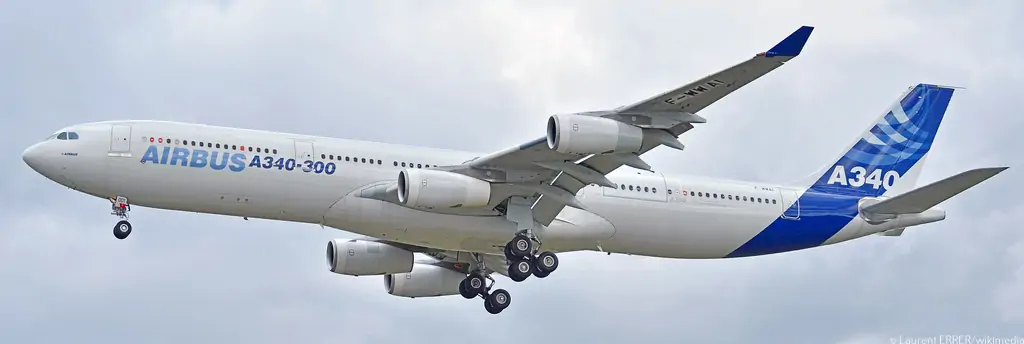
Avensis Aviation, a UK-based passenger-to-freighter (P2F) conversion specialist, has secured a substantial deal with German startup carrier USC in an exciting move within the aviation industry. The goal of this partnership is to convert USC's passenger Airbus A340s into freighter aircraft, making USC the world's first customer of Avensis Aviation's Airbus A340P2F.
Avensis Aviation: A Leader in P2F Conversion
Avensis Aviation has an appropriately deserved reputation for its expertise in passenger-to-freighter aircraft conversions. Avensis Aviation has successfully converted multiple commercial passenger planes into effective freight carriers through years of experience and a dedicated team of professionals. To fully utilize the aircraft's freight capacity, the passenger seats are taken out and a cargo loading system is installed.
USC: Revolutionizing the Industry
USC, a German startup carrier that partnered with Avensis Aviation, has emerged as a disruptive force in the aviation industry. USC identified an opportunity to repurpose its current fleet of Airbus A340s for cargo operations as part of its commitment to innovation and sustainability. USC hopes to maximize the potential of its aircraft by collaborating with Avensis Aviation and establishing itself as a frontrunner in the freighter market.
Current Situation
USC is a German startup airline that intends to commence wet lease operations later this summer, operating passenger A340s on long-distance flights from Frankfurt Airport (FRA). The aircraft carrier plans to convert them to freight aircraft later. USC acquired its first aircraft, an Airbus A340-300, in February of this year, and its fleet will eventually comprise both the A340-300 and the larger A340-600.
Cristian Sutter, Chief Executive Officer of Avensis Aviation, praised the relationship with USC and described some of the benefits of the company's NAVIS door, adding, "NAVIS is our flagship PTF conversion, aimed at lessors and established cargo airlines looking for a long-term, innovative, and cost-effective PTF solution." Because of its locking mechanism design, the unique "plug type" main deck cargo door is entirely electrically operated, lightweight, and safer. We are excited to announce that USC will be the first customer for our NAVIS PTF conversion. The Airbus A340 offers a competitive aircraft freighter platform for the express market, with payload, volume, and performance benefits, notably for ultra-long-haul routes such as Asia and other far-flying cargo centres."
In recent years, we have observed an increase in the number of aircraft converted to freighters. The first Boeing 777-300ER converted freighter flew earlier this year, while the first Embraer P2F aircraft is scheduled to fly in 2024.
Meeting the Growing Freighter Aircraft Demand
Demand for air freight services has continuously increased over the years, owing to the expansion of e-commerce and the global supply chain's reliance on efficient logistics. Recognizing this trend, Avensis Aviation and USC have joined forces to capitalize on market demand and meet changing freight transportation demands.
Avensis Aviation's P2F Conversion Expertise
The fact that Avensis Aviation specializes in P2F conversions is what drew USC to collaborate with them. Because of the company's vast knowledge and expertise in converting passenger aircraft into cargo carriers, they are the ideal collaborators for USC's ambitious initiative. The professionals at Avensis Aviation will guarantee that the conversion procedure follows stringent safety requirements and industry standards.
The Advantages of Converting an Airbus A340P2F
Converting Airbus A340s into freighters provides several benefits to both Avensis Aviation and USC. For starters, it enables USC to capitalize on its current cargo jet fleet rather than invest in new freight aircraft, resulting in considerable cost savings. Furthermore, the A340P2F modification expands USC's cargo capacity, allowing it to deliver a larger range of commodities and maximize its earning potential.
USC's Pioneering Decision
USC exhibits its commitment to aviation innovation and adaptation by being the first client of Avensis Aviation's Airbus A340P2F. This bold action distinguishes USC as a pioneer in the utilization of passenger aircraft for cargo operations, opening up new possibilities and breaking conventional conventions.
Enhancing Capacity and Efficiency
The conversion of USC's passenger Airbus A340s to freighters improves efficiency and capacity significantly. The removal of passenger seats and the installation of cargo loading mechanisms maximize available space, allowing larger volumes of commodities to be transported. This expanded cargo capacity translates into enhanced income potential for USC, allowing them to satisfy their clients' expanding expectations while preserving operational flexibility.
Impact on USC Operations
The shift to freighter planes alters USC's operating dynamics significantly. USC has the capacity to offer dedicated cargo services to a variety of locations with its newly converted Airbus A340P2F fleet. This strategy shift enables them to enter new markets and service a larger range of clients, including e-commerce firms, logistics providers, and global supply chains.
Avensis Aviation's Market Expansion
The relationship with USC benefits not only the German startup carrier but also Avensis Aviation, which has enormous expansion potential. Avensis Aviation cements its status as a top P2F conversion specialist by successfully turning USC's Airbus A340s into freighter aircraft. This accomplishment opens the door for future collaborations and positions Avensis Aviation as the go-to solution provider for airlines wishing to convert existing passenger planes for cargo operations.
Conclusion
The agreement between Avensis Aviation and USC represents a watershed moment in the aviation sector. The conversion of passenger Airbus A340s into freighters demonstrates the industry's incredible inventiveness and adaptability. USC's foresight in partnering with Avensis Aviation demonstrates its dedication to innovation, while Avensis Aviation's competence in P2F conversion establishes them as a trusted leader in the area. This agreement expands both organizations' options for meeting the rising need for efficient and sustainable cargo transportation.
With Inputs from Flight Global
Read next
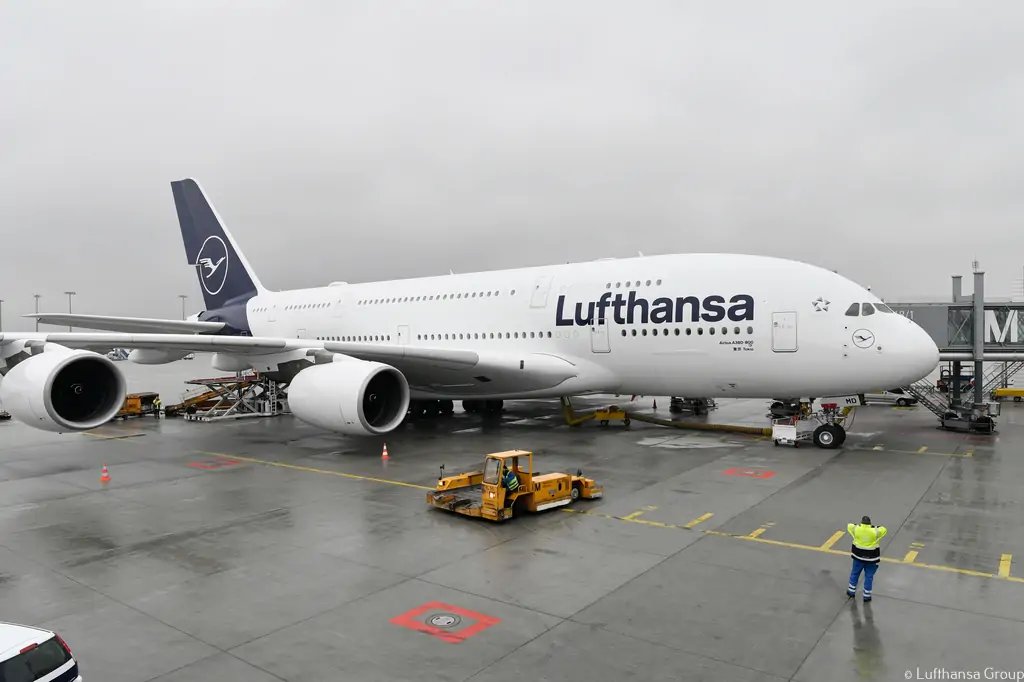
Lufthansa, one of the world's leading airlines, made a crucial move in March 2019 to sell back six of its A380 aircraft to Airbus. This decision was made as part of the airline's efforts to adapt to fluctuating times and streamline its fleet. However, an unforeseeable stumbling block has emerged in the form of storm damage that is not covered by insurance. As a result, Lufthansa will receive a lower price from Airbus for the sale of these double-decker aircraft than was initially anticipated.
The History of Lufthansa's A380s
Lufthansa's A380 fleet has played an important role in the airline's long-haul operations. The Airbus A380, notable for its size and capacity, has served as a showpiece aircraft for a number of airlines throughout the world. However, due to a variety of problems, such as high operating expenses, restricted airport infrastructure, and decreased demand for air travel, operating the A380 has proven more difficult for many carriers.
Current Scenario
Lufthansa will get a reduced payment from Airbus for the six A380s it will return to the manufacturer. Due to "storm damage not covered by insurance," Lufthansa will earn €13 million ($14.1 million) less for the double-decker jets.
With Lufthansa already operating the efficient twin-engine Boeing 787 Dreamliner and Airbus A350 widebodies, many believed that the popular A380 would never fly again for Lufthansa after the fleet was grounded due to the epidemic. Lufthansa CEO Carsten Spohr officially ruled out the aircraft's return in August 2021 but has since stated that the choice to revive the planes was "more important than we knew," especially in light of continued delivery issues at Airbus and Boeing. The airline has stated that it will continue to operate the aircraft until at least 2027 and probably beyond, although it is not part of its long-term fleet plans.
Storm Damage and Insurance Protection
The A380s that Lufthansa proposes to sell back to Airbus have been severely damaged by storms. While insurance normally covers aircraft damages, the exact form of the damage in this case is not covered by Lufthansa's insurance policies. Storm damage might include structural concerns, avionics damage, or other vital components impacted by extreme weather. Unfortunately, this implies that Lufthansa will be responsible for the expenditures of repairing the aircraft before selling them back to Airbus.
Financial Consequences for Lufthansa
The decrease in reimbursement from Airbus as a result of storm damage has a substantial financial impact on Lufthansa. The reduced price paid for the A380s will have a direct impact on the airline's bottom line and may compel changes to its financial strategy. Lufthansa will need to allocate additional funds to repair the storm-damaged aircraft before selling it, contributing to the financial strain.
Lufthansa's Future Plans
Despite the setback brought about by lower remuneration, Lufthansa remains dedicated to its long-term strategic objectives. The sale of the A380s aligns with the airline's desire to optimize its fleet and adapt to the changing aviation landscape. Lufthansa intends to focus on more fuel-efficient and ecologically friendly aircraft, which will provide more flexibility and cost-effectiveness.
Conclusion
The sale of six A380s by Lufthansa to Airbus has been hampered by storm damage that is not covered by insurance. As a result, the airline will get less money than anticipated. This is a financial problem for Lufthansa, particularly given the ongoing recovery from the COVID-19 epidemic.
With Inputs form aero TELEGRAPH
Read next

By the end of 2023, Malaysia Airlines hopes to resume pre-pandemic levels of operation in the Indian market. Izham Ismail, the group chief executive officer, stated that the airline aims to reintroduce flights to Hyderabad and explore routes to cities like Tiruchirappalli, Thiruvananthapuram, and Pondicherry as part of plans to increase capacity and take advantage of India's promising economic prospects. Malaysia Airlines is setting its sights on the thriving Indian market, with plans to expand its capacity and seize opportunities presented by the country’s robust economic prospects.
In an interview given to Hindu BusinessLine, Mr. Ismail says that the airline aims to bolster its presence in India, “We’re looking at achieving close to 100 per cent capacity in the Indian market by the end of this year.” Malaysia Airlines operates 55 weekly flights from major Indian cities, including New Delhi, Bengaluru, Mumbai, Chennai, Hyderabad, and Kochi. Ismail emphasized the importance of India as a key market for inbound traffic, particularly from Australia and New Zealand, which the airline actively promotes.
He further acknowledges the challenges faced by the Asia Pacific region, including India, in recovering to pre-pandemic levels. While North America has already regained its capacity, Asia Pacific is still grappling with a slow reopening of Chinese borders, resulting in a significant 40% deficit in international connectivity compared to 2019 levels. However, Ismail was quick to point out that India stands out as a highly intriguing market due to its robust and rapid economic growth, which is aligned with its current GDP and Consumer Price Index (CPI) index.
Airline's Indian Expansion Plans
Malaysia Airlines’ India operations have grown since last year when it had 25 weekly flights. With India opening its borders to international tourists on March 27th, 2022, and Malaysia following soon from April 1st, it was the perfect time for the carrier to begin redeploying its aircraft to the country substantially.
Indeed, the airline operates more than 50 weekly flights to India today to destinations including Delhi, Bengaluru, Mumbai, Chennai, Hyderabad, and Kochi. A significant portion of passengers from India flying Malaysian Airlines have onward connections to other destinations, particularly Australia and New Zealand.
Ismail’s optimism stems from the healthy growth of India’s GDP and CPI index, as he stated, “We feel very strongly that with a healthy growth of GDP and India, the CPI index is encouraging.” He further emphasized that India holds significant potential, enabling foreign airlines like Malaysia Airlines to gain leverage in the market.
Despite acknowledging the presence of well-established Indian airlines and ongoing mergers, Ismail expressed enthusiasm for partnering with IndiGo and participating in India’s remarkable growth trajectory. “IndiGo is a fantastic partner to us as well, and we are excited to see India and we want to be part of that growth in India,” he affirmed.
Looking ahead, Ismail anticipates a gradual reduction in losses for the airline industry in 2023, with the hopes that 2024 will be a better year for most carriers. While achieving break-even in 2023 may be challenging for most Asia Pacific players, Malaysia Airlines remains committed to the Indian market and foresees a positive trajectory for its operations.
Malaysia Airlines plans to increase its capacity and strengthen its presence in India because it views the country as a strategically important market. The airline wants to take advantage of the potential of the market by focusing on India's promising economic growth and forming solid alliances with Indian carriers. The airline is still committed to helping India's economy recover, develop, and support the expansion of the aviation sector as a whole.
More About Malaysian Airlines
Malaysia Airlines Berhad, formerly known as Malaysian Airline System, and branded as Malaysia Airlines, is the flag carrier of Malaysia and a member of the Oneworld airline alliance. (The MAS initials are still being kept by subsidiaries MASkargo and MASwings.) The company headquarters are at Kuala Lumpur International Airport. In August 2014, the Malaysian government's sovereign wealth fund Khazanah Nasional—which then owned 69.37% of the airline—announced its intention to purchase the remaining ownership from minority shareholders and delist the airline from Malaysia's stock exchange, thereby renationalising the airline. It operates primarily from its main hub Kuala Lumpur International Airport to destinations throughout Asia, Oceania and Europe, as well as its secondary hub Kota Kinabalu International Airport to Taipei and Tokyo (Narita).
According to data from Planespotters, Malaysian Airlines operates a diverse fleet of 68 aircraft. Its active aircraft include 21 Airbus A330s, 6 Airbus A350 XWB, and 41 Boeing 737.
(With Inputs from Hindu BusinessLine)
Read next
Air India Express Is On A Hiring Spree; Recruits Over 280 Pilots & 250 Cabin Crew

Radhika Bansal
17 May 2023
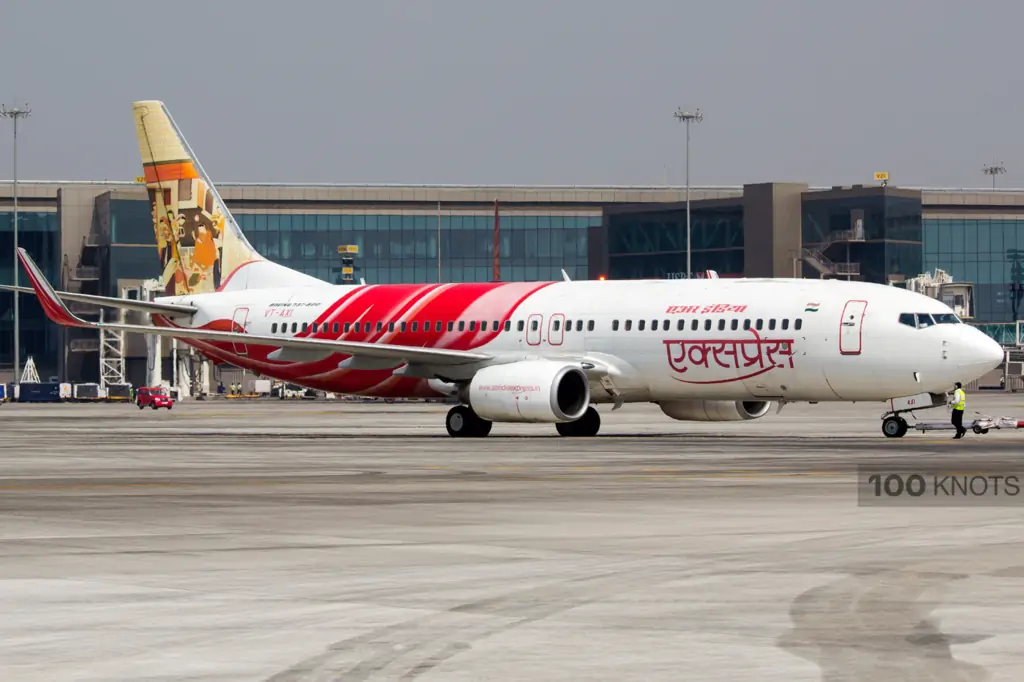
Air India Express, the low-cost international carrier with which AirAsia India is being integrated, has been on a hiring spree recently, with around 280 pilots and 250 cabin crew personnel brought on board through the recruitment drives conducted in various cities, a release said on May 16. The latest recruitment drive was conducted in Mumbai on May 15, which "witnessed a significant turnout of pilots, bolstering the airline's effort to meet the growing demands of its operations," the airline said.
This was preceded by similar drives conducted in New Delhi on May 10-11 and Bengaluru on May 12-13. The statement added that approximately 300 pilots participated in the selection process conducted during these events. The recruitment drives for cabin crew members have been conducted over the past few days in the major metropolitan cities, along with cities and towns such as Imphal, Guwahati, Surat, Ahmedabad, Bhopal, Kochi, Kozhikode and Mangalore, the airline further noted.
The hiring comes in the backdrop of several carriers facing a stressful period, with Go First becoming the second airline in the past three years to halt its operations. The troubled airline faces the possibility of a mass exodus of pilots, while it has filed for bankruptcy.
Recruitment Drive
Formerly under the Indian Government, Air India Express is now owned by the Tata Group, which acquired the airline along with the full-service carrier Air India in late January last year. Besides Air India and Air India Express, Tata Group also owns domestic budget carrier AirAsia India as well as a 51% stake in its joint venture airline with Singapore Airlines, Vistara. While Vistara is in the process of merging with Air India, AirAsia India is being integrated with Air India Express.
Air India Express said it has been actively focusing on strengthening its workforce since October last year, targeting vacancies for pilots and cabin crew members. Following the merger with AirAsia, the airline plans to use the combined resources of Air India and Tata Group to "serve the rapidly expanding Indian domestic market as well as the regional short-haul international market to and from India", the release noted.
The hiring move by Air India Express comes as a relief for the aviation sector which is going through a tough period. Recently, Go First was granted bankruptcy protection after it plunged into a financial crisis, sparked by what it called "faulty" Pratt & Whitney engines that grounded about half its 54 Airbus A320neos.
Air India Express is expected to receive some of the 190 Boeing 737 MAX narrowbodies ordered by Air India earlier this year. Air India has placed orders for 470 aircraft with Boeing and Airbus, including for wide-body planes. The latest Airbus firm order comprises 210 A320/A321 Neo/XLR and 40 A350-900/1000. The Boeing firm order comprises 190 B737-Max, 20 B787s and 10 B777s.
Tata Airlines Hiring Rapidly
Across its portfolio of airlines, Tata is accepting applicants for Trainee Pilot (Junior First Officer under training) and Pilot In-Command on its Airbus A320 fleet of aircraft. Regarding Boeing aircraft, applicants are still being accepted for Pilot and Copilot roles on the Boeing 787 Dreamliner, Boeing 777, and narrowbody Boeing 737 family of aircraft.
Air India is on the lookout for over 4200 cabin crew and 900 pilots in 2023 as the airline adds new aircraft and rapidly expands its domestic and international operations. Currently, Air India has around 1,600 pilots to operate its 113 aircraft fleet and in recent times, there have been instances of ultra-long-haul flights getting cancelled or delayed due to a shortage of crew.
The flag carrier is expanding its fleet and network, revamping its customer proposition, and improving reliability in operations. Earlier in April, the airline said it had concluded its five-year transformation plan’s first phase, Vihaan.AI
Between May 2022-February 2023, Air India hired over 1900 cabin crew. Over 1,100 cabin crew have been trained in the last seven months (between July’22-January’23), and in the past three months, approximately 500 cabin crew have been released for flying by the airline. The first phase in the airline's transformation journey focussed on addressing legacy issues of the airline and laying the foundation for future growth.
Air India also recently announced it will use artificial intelligence-driven chatbots and other initiatives as part of modernising the digital systems for which it has made an initial investment of USD 200 million.
Read next
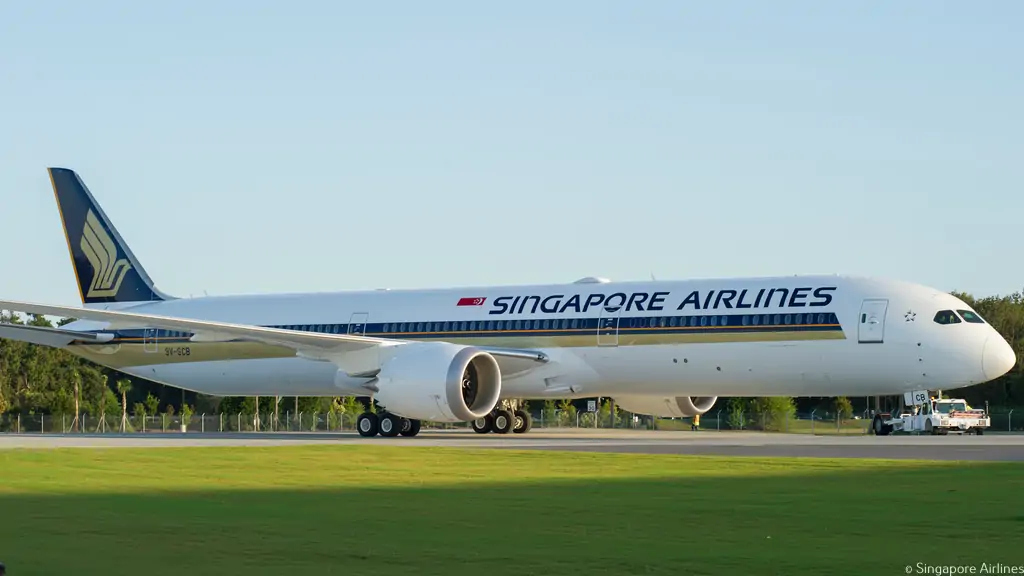
Singapore Airlines Group has made an important statement about its fleet replacement strategy. The Group and Boeing reached an agreement to cancel orders for eight Boeing 737 MAX 8 aircraft. This move is consistent with Singapore Airlines Group's long-term objective to modernize its fleet while enhancing operational efficiency.
Singapore Airlines Group History
Singapore Airlines Group is a major participant in the aviation sector, well-known for its dedication to service and operational excellence. The Group runs many airlines, including Singapore Airlines, SilkAir, and Scoot, and has a large global footprint. Singapore Airlines Group examines its fleet composition on a regular basis in order to respond to changing market needs and retain a competitive advantage.
The Boeing 737 MAX 8: An Overview
The Boeing 737 MAX 8 is a well-known narrow-body aircraft that is noted for its fuel economy and innovative features. Many airlines, notably Singapore Airlines Group, placed orders for this type prior to its suspension in 2019 owing to safety concerns. The MAX 8's advanced technology and passenger comfort features made it an appealing option for airlines looking to improve their operations.
Current Situation
Singapore Airlines Group stated on Tuesday that it has struck an agreement with Boeing to cancel reservations for eight Boeing 737 MAX 8s, as well as other adjustments to its widebody deliveries. This statement was issued by the airline during the release of its fiscal results for the fiscal year 2022-2023. Singapore Airlines received one Airbus A350-900 in March and one Boeing 787-10 in April 2023 this year. In addition to these widebodies, the airline owns a 737 MAX 8 that has been restored with a new interior. By the conclusion of the first quarter, the company's operating fleet had 195 aircraft, including 188 passenger planes and seven freighters. Furthermore, it has 100 aircraft on order, primarily with Boeing; however, the Singapore Airlines Group (including Scoot) has outstanding orders with Airbus and Embraer as well. Singapore Airlines Group's order book as of May 16, 2023, included three Airbus A350s, 15 Boeing 787-10s, 31 777-9s, 13 MAX 8s, and seven A350Fs. Scoot had three 787-8s, one 787-9 Dreamliner, 12 A320neos, six A321neos, and nine Embraer E190-E2s on order. The company's overall revenue for the fiscal year 2022-2023 was $17.77 billion, a 133.4% increase over the previous year. Total spending was $15.08 billion, resulting in a net profit of $2.15 billion for the airline.
Despite the fact that many airlines are still experiencing the effects of the COVID-19 crisis, Singapore Airlines has developed financial and operational resilience. This has aided the company's operations and financial recovery. As of March 2023, the group's passenger capacity had achieved 79% of pre-COVID levels, which was greater than the 58% level for Asia-Pacific airlines' international scheduled flights. SIA and Scoot transported 26.5 million passengers last year, up sixfold from the previous year. The load factor for the firm was 85.4%, the highest in the Group's history. Singapore Airlines reinstated service to Guangzhou, and Scoot resumed service to Balikpapan and Qingdao. The group's passenger network included 109 destinations in 36 countries and territories as of March 31, 2023. Scoot offered 58 destinations, while Singapore Airlines served 74. The group is expanding its services to China during the summer season. Scoot started flights to Haikou, Ningbo, and Xi'an in April, Nanning and Shenyang in May, and Jinan and Nanchang in July and August, respectively. Flight frequencies to other destinations, including Athens, Perth, Barcelona, Frankfurt, and Rome, have also risen. Finally, Singapore Airlines said that it will discontinue service to Vancouver in October 2023, while Scoot will discontinue service to the Gold Coast in July.
Singapore Airlines Group: Fleet Renewal Strategy
Singapore Airlines Group has a rigorous fleet renewal policy in place to enhance operational efficiency and maintain a modern fleet. This method entails examining its current aircraft on a regular basis and making choices on aircraft retirements, new orders, and cancellations. The Group can improve passenger experience, minimize maintenance costs, and optimize fuel consumption by keeping its fleet up-to-date.
The Cancellation of Boeing 737 MAX 8 Orders
Singapore Airlines Group's cancellation of eight Boeing 737 MAX 8 orders is a critical milestone in its fleet renewal path. This decision was taken following a thorough analysis of a number of criteria, including market conditions, aircraft performance, and the Group's long-term strategic objectives. Singapore Airlines Group intends to rebalance its fleet mix and stay competitive in the shifting aviation industry by cancelling these orders.
The Cancellation's Impact on Singapore Airlines Group
The cancellation of Boeing 737 MAX 8 orders will have immediate and long-term consequences for Singapore Airlines Group. The Group will need to evaluate its capacity plans and adapt its route network in the immediate term. It may also have economic repercussions, such as potential penalties for cancelling orders. In the long run, however, this choice permits the Group to pursue other fleet alternatives that are more in line with its strategic objectives.
Alternative Fleet Renewal Strategies
With the cancellation of the Boeing 737 MAX 8 orders, Singapore Airlines Group will look into alternative fleet renewal alternatives. Other aircraft types that meet the Group's needs, such as larger capacity aircraft or models with advanced fuel economy features, may be considered. The Group can adjust to shifting market needs and optimize its operations by diversifying its fleet.
Singapore Airlines Group: Future Prospects
Despite the cancellation of Boeing 737 MAX 8 orders, Singapore Airlines Group remains optimistic about its prospects. The Group's fleet renewal plan demonstrates its dedication to remaining at the forefront of the aviation industry. Singapore Airlines Group seeks to make educated decisions that will drive its long-term success by carefully examining market trends and technical improvements. Singapore Airlines Group is well-positioned to benefit from fresh possibilities as the aviation sector recovers from the effects of the worldwide pandemic. The Group can attract travelers and retain a loyal customer base by building a strong brand reputation and focusing on providing excellent customer experiences. Singapore Airlines Group can improve its operational effectiveness, reduce expenditures, and acquire a competitive edge in the market by strategically modernizing its fleet.
Singapore Airlines Group continues to invest in innovative technology and environmental practices in addition to fleet renewal. The Group understands the value of environmental sustainability and strives to minimize its carbon footprint through initiatives such as the utilization of fuel-efficient aircraft and the deployment of environmentally friendly operating procedures. Singapore Airlines Group not only contributes to a healthier tomorrow by aligning its operations with sustainable objectives, but it also appeals to environmentally conscious travelers. Furthermore, Singapore Airlines Group's robust network and strategic relationships allow it to expand its reach while providing customers with seamless travel experiences. Collaborations with other airlines and alliances provide code-sharing, synchronized scheduling, and enhanced connectivity. As a result, the Group's competitiveness improves, and it is able to enter new markets and routes.
Conclusion
Finally, Singapore Airlines Group's decision to cancel the Boeing 737 MAX 8 orders is a strategic move that is in accordance with the company's long-term fleet renewal plan. The Group intends to optimize its fleet composition and achieve operational efficiency by thoroughly analyzing market circumstances and considering numerous aspects. Singapore Airlines Group is prepared for a prosperous future in the aviation sector because of its dedication to excellence, innovation, and sustainability.
With Inputs from Singapore Air
Comment