
ACI Releases Top 20 Busiest Airports of the World with Delhi Airport in Top 10

Abhishek Nayar
20 Jul 2023
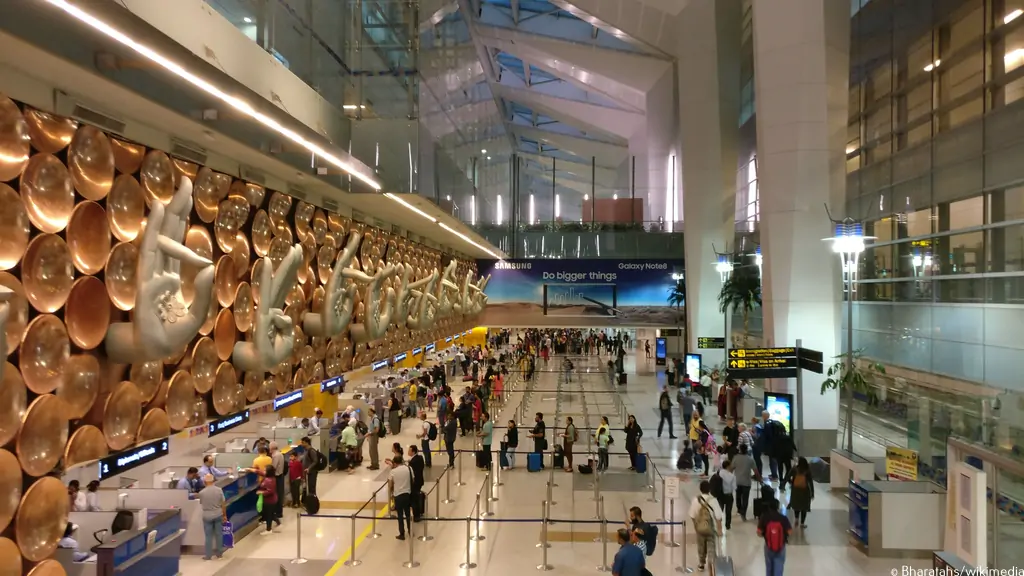
Air travel has become an essential part of modern life, connecting people and places like never before. With the increase in global travel, airports play a crucial role in ensuring seamless journeys for millions of passengers every day.
The Airports Council International (ACI) World has recently released its latest World Airport Traffic Dataset, revealing the current rankings of the busiest airports worldwide. This dataset highlights the significance of air travel and the continued growth of aviation as a crucial mode of transportation.
Understanding the ACI World Airport Traffic Dataset
The ACI World Airport Traffic Dataset is an authoritative source that assesses and ranks airports based on passenger traffic. It provides invaluable insights into global travel trends and the performance of airports in handling massive passenger volumes. The dataset considers both international and domestic passengers, establishing a comprehensive overview of the aviation industry's landscape.
The Top 20 Busiest Airports Worldwide
Let us take a look at the top 20 airports that have been recognized for their outstanding performance in managing substantial passenger traffic:

New Delhi Airport's Remarkable Achievement
New Delhi Airport, officially known as Indira Gandhi International Airport (IGIA), is the main international gateway to the vibrant and bustling capital city of India. Serving millions of passengers every year, this world-class airport plays a crucial role in connecting India to the rest of the world. From its rich history to its modern amenities and services, New Delhi Airport has much to offer travelers from across the globe. Climbing up to the ninth position on the global rankings is a testament to India's burgeoning aviation sector and the airport's continuous efforts to enhance its infrastructure and services.
Factors Contributing to New Delhi Airport's Success
Several factors have contributed to New Delhi Airport's impressive ascent in the rankings:
Booming Domestic and International Travel
India's thriving economy and increasing middle-class population have led to a surge in domestic air travel. Additionally, New Delhi serves as a major international gateway to the Indian subcontinent, catering to a vast number of international travelers. As one of the busiest airports in Asia, New Delhi Airport connects travelers to numerous international and domestic destinations. It serves as a major transit point for flights traveling between Europe, Asia, the Middle East, and Australia. With over 70 international airlines operating at the airport, it is well-connected to almost every corner of the globe.
Infrastructure Development
In recent years, New Delhi Airport has undergone extensive modernization and expansion efforts. It boasts state-of-the-art facilities, making it one of the busiest and most efficient airports in the world. With multiple runways and world-class infrastructure, the airport can handle a large number of flights and passengers. This proactive approach has facilitated smoother operations, resulting in increased passenger satisfaction.
Technological Advancements
New Delhi Airport has embraced modern technology to streamline various processes, such as check-in, security, and baggage handling. Advanced biometric systems and self-service kiosks have reduced waiting times, enhancing the overall passenger experience.
Strategic Partnerships
The airport has fostered strong collaborations with airlines and other stakeholders, leading to increased connectivity and more flight options. These partnerships have positioned New Delhi as a preferred layover hub for many international travelers.
Challenges and Future Outlook
While New Delhi Airport's progress is commendable, it also faces certain challenges, such as:
Congestion Management
The rapid growth in passenger numbers presents challenges for effectively managing airport congestion. Continued expansion and innovative crowd management strategies will be critical to ensuring a seamless experience for travelers.
Environmental Impact
The New Delhi Airport is committed to sustainable practices and environmental conservation. It has implemented various green initiatives to reduce its carbon footprint and minimize its environmental impact. From solar power installations to water conservation measures, the airport strives to be an eco-friendly and responsible aviation hub.
Conclusion
The inclusion of New Delhi Airport in the top 10 busiest airports globally is a significant achievement for India's aviation sector. The airport's continuous focus on passenger-centric improvements and sustainable growth has propelled it to international recognition. As India's economy flourishes, New Delhi Airport is likely to witness even greater growth in the years ahead.
With Inputs from ACI
Read next
HAL Collaborates With Safran to Build Indian Multi-Role Helicopter Engines

Radhika Bansal
20 Jul 2023

Hindustan Aeronautics (HAL) and Safran will set up a joint venture company in Bengaluru to design, develop and support helicopter engines. The joint venture’s first objective will be a new powerplant for the planned 13t Indian Multi-Role Helicopter (IMRH) and its Deck Based Multi-Role Helicopter (DBMRH) naval variant, say the two companies.
The joint venture announcement follows a workshare agreement signed in February to develop the new engine for the helicopter intended to replace India’s Mil Mi-17s. The IAF operates a very large Mi-17 fleet — Mi-17, Mi-17 1V and Mi-17 V5. It is the workhorse of the IAF’s helicopter fleet. Between 2008 and 2013, India contracted 151 Mi-17V5s, the last of which were delivered in February 2016. In all, the IAF operates a wide mix of around 500 rotary platforms, which include around 90 Mi-17s, over 130 Mi-17V5s, over 70 ALH, including the weaponised variant, 22 AH-64E Apache attack helicopters, one squadron of Mi-35 attack helicopters and 15 CH-47F Chinook heavy lift helicopters, in addition to the LCH currently being inducted. The oldest lot of Mi-17s are expected to be phased out from 2028 onwards.
“We at Safran Helicopter Engines are truly elated to partner with HAL and India to craft this new turboshaft engine joint venture set to address the Indian market and also future export opportunities. It marks a turning point in not only the longstanding relationship between our two companies but also between India and France. Together we will remain fully dedicated to our customers in India, proud to be designing and producing new, efficient helicopter engines,” says Safran chief executive Cedric Goubet.
In addition to the IMRH/DBMRH engine, the joint venture will design and develop other new helicopter engines in India. The initiative falls under the auspices of Indian Prime Minister Narendra Modi’s drive to develop local industrial capabilities, particularly in aerospace and defence.
“The new joint venture further extends the sphere of current cooperation and explores opportunities for strategic business collaboration that leverage the complementary talents and capabilities of the two aviation firms,” they add.
In February, HAL said the design of the IMRH had been frozen, and that it was awaiting formal government clearance for the programme. The company expects a total requirement of 400 helicopters from India’s armed forces. As well as developing the engine for the IMRH and the DBMRH, the new joint venture will expand cooperation between Safran and HAL and will “explore opportunities for strategic business collaboration,” Safran officials stated. The IMRH will replace the Indian Air Force’s (IAF) fleet of Russian-supplied Mi-17 transport helicopters, of which some 239 are currently in service. HAL foresees a need for around 200 IMRH rotorcraft for the air force alone, while the Indian Army could purchase another 100.
HAL & Safran's Long-Standing Partnership
Safran and HAL have long-standing cooperation on helicopter engines, including the Shakti engine, which powers HAL-produced helicopters, including the Advanced Light Helicopter (ALH) Dhruv, weaponised-ALH Rudra and Light Combat Helicopter (LCH) Prachand. More than 500 Shakti engines have already been produced, according to Safran. In March 2022, the two companies also broke ground on a helicopter engine MRO shop in Goa, which will repair the Safran TM 333 and Shakti turboshafts.
Noting that they are leveraging HAL’s experience in manufacturing more than 15 types of aircraft and helicopter engines and Safran Helicopter Engines’ expertise in designing turboshaft engines for this initiative, HAL CMD C. B. Ananthkrishnan said, “The objective is to co-develop and co-produce turboshaft engines in India - with an immediate focus on IMRH and DBMRH.”
The Maintenance, Repair and Overhaul (MRO) services for the TM333 and Shakti engines in the service of the Indian armed forces will be provided through the HE-MRO joint venture in Goa between the two companies, the statement added.
Prototypes will begin test flights with existing engines available on the market, although these will deliver 20% less power than that required for the IMRH. The army variant of the IMRH will have a gross weight of 13t, while the navy variant’s gross weight will be 12.5t. In its utility configuration, the IMRH will seat 24 troops, which can increase to 36 in a high-density configuration.
HAL is looking at benchmarking the proposed IMRH against its contemporary helicopters namely Russian Mi-17, Sikorsky S-92, AgustaWestland AW-101, NHIndustries NH-90 and Eurocopter EC-725 and intends to target the global helicopter market. The intended roles of the IMRH are to support air assault, air transport, combat logistics, combat search and rescue and casualty evacuation as well as be employed for VVIP duties, HAL officials had stated earlier.
The HAL plans to produce more than 1,000 helicopters in the range of three tonnes to 15 tonnes, with a total business of over ?4 lakh crores over 20 years. In February, HAL inaugurated its new helicopter factory at Tumakuru in Karnataka, which is the largest helicopter manufacturing facility in India and will initially produce the Light Utility Helicopter (LUH). Initially, this factory will produce around 30 helicopters per year which can be enhanced to 60 and then 90 per year in a phased manner, HAL stated.
The Navy has projected a requirement of over 100 MRH and an earlier global tender for 123 MRH has been dropped. The Navy is currently in the process of inducting 24 MH-60R MRH procured under a $2.2-billion deal with Lockheed Martin signed in February 2020 with deliveries expected to be completed by 2025.
HAL-GE Deal
Safran Deal Following GE Tie-Up The HAL-Safran deal comes less than a month after the Bengaluru-based company agreed to build fighter jet engines for India's air force and navy with U.S. defence major General Electric. The agreement also followed Prime Minister Narendra Modi’s state visit to the U.S. in June. The deal includes the potential joint production of GE Aerospace’s F414 engines in India, and GE Aerospace continues to work with the U.S. government to receive the necessary export authorisation for this, according to its statement. The effort is part of HAL’s indigenously developed Mk2 light combat aircraft and fifth-generation advanced medium combat aircraft—AMCA—programmes.
Read next
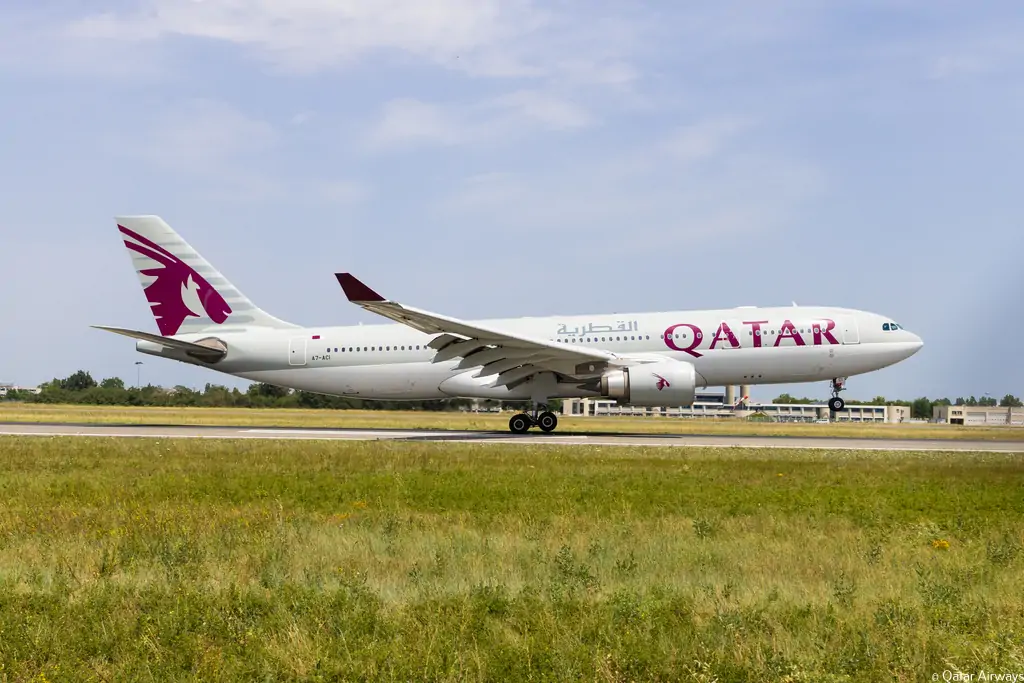
Qatar Airways, one of the leading airlines in the world, has recently launched a new direct service from Doha, Qatar, to Toulouse, France. This latest addition to their flight network in France marks a significant milestone for the airline, as it becomes the fourth destination in the country following the successful openings of Nice and Lyon.
The Inaugural Flight to Toulouse
The first flight from Doha to Toulouse, which took off this July, was highly anticipated by both the airline and travelers. The inaugural flight marks a momentous occasion for Qatar Airways, as it strengthens its presence in the European market and creates new opportunities for passengers to explore the beauty of Toulouse, a city rich in history, culture, and architectural marvels.
At the departure gate of Hamad International Airport (DOH), passengers were greeted with French cuisine and music. An Airbus A330-200 with 24 Business Class seats and 236 Economy Class seats will operate the new direct route to Toulouse. To commemorate the new route, the maiden flight offered a French-curated dining menu for all passengers, as well as a box of the exquisite Pierre Hermé macarons and various other giveaways at both the departure and arrival gates.
Expansion in France
Qatar Airways' decision to expand its network in France comes as no surprise, considering the country's significance in the European travel landscape. France, known for its iconic landmarks, diverse landscapes, and world-class cuisine, attracts millions of tourists each year. By adding Toulouse as its fourth destination in the country, the airline aims to cater to the growing demand for travel to this picturesque region.
Seamless Connectivity
The new direct service between Doha and Toulouse brings unparalleled connectivity to passengers traveling between the two destinations. With seamless flight options, travelers can now enjoy a convenient journey with reduced travel time and hassle-free connections. This enhanced connectivity is expected to boost tourism and business ties between Qatar and France, facilitating cultural exchanges and economic cooperation.
World-Class Onboard Experience
Qatar Airways is renowned for its commitment to providing a luxurious and comfortable onboard experience. Passengers on the new Doha-Toulouse route can expect to indulge in the airline's award-winning hospitality, in-flight entertainment, and a delectable selection of international cuisines. The airline's dedication to delivering excellence further enhances the overall travel experience for passengers.
Economic Impact
The launch of the Doha-Toulouse route is not only beneficial for travelers but also has a positive economic impact. The expansion of Qatar Airways' operations in France is likely to create job opportunities in both countries and stimulate tourism-related businesses. Additionally, increased air connectivity can foster trade and investment, strengthening bilateral relations between Qatar and France.
Environmental Considerations
Qatar Airways remains committed to sustainability and minimizing its environmental impact. The airline utilizes state-of-the-art aircraft with advanced fuel efficiency and lower carbon emissions. By implementing eco-friendly measures, Qatar Airways demonstrates its dedication to responsible aviation and contributes to global efforts to combat climate change.
Toulouse: A Gem in France
As the fourth-largest city in France, Toulouse offers a unique blend of history, innovation, and charm. Known as "La Ville Rose" or "The Pink City" due to its distinct pink terracotta buildings, Toulouse boasts a rich architectural heritage. Visitors can explore the UNESCO-listed Basilica of Saint-Sernin, the vibrant Capitole de Toulouse square, and the cutting-edge Cité de l'Espace.
Exploring the Aerospace Hub
Toulouse holds a prominent position in the aerospace industry, being home to the headquarters of Airbus and the Aerospace Valley, a renowned cluster of companies and research centres. Aviation enthusiasts can delve into the city's aviation history and visit the Aeroscopia Museum, where they can witness an impressive collection of aircraft and learn about the evolution of flight.
Culinary Delights
The gastronomic scene in Toulouse is a delight for food lovers. From traditional cassoulet to mouthwatering pastries, the city's culinary offerings showcase the richness of French cuisine. Local markets and charming restaurants invite visitors to savor authentic flavors that have been passed down through generations.
Conclusion
Qatar Airways' launch of the direct service between Doha and Toulouse signifies a significant step in their expansion strategy in France. The addition of Toulouse to their flight network opens up new opportunities for both leisure and business travelers, strengthening Qatar Airways' presence in the European market. This move not only enhances travel options for passengers but also contributes to economic growth and cultural exchanges between Qatar and France.
With Inputs from Qatar Airways
Read next
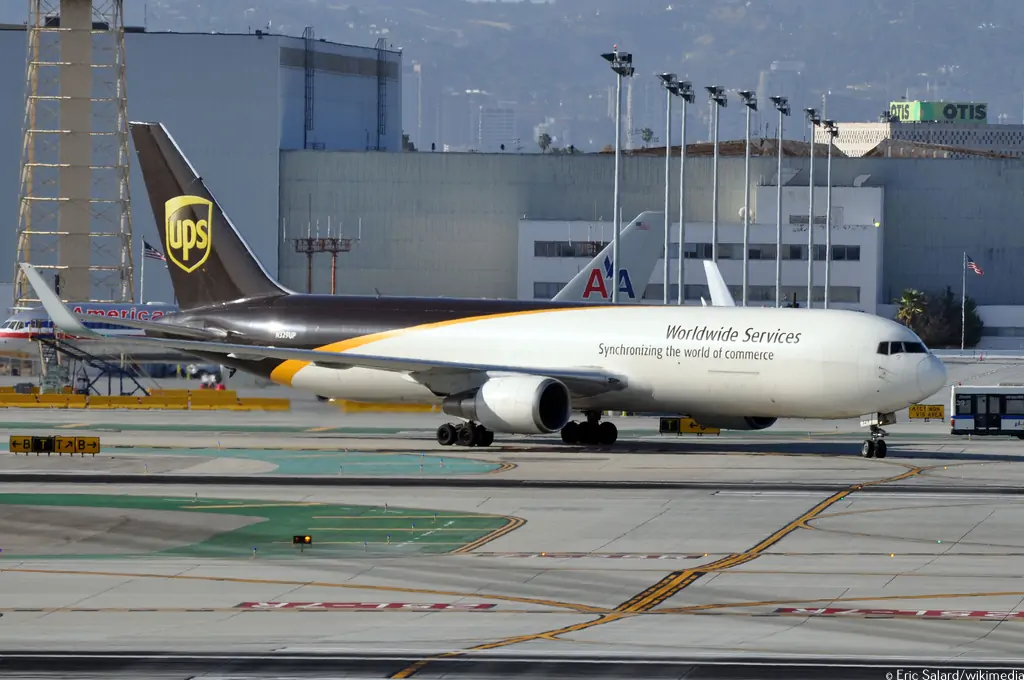
In a significant display of solidarity, UPS pilots, represented by the Independent Pilots Association (IPA), have publicly expressed their unwavering support for the UPS Teamsters, a union representing more than 340,000 of the company's delivery drivers and warehouse workers.
This collaboration between two powerful labor organizations marks a pivotal moment in the fight for workers' rights within the logistics industry. The united front aims to protect workers, improve working conditions, and advocate for their welfare while also showcasing the importance of cohesive alliances among various labor groups.
The Independent Pilots Association (IPA)
The Independent Pilots Association (IPA) is a renowned labor organization that represents the interests of UPS pilots. Founded in 1991, IPA has played a crucial role in safeguarding pilots' rights and ensuring they receive fair compensation, benefits, and optimal working conditions. With its substantial membership base and unwavering dedication to the well-being of UPS pilots, IPA stands as a formidable force in advocating for aviation professionals.
The UPS Teamsters Union
The UPS Teamsters Union is one of the largest and most influential labor unions in the United States. Boasting a membership of over 340,000 workers, it represents a diverse range of employees, including delivery drivers and warehouse workers at UPS. With a storied history of collective bargaining and championing workers' rights, the UPS Teamsters Union has been instrumental in shaping labor policies and ensuring workers' voices are heard in their workplace.
Fostering a Strong Alliance
The decision of UPS pilots to publicly express their support for the UPS Teamsters Union showcases the importance of fostering alliances within the workforce. This powerful partnership reinforces the idea that workers across different professions and roles can come together to fight for common goals. By combining their efforts, they amplify their collective voice and enhance their ability to influence policies that affect their livelihoods.
Advocating for Workers' Rights
At the core of this collaboration lies a shared commitment to advocating for workers' rights. Both the IPA and the UPS Teamsters Union understand the significance of ensuring fair wages, reasonable working hours, and safe working conditions. Together, they are better equipped to engage in productive negotiations with UPS management, driving positive changes that benefit all employees within the company.
Impact on the Logistics Industry
The alliance between UPS pilots and the UPS Teamsters Union has the potential to reshape the dynamics of the logistics industry. As more labor groups unite in support of workers' rights, companies like UPS will face increasing pressure to address the needs and concerns of their workforce. This could lead to a transformative shift in how the industry operates, with an increased focus on employee welfare and job satisfaction.
Public Perception and Support
The public display of unity between UPS pilots and the UPS Teamsters Union is likely to garner substantial public support. In an era where corporate practices are under scrutiny, consumers and the general public are increasingly conscious of how companies treat their employees. A strong, unified front by labor unions sends a clear message that workers' rights are non-negotiable and should be upheld by companies.
Challenges and Opposition
While the alliance between UPS pilots and the UPS Teamsters Union has garnered widespread support, it is not without challenges. Some critics may argue that labor unions can be disruptive to business operations and lead to increased costs for companies. However, proponents emphasize that a content and well-treated workforce results in increased productivity and loyalty, ultimately benefiting the company in the long run.
Comments
According to a publicly issued letter from IPA president Robert Travis to the IBT, the Association "has a long history of supporting the International Brotherhood of Teamsters (IBT) efforts throughout our respective histories in negotiating contracts with UPS." "Just as we did in 1997," Travis writes, "the IPA is committed to exercising our contractual rights, both domestically and internationally, to honor any potential IBT strike and act in sympathy with our fellow UPS workers by not working."
"As joint allies in the pursuit of improved safety standards, industry-leading wages and benefits, and improved quality of life for our members," Travis added, noting that "unity generates success."
Conclusion
The solidarity between UPS pilots, represented by the Independent Pilots Association (IPA), and the UPS Teamsters Union is a powerful testament to the importance of collaboration in the fight for workers' rights. By joining forces, these labor organizations have the potential to effect positive change within UPS and the broader logistics industry. The alliance showcases the strength of unity and serves as an inspiration for workers' movements worldwide.
With Inputs from AeroTime
Read next
American Airlines Contract in Jeopardy After United Airlines Increases its Deal
Abhishek Nayar
20 Jul 2023
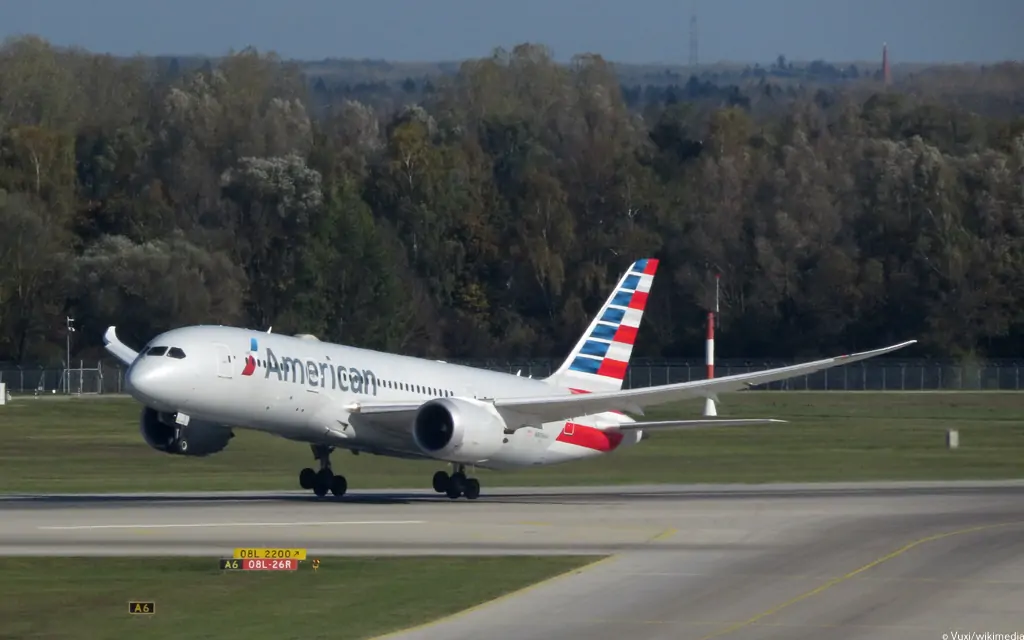
The aviation industry is in a constant state of flux, with airlines competing to attract the best talent and retain experienced pilots. Recently, American Airlines' pilot union has been in the spotlight as they prepare to vote on a new four-year contract deal. However, the union has received a memo warning that the ratification of this new contract deal is in "jeopardy." The reason behind this concern lies with the benchmark set by a competing airline, United Airlines, which has introduced its own enticing deal.
Background of the Contract Deal
American Airlines has offered its pilots a new four-year contract that seeks to improve their working conditions and address their long-standing demands. Central to this deal is a substantial pay increase of approximately 42%, a move aimed at recognizing the pilots' dedication and hard work. Additionally, the contract includes various other benefits, such as improved healthcare coverage, enhanced retirement plans, and better scheduling options. These provisions are designed to enhance the overall job satisfaction of American Airlines' pilots, fostering a positive and productive work environment.
United Airlines' Influence
While the proposed deal by American Airlines is undoubtedly generous, it faces a challenge due to United Airlines' recent contract agreement with its pilots. United Airlines' deal has garnered attention for its competitive nature, surpassing the expectations of many in the industry. The terms offered by United Airlines, including salary increments and additional benefits, have raised the bar significantly. This has caused American Airlines' pilots to evaluate their options more critically, leading to concerns that the ratified deal might not be able to compete with United Airlines' benchmark.
United's four-year pilot deal offers cumulative pay rises ranging from 34.5% to 40%. As the firm tries to encourage pilots to become junior captains, it also contains features such as increased sick time, additional days off, and restrictions on involuntary and certain standby assignments.
Pilot Union's Concerns
In light of United Airlines' deal, the American Airlines' pilot union has expressed apprehensions about proceeding with the current contract. A memo circulated among the union members highlights the potential risks of ratifying the deal without further negotiations. The union believes that failure to address the existing disparities between American Airlines' proposal and United Airlines' deal could lead to a less favorable position for their pilots. Consequently, the union warns that the contract's ratification is in "jeopardy," indicating that more work needs to be done to align the terms with pilots' expectations.
"Management is fully aware that the proposed UAL (United) deal has now put the ratification of our TA (tentative agreement) in jeopardy," the union wrote in a memo to American pilots on July 16. It instructed the corporation to amend the contract further to "meet the new industry standards" if it wanted an agreement that the pilots could approve.
Factors Affecting the Voting Process
The decision-making process for pilots during the voting period is influenced by various factors. The intricacies of these decisions are rooted in the concepts of perplexity and burstiness. Perplexity refers to the complexity and uncertainty surrounding a decision, which can arise when comparing multiple options with distinct benefits and drawbacks. On the other hand, burstiness refers to the volatility and unpredictability in the aviation industry, which can influence the perceptions and priorities of pilots.
Importance of Ratifying the Deal
The significance of ratifying the contract deal should not be underestimated. An approved contract will not only provide pilots with financial security but also contribute to their job satisfaction and well-being. A competitive compensation package and improved benefits can boost morale and foster a sense of loyalty among pilots, leading to increased productivity and efficiency. Additionally, a ratified deal will strengthen the company's position in the industry, making it an employer of choice for talented pilots.
Addressing the Pilot Union's Concerns
To secure the contract's ratification, American Airlines and its pilot union must actively engage in constructive dialogue. Addressing the concerns raised in the memo is crucial to building trust and ensuring that pilots feel valued and supported. Collaborative efforts to align the terms with industry standards and United Airlines' deal will be vital in easing pilots' hesitations and apprehensions.
The Way Forward
As the voting period approaches, uncertainty looms over the final outcome. The decision made by American Airlines' pilots will have implications beyond the immediate scope of the contract deal. It will reflect the level of trust and cooperation between the airline and its workforce, setting a precedent for future negotiations.
Conclusion
The ratification of American Airlines' new contract deal is at a critical juncture. The competing benchmark set by United Airlines has heightened the complexity of the decision-making process for the pilots. As the voting period commences, the airline and the pilot union must work together diligently to address concerns, align terms, and find common ground. Achieving this will not only benefit American Airlines' pilots but also contribute to the airline's growth and success in an ever-evolving aviation industry.
With Inputs from Reuters
Read next
Tata Group Mulls to Adopt Vistara’s Standard Operating Procedures for All Airlines Under its Umbrella
Radhika Bansal
19 Jul 2023
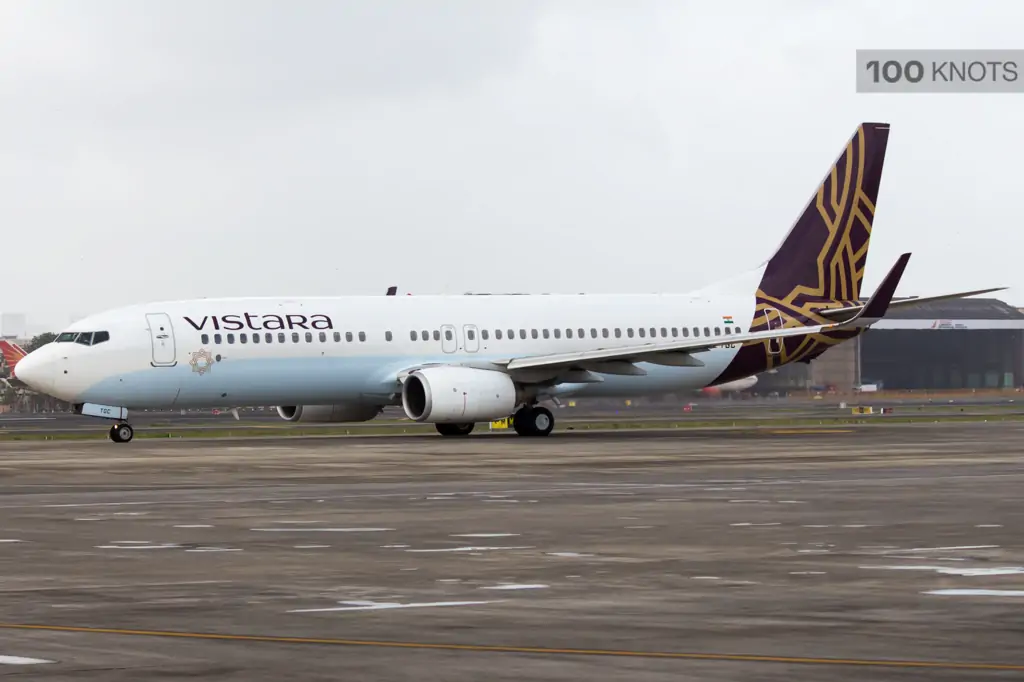
Tata Group may adopt Vistara’s standard operating procedures (SOPs) in flight safety as well as customer service into the two airline entities that will be created after combining the carrier with Air India, AirAsia (India) and Air India Express. Conversations and initial data sharing on safety SOPs have begun, said a person close to the growth. Talks on establishing customer service practices will begin after the merger gets various regulatory nods, reported The Economic Times.
Tata Group last year took over Air India after a bidding process by the government. The merger awaits approvals from the country’s anti-trust body Competition Commission of India (CCI), the anti-trust regulator in Singapore, the National Company Law Tribunal (NCLT), the aviation ministry, and the aviation regulator Directorate General of Civil Aviation (DGCA) for merging air operator’s permits.
“It makes absolute sense for the Tatas to adopt Vistara’s operational SOPs into their combined airline entities,” said a DGCA official who didn’t want to be named. “The airline has been doing well on air-worthiness and compliance checks.”
Vistara’s brand is loved by many customers, and the airline’s SOPs are among the many reasons behind its efficiency. An official of India’s aviation regulator, the DGCA, also told ET that adopting Vistara’s SOPs makes sense as the airline has been doing well on air-worthiness and compliance checks. Vistara has performed quite impressively in terms of punctuality and passenger complaints in June. Air India, on the other hand, slipped on some parameters, including on-time performance (OTP).
Vistara’s CEO Vinod Kannan, too, says that the airline has maintained “a very, very high level of processes.” The airline has taken most of its SOPs from Singapore Airlines and adopted them in the Indian context. Kannan said, “What has been acknowledged by Campbell (Wilson, managing director and CEO of Air India) and the Air India team is how they can bring Air India up to the same standard (as Vistara) and that is what they are working on. That is what we hope will happen with the integration.”
Staff Integration
Vistara has reportedly begun discussions with Air India – both are part of the Tata Group – to integrate its staff with the latter. This comes as both carriers wait for regulatory approvals for their merger. Vistara has a dedicated workforce of 5,500 currently and is aiming to expand it to 6,000 by the end of 2023.
Vistara CEO Vinod Kannan said that any rationalisation of staff is unlikely, but not everyone might get the same role or position in Air India, according to a report in The Economic Times. Air India is also in the process of bringing various segments of its employees under one structure, the report added. The first round of integrations, the report stated, would take place between old and new Air India employees, which will be followed by that with Vistara and AirAsia India.
Kannan said that the airline aims to get all the approvals for the Vistara merger with Air India by April 2024. It might take a few months after that for the actual merger process. However, some areas of integration, such as networks and brands, would be possible only after the regulatory approvals are granted, Kannan said.
This development comes even as the Competition Commission of India (CCI) which is required to approve the merger, asked Air India why its merger with Vistara should not be investigated. Air India and Vistara told the competition watchdog that there will be no adverse impact on competition due to their merger. They also said that the CCI scrutiny would not have any material business impact on their operations.
Vistara working on Integrated Organisation
Vistara has put together a team to discuss what should be the “end structure” of the integrated organisation, Kannan said, declining to offer details due to restrictions in India’s competition law. The airline is talking to pilots and cabin crew about the process of the merger and applying to competition authorities in Singapore. India’s antitrust regulator has given out show-cause notices raising concerns about the merger, Kannan said. He contends that IndiGo’s control of 63% of the domestic market is a bigger issue than a potential duopoly emerging from the consolidation. Air India currently has 9.7% of the market and Vistara has 8%.
The combined airline will be named after Air India, while the Vistara brand will be scrapped, CEO Campbell Wilson has said. Vistara, which will have a fleet of 70 aircraft by the time merger is completed, plans to increase capacity to Dubai, Bali and Bahrain during that time, Kannan said. The airline operates a fleet of 61 aircraft, including Airbus SE A320neo narrowbodies and four larger Boeing Co. 787-9 Dreamliners.
Tata Group took over the debt-ridden Air India from the government in 2021. Since then, it has been on the ambitious journey to modernise its fleet, operational systems, and revenue management. Air India under Tata Group wants to expand not only in the domestic skies but also internationally.
(With Inputs from The Economic Times)
Comment