
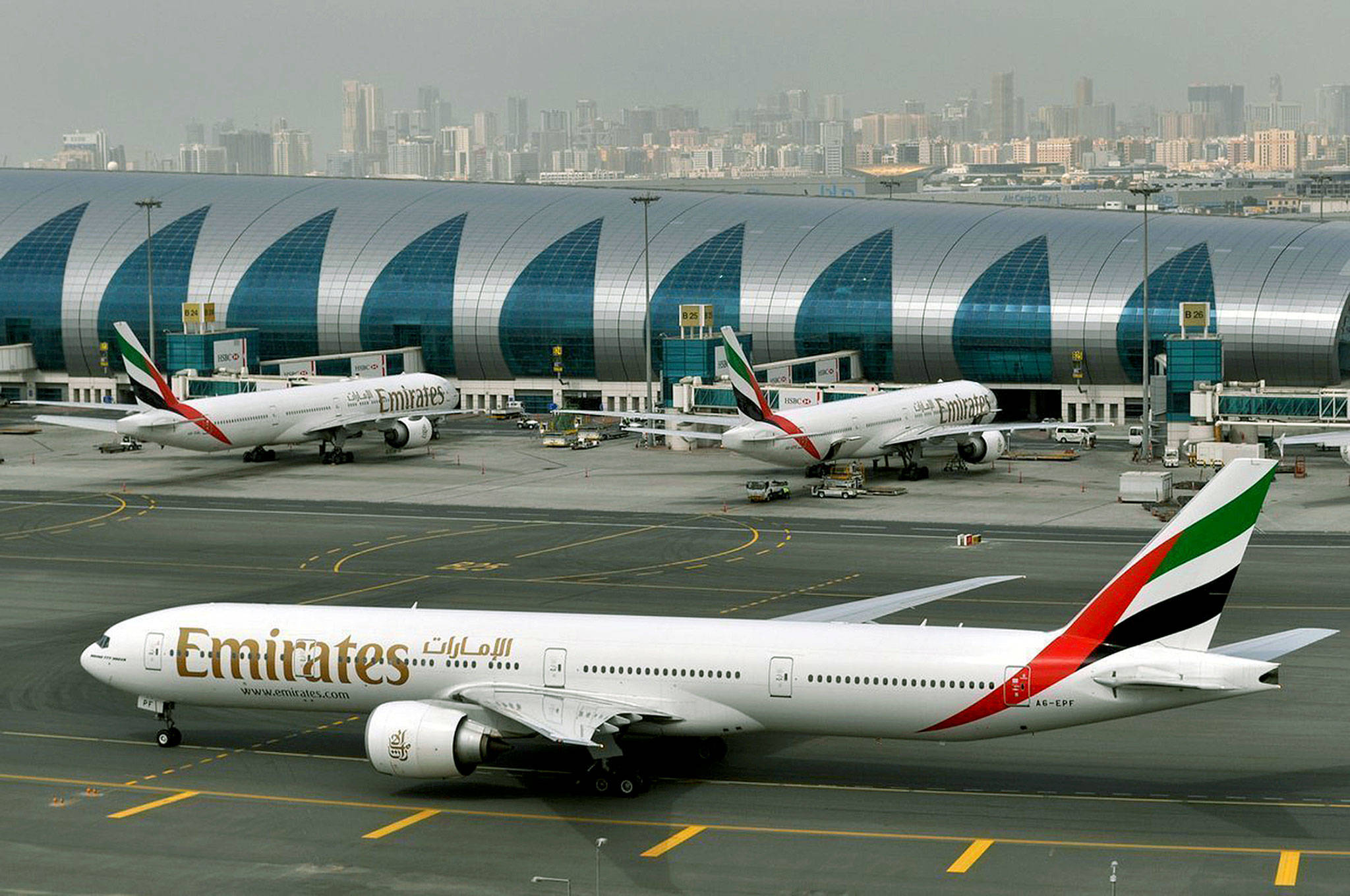
Emirates ruled out an immediate deal to buy Airbus A350-1000 jets, blaming a dispute with engine maker Rolls-Royce over the durability of its engines and leaving the European planemaker without a major showcase order at the Dubai Airshow.
Speaking a day after placing a USD 50 billion order for Boeing 777X jets, the president of the Dubai airline, Tim Clark, said the A350-1000's engine would offer only a quarter of the time between maintenance visits compared to Emirates' needs. FlyDubai, Emirates’ sister airline, also contributed to Boeing’s success with a USD 11 billion aircraft purchase. In contrast, Airbus is yet to secure a major deal at the ongoing show.
He told reporters Emirates would be prepared to order between 35 and 50 of the jets if Rolls-Royce improved both the durability and maintenance costs.
Rolls-Royce said: "Emirates is a valued customer and we look forward to supporting their future fleet growth plans.” Rolls Royce, meanwhile, denied that the Airbus A350-1000 engine was defective. "The engine works really well in what we call benign operations ... But in sandy, hot conditions it is challenged, as all modern engines are, because the temperatures are very high. We see it across the industry," said chief customer officer Ewen McDonald.
While airplane orders dominate headlines at air shows, airlines typically negotiate to buy the airplane and long-term repair services from the engine suppliers separately, meaning big-ticket plane announcements can hinge on unseen engine talks.
Airbus Chief Commercial Officer Christian Scherer defended Rolls-Royce's Trent XWB-97 engine. "It's a perfectly fine engine operated by many customers around the world. Tim does not operate it," he said while announcing an order from Egyptair for 10 smaller A350-900s. Emirates has ordered 50 of the A350-900 version, which uses a different Rolls variant but has yet to take deliveries.
An order from Emirates for the largest version of the A350 appeared to be on hold over terms of engine guarantees with Rolls-Royce. It is the latest example of disagreements in aerospace over the performance designed to save fuel at the expense of ever-hotter internal temperatures that require more maintenance.
Engines face particular challenges in hot and sandy or dusty conditions like the Middle East and India. Emirates's order for 90 more GE-powered Boeing 777X jets dominated the opening of the week-long Dubai Airshow on Monday.
With plans for an Emirates A350 order off the table for now, Airbus also saw a second major order from Turkish Airlines slip off the show's agenda, industry sources said. Airbus said on Monday it had reached an agreement "in principle" on a significant Turkish Airlines order. But it added the deal needed to be ratified in the coming days, in what sources saw as a sign it would need Turkish government approval and was unlikely to appear at the show.
Emirates Not Worried About Competition
Also in the aircraft market is Riyadh Air, a new Saudi carrier being created as part of trillions of dollars worth of spending planned in the kingdom. In March, the airline announced an order of up to 72 Boeing 787-9 Dreamliner jetliners and has further plans to expand. Clark said he wasn’t worried about the competition, however.
“If Saudi Arabia wants to spend USD 2 trillion on doing wonderful things over there, they’ve got to have the labour from somewhere. And that labour force has got to be brought in, and their carriers are going to find it difficult in the early stages to meet that demand,” he said.
“So do I think it’s a problem with this lot? No, I don’t … because we managed to build Emirates through all of this competition, rising geopolitical socioeconomic difficulty.” The air show, which sees billions of dollars worth of deals, as arms manufacturers exhibit at the show, comes two weeks before Dubai hosts the United Nations’ COP28 climate talks.
(With Inputs from Reuters)

Read next
Mangaluru Airport to Get an 'Airport Village' to Provide Recreational & Leisure Activities to Passengers
Radhika Bansal
15 Nov 2023
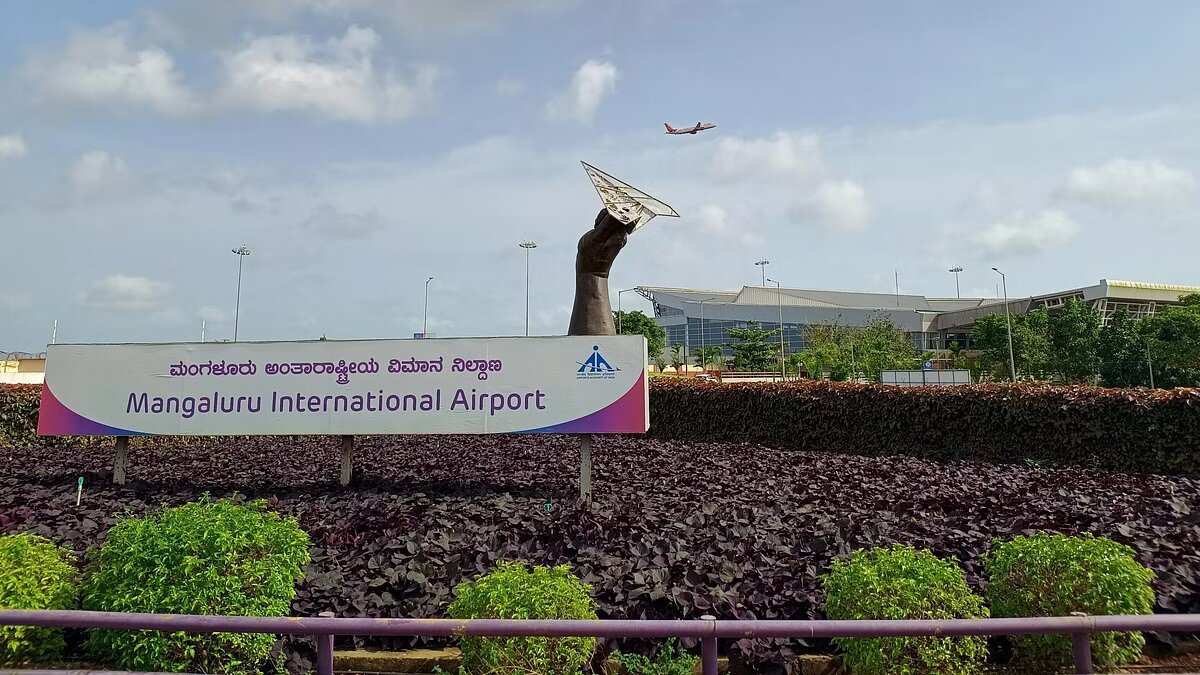
The Mangaluru International Airport (MIA) has embarked on a futuristic project in its front yard, dubbed as 'Airport Village', to provide diverse food and beverage options and retail and gaming opportunities for passengers and visitors. The facilities at the airport were till now available only for passengers and those with access to the terminal.
The Airport Village will throw open the experience to all who frequent the airport, including city dwellers, a release from the MIA here said. The Airport Village, in the space earmarked for it in the forecourt on the lower ground floor, will transform it into a fun space like malls that city dwellers frequent.
"The Airport Village will cater to the needs of not just the thousands of travellers who use the airport daily, but also their friends and family who come to receive and see them off," it said. The airport village will offer versatile spaces according to the requirements of businesses looking to set up shops here. On completion, it will not just become a focal point for travellers but also strive to attract people from the city with a dining and gaming zone that has been mooted.
"The whole focus of the master plan will be on creating a unique curated experience which will not only elevate the travel experience but also allow others to soak in the vibrant atmosphere that airports globally strive to provide," the release said. What makes this airport village project exciting is the fact that it has been seamlessly dovetailed into the overall development plans that the airport has envisaged as part of the master plan.
About the Airport
Mangalore International Airport (also known as Mangaluru International Airport) is an international airport serving the coastal city of Mangalore, India. It is one of only two international airports in Karnataka, the other being Kempegowda International Airport, Bangalore. Mangalore International Airport is the second busiest airport in Karnataka. In addition to domestic destinations, flights depart daily for major cities in the Middle East. The airport was named Bajpe Aerodrome, when it opened on 25 December 1951 by former Prime Minister Jawaharlal Nehru who arrived on a Douglas DC-3 aircraft.
Presently, it ranks 12 in the list of airports with international passenger air traffic. After Delhi, Mumbai, Chennai, Kochi, Bangalore, Hyderabad, Kolkata, Thiruvananthapuram, Ahmedabad, Kozhikode, and Tiruchirappalli international airports. The airport had 8.91 lakh passengers in the FY 2011-12 and witnessed a growth rate of 5.44%. According to the airport sources, it has a target of achieving 16 lac passenger traffic in the FY 2016–17.
Read next
Air India Express Expands its Network of Domestic Flights by Introducing New Connecting Flights
Radhika Bansal
15 Nov 2023
Air India Express (AIE) is enhancing the travel experience with the introduction of two new flights connecting Bengaluru to Mangaluru. Starting from Wednesday, November 15, the winter schedule promises increased connectivity, linking not just these two cities but also connecting to Chennai, Kannur, Thiruvananthapuram and Varanasi, a release from the Mangaluru International Airport (MIA) said on Tuesday, November 14.
MIA officials said they are eagerly anticipating a substantial increase in domestic passenger footfall with this latest addition to their flight schedule. The flight timings are tailored for customer convenience, seamlessly connecting to international flights. Flight IX 782 will commence its journey from Varanasi at 8 AM, landing at Kempegowda International Airport (KIA) at 10:30 AM.
After a quick layover of 55 minutes without changing aircraft, it will depart from KIA at 11:10 AM and arrive at MIA by 12:10 PM. The Varanasi-Mangaluru connection is only open for 10 days, until November 25. However, starting November 26, the flight will seamlessly link Chennai to Mangaluru via Bengaluru. Other flight timings will be intimated later.
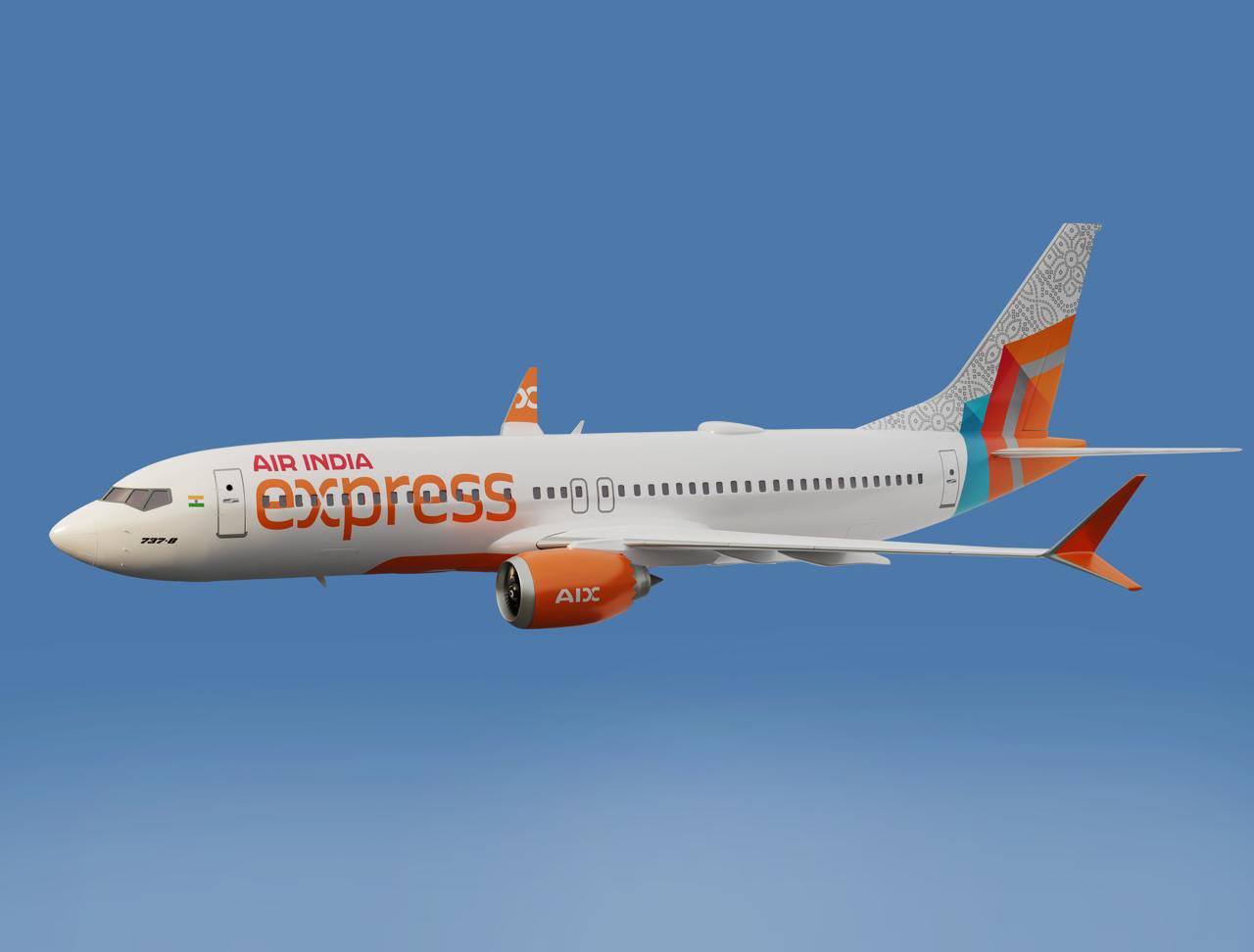
The second new flight will be between Kannur-Bengaluru-Mangaluru (IX 1795). It will depart from Kannur at 4:30 PM arrive at KIA at 5:50 PM and later depart for MIA at 6:25 PM and reach at 7:35 PM. The same aircraft, with a changed flight number IX792, will depart MIA at 8:15 PM, arrive in KIA at 9:30 PM and after 50 minutes of layover, depart for Thiruvananthapuram, and arrive at 11:25 PM. The aircraft will be a Boeing 737 Max, as per the current details available on the airline website.
In January 2022, Air India Express, together with Air India, was successfully privatised, with ownership returning to the Tata group that had initially founded Air India. In March 2023, Air India Group announced the completion of integration of its two subsidiaries Air India Express and AirAsia India.
New Brand Identity & Merger
The AirAsia India brand no longer exists from October 31, 2023 onwards. AirAsia India was launched in June 2014 and was a joint venture between the Tata Group and AirAsia Berhad. It had a turbulent journey due to the alleged control by the Malaysian partner. The flights are now operated under the brand AIX Connect before the legal merger into Air India Express is completed.
Things started clearing up only when Tatas decided to buy out AirAsia’s stake and decided to merge it with Air India Express (which they acquired last January) to create a mega low-cost carrier (LCC) as part of the Air India family. These two LCCs’ merger has been approved by the Competition Commission of India and is on track for this year’s end.
Air India Express unveiled the unified brand identity and a new aircraft livery inspired by arts and crafts heritage on its new Boeing 737 Max aircraft on October 18. The airline’s new visual identity features an energetic and premium colour palette of orange and turquoise. The livery of the first new Boeing 737-8 aircraft showcased at the launch is inspired by the Bandhani textile design. The upcoming aircraft being inducted will feature designs inspired by other traditional patterns including Ajrakh, Patola, Kanjeevaram, Kalamkari, etc, showcasing India’s artistic diversity.
Air India Express began as a low-cost arm of Air India in 2005 focusing largely on routes between South India and West Asia. At present, it has a fleet of 28 Boeing 737 planes which include two new Boeing 737 Max planes. AirAsia India which is being merged with Air India Express has 26 Airbus A320 aircraft.
Read next
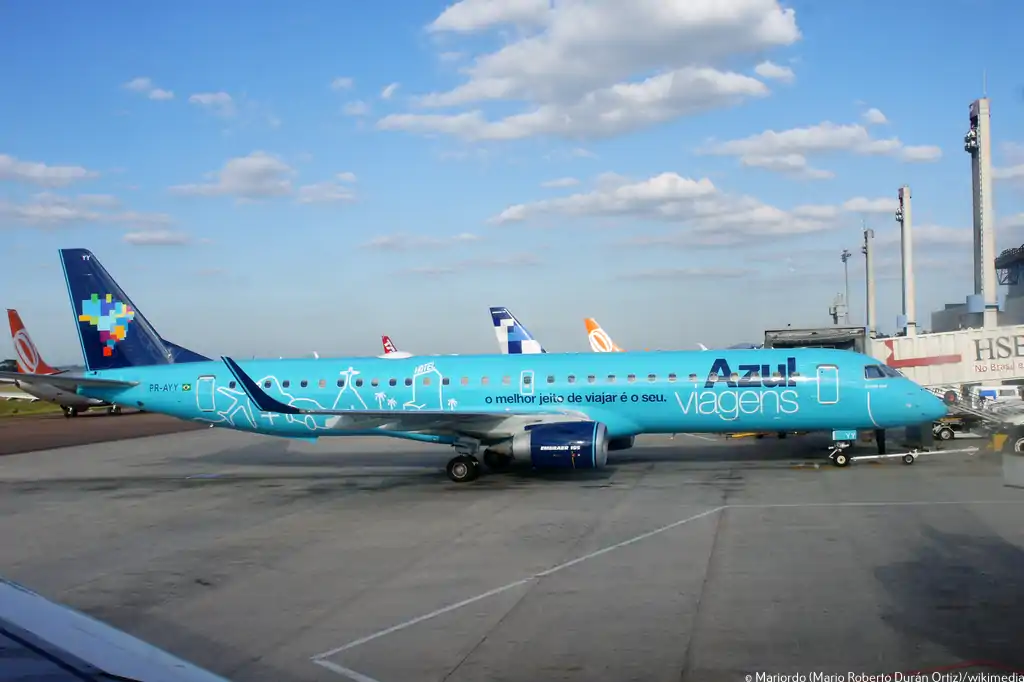
Brazil's largest airline, Azul, recently revised its forecast for 2023 core earnings due to challenges in capacity growth and heightened jet fuel price volatility. Despite this, the airline reported better-than-expected third-quarter results and provided an optimistic outlook for 2024.
2023 Forecast Reduction
Azul announced a reduction in its forecast for 2023 earnings before interest, taxes, depreciation, and amortization (EBITDA) to approximately 5.2 billion reais ($1.06 billion), down from the initial projection of 5.5 billion reais. The key factors contributing to this adjustment were slower-than-expected capacity growth and increased volatility in jet fuel prices. The revised projection of available seats per kilometer (ASK) expanding by 11%, compared to the earlier estimate of 14%, played a significant role in this downward adjustment.
Market Response and Share Movement
Despite the downward adjustment for 2023, Azul's longer-term outlook sparked positive investor sentiment. The company's shares, traded on the Sao Paulo stock exchange (Bovespa), surged over 6% in response to the positive 2024 forecast. This gain positioned Azul among the top performers on the Bovespa stock index, which experienced a 2% overall increase.
Azul's 2024 Outlook
Azul expressed confidence in its 2024 outlook, anticipating an EBITDA of approximately 6.3 billion reais, up from the previous forecast of "more than 6 billion." The positive shift in projections for the upcoming year is attributed to sustained demand strength and an accelerated fleet renewal process. Azul's CEO, John Rodgerson, highlighted the encouraging industry environment marked by robust demand, favorable tariff dynamics, and disciplined capacity addition, especially during the high-demand seasons.
Analysts' Perspective
Analysts from Goldman Sachs, with Azul as their top pick among Latin American airlines, largely affirmed the airline's fresh guidance. They emphasized the industry's rational approach, maintaining pricing power, and focusing on rebuilding profitability. The analysts suggested that Azul's ability to pass on costs to tariffs could lead to margin expansion.
Q3 2023 Performance
Azul's third-quarter performance exceeded expectations, with a record EBITDA of 1.55 billion reais, reflecting a notable 67.7% increase compared to the previous year. Net revenue also reached a record high of 4.91 billion reais, a 12.3% rise. While the quarterly figures were positive, analysts noted that external factors such as foreign exchange rates, Petrobras' jet fuel prices, and the domestic macroeconomic scenario could continue to exert pressure on the airline sector in the coming months.
Conclusion
Azul's recent financial adjustments for 2023, coupled with a positive outlook for 2024, reflect the challenges and opportunities present in the airline industry. Despite near-term headwinds, Azul's strategic initiatives, including fleet renewal and a focus on profitability, position the airline for sustained growth. As external factors continue to influence the sector, stakeholders will keenly monitor Azul's resilience and adaptability in navigating the dynamic aviation landscape.
With Inputs from Reuters
Read next
Virgin Australia Faces Potential Cabin Crew Strikes Over Pay and Working Conditions

Abhishek Nayar
15 Nov 2023
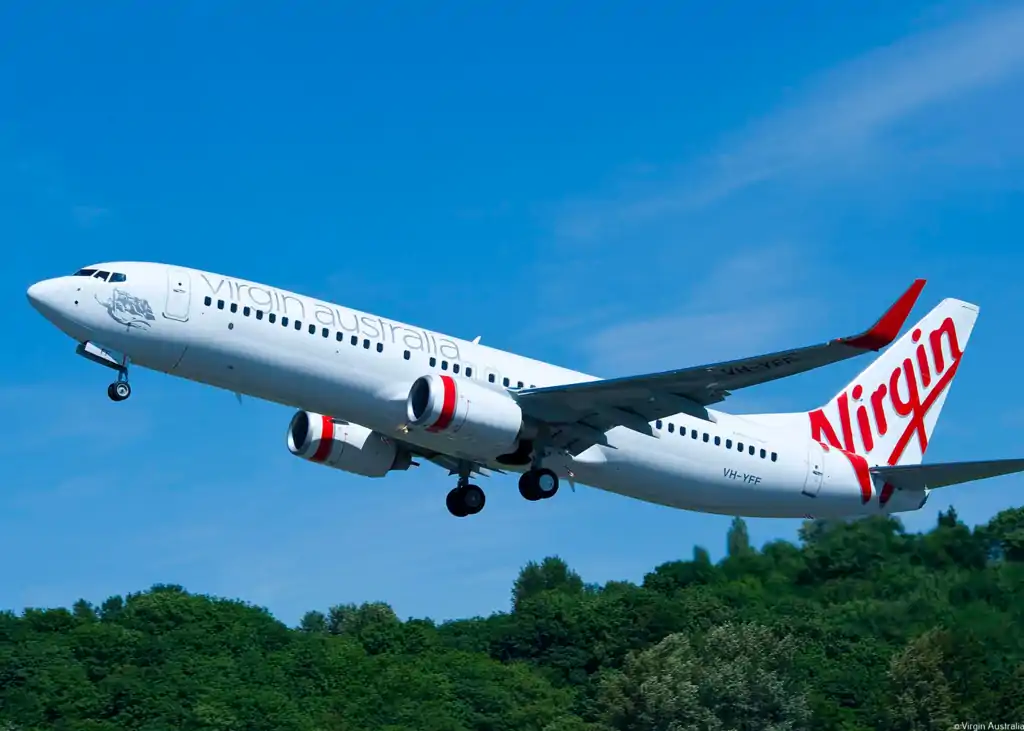
Virgin Australia is on the brink of facing industrial action from its cabin crew as they seek improved pay, job security, and safer working conditions. Affiliated with the Transport Workers Union (TWU), cabin crew members are considering a protected action ballot to push for revised enterprise agreements. This move follows recent approval for a protected action ballot by Virgin Australia's airport ground crews, indicating a growing dissatisfaction within the airline's workforce.
Poor Work Conditions and Fatigue Concerns
Cabin crew union representatives argue that inadequate work conditions, characterized by long shifts, missed breaks, and unrealistic turnaround times, are causing "crippling" levels of fatigue among members, both on and off the job. The union contends that these conditions jeopardize passenger and crew safety, with concerns about potential mistakes due to unsustainable working conditions.
Financial Strain and Side Jobs
The TWU claims that cabin crew members are receiving a "poverty" income exacerbated by pay freezes and cuts. According to the union, some flight attendants are compelled to take on additional side jobs to cover basic living costs. The financial strain on the workforce is viewed as a breach of commitment by Virgin Australia's parent company, Bain Capital, to address low pay levels and improve work-life balance.
TWU's Allegations Against Bain Capital
TWU National Secretary Michael Kaine accuses Bain Capital of reneging on a commitment to rectify "rock-bottom" pay levels despite the airline's return to profitability. Kaine emphasizes the vital link between pay and conditions and aviation workers' ability to ensure safety. The union portrays protected industrial action as a last resort, highlighting the critical nature of the aviation industry and the need for urgent attention to employee concerns.
Impacts of Employment Conditions
Kaine describes the tangible impacts of Virgin's employment conditions on cabin crew, ground crew, and pilots. High turnover, fatigue-related absenteeism, and the necessity for multiple jobs have led to a workforce that is "utterly exhausted." Concerns about near-misses on the commute home from long shifts underscore the severity of the situation and the potential risks associated with the current working conditions.
Virgin Australia's Response
Virgin Australia responds to TWU's intentions by stating that it has been less than two weeks since the expiration of the existing Cabin Crew Agreement. The airline asserts its commitment to bargaining in good faith and reaching an amicable solution on a new agreement. The response suggests a willingness to engage in negotiations while emphasizing the ongoing efforts made by the company.
Conclusion
As the potential for industrial action looms over Virgin Australia, the dispute highlights the challenges faced by airline employees in terms of pay, working conditions, and overall job satisfaction. The outcome of the protected action ballot will undoubtedly shape the future relationship between the airline and its workforce, emphasizing the importance of addressing employee concerns to maintain a safe and efficient aviation industry.
Read next
Singapore Airlines and Scoot Pledge to Replace 5% of Fuel with SAF by 2030
Abhishek Nayar
15 Nov 2023
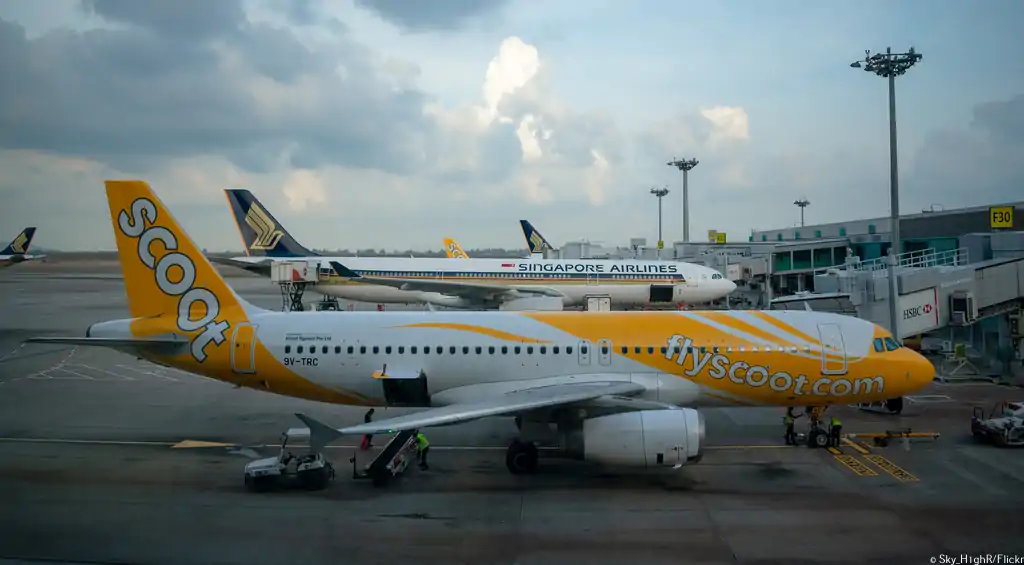
In a significant move towards sustainability, Singapore Airlines and Scoot have officially committed to replacing 5% of their total fuel requirements with sustainable aviation fuels (SAF) by 2030. This commitment follows the recent Association of Asia-Pacific Airlines Presidents Assembly, where airline CEOs collectively recognized the urgency of addressing environmental concerns in the aviation industry.
The Singapore Airlines Group's Sustainable Initiatives
The Singapore Airlines Group, comprising Scoot and Singapore Airlines (SIA), has been actively collaborating with partners to understand the operational and commercial factors supporting the broader adoption of SAF. This collaborative effort is part of the Singapore International Advisory Panel (IAP), which aims to develop a sustainable air hub blueprint—a roadmap for decarbonizing Singapore's aviation sector.
SAF as a Decarbonization Lever
The Group emphasizes SAF as a key decarbonization lever for the airline industry, with the potential to reduce carbon emissions by up to 80% on a life cycle basis compared to conventional jet fuel. SIA CEO Goh Choon Phong highlighted the importance of this commitment, stating that it marks a crucial milestone in the SIA Group's sustainability journey.
Phong stated, "The greater use of sustainable fuels will be a key lever in our decarbonization strategy, which includes our continued investment in new generation aircraft and greater operational efficiencies. Together, this will put us on the path towards our net-zero target."
Global Collaboration for Sustainable Aviation
Acknowledging that the aviation industry cannot achieve these goals alone, Phong emphasized the need for deeper collaboration with stakeholders globally. The AAPA Presidents Assembly, themed around sustainability, underscored the industry's challenge: producing SAF is beyond its control, requiring increased investments and infrastructure development from governments and major oil companies.
SIA commits to continuing collaboration with stakeholders worldwide to support the increased production and use of sustainable fuels, promoting a united effort towards collective sustainability targets.
Operational Readiness and Previous Initiatives
In September, SIA, the Civil Aviation Authority of Singapore (CAAS), and Gen Zero concluded a 20-month SAF pilot. The successful pilot involved importing 1,000 tons of neat SAF, blending it in Singapore, and then distributing it through the Changi Airport fuel hydrant system to SIA and Scoot flights. This pilot demonstrated Singapore's operational readiness for sustainable fuels and the ability to conduct SAF transactions in a trusted and transparent manner.
The pilot also validated the entire process of bringing SAF into Changi Airport, from procurement to blending, safety certification, and delivery. Importantly, it affirmed that sustainable aviation fuel can be safely deployed and uplifted onto flights without modifying existing infrastructure at Changi Airport.
Sharing Knowledge for Industry Advancement
SIA is actively sharing its learnings with industry partners to raise awareness and garner support for SAF adoption among corporates. Discussions with fuel providers regarding opportunities to purchase SAF are ongoing, with the promise of further details being announced at the appropriate time.
Conclusion
The commitment of Singapore Airlines and Scoot to replace 5% of their fuel requirements with sustainable aviation fuels by 2030 reflects a crucial step towards a more sustainable aviation industry. As the momentum for SAF adoption grows, global collaboration remains essential for overcoming challenges and achieving collective sustainability targets in the ever-evolving landscape of air travel.
Comment