

Altitude measurement is a critical aspect of aviation, ensuring the safe separation of aircraft and effective navigation. While standard pressure settings are used for separation, the transition altitude (TA), transition layer (TLYR), and transition level (TL) play vital roles in providing accurate altitude information.
Altitude Measurement and Standard Pressure Settings
Standard pressure settings are crucial for maintaining safe separation between aircraft. However, these settings alone do not provide an aircraft's actual height above the ground. At low altitudes, altimeters are typically set to display altitude above sea level, enabling comparison with known terrain elevations. This setting, known as QNH (barometric pressure adjusted to sea level), ensures accurate altitude representation based on local weather conditions.

Transition Altitude (TA)

The transition altitude marks the point where aircraft shift from using local barometric-derived altitudes to flight levels. While operating at or below the TA, altimeters display altitude above sea level. The pressure setting is adjusted to QNH. Above the TA, altimeters are set to the standard pressure of 1013.25 hPa or 29.92 inHg, and altitude is expressed in flight levels.
Transition Level (TL)

The transition level is the lowest flight level above the transition altitude. As aircraft descend below the transition level, pilots switch to QNH for accurate altitude reference. This ensures smooth transitions between altitude measurement methods during ascent and descent.
Transition Layer (TLYR)
The transition layer is the airspace between the transition altitude and the transition level. Its thickness, typically 0–500 feet (0–152 m), ensures a smooth transition between QNH and standard pressure settings. Aircraft are not assigned the transition level for safety reasons, maintaining adequate separation from traffic flying on QNH at the transition altitude.
Significance of Two Altitude Measurement Methods
The coexistence of QNH-based altitudes and flight levels serves several crucial purposes, particularly for long-haul flights:
- Atmospheric Pressure Variability: Aircraft flying over vast distances encounter changes in atmospheric pressure. QNH allows pilots to set their altimeters based on local pressure conditions, ensuring accurate height above sea level, regardless of regional variations.
- Universal Altitude Reference: Flight levels provide a universal method of expressing altitude. This consistency eliminates the need for pilots to continuously update altimeter settings during long flights, promoting operational efficiency.
- Global Standardization: Flight levels are expressed in a standard pressure of 1013.25 hPa or 29.92 inHg, facilitating international aviation by avoiding confusion related to different units of measurement.
Conclusion
The interplay between transition altitude, transition layer, and transition level in aviation altitude measurement is essential for maintaining safe and standardized operations. The use of both QNH and flight levels ensures accurate altitude representation in diverse atmospheric conditions, offering pilots a reliable and globally accepted reference point during their journeys. This harmonized approach enhances safety, efficiency, and global standardization in aviation practices.
With Inputs from Skybrary, IVAO, Bold Method

Read next
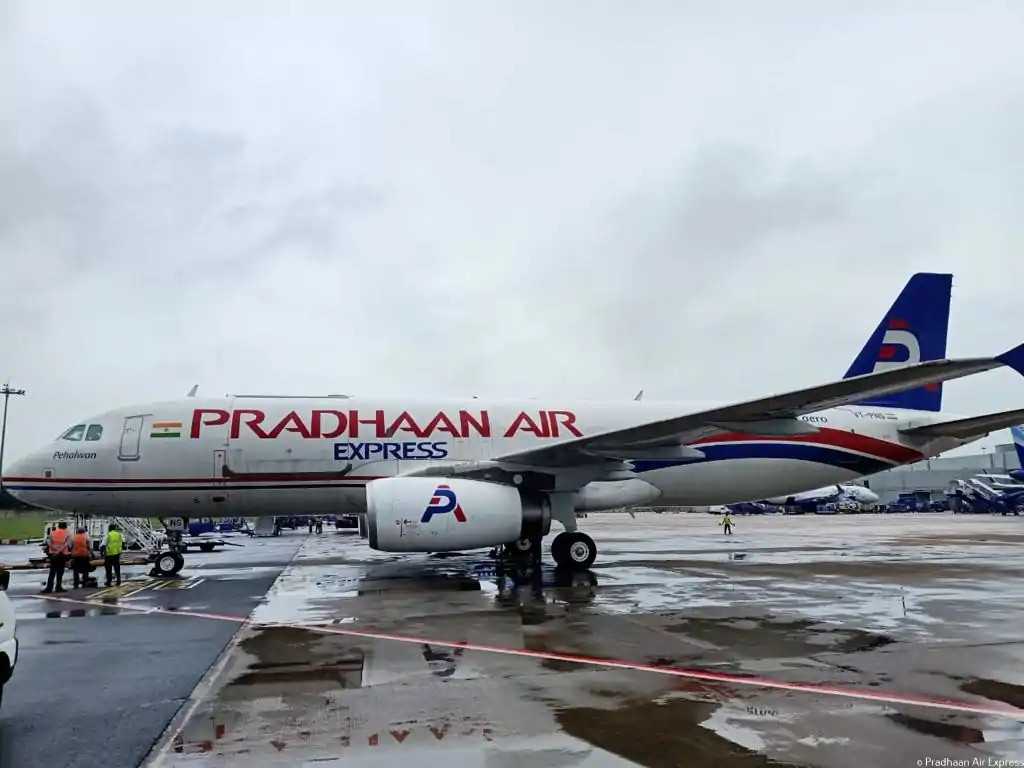
Ras Al Khaimah-based Vaayu Group has announced a significant move in the aviation industry with the acquisition of a strategic stake in Pradhaan Air Express. The investment was revealed on the sidelines of the Dubai Airshow 2023, marking a pivotal moment for both companies in expanding their footprint in the air cargo sector.
Vaayu's Vision for Air Cargo Dominance
Vaayu Group, established in 2011, has set its sights on becoming a major player in the air cargo space, and this strategic investment in Pradhaan aligns with that vision. Emad AlMonayea, Chairman and President of Vaayu, emphasized the strategic importance of this move, highlighting the numerous opportunities it presents, particularly between the Middle East and India.
Existing Collaboration and Fleet Expansion Plans
Vaayu and Pradhaan Air Express already share a business relationship, with Vaayu leasing an A320-200(P2F) to Pradhaan. The recent investment is expected to further strengthen their collaboration. AlMonayea revealed that Vaayu anticipates the addition of two A320-200P2Fs in the coming year, with plans to continuously expand the fleet, adding two aircraft each year from 2024 onward.
Vaayu's Global Aviation Investments
Vaayu Group's influence extends globally, with strategic investments in aviation encompassing leasing, storage, and Maintenance, Repair, and Overhaul (MRO) services. The undisclosed size of the investment in Pradhaan Air Express reflects Vaayu's commitment to fostering growth and innovation in the aviation sector.
Pradhaan Air Express: A Key Player in India's Cargo Market
As one of the three cargo-only airlines based in India, Pradhaan Air Express secured certification last year to operate its own aircraft. The airline's sole aircraft, VT-PNS (MSN 2737), commenced revenue flights in October after being ferried to India in July 2022. Pradhaan CEO Nipun Anand confirmed that the current aircraft is performing well on a mix of domestic and international routes.
Future Outlook for Pradhaan Air Express
While Pradhaan Chief Business Officer Vipul Bhalla had earlier indicated plans for the arrival of three additional aircraft in 2023, CEO Nipun Anand clarified in Dubai that no further aircraft would be added until 2024. This decision aligns with Pradhaan's focus on optimizing its current operations before expanding its fleet.
Conclusion
The strategic stake acquisition by Vaayu Group in Pradhaan Air Express marks a significant milestone for both companies, setting the stage for enhanced collaboration and growth in the air cargo sector. As Vaayu continues to expand its global aviation portfolio, Pradhaan Air Express is poised to play a pivotal role in India's evolving cargo market, capitalizing on the synergies between the two regions. The undisclosed investment underscores the confidence Vaayu has in the future success of this partnership, signaling a positive trajectory for both entities in the dynamic aviation landscape.
With Inputs from ch-aviation
Read next
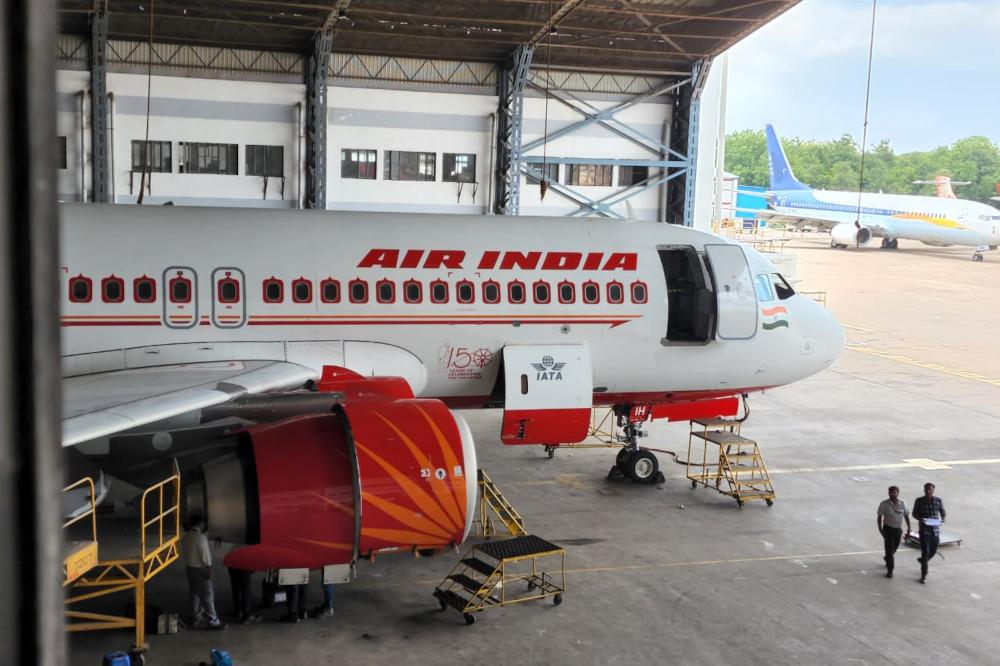
AI Engineering Services Ltd. (AIESL), a prominent player in the maintenance, repair, and overhaul (MRO) segment, is currently engaged in discussions with multiple foreign carriers to expand its portfolio. Simultaneously, the company is also negotiating a significant long-term contract with a domestic carrier. However, amidst its strategic business moves, the government is considering divesting AIESL, a company that has consistently generated an average annual revenue of around Rs. 2,000 crores over the last three years.
Global Expansion Through MRO Partnerships
AIESL is actively pursuing collaborations with three to four foreign carriers for MRO works, showcasing its commitment to becoming a key player on the international stage. These discussions indicate a growing demand for AIESL's expertise and services in aircraft maintenance, repair, and overhaul. The move aligns with the global aviation industry's increasing reliance on specialized MRO providers for efficient and cost-effective aircraft maintenance solutions.
Long-Term Contract with Domestic Carrier
In addition to its global outreach, AIESL is in talks with a domestic carrier for a substantial long-term contract. The details of the negotiation are yet to be disclosed, but such a contract could solidify AIESL's position in the domestic market, providing stability amid the uncertainties associated with global partnerships.
Government's Divestment Plans
While AIESL is actively pursuing growth opportunities, the government's decision to divest the company adds a layer of complexity to its future. The move to divest AIESL comes at a time when the company has consistently demonstrated financial resilience, boasting an average annual revenue of ?2,000 crore over the last three years. The government's rationale behind this decision and its potential impact on AIESL's ongoing and future projects will be closely monitored by industry observers.
CEO's Perspective
Sharad Agarwal, the Chief Executive of AI Engineering Services, expressed optimism regarding the company's recent endeavors. Agarwal mentioned that AIESL has already commenced aircraft checks for Kuwait Airways since September, highlighting the company's proactive approach to securing international contracts. Agarwal's positive outlook suggests that AIESL is well-prepared to navigate the challenges posed by both global expansions and potential government divestment.
Conclusion
AI Engineering Services Ltd.'s current trajectory reflects its ambition to be a major player in the global MRO sector, as evidenced by ongoing discussions with foreign carriers and a potential long-term contract with a domestic airline. However, the looming government divestment raises questions about the company's future ownership and strategic direction.
As the aviation industry continues to evolve, AIESL's ability to adapt and capitalize on emerging opportunities will be crucial for its sustained success in the dynamic MRO market. Industry stakeholders will closely watch the developments surrounding AIESL, anticipating the outcome of both its global partnerships and the government's divestment plans.
Comment