
What’s Next for Bengaluru Airport City? A Look into the Future of Business, Hospitality, and Entertainment

Abhishek Nayar
27 May 2024

Bengaluru Airport City Limited (BACL) has unveiled ambitious investment plans that promise to transform the area surrounding Kempegowda International Airport (BLR Airport) into a vibrant hub of business, hospitality, and entertainment. With a focus on sustainability and innovation, BACL is set to develop a two million square feet Business Park and a 775-key Combo Hotel, among other exciting projects.
A Vision of Sustainable Innovation
Biophilic-Inspired Business Park
Central to BACL’s development strategy is the creation of a biophilic-inspired Business Park. This park is designed to offer smart workspaces within a dynamic public realm that seamlessly blends work and play. The innovative design aims to meet the diverse needs of businesses and employees by providing a stimulating environment for growth and collaboration.
The Urban Forest: A Green Oasis
One of the most striking features of the Business Park will be the Urban Forest, a lush green space at the heart of the development. This oasis will integrate indoor and outdoor spaces, creating a serene environment that promotes wellbeing and sustainability.
Enhanced Connectivity
The upcoming Metro station in Airport City will enhance accessibility to the Business Park, providing seamless connectivity from the northern side. This development ensures that the Business Park will be conveniently accessible, further boosting its appeal to businesses and employees.
Expanding Hospitality Horizons
The 775-Key Combo Hotel
In a move that will significantly boost the hospitality landscape, BACL plans to develop a Combo Hotel featuring 775 keys. The hotel will comprise 450 keys under the Vivanta brand and 325 keys under the Ginger brand. Scheduled for completion by the end of 2026, this grand establishment is poised to become one of India’s largest hospitality venues, catering to both business travelers and tourists.
Design Philosophy
The design of the Combo Hotel will embody universal, minimalist, and sustainable principles. It aims to deliver efficient, intuitive, and responsive customer-centric design, prioritizing occupant wellbeing. The hotel’s design will also align with the three pillars of sustainability: people, planet, and profit, ensuring a comfortable and eco-friendly guest experience.
Enhancing Existing Hospitality Options
Complementing this new development, the existing Taj Bangalore hotel within the Airport City has expanded to offer 370 keys. This growth is tailored to meet the increasing demand for luxury accommodations, enhancing the visitor experience and supporting the needs of the expanding Airport City.

Elevating Entertainment: The Concert Arena
An exciting addition to the Airport City’s offerings is the upcoming Concert Arena. This state-of-the-art venue, with a capacity to host 10,000 attendees, is set to be the first of its kind in an airport ecosystem in India. Scheduled to open in the next few years, the Concert Arena will host spectacular events and concerts, elevating the Airport City’s profile as a premier destination for entertainment and cultural gatherings.
Other Notable Developments
Advanced 3D Printing Facility
Since July 2022, a 3D printing facility, developed in collaboration with Voxeljet Germany, has been operational within the Airport City. This facility represents a significant advancement in technological infrastructure, supporting various industries and innovations.
Technologically Advanced Central Kitchen
In March 2024, SATS Singapore established a cutting-edge Central Kitchen capable of producing up to 170,000 ready-to-eat meals per day. This facility enhances the food service capabilities within the Airport City, supporting both local and international demands.
Commitment to Sustainable Infrastructure
BACL’s commitment to sustainability has been recognized with the Indian Green Building Council’s (IGBC) Green Cities Platinum certification. The urban design guidelines for Bengaluru Airport City prioritize green initiatives across all facets of planning and construction, ensuring the development evolves as a sustainable and eco-friendly urban center. Aligned with the UN Sustainable Development Goals, BACL promotes mixed-use development to create an inclusive, safe, resilient, and sustainable Airport City.
Conclusion: A Thriving Future for Bengaluru Airport City
BACL’s ambitious plans for the Bengaluru Airport City signal a transformative journey towards creating a bustling hub for businesses, hospitality, and entertainment. With world-class infrastructure, a focus on sustainability, and a dynamic blend of work and play, the Airport City is set to become a thriving environment that nurtures growth, creates job opportunities, and makes a positive socio-economic impact on the region.
Read next


The Noida International Airport, also known as Jewar Airport, is one of the most ambitious infrastructure projects in India, aimed at bolstering the aviation capacity of the National Capital Region (NCR) and facilitating economic growth. Located in Jewar, Gautam Buddha Nagar, Uttar Pradesh, the airport is set to become a major aviation hub, easing the pressure on the Indira Gandhi International Airport in New Delhi.
Background and Objectives
The Noida International Airport project was conceptualized to address the increasing demand for air travel in the NCR and to promote regional development. The project was officially approved in 2018, with Zurich Airport International AG selected as the concessionaire for the development of the airport. The airport is envisioned to handle 12 million passengers annually upon completion of the first phase, with a long-term goal of accommodating up to 70 million passengers per year.
Current Construction Status
As of May 2024, the construction of Noida International Airport is progressing steadily. Here are the key milestones and current status of the project:
Site Preparation and Land Acquisition:
Land acquisition, which involved the relocation of several villages, has been largely completed. Compensation and rehabilitation packages were provided to the affected families, ensuring minimal disruption.
Runway and Terminal Construction:
The construction of the first runway is well underway. The runway, designed to accommodate large aircraft, is expected to be completed by early 2025.
The terminal building's foundation has been laid, and structural work is progressing rapidly. The terminal will feature state-of-the-art facilities, including automated check-in and baggage handling systems, ensuring a seamless passenger experience.
Infrastructure and Connectivity:
Work on the supporting infrastructure, such as roads and utilities, is also progressing. The Yamuna Expressway and other connecting highways are being upgraded to ensure smooth access to the airport.
Plans for metro connectivity are in place, with the proposed Metro extension expected to link the airport to Greater Noida and the existing Delhi Metro network, further enhancing connectivity.
Environmental and Regulatory Approvals:
The project has received all necessary environmental clearances. Sustainable construction practices are being employed to minimize environmental impact, including the use of green technologies and renewable energy sources.
Stakeholder Engagement and Public Support:
Continuous engagement with local communities and stakeholders has been a priority to address concerns and ensure transparency. Public support for the project remains strong, with expectations of significant economic and employment opportunities.
Future Outlook
The Noida International Airport is slated to open its doors to passengers by 2025, with the first phase of construction set to be completed by late 2024. The airport is expected to catalyse economic growth in the region, attracting investment and boosting the local economy. The development of surrounding areas is anticipated, with plans for an Aerotropolis—a metropolitan subregion where the layout, infrastructure, and economy are centered on the airport.
The subsequent phases of the airport's expansion will include the construction of additional runways, terminals, and cargo facilities, ultimately making it one of the largest airports in the world. With the introduction of advanced technologies and sustainable practices, Noida International Airport aims to set new benchmarks in aviation infrastructure.
Conclusion
The construction of Noida International Airport marks a significant milestone in India's aviation sector. As the project progresses towards completion, it promises to transform the region's connectivity and economic landscape. With meticulous planning and execution, the airport is poised to become a key gateway for international and domestic travelers, reinforcing India's position as a global aviation hub.
Read next
Rolls-Royce' Confidence in 2024 Forecasts Amid Growing Air Travel and Data Center Demand
Abhishek Nayar
25 May 2024

Rolls-Royce, a titan in the engineering and aerospace industries, is riding a wave of optimism as it confidently projects meeting its 2024 forecasts. With air travel on a robust recovery trajectory and increasing demand for power in data centers, the company is leveraging these favorable conditions to bolster its performance. CEO Tufan Erginbilgic, who took the helm 18 months ago, is spearheading a transformative agenda aimed at enhancing the company's competitiveness.
Strong Start to the Year
Rolls-Royce has reported a strong start to the year, despite facing ongoing supply chain challenges that have affected the entire industry. The company has reaffirmed its guidance for underlying operating profit to range between £1.7 billion and £2 billion in 2023, marking an increase of up to 25%. This positive outlook is underpinned by a record performance in 2023, which CEO Erginbilgic cites as a foundation for continued confidence moving into 2024.
Transformation Under Tufan Erginbilgic
Erginbilgic, formerly a senior executive at BP, has been pivotal in steering Rolls-Royce through a significant transformation. His vision is to reshape the company into a more competitive entity, focusing on operational efficiencies and contractual improvements. This strategic shift is crucial as Rolls-Royce, a key supplier of engines for Airbus and Boeing wide-body jets, navigates a dynamic and demanding market environment.
Recovery and Growth in Civil Aerospace
The civil aerospace unit, Rolls-Royce's largest division, has shown remarkable recovery. Flying hours, an essential metric indicating the usage of the company's engines by airlines, have returned to 100% of 2019 levels in the first four months of the year. The company anticipates this figure could reach up to 110% of 2019 levels by year-end. This rebound signifies a robust recovery in air travel demand, a vital factor in Rolls-Royce's operational and financial health.
Strengthening the Balance Sheet
A critical component of Erginbilgic's strategy has been strengthening Rolls-Royce's balance sheet, which suffered significantly during the pandemic when global air travel came to a near halt. The company has made substantial progress in this area, highlighted by a recent upgrade from credit rating agencies and the repayment of a €550 million bond from its cash reserves. These steps have been crucial in reducing debt and improving financial stability.
Data Centers: A Growing Demand
Beyond aerospace, Rolls-Royce is capitalizing on the burgeoning demand for power in data centers. As the digital economy expands, the need for reliable and efficient power solutions has grown, presenting a lucrative opportunity for the company. Rolls-Royce's engineering prowess positions it well to meet these demands, providing another avenue for growth and diversification.
Conclusion
Rolls-Royce's confidence in meeting its 2024 forecasts is grounded in a solid start to the year, strategic transformation efforts, and a recovering aviation sector. Under Tufan Erginbilgic's leadership, the company is poised to enhance its competitive edge, strengthen its financial position, and capitalize on emerging market opportunities. As air travel continues to soar and the demand for data center power increases, Rolls-Royce is set to navigate these dynamic markets with renewed vigor and strategic clarity.
With Inputs from Reuters
Read next

Chinese aircraft manufacturer COMAC (Commercial Aircraft Corporation of China) is setting its sights on Saudi Arabia as a strategic launchpad for its international expansion. This move is part of COMAC's broader effort to penetrate a global passenger jet market traditionally dominated by Western giants like Boeing and Airbus.
Strengthening Ties with Saudi Arabia
COMAC Chairman Dongfeng He made his inaugural visit to Saudi Arabia this week, building on the momentum of a Saudi delegation's visit to COMAC’s Shanghai facilities earlier this year. The visit underscores the warming economic relations between China and Saudi Arabia. Addressing an aviation conference in Riyadh, He highlighted COMAC's vision of enhancing global connectivity and diversity by contributing to the development of Saudi Arabia’s aviation infrastructure.
Ambitious Plans Amidst Challenging Market Conditions
Despite COMAC’s aspirations, industry experts caution that the company faces significant hurdles in establishing a foothold internationally. The absence of certifications from key aviation regulators in the United States and the European Union, along with the need for more efficient aircraft, pose considerable challenges. Currently, COMAC’s planes primarily operate within China, with limited international presence through an Indonesian airline.
Strategic Moves and Potential Partnerships
In its bid to attract international customers, COMAC has been actively showcasing its aircraft across Southeast Asia and pursuing certification for its C919 narrow-body jet from Europe's aviation regulator. During He’s visit to Saudi Arabia, Saudia Group—owner of Saudia airline and budget carrier flyadeal—extended an invitation to COMAC to establish an assembly line in Jeddah. Saudia Group also expressed interest in learning more about the C919 jet, although no commitments have been made yet.
Alignment with Saudi Vision 2030
Saudi Arabia’s Vision 2030, a comprehensive plan to diversify its economy away from oil dependence, includes a significant focus on expanding the aviation sector. The plan envisions new airlines, large-scale jet orders, and the development of a major international airport, positioning Saudi Arabia as a regional aviation hub. COMAC’s operational planes, the C919 and the ARJ21 regional jet, align well with Saudi Arabia’s growing domestic and regional flight market, offering potential synergies.
Future Prospects and Challenges
COMAC’s He emphasized the company’s goal to enhance connectivity within a 2,000-km radius of Saudi Arabia, encompassing the Arabian Peninsula, the Middle East, Turkey, North Africa, and beyond. Additionally, COMAC has ambitious plans to develop the C929, a long-haul wide-body aircraft designed to support Saudi Arabia’s international hub aspirations. However, the C929 program has faced delays and the aircraft has yet to commence test flights.
Conclusion
As Saudi Arabia seeks to bolster its aviation sector as part of Vision 2030, COMAC's potential entry could mark a significant development in the global aviation market. While the path ahead is fraught with regulatory and operational challenges, the collaboration between COMAC and Saudi Arabia could pave the way for increased competition and innovation in the industry. The coming years will be crucial in determining whether COMAC can successfully break into the international market and establish itself as a formidable competitor to Western aircraft manufacturers.
With Inputs from Reuters
Read next

After enduring three challenging years, Wizz Air has marked a significant milestone by achieving its first annual profit since the pandemic began. This notable recovery has sent the airline’s London-listed shares soaring, reflecting investor confidence in the Hungary-based low-cost carrier. The company reported a net profit of 365.9 million euros ($396 million) for the fiscal year ending March 31, propelling its shares up by 4.9% to 2,060 pence.
Navigating Challenges and Capitalizing on Robust Demand
The past year has not been without its hurdles for Wizz Air. The airline faced numerous flight cancellations due to the Middle East conflict and engine inspections that temporarily grounded parts of its fleet. Despite these setbacks, Wizz Air has managed to thrive thanks to a surge in travel demand. CEO Jozsef Varadi highlighted that the appetite for air travel remains strong as the airline enters fiscal year 2025 (F25), with no signs of demand diminishing soon.
Varadi also pointed out that the airline industry continues to grapple with inflationary pressures, rising costs, and strained supply chains amid ongoing geopolitical instability. However, he expressed optimism that Wizz Air's efforts to control costs would drive growth, particularly with a strong summer season on the horizon.
Forecasts and Future Prospects
Looking ahead, Wizz Air projects a net income ranging between 500-600 million euros for the current year. This optimistic forecast is underpinned by the airline's record-breaking performance in carrying 62 million passengers over the past year. RBC analysts have also acknowledged Wizz Air's strong growth potential, particularly highlighting its robust A321neo order book and its strategic presence in the fast-growing Eastern European and Middle Eastern markets.
RBC further anticipates a favorable environment for fare increases in the 2024/25 period, attributing this to the airline’s cost leadership among European carriers on a cost per available seat kilometer (CASK) basis, alongside industry giant Ryanair.
Comparative Performance with Competitors
The competitive landscape in the European airline industry has seen mixed results. While Ryanair, Europe’s largest airline by passenger numbers, posted annual profits slightly exceeding analyst expectations, easyJet reported first-half losses that were in line with forecasts. This mixed performance among competitors positions Wizz Air uniquely, as it leverages its cost-efficiency and strategic market exposure to maintain its growth trajectory.
Conclusion: A Promising Summer Ahead
As Wizz Air gears up for what promises to be a robust summer season, the airline’s strategic focus on cost control, combined with sustained high demand for air travel, sets the stage for continued growth. Despite the challenges of rising costs and geopolitical uncertainties, Wizz Air's recent profitability and optimistic future outlook suggest that the airline is well-positioned to soar to new heights in the coming months.
With Inputs from Reuters
Read next
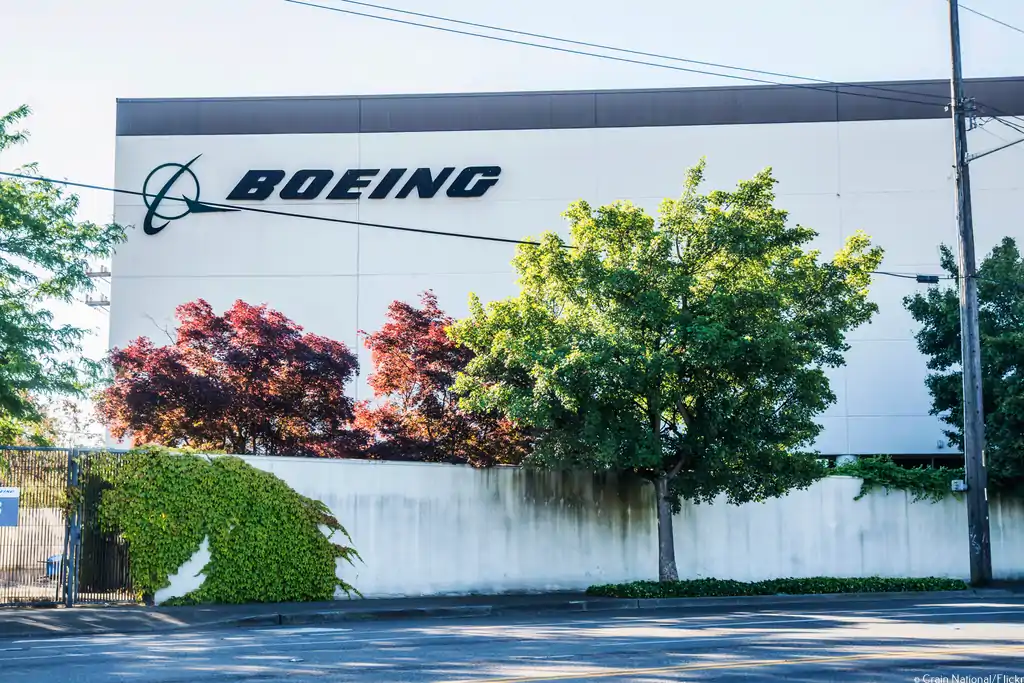
Boeing's Chief Financial Officer, Brian West, recently delivered a sobering forecast at the Wolfe Research Global Transportation and Industrials Conference. The U.S. planemaker is now expecting to burn cash rather than generate it in 2024. This downturn is primarily attributed to delayed deliveries and ongoing production challenges affecting Boeing's strongest-selling aircraft.
Negative Cash Flow Projections
West's revelation starkly contrasts with Boeing's optimistic March outlook, which predicted a positive cash flow in the low single-digit billions. This shift has significantly impacted investor confidence, causing Boeing's shares to plummet by 7.6%, closing at $172.21 on Thursday. S&P Global Ratings' airlines director, Ben Tsocanos, highlighted that this development has worsened the company's already modest 2024 outlook.
Production and Delivery Woes
Regulatory Scrutiny and Safety Concerns
Boeing's production slowdown is largely due to heightened scrutiny from regulators, airlines, and lawmakers. A notable incident in January, where a door plug blew off an Alaska Airlines jetliner mid-flight, has prompted the U.S. Federal Aviation Administration (FAA) to impose stringent oversight. The FAA has set a May 30 deadline for Boeing to submit a 90-day report addressing systemic quality-control issues. FAA Administrator Mike Whitaker emphasized the significant challenges ahead for Boeing in resolving safety concerns.
Delayed Deliveries to China
Compounding Boeing's problems are delays in deliveries to China. West confirmed a Reuters report that Chinese regulatory reviews of batteries powering the cockpit voice recorder have delayed recent plane deliveries. Boeing is currently collaborating with Chinese authorities to address these regulatory concerns.
Impact on Q2 Deliveries and Cash Flow
West stated that commercial jet deliveries would not increase in the second quarter compared to the first three months of the year. This stagnation is due to persistent supply chain and production issues, which have frustrated and disappointed customers. Consequently, Boeing anticipates second-quarter cash burn to align with or potentially exceed the $3.9 billion used in the first quarter. This projection marks a significant downgrade from West's earlier expectation of improved cash flow in the second quarter.
Boeing's Production Setbacks
737 MAX Production Slows
Boeing's 737 MAX jetliner production fell to single digits in April, far below the FAA's cap of 38 jets per month. This decline is attributed to workers slowing the assembly line near Seattle to complete outstanding tasks. The January Alaska Airlines incident on a new jetliner further prompted the FAA to restrict Boeing's production levels until the company addresses safety issues comprehensively.
Legal and Corporate Challenges
Justice Department Investigation
Boeing faces potential legal repercussions as the U.S. Justice Department decides by July 7 whether to prosecute the company for violating an agreement that previously shielded it from prosecution related to the 2018 and 2019 jet crashes. This decision could have significant implications for Boeing's operations and reputation.
Search for a New CEO
Amid these challenges, Boeing is also searching for a new CEO, as current CEO Dave Calhoun plans to step down by the end of the year. This leadership transition adds another layer of complexity to the company's efforts to navigate its current crises.
Strategic Moves: Potential Acquisition
Spirit AeroSystems Negotiations
In a strategic move, Boeing is negotiating to acquire 737 MAX fuselage supplier Spirit AeroSystems. West indicated that a deal might be possible in the second quarter, though the complexity and scale of the acquisition warrant careful consideration. Spirit AeroSystems, spun off from Boeing in 2005, now derives a portion of its revenue from Boeing's competitor, Airbus, which has its own stake in the negotiation outcomes.
Conclusion
Boeing's path forward in 2024 is fraught with financial, regulatory, and operational challenges. The company's efforts to address safety issues, manage production setbacks, and navigate legal complexities will be crucial in restoring investor confidence and stabilizing its financial outlook. As the situation evolves, stakeholders will closely watch Boeing's actions and strategic decisions to steer through this turbulent period.
With Inputs from Reuters
Comment