
In the world of aviation, advancements are continually being made to improve safety, efficiency, and reduce fuel consumption. One such significant development is the concept of Free Route Airspace (FRA).
Understanding Free Route Airspace (FRA)
Definition of Free Route Airspace
Free Route Airspace refers to a portion of the sky where aircraft are not confined to predefined airways. Instead, pilots are granted the flexibility to choose their optimal flight path, subject to certain restrictions and regulations. This concept allows airlines to plan more direct routes, avoiding unnecessary detours and air traffic congestion.
The Evolution of FRA
The idea of Free Route Airspace has been in development for several decades. It gained momentum as air traffic increased and the need for more efficient routes became apparent. Traditionally, aircraft were restricted to following fixed airways, often leading to longer flight times and increased fuel consumption. FRA emerged as a solution to tackle these challenges. Lets try to under with below example.

INTRO and ENTER are entry points in the sample FIR, ALTAV and EXITO are exit points, SNA is a VOR, and REKRA is an RNAV point. When FRA is adopted, the ATC flight plan processing system will accept green routes while rejecting red routes. Crossing a danger zone (INTRO-ALTAV) and the intended route not remaining within the FRA (ENTER-ALTAV) also causes refusal. The permitted routes can be either direct (e.g., ENTER-EXITO) or with intermediate points (navigational aids (SNA), published locations (REKRA), or arbitrary points (42°39'26" N, 23°22'42" E).
The Benefits of Free Route Airspace
Reduced Flight Times
FRA significantly reduces flight times by allowing airlines to chart more direct paths. Shorter routes mean quicker journeys, enhancing passenger satisfaction and lowering airline operating costs.
Fuel Efficiency and Emissions Reduction
With reduced flight distances, airlines can consume less fuel, which not only lowers operational expenses but also contributes to a decrease in greenhouse gas emissions. FRA is crucial in the aviation industry's efforts to combat climate change and promote environmental sustainability.
Enhanced Air Traffic Management
Implementing Free Route Airspace requires sophisticated air traffic management systems. These systems facilitate better coordination between air traffic controllers and pilots, leading to smoother operations and increased airspace capacity.
Cost Savings for Airlines
Shorter flight paths and decreased fuel consumption translate into substantial cost savings for airlines. These savings can be reinvested in improving services, upgrading fleets, or driving innovation within the industry.
Issues and Challenges
FRA, like any new technology or technique in aviation, presents a variety of obstacles to users. These do not outweigh the benefits, but they must be addressed effectively if FRA is to be efficient. These are some of the concerns and challenges:
- Conflicts may become more difficult to spot as they spread and the number of potential clashing locations increases.
- Changes in ATC's separation-providing techniques (for example, direct routes are less of an option for resolving conflicts because most aircraft utilize the most direct route available anyhow).
- When instructing the flight crew to resume their own navigation, vectoring aircraft plotting their course using points with geographical coordinates might cause complications.
- The need for a coordinated approach to FRA implementation - the efficiency gains will be seen only if FRA is deployed over vast regions and suitable precautions are taken to prevent aerodromes from becoming bottlenecks.
- Enhanced (system-supported) coordination between ANSPs is required if FRA spreads outside state borders.
- The use of odd/even levels, which is typically defined in the respective AIPs, may deviate from the standard assignment (i.e., odd=eastbound, even=westbound).
- Aircraft flying along sector borders - the possibility of separation loss in the event of departure from the scheduled path (e.g., due to weather) must be considered.
- Aircraft flying near special use areas (danger zones, TRAs, TSAs, and so on) with no built-in safety buffer.
- To effectively accommodate the additional traffic flows, sectorization may need to be optimised. This is an especially difficult challenge during a time-constrained FRA implementation.
- The lack of set pathways raises the likelihood of blind spots, both inside and around the area of responsibility.
Implementing Free Route Airspace

Collaboration Between Airspace Users and Authorities
The successful implementation of FRA relies on effective collaboration between airspace users, including airlines and air traffic management authorities. Cooperation and communication are essential to ensuring the seamless integration of FRA into existing airspace structures.
Navigation and Communication Technologies
Advanced navigation and communication technologies are required to enable pilots to navigate and communicate effectively within FRA. Satellite-based navigation systems, such as GPS, play a crucial role in this regard.
Safety and Regulations
While FRA offers flexibility to pilots, safety remains paramount. Strict regulations and procedures are in place to ensure aircraft adhere to safety standards and avoid potential conflicts in shared airspace.
UAE
From July 13, 2023, it will be applied in the OMAE/Emirates FIR above FL355.

It's not the entire FIR - the orange portion isn't FRA, and the other orange piece with all the routes isn't FRA - but the major airspace ( all around OMDB/Dubai and OMAA/Abu Dhabi).
Conclusion
Free Route Airspace is revolutionizing the way aircraft navigate the skies. FRA reduces flight times, lowers fuel consumption, and enhances air traffic management by providing airlines with the flexibility to choose optimal flight paths. It is a big deal for the aviation industry, as it improves operational efficiency and contributes to a greener and more sustainable future.
With Inputs from Euro Control, Skybrary, The Aviation Place

Read next

In a bid to meet the ever-increasing demand for commercial aeroplane pilots and foster diversity within the aerospace industry, Boeing has pledged to invest a significant sum of $950,000 in pilot training scholarships. This bold initiative aims to nurture and support aspiring aviators from various backgrounds, bringing fresh perspectives and innovative ideas to the skies.
Through strategic partnerships and philanthropic efforts, Boeing is set to create a pathway for enthusiastic individuals to soar to new heights in their aerospace careers.
The Urgency of Pilot Training Scholarship Investments
The demand for commercial aeroplane pilots has been steadily rising over the years, driven by an expanding global aviation industry and a surge in air travel. However, a concerning gap exists between the demand for pilots and the available talent pool. This situation necessitates focused efforts to bridge the gap and cultivate a skilled workforce that can efficiently navigate the skies.
Boeing's Scholarships: Fostering Future Aviators
Partnering with Aviation Organizations
Boeing's commitment to enhancing pilot training starts with allocating $500,000 to sponsor 25 scholarships through collaboration with five esteemed aviation organizations. These organizations are dedicated to nurturing and developing future pilots from diverse backgrounds. The partnership includes:
- Latino Pilots Association
- Aircraft Owners and Pilots Association
- Organization of Black Aerospace Professionals
- Women in Aviation International
- Sisters of the Skies
By supporting these organizations, Boeing aims to create a more inclusive and dynamic aviation community.
Empowering Minority Students Through Fly Compton
Recognizing the importance of empowering underrepresented communities, Boeing has earmarked $450,000 to support Fly Compton, a Los Angeles-based charity. The primary focus of this initiative is to encourage minority students in Compton to explore and pursue careers in aerospace. Through this investment, Fly Compton will be able to expand the number of flying training lessons available to adolescents in the neighborhood while also exposing them to various career opportunities related to aircraft design, production, and maintenance.
The Impact of Boeing's Investment
Boeing's substantial investment in pilot training scholarships is expected to have a transformative impact on the aerospace industry.
Diversifying the Aerospace Workforce
By collaborating with leading aviation organizations and investing in Fly Compton, Boeing seeks to increase diversity within the aerospace workforce. These efforts will open doors for individuals who may have previously faced barriers to pursuing aviation careers, fostering a more inclusive and innovative industry.
Addressing the Pilot Shortage
The pilot shortage is a global concern that threatens to impede the growth of the aviation sector. Through the provision of scholarships, Boeing aims to attract and nurture aspiring pilots, thereby replenishing the talent pool and mitigating the pilot shortage challenge.
Strengthening Communities
Boeing's partnership with Fly Compton not only enriches the aerospace industry but also strengthens the Compton community. By offering opportunities for local students to engage with aviation-related subjects, this investment fosters educational and career growth, ultimately uplifting the community as a whole.
Comments
"Demand for qualified and diverse pilots remains high at airlines around the world." While becoming a pilot provides a lifelong profession, access to training remains a barrier for many," said Ziad Ojakli, Boeing's executive vice president of Government Operations. "These organizations are assisting the next generation of pilots in realizing their full potential while also demonstrating to historically underrepresented communities in the industry that a career in aviation is possible."
"More women and individuals from diverse backgrounds are entering the pilot profession as a result of the mentorship and guidance that aviation organizations like these provide for early career professionals," asserted Chris Broom, vice president of Commercial Training Solutions for Boeing Global Services. "Their efforts to implement the necessary changes to remove social and financial barriers to entry are critical."
Conclusion
Boeing's $950,000 investment in pilot training scholarships reflects its unwavering commitment to building a thriving and diverse aerospace industry. By supporting aspiring aviators from different backgrounds, Boeing paves the way for a more inclusive and talented workforce that can navigate the skies with excellence. Through strategic partnerships and community-focused initiatives, this aerospace giant is set to leave a lasting impact on both the aviation industry and the lives of countless individuals.
With Inputs from Boeing
Read next

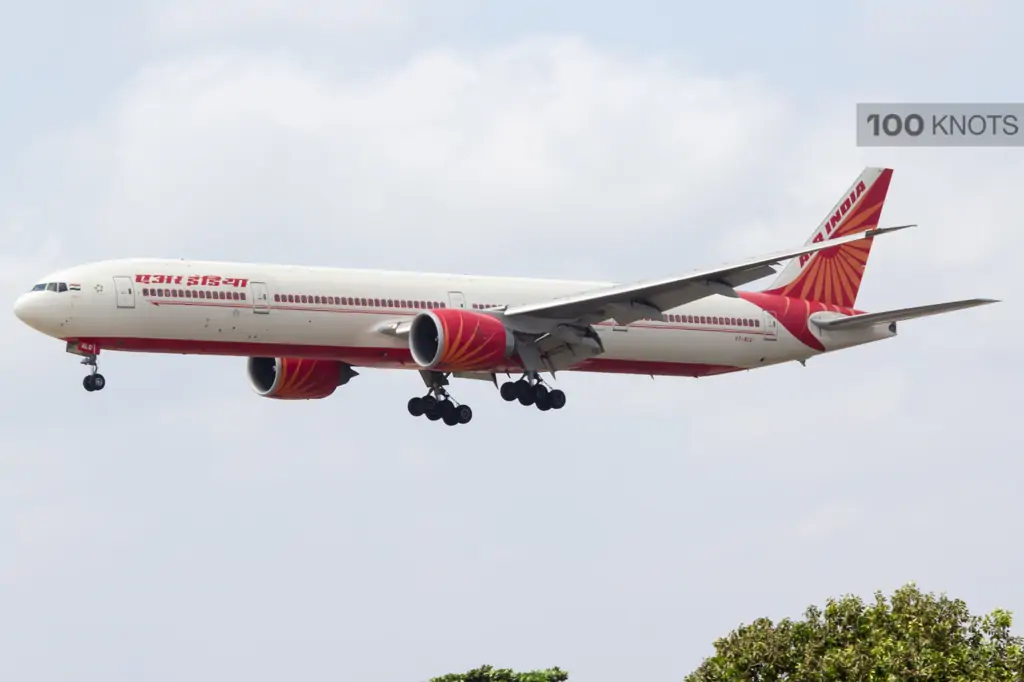
Air India plans to lease three Boeing 777 aircraft from Singapore Airlines to support its fleet modernization programme. This action, in addition to the current 11 B777s leased, intends to aid the progressive phase-out of the older 777-200 aircraft introduced in 2009, The Economic Times reported.
Due to their outdated cabins, which include deteriorating seats, damaged washrooms, and broken seat-back entertainment screens, the latter planes have over time angered passengers. Air India has formally confirmed the sale of these older planes to allay these worries.
The three Boeing 777-300 ER aircraft, which were retired by Singapore Airlines in 2021 as part of post-COVID-19 fleet changes, are well-kept and include four-class cabins. According to the report, this applies to first-class and premium economy portions. This feature is particularly notable since it supports Air India’s mission to improve passenger experience on extremely lengthy trips. On the other hand, B777-300 aircraft are flawlessly maintained and furnished with luxury economy seating. 264 seats further provide a larger yield. This update will give customers a more upscale and pleasant experience on longer trips.
Air India's fleet remains relatively small compared to other major airlines, with a current operation of 121 aircraft – 72 narrowbodies and 49 widebodies, according to Planespotters.net. Among the 49 widebodies, the fleet comprises 27 Boeing 787-8s and 22 777s, consisting of 14 777-300ERs and eight 777-200s. Of this, these -200s, five are ex-Delta aircraft leased in the last 12 months, while three are historic aircraft, the exact ones being replaced.
The Economic Times quoted a source within the industry, “The 777-200 models are fuel guzzlers, accommodating only 238 passengers. Refurbishing them would be impractical. On the other hand, these 777-300 aircraft are impeccably maintained and equipped with premium economy seating. Further allowing for a higher yield with 264 seats. This upgrade will provide passengers with a more premium and comfortable journey on the extended flights.”
Air India’s debut of premium economy seating comes at a time when established airlines are up against severe competition from new low-cost and Gulf-based carriers. Due to the difficulties brought on by the COVID-19 pandemic, several businesses have reduced their trip expenses. resulting in a further reduction in business-class travel. Air India aims to satisfy the needs of visitors on a restricted budget by providing a premium economy alternative. Additionally increasing overall fares and profitability. Air India is on pace to improve operational efficiency with these three brand-new aircraft. Improve customer satisfaction and adapt to the evolving travel industry.
Air India in June 2023 signed purchase agreements to acquire 470 aircraft from Airbus and Boeing, going one step further in its USD 70 billion (based on list prices) fleet expansion program that it announced in February this year. Air India’s firm orders include 34 Airbus A350-1000, six A350-900, 20 Boeing 787 Dreamliners and 10 Boeing 777X widebody aircraft, as well as 140 Airbus A320neo, 70 Airbus A321neo and 190 Boeing 737 MAX narrowbody aircraft.
Following its historic order, Air India finalized an order for more than 800 CFM LEAP engines to power the airline's new fleet of 210 Airbus A320/A321neos and 190 Boeing 737 MAX family aircraft. The deal also includes a multi-year services agreement covering the airline's entire fleet of LEAP engines.
(With Inputs from The Economic Times)
Read next
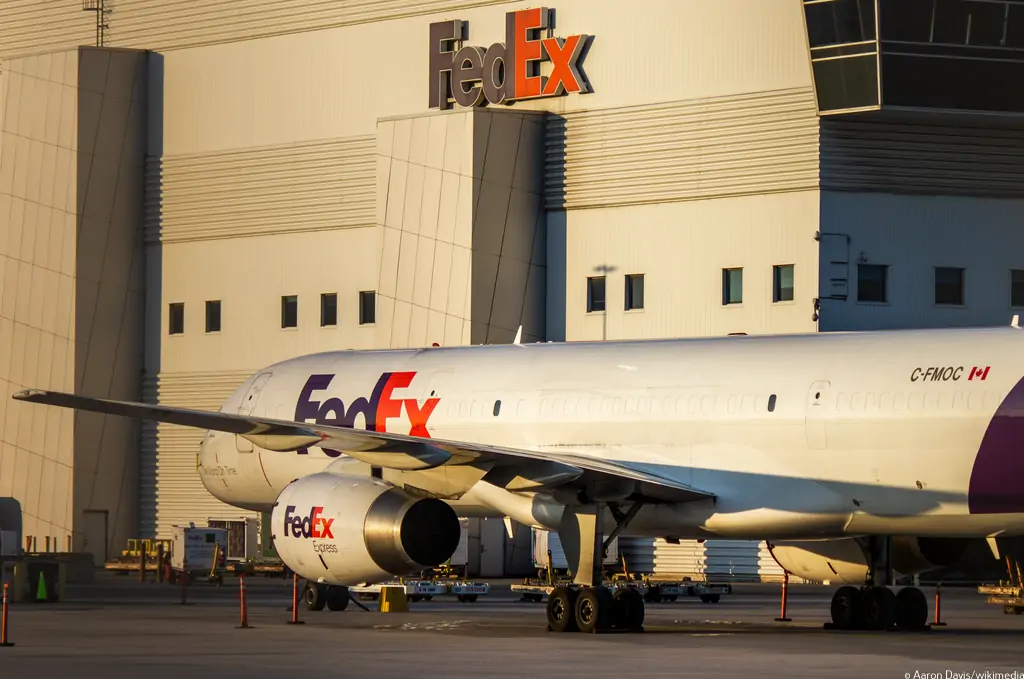
In a recent development, FedEx pilots have rejected a draught contract agreement with the package delivery firm. The decision has led to the initiation of discussions between the two parties, with the likelihood of the National Mediation Board overseeing the process.
The Air Line Pilots Association announced that its members voted 57% to 43% to reject the agreement. The reasons behind the rejection were not explicitly stated by the union. Nevertheless, this outcome has disappointed FedEx, although the company asserts that it will not impact its services.
The Background of the Disagreement
The FedEx pilots' rejection of the draft contract agreement marks a significant point in the ongoing negotiations between the company and the Air Line Pilots Association. These negotiations have been aimed at establishing mutually agreeable terms and conditions that govern the pilots' employment and benefits. As the discussions have unfolded, tensions and differing perspectives have emerged, leading to the drafting of the contract agreement.
"Our members have spoken, and we will now regroup," stated FedEx ALPA chair Captain Chris Norman in a statement. 6,000 FedEx pilots are represented by the union.
Understanding the Rejection
Insufficient Compensation and Benefits
One of the likely reasons behind the rejection could be related to compensation and benefits. Pilots, as essential personnel in the logistics and transportation industries, play a crucial role in the company's success. They may feel that the proposed contract did not adequately address their financial and benefit-related concerns. The proposed FedEx agreement includes a 30% salary rise and a 30% boost in the pilots' legacy pensions.
Working Conditions and Safety
Another aspect that might have contributed to the rejection is the issue of working conditions and safety. Pilots operate in demanding and high-stress environments, and they prioritize their well-being and that of their passengers and cargo. If they felt that the contract did not address their safety concerns or improve working conditions, it could have led to a negative vote.
Career Advancement Opportunities
Career advancement opportunities are vital for pilots who aspire to grow professionally within the company. If the proposed contract failed to outline a clear path for career progression or did not meet their expectations in this regard, it could have swayed the voting decision.
The Role of the National Mediation Board
The rejection of the draft contract agreement now brings the National Mediation Board into the picture. The board's primary role is to facilitate communication and mediate between the two parties to help them reach a resolution. By overseeing the discussions, the board can ensure that both sides have a fair chance to present their concerns and find common ground.
The Company's Response
FedEx expressed its disappointment regarding the pilots' decision to reject the agreement. However, the company remains committed to providing uninterrupted services to its customers. FedEx's ability to maintain its operations without any adverse effects demonstrates its determination to uphold its reputation as a reliable package delivery firm.
Conclusion
The rejection of the draft contract agreement by FedEx pilots has brought attention to the complexities of labor negotiations in the transportation industry. The decision to seek the involvement of the National Mediation Board indicates both parties' willingness to find a resolution. As discussions progress, the hope is that a new agreement will be reached—one that addresses the pilots' concerns while allowing FedEx to continue offering exceptional service.
With Inputs from Reuters
Read next
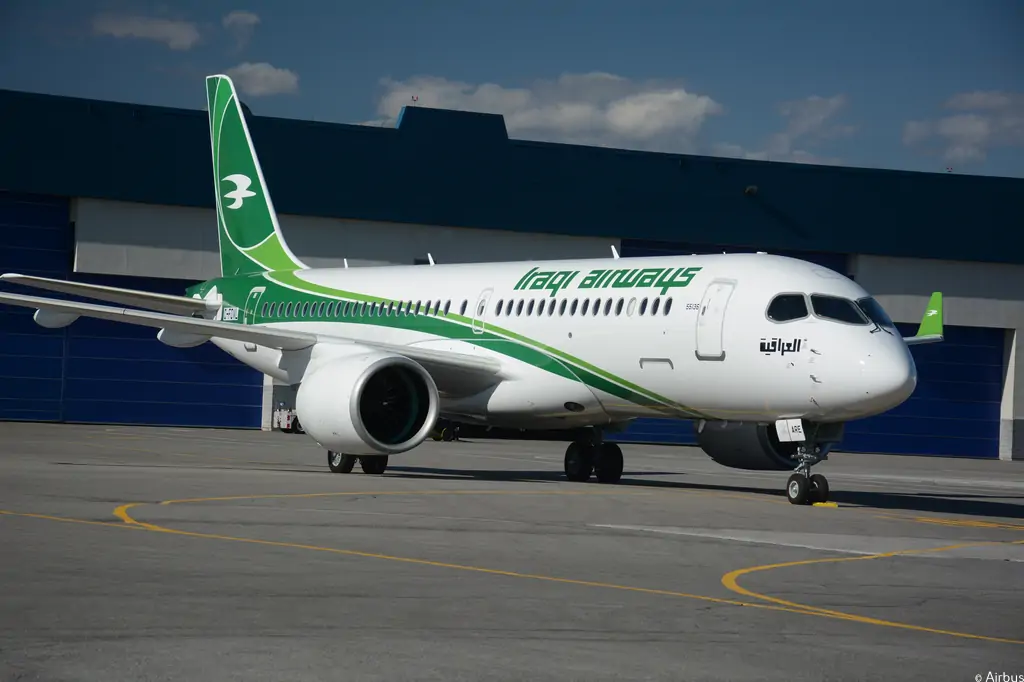
In recent times, Iraqi Airways, the national airline of Iraq, has been making waves in the aviation industry. With a vision to spread its wings further across the globe, the airline has set its sights on expanding its international services. The journey towards growth has been marked by significant milestones, including the renewal of its fleet.
According to a report by the country's local media outlet, Rudaw, Iraqi Airways has taken a decisive step forward by finalizing a purchase contract with both Airbus and Boeing. This contract paves the way for the acquisition of 31 new aircraft, signifying a new era of possibilities and potential for the airline.
The Ascent of Iraqi Airways: A Brief Overview
Before we delve into the recent developments, let us take a moment to understand the historical context and growth trajectory of Iraqi Airways. Established in 1945, the airline has witnessed ups and downs, yet it has remained resilient throughout the years. With a strong determination to overcome challenges, Iraqi Airways has continuously evolved and adapted to meet the changing demands of the aviation industry.
Soaring Towards International Expansion
Connecting Iraq to the World
The quest for international expansion stems from the desire to connect Iraq with the rest of the world. Iraqi Airways aims to serve as a bridge, facilitating travel and fostering business and cultural exchange between Iraq and various destinations worldwide.
Tapping into Untapped Markets
Expanding international services allows the airline to tap into previously untapped markets. By identifying emerging travel routes, Iraqi Airways can seize new opportunities for growth, contributing to the nation's economic development.
Enhancing the Air Travel Experience
As Iraqi Airways extends its reach globally, it aims to enhance the overall air travel experience for passengers. By offering more diverse routes, the airline seeks to provide travelers with greater convenience and accessibility.
Revamping the Fleet: A Transformational Step
A Modern Fleet for a Bright Future
In an endeavor to elevate its services, Iraqi Airways has undertaken the task of renewing its fleet. This strategic move not only enhances operational efficiency but also ensures a superior and safer flying experience for passengers.
Collaborating with Airbus and Boeing
The recent purchase contract with Airbus and Boeing signifies a turning point for Iraqi Airways. By acquiring 31 new aircraft from these reputable manufacturers, the airline is bolstering its fleet with the latest technologies and innovations in the aviation industry.
However, no specifics about the jets the airline hopes to purchase have been divulged. Maitham al-Safi, Director of Media, and Iraqi Government Communication, informed Rudaw: "The Ministry of Transportation struck a contract with Boeing and Airbus to acquire new aircraft... and 31 contemporary aircraft will be delivered consecutively through the end of 2027."
With the purchase contract, Iraqi Airways will acquire new Boeing 737 MAXs, Airbus A220s, and a 787 Dreamliner, according to al-Safi. According to ch-aviation.com, Iraqi Airways currently operates 39 aircraft in its fleet, with an average age of 11.2 years.
Embracing Sustainability
Alongside technological advancements, Iraqi Airways is committed to embracing sustainability practices. With newer, more fuel-efficient aircraft, the airline aims to reduce its carbon footprint and contribute positively to environmental preservation.
Navigating Challenges and Opportunities
Addressing Operational Challenges
With expansion comes challenges, and Iraqi Airways is well aware of the obstacles it may encounter. From logistics to regulatory compliance, the airline is determined to navigate these challenges effectively, ensuring seamless operations.
Cultivating a Customer-Centric Approach
A vital aspect of growth lies in nurturing a customer-centric approach. Iraqi Airways understands the significance of delivering exceptional services to passengers, building lasting relationships, and fostering loyalty.
Seizing the Digital Frontier
In today's digital age, staying technologically updated is crucial for success. Iraqi Airways is investing in digital solutions to streamline processes, enhance online booking experiences, and engage with customers in innovative ways.
Conclusion
As Iraqi Airways embarks on this ambitious journey of expansion, it stands at the cusp of a new era in aviation history. The acquisition of 31 new aircraft, coupled with a customer-focused approach, signifies the airline's commitment to growth, excellence, and sustainability. Iraqi Airways' dedication to connecting Iraq with the world while embracing cutting-edge technologies sets a promising course for the future.
With Inputs from Rudaw
Comment