
Virgin Australia Reaches Pay Deal with Cabin Crew Unions, Averts Year-End Travel Disruptions

Abhishek Nayar
15 Dec 2023
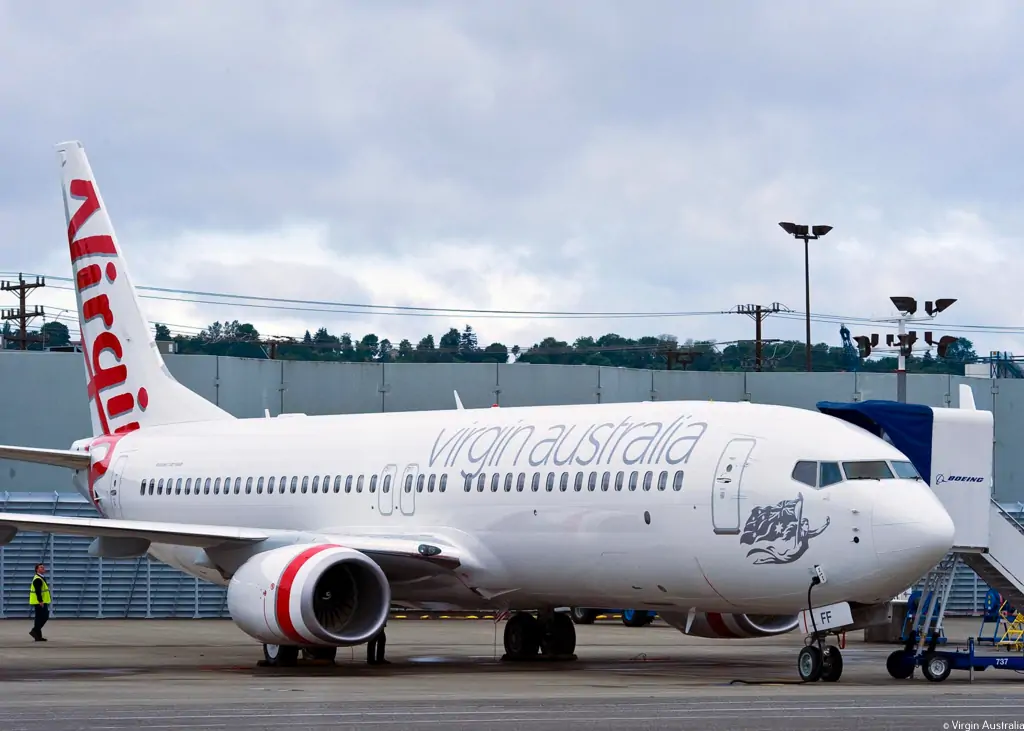
In a significant development, Virgin Australia announced on Thursday, December 14, 2023, that it has successfully reached an in-principle pay deal with unions representing its cabin crew, averting potential strikes that had loomed over the busy end-of-year travel season. The agreement comes after negotiations with the Transport Workers' Union of Australia (TWU) and the Flight Attendant's Association of Australia (FAAA).
The Terms of the Agreement
The agreed-upon terms involve substantial salary increases of 15% or more over a span of three years, contingent on an employee's skill set and tenure within the airline. Virgin Australia emphasized that the overall cost of this agreement aligns with those reached with other work groups, ensuring fairness and consistency in its compensation structure.
Union Threats and Negotiations
Earlier in the month, cabin crew members of Virgin Australia had overwhelmingly voted in favor of potential 24-hour stoppages should an agreement not be reached. This move was communicated through statements from the TWU and FAAA. The unions had been pushing for improved pay and working conditions for the cabin crew, and the threat of strikes added pressure on Virgin Australia during a crucial period for the aviation industry.
Financial Context and Industry Landscape
The announcement follows Virgin Australia's declaration in October 2023 that it had returned to profitability for the first time in 11 years for the fiscal year. The airline attributed this success to a robust recovery in travel demand post the COVID-19 pandemic. As the aviation sector strives to bounce back, securing labor agreements that balance the needs of both employees and the company is critical for sustained growth.
Relief for All Parties
"With the peak season upon us, it's a relief for everyone that protected industrial action won't be needed. Good, secure jobs are the answer to rebuilding aviation," stated the TWU in a released statement. The resolution is not only a positive outcome for the airline but also for the employees and travelers who can now experience uninterrupted services during the year-end travel rush.
Conclusion
The successful negotiation of the Cabin Crew Enterprise Agreement demonstrates the importance of constructive dialogue between airline management and unions to ensure the smooth functioning of the aviation industry. As the travel sector continues its recovery, such agreements contribute to the overall stability and sustainability of airlines, paving the way for a brighter future for both employees and the companies they serve.
With Inputs from Reuters
Read next
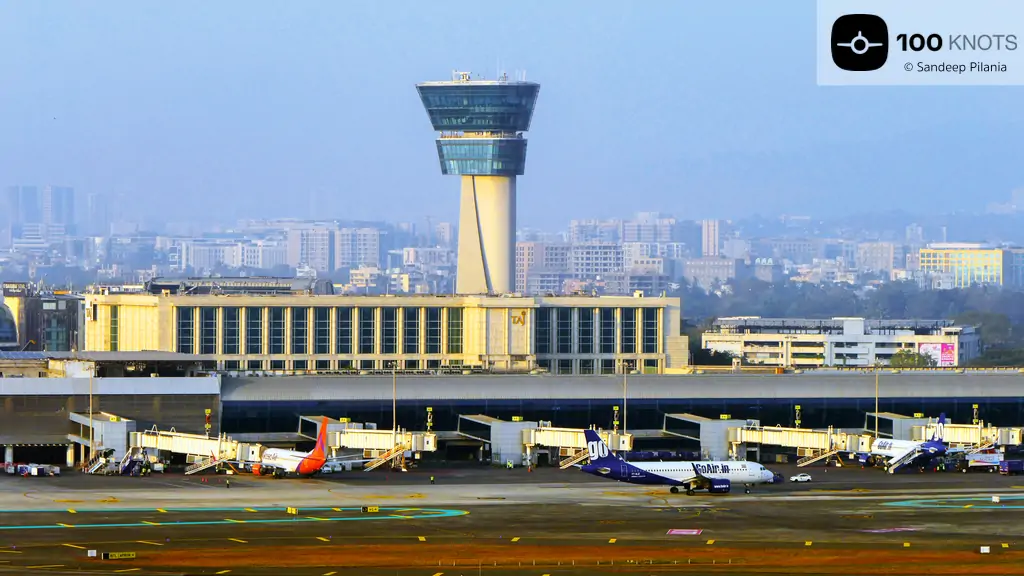
In a dynamic shift in the aviation industry, airlines are strategically positioning themselves for growth, with a focus on both domestic and international expansion. A notable example is Singapore Airlines' low-cost carrier, Scoot, which recently resumed daily flights between Chennai and Singapore, signaling a renewed interest in the Indian market. This move follows a trend where airlines worldwide are enhancing their fleets and adding new routes.
Scoot's India Expansion: Unlocking Tier-2 Cities

Scoot's General Manager for India and West Asia, Brian Torrey, revealed the airline's plans to expand its presence in India, particularly in tier-2 cities. The airline is carefully evaluating different destinations, emphasizing the importance of unlocking these markets in the right order. The recent restart of flights to Chennai is seen as a strategic move, with Torrey expressing excitement about having a key metro like Chennai in Scoot's market.
Global Trends in Fleet Expansion
Scoot is not alone in its expansion endeavors. Globally, airlines are making substantial investments in their fleets. At the Dubai Air Show, Emirates finalized a monumental deal with Boeing, acquiring 90 Boeing-777 aircraft for a staggering 52 billion dollars. Similarly, Air India and Indigo have announced multi-billion-dollar deals, showcasing a confidence in the growth potential of the aviation sector.
Distinguishing Factors in Fleet Expansion
Experts highlight a distinction between orders placed by Indian carriers and international giants like Emirates. While India's aviation sector is experiencing significant growth, VK Mathews, Chairman at IBS Software Services, points out that a considerable portion of Emirates' capacity increase is due to the replacement of existing aircraft. In contrast, Indian carriers like Indigo are not only adding aircraft but also expanding their route networks.
Indigo's Strategic Moves
Indigo, for instance, has not only increased its fleet size but has also added 20 new destinations in the last six months. The inclusion of international connections like Almaty, Nairobi, Baku, and Tbilisi reflects a proactive approach to tap into emerging markets. The latest additions of Hyderabad, Ahmedabad, and Goa indicate a comprehensive strategy to strengthen both domestic and international operations.
Outbound Travel Surge
The surge in outbound travel from India is a key driver influencing these strategic decisions. Despite a 45% increase in aviation turbine fuel costs, a Ministry of Tourism report highlights a remarkable 37.9% year-on-year growth in outbound travel for January-July 2023. Destinations such as Sri Lanka, Thailand, and Vietnam easing visa regulations for Indian travelers further contribute to the upward trend.
Online Travel Agencies' Perspective
Online travel agencies are witnessing a substantial increase in both the overall ticket price per booking and the number of travelers. Hari Ganapathy, Co-Founder of PickYourTrail, notes a remarkable 30 to 35 percent year-on-year growth in the number of orders, outpacing the market. This growth indicates a robust demand for travel, aligning with the broader trends in the aviation industry.
Conclusion
With airlines actively expanding their fleets, exploring new routes, and tapping into emerging markets, the aviation landscape in India is undergoing a transformative phase. The surge in outbound travel, despite economic challenges, demonstrates a resilient demand for air travel. As the industry continues to evolve, stakeholders are keenly watching how these strategic moves will shape the future of aviation in India. The skies, it seems, are no longer the limit for the nation's aviation ambitions.
With Inputs from CNBC TV18
Read next
Air India Ordered to Pay INR 2 Lakh to 4 Passengers Over Multiple Flight Delays

Radhika Bansal
14 Dec 2023
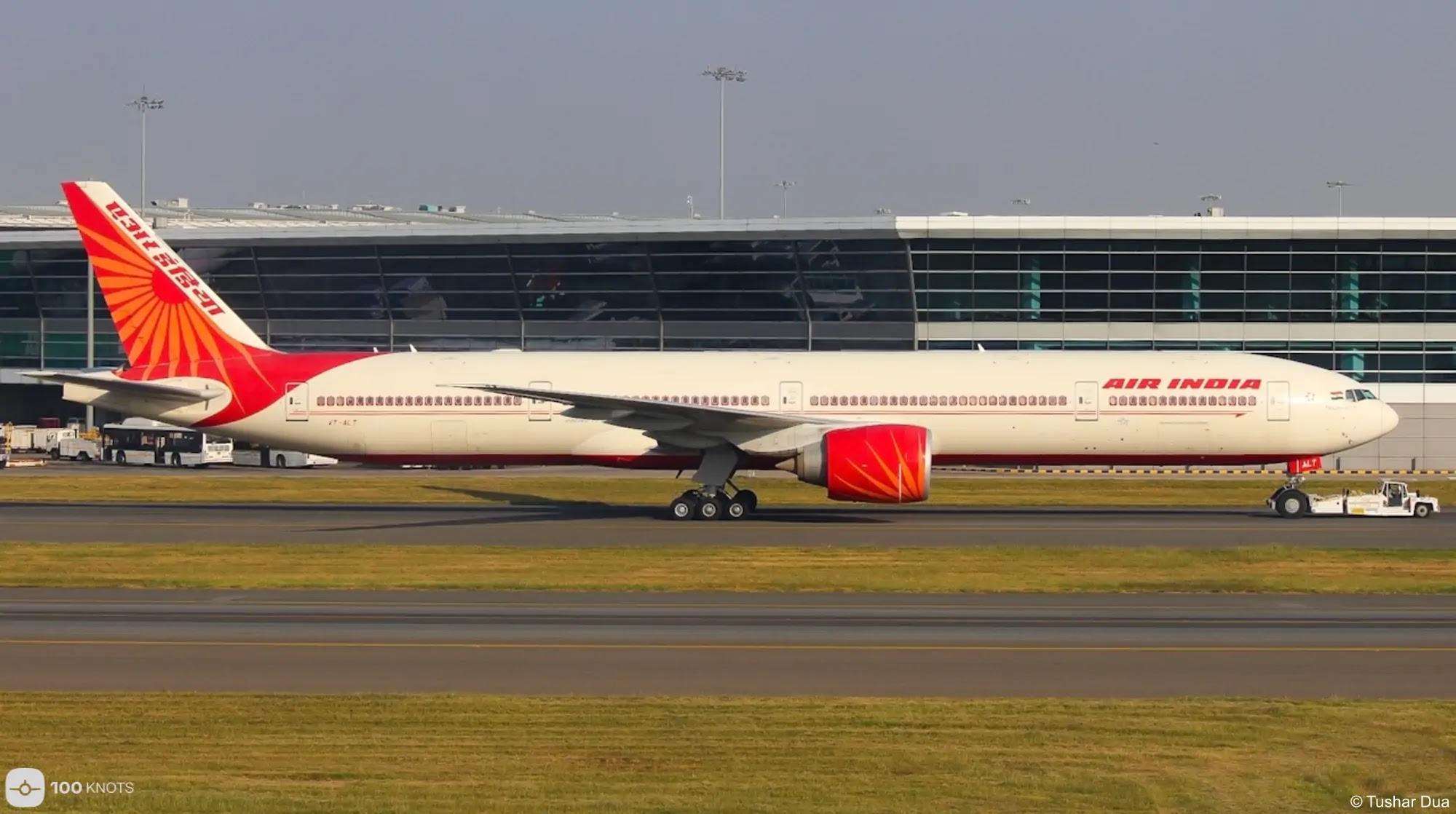
The National Consumer Disputes Redressal Commission (NCDRC) ordered Air India to pay INR 2 lakh in compensation to four passengers whose flights were delayed in 2003.
“Airlines are duty bound to take care of such stranded passengers, many of whom miss the connecting flights, especially when these connecting flights are by the same carrier, as is the present case,” the NCDRC said in its order. It added that in the event of flight cancellations or major delays, passengers are entitled to necessary services like hospitality, food, accommodation, and transport under established airline protocols.
Declaring Air India guilty of failing to fulfil these obligations, the commission increased the compensation to INR 1.75 lakh (total for all four complainants) and granted a litigation cost of INR 25,000 to be paid by Air India to the complainants.
The airline attributed the disruptions to technical reasons without providing specific details. The NCDRC, however, held that the airline should have provided detailed reasons for the delays rather than a general statement. It further held that if there are confidential reasons affecting safety, they should have been submitted in a sealed cover to the Commission.
The NCDRC said the airline cannot rely on “unilaterally determined rules" without granting reasons for the delay. The commission further said the airline is also obligated to provide timely information to passengers about delays, diversions, re-routing, or cancellations, citing valid reasons, including factors like bad weather conditions, among others.
What Happened in 2003?
On December 13, 2003, the complainants purchased four separate air tickets for a trip from Thiruvananthapuram to Chennai, Chennai to Kolkata, and subsequently Kolkata to Dibrugarh, intending to return. The Thiruvananthapuram-Chennai flight faced delays, got diverted through Coimbatore, and landed late at Chennai, causing the complainants to miss their connecting flight.
Despite the airline's assurance of a 6 AM departure from Bangalore to Kolkata, alternative arrangements were unexpectedly made at midnight, alleged the complainants.
The passengers also complained of poor food provided at the accommodation arranged by the airline. Furthermore, the connecting flight from Delhi to Dibrugarh did not reach Kolkata, resulting in a prolonged ordeal without facilities. Eventually, the flight to Dibrugarh was cancelled, causing significant distress to the complainants. They reached Dibrugarh a day late. Despite the airline offering free tickets, the complainants filed a complaint with the district forum.
Read next
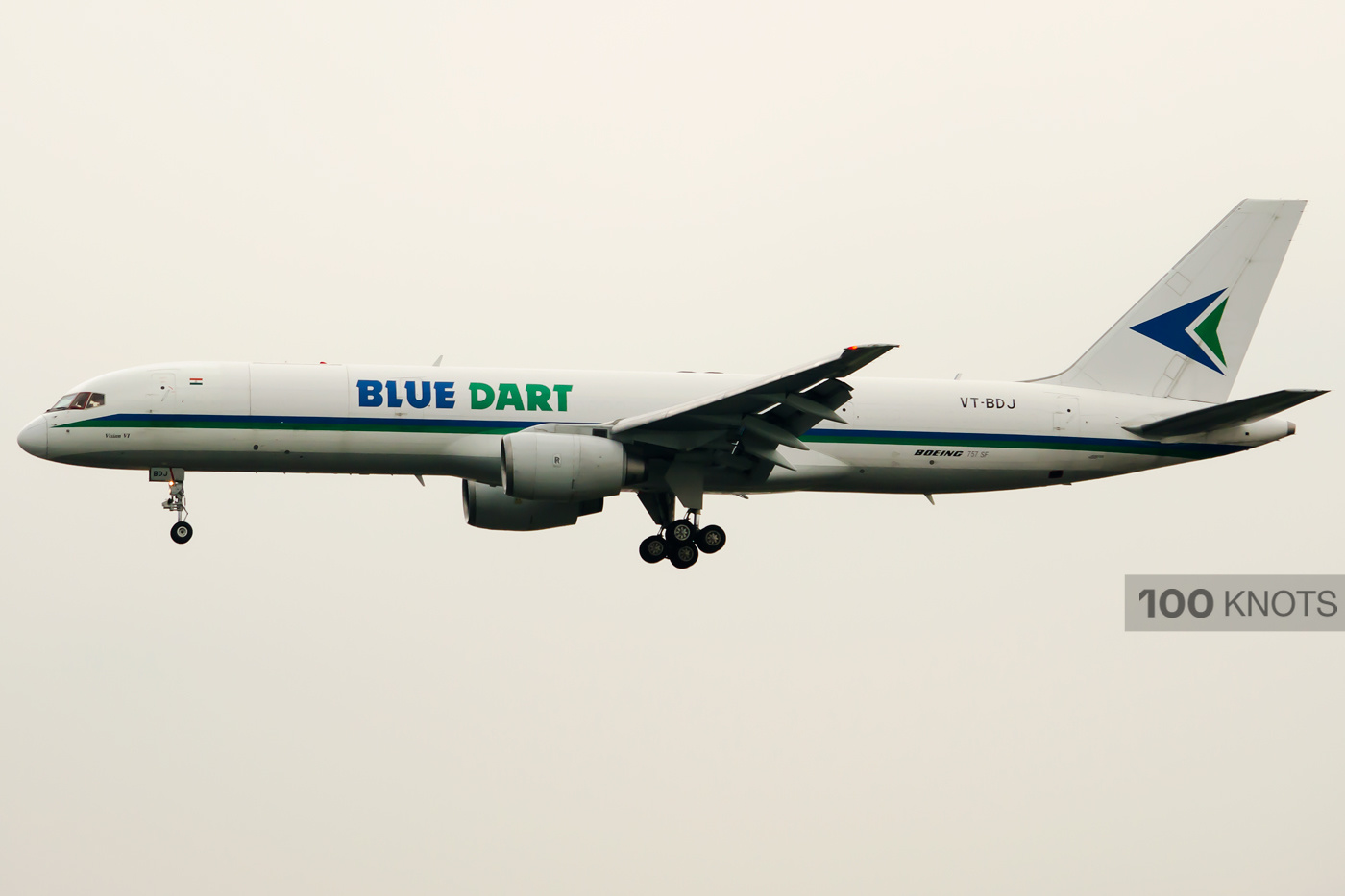
Blue Dart Express’ share price rose 2.3% in the early trade on December 11 after its subsidiary purchased two leased aircraft. These two aircraft are being operated on lease by Blue Dart Aviation.
At 09.29 AM, Blue Dart Express was quoting at INR 7,562.10, up INR 176.60, or 2.39%, on the BSE.
"The board of directors have noted and approved the purchase of two leased aircraft by Blue Dart Aviation Ltd. (BOAL), a wholly-owned subsidiary of the company from DHL Aviation (Netherlands) B.V. (DHL NL), a fellow subsidiary company for an amount of approximately INR 40 crore," the company said in a statement to the media.
In November, the company announced its plans for nationwide expansion with the inauguration of 40 new franchisees and company-owned retail outlets. Strategically positioned in cities like Kolkata, Delhi and Mumbai, this expansion indicates a significant step towards strengthening Blue Dart's connectivity across the nation, the company said in a statement.
The company in its regulatory filing on September 30, announced a decision to implement a general price increase, effective January 2024. The price increase will be 9.6% as compared to 2023, depending on the shipping profile.
Blue Dart's Finances Flying High
In the quarter that ended September 2023, the company posted a 22.5% decline in net profit at INR 71.29 crore.
Blue Dart Express Ltd’s revenue decreased by 0.07% from INR 1,325 Crore in Q2FY23 to INR 1,324 Crore in Q2FY24. During the same period, net profit decreased by 22% from INR 94 crore to INR 73 Crore. The sector’s compound annual growth rate (CAGR) is expected to increase from 7.8% over the preceding five years to 10.5% through 2025, according to the Investment Information and Credit Rating Agency of India (ICRA).
Blue Dart is an express air, integrated transportation & distribution company, offering delivery of consignments across India.
The share touched a 52-week high of INR 7,934 on January 2, 2023, and a 52-week low of INR 5,633 on May 8, 2023. The stock is trading 4.69% below its 52-week high and 34.25% above its 52-week low.
Blue Dart Express Ltd operates 6 Boeing 757-200 and 2 Boeing 737-800 aircraft and is present in over 55,400 locations worldwide. Blue Dart keeps up its national support by offering the best service possible throughout the huge and varied geographical area of India. Over 3,273.71 lakh domestic shipments and 8.23 lakh international shipments, totalling more than 11,54,000 tonnes were transported by Blue Dart throughout the year.
Read next
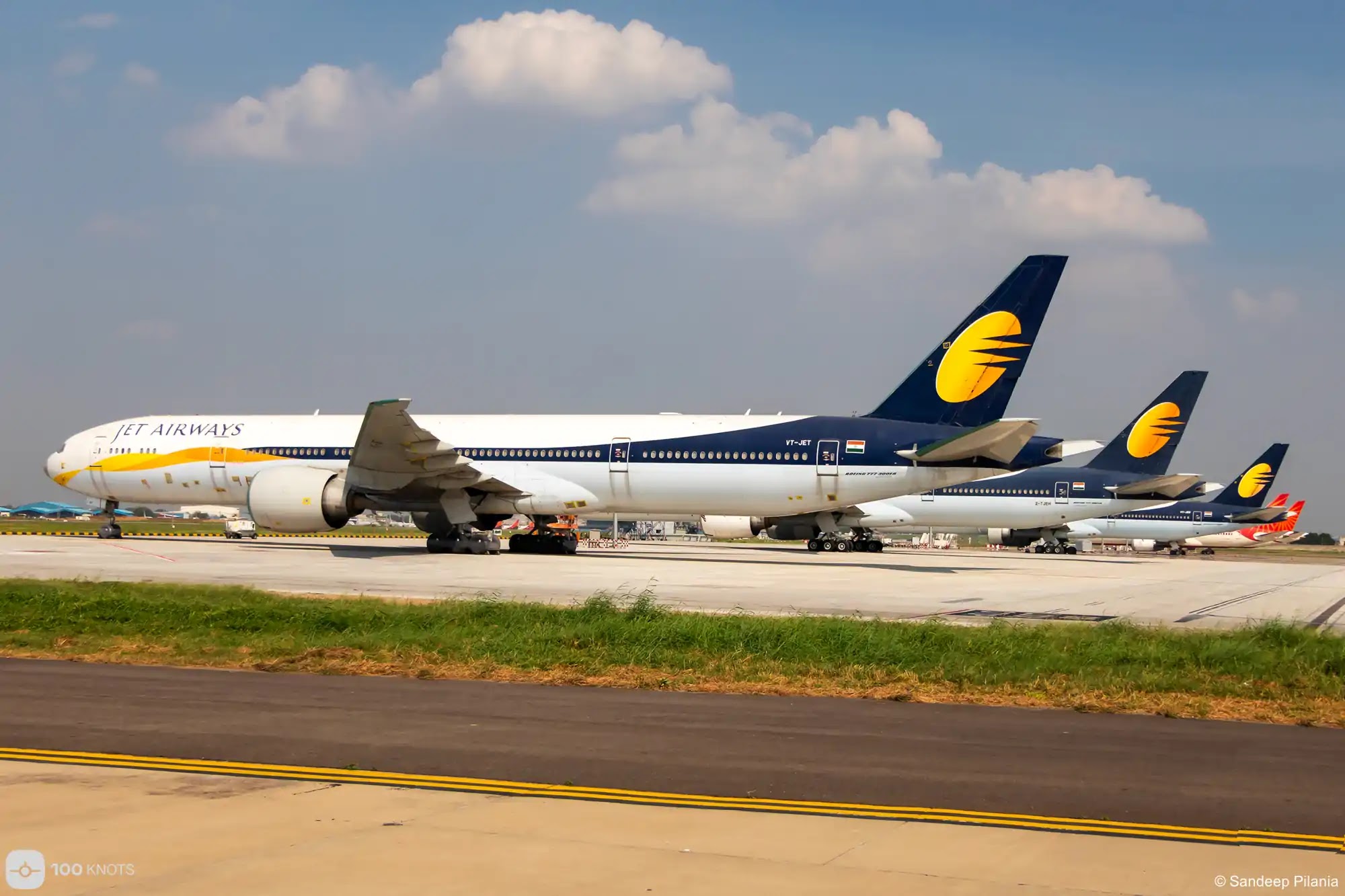
On December 12, the National Company Law Appellate Tribunal (NCLAT) set aside judgment in an appeal filed by the Jalan Kalrock Consortium (JKC), contesting the National Company Law Tribunal's (NCLT) order requesting that the airline's monitoring committee resume and complete the sale of Jet Airways aircraft.
JKC is the successful resolution applicant of Jet Airways tasked with reviving the airline. The all-India Jet Airways Officers and Staff Association have also filed an appeal against NCLT's judgment.
During the hearing, senior advocate Krishnendu Dutta, who appeared for JKC, argued that the NCLT's order was beyond its jurisdiction as the sale of the aircraft was not within its purview. According to Dutta, the NCLT has ordered the 'specific performance' of a contract under the civil procedure code, which it could not have while deciding an issue about the Insolvency and Bankruptcy Code (IBC).
He further argued that the sale was brought to a halt owing to a disagreement in the Monitoring Committee (MC), which includes JKC, lenders and banks among others and added that the prospective buyer could not have moved the NCLT for such an order. He contended that the lenders are obstructing JKC from every angle. Lawer Abhijeet Sinha, also appearing for JKC, told the court that the lenders were deterring JKC from taking over the airline in full swing.
Senior advocate Ritin Rai, who appeared for Ace Aviation, the prospective buyer, argued that aircraft as an asset depreciate fast and the longer the sale is delayed, the less usable it becomes. Furthermore, he told the appellate tribunal that the NCLT had directed the sale proceeds of INR 400 crore to be deposited in an escrow account and the warring parties may decide among themselves as to how to distribute the same.
Additional Solicitor General (ASG) Venkatraman, who appeared for the lenders argued that JKC is 'neither letting the aircraft fly nor letting the resolution plan to take off.' According to the ASG, the lenders have been incurring costs for the airline over the last few years and they are now losing public money to keep it afloat. Furthermore, Venkatraman told the court that the lenders will also be forced to pay the airport charges running into hundreds of crore.
Sale of Jet Airways' Aircraft
The aircraft sale process was put on hold in November 2022 owing to a deadlock in the monitoring committee comprising representatives of the financial creditors, the successful resolution applicant (Jalan Kalrock Consortium) and the resolution professional. It emerged that while the airline's lenders were aggregable for the sale of the aircraft, the consortium and the erstwhile workmen were opposed to it.
The airline's workers have also opposed the sale, citing unpaid gratuities and provident fund dues, fearing the sale would harm their interests. The former Resolution Professional of the airline has clarified that sale proceeds would go into escrow for equitable distribution. Lenders, however, advocate the sale, stressing the urgency due to mounting airport dues and the wastage of public funds. They informed the tribunal that they have incurred about INR 900 crore in airport dues, emphasizing the need for quick action.
According to the workmen, the aircraft could not be sold as they have a lien over the aircraft towards non-payment of their gratuity and provident fund dues.
The NCLT directed the committee to "Reinitiate the process and conclude the sale of the aircraft after taking into consideration the applicant as one of the eligible bidders." In 2022, Malta-based Ace Aviation's letter of intent to buy four Boeing 777 aircraft has already been accepted by the monitoring committee.
The issue with Ace Aviation
Ace Aviation had earlier said that the delays in the sale of the aircraft may force it to look at other options. Ace had already invested INR 50 crore towards buying the aircraft and was ready to invest another INR 350 crore.
Ace Aviation, a Malta-based company associated with the Challenge Group, had sought the intervention of the insolvency court after the monitoring committee of Jet Airways temporarily suspended the aircraft sale amid legal conflicts involving Jalan Kalrock Consortium and its lenders.
The dispute relates to a 2022 agreement between Malta-based special purpose vehicle Ace Aviation and the monitoring committee, in which Ace has responded to a solicitation from the committee to buy three B777-300ER. Ace submitted a letter of intent (LOI) to purchase the planes, which the monitoring committee accepted. However, in November 2022, the committee deferred the sale because of ongoing disagreements with the Jalan Kalrock Consortium (JKC), the entity trying to complete the purchase of Jet Airways.
Ace Aviation, owned by Challenge Airlines BE has since attempted to enforce the LOI, and approached the appellate court in August 2023 after the Delhi bench of the National Company Law Tribunal (NCLT) rejected an application to purchase the planes in July.
On 29 September, JKC said it had fulfilled the financial commitment of INR 350 crore and the new promoters are determined to resume operations of the airline in 2024. JKC had completed the transfer of money to the lenders as per NCLAT's directive instruction. According to the payment schedule, approved by the NCLAT on 28 August, JKC was required to pay INR 200 crore to the lenders.
The NCLAT had instructed them to pay the due amount of INR 350 crore by 30 September, with INR 150 crore to be encashed from the performance bank guarantee. However, lenders voiced concerns about the consortium's source of funding, hinting at potential money laundering on 4 October.
Jet Airways stopped flying in April 2019 after running into financial difficulties. However, ownership transfer has been hanging fire amid continuing differences between the lenders and the consortium. On 22 June 2021, the NCLT approved the resolution plan for Jet Airways.
Read next
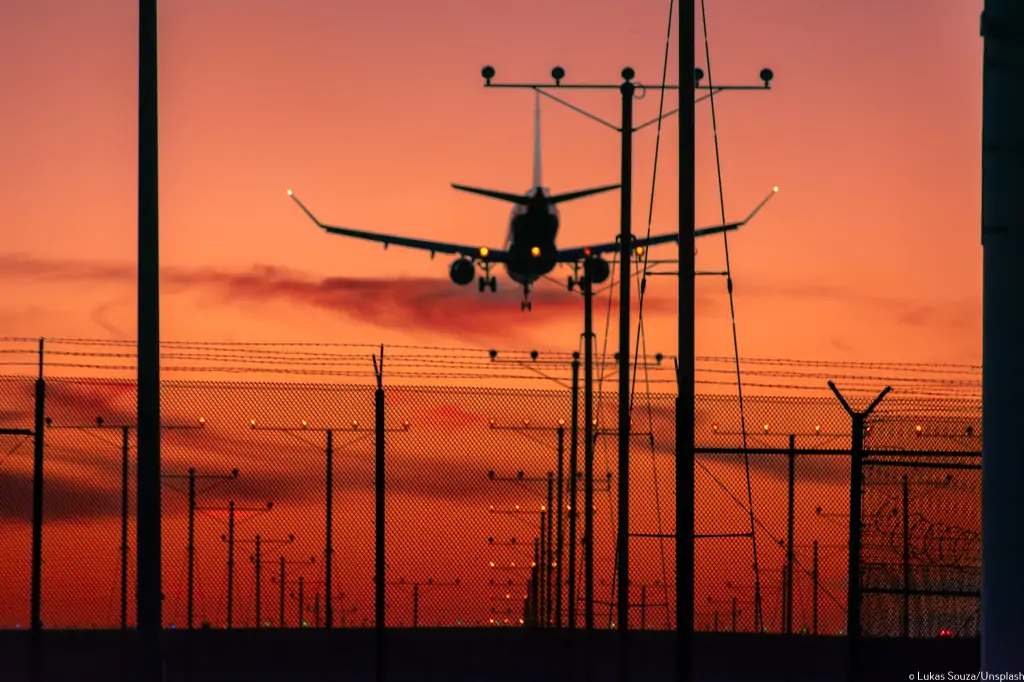
In the dynamic world of aviation, the ability to land safely in adverse weather conditions has been a longstanding challenge. Autoland systems, a technological marvel, have evolved over the years to address this issue, ensuring that airplanes can land smoothly even when visibility is extremely poor. This article explores the history, functionality, and recent concerns surrounding autoland systems in commercial aviation.
History of Autoland Systems: Pioneering a Solution

Research into autoland systems began in the post-World War II era, when the expansion of commercial aviation faced challenges from bad weather and low visibility. The Blind Landing Experimental Unit (BLEU) in the UK played a pivotal role in developing early autoland capabilities. The integration of Instrument Landing System (ILS) and autopilot systems in military and commercial aircraft marked the inception of autoland technology in the 1960s.

What is Autoland?
Autoland is a digital system embedded in aircraft avionics that enables the airplane to descend, decelerate, and land autonomously without manual manipulation by the pilots. It is activated when visibility drops below 300 meters or 1,000 feet, and the airport and aircraft are certified for its use. Autoland prevents delays and diversions, particularly in situations where pilots find it challenging to make a manual approach due to poor weather conditions.
How Does the Autoland System Work?

Autoland relies on independent autopilot systems that receive information about the plane's position, height, and trajectory in relation to the runway. The ILS provides lateral and vertical guidance, while a Radio Altimeter confirms the aircraft's height above the ground. The system continuously adjusts flight controls multiple times per second, compensating for external factors like wind and turbulence. Activation, monitoring, and deactivation of the autoland system remain under the oversight of the pilots.
Types of Autoland Systems: Fail Passive & Fail Operational
Autoland systems are categorized into Fail Passive and Fail Operational. Fail Passive systems ensure minimal deviation if one autopilot malfunctions, with the non-malfunctioning autopilot taking control. Fail Operational systems, more advanced, continue automatic landing even if one autopilot fails, requiring redundant autopilot systems for enhanced safety.
When is Autoland Used?

Autoland is deployed when forward runway visibility drops below 1000ft/300m, and the ILS for the runway is at least a Category III. It is approved by air traffic control, and pilots can choose to activate the system based on the prevailing weather conditions. Different ILS categories dictate the capabilities of autoland, with most operations occurring in Cat IIIB & IIIC ILS conditions.

How Often Do Pilots Use Autoland?
Autoland is a rarely used feature, as poor weather conditions exist only at specific airports and times of the year. Pilots practice autoland operations regularly, but actual auto landings are infrequent. The preference for manual landings stems from the pilot's desire for safety and smoothness, as autoland tends to result in firmer landings.
Recent Concerns: C-band 5G and Autoland Systems
The recent rollout of C-band 5G cellular networks has raised concerns about potential interference with radio altimeter equipment used in autoland systems. This led to the disabling of autoland systems at 100 US airports to ensure the safety and reliability of the landing process.
Conclusion
Autoland systems represent a critical advancement in aviation technology, ensuring that flights can land safely in challenging weather conditions. While the technology has a rich history and a track record of safety, recent concerns highlight the need for ongoing vigilance and adaptation to emerging technologies. As aviation continues to evolve, the collaboration between technology developers, regulators, and airlines remains essential to maintaining the highest standards of safety and reliability in autoland systems.
With Inputs from Flight Deck Friend, Pilot Teacher
Comment