
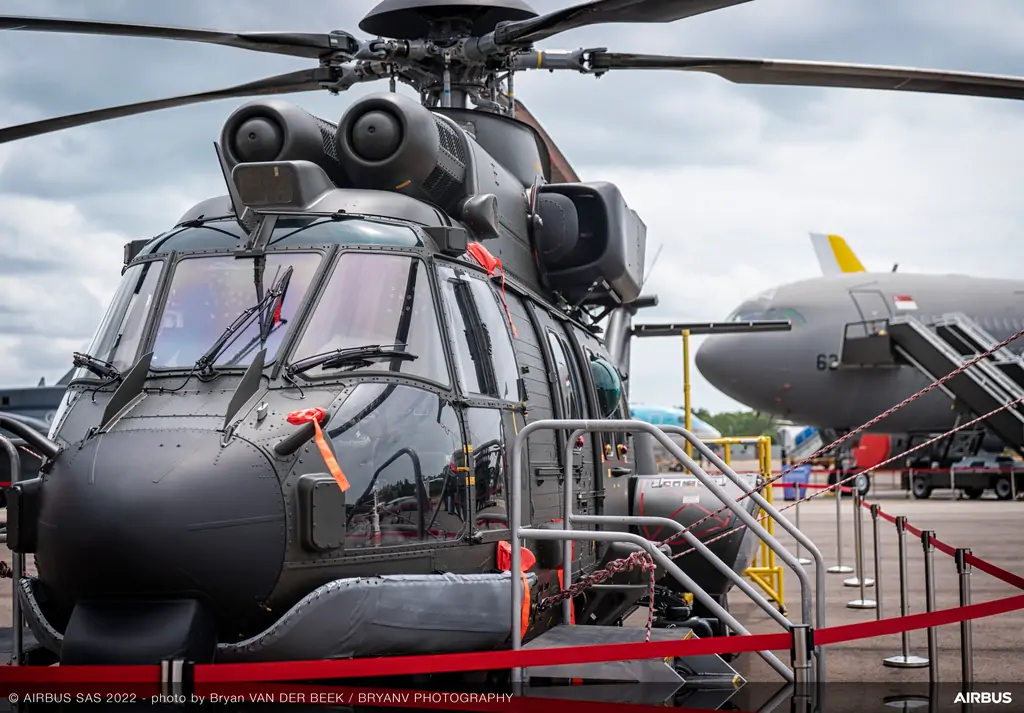
The United Arab Emirates (UAE) has just decided to terminate its Airbus H225M helicopter contract, according to Breaking Defense. The cancellation of this large defence deal has raised eyebrows in the defence sector, and it has repercussions for both the UAE and Airbus.
Causes of the Cancellation
The UAE's decision to terminate the Airbus H225M helicopter purchase might have been influenced by a number of factors. In the words of Muammar Abdulla Abushehab, an official of the UAE's defence and security acquisitions body, the choice was not political but rather based on financial and technological considerations. Other explanations might include a rethinking of the country's defence priorities and strategic goals. Changes in the geopolitical scene, emerging threats, or budgetary concerns may have forced the UAE's military purchase plans to change. Another possible cause is the UAE's emphasis on diversifying its defence procurement. By investigating alternatives and evaluating a broader choice of vendors, the UAE hopes to maximize the value of its defence spending while preserving operational readiness.
Present Situation
The UAE had contracted with Airbus for the acquisition of around a dozen H225M helicopters for its armed forces. These helicopters were intended to provide the UAE military with an advantage in combat and search-and-rescue missions due to their mobility and enhanced capabilities. The UAE has backed out of an agreement with Airbus (AIR.PA) to buy a dozen H225M Caracal multirole helicopters for over 800 million euros ($880.6 million), according to Breaking Defence magazine on Tuesday. In the words of Muammar Abdulla Abushehab, an official of the UAE's defence and security acquisitions body, the choice was not political but rather based on financial and technological considerations. The official was described in a May 8 interview as noting that these included high lifespan costs, restrictions in adjusting to mission needs, and a complicated technical proposal. "We have been serving the UAE armed forces for over 40 years." "We are proud of our relationship, which benefits bilateral relations between France and the UAE," stated an Airbus official. The H225M is a long-range tactical transporter, similar to the Super Puma VIP, offshore, and search-and-rescue helicopters. The order for the helicopters was placed during French President Emmanuel Macron's visit to Abu Dhabi in December 2021, together with a deal for 80 Rafale fighter planes, and was considered a boost for the assembly plant in southern France amid reduced oil and gas demand.
Impact on UAE Military Capabilities
The termination of the Airbus H225M helicopter contract would surely have an impact on the UAE's military capability. The absence of these modern helicopters may limit the country's aerial reach and operational flexibility for the time being. It is important to note, however, that the UAE retains a powerful military force with a variety of additional aerial capabilities at its disposal.
Alternatives Under Consideration
With the cancellation of the Airbus H225M helicopter purchase, the UAE is expected to look into other possibilities to meet its military helicopter needs. The government may hold talks with other helicopter manufacturers to discover prospective alternatives that meet its operational requirements, financial limits, and long-term defence policy.
The Implications of the Cancellation
The termination of the Airbus H225M helicopter agreement offers the UAE both obstacles and opportunities. On the one hand, it gives the UAE the opportunity to rethink its defence objectives and perhaps diversify its supply base. However, it may result in a temporary gap in the UAE's helicopter fleet, forcing other options to maintain continuous operating efficacy.
Airbus and Other Stakeholders' Reactions
Airbus, as the impacted manufacturer, is expected to express regret and examine the impact on its business. Other parties, including defence analysts and industry experts, may be able to shed light on the larger ramifications of this decision and its possible repercussions for both the UAE and Airbus.
In Comparison with Other Helicopter Acquisitions
It is worthwhile to contrast the termination of the Airbus H225M helicopter agreement with previous events in the defence industry. We may obtain a better understanding of the elements that contribute to such decisions and the effects that follow by looking at previous occurrences of contract cancellations or revisions. This research can give useful insights into the dynamics at work as well as potential future trajectories for both.
Prospects for the UAE's Military Helicopter Fleet in the Future
While the cancellation of the Airbus H225M helicopter purchase may cause immediate difficulties, the UAE is likely to look into other options to meet its military helicopter needs. The country has a long history of maintaining a strong defence posture and investing in cutting-edge technologies. As a result, it is projected that the UAE will continue to pursue opportunities to strengthen its military capabilities in the future through strategic purchases or collaborations.
Conclusion
The UAE's decision to reject the Airbus H225M helicopter purchase is a significant shift in the country's defence procurement environment. The decision reflects a revaluation of priorities as well as the development of a more diverse defence strategy. While the cancellation may present issues in the short term, it also presents an opportunity for the UAE to seek other options and develop new relationships in the field of military helicopters.
With Inputs from Reuters

Read next

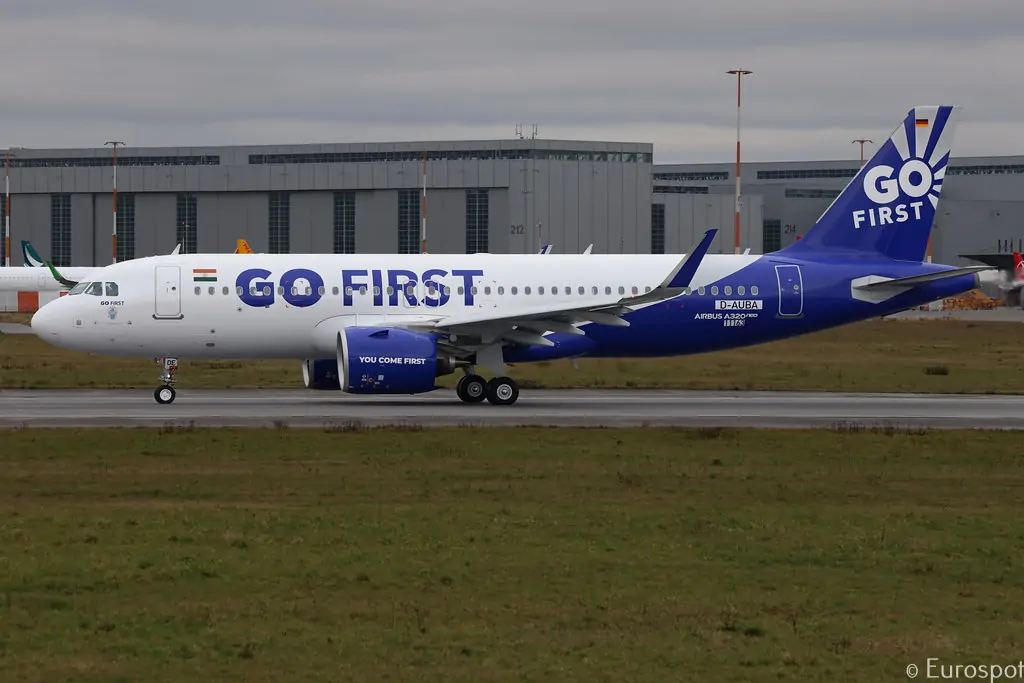
Pratt & Whitney is pursuing its own legal recourse against budget airline Go First, which has alleged that the engine maker is responsible for its financial condition. The engine maker's statement came hours after the National Company Law Tribunal (NCLT) admitted the carrier's plea for voluntary insolvency resolution proceedings.
"Go First's allegations that Pratt & Whitney is responsible for its financial condition are without merit. Pratt & Whitney will vigorously defend itself against Go's claims, and is pursuing its own legal recourse," it said. Sources close to P&W alleged that the airline has a long history of missing financial commitments to the engine maker. P&W continuously offered its support over several years and mainly through the Covid period but the airline's leadership chose to pursue litigation, they claimed.
The court also directed Insolvency & Resolution Professional Abhilash Lal to maintain the status of the airline as an ongoing concern, ensure no employees are laid off and pursue the arbitration proceedings.
Ongoing Issue With The Airline
In its statement on May 2, the airline said it has sought compensation of approximately INR 8,000 crores in the arbitration at the Singapore International Arbitration Centre. "Go First is no longer in a position to continue to meet its financial obligations. If the airline succeeds in the arbitration, it is hoped that Go First will be able to address the liabilities of its creditors, small and large," the airline had said.
The airline submitted before the NCLT that it has a total of 54 aircraft, which are its main assets. It claimed the grounding of close to 50% of its A320neo fleet due to the serial failure of Pratt & Whitney’s engines, while it continued to incur 100% of its operational costs, has set Go First back by INR 10,800 crores in lost revenues and additional expenses. The grounding of more than half of its fleet had resulted in a financial crunch for the no-frills airline. Go Airlines (India) Ltd operates air services under the brand name Go First.
The airline said it has paid INR 5,657 crores to lessors in the last two years of which approximately Rs1,600 crores was paid towards lease rent for non-operational grounded aircraft from the funds infused by the Promoters & Govt's ECLGS. The no-frills air carrier filed for insolvency resolution proceedings in the National Company Law Tribunal (NCLT). This appeal focuses on the airline’s debts and liabilities, totalling to more than INR 11,000 crore. The airline cited a severe cash crunch and faulty engines supplied by Pratt & Whitney as the reasons for most of its fleet getting grounded.
The NCLT's decision to grant a moratorium in favour of Go First is a landmark judgment for the Insolvency and Bankruptcy Code (IBC). Mark Martin, CEO of Martin Consulting, believes that this ruling shows that NCLT does not want the airline to sink and instead wants to keep it afloat. Martin advises that lessors should hold on, wait, and stay invested in Go First. Martin also believes that Pratt & Whitney needs to be held accountable for the crisis that has occurred.
Although the earlier management of Go First has been suspended, the NCLT has directed that none of the employees is to be laid off. The Go First management has been asked to deposit Rs 5 crore with the resolution professional to meet expenses. Go First CEO Kaushik Khona welcomed the order and called it a historic judgment in terms of the pace of proceedings.
Statement of the Airline
According to Go First, the engine maker had promised through a signed Side letter in 2012 that if an engine failed within its initial 6,000 hours (or 4,200 take-off and landing cycles) of normal operation, it would repair and recondition that engine at no charge. The airline said Pratt & Whitney engine problems have been an industry-wide issue. The teething problems continue even after so many years clearly indicating an inherent design problem.
"These GTF engines were developed on an unproven, anew technology platform prematurely tested and forced into the market to capture airline attention with performance stats that were never achieved," Go Airlines charged. "Between 2016 and February 2023 GoFirst (brand of Go Airlines) carried out 510 GTF Engine removals: 289 Engine Changes as a result of at least 28 different defects, and 221 Engine Swaps. It also shows that the most prevalent technical issue, by some order of magnitude, has been combustor distress, with 140 GTF Engines removed for this issue alone."
The airlines said 15 per cent of total Pratt & Whitney GTF-powered aircraft are grounded because of faulty engines globally (178 aircraft are grounded out of 1,219 aircraft as of March this year. And the most affected region is India with 65 grounded aircraft out of a total 178.
"Out of a total of 60 global customers, only four have grounded aircraft over 25 per cent and two of them are Indian. Pratt & Whitney`s recent proposal whereby they proposed to give 5 per cent of induction slots to Go First despite AOG`s (aircraft on ground) at 54 per cent is hard to believe and is a deliberate attempt to kill Go First," Go Airlines said. According to Khona, if Indian passengers are suffering high airfare now then it is due to Pratt & Whitney. "They (Pratt & Whitney) take India for granted," said Khona.
Read next
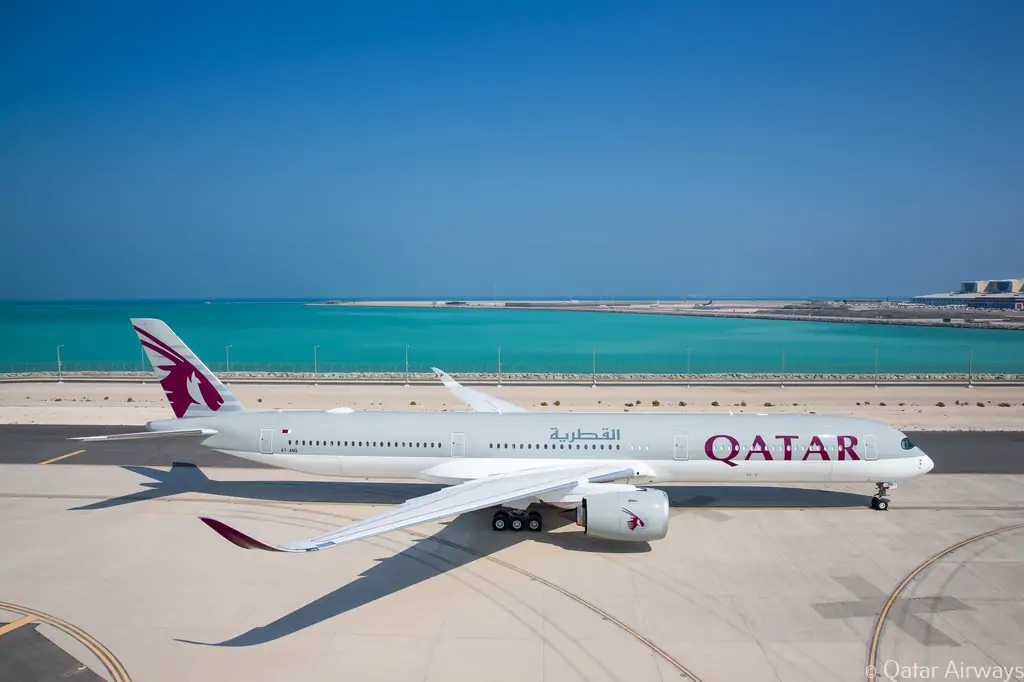
Qatar Airways, one of the world's premier airlines, is excited to reintroduce its direct service from Doha to Auckland. Passengers may now enjoy a seamless travel experience between these two bustling cities thanks to the usage of the technologically sophisticated Airbus A350-1000 aircraft.
Qatar Airways' History
Qatar Airways, which was founded in 1993, has grown to become one of the world's most respected and fastest-growing airlines. It has received multiple awards for its superior services, including being named a Skytrax 5-star airline. The airline is well-known for its dedication to offering a smooth travel experience, exceptional customer service, and an extensive route network covering six continents.
Route Overview from Doha to Auckland
The journey from Doha to Auckland is roughly 14,535 kilometers (9,032 miles) long and takes approximately 17 hours and 30 minutes. The reintroduction of this direct route removes the need for layovers and greatly decreases travel time, allowing travellers to arrive quickly and pleasantly at their destination.
Present Scenario
Travelling between faraway places sometimes necessitates layovers or connecting flights, which is inconvenient and adds to travel time. Qatar Airways intends to remedy this issue by reintroducing a direct route from Doha, Qatar's capital, to Auckland, New Zealand's largest city. This nonstop service will vastly improve travel alternatives and convenience for customers flying between the Middle East and Oceania.
Daily Flight Schedule:
- Doha (DOH) to Auckland (AKL) QR920 departs at 01:50 and arrives at 02:45 (+1) local time.
- Auckland (AKL) to Doha (DOH) QR921 departs at 15:00 and arrives at 23:15 local time.
From September 24th, due to daylight saving time changes in Auckland, both QR920 and QR921 will arrive and depart one hour later, respectively.
The Characteristics of the Airbus A350-1000
Qatar Airways operates a direct trip from Doha to Auckland using its innovative Airbus A350-1000 aircraft. The A350-1000 is known for its cutting-edge technology, low fuel consumption, and great comfort. Its spacious interior design, efficient air circulation systems, and noise reduction measures let passengers have a comfortable and peaceful ride.
Advantages of a Direct Flight
The reintroduction of direct flights between Doha and Auckland has a number of advantages for both business and leisure travelers. Among the primary advantages are:
Time-saving: Passengers can save time by avoiding layovers and transit problems and arriving at their destination faster.
Convenience: The direct flight provides seamless connectivity, decreasing travel complications and improving the overall trip experience.
Enhanced Comfort: Passengers may have a comfortable and relaxed ride thanks to the innovative features of the Airbus A350-1000.
Flexibility: The direct flight helps travellers organize their trips more easily and optimize their schedules.
Increased Options: Passengers now have additional alternatives when arranging their trip between Doha and Auckland, allowing them to pick the most convenient flight times.
Improved Passenger Experience
Qatar Airways prioritizes customer comfort and happiness, resulting in an exceptional travel experience on the direct journey from Doha to Auckland. The airline goes above and beyond to deliver first-rate amenities, services, and in-flight entertainment.
Connectivity and In-Flight Entertainment
Passengers on the direct flight from Doha to Auckland may choose from a variety of entertainment alternatives to make their journey more pleasurable. The Airbus A350-1000 features an advanced in-flight entertainment system with a large library of films, TV series, music, and games. Passengers may immerse themselves in their favorite entertainment throughout the trip thanks to high-resolution displays and noise-cancelling headphones.
Onboard Comfort and Amenities
Passengers are quite comfortable aboard the Airbus A350-1000. The roomy cabin configuration provides plenty of legroom and broader seats, allowing passengers to stretch out and relax throughout the long-haul journey. The aircraft's innovative air circulation system keeps the cabin temperature reasonable, while noise reduction technology reduces interruptions, offering a peaceful atmosphere for passengers to relax and revitalize.
Business-Class Travel
Qatar Airways delivers an extraordinary Business Class experience on the Doha-Auckland route for travellers seeking the finest in comfort and convenience. Passengers in Business Class enjoy special privileges such as roomy seats, direct aisle access, and a dedicated in-flight service. The award-winning cuisine of the airline, created by renowned chefs, provides a delectable gastronomic experience. Business Class passengers may also use the airline's opulent lounges, which provide a relaxing and pleasant environment before boarding.
Initiatives for Sustainability
Qatar Airways is serious about its commitment to sustainability. The Airbus A350-1000 utilized for the direct trip from Doha to Auckland is environmentally friendly. The superior aerodynamics, lightweight design, and fuel-efficient engines of the aircraft dramatically cut carbon emissions, reducing the environmental impact of air travel. Qatar Airways is continuing to invest in environmentally friendly technology and practices in order to make air travel more ecologically beneficial.
Precautions and Safety Measures
Qatar Airways emphasizes passenger safety and well-being on all of its flights. The airline closely follows international safety standards and regulations, providing a safe journey. Qatar Airways has established strengthened safety practices in response to the continuing worldwide pandemic, including rigorous cleaning and sanitization procedures, obligatory face mask requirements, and social distancing measures. Passengers may fly with confidence, knowing that the airline prioritizes their health and safety.
Conclusion
Qatar Airways' reintroduction of direct flights from Doha to Auckland is an exciting step for travellers looking for a simple and smooth travel experience between the Middle East and Oceania. Passengers on the cutting-edge Airbus A350-1000 aircraft will benefit from shortened travel time, increased comfort, and a slew of facilities and services that Qatar Airways is known for. Whether travelling for business or pleasure, this direct trip provides a wonderful opportunity to discover Auckland's lively metropolis and surrounding scenery.
With Inputs from Qatar Airways
Read next
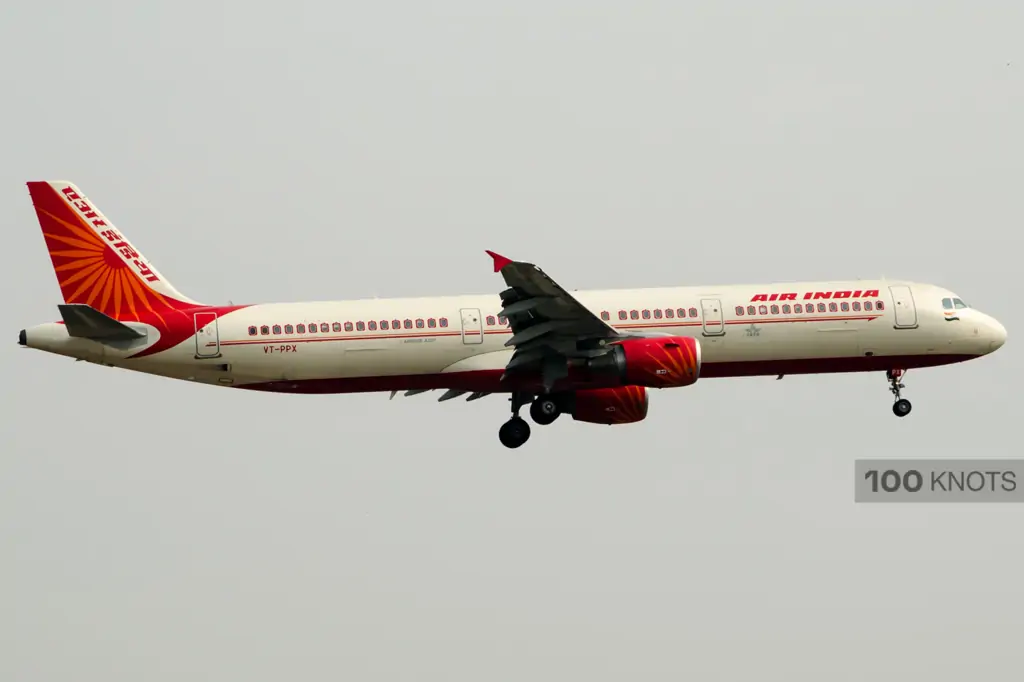
Air India has redesigned its website for the first time in years, with a focus on highlighting the airline's history and legacy associated with the Tata group. The redesigned website of Air India includes an "About Us" section that highlights how the airline was started by Tatas and its current status as part of the Tata Group following its privatization.
On January 27, 2022, the strategic disinvestment transaction of Air India has been successfully completed. With the sale of the airline, there is no equity stake of the government of India left in Air India and is now under the management control of the buyer.
Air India's website includes the chronology of the airline since its launch, highlighting that India's first commercial airline was launched by JRD Tata in 1932. "With the support of The Tata Group, we are on a mission to blend advanced technology with vintage hospitality, spreading our wings to take you more places," the revamped About Us section read.
In January 2022, the Tata Group reacquired Air India, which now operates flights to 79 destinations. The Tata Group has a global presence, with over 700,000 employees and operations in more than 100 countries.
What are the new upgrades?
Along with some technology upgradations, the Tata-owned airline also changed the URL to www.airindia.com, from ".in" earlier. The design change was executed by its in-house teams based in Kochi and Gurugram and Silicon Valley in the US. "The experienced management, digital marketing, analytics and personalization technology upgrades rolled out on the airline’s website are expected to contribute to a significant improvement in customer experience," the airline said.
An airline’s website is a key component of serving its customer base effectively and thereby increasing its direct-channel revenues. Air India said that the design upgrade will enable the rapid rollout of new customer-friendly features which was not possible with the two-decades-old technologies used earlier.
"It is also expected to lead to user perceptible improvements in the performance of the website in areas ranging from time-to-load to perceived response time while making the website accessible to users with vision or hearing disabilities. Since nearly two-thirds of the airline’s website traffic comes from mobile devices, the website is designed to be mobile-friendly, accessible, and as intuitive on the smaller screens of mobiles as it is on a computer," the airline said.
Air India also plans to launch an upgraded version of its mobile app later this year. “This website upgrade we have launched now is just the first in a series of design, content and feature improvements we have planned for the coming months that will culminate in what we believe will be a clear global leadership position for Air India’s digital direct channels,” said Air India’s Chief Digital and Technology Officer Satya Ramaswamy.
The technology upgradation is part of Vihaan.AI, Air India’s transformational 5-year roadmap with clear milestones. It focuses on dramatically growing both its network and fleet, developing a completely revamped customer proposition, and improving reliability and on-time performance. In January 2023 the airline placed one of the industry’s largest-ever orders for new aircraft, at 470, and has committed more than USD 400 million to upgrade the interiors of all widebody aircraft with new seats and entertainment systems.
Read next
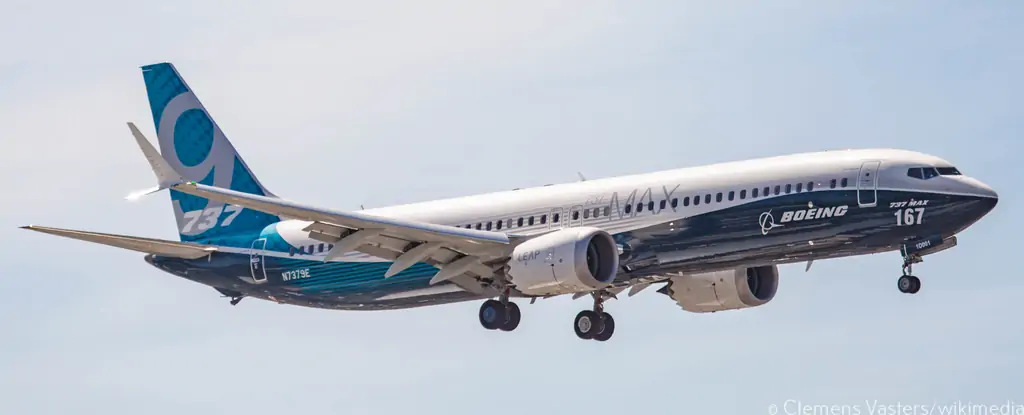
The aviation industry is continually evolving, with manufacturers attempting to create more efficient, dependable, and safe aircraft. Even the most modern aircraft, however, might confront obstacles that necessitate immediate action to maintain passenger safety. The Boeing 737 MAX, for example, has been the subject of intensive investigation owing to prior safety concerns. The Federal Aviation Administration (FAA) has issued a new directive to address engine compressor stalls on the Boeing 737 MAX, with the goal of mitigating possible hazards and improving overall safety.
Background on the Boeing 737 MAX Engine Issues
Before digging into the FAA's directive, it is critical to understand the Boeing 737 MAX's history and other engine-related issues. The Boeing 737 MAX is a prominent aeroplane model known for its fuel economy and innovative technologies. However, the aircraft's reputation suffered significant damage as a result of two deadly crashes in 2018 and 2019, which resulted in a worldwide grounding of the type.
The FAA's Directive
The Federal Aviation Administration has issued a directive in response to the concerns raised about engine compressor stalls on the Boeing 737 MAX. The Federal Aviation Administration (FAA) is the regulatory organization in charge of guaranteeing the safety and security of civil aviation in the United States.
Current Situation
The Federal Aviation Administration (FAA) of the United States (US) published a final rule, Airworthiness Directive (AD), to solve compressor stalls on the CFM LEAP 1-B engine, which is only utilized on the Boeing 737 MAX aircraft. The FAA issued the AD in response to "multiple aborted take-offs and air turn-backs (ATBs) caused by high-pressure compressor (HPC) stall, which was induced by high levels of non-synchronous vibration (NSV)".
"The unsafe condition, if not addressed, could result in engine power loss at a critical phase of flight such as take-off or climb, loss of thrust control, reduced controllability, and loss of the aircraft," the FAA claimed.
The Causes and Hazards of Engine Compressor Stalls
Compressor stalls can be caused by a variety of events, including changes in air conditions, foreign object ingestion, and engine malfunctions. These stalls impair the smooth flow of air within the engine, resulting in an abrupt imbalance and loss of thrust. Engine compressor stalls can cause modest performance disturbances or more catastrophic instances in which the engine entirely shuts down. This creates major concerns during flight, jeopardizing both the aircraft's and its passengers' safety.
Collaboration to Improve Aircraft Safety
Improving aviation safety requires a collaborative effort from a variety of stakeholders, including aircraft manufacturers, regulatory agencies, and industry experts. Close coordination between Boeing and the FAA was critical in addressing the engine compressor stall issue on the Boeing 737 MAX. Both sides collaborated to uncover the underlying reasons, devise effective solutions, and execute the required improvements to assure the aircraft's safety.
Ensuring Public Confidence in the Boeing 737 MAX
It is critical for the aviation sector to restore public trust and confidence in the Boeing 737 MAX. Following earlier safety concerns and the ensuing global grounding of the aircraft, Boeing and the FAA have taken significant steps to rebuild trust in the model's safety and dependability.
Conclusion
Finally, the FAA's directive on engine compressor stalls is an important step towards improving the safety of the Boeing 737 MAX. The FAA and Boeing are working collaboratively to restore trust in the aircraft by determining the causes of compressor stalls and adopting comprehensive procedures to eliminate the related risks. The aviation industry is committed to delivering a safe and secure flight experience for passengers through joint efforts, continual communication, and a dedication to safety. The FAA requirement, together with Boeing's changes and proactive maintenance practices, guarantees that engine compressor stalls are addressed and minimized efficiently.
With Inputs from AeroTime
Comment