
Pratt & Whitney Engine Recall Impacts Turkish Airlines and Air New Zealand

Abhishek Nayar
27 Sep 2023
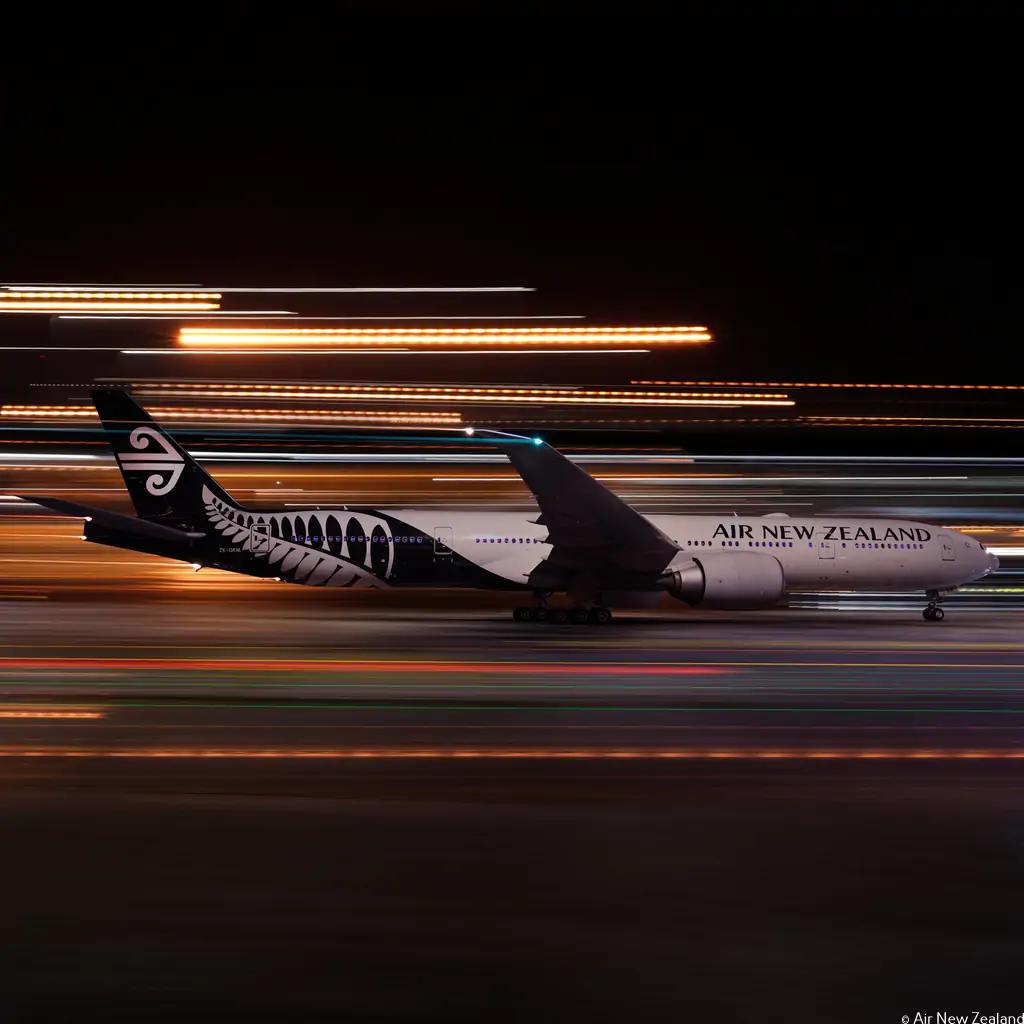
In recent updates, both Turkish Airlines and Air New Zealand have addressed the ramifications of the Pratt & Whitney engine recall, shedding light on their strategies to mitigate the disruptions caused by this unexpected issue. Pratt & Whitney, a prominent aerospace manufacturer, issued a recall that affected the engines powering various Airbus A320neo and A321neo aircraft.
Air New Zealand's Response

Leasing Additional Boeing 777-300
Air New Zealand, under the leadership of CEO Greg Foran, has made significant decisions to navigate through the challenges posed by the Pratt & Whitney engine recall. Mr. Foran revealed that the airline intends to lease an extra Boeing 777-300 aircraft to compensate for the grounding of its Airbus A320neo and A321neo aircraft. These Airbus planes have been grounded to undergo thorough assessments and maintenance due to reported issues with Pratt & Whitney engines.
Dry Leasing and Prior Order Delivery
During the airline's Annual General Meeting (AGM) on September 26, 2023, CEO Greg Foran unveiled their plan to dry lease the Boeing 777-300. Simultaneously, they are eagerly anticipating the delivery of an identical aircraft from a prior order. This dual approach underscores Air New Zealand's commitment to minimizing disruptions and maintaining a robust fleet to serve its passengers efficiently.
Turkish Airlines' Grounding of Aircraft

Turkish Airlines is also grappling with the implications of the Pratt & Whitney engine recall, with a spokesperson for the airline stating on September 25, 2023, that approximately 11 to 12 Airbus A320 and A321neo aircraft will be grounded. This decision is in response to the uncertainties surrounding the engine issues, which may necessitate further grounding of aircraft.
MarketWatch reported that Turkish Airlines had already grounded nine of its Airbus A320neo and A321neo aircraft in August, underscoring the seriousness of the engine-related concerns and the airline's commitment to passenger safety.
Conclusion
The Pratt & Whitney engine recall has sent ripples through the aviation industry, affecting major carriers like Air New Zealand and Turkish Airlines. These airlines are taking proactive measures to ensure the safety of their passengers and the continuity of their operations. Air New Zealand's decision to lease an additional Boeing 777-300 and await a prior order delivery demonstrates their commitment to maintaining a robust fleet.
Similarly, Turkish Airlines' grounding of a dozen aircraft highlights their dedication to addressing engine-related uncertainties and prioritizing passenger safety. As both airlines navigate these challenges, the aviation industry will closely watch their strategies and outcomes, keeping the safety and convenience of travelers at the forefront of their priorities.
With Inputs from Business Desk, Market Watch
Read next
Airlines in India Prepare for Festival Season Amidst Cricket World Cup Craze
Abhishek Nayar
27 Sep 2023
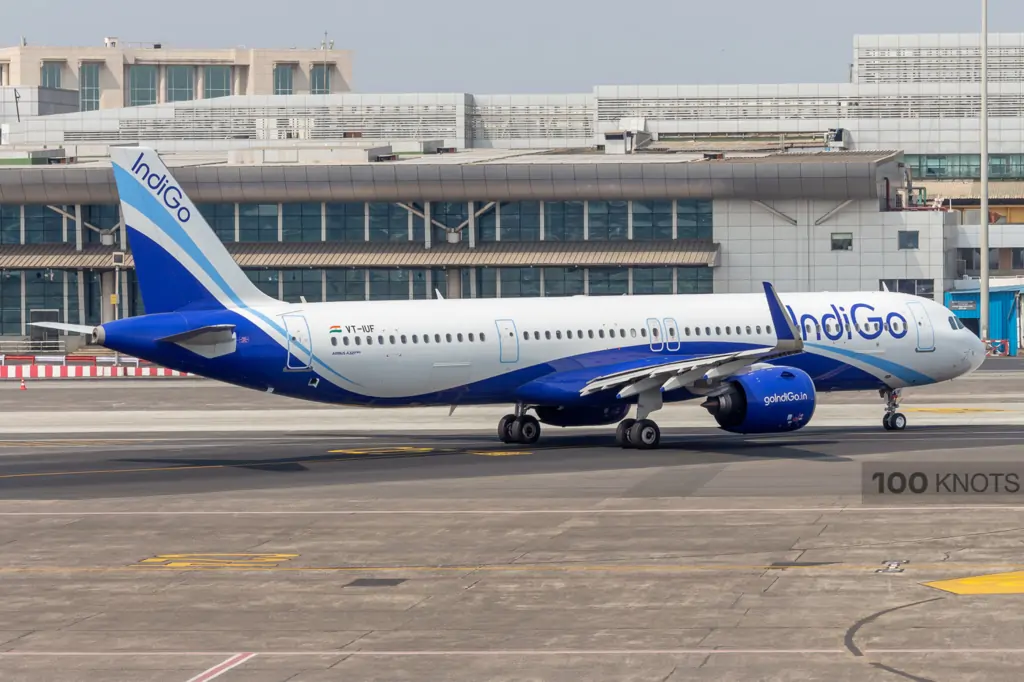
As India gears up for the much-awaited festival season and the Cricket World Cup, the Directorate General of Civil Aviation (DGCA) has granted approval for airlines like IndiGo (6E) and SpiceJet (SG) to bolster their fleets through wet leasing arrangements. With the anticipation of a surge in air travel demand, airlines are taking proactive measures to accommodate passengers and avoid steep fare increases.
Wet Leasing to the Rescue
In a bid to meet the increased demand during this year's festival season, airlines are turning to wet leasing. This approach involves leasing both aircraft and accompanying crew, providing a flexible solution to swiftly expand their capacity. A total of 20 aircraft will be acquired through wet leasing arrangements, with IndiGo and SpiceJet being the primary beneficiaries.
IndiGo's Expansion: IndiGo is set to wet-lease 11 Airbus A320 aircraft from SmartLynx Airlines, a move that demonstrates their commitment to catering to their customers' needs. Currently operating a fleet of more than 320 aircraft and running over 1,900 daily flights, IndiGo is making a significant investment to ensure a seamless travel experience during the festive season.
SpiceJet's Strategy: SpiceJet, on the other hand, plans to introduce 9 Boeing 737 MAX aircraft from Corendon Airlines in Turkey. This strategic move aligns well with the airline industry's outlook for the upcoming quarter, which features several significant festivals, including Durga Puja and Dusshera in October, followed by Diwali in November, and concluding with Christmas in December. SpiceJet is positioning itself to capitalize on the expected surge in passenger numbers.
Anticipating the Cricket World Cup Craze
This year, the festival season coincides with the Cricket World Cup, making it a double bonanza for travelers and sports enthusiasts. The DGCA anticipates a substantial increase in air traffic compared to previous festival seasons, driven not only by the festivities but also by the fervor surrounding the cricket tournament.

Fare Increases: A Looming Concern
Without the fleet expansion, airlines could face the risky prospect of substantial fare increases due to the heightened demand. Industry estimates suggest that airfares are likely to rise by over 30% from October to November compared to the same period last year. Fares for the upcoming festival season in October and November are projected to increase by approximately 30%, whereas fares for the same period compared to the summer season (May-June) are expected to rise by around 20%.
Airline Responses
In response to the DGCA's approval and the growing travel demand, spokespeople from both IndiGo and SpiceJet have expressed their commitment to meeting customer demands.
An IndiGo spokesperson stated, “We continuously assess all possible measures to meet the demands of our customers,” acknowledging the ongoing growth in travel demand. This highlights the airline's dedication to ensuring passenger satisfaction during the festival season.
A SpiceJet official emphasized that this year’s festive season aligns well with the airline industry, with significant festivals occurring throughout the upcoming quarter. SpiceJet is gearing up to provide a seamless and enjoyable travel experience to passengers during this festive period.
Conclusion
As India gets ready to celebrate its festivals and cheer for its favorite cricket teams, airlines are working diligently to ensure that passengers can travel comfortably and affordably. The wet leasing agreements between IndiGo, SpiceJet, and their international partners showcase their commitment to meeting the surge in demand and minimizing fare hikes. With these strategic measures in place, travelers can look forward to a festive season filled with joy, festivities, and cricket excitement without breaking the bank.
With Inputs from Aviation A2Z
Read next
AirAsia's Bold Move of Transforming Cambodia's Aviation Landscape with MRO Venture
Abhishek Nayar
27 Sep 2023
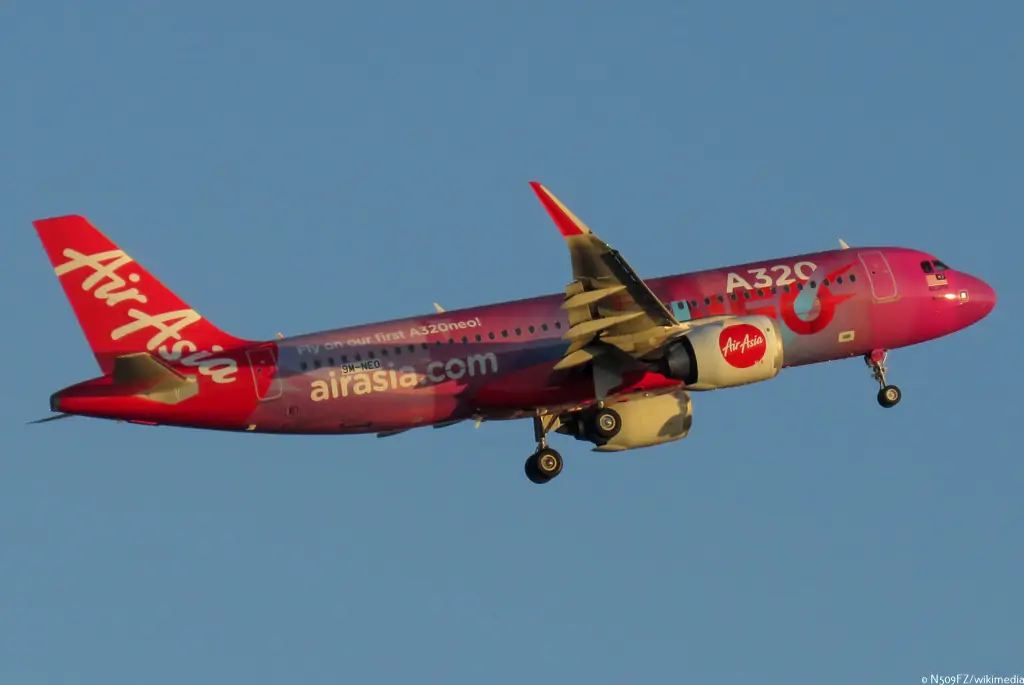
In a strategic move to bolster their presence in Southeast Asia's aviation market, Capital A, the parent company of budget airline AirAsia, is joining forces with Cambodian partner Sivilai Asia to establish a Maintenance, Repair, and Operations (MRO) venture in Cambodia. This significant endeavor is set to be undertaken by Capital A's wholly-owned subsidiary, Asia Digital Engineering (ADE), and holds pivotal importance in Capital A's future commercial aviation strategy.
The Partnership
As outlined in a disclosure filed with Malaysia's stock exchange on September 20, ADE will take the lead in this collaborative MRO venture, holding a majority ownership stake of 60%, while Sivilai Asia will retain the remaining 40%. The capital injection for this ambitious project will amount to $1.2 million, split into two installments, with the first installment preceding incorporation and the second following it.
Asia Digital Engineering's Strategic Expansion
Asia Digital Engineering (ADE) is poised to capitalize on this strategic partnership by expanding its footprint in Cambodia. ADE's involvement in the joint MRO venture aligns perfectly with the broader objectives of Capital A and AirAsia, further solidifying their position in the regional aviation landscape.
AirAsia Cambodia: A Key Component
This joint MRO venture is not Capital A and Sivilai Asia's first collaboration. In December 2022, the two entities came together to sign an agreement to launch AirAsia Cambodia. Under this arrangement, Capital A holds a majority 51 percent stake in AirAsia Cambodia, while Sivilai owns a 49 percent share.
AirAsia Cambodia is geared towards serving routes within a four-hour radius of Cambodia, with a primary focus on connecting to existing AirAsia hubs in Siem Reap, Sihanoukville, and Phnom Penh. This strategic move to strengthen the AirAsia brand in Cambodia provides a solid foundation for the subsequent MRO venture.
Opportunities in Cambodia's Aviation Sector
The establishment of the MRO unit in Cambodia by Capital A and Sivilai Asia presents a multitude of opportunities for Asia Digital Engineering (ADE). Beyond servicing AirAsia Cambodia's growing fleet, ADE can tap into the broader Cambodian aviation market by offering its expertise and services to third-party airlines operating at major Cambodian airports.
Conclusion
Capital A's partnership with Sivilai Asia to launch an MRO venture in Cambodia, spearheaded by Asia Digital Engineering (ADE), underscores their commitment to expanding their presence in Southeast Asia's aviation sector. With the strategic foundation laid by AirAsia Cambodia, this venture not only enhances AirAsia's position in Cambodia but also opens doors for ADE to establish itself as a key player in the Cambodian aviation maintenance industry. As the project progresses, it promises to bring growth and innovation to the region's aviation landscape.
With Inputs from Aviation A2Z
Read next
Global Aviation Leasing Body, AWG Cuts India's Compliance Rating for the Second Time Amid Go First's Legal Battles

Radhika Bansal
26 Sep 2023

A global aviation leasing watchdog has for the second time cut India's compliance rating with international leasing laws and kept the country on a watchlist with a negative outlook amid a dispute between local airline Go First and its aircraft lessors. The move by the Aviation Working Group (AWG), a UK-based entity that monitors leasing and financing laws, comes as bankrupt budget carrier Go First is locked in a legal tussle with aircraft lessors seeking to repossess jets.
The courtroom battle started after Go First was granted bankruptcy protection in May. Under Indian law, that prevented lessors from recovering 50-plus grounded Airbus planes. The lessors have complained that critical plane parts are now corroding or getting "robbed". The AWG said 130 days had passed since the lessors' request to repossess their aircraft, more than double the maximum waiting period of 60 days according to India's obligations under the Cape Town Convention, an international treaty protecting the repossession rights of lessors.
India has ratified the Cape Town Convention but has yet to pass a law resolving conflicts with the country's insolvency and bankruptcy code, which is backed by parliament. "The prolonged failure to make remedies, including repossession and deregistration, available to creditors ... and provide for asset maintenance and value preservation ... negatively impact scoring," the AWG's notice said, warning of further rating downgrades. The AWG, a not-for-profit entity co-chaired by Airbus and Boeing, has reduced India's score to 2 from 3.5 out of 5.
Impact of the Negative Outlook
The negative outlook from AWG is under what it calls the compliance index, which addresses whether requirements under the Cape Town Convention are met in practice. This is the second such downgrade by AWG, which first placed India on a watchlist in May and assigned the country a negative outlook for its failure to process lessors' plane repossession applications before the freeze on Go First's assets.
The move could further hurt lessor confidence in the world's third-largest aviation market, warned AWG, whose members include major lessors and financial institutions such as Aircastle, BOC Aviation, SMBC Aviation Capital, Deutsche Bank, Goldman Sachs and Morgan Stanley. SMBC, the world's second-largest aircraft lessor, which also has some planes leased to Go First, warned in May that India's decision to block leasing firms from reclaiming the airline's jets would hit lessors' confidence in that market.
Meanwhile, Go First told a court that its revival could be derailed if it agreed to the demands of aircraft lessors who are seeking certain records after jet parts went missing or faced deterioration. Dubai Aerospace Enterprise (DAE) Capital and ACG Aircraft Leasing recently sought a Delhi court's intervention alleging the robbery or corroding of certain jet parts.
In response, Go First said that it could be a time-consuming process that could impact its revival. Such requests "have far-reaching implications on the day-to-day affairs of Go Air and will have a direct bearing on the going concern status of Go Air," said bankruptcy officer Shailendra Ajmera in court filings. He said that such “time-consuming exercises” would divert the resources of Go First.
Previous Outlook
The aircraft leasing watchdog, Aviation Working Group (AWG), has deemed that India has failed to comply with international aircraft repossession norms, and put the country on a watchlist with a "negative outlook." The issue arose following the bankruptcy of the ultra-low-cost carrier Go First, which ceased operations on May 3rd.
Part of the study by AWG focuses on compliance, addressing whether requirements under the Cape Town Convention, an international treaty on plane repossessions, have been met in practice. Following Go First's bankruptcy protection, India's score on the compliance index was downgraded from 3.5 to 3.
India is the world's third-largest aviation market, with the country's airlines undergoing significant expansion. Aircraft leasing will undoubtedly play a significant part in that expansion, but the rating by AWG could increase leasing costs for Indian carriers in the future, making further growth more challenging.
(With Inputs from Reuters)
Read next

Tata Group-owned Air India has entered into a codeshare pact with its subsidiary AIX Connect and initially, the pact will cover more than 100 flights a day on 21 routes. Codesharing allows an airline to book its passengers on its partner carriers and provide seamless travel to destinations.
"The codeshare implementation enables Air India guests to connect seamlessly on AIX Connect's route network to and from over 80 points across Air India's extensive domestic and international network," a statement said on Monday, September 25.
AIX Connect is in the process of being merged with Air India Express to create a single low-cost carrier within the Tata Group’s airline business. According to the statement, Air India will add its 'AI' designator code to over 100 flights a day operated by AIX Connect on 21 routes.
The agreement between the two airlines enables guests to receive their boarding passes at the first point of departure for all the travel sectors on a single ticket and have their baggage checked in through to their final destinations. Guests connecting from international to domestic flights will, however, need to clear customs at the first point of entry in India, in line with government regulations.
AIX Connect will honour the free baggage allowance mentioned on tickets issued by Air India. Air India guests connecting to flights operated by AIX Connect will also be able to enjoy complimentary meals on board.
"More routes under the codeshare agreement will be added progressively. Bookings for the codeshare flights are being opened across points of sale, for travel starting 27 September 2023," it said. With the latest codeshare pact, Air India has expanded its domestic route network to four new domestic destinations — Bagdogra, Bhubaneswar, Ranchi, and Surat — in addition to the common destinations between the two airlines' route networks. Customers from these originating cities will be able to connect to Air India’s international network over hubs in Delhi and Mumbai.
The codeshare agreement also enables AIX Connect to leverage Air India’s global distribution network via the airline’s direct channels as well as its global travel agency network. AIX Connect is a 100% subsidiary of Air India, which is in the process of being integrated with Air India Express (another 100% subsidiary of Air India) to ultimately form a single low-cost carrier within the Tata group’s airline business.
Interline Agreement with Vistara
Vistara has announced a bilateral interline partnership with Air India in May 2023. The partnership offers customers a seamless, end-to-end experience across the combined network of both airlines. With this partnership, customers will be able to book mixed itineraries on a single ticket across both airlines. They also receive their boarding passes for all the sectors booked on a single ticket at the start of their journeys and travel hassle-free as their luggage gets checked in through to their final destinations.
The airline already has an interline cooperation with Air India for irregular operations (IROPs) enabling both airlines to offer alternative first available options to their customers on each other’s flights to minimise inconvenience in case of any operational disruptions. Additionally, Vistara has interline through check-in agreements with 43 other airlines, of which it has Codeshare with Air Canada, British Airways, Japan Airlines, Lufthansa, Singapore Airlines, Swiss and United Airlines.
Read next

In the bustling world of global air cargo transport, speed and efficiency are paramount. Every day, more than 140,000 tons of freight, comprising a staggering 657 million merchandise items valued at 17.8 billion USD, are swiftly transported across the skies. Behind this logistical marvel lies a critical component - the Aircraft Unit Load Device (ULD).
Understanding Aircraft Unit Load Devices

An Aircraft Unit Load Device, or ULD, is a specialized container designed to group and secure cargo, mail, and baggage for air transport. ULDs come in various forms, either as aircraft containers or a combination of an aircraft pallet and a pallet net. These devices are an integral part of an aircraft's structure during flight, directly interfacing with the aircraft's Cargo Loading System (CLS). This integration is crucial for ensuring flight safety under all foreseeable circumstances.
Safety and Airworthiness
Given their role in aviation safety, the design, testing, manufacturing, operation, maintenance, and repair of ULDs are subject to stringent safety and airworthiness requirements enforced by civil aviation authorities. These regulatory measures ensure that ULDs meet the necessary standards to guarantee the safety of both the cargo and the aircraft.
Evolution and Contribution of ULDs
The journey of ULDs in air cargo began in the late 1950s, and they have been pivotal in enhancing the safety and efficiency of the air transport industry ever since. One of their primary purposes is to streamline cargo handling by allowing consignments to be unitized and grouped at cargo warehouses, reducing the need for manual loading and unloading of aircraft.

Protecting Cargo and Maximizing Efficiency
ULDs play a crucial role in protecting the contents they carry from loss and damage. Their design is meticulously crafted to maximize the utilization of aircraft contours, optimizing space and efficiency. Moreover, they facilitate the transport of special cargo, such as Temperature-Controlled Containers, Fire Resistant Containers, and even containers for livestock and garments.
Unique Challenge: Control Beyond Airline Supervision
In today's air cargo landscape, a significant portion of ULD operations is handled by third parties like Freight Forwarders and Ground Service Providers. Often, these operations occur off-airport and outside the direct supervision of airlines. ULDs are one of the few aircraft components that leave the control of the airline, returning after traversing multiple non-airline parties. Consequently, they have a significant impact on flight safety.
Certification and Standards
Airworthiness certification of a specific type of aircraft ULD is obtained from the governing Civil Aviation Authority (CAA) by the ULD manufacturer. This certification affirms that the ULD container meets the required minimum performance standards for installation on an aircraft.

IATA ULD Board: Promoting Standards
The International Air Transport Association (IATA) Cargo Services Conference (CSC) oversees the IATA ULD Board (ULDB). This body is responsible for developing standards, recommendations, and procedures related to ULD specifications, handling, restraint, and maintenance. The main source of these standards is the IATA ULD Regulations (ULDR), updated annually in consultation with industry stakeholders.
Advantages of ULDs
The benefits of ULDs are evident, making them a preferred choice for airlines. The elimination of manual loading saves time during aircraft turnaround and handling. ULDs also enable cargo transfer between aircraft, provided cargo is properly packed and matched to the receiving aircraft's requirements. Most importantly, ULDs secure cargo throughout the flight, preventing damage, maintaining aircraft weight and balance, and ensuring flight safety, especially during turbulence.

Types of ULD Containers
Various types of ULD containers cater to different aircraft types. The special purposes aircraft ULD such as Temperature-Controlled Container (TCC), Fire Resistant Container (FRC), Fire Containment Cover (FCC), horse stall, cattle stall, Garment on Hanger (GOH), etc., facilitate the transport of special cargo by air.
Some common examples include:
LD3: Suitable for Airbus widebody aircraft and Boeing 747, 777, and 787. Also used on smaller aircraft like the ATR 42, ATR 72, and BAe 146.
LD1: Wider than LD3, designed for Boeing 747 but often substituted with LD3 due to availability.
LD2: Fits the narrower fuselage of Boeing 767, making it more efficient than LD3 in this aircraft.
LD7: A double-width container used on Boeing 777 and Boeing 787.
LD3-45: Designed to fit the A320 family aircraft with standard LD3 dimensions but reduced height for smaller holds.
Conclusion
Aircraft Unit Load Devices (ULDs) are unsung heroes in the world of global air cargo transport. Their role in ensuring cargo safety, optimizing efficiency, and adhering to stringent airworthiness standards cannot be overstated. As the air cargo industry continues to evolve, ULDs remain a vital component, facilitating the rapid and secure movement of goods around the world.
With Inputs from IATA
Comment