
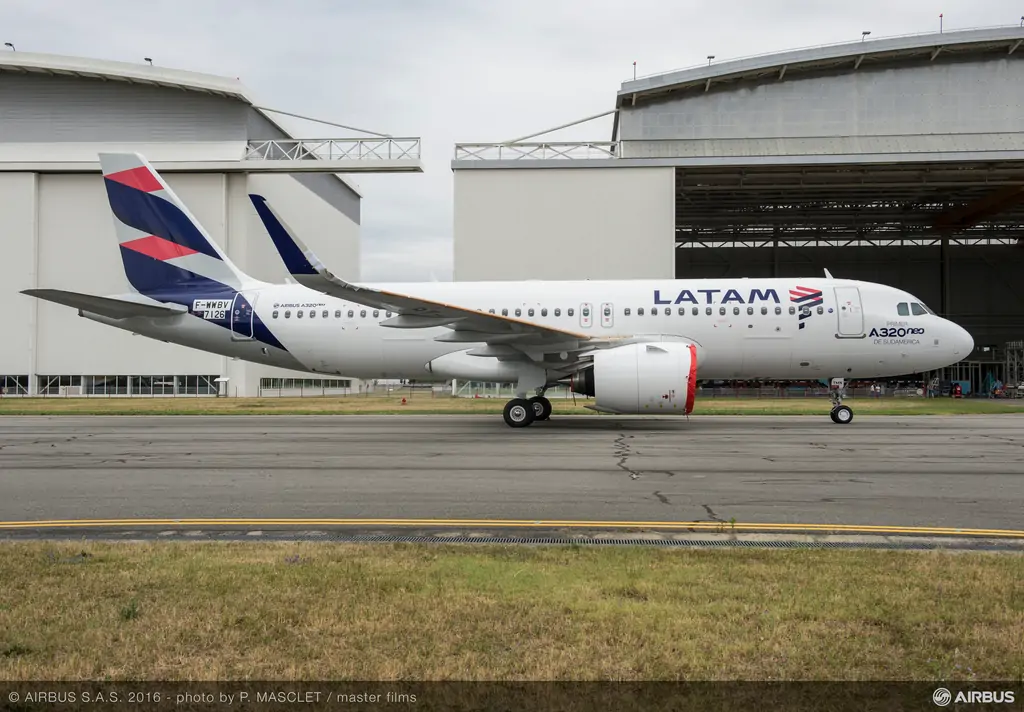
Airlines are continuously looking for methods to improve operational efficiency, reduce fuel consumption, and minimize the ecological impact of today's rapidly expanding aviation industry. Pratt & Whitney, a global aerospace manufacturer, has been at the forefront of developing revolutionary engine technology to overcome these difficulties. Its ground-breaking Geared Turbofan (GTF) engines have received widespread notice and praise for their extraordinary performance and efficiency.
Pratt & Whitney's History
Pratt & Whitney, a Raytheon Technologies business, has a long history in the aviation industry. With over 95 years of expertise, the firm has established itself as a global leader in aviation engine design, production, and servicing. Pratt & Whitney's devotion to invention has resulted in a slew of game-changing innovations that have transformed air travel.
LATAM: Background
LATAM, headquartered in Santiago, Chile, is Latin America's major airline group, having operations in Brazil, Chile, Colombia, Ecuador, and Peru, as well as overseas operations throughout Latin America, Europe, Oceania, the United States, and the Caribbean. LATAM Airlines was the first airline in the Americas to operate the Airbus A320neo. LATAM is currently operating more than 80 V2500-powered Airbus A320ceo and 16 GTF-powered Airbus A320neo family aircraft.
LATAM Airlines Group's Collaboration with Pratt & Whitney
Pratt & Whitney, a Raytheon Technologies business, has announced a novel partnership with LATAM Airlines Group S.A. ("LATAM"). The airline has picked Pratt & Whitney's cutting-edge GTF engines to power additional A320neo family aircraft. This decision expands on LATAM's initial acquisition of over 40 aircraft in 2013, and when combined with the remaining options, the agreement could encompass a total of 146 aircraft. Furthermore, under a long-term EngineWise® Comprehensive Service Agreement, Pratt & Whitney will provide engine maintenance services to LATAM.
The Pratt & Whitney GTF Engine
For the Airbus A320neo family, the Pratt & Whitney GTF™ engine with Collins Aerospace nacelle and accessories provides the highest fuel economy and lowest greenhouse gas emissions. GTF-powered aircraft lower fuel consumption and CO2 emissions by 16% to 20%, NOx emissions by up to 50%, and noise footprint by up to 75%, respectively. GTF engines are certified for operation on 50% SAF and successfully tested on 100% SAF and are ready to enable further carbon footprint reductions, assisting the aviation industry in meeting its goal of net zero emissions by 2050, laying the foundation for even more efficient and sustainable propulsion technologies in the decades ahead, with advancements such as the Pratt & Whitney GTF Advantage engine and beyond.
The Advantages of Pratt & Whitney GTF Engines
Pratt & Whitney's GTF engines have earned a reputation for superior performance and various benefits. When compared to typical engines, these cutting-edge engines provide better fuel economy, lower pollutants, and lower noise levels. The GTF engines' revolutionary design contains a gear system that optimizes engine performance, leading to lower maintenance and operational expenses for airlines. The GTF engine, with its advanced technology and environmentally friendly characteristics, is an excellent fit for LATAM Airlines' dedication to sustainability and operational efficiency.
Pratt & Whitney Engine Maintenance
Pratt & Whitney will also provide LATAM Airlines Group S.A. with full engine maintenance services in addition to the GTF engines. The airline can rely on Pratt & Whitney's expertise to ensure the best performance and longevity of their engines as part of a long-term arrangement. Pratt & Whitney's maintenance services, with a well-established reputation in the aviation sector, will help LATAM's operating efficiency and minimize aircraft downtime.
EngineWise® Comprehensive Service Agreement
LATAM Airlines Group S.A. will benefit from Pratt & Whitney's wide range of services under the EngineWise® Comprehensive Service Agreement. This programme covers a wide range of engine care topics, such as predictive maintenance, engine health monitoring, and even customized fleet management systems. EngineWise® Comprehensive enables airlines to monitor engine performance proactively and avoid unexpected interruptions, resulting in increased operational dependability and cost savings.
Comments
"At LATAM, we are dedicated to not only connecting South America to the rest of the world but also to caring for the environment and lowering our carbon footprint." "We are proud to strengthen our partnership with Pratt & Whitney to power our A320neo family, which will enable us to do so as we expect to grow this fleet to more than 100 aircraft in the coming years," said Roberto Alvo, CEO of LATAM Airlines Group.
"Our relationship with LATAM, including their predecessor LAN Airlines, dates back more than seven decades with the Twin Wasp engine on Douglas DC-3 aircraft," said Rick Deurloo, Pratt & Whitney Commercial Engines president. "GTF engines are already providing exceptional economic and sustainability benefits to LATAM, and we look forward to providing even more value in the coming years."
In conclusion, LATAM Airlines Group S.A.'s selection of Pratt & Whitney GTF engines for their A320neo family aircraft represents a key milestone in the aviation industry. This collaboration demonstrates LATAM's trust in Pratt & Whitney's cutting-edge technology and dedication to excellence. LATAM Airlines intends to deliver a greater flying experience to its passengers by incorporating GTF engines while prioritizing sustainability and operational efficiency.
With Inputs from Pratt & Whitney

Read next
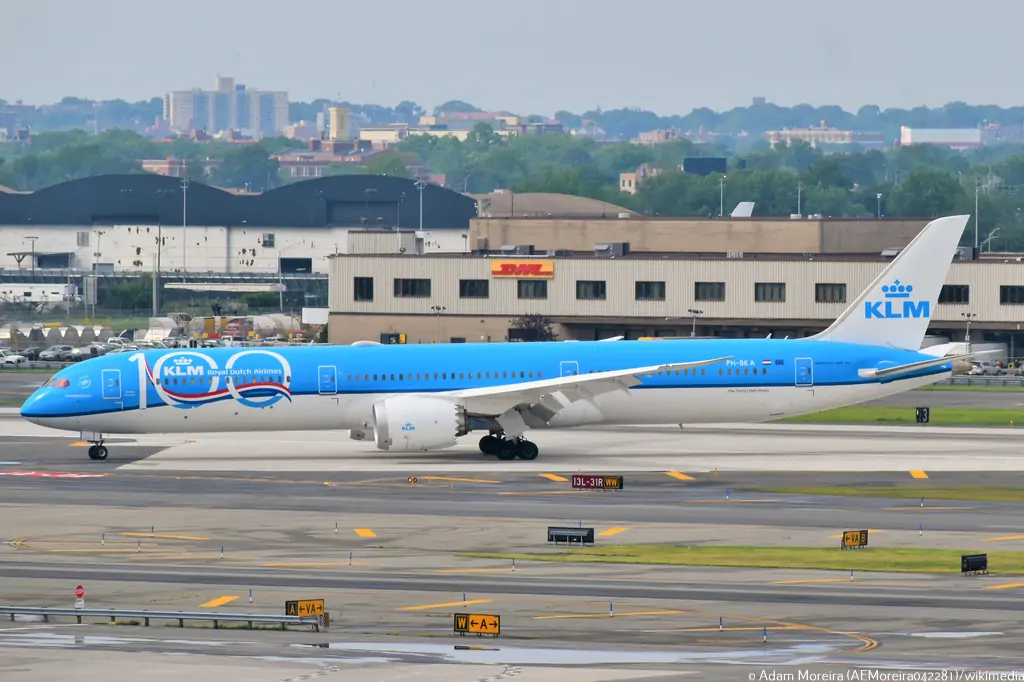
Air France-KLM, a major airline that operates between France and the Netherlands, has announced intentions to retire its ageing widebody fleet in favor of newer, more fuel-efficient aircraft. This strategic decision follows the airline's decision to ground its Airbus A380 and Boeing 747 aircraft in response to the COVID-19 outbreak. Ben Smith, CEO of Air France-KLM, announced these plans during the International Air Transport Association (IATA) Annual General Meeting in Istanbul.
Retirement of the Ageing Fleet
Air France-KLM has previously phased out its Airbus A380 and Boeing 747 aircraft in an effort to modernize its fleet. These legendary jumbo aircraft were formerly the backbone of the airline's long-haul operations due to their size and capacity. However, shifting marketplace realities and the necessity for more fuel-efficient aircraft forced them to retire. The company has chosen to concentrate on retiring its aged Airbus A330s and Boeing 777s.
Retirement Motives
Several significant issues are driving the decision to retire the aged widebody fleet. To begin with, there is an increasing emphasis on sustainability in the aviation business. Air France-KLM, like many other airlines, understands how important it is to reduce its environmental impact and carbon footprint. The airline intends to cut fuel usage and emissions by replacing older aircraft with newer, more fuel-efficient versions.
Air France-KLM's Ageing Fleet
According to the most recent statistics from ch-aviation.com, Air France's fleet consists of 15 Airbus A330-200s and 18 Boeing 777-200ERs, with an average age of 20 and 23 years old, respectively.
Advantages of Fuel Efficiency
Air France-KLM will greatly benefit from the move to a more modern and fuel-efficient fleet. For starters, using modern aircraft with superior engine technology and aerodynamics results in lower fuel usage. This not only helps to reduce operational expenses but also significantly reduces carbon emissions, which aligns with the company's environmental objectives.
The Effect on Operations
The fleet renewal strategy of Air France-KLM includes identifying viable replacements for the retiring widebody aircraft. The firm would most likely look into options from top aircraft manufacturers like Airbus and Boeing. Fuel efficiency, range, capacity, and passenger preferences will all be variables in the selection process. A well-planned transition will provide little interruption to operations and enable the new aircraft to be seamlessly integrated into the fleet.
In conclusion, Air France-KLM's decision to retire its ageing widebody fleet in favor of newer, more fuel-efficient aircraft demonstrates the airline's dedication to sustainability and operational efficiency. The airline hopes to reduce its environmental impact, decrease fuel consumption, and improve the flying experience for its customers by embracing innovative technology and replacing outdated aircraft. The retirement procedure will be meticulously carried out in order to provide a smooth transition to the next generation of aircraft. As it begins its fleet renewal journey, Air France-KLM is committed to providing high-quality air travel services while reducing its carbon footprint.
With Inputs form Bloomberg
Read next
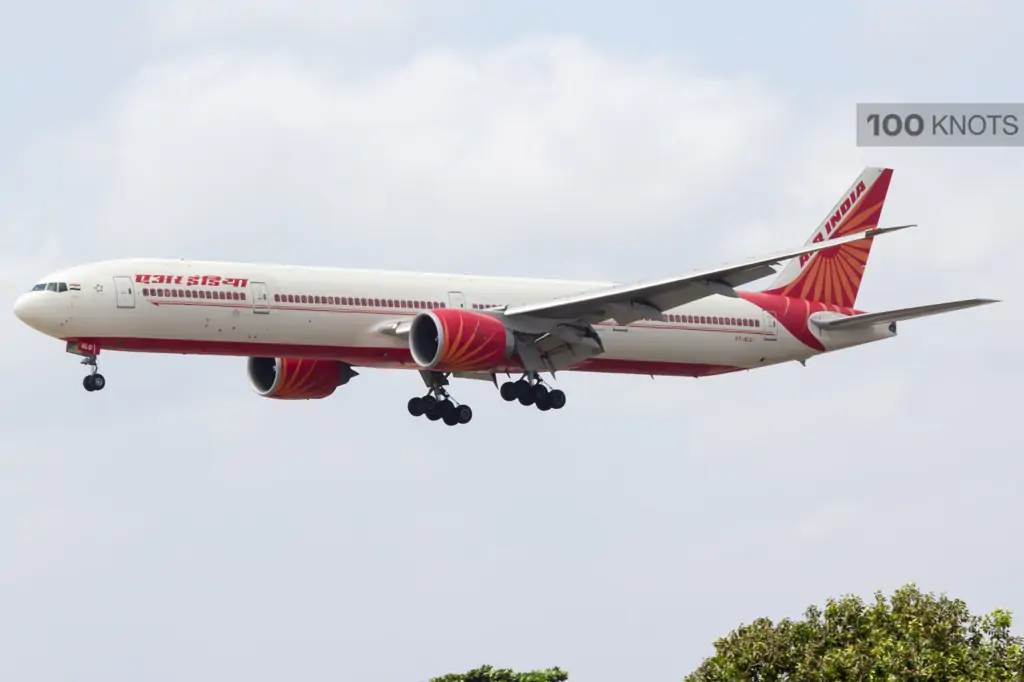
With the return of its founder Tata Group, Air India has been put on the fast track to rapid expansion after many years as a state-owned carrier with no fleet or personnel expansion. By March of next year, the airline will have 19 wide-body and 50 narrow-body aircraft. Air India is also adding 550 cabin staff members and 50 pilots each month to support this growth. With North America and Europe being the priority regions, adding new aircraft will enable the airline to address one of the top complaints of passengers—the existing fleet's decrepit cabins—and expand its worldwide network. Recently, the airline placed orders for 470 aircraft, including 70 wide-body aircraft.
“We will be inducting 19 new wide-body aircraft by the end of next March. (Once that happens) from mid-2024, we will send our 40 existing wide-body (27 Boeing 787s and 13 B777s) aircraft for a complete refurbishment. Their interiors will be completely scrapped and these planes will get everything brand new from seats to inflight entertainment and onboard Wifi as part of our USD 400-million upgrade project. By mid-2025, all our twin aisles will have absolutely new cabin products,” Air India MD & CEO Campbell Wilson told TOI.
The new wide bodies being inducted this fiscal, starting with the Airbus A350s, will have onboard WiFi. While 17 of the 19 twin-aisles will be used for augmenting the fleet, Air India has recently started talks for inducting two more B777s so that it can retire two wide bodies. The narrow-body fleet makeover will be faster with a majority of the Air India group’s full-service single-aisles getting a facelift by next September.
“We are going to induct 50 single-aisles this fiscal. By September 2024, 75-80% of our full-service single aisles will be brand new,” he said. The remaining 20-25% will be refurbished for being used by the low-cost arm, Air India Express. This means in two years, Air India’s full-service arm planes would have completely new interiors. Air India had been facing crew shortage due to which this March it had to suspend six of the 47 weekly non-stops to the US.
A320 Neo Aircraft to also be inducted
A few of its Airbus A320neo aircraft were also not being used for the same reason. Now with 600 crew joining every month and almost 200 Go First pilots onboard, the crew shortage seems to have been sorted out. “We are reinstating three of those (suspended US) flights this month and the remaining three next month. We are now hiring 5 and 10 times more pilots and cabin crew per month, respectively, than AI used to hire a year earlier,” Wilson said.
Armed with more A320 pilots, Air India has asked Airbus to give it more planes quickly. The reason is Go First, which suspended flights on May 3, had over 80 Airbus A320neo family planes still on order that were yet to be delivered but got no planes in the past several months due to its financial condition. Sources say Go First was to get 8-10 A320neos in the past few months and those delivery slots are available with Airbus. Apart from foreign carriers, both IndiGo and AI have put in requests to get these planes. “We have spoken to Airbus, seeking faster deliveries and they are yet to decide. We will want to take these planes with CFM engines (Go First used Pratt & Whitney). Airbus can deliver that combination with the required lead time,” he said.
Air India assesses customer satisfaction by sending questionnaires
As it works on improving services, Air India is sending out questionnaires to customers to every day and has received good responses through its digitalised customer feedback mechanism. Air India, which was taken over by Tata Group in January last year, started sending questionnaires to travellers to identify areas for improvement to meet customer expectations in March.
The Net Promoter Score (NPS)-based customer feedback mechanism has received more than 1,40,000 responses in three months, the airline said in a release. In his message to staff, Air India CEO and Managing Director Campbell Wilson said that over the last three months, the airline had expanded NPS to cover the entire physical customer journey, from check-in, through to lounges, in-flight experience and the arrival process, and will be extended to the online and call centre experiences.
"Questionnaires are sent every single day, and so far we've had more than 1,40,000 responses. Pleasingly, although we're short of where we aim to eventually be, we've seen a significant improvement in NPS compared to last year's benchmark, and there are many areas where we are doing very well," he said.
He said domestic and short-haul international routes have scored well as airport operations at places like Pune, Kolkata and Trivandrum. "As expected, the long haul routes operated by our legacy 777 and 787 aircraft are not rated so well due to the dated seats and IFE (In Flight Entertainment) systems... which is of course why we're preparing to refit these interiors starting next year so that they complement those on all the brand-new aircraft we have coming!," Wilson said in the message.
According to the release, the NPS mechanism also marks a significant shift from a paper-based feedback system to an advanced digitalized interface. It identifies key parameters that influence customer satisfaction at every touchpoint, whether on the ground, on board, or post-flight experiences, effectively capturing customers' sentiments. Air India plans to expand the NPS mechanism to measure improvements across all functions, including services provided by caterers, ground handling agents and airport operators.
(With Inputs from The Times of India)
Read next
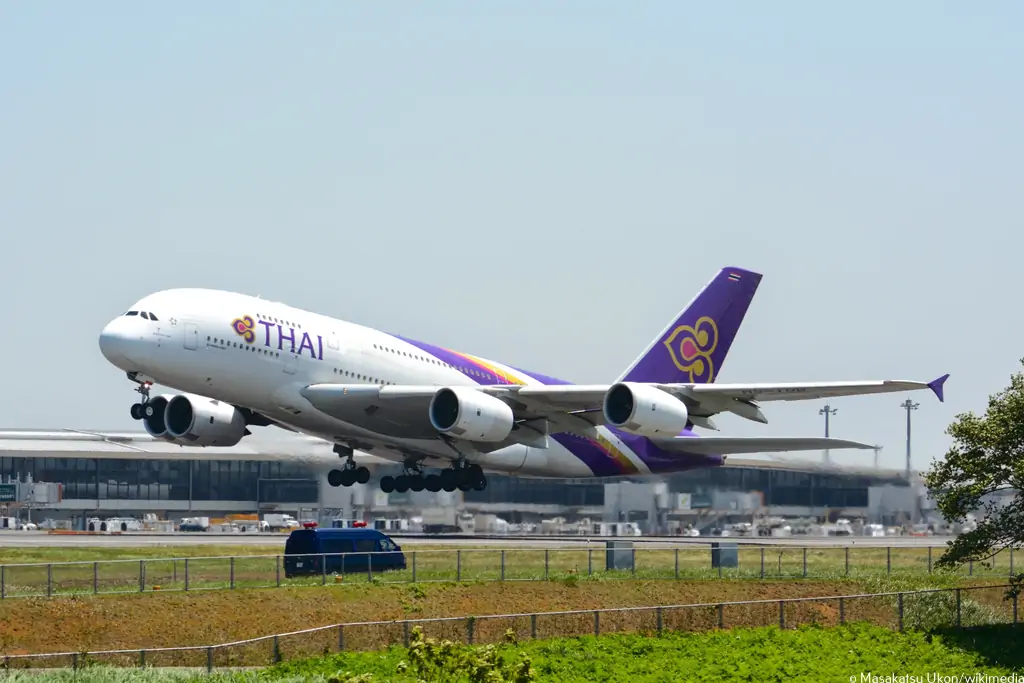
Thai Airways, Thailand's national carrier, has long been a vital part of the country's aviation environment. The airline has played a significant role in connecting Thailand with the rest of the world, with a rich history and a commitment to excellence. As demand for air travel expands, Thai Airways recognizes the need to expand its fleet and improve its operations. To satisfy this demand, the airline is going to issue an RFP for the acquisition of a large number of twin-aisle aircraft suitable for both long-haul and short-haul operations.
Thai Airways Overview
Thai Airways is Thailand's national carrier and has been carrying passengers since its inception in 1960. The airline has earned a reputation for its dedication to service quality, safety, and dependability throughout the years. Thai Airways has become associated with Thailand's tourist sector and has a global network of destinations.
The Need for Aircraft Acquisition
Thai Airways recognizes the significance of extending its fleet to meet rising demand, given the increasing popularity of air travel and Thailand's burgeoning tourism sector. The purchase of additional aircraft would not only allow the airline to carry more passengers, but it would also increase operational efficiency and provide better services. Thai Airways intends to increase its market position by adding additional aircraft to its fleet in order to capitalize on the predicted growth in air travel.
The Request for Proposals (RFP)
Thai Airways, Thailand's national carrier, is now launching a Request for Proposals (RFP) to buy up to 30 twin-aisle aircraft for both long-haul and short-haul operations. To satisfy the expanding demands of the nation's aviation industry, the airline plans to increase its fleet and strengthen its operating skills.
Specifications and Objectives
Thai Airways intends to use the RFP procedure to acquire up to 30 twin-aisle aircraft. Twin-aisle aircraft, often known as wide-body aircraft, are favored for their ability to accommodate a large number of passengers while simultaneously offering substantial cargo space on long-haul flights. When evaluating the proposals, the airline will consider elements such as fuel efficiency, impact on the environment, and technological advancements.
Airbus A380 Aircraft Disposal
Thai Airways intends to dispose of six of its dormant Airbus A380 aircraft as part of the aircraft acquisition discussions. Several considerations, notably the operational expenses associated with running the A380 and the changing needs of the aviation industry, have influenced the decision to retire this aircraft. The airline's CEO, Chai Eamsiri, announced the move during the International Air Transport Association (IATA) Annual General Meeting (AGM) on June 4, 2023, in Istanbul, Turkey.
By retiring the A380s, the airline will be able to optimize its fleet composition and better match it with its future growth goals. Thai Airways' operations and financial prospects will be significantly impacted by the decision to retire these aircraft.
Potential Suppliers and Industry Response
Thai Airways' announcement about the RFP and the disposal of its Airbus A380 aircraft garnered a lot of attention in the aviation sector. Aircraft manufacturers and leasing firms are keeping a careful eye on the situation, and several have shown an interest in participating in the RFP process.
Impact on Thai Airways' Future
The procurement of new aircraft via the RFP procedure bodes well for Thai Airways' future. With the acquisition of contemporary, fuel-efficient twin-aisle aircraft, the airline will be able to provide better services to its passengers while decreasing its environmental impact. Thai Airways will be a competitive competitor in the global aviation market because of its greater capacity and enhanced operating skills.
In conclusion, Thai Airways' announcement of an RFP for the acquisition of twin-aisle aircraft is a significant step forward in the airline's growth and development. Thai Airways intends to expand its fleet in order to meet rising demand for air travel, improve the customer experience, and strengthen its market presence. The sale of the Airbus A380 aircraft underlines the airline's determination to adapt to changing industry dynamics and embrace more environmentally friendly practices. As Thai Airways advances through the RFP process, the future appears bright for both the airline and Thailand's aviation sector as a whole.
With Inputs from AeroTime
Read next
Air India CEO Believes India Needs More Non-Stop International Connectivity

Radhika Bansal
05 Jun 2023
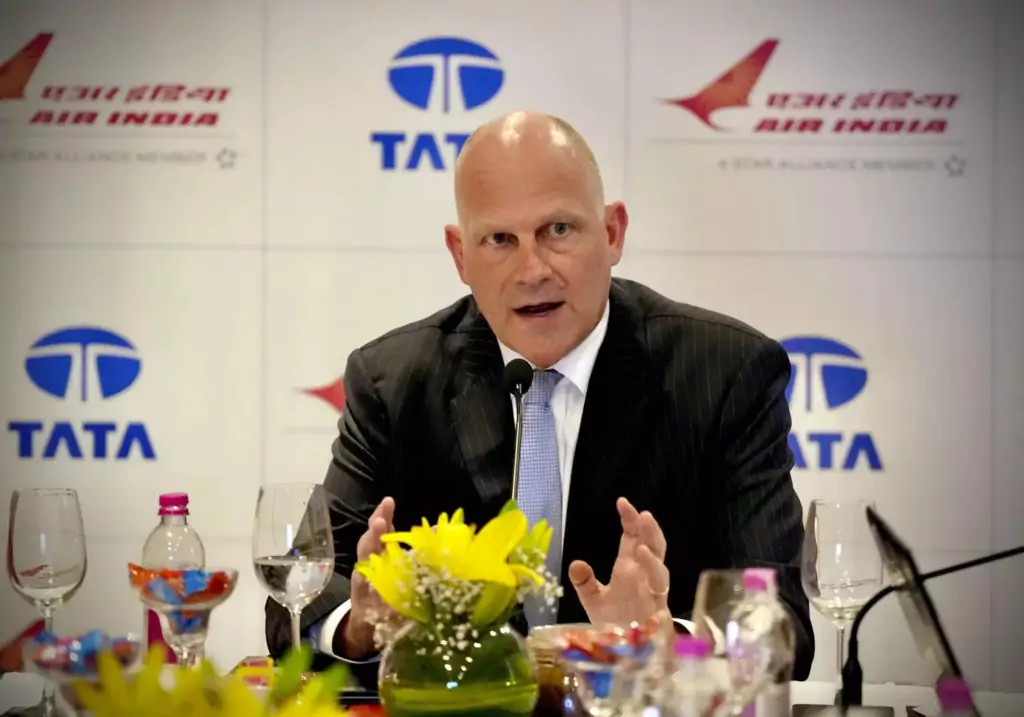
India has, in some respect, not been able to control its destiny as a consequence of not having a healthy domestic airline industry, according to Air India chief Campbell Wilson. "As a consequence of not having a healthy domestic airline industry, India has in some respects is not able to control its destiny. Some foreign airlines coming into India have been the ones that have reaped the benefits of the growing Indian market as opposed to the Indian airlines," Wilson said in an interview with newswire agency PTI.
Terming Go First's insolvency unfortunate, Wilson said that this is not the first time that an airline has failed in the country and "it does I think underscore the industry structure that has prevailed has not been conducive for a healthy, vibrant, profitable industry". However, the Air India chief said that IndiGo's success and Tata Airlines coming together will "hopefully allow for a market that is more sustainable, ideally profitable that will allow airlines to invest in new products, expand the network and also lead India to assume its place on the world aviation stage."
Wilson, who is piloting Air India's massive expansion plans in terms of fleet as well as routes, said that Air India is investing USD 70 billion at the list price for 470 new aircraft and that is with the explicit purpose of providing more services, especially international connectivity. As Air India flies to more places non-stop from India and also builds a hub, then hopefully, the airline will catalyse further broader development of the country's aviation industry.
"That will be good for all the parties and not just the airline itself," he noted. Tata Group took over Air India and Air India Express from the government in January last year. Currently, the group has four carriers under its fold -- Air India, Air India Express, AIX Connect (earlier known as AirAsia India) and Vistara, a joint venture with Singapore Airlines. The group is also in the process of merging Air India Express and AIX Connect, and Vistara with Air India.
India should've more non-stop international connectivity
While travel demand is on the rise, India has relatively less direct international air connectivity and overseas traffic is catered to mostly by foreign carriers with connecting flights. Against this backdrop, the government is working on developing an international aviation hub in the country while Air India and IndiGo are also expanding their international operations.
Asserting that India deserves to have international non-stop connectivity to more destinations, the Air India chief said: "Our view is that India deserves to have international non-stop connectivity to many more destinations in the world than presently is the case. “To do that, it will require investments in aircraft, systems, and people by Indian carriers. That investment comes with economic incentives and other incentives. So building the environment to make such investments attractive to the people and such investments successful, at least in my view, is in the national interest," Wilson said.
When asked about India being hesitant to allow more bilateral flying rights to foreign carriers, Wilson said that for whatever reason, India did not have a strong home carrier to announce non-stop services to the points that people wanted to fly to and from. "In the absence of that, people were served by airlines hubbing in different places around India. Now, there are two airlines in India with the capacity and ambition to expand non-stop services, it is only right that they are given time to demonstrate that the intent is matched by action," he emphasised. India is one of the fastest-growing aviation markets in the world.
(With Inputs from PTI)
Read next
Emirates in Collaboration with deSter as a part of Its Closed-loop Initiative
Abhishek Nayar
05 Jun 2023
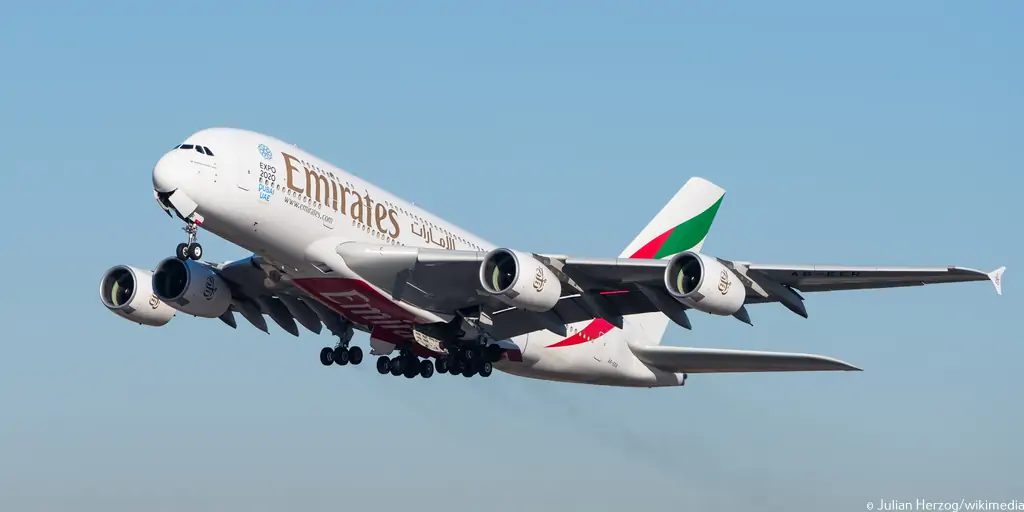
Emirates Airlines recently partnered with deSter, an established manufacturer of in-flight service products, to begin a new sustainable adventure. This collaboration intends to execute a closed-loop recycling project, reviving in-flight service items, and demonstrating Emirates' commitment to environmental care. Emirates is taking an important step towards reducing waste and adopting a circular economy by recycling millions of onboard products.
Overview of deSter and its Contribution to the Initiative
deSter, a forward-thinking firm specializing in the design and manufacture of high-quality aviation equipment, has become an important partner in Emirates closed-loop recycling project. With decades of aviation experience, deSter is well-positioned to assist Emirates' goal of sustainability. Their understanding of sustainable materials and production methods makes them an ideal partner for this project.
Importance of Recycling In-Flight Service Items
It is impossible to overstate the importance of recycling in-flight service products. Plastic cutlery, meal trays, and beverage cups, for example, contribute to the overall waste generated during air travel. Emirates hopes to decrease waste and divert materials from landfills by recycling these goods. This project is consistent with the airline's overarching commitment to environmental sustainability.
The Closed-Loop Recycling Initiative
Emirates, eager to promote its environmental credentials, revealed plans to recycle millions of onboard goods, which would be recycled and converted into ready-to-use Emirates food service products. The cabin crew on every Emirates aircraft will collect defective food service items from Economy and Premium Economy Class dining to be unloaded in Dubai and then delivered to a local recycling factory.
The Advantages of the Closed-Loop Recycling Initiative
Emirates Airlines, its passengers, and the ecosystem as a whole will all benefit from the closed-loop recycling effort. For starters, this strategy considerably minimizes the airline's waste. Emirates guarantees that millions of in-flight service items do not wind up in landfills, where they would add to the world's rising waste burden.
Developing Green Credentials
Responsible consumption is a key environmental emphasis area for Emirates, which evaluates the full product lifetime from design to disposal and has incorporated an environmental obligation in the supplier code of conduct. The new programme represents a shift towards circular economy concepts, in which things are reduced and repurposed.
Passengers' Reactions to Implementation
The cooperation of the cabin crew and flawless logistics are critical to the effective execution of the closed-loop recycling project. The cabin crew is in charge of collecting broken food service items and ensuring that they are properly sorted and kept for recycling. Their commitment to sustainability is critical to the success of this endeavor.
Conclusion
The cooperation between Emirates Airlines and deSter for the closed-loop recycling effort demonstrates the airline's commitment to sustainability and environmental care. Emirates drastically decreases waste and promotes a more sustainable future for air travel by recycling millions of in-flight food items and repurposing them into new meal service goods. This project serves as a model for the industry, encouraging other airlines to prioritize environmental stewardship.
With Inputs from Emirates
Comment