
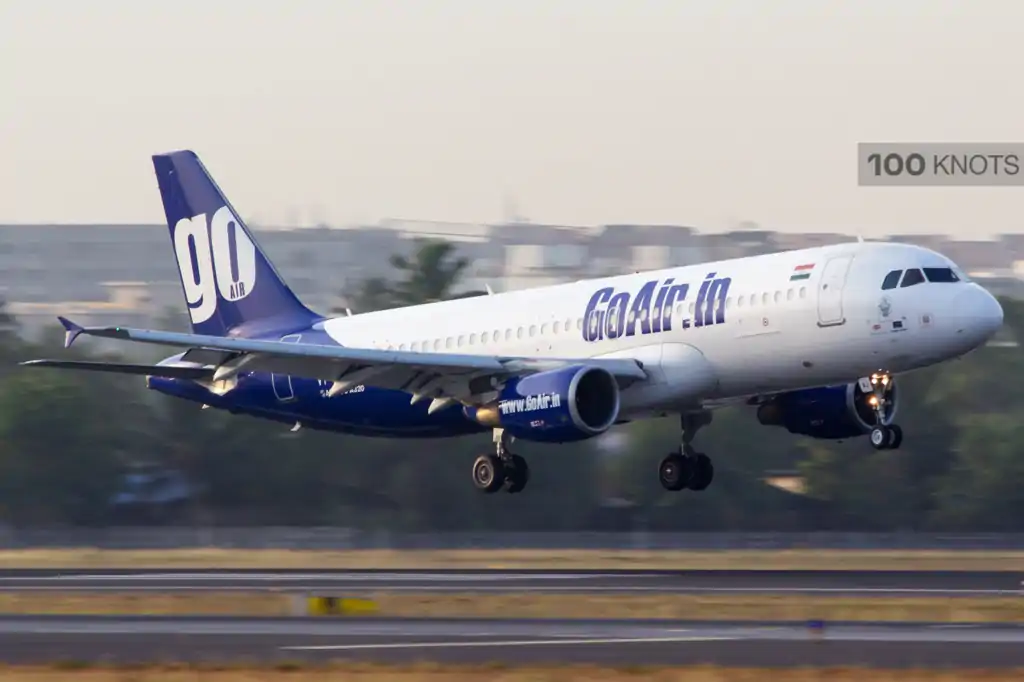
In a significant development for India's aviation sector, the lenders to Go First, a once-prominent airline, have opted to liquidate the company’s assets. This decision comes after the rejection of bids by interested suitors to revive the bankrupt airline. Go First, which filed for bankruptcy in May last year, had been navigating a turbulent period marked by financial instability and operational challenges.
Background: The Bankruptcy Filing
Go First, formerly known as GoAir, filed for bankruptcy in May 2023, citing severe financial distress. The airline's troubles stemmed from mounting debts and operational disruptions exacerbated by the COVID-19 pandemic. Despite its attempts to restructure and recover, Go First could not secure the necessary financial backing to continue operations.
The Committee of Creditors' Decision
The Committee of Creditors (CoC), after thorough deliberation, voted in favor of liquidating Go First. According to banking sources, liquidation is deemed the most viable path forward. One banker explained, "Liquidation is the best way forward and it makes no sense to keep pumping in more money to cover costs related to the insolvency process."
Failed Revival Attempts
Go First had received two financial bids under the bankruptcy process, with one bidder even raising their offer following a push from lenders. However, these bids ultimately fell short of the lenders' expectations. "Bidders were given adequate time to review and raise their bids, but even that fell short of lenders' expectations," said a banking source.

The Liquidation Process
The liquidation process is set to commence once all legal formalities are completed. Go First owes a substantial sum of 65.21 billion rupees ($781.14 million) to its creditors, which include major financial institutions such as the Central Bank of India, Bank of Baroda, IDBI Bank, and Deutsche Bank. The decision to liquidate comes after careful consideration of the airline's financial state and the impracticality of further investment.
The Aircraft Lessors’ Dilemma
A significant factor complicating Go First’s revival was the tussle with foreign aircraft lessors. These lessors were initially blocked from repossessing planes due to a moratorium imposed by Indian courts. However, a local court ruling in April allowed lessors to reclaim their planes. "The court order was a major deterrent for bidders as there was no value left in the airline," a banker explained, highlighting the diminished appeal of the airline to potential investors.
Conclusion: The End of an Era?
The decision to liquidate Go First marks a poignant end to the airline’s journey. For stakeholders and observers in the aviation industry, this development underscores the harsh realities faced by airlines in financial distress. As the liquidation process unfolds, the fate of Go First’s assets and its impact on creditors, employees, and the broader aviation market will be closely watched.
Implications for the Future
This case serves as a cautionary tale for the aviation industry, emphasizing the importance of financial resilience and strategic planning. The liquidation of Go First could potentially influence future bankruptcy proceedings and the approach of creditors towards struggling airlines. It remains to be seen how this decision will shape the dynamics of the Indian aviation sector in the years to come.
With Inputs from Reuters

Read next
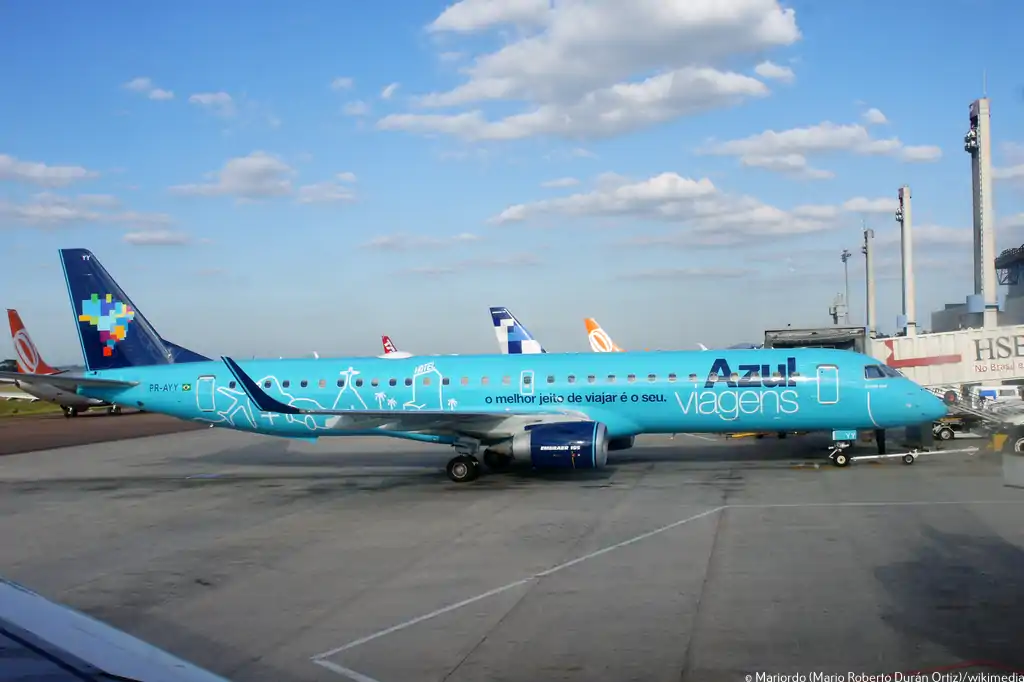
In a monumental move for Brazilian aviation, Azul Linhas Aéreas has secured a substantial $331 million financing deal from the National Bank for Economic and Social Development (BNDES). This agreement, announced on August 3, 2024, facilitates the addition of ten new Embraer E195-E2 jets to Azul's fleet. The deal, valued at approximately R$ 1.9 billion, is the largest direct aircraft financing operation between BNDES and a Brazilian airline, underscoring the confidence in Azul's business model and its growth potential.
Strengthening National Economic Growth
This strategic collaboration between Azul, Embraer, and BNDES highlights the synergies between these key players in Brazil's aviation sector. John Rodgerson, Azul's Chief Executive Officer, emphasized the broader impact of this financing deal, stating, "The financing of Embraer’s new aircraft for Azul demonstrates a vote of confidence in our business and our future, generating jobs and income throughout the country. This also demonstrates the strength of three large genuinely national institutions: Azul, Embraer, and BNDES working together on behalf of Brazil."
Aligning with Government Objectives
BNDES President Aloizio Mercadante underscored the strategic alignment of the acquisition with the Brazilian government's goals. He pointed out that this deal not only supports the aviation sector but also contributes to Brazil's broader economic objectives. By bolstering the national economy, enhancing tax revenues, and increasing income levels, the government reaffirms its commitment to fostering national industries.
Azul’s Fleet Expansion and Modernization Strategy
In April 2024, Azul announced its plans to receive 13 new E195-E2 jets by the end of the year. Since welcoming its first 136-seat E195-E2 in September 2019, the Sao Paulo-based carrier has expanded to a diverse fleet of 176 aircraft, maintaining an average age of 7.9 years. The addition of the new E195-E2 jets, renowned for their fuel efficiency and advanced technology, is a critical part of Azul's broader strategy to modernize its fleet and improve operational efficiency.
Enhancing Operational Efficiency and Environmental Impact
The new E195-E2 jets are expected to significantly enhance Azul's service offerings. With their advanced technology and fuel efficiency, these aircraft will help the Brazilian air carrier reduce its carbon footprint, aligning with global trends towards more sustainable aviation practices. This fleet expansion marks a pivotal step in Azul’s ongoing efforts to provide top-tier service while promoting environmental sustainability.
Conclusion
Azul Linhas Aéreas’ $331 million financing deal with BNDES is a testament to the airline's robust business model and growth prospects. This strategic move not only strengthens Azul's market position but also promotes national economic growth and job creation. As Azul continues to modernize its fleet with the addition of new Embraer E195-E2 jets, it sets a benchmark for operational efficiency and environmental sustainability in the Brazilian aviation industry. This collaboration between Azul, Embraer, and BNDES exemplifies the potential of national institutions working together towards shared goals, heralding a new era for Brazilian aviation.
Read next

The Airports Authority of India (AAI) has been significantly increasing its expenditure on repairs and maintenance across its network of airports. Official data reveals that the AAI spent nearly 20 percent more in the last financial year, with the total amount reaching Rs 795.72 crore. This marks a continuous rise in costs since the fiscal year 2021-22.
Annual Expenditure Breakdown
In the financial year ending March 2024, AAI's expenditure on maintenance stood at Rs 795.72 crore, a substantial increase from the Rs 663.42 crore spent in 2022-23. Going further back, the fiscal year 2021-22 saw an expenditure of Rs 535.02 crore on similar activities. This steady rise underscores the growing focus on maintaining and upgrading airport infrastructure.
Focus on Structural Stability
The importance of robust maintenance practices was highlighted following incidents at several airports. The forecourt canopy at Terminal 1D of Delhi Airport collapsed amid rains on June 28, and tensile fabric canopies were torn at Jabalpur and Rajkot Airports on June 27 and June 29, respectively. These events have spurred the Ministry of Civil Aviation to take decisive action.
Government Response
In response to these incidents, Minister of State for Civil Aviation Murlidhar Mohol informed the Rajya Sabha on July 29 about new directives for all airport operators. They are now required to conduct third-party audits of the structural stability of airport buildings and associated infrastructures. Additionally, a thorough evaluation of all civil, electrical, and technical aspects of the buildings, including roof sheeting structures, is mandated before each monsoon season.
Standards and Inspections
During airport construction, compliance with the National Building Codes and other relevant standards is mandatory. To ensure ongoing safety and compliance, the Directorate General of Civil Aviation (DGCA) conducts annual inspections of licensed airports, focusing on airside infrastructure.
Capital Expenditure Plans
Looking ahead, the AAI, along with public-private partnership (PPP) partners, has ambitious plans for airport development. A combined capital expenditure of over Rs 91,000 crore has been earmarked for the period from 2019-20 to 2024-25. This investment aims at the development, upgradation, and modernization of various airports across India.
Conclusion
The Airports Authority of India's increased spending on repairs and maintenance highlights its commitment to ensuring the safety and functionality of airport infrastructure. With growing passenger traffic and evolving aviation standards, such investments are crucial for maintaining operational efficiency and safety. The proactive measures being taken by the government and regulatory bodies reflect a comprehensive approach to addressing current challenges and preparing for future demands in India's aviation sector.
Read next
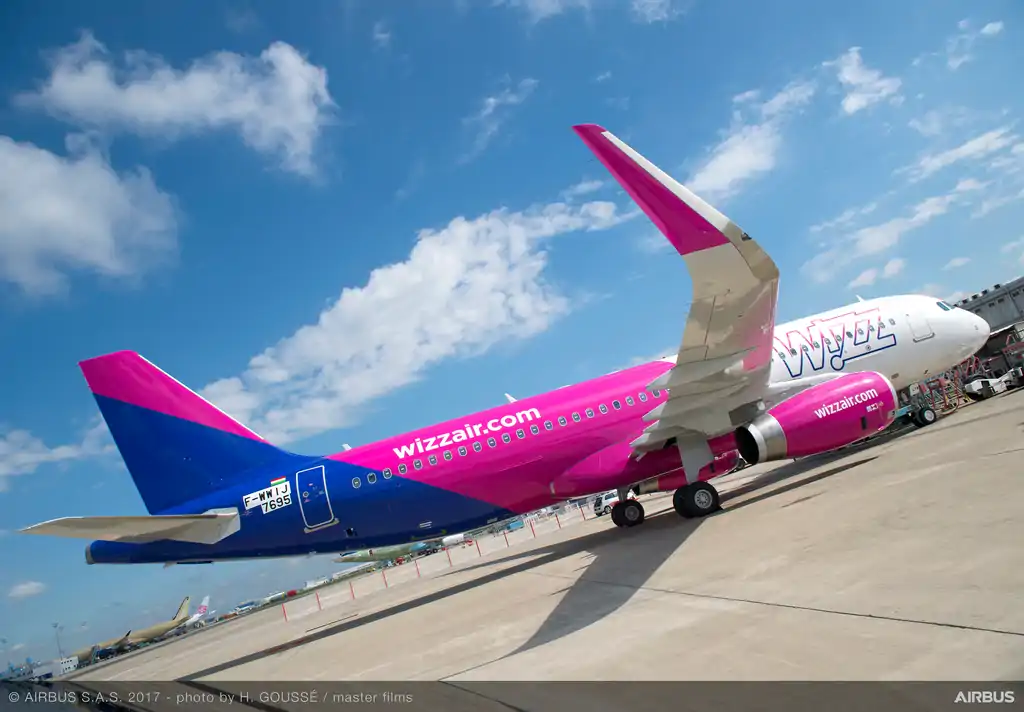
Hungary's competition authority has slapped a hefty fine of €770,000 ($839,916) on Wizz Air. The low-cost airline was found guilty of misleading communication and breaching professional due diligence, particularly in its portrayal of the automatic check-in service. The authority accused Wizz Air of pushing customers towards more expensive packages under the guise of convenience.
Misleading Practices and Consumer Impact
The crux of the watchdog's findings revolves around how Wizz Air marketed its automatic check-in service. The service, designed to simplify the travel process for passengers, was deemed misleading in its communication. Customers were nudged towards higher-priced packages without a clear understanding of their options, raising concerns about the airline's transparency and ethical standards.
Financial Troubles and Revised Profit Forecasts
The fine comes on the heels of Wizz Air's recent announcement of a significant drop in profits. The airline reported a 44% decline in first-quarter operating profit, prompting a downward revision of its annual profit forecast. A combination of external and internal factors, including the Pratt & Whitney engine issues, has contributed to this financial strain.
Pratt & Whitney Engine Woes
Wizz Air, which operates an all-Airbus fleet, has been particularly hard-hit by challenges related to Pratt & Whitney RTX engines. This summer, 46 of its planes are slated for inspections, significantly reducing the airline's operational capacity. The engine troubles have necessitated costly one-off wet leases to maintain service levels, further exacerbating financial pressures.
Industry-Wide Turbulence
Wizz Air's difficulties are part of a broader trend affecting European airlines. The industry has faced soaring costs and a cooling off in customer demand following the post-pandemic travel surge. Major carriers such as Air France-KLM, Lufthansa, and Ryanair have all reported tough second quarters, highlighting the pervasive nature of these challenges.
Passenger Numbers and Operational Hiccups
Despite the setbacks, Wizz Air managed to carry 5.9 million passengers in July, boasting a load factor of 93.8%. However, the airline had to cancel 1% of its scheduled flights due to global system outages, adding another layer of complexity to its operational challenges.
Looking Ahead
Wizz Air's recent fine and operational difficulties underscore the importance of transparency and reliability in the airline industry. As the company navigates these turbulent times, maintaining customer trust and operational efficiency will be crucial. The broader industry, too, must adapt to evolving demands and unforeseen challenges to ensure long-term sustainability.
With Inputs from Reuters
Read next

Allegiant Air, a prominent Ultra Low-Cost Carrier (ULCC) in the United States, is grappling with significant adjustments to its fleet growth strategy due to ongoing Boeing quality issues and reduced output. The airline's revised delivery schedule for the Boeing 737-8-200 aircraft has triggered a cascade of operational and financial implications. This article delves into the latest developments, the challenges faced by Allegiant, and the airline's future plans.
Reduced Deliveries: A Ripple Effect
Initial Expectations vs. Reality
Allegiant Air initially projected the arrival of twelve Boeing 737-8-200 aircraft in 2024. However, persistent quality issues at Boeing have necessitated a downward revision. The latest update reduces the expected deliveries to just four, a drop from six as announced last quarter.
Financial Impact
The alteration in delivery schedules is not without cost. Allegiant Air is incurring an annual expense of USD 30 million on non-productive assets, including pilots who were hired and trained for the new aircraft. This financial strain is a direct consequence of the delayed deliveries, impacting the airline's overall profitability.
Strategic Adjustments and Future Plans
Leadership Insights
During the Q2 2024 investors call, Gregory Anderson, Allegiant Air’s current president and incoming CEO, emphasized the focus on establishing a realistic delivery schedule and negotiating compensation from Boeing for the prolonged delays.
Certification Delays
Robert Neal, Allegiant's CFO, highlighted the role of the US Federal Aviation Administration (FAA) in retaining the certification of the carrier’s first Boeing 737-8-200. This decision, although extending the timeline, provides a clear path for the aircraft's arrival. Neal expressed optimism, anticipating the first delivery within 30 days.
Current Fleet and Future Growth
Existing Fleet Composition
Allegiant Air currently operates a fleet of 131 aircraft, comprising thirty-five A319-100s and ninety-six A320-200s, with average ages of 19.0 and 15.2 years, respectively. The airline plans to retire two A320s by the end of the year.
Balancing Act
Maintaining a balance between new deliveries and retirements is a challenging task. Neal acknowledged the difficulty in synchronizing Boeing's deliveries with the planned retirements. Despite these challenges, Allegiant aims to close 2025 with a net fleet growth of one or two aircraft.
Financial Performance and Outlook
Despite the operational challenges, Allegiant Air posted a net profit of USD 42.9 million for the first half of 2024. This resilience underscores the airline's ability to navigate through turbulent times. Looking ahead, Allegiant's strategic adjustments and negotiations with Boeing will be crucial in shaping its fleet growth and financial health.
Final Thoughts
As Allegiant Air contends with delayed Boeing deliveries and associated financial burdens, the airline’s ability to adapt and strategically plan for the future will be key to its continued success. The coming months will be critical as Allegiant navigates these challenges and strives to achieve its fleet expansion goals.
With Inputs from ch-aviation
Read next

Spirit Airlines has recently announced significant cost-saving measures, including downgrading around 100 captains and furloughing approximately 240 pilots. This news follows closely on the heels of their second quarter results, which were published on August 1, 2024, just days after revealing details about a new premium class product.
Cost-Saving Initiatives and Financial Goals
In the pursuit of financial stability, Spirit Airlines aims to achieve $100 million in annual run-rate cost savings, with $75 million expected by the end of 2024. Part of this strategy involves deferring aircraft deliveries from Airbus. Jets that were scheduled to be delivered between the second quarter of 2025 and the end of 2026 will now arrive between 2030 and 2031. This mirrors a similar move by JetBlue, which postponed the delivery of 44 A321neo aircraft beyond 2030.
Temporary Suspension of Recruitment and Voluntary Leaves
To further cut costs, Spirit Airlines will temporarily halt the recruitment of pilots and flight attendants. Additionally, current cabin crew staff will be offered voluntary unpaid leaves of absence. Fred Cromer, Spirit’s Chief Financial Officer, emphasized the airline's commitment to maintaining its low-cost leadership and ensuring adequate liquidity during these challenging times.
Disappointing Revenue and Market Challenges
Reflecting on the second quarter results, Spirit Airlines President and CEO acknowledged that it has been difficult to increase yields, leading to disappointing revenue outcomes. Total operating revenues for the second quarter of 2024 were $1.28 billion, a significant drop from $1.43 billion in the same period last year. The CEO attributed this decline to substantial industry capacity increases and changes in ancillary pricing within the competitive environment.
Transformation Plan and Future Outlook
Despite the current challenges, Spirit Airlines remains optimistic about its transformation plan. The CEO believes that the intense competition for price-sensitive leisure travelers validates their strategy to redefine low-fare travel. By offering new, high-value travel options, Spirit aims to provide an elevated experience at an affordable price, appealing to a broader customer base.
Conclusion
Spirit Airlines' recent cost-saving measures and strategic decisions highlight the airline's commitment to navigating a competitive and challenging market. By downgrading captains, furloughing pilots, and deferring aircraft deliveries, Spirit aims to stabilize its financial position and continue offering affordable travel options to its guests. As the airline works towards its cost-saving goals, the industry will be watching closely to see how these changes impact its future performance and customer satisfaction.
Comment