
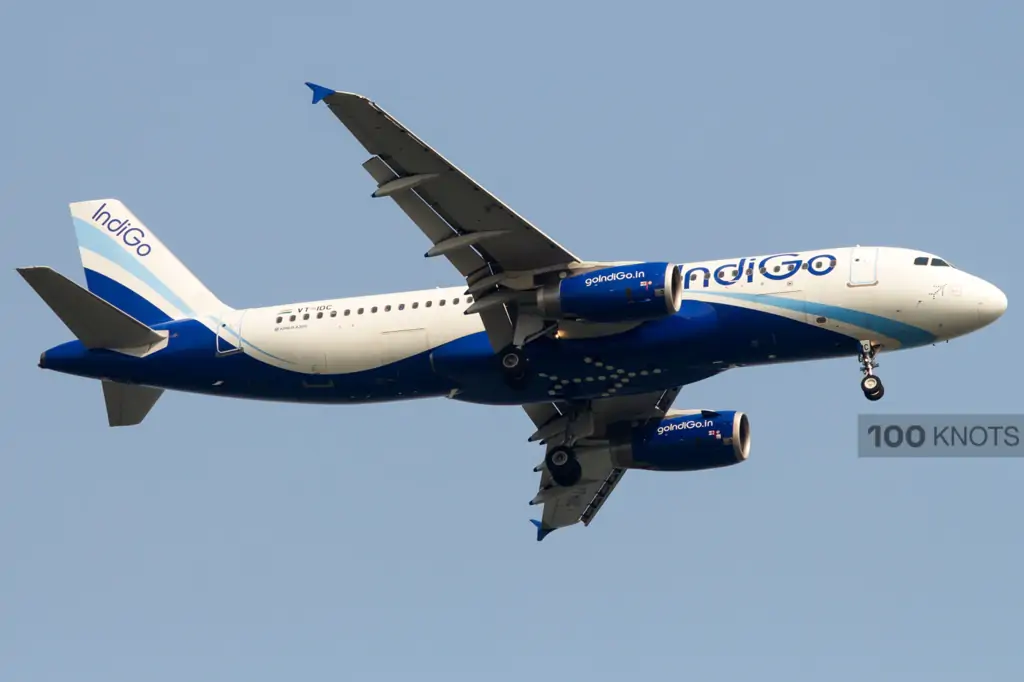
India's aviation landscape is currently dominated by two major players: IndiGo and the Tata-run Air India Group. However, this market structure raises a pressing question: Does India deserve more than just two major airlines? Rahul Bhatia, the promoter of IndiGo, believes so and has shared his insights on the matter.
The Decline of Indian Airlines

Over the past 12 years, India has witnessed the demise of three significant airlines: Kingfisher, Jet Airways, and Go First. These failures have inadvertently allowed IndiGo to capture a substantial share of the market, currently holding over 60% of the domestic passenger market. Meanwhile, the Air India Group, which includes Vistara, holds a 28.7% share.
IndiGo’s Stance on Market Dominance
Bhatia emphasizes that IndiGo's market dominance is not solely of its own doing. "Some of our growth was of our own volition but some of the growth came because few other airlines fell by the wayside," he said. He asserts that IndiGo has capitalized on opportunities created by the exit of other airlines, but it is not a deliberate strategy to form a duopoly.
Welcoming Competition
IndiGo's promoter welcomes competition, provided it comes with the right cost structure. "If an airline does not have the right cost structure, it will struggle sooner or later," Bhatia noted. He stresses that IndiGo is committed to keeping costs low, providing affordable fares, and maintaining a sustainable business model.

The Shift from Low-Cost Model
Contrary to the typical low-cost airline model, IndiGo is exploring a broader market. Bhatia highlighted that India’s aviation sector has room for growth beyond low-cost carriers, particularly in the long-haul market. He pointed out that Air India is the only Indian long-haul carrier, and its current market share is not sustainable.
The Challenge of Foreign Carriers
Indian carriers hold about 45% of the overall international passenger market, with foreign carriers capturing the remaining 55%. In the long-haul segment, foreign carriers have an even larger share. Bhatia underscored the need for Indian airlines to increase their presence in the long-haul market to reduce dependence on foreign carriers.
Commitment to Affordable Travel
Bhatia reassured that IndiGo would never be found guilty of "gouging" its customers. The airline’s business model focuses on low costs, affordable fares, and efficient operations. "Our business is to keep our costs low, provide affordable fares, fill up planes, buy more planes, fill them up again, and keep that cycle going," he stated.
Emotional Commitment to IndiGo
In a rare emotional moment, Bhatia expressed his commitment to IndiGo, addressing speculations about his financial moves. He clarified that selling a 2% stake in the airline was to fund his other businesses, reaffirming that IndiGo remains a central focus.
Conclusion
Rahul Bhatia’s insights reveal a nuanced understanding of IndiGo’s market position and the broader challenges faced by the Indian aviation sector. While IndiGo continues to dominate, the future of Indian aviation may well depend on fostering healthy competition and expanding into new markets, ensuring that the country has more than just two major airlines to serve its vast population.
Is IndiGo's market dominance a symptom of India's airline woes? The answer lies in understanding the complexities of the industry and the need for sustainable competition.
With Inputs from Economic Times

Read next

In a recent Rajya Sabha session, the Ministry of Civil Aviation, represented by Minister of State Murlidhar Mohol, provided comprehensive details regarding India's Bilateral Air Services Agreements (ASAs) with foreign countries. The topic, brought to the forefront by Dr. John Brittas, revealed intriguing aspects of India's international aviation strategy, focusing on the designation of cities rather than states as Points of Call (PoC).
India’s Expanding Global Air Network
India has executed Bilateral Air Services Agreements with a total of 116 foreign countries. These agreements play a crucial role in facilitating the operation of international flights between India and these nations, aiming to boost global connectivity and support economic and tourism growth.
Key Clarifications by the Ministry of Civil Aviation
Contrary to the specifics of Dr. Brittas's query, Minister Mohol clarified that the ASAs do not designate individual airports or entire states as Points of Call. Instead, the agreements typically specify cities as Points of Call. This approach ensures better management and operational efficiency, allowing for the inclusion of multiple airports within a designated city, providing greater flexibility and coverage for airlines.
Cities Designated as Points of Call
The cities designated under these agreements include:
- North India: Ahmedabad, Amritsar, Aurangabad, Bagdogra, Bhubaneshwar, Delhi, Dehradun, Gorakhpur, Jaipur, Khajuraho, Lucknow, Patna, Varanasi.
- West India: Calicut, Mumbai, Nagpur, Pune, Goa.
- South India: Bangalore, Chennai, Cochin, Coimbatore, Hyderabad, Madurai, Thiruvananthapuram, Tiruchirappalli, Vishakhapatnam.
- East India: Kolkata, Gaya, Guwahati, Port Blair.
The Rationale Behind City Designations
The standard practice in international aviation agreements is to designate specific cities rather than states to facilitate international flights. This strategy supports a more structured approach to global air connectivity by allowing for the inclusion of multiple airports within a city. It also enhances operational efficiency and provides airlines with greater flexibility.
No States as Points of Call
In response to the request for copies of the relevant pages of Bilateral Air Services Agreements designating states as Points of Call, the Minister confirmed that no such designations exist. Therefore, there are no documents to furnish concerning the designation of states as PoCs.
Enhancing Global Connectivity
By designating cities rather than states, India aims to streamline international flight operations and support a more structured approach to global air connectivity. This method aligns with international best practices and ensures better management of international air traffic, benefiting passengers and airlines alike.
Conclusion
India's Bilateral Air Services Agreements, which specify cities as Points of Call, underscore the nation's commitment to enhancing global connectivity and fostering economic growth. As India continues to expand its international air network, these agreements will play a pivotal role in supporting the country's aviation industry and facilitating seamless global travel.
Read next

Saudia Group has once again proven its pivotal role in ensuring the success of the Hajj Season 1445H. Through a meticulously integrated ecosystem encompassing aviation, cargo, logistics, catering, ground services, and maintenance, the group has set new benchmarks in operational excellence and pilgrim satisfaction.
Transporting Over a Million Pilgrims: An Unprecedented Feat

In a monumental effort, Saudia transported over 1 million pilgrims across four continents and more than 100 destinations. This was achieved through more than 5,000 flights, accumulating an impressive 20,000 flight hours. The group's low-cost carrier, flyadeal, played a crucial role by transporting over 70,000 pilgrims on 440 flights.
The Backbone of Success: Highly Skilled Crew
The success of Saudia's Hajj operations can be largely attributed to its highly skilled crew. With a team of 1,800 Captains and First Officers, along with 6,100 cabin crew members, Saudia adhered to the highest industry standards. Operating at full capacity for 74 days, the airline utilized its fleet of 144 aircraft, supplemented by 14 additional aircraft dedicated to Hajj flights.
Enhancing the Spiritual Journey
Saudia ensured that the pilgrims' spiritual journey was enriched through a seamless digital booking experience, diverse meal options, prayer announcements, and informative inflight content.
Saudia Cargo: Connecting Continents with Innovative Solutions
Saudia Cargo played a pivotal role in the Hajj season by leveraging innovative cargo services and a modern fleet. Capitalizing on the Kingdom's strategic location, Saudia Cargo operated 717 flights, transporting 98.9 thousand tons of cargo across 44.6 thousand export air waybills. The cargo operations were a testament to Saudia's commitment to digital transformation and operational efficiency.
Saudi Logistics Services (SAL): The Backbone of Cargo Handling
SAL, the primary cargo handler at the Kingdom's air terminals, provided essential logistics solutions and intermodal transport connections during the Hajj season. SAL managed 3.4 million cargo shipments, totaling 76 million kg in weight, and operated 14.2 thousand flights, serving 59 airlines.
Ground Services and Catering: Ensuring Smooth Operations
Saudi Ground Services (SGS)
Renowned for its ground handling and airport solutions, SGS contributed significantly to the successful Hajj season. SGS served 12.7 thousand flights and 2.2 million guests, managing 4.6 million pieces of luggage during arrivals and departures.
CATRION: Luxury Hospitality and Catering
Specializing in luxury hospitality and airline catering, CATRION served more than 7.7 million meals onboard, ensuring that pilgrims enjoyed high-quality meals throughout their journey.
Saudia Technic: Ensuring Operational Excellence
Saudia Technic played a crucial role in maintaining operational excellence through its aircraft maintenance, repair, and renovation services. Operating across 21 stations, Saudia Technic provided 22.6 thousand spare parts, logged 4.5 thousand maintenance hours, and deployed 134 technicians to ensure the fleet was in optimal condition.
Looking Ahead: Continuous Improvement and Expansion
Amer Alkhushail, CEO of Saudia Hajj and Umrah, emphasized the group's commitment to continuous improvement. "We will continue advancing pilgrim services, evaluating feedback to enhance their spiritual experiences with cutting-edge digital technologies. We aim to provide the best solutions to facilitate procedures, making the Hajj journey smoother from start to finish," he stated.
Planning for the Future
As the Hajj 1445H season concludes, Saudia has already commenced planning for the upcoming Hajj 1446H season. The group aims to expand its flight network to accommodate more pilgrims, supported by a comprehensive seat retrofit program.
Conclusion
Saudia Group's remarkable contributions to the Hajj Season 1445H highlight its dedication to operational excellence and pilgrim satisfaction. Through its integrated ecosystem and commitment to innovation, Saudia has revolutionized the Hajj travel experience, setting new standards for the future.
Read next
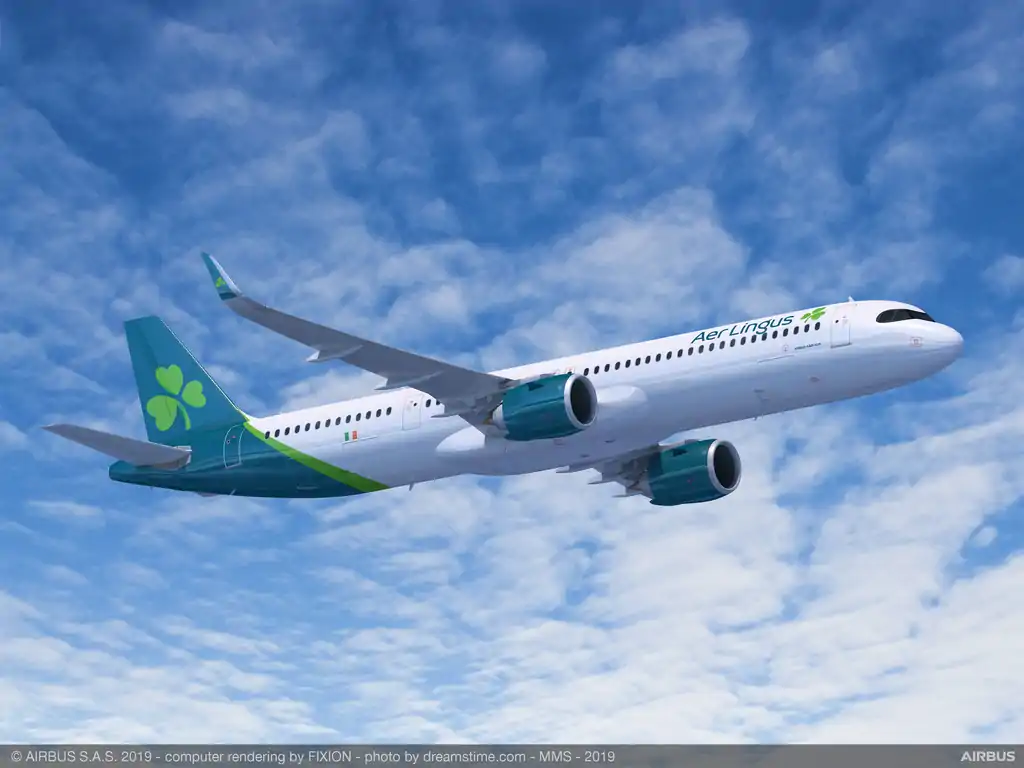
In a significant turn of events, Aer Lingus has revived its plans to introduce the Airbus A321XLR following a groundbreaking new labor deal with its pilots in July. This decision comes after its parent company, International Airlines Group (IAG), had earlier pulled Aer Lingus from its position as the launch operator for the aircraft due to cost structure concerns.
IAG's Strategic Shift: From Aer Lingus to Iberia
In May, IAG's decision to replace Aer Lingus with Iberia as the launch customer for the A321XLR was driven by apprehensions regarding Aer Lingus’s cost structures. This move temporarily stripped the Irish carrier of its prestigious status as the launch operator for the advanced long-range narrowbody aircraft. Iberia, another IAG-owned airline, swiftly took the reins and is set to deploy the A321XLR on transatlantic routes to North America, including Boston (BOS) and Washington DC (IAD), later this year.
A New Dawn: Pilot Agreement Spurs Revival
Aer Lingus's revival of the A321XLR plans is spearheaded by CEO Lynne Embleton, who is now actively engaging with IAG management to revisit the acquisition. This renewed interest follows a pivotal new pilot agreement that addresses the previously contentious cost structures.
Key Components of the Pilot Deal
The new pilot agreement, which includes a substantial 17.75% pay rise, introduces several structural changes conducive to company expansion. One of the most notable changes is the introduction of a new narrowbody pay scale, which could potentially facilitate A321XLR operations across the Atlantic.
The agreement brings two critical structural changes:
- Narrowbody Pay Scale Cap: A new pay scale cap now applies to all narrowbody flying, enhancing productivity for both European and transatlantic pilots.
- Removal of Crew Agreement: The deal also eliminates a "crew agreement" that previously reduced summer productivity by about 7%, allowing for more efficient year-round crew utilization.
Embleton's Optimism
CEO Lynne Embleton is optimistic about the future, emphasizing that these changes will lead to better unit costs for Aer Lingus. The four-year duration of the pilot agreement, which is longer than the typical three years, provides increased business certainty and stability.
IAG's Next Steps: A321XLR Allocation Under Review

With Aer Lingus’s renewed interest, IAG is now reconsidering its options for A321XLR orders. The group holds 14 orders for the long-range narrowbody aircraft, and IAG’s Chief Financial Officer, Nicholas Cadbury, has confirmed ongoing deliberations about the allocation of these aircraft within the group. This suggests potential shifts in the deployment strategy of the A321XLR across IAG's airlines.
Financial Challenges and the Road Ahead
Despite this positive development, Aer Lingus is still grappling with financial challenges. The airline faced significant setbacks due to recent pilot strikes, which cost the airline €55 million, impacting both second and third-quarter finances. The first-half profit of Aer Lingus plummeted to €9 million from €40 million the previous year, underscoring the financial hurdles the carrier must overcome.
Airbus A321XLR: Certification Milestone Achieved
On a brighter note, Airbus recently achieved a milestone with the European certification for the A321XLR just before the Farnborough Air Show. This certification marks a crucial step towards the aircraft's entry into commercial service, aligning perfectly with Aer Lingus’s revived plans.
Conclusion: A Strategic Turnaround
The new pilot agreement and the renewed interest in the Airbus A321XLR signal a strategic turnaround for Aer Lingus. As the airline navigates through its financial challenges, these developments could pave the way for a more productive and cost-efficient future. The aviation world will be watching closely as Aer Lingus and IAG finalize their plans for the A321XLR, potentially reshaping transatlantic travel.
With Inputs from Flight Global
Read next
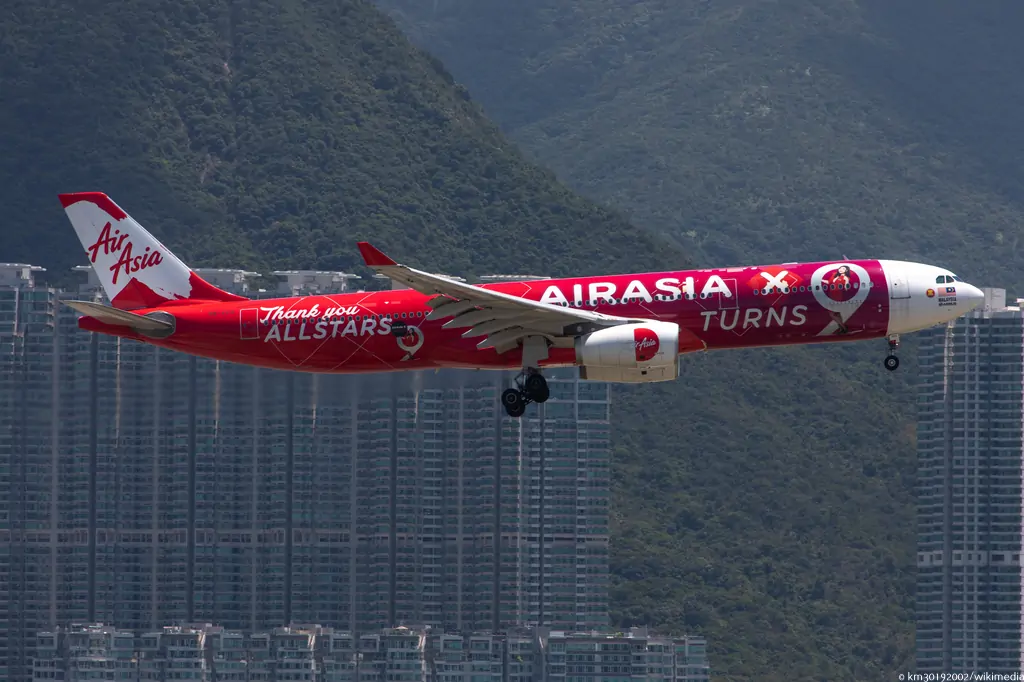
AirAsia X (AAX) has announced a major move that is set to reshape the aviation landscape in Southeast Asia. The airline has submitted a listing application and a draft circular to Bursa Malaysia Securities Berhad, detailing its plans to acquire Capital A’s entire equity interest in AirAsia Aviation Group Limited (AAAGL) and AirAsia Berhad (AAB). This ambitious move promises to consolidate the AirAsia brand under one enlarged aviation group, signifying a new chapter for the low-cost carrier giant.
Accelerated Acquisition Process
To expedite this landmark acquisition, AAX has announced the cessation of its Proposed Internal Reorganization. Instead, AAX will directly undertake the Proposed Acquisitions, streamlining the process significantly.
Following approval from Bursa Malaysia and the subsequent dispatch of the circular to shareholders, an Extraordinary General Meeting (EGM) will be convened within 21 days. The completion of these acquisitions is projected by the end of this year, heralding the formation of an enlarged aviation group under the AirAsia brand.
Financial and Operational Implications
Shareholder Benefits
With the Proposed Acquisitions, AAX shareholders will gain access to Capital A’s aviation business, valued at RM6.8 billion, through an issuance of RM3 billion in new shares. This investment offers ownership in a robust and ongoing airline business, encompassing six established airlines and a newly launched airline in Cambodia. This move solidifies AirAsia’s position as ASEAN’s largest low-cost carrier, featuring the most extensive short- and medium-haul network in the region.
Strategic Vision and Synergistic Benefits
AirAsia X Chairman, Dato’ Fam Lee Ee, emphasized the strategic significance of the acquisition:
“As we enter the next phase of the Proposed Acquisitions, this strategic move is set to strengthen our market position and streamline AirAsia operations across the region. By integrating AirAsia Aviation Group's extensive network and resources with AAX's medium-haul capabilities, we aim to create a more cohesive and efficient airline group.”
This integration promises numerous synergistic benefits, including enhanced operational and cost efficiencies, providing a seamless travel experience for passengers as regional travel demand continues to grow. The acquisition is also expected to deliver improved financial performance, with increased revenue streams and significant cost savings from integrated operations.
Long-Term Vision and Investor Appeal
The cessation of the Proposed Internal Reorganization underscores AAX’s commitment to accelerating the acquisition process and realizing its benefits swiftly. The enlarged aviation group is anticipated to attract substantial investor interest, bolstered by its enhanced market position and the growth potential presented by the combined aircraft orderbook.
“This move aligns with our long-term vision of becoming a leading player in the global aviation industry,” stated Dato’ Fam Lee Ee.
Next Steps
Further details on the Proposed Acquisitions, including their impact on various financial metrics, will be disclosed in the circular to shareholders. As AAX and Capital A move towards this ambitious integration, the aviation landscape in ASEAN is poised for significant transformation, promising enhanced connectivity, operational excellence, and strategic growth.
With Inputs from AirAsia
Read next
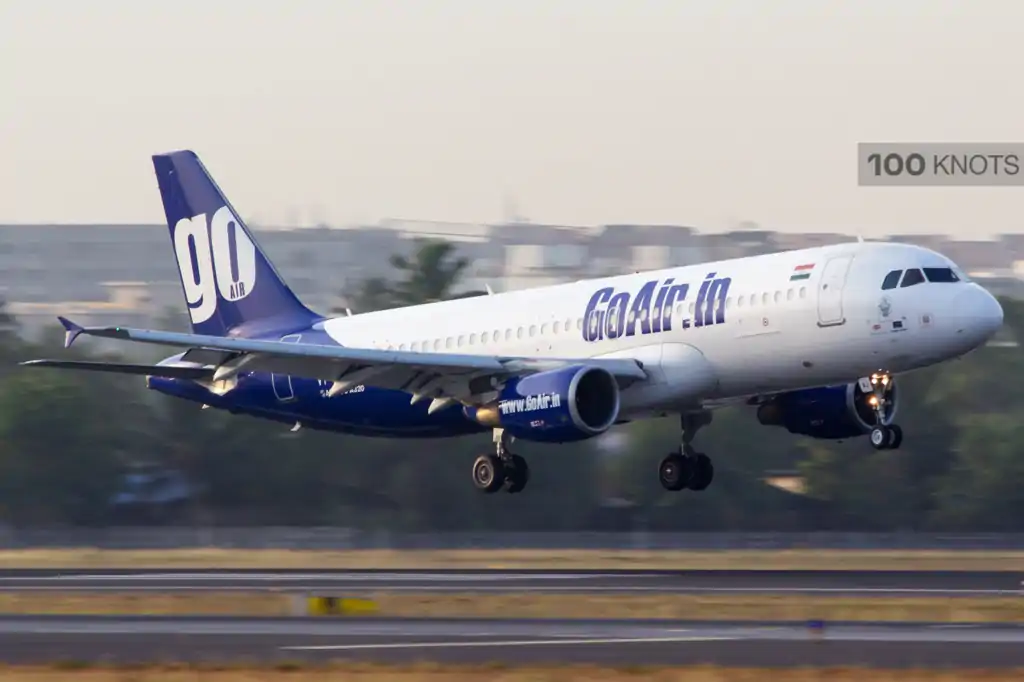
In a significant development for India's aviation sector, the lenders to Go First, a once-prominent airline, have opted to liquidate the company’s assets. This decision comes after the rejection of bids by interested suitors to revive the bankrupt airline. Go First, which filed for bankruptcy in May last year, had been navigating a turbulent period marked by financial instability and operational challenges.
Background: The Bankruptcy Filing
Go First, formerly known as GoAir, filed for bankruptcy in May 2023, citing severe financial distress. The airline's troubles stemmed from mounting debts and operational disruptions exacerbated by the COVID-19 pandemic. Despite its attempts to restructure and recover, Go First could not secure the necessary financial backing to continue operations.
The Committee of Creditors' Decision
The Committee of Creditors (CoC), after thorough deliberation, voted in favor of liquidating Go First. According to banking sources, liquidation is deemed the most viable path forward. One banker explained, "Liquidation is the best way forward and it makes no sense to keep pumping in more money to cover costs related to the insolvency process."
Failed Revival Attempts
Go First had received two financial bids under the bankruptcy process, with one bidder even raising their offer following a push from lenders. However, these bids ultimately fell short of the lenders' expectations. "Bidders were given adequate time to review and raise their bids, but even that fell short of lenders' expectations," said a banking source.

The Liquidation Process
The liquidation process is set to commence once all legal formalities are completed. Go First owes a substantial sum of 65.21 billion rupees ($781.14 million) to its creditors, which include major financial institutions such as the Central Bank of India, Bank of Baroda, IDBI Bank, and Deutsche Bank. The decision to liquidate comes after careful consideration of the airline's financial state and the impracticality of further investment.
The Aircraft Lessors’ Dilemma
A significant factor complicating Go First’s revival was the tussle with foreign aircraft lessors. These lessors were initially blocked from repossessing planes due to a moratorium imposed by Indian courts. However, a local court ruling in April allowed lessors to reclaim their planes. "The court order was a major deterrent for bidders as there was no value left in the airline," a banker explained, highlighting the diminished appeal of the airline to potential investors.
Conclusion: The End of an Era?
The decision to liquidate Go First marks a poignant end to the airline’s journey. For stakeholders and observers in the aviation industry, this development underscores the harsh realities faced by airlines in financial distress. As the liquidation process unfolds, the fate of Go First’s assets and its impact on creditors, employees, and the broader aviation market will be closely watched.
Implications for the Future
This case serves as a cautionary tale for the aviation industry, emphasizing the importance of financial resilience and strategic planning. The liquidation of Go First could potentially influence future bankruptcy proceedings and the approach of creditors towards struggling airlines. It remains to be seen how this decision will shape the dynamics of the Indian aviation sector in the years to come.
With Inputs from Reuters
Comment