
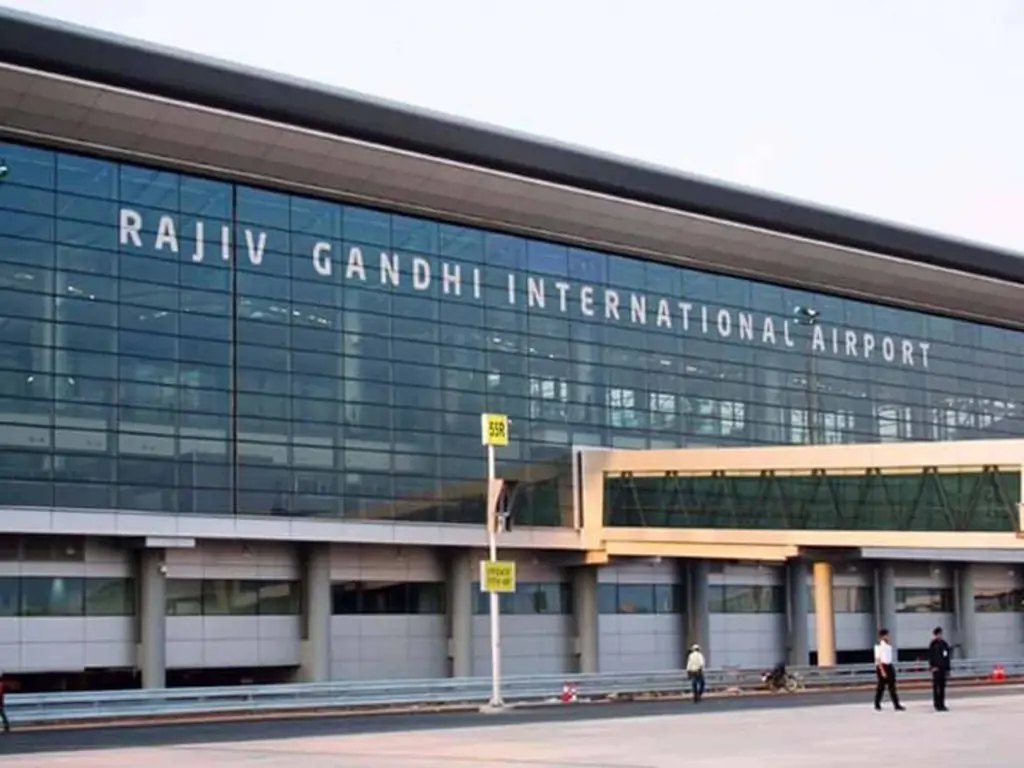
Taking a big step towards sustainability, the GMR Hyderabad International Airport Limited (GHIAL) announced that the energy consumption at the airport and across its ecosystem is now fully powered by green energy. Inaugurated in 2008, Hyderabad’s Rajiv Gandhi International Airport will be able to reduce its carbon footprint by approximately 9,300 tons of carbon dioxide annually, GHIAL said.
The airport is spread across 675 acres of land and serves as a natural carbon emissions sink, absorbing 240 tons of carbon dioxide from the environment annually. This has been done in partnership with Telangana State Southern Power Distribution Company Limited (TSSPDCL).
According to GHIAL, the move will revolutionise the airport’s operation by harnessing the power of green energy through a combination of its own 10 MWp (megawatt peak) solar power plant and green energy supplied by TSSPDCL. Hyderabad Airport’s environmental and sustainability policy aligns with the commitments outlined by the International Civil Aviation Organization (ICAO) to limit or reduce greenhouse gas emissions (GHG) from aviation, thus contributing to global climate efforts.
According to Pradeep Panicker, CEO of GHIAL, the achievement was a significant step towards their commitment to adopt environmentally friendly practices across the airport ecosystem. “Hyderabad Airport is now powered by 100% renewable energy. We have systematically worked on reducing our carbon footprint through the years by implementing various measures and will continue to do so,” he said.

A statement released by the GHIAL said that it is a proud Carbon Neutral Airport, having received Level 3+ “Neutrality” Accreditation from the Airports Council International as part of its Airport Carbon Accreditation programme. It added that the company’s operations have also resulted in significant energy savings of around 15.5 million units (MU).
The Hyderabad Airport also has implemented a comprehensive set of commitments in line with its Environmental and Sustainability Policy. These measures have been carefully designed to contribute to the International Civil Aviation Organization’s (ICAO) environmental goal of limiting or reducing the impact of greenhouse gas emissions (GHG) from aviation on the global climate.
Some of these commitments include:
- Incorporating green building designs
- Adopting eco-friendly refrigerants with the latest technological advancements
- Implementing progressive generation and utilization of renewable energy sources to power airport operations
- Practising energy management techniques to optimize energy usage and promote conservation
- Encouraging behavioural changes to foster energy-saving habits.
- Procuring energy-efficient equipment.
The CII honoured GHIAL with the “National Energy Leader Award” in 2019, 2020, and 2021. It has also clinched the ‘Excellency-Gold Award’ in Telangana State Energy Conservation Awards in 2020 and 2021. Furthermore, in 2021, GHIAL got the BEE’s Certificate of Merit for attaining the highest NECA score of 89.26%.
Hyderabad Airport
Rajiv Gandhi International Airport is an international airport that serves Hyderabad, the capital of the Indian state of Telangana. It was opened on 23 March 2008 to replace Begumpet Airport, which was the sole civilian airport serving Hyderabad. It is named after Rajiv Gandhi, former Prime Minister of India. Built over an area of 5,500 acres (2,200 ha), it is the largest airport in India by area. It is owned and operated by GMR Hyderabad International Airport Limited (GHIAL), a public–private consortium, owns and operates it. Rajiv Gandhi International Airport, Hyderabad was the first airport in India to launch a domestic e-boarding facility in December 2015 and an international e-boarding facility in October 2020. It has also ranked in AirHelp's list of top 10 airports in the world. The fourth busiest airport in India by passenger traffic, it handled almost 21 million passengers and over 140,000 tonnes (150,000 short tons) of cargo between April 2022 and March 2023.
Rajiv Gandhi International Airport is India's first greenfield airport built under a public-private partnership model. The airport has an integrated passenger terminal, a cargo terminal and two runways. There are also aviation training facilities, a fuel farm, a solar power plant and two maintenance, repair, and operations (MRO) facilities. The airport is a hub for Alliance Air (India), Blue Dart Aviation, SpiceJet and IndiGo. It is a focus city for Air India.

Read next
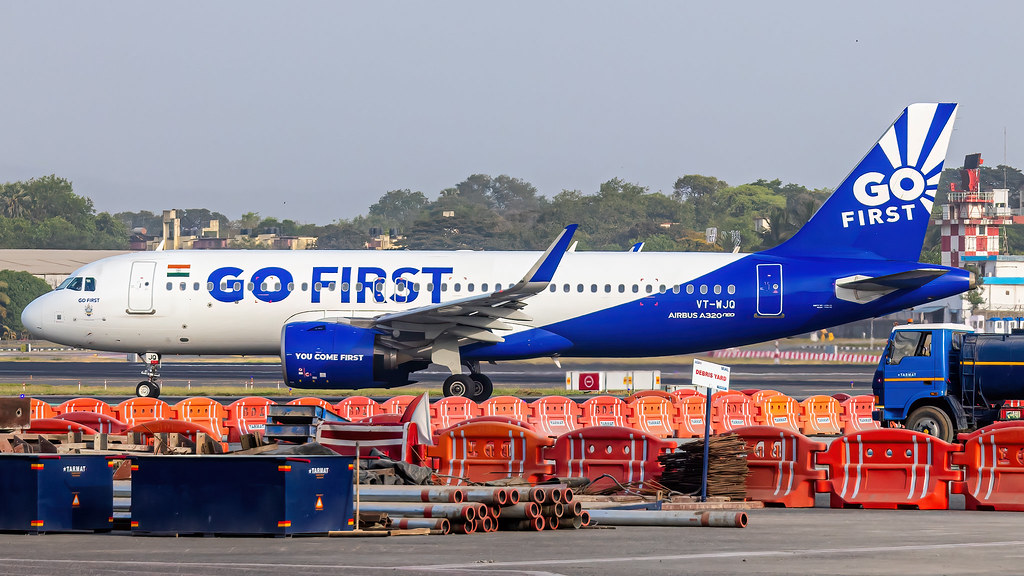
Crisis-hit Go First will likely induct CFM engine-fitted Airbus A320 family aircraft when the bankrupt airline resumes flight operations, said a media report by Mint. This is because these have proven to be more reliable for the airline in the past, Mint reported citing two people aware of the development.
Cash-strapped Go First stopped flying on May 3 and is undergoing a voluntary insolvency resolution process. The airline is open to evaluating the CFM option, and preliminary discussions have taken place on the matter given the current scenario, one of the officials cited above said.
When Go First suspended its operations in May, it blamed the US engine maker Pratt & Whitney for its situation leading to bankruptcy. The Wadia Group-owned carrier had said that the non-supply of engines forced the airline to ground around half of its airplanes, leading to a cash crunch and revenue losses.
“The airline has experienced a reliable phase of flight operations with CFM-powered aircraft in the past. They have been rugged and solid as compared to Pratt & Whitney engines for Go First. Hence, CFM engines are being considered,” a second person aware of the development told the publication. CFM engines are produced by CFM International, an equal joint venture between France’s Safran Group and General Electric Co. of the US.
Lawsuit Against Pratt & Whitney
Go First has also filed a lawsuit against P&W in a Delaware federal court, seeking enforcement of an arbitration award that requires the engine manufacturer to supply engines to the airline. Failure to comply with this order poses a risk of the carrier shutting down. P&W has challenged this order in the Singapore-based tribunal, which is currently awaiting a decision. Once the tribunal issues its ruling, Go First will need to approach the Delaware court again to enforce it.
The geared turbofan engines manufactured by P&W, which power Go First's A320 Neo aircraft, have exhibited significantly lower life expectancy than initially promised, especially under the dusty and harsh conditions in India. Over the past two years, engines in India have typically been removed from the wing before reaching an average of 7,000 operating hours, significantly lower than the projected 12,000-hour lifespan.
Go First's outstanding debt to creditors, primarily led by the Central Bank of India, amounts to over INR 6,500 crore. The Central Bank holds Rs 1,987 crore in outstanding loans, including approximately INR 650 crore in post-Covid emergency lines of credit.
Separately, a senior official said that the aviation watchdog Directorate General of Civil Aviation (DGCA) will conduct a special audit of grounded airline Go First's facilities in the national capital and Mumbai from July 4 to 6 before approving the revival plan for resumption of flights.
A senior executive at the airline expressed hope of resuming ticket sales -- which were paused by DGCA following the grounding of the carrier -- from July 7 or July 8 and subsequent relaunch of the operations from the middle of next month, according to a PTI report. Currently, the airline has cancelled all its flights till July 6.
Audit & Funding
The fresh dates for the audit were announced days after senior representatives of the current management of Go First discussed various aspects of the revival plan with officials of the Directorate General of Civil Aviation (DGCA) in New Delhi.
The airline has also secured lenders’ in-principle approval for interim funding of INR 450 crore. While the approval for interim funds has been granted, the plan is subject to approval from the respective boards of the banks. Central Bank of India, Bank of Baroda, and IDBI Bank are part of the lenders’ consortium of Go First. To be sure, bankers have analysed Go First’s readiness to fly again and feel that since it retained 50-60% of pilots and a majority of ground staff, it will soon be able to resume services.
It is to be noted that the resolution professional of the airline, Shailendra Ajmera, made a presentation on the lenders-approved revival plan on 28 June to the DGCA. The regulator had then asked the resolution professional to submit a formal plan on the same.
In its latest plan submitted to the DGCA, the airline has said that it can recommence approximately 160 daily flight operations with 26 aircraft. Out of the 26 aircraft, nearly four aircraft are to be kept in reserve to be prepared for a backup plan in case there are issues related to technical glitches in any of the operational aircraft. It will be including four planes for chartered operations and over 150 daily flights to and from 23 destinations.
According to DGCA’s data for April, Go First had a 6.4% share in the domestic market and carried 829,000 passengers. The National Company Law Tribunal admitted the airline’s insolvency proposal on 10 May. The airline has a moratorium on all payments for six months.
Flight Cancellation Extended
Go First on Tuesday, July 4 announced extending the cancellation of its scheduled flights till July 10. The airline, which is undergoing an insolvency resolution process, stopped flying on May 3 and since then it has extended the cancellation of flights multiple times. Earlier, it had cancelled all flights till July 6. In a statement, the airlines said, "We regret to inform you that due to operational reasons, Go First flights scheduled till 10 July 2023 have been cancelled. We apologise for the inconvenience caused by the flight cancellation." "As you are aware, the company has filed an application for immediate resolution and revival of operations. We will be able to resume bookings shortly. We thank you for your patience," it said. The company however assured that it would be able to resume bookings shortly.
(With Inputs from Mint)
Read next
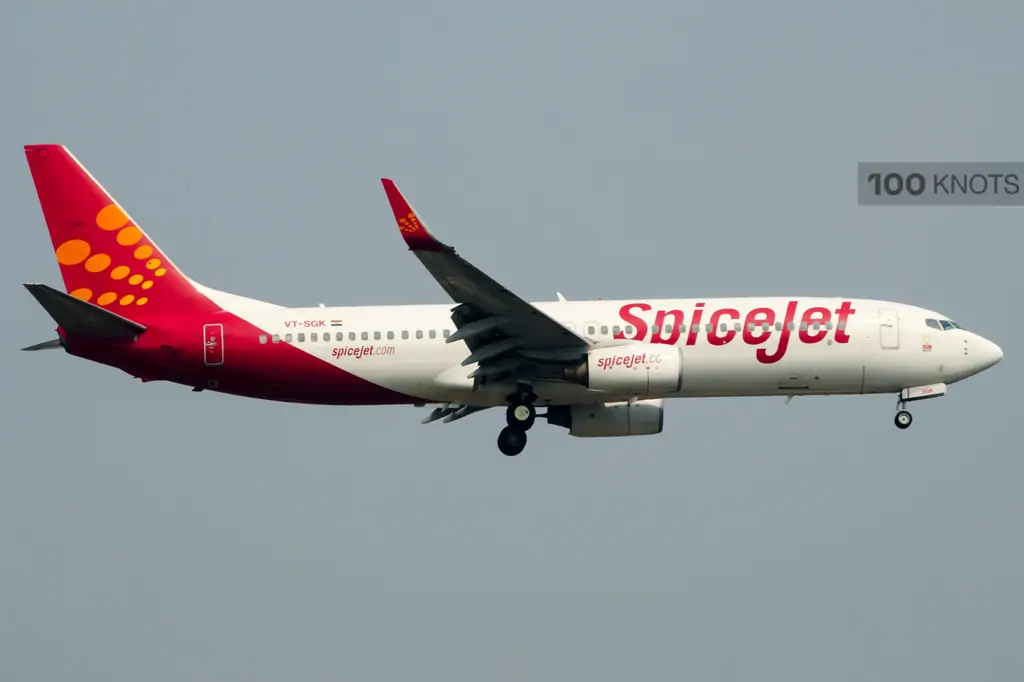
Passengers on cash-strapped SpiceJet Ltd. are experiencing the most flight disruptions in India, the world’s fastest-growing aviation market. Bloomberg reports that with the busy summer travel season arriving, only 61% of SpiceJet’s flights departed on time from the country’s four biggest airports — Mumbai, Delhi, Bengaluru and Hyderabad — in May, according to the Directorate General of Civil Aviation. That’s down from the already trailing figure of nearly 70% in April, the agency’s data showed.
SpiceJet, which is operating about 250 flights a day, isn’t alone. Air India, the nation’s second-largest carrier, slid to fifth from second in the punctuality ranks, with almost twice as many flight delays in May as a month earlier. Akasa Air, launched less than a year ago, was the most on-time, though its performance also slipped.
The punctuality of Air India’s flights declined by over 13% in June, which was the steepest fall month-on-month for any Indian airline, according to the Ministry of Civil Aviation’s data. The airline, run by the Tata group, saw its average daily on-time performance (OTP) drop from 83.27% in May to 69.92% in June, according to the data. SpiceJet remains at the bottom of the OTP chart with its punctuality dipping from 66.91% in May to 63.38%.
Frequent delays underscore the challenges of the post-pandemic boom in India’s intensely competitive aviation market. Travel surged during the school holidays in May and June, and carriers struggled to keep pace. Demand for some routes was higher than normal after the insolvent Go First stopped selling tickets in May, placing a greater burden on the country’s flight networks.
Air Traffic Soars
Domestic passenger traffic climbed 15% to 13.2 million in May from the month earlier. The airlines, meanwhile, are dealing with shortages of workers and planes after both were sidelined during the pandemic. A global issue with Pratt & Whitney engines is adding to the tension by grounding dozens of planes that normally serve the Indian market.
One basis point is one-hundredth of a percentage point. Low-cost airline SpiceJet carried 7.2 lakh passengers in May to garner a market share of 5.4%, while India's newest airline Akasa Air carried 6.29 lakh passengers to record a market share of 4.8% in May. Akasa Air also had the best on-time performance, for the third straight month in a row, with 92.6% at four metro airports — Delhi, Bengaluru, Hyderabad, and Mumbai.
“There is a huge pressure on airlines to expand services,” said Harsh Vardhan, chairman of New Delhi-based Starair Consulting. “The traffic has suddenly come back with a vengeance. But airlines are still in the process of streamlining operations.”
The weather also isn’t helping, and social media is awash with complaints. Some 350 Air India passengers en route to New Delhi from London spent hours stranded in Jaipur at the end of June. The airline’s pilot timed out after clocking the maximum work hours allowed while waiting for the Indian capital’s weather to clear. A SpiceJet flight from Pune to Dubai departed 10 hours late. A school teacher in Bengaluru missed her uncle’s funeral when an AirAsia India flight was delayed.
For SpiceJet, deteriorating punctuality comes hand-in-hand with financial challenges. It hasn’t made money for four years, losing USD 40 billion over that period, and has delayed releasing its latest fiscal year results. More than two dozen of the budget carrier’s aircraft were grounded at the end of May when its market share plunged to 5.4% from 7.3% at the start of the year. SpiceJet is “striving hard to continuously improve performance on all aspects, including our on-time performance,” a spokesperson said.
Airlines on Hiring Spree
The repair further adds that it’s not universally bad across India, which is experiencing fewer flight delays than other top aviation markets. Some 15% of flight departures were delayed from January through June 20, compared with 30% in the UK and 20% in the US, according to data obtained from FlightAware.
There are signs of improvement as airlines add staff and capacity. Market leader IndiGo, which placed a record order for 500 Airbus SE jets in June, plans to hire 5,000 workers in fiscal 2024. Air India will recruit more than 4,200 cabin crew and 900 pilots as it gears up for a fleet expansion, following its order of 470 Airbus and Boeing Co. jets. SpiceJet aims to introduce 10 additional Boeing 737 jets that it has leased by October.
(With Inputs from Bloomberg)
Read next


The resumption of transatlantic flights at pre-pandemic levels is an encouraging development for the airline industry, signaling a gradual recovery from the challenges posed by the COVID-19 crisis.
Current State of Transatlantic Flights
As of the latest data by Cirium, there are 152 daily flights connecting the United Kingdom to the United States compared to 145 daily flights in 2019. When comparing the two years, this represents a 5% rise. These flights provide a significant capacity of approximately 40,000 seats for travelers crossing the Atlantic. This figure represents a remarkable rebound from the reduced flight schedules and capacity constraints witnessed during the height of the pandemic.
Ten different airlines will be travelling from the UK to the US on the 152 flights scheduled for Independence Day. British Airways leads the way with 47 flights, with its most popular route connecting seven times from London Heathrow International Airport (LHR) to John F. Kennedy International Airport (JFK).
Factors Contributing to the Increase
Several factors contribute to the anticipated surge in transatlantic flights. Firstly, the successful rollout of vaccination programs in both the United Kingdom and the United States has instilled confidence among travelers, making them more willing to undertake long-haul journeys. Vaccinated individuals now have an added sense of security and reassurance when it comes to air travel.
These initiatives have made it easier for travelers to meet entry requirements and have minimized the inconvenience associated with international travel.
Implications for Travelers
The resurgence of transatlantic flights has significant implications for travelers. With more flight options available, passengers can enjoy increased flexibility when planning their journeys. The greater number of seats available across the Atlantic translates into improved accessibility and increased opportunities for travelers to secure tickets at competitive prices.
Conclusion
The anticipated surge in transatlantic flights between the United Kingdom and the United States on July 4 is a positive indication of the recovery taking place in the aviation industry. With 152 daily flights and approximately 40,000 seats available across the Atlantic, the number of flights is expected to exceed pre-pandemic levels, symbolizing a return to a more normalized state of air travel. The successful vaccination campaigns, the easing of travel restrictions, and the pent-up demand for international travel are all contributing factors behind this recovery.
Read next

The aviation industry faces the critical challenge of reducing its carbon footprint and embracing sustainable practices. Virgin Australia, a leading airline, and Boeing, a renowned aircraft manufacturer, have recognized the urgency of this issue. Their MoU signifies a joint commitment to sustainability and outlines the areas of focus for their collaboration.
Background on Virgin Australia and Boeing
Virgin Australia is a leading Australian airline renowned for its commitment to exceptional customer service and innovation. With a strong focus on sustainability, the airline aims to minimize its environmental impact while providing world-class air travel experiences. On the other hand, Boeing is a global aerospace company known for manufacturing commercial jetliners and defense, space, and security systems. Both companies share a common vision of driving sustainability in the aviation industry.
The Virgin Australia-Boeing Technology Relationship
Virgin Australia and Boeing have enjoyed a long-standing and fruitful technology relationship. Over the years, they have worked together to enhance aircraft performance, safety, and passenger experience. This strong foundation has paved the way for deeper collaboration in addressing sustainability concerns.
The Memorandum of Understanding
The Memorandum of Understanding (MoU) between Virgin Australia and Boeing signifies their shared dedication to sustainability. Signed in Seattle this week, The MoU comes as Virgin Australia takes delivery of 'Monkey Mia,' the first of eight Boeing 737-8 aircraft. This collaborative agreement sets the foundation for joint efforts and knowledge-sharing across various areas of environmental impact. By pooling their resources and expertise, Virgin Australia and Boeing aim to tackle the sustainability challenges facing the aviation industry head-on. The MoU between Virgin Australia and Boeing encompasses five key areas of endeavor, which are as follows:
Sustainable Aviation Fuel (SAF)
One of the primary targets of the MoU is to tackle the challenge of Sustainable Aviation Fuel. Both companies recognize the importance of developing and promoting alternative fuels that reduce carbon emissions in the aviation industry. By exploring innovative solutions and supporting research and development, they aim to accelerate the adoption of SAF.
First Nations Supply Chains
The MoU also emphasizes the promotion of First Nations supply chains. Virgin Australia and Boeing recognize the value and significance of supporting indigenous communities in the aviation sector. Through this collaboration, they aim to create opportunities and partnerships that benefit First Nations businesses and contribute to a more inclusive and sustainable supply chain.
Careers for Women in Aviation
Another crucial aspect of the partnership is the focus on promoting careers for women in aviation. Recognizing the underrepresentation of women in the industry, Virgin Australia and Boeing aim to inspire and empower women to pursue aviation-related professions. Through mentorship programs, scholarships, and targeted initiatives, they seek to enhance diversity and gender equality in the field.
High-Quality Carbon Offsets
The MoU also highlights the importance of high-quality carbon offsets. Virgin Australia and Boeing acknowledge the need to offset their carbon emissions responsibly. By investing in verified and credible carbon offset projects, they aim to mitigate the environmental impact of their operations and contribute to a more sustainable future.
US-Australia Clean Energy Cooperation
Lastly, the MoU emphasizes the significance of clean energy cooperation between the United States and Australia. Virgin Australia and Boeing recognize the importance of international collaboration in driving sustainable practices. By sharing knowledge, best practices, and technological advancements, they aim to accelerate the transition to clean energy in both countries and to advance the ambitions of the 2023 Australia-United States Climate, Critical Minerals and Clean Energy Transformation Compact. In particular, its objective to advance responsible clean energy supply chains.
Virgin Australia's Commitment to Emissions Reduction
Virgin Australia's commitment to sustainability extends beyond the MoU. With the introduction of the Boeing 737-8 aircraft, starting with 'Monkey Mia,' Virgin Australia's fleet will witness a significant reduction in emissions. These new aircraft are estimated to reduce emissions by at least 15 percent per flight compared to the 737-800 NGs. This reduction aligns with Virgin Australia's ambitious goal of reducing its carbon emissions intensity by 22 percent by 2030 and its long-term commitment to achieving net-zero emissions by 2050.
Comments
Christian Bennett, Chief Corporate Affairs and Sustainability Officer of Virgin Australia, stated that the MoU marks a meeting of minds and ambitions between the two businesses and would enhance the historic and developing technical collaboration between Virgin Australia and Boeing.
Sheila Remes, Boeing Vice President of Environmental Sustainability, stated, "We are honored to partner with Virgin Australia to tackle the challenges we face today - mitigating our industry's climate impact, catalyzing the SAF industry, and human development and inclusion." Boeing and Virgin Australia can work together to deliver significant solutions for the Asia Pacific region and the aerospace sector."
Conclusion
The Memorandum of Understanding between Virgin Australia and Boeing signifies a significant step forward in the aviation industry's journey towards sustainability. By targeting key areas such as Sustainable Aviation Fuel, First Nations supply chains, careers for women in aviation, high-quality carbon offsets, and US-Australia clean energy cooperation, both companies are demonstrating their commitment to creating a more environmentally responsible and inclusive aviation sector. Through their collaborative efforts, they aim to inspire other industry stakeholders to embrace sustainable practices and work towards a greener future.
With Inputs from Virgin Australia
Read next
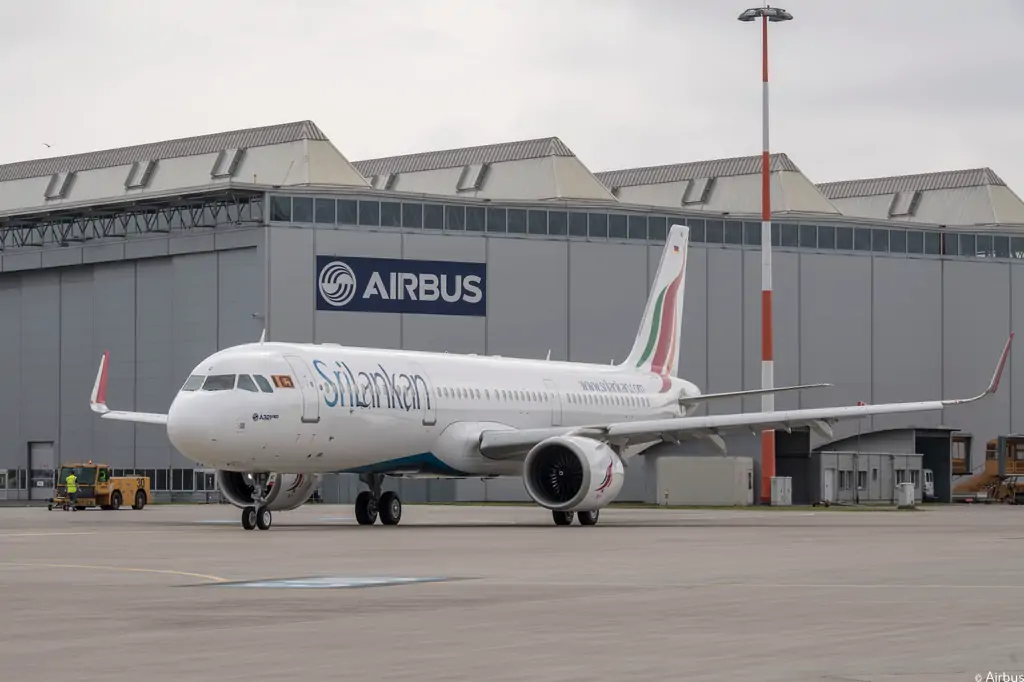
SriLankan Airlines has long been recognized as a prominent national carrier, serving both domestic and international destinations. However, the airline's financial struggles have reached a critical point, necessitating immediate attention and action. The mounting debt and subsequent risk of job losses have raised concerns within the aviation industry and among the airline's employees.
The Financial Crisis and Reorganization Proposal
Approximately six months ago, the financial losses incurred by SriLankan Airlines led to the presentation of a reorganization proposal. The goal was to address the root causes of the airline's financial distress and devise a plan to overcome these challenges. The proposal aimed to streamline operations, optimize efficiency, and explore new revenue streams to generate income and reduce the debt burden.
Insufficient Gains from Ground Operations and Catering Services
While SriLankan Airlines has experienced some gains from its ground operations and catering services, these contributions have proven to be inadequate in covering the substantial deficit. Despite the airline's best efforts, the revenue generated from these sectors has not been sufficient to alleviate the financial strain faced by the company.
The Need for Restructuring Measures
In light of the persistent financial crisis, the Sri Lankan government and authorities have come to the realization that immediate restructuring measures are indispensable. Without proactive steps to address the underlying issues, the airline's financial situation will continue to deteriorate, placing its future in jeopardy. It is crucial to ensure the long-term sustainability and stability of SriLankan Airlines.
Impact on SriLankan Airlines Personnel
Unfortunately, one of the direct consequences of the restructuring measures is the potential loss of jobs for thousands of SriLankan Airlines personnel. The decision to downsize the workforce is a difficult one, but it is deemed necessary to improve the company's financial health. The uncertainty and anxiety surrounding the impending job losses have understandably created a sense of unease among employees.
Measures to Mitigate Job Losses
While the job losses are regrettable, efforts are being made to minimize the impact on the affected employees. The Sri Lankan government and the management of SriLankan Airlines are actively exploring alternatives to outright layoffs. These measures may include voluntary retirement packages, retraining programs, and job placement assistance to support the affected personnel in transitioning to new employment opportunities.
Conclusion
The financial crisis faced by SriLankan Airlines has forced the implementation of restructuring measures to safeguard the future of the company. Regrettably, this has put thousands of jobs at risk. However, it is essential to recognize the necessity of these actions to address the mounting debt and ensure the long-term viability of SriLankan Airlines. It is hoped that the measures implemented will not only revive the airline's financial health but also provide support and assistance to affected personnel during this challenging time.
With Inputs from Columbo Page, The Edition
Comment