
GPS Spoofing Incidents Raise Alarms Over Airline Navigation in the Eastern Mediterranean

Abhishek Nayar
26 Oct 2023

In recent weeks, the aviation industry has been facing a growing threat as multiple cases of GPS spoofing have been reported over the eastern Mediterranean, Egypt, and on approach to Amman, Jordan. These alarming incidents, which have the potential to severely impact aircraft navigation, come in the wake of previous warnings by OpsGroup about similar issues along the Airway UM688 in Iraq. With GPS spoofing cases increasing, aviation authorities are facing mounting pressure to address this concerning issue.
The Threat of GPS Spoofing
What is GPS Spoofing?
GPS spoofing is a deceptive technique where an aircraft's GPS receiver is manipulated to provide false location information. This can lead to incorrect positioning on the aircraft's systems, which can result in unintended deviations from planned routes.
Incidents in the Eastern Mediterranean and Egypt:
OpsGroup reports have highlighted disturbing cases where aircraft have been misled into believing they were over Ben Gurion International Airport (LLBG) in Tel Aviv when they were actually far from the area. For instance, a Boeing 777 southeast-bound from the Nicosia/Cairo FIR boundary experienced a 30-minute period during which it believed it was stationary over LLBG, despite being 137 nautical miles away. Similarly, an Airbus A330 had its moving map display the aircraft as stationary over LLBG while it was actually 212 nautical miles from that location.
Amman, Jordan:
GPS spoofing also affected a Bombardier Challenger 350 on an RNAV approach into Amman, Jordan. The crew reported severe jamming and confusion in the aircraft's Inertial Reference System (IRS), indicating that GPS spoofing was occurring during the approach. These incidents highlight the potential danger that GPS spoofing poses to both commercial and private aviation.
Lack of Operational Guidance
Perhaps more concerning is the apparent lack of useful operational guidance from regulatory bodies such as the FAA and EASA, as well as Original Equipment Manufacturers (OEMs). Despite the increasing frequency of these incidents, the industry has yet to provide comprehensive solutions or countermeasures for operators to protect their aircraft from GPS spoofing.
Conclusion
The recent surge in GPS spoofing incidents in the eastern Mediterranean, Egypt, and on approach to Amman, Jordan, is a matter of grave concern for the aviation industry. It is evident that GPS spoofing poses a significant threat to aircraft navigation, potentially leading to unintended deviations from planned routes and, in some cases, causing confusion among flight crews.
Urgent action is needed from regulatory bodies and OEMs to address this issue and provide clear guidance to protect against GPS spoofing. In the meantime, aircraft operators and flight crews must remain vigilant and be aware of the potential for GPS spoofing when flying in the Middle East and Mediterranean regions to ensure safe and accurate navigation.
With Inputs from Air Online
Read next
Southwest Airlines Reaches Tentative Agreement with Flight Attendants' Union
Abhishek Nayar
26 Oct 2023
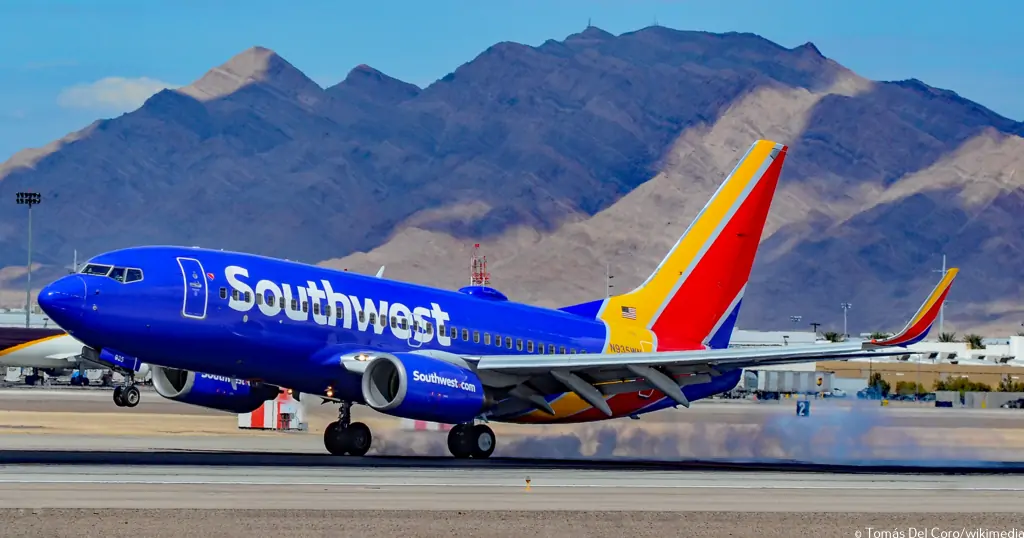
In a groundbreaking development, Southwest Airlines announced on October 25, 2023, that it has successfully reached a tentative agreement with the Transport Workers Union Local 556, representing nearly 19,000 flight attendants. This historic accord marks a significant milestone in labor relations within the U.S. airline industry, as it addresses long-standing concerns related to pay raises and work-life balance for flight attendants.
The Path to Agreement
The Transport Workers Union Local 556, representing Southwest's dedicated flight attendants, has voiced their concerns over the lack of pay raises for their members over the last four years. This contentious issue had brought them to the negotiating table, seeking not only better compensation but also improvements in their work-life balance.
Southwest Airlines, known for its unique corporate culture and industry-leading customer service, recognized the importance of addressing the flight attendants' demands. After extended negotiations, both parties have now come to a consensus.
Key Points of the Agreement
While the exact details of the agreement remain undisclosed to the public at this point, it is known that the agreement will touch on several crucial aspects, including:
- Pay Raises: The primary concern of the flight attendants has been the absence of pay raises over the past four years. The agreement is expected to address this issue by providing a well-deserved increase in compensation for Southwest's flight attendants.
- Work-Life Balance: In addition to pay raises, the agreement will likely address work-life balance concerns raised by the flight attendants. This is a particularly important issue, as the demanding nature of the job can often impact the personal lives of these dedicated professionals.
- Voting Timeline: The Transport Workers Union Local 556 will be responsible for communicating the agreement's details and the voting timeline directly to its members. This ensures that the union members have a say in the final approval of the agreement.
A Trend in Labor Unions
Southwest Airlines isn't the only company facing demands from its workforce. In the past two years, labor unions across various industries, including aerospace, construction, airlines, and rail, have been pushing for higher wages and improved benefits. This surge in labor activism has been driven, in part, by the challenges posed by the tight labor market and the increasing cost of living.
In August, Southwest Airlines took a significant step forward in labor negotiations by reaching a tentative labor agreement with the union representing approximately 17,120 transport workers responsible for ramp, operations, provisioning, and cargo. This agreement underscores the company's commitment to addressing the concerns of its employees across various roles.
Conclusion
The tentative agreement between Southwest Airlines and the Transport Workers Union Local 556 is a historic milestone in the airline industry. While the specifics of the agreement remain confidential for now, it is clear that the airline has heard the concerns of its flight attendants regarding pay raises and work-life balance. As the union communicates the details and the voting process to its members, this development sets a significant precedent for addressing labor issues in the ever-evolving landscape of the U.S. airline industry.
With Inputs from Reuters
Read next
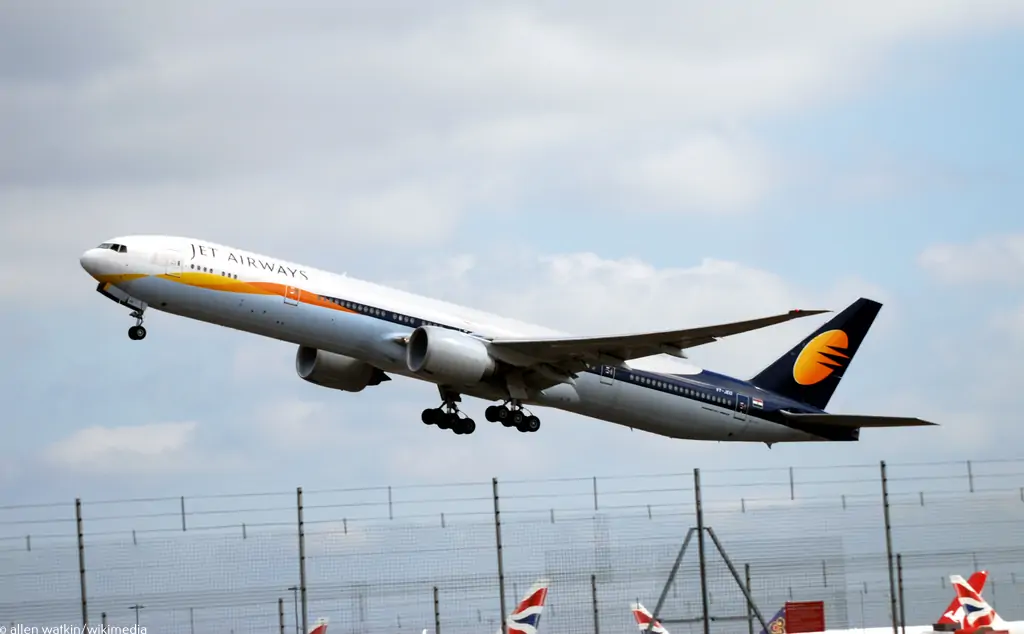
As Jet Airways strives to make a comeback, the fate of several of its Boeing 777 aircraft remains in limbo. These once high-flying planes now sit grounded, gathering dust, and losing value by the day.
The ongoing dispute between the carrier's lenders and the winning bidders has cast a shadow over the prospects of their sale. However, a recent ruling by the National Company Law Tribunal (NCLT) in India has breathed new life into the possibility of selling three of these Boeing 777 aircraft.
The Dispute Over Boeing 777 Aircraft
Ace Aviation VIII Limited, owned by Challenge Airlines, had expressed a strong interest in acquiring three Boeing 777-300ER aircraft belonging to Jet Airways. Their bid was successful, but the sale was halted due to financial disputes between the winning bidder and the creditors of Jet Airways, known as the Jalan-Kalrock consortium (JKC).
In July, Ace Aviation sought the intervention of the NCLT to resolve the deadlock. The NCLT concluded that it was the responsibility of the lenders and the monitoring committee to clear the impasse, allowing the sale to proceed. While the lenders were inclined to sell the aircraft, JKC and former employees of Jet Airways were in favor of waiting.
The Lingering Consequences of Delay
Ace Aviation VIII Limited paid a substantial $4.6 million deposit to secure the Boeing 777 aircraft and an additional $1 million to participate in the auction for more of these valuable jets. However, in November of the previous year, the company received a notification from Jet Airways, stating that the sale process would be delayed and would resume in the next 60-90 days. Unfortunately, that never materialized.
Eshel Heffetz, CEO of Challenge Airlines, expressed concerns about the continuing delays. He highlighted the critical issue that aircraft like the Boeing 777 can only deteriorate in value as time goes by. Furthermore, the longer these planes remain grounded, the more extensive the work required to reactivate them will become. This increases the cost of the endeavor significantly and could eventually render the deal commercially unviable for the potential buyers.
The Urgent Need for Resolution
The delay in selling these Boeing 777 aircraft not only affects Ace Aviation VIII Limited but also underscores the broader challenges Jet Airways faces in its recovery efforts. The longer these valuable assets remain unused, the more they depreciate, and the harder it becomes to bring them back into service.
The NCLT's decision to initiate the sale process for these aircraft is a positive step towards resolving the ongoing disputes. It sends a strong message that time is of the essence, and all parties involved must come to an agreement promptly to prevent further deterioration of the aircraft's condition and preserve their value.
Conclusion
Jet Airways' journey to recovery is fraught with challenges, and the fate of its Boeing 777 aircraft is a critical element in this process. The NCLT's order to expedite the sale of these aircraft highlights the urgency of the situation. All stakeholders must work collaboratively to reach a resolution, ensuring that these valuable assets are not lost to the ravages of time. The outcome of this case will not only impact the future of these specific aircraft but also serve as a crucial test of Jet Airways' ability to reestablish itself as a prominent player in the aviation industry.
Read next
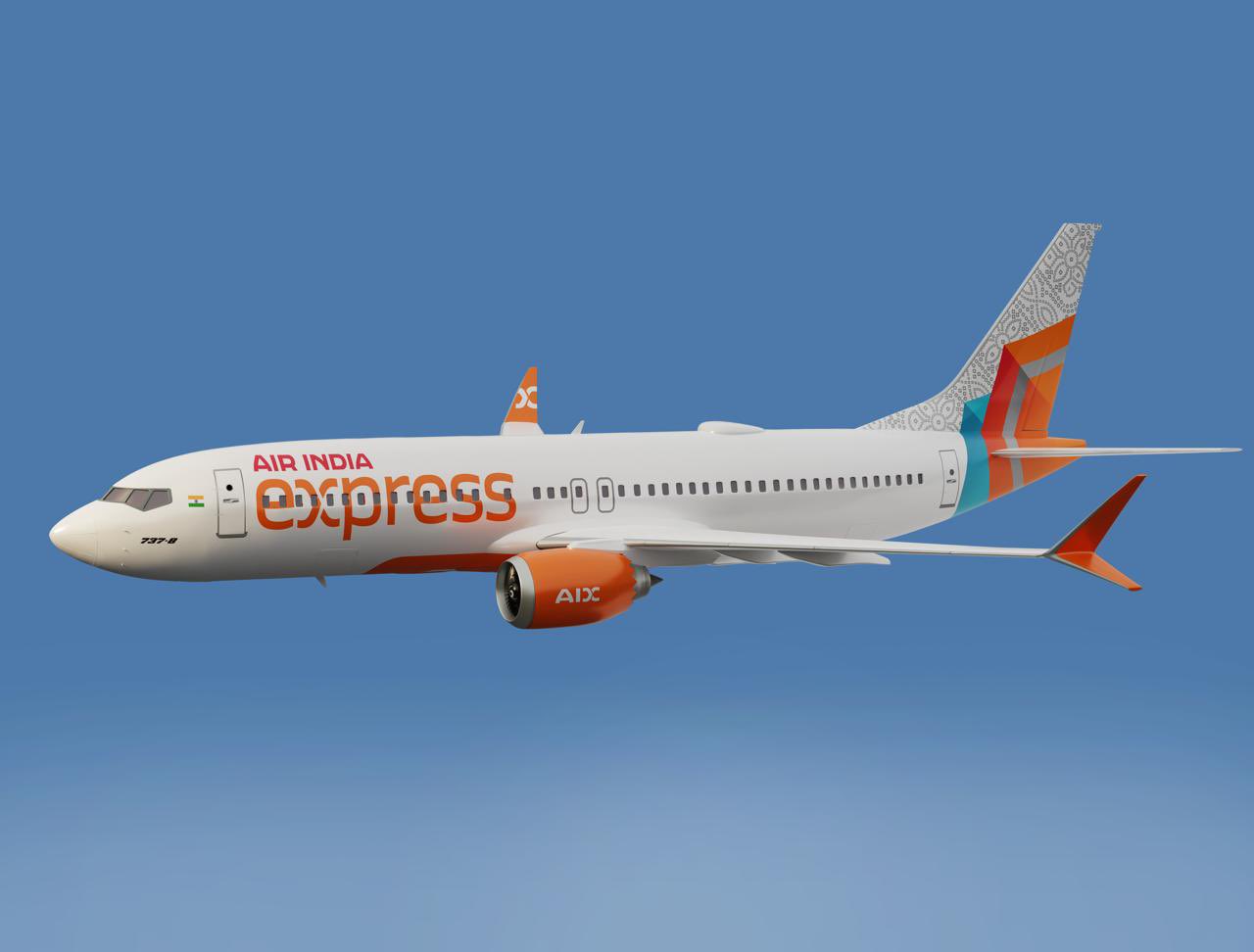
In the next year, Air India Express, owned by the Tata Group, will double its number of pilots by inducting 350 new ones currently undergoing training, The Financial Express (FE) reported on Wednesday, October 25 quoting the airline's managing director Aloke Singh. Currently, the airline has 400 pilots, and the headcount may go as high as 900. New aircraft scheduled to join the Air India Express fleet will fuel the recruitment drive. The airline wants to expand its domestic footprint and roll out new flight networks.
Air India Express has been actively recruiting pilots this year. Air India Express conducted various roadshows in multiple cities towards the middle of the year amid a pilot recruitment drive. The airline invited applications for various positions, including Pilot-In-Command, Captains, Co-pilots, and Transition First Officers for the Boeing 737NG and 737 MAX aircraft. Recently, Akasa Air faced a mass resignation from a large chunk of its pilots, many of whom have reportedly joined Air India Express.
"With 50 aircraft set to be inducted into the fleet over the next 15 months, we double in size in a short period. Over the next 5 years, we aim to grow to a fleet of about 170 narrow-body aircraft, with a network spanning the domestic India and short-haul international markets," Singh said. This translates into a minimum count of new aircraft inductions of 70. Typically, one aircraft needs 15-16 pilots.
The airline will receive around 50 new B737 MAX aircraft over the next 15 months, an impressive rate of fleet growth, and will naturally need more pilots to support this expansion. Furthermore, it will also get several Airbus A320 aircraft from AirAsia India, with the merger of the two airlines underway.
"Between now and the end of 2024, we will induct one new aircraft every six days," Air India chief Campbell Wilson said. “With the merger now in the final stages, we are also seeing the transformation of the aviation landscape,” he added.
Merger & Expansion Plans
A subsidiary of Air India, Air India Express is in the process of merging low-cost domestic carrier AirAsia India with itself and last week unveiled its new brand identity. Air India Group, comprising Air India, Air India Express, AIX Connect and Vistara, is owned by the Tatas, which is also in the process of consolidating its airline business. The merger is anticipated to be completed by March next year. The merged entity will be the single low-cost airline subsidiary of full-service airline Air India.
In the medium to long term, Air India Express is looking at regional, short-haul international markets in South Asia such as Bangladesh, Nepal, Sri Lanka, and Maldives. In about 6-12 months, it will look at Southeast Asian destinations like Vietnam, Thailand and Malaysia. “As of today, the airline, as a common entity, the share split between domestic and international is 50:50. Broadly, it will be maintained in a five-year horizon. In the next year, we might be a little skewed towards international because we want to catch up on the growth we have lost. We see these routes as more profitable and more efficient,” Singh added.
Formed to serve short-haul international routes such as the destinations in the Middle East, Air India Express has a negligible share in the domestic market. As of September end, Air India Express only has a 7.1% market of domestic market share, which is entirely of AirAsia India, according to data from the Directorate General of Civil Aviation (DGCA).
(With Inputs from Financial Express)
Read next
Adani Ports & Special Economic Zone Incorporates Wholly-Owned Aircraft Leasing Unit

Radhika Bansal
25 Oct 2023
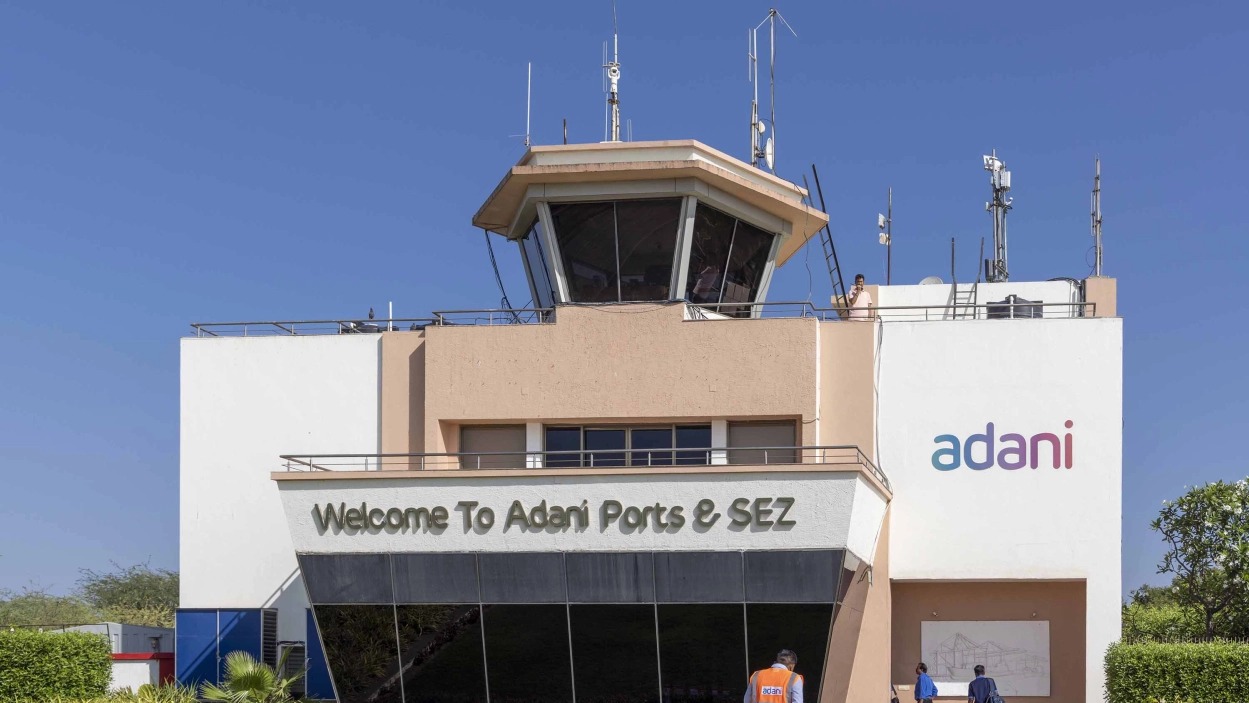
Adani Ports and Special Economic Zone Limited (APSEZL) on Monday, October 23 incorporated a wholly owned subsidiary company “Udanvat Leasing IFSC Limited” which is involved in the business of owning and leasing aircraft, the company informed in an exchange filing. Adani Ports will hold a 100% stake in the firm.
The new company is situated in GIFT City, Gandhinagar and is yet to commence its operations. Udanvat has an authorized and paid-up share capital of INR 2.5 crore which is divided into 25,00,000 equity shares of INR 10 each.
The Adani Group is already a major player in the growing aviation sector in India, with the group's subsidiary, Adani Airports Holding Ltd., managing seven airports in the country. This includes Mumbai, Jaipur, Thiruvananthapuram, Guwahati, Lucknow and Mangaluru airports, besides Ahmedabad. The group has also been actively foraying into the aviation industry as it also incorporated Adani Aviation Fuels Limited in September 2022. This subsidiary was set up to be involved with sourcing, transporting, supplying and trading aviation-related fuels.
In terms of its own business, recently, Adani Ports CEO Subrata Tripathi said Adani Ports will be handling more than 400 million tonnes per annum (MTPA) of cargo in the fiscal year 2024, in line with its ambitious target of reaching 500 MTPA by 2025. In 2022, Adani Ports handled 350 MTPA of cargo, leveraging its substantial capacity of nearly 600 MTPA. Tripathi said Adani Ports has the potential to reach the 400 MTPA milestone in FY24, aligning seamlessly with the overarching goal of attaining 500 MTPA by 2025.
Upcoming Aircraft Leasing Units at GIFT City
Last month, Tata Group-owned Air India also announced setting up an aircraft leasing unit at IFSC (International Financial Services Centre) Gift City while budget carrier IndiGo also plans to establish a shop at IFSC Gift City.
Aircraft leasing firms that commence operations from the International Financial Services Centre (IFSC) in GIFT City are entitled to certain exemptions and benefits. The government has been making all-round efforts to transform the country into a global aircraft leasing hub to rival centres such as Dublin or Singapore, by incentivising foreign lessors to commence operations from here.
Leasing an aircraft instead of buying it is a preferred alternative for various reasons as factors like cash flow and ownership are taken into account. A lease involves transferring the aircraft without transferring ownership. The lessers, who are the owners of the aircraft, maintain legal ownership while granting possession to the lessee.
Boost in Stock
Boosted by the development, Adani Ports shares gained as much as 1.6% to hit an intraday high of INR 783.30, while the market capitalisation climbed to INR 1.67 lakh crore. The Adani Group stock opened marginally higher at INR 771.25 against the previous closing price of INR 771.10 on the BSE. At the time of reporting, APSEZ shares were up by 0.23% at INR 772.90, while the market capitalisation stood at INR 1.67 lakh crore.
At the current level, shares of Adani Ports trade nearly 16% lower than its 52-week high of INR 916 touched on November 16, 2022. The large-cap stock hit its 52-week low of INR 394.95 on February 3, 2023. The stock has fallen 3.5% in the last year, while it lost 6% in the calendar year 2023. In the past six months, the counter surged 15%, whereas it shed 6.5% in a month.
Read next

Indian Airlines will operate a total of 23,732 flights every week during the winter schedule, which is more than 8% higher than the year-ago period, amid rising air traffic demand. The winter schedule 2023 -- effective from October 29 to March 30 next year -- for the scheduled carriers has been approved by aviation regulator DGCA.
Go First, which stopped flying from May 3 and is undergoing an insolvency resolution process, will not be having any operations during the winter schedule. The DGCA data confirmed that the low-cost airline that shut operations in May this year will continue to remain on the ground until at least March 2024.
The Directorate General of Civil Aviation (DGCA) said there will be "23,732 departures per week which have been finalised to/from 118 airports" as the winter schedule 2023.
In the winter schedule of 2022, there were 21,941 weekly flights from 106 airports, reflecting an 8.16% increase in the number of flights. According to the DGCA, out of the 118 airports, Bhatinda, Jaisalmer, Ludhiana, Nanded, Shivamogga, Salem, Utkela, Hindon and Ziro are the new airports proposed for operations by the scheduled airlines.
In the summer schedule of 2023, there were 22,907 departures per week from 110 airports. Compared to these numbers, there will be an increase of 3.60% in the count of weekly flights in the winter schedule 2023.
Carriers Operating in Winter
IndiGo will be operating the maximum number of 13,119 weekly domestic flights in the winter schedule this year, marking a 30.08% jump compared to the year-ago period. Air India will have 18.94% more weekly flights at 2,367 in the latest winter schedule compared to the same period a year ago.
Air India Express and AirAsia India (now called AIX Connect) will together operate 1,940 weekly flights in this year's winter schedule. Both airlines are in the process of being merged. Vistara will be operating 1,902 flights every week. Air India Group comprising Air India, Air India Express, AirAsia India and Vistara, together will operate 6,209 weekly flights in the winter schedule.
While SpiceJet will operate 2,132 weekly flights, newly launched Akasa Air and government-owned Alliance Air will operate 790 and 914 weekly flights respectively. Star Air will operate 247 weekly flights, Fly Big will operate 191 weekly flights, IndiaOne Air 112 and Pawan Hans 18.
The latest winter schedule has been finalised by the DGCA after the slot conference meeting held in September. Also, the final clearance of slots has been received from respective airport operators on the eGCA portal.
DGCA is also expected to increase its technical staff count by 1,000 employees by 2030, up to 1,600-1,700. As India’s fleet size increases in the coming years, the DGCA will need more staff to strengthen its surveillance capabilities and maintain a good safety record in the country.
Comment