
Global Aviation Industry Faces Prolonged Parts Shortages and Delivery Delays

Abhishek Nayar
26 Feb 2024
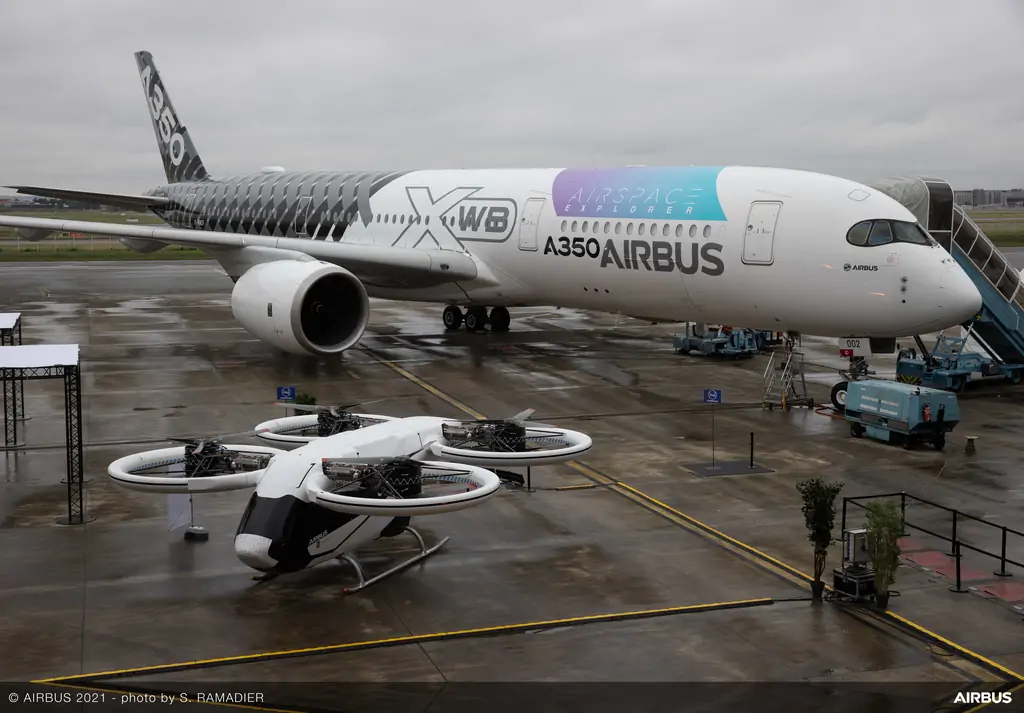
The global aviation industry, while witnessing a resurgence in post-pandemic travel demand, finds itself navigating through a labyrinth of challenges. Despite signs of easing, parts shortages and delivery delays continue to cast shadows over the sector's recovery efforts. At the recent Singapore Airshow, industry leaders shed light on the persisting hurdles and the potential timeline for resolution.
Supply Chain Struggles
European giant Airbus and American counterpart Boeing are grappling with the mammoth task of meeting soaring demand for new aircraft. However, supply chain disruptions stemming from the pandemic's aftermath and geopolitical tensions, notably the conflict in Ukraine, have triggered a cascade of delays. Lead times for crucial components like metals and windshields have ballooned, stretching two to five times longer compared to pre-pandemic levels.
Impact of Geopolitical Unrest
The aerospace industry is feeling the reverberations of geopolitical unrest, particularly with the aerospace-grade titanium shortage catalyzed by the conflict in Ukraine. The war's ripple effects have cascaded into shortages of materials such as inconel and steel, exacerbating the industry's woes.
Price Surges and Maintenance Dilemmas
The scarcity of parts has precipitated significant price surges, with some components experiencing spikes of 20%-30%, a stark contrast to the typical annual increases of 3%-6%. Maintenance firms like Lufthansa Technik are scrambling to adapt, resorting to strategies like bulk buying and in-house repair solutions to honor customer agreements amidst the tumultuous landscape.
Engine Groundings Compound Woes
The saga of engine groundings, particularly those equipped with GTF engines by RTX subsidiary Pratt & Whitney, further compounds the industry's woes. Hundreds of planes have faced temporary groundings for extensive engine inspections, a process anticipated to linger for years, further exacerbating delivery delays and operational disruptions.
Adaptation and Resilience
Amidst the turbulence, airlines and maintenance firms are embracing a paradigm shift in their supply chain strategies. Concepts like 'just in time' procurement are evolving into more resilient models, necessitating increased stockpiling of spare parts and localized inventories to mitigate risks and ensure operational continuity.
Conclusion
The road to recovery for the global aviation industry is fraught with challenges, as parts shortages and delivery delays persist. While efforts are underway to alleviate bottlenecks, industry stakeholders brace themselves for a prolonged journey to normalization, with estimates suggesting a timeline of up to two years for resolution. Adaptation, resilience, and strategic recalibration of supply chain dynamics emerge as imperatives in navigating through the turbulence, as the industry strives to soar amidst the lingering shadows of uncertainty.
With Inputs from Reuters
Read next
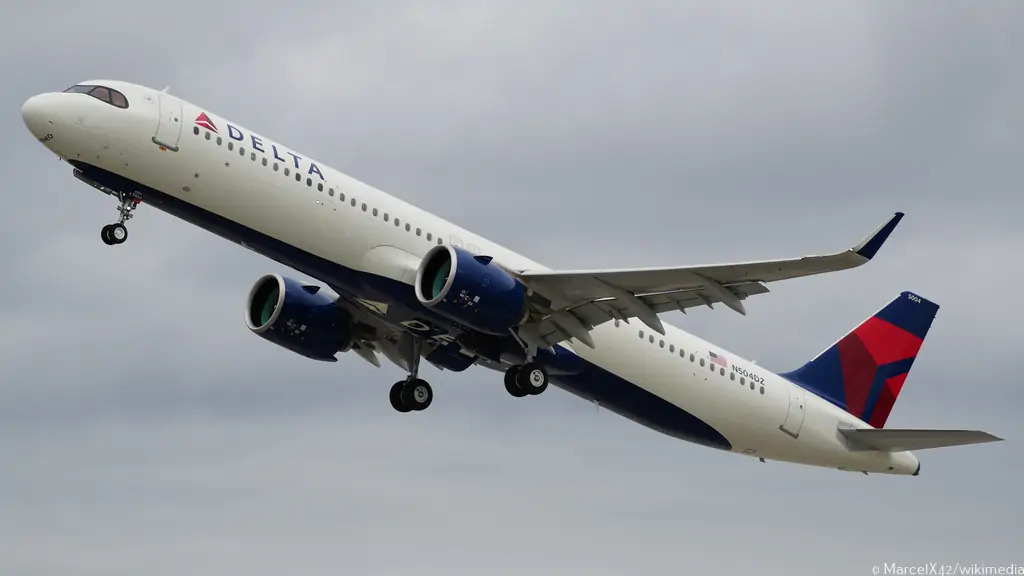
Delta Air Lines is facing uncertainty regarding its partnership with Aeromexico as the U.S. Transportation Department (USDOT) tentatively decides not to renew their antitrust immunity agreement. The decision stems from changes made by the Mexican government, sparking concerns about the future of transborder flights between the United States and Mexico.
Delta's Plea to the U.S. Government
Delta Air Lines has urged the U.S. government to reconsider its decision, highlighting the potential consequences of discontinuing the partnership. The airline warns that nearly two dozen routes could be at risk of cancellation, with additional routes facing reduced capacity if the agreement is not renewed. Delta estimates that the termination of the partnership could lead to increased fares and the loss of approximately $800 million in annual consumer benefits, in addition to job losses on both sides of the border.
Impact on Transborder Flights
The potential unwinding of the Delta-Aeromexico partnership puts approximately 1.8 million roundtrip seats on transborder flights at risk, representing a significant portion of total air travel between the two countries. This move could disrupt travel plans for passengers and hinder the economic benefits derived from robust air connectivity between the United States and Mexico.
USDOT's Decision and Mexican Government's Actions
The USDOT's decision not to renew the antitrust immunity agreement is rooted in changes implemented by the Mexican government, particularly its decision to relocate cargo flights from Mexico City International Airport (AICM) to the newer Felipe Angeles International Airport. These actions, aimed at alleviating congestion at AICM and bolstering traffic at the new airport, have raised concerns among U.S. officials and carriers regarding compliance with bilateral air service agreements and international norms.
Delta's Response and Call for Evidence
Delta has contested USDOT's decision, arguing that it should be based on concrete evidence rather than uncorroborated assertions. The airline urges the government to provide a more detailed explanation before executing what it describes as a "drastic, damaging, and unprecedented action." Delta emphasizes the importance of transparency and evidence-based decision-making in safeguarding the interests of both airlines and passengers.
Uncertain Future and Diplomatic Dialogue
As the deadline for winding down the joint venture approaches, the future of the Delta-Aeromexico partnership remains uncertain. U.S. authorities have engaged in diplomatic dialogue with their Mexican counterparts, expressing concerns over the implications of the government's actions on bilateral aviation agreements and industry norms. However, a resolution to the dispute has yet to emerge, leaving stakeholders in the aviation sector on both sides of the border in a state of flux.
Conclusion
The potential unraveling of the Delta-Aeromexico partnership underscores the complexities and challenges inherent in international aviation agreements. As both airlines and government authorities grapple with the ramifications of regulatory decisions and policy changes, the fate of transborder flights between the United States and Mexico hangs in the balance. In the pursuit of a resolution, stakeholders must prioritize dialogue, transparency, and evidence-based decision-making to mitigate disruptions and uphold the principles of international air travel.
With Inputs from Reuters
Read next
Air Canada Steps Up to Assist Stranded Passengers Amidst Lynx Air Shutdown
Abhishek Nayar
26 Feb 2024

In response to the imminent suspension of operations by troubled Canadian budget airline Lynx Air, Air Canada has announced measures to assist affected passengers. With Lynx Air facing financial difficulties and filing for court protection, Air Canada's intervention aims to alleviate the disruption for travelers stranded or facing uncertainty due to the airline's closure.
Air Canada Caps Fares and Adds Seats
Air Canada revealed its plan to cap fares and increase seat availability, particularly on routes operated by Lynx Air. This initiative seeks to accommodate Lynx Air customers needing to return home or rearrange travel plans. The capped fares will be applicable for bookings made before Lynx Air's shutdown on February 26th, offering travel flexibility until April 2nd, well-timed to coincide with the spring break and Easter holiday periods.
Challenges Faced by Lynx Air
Lynx Air's decision to suspend operations stems from various challenges, including rising operating costs, fuel prices, and airport charges. These factors have strained the airline's financial viability, prompting the filing for creditor protection and the subsequent cessation of operations. Despite its fleet of 9 Boeing 737 MAX 8 aircraft and a substantial flight schedule for February, Lynx Air found itself unable to sustain its operations amidst mounting financial pressures.
Air Canada's Expanded Capacity and Coverage
To address the void left by Lynx Air's closure, Air Canada is deploying additional capacity exceeding 6,000 seats on select routes across Canada, the United States, and Cancun, Mexico. This augmented capacity will be available from February 25th to March 19th, catering to the heightened demand during this period. However, Air Canada acknowledges the existing strain on flight availability due to winter travel demand and cautions that further capacity expansion may be limited.
Industry Response and Collaboration
Air Canada's initiative to support Lynx Air passengers echoes a broader sentiment of industry cooperation and solidarity. WestJet, Air Canada's competitor, has also pledged to offer discounts on routes previously serviced by Lynx Air, further underscoring the collective effort to mitigate the impact of Lynx Air's closure on travelers.
Conclusion
As Lynx Air prepares to cease operations, Air Canada's proactive measures to cap fares and expand seat capacity demonstrate its commitment to customer welfare and operational resilience. By extending a helping hand to stranded passengers and accommodating disrupted travel plans, Air Canada exemplifies the spirit of cooperation and support within the aviation industry during challenging times. As travelers navigate the aftermath of Lynx Air's shutdown, Air Canada's interventions provide a ray of hope amidst uncertainty, reaffirming its position as a reliable partner in air travel.
With Inputs from Reuters
Read next

In a strategic move aimed at revolutionizing the low-cost airline industry, AirAsia recently announced significant changes to its Airbus order. With ambitions to become the world's foremost low-cost network carrier, the airline is poised to expand its reach across multiple continents. This article delves into AirAsia's groundbreaking plans and the implications of its Airbus fleet rejig.
AirAsia's Ambitious Vision & Expanding the Horizon
At the heart of AirAsia's transformation lies a bold vision outlined by CEO Tony Fernandes. Embracing a low-cost model, the airline aims to extend its operations from Southeast Asia to encompass new territories in North Asia, Australia, and Central Asia, with future aspirations to connect to Europe, Africa, and North America's east coast.
AirAsia's strategic approach involves diversifying its fleet to accommodate longer routes and penetrate new markets. By welcoming the Airbus A321LR, the airline signals its intent to venture into medium to long-haul flights, targeting prominent destinations in Europe, Africa, and North America.
Fleet Rejig & A321XLR
The recent announcement saw AirAsia reshuffling its Airbus order, opting to replace a portion of its A321neo purchases with the longer-range A321LR variant. This decision aligns with the airline's expansion strategy, allowing it to efficiently serve distant markets while maintaining cost-effectiveness.

In addition to the A321LR, AirAsia eagerly anticipates the arrival of the A321XLR, further bolstering its fleet capabilities. With plans to gradually phase out the A320 predecessor, the airline aims to harness the enhanced range and efficiency of the A321XLR to optimize its operations from key hubs across Asia.
Navigating Challenges & Future Prospects
Despite the ambitious agenda, AirAsia has weathered challenges exacerbated by the COVID-19 pandemic. The airline's resilience and adaptability are evident as it navigates through turbulent times, reframing its strategies to align with evolving market demands and travel patterns.
As AirAsia charts a course towards global prominence, its emphasis on innovation and agility sets it apart in the competitive aviation landscape. With a revamped Airbus fleet and a steadfast commitment to affordability and accessibility, the airline stands poised to redefine the possibilities of low-cost travel on a global scale.
Conclusion
AirAsia's transformative vision and strategic maneuvers underscore its determination to reshape the low-cost airline sector. By leveraging the capabilities of the Airbus A321LR and A321XLR, the airline aims to transcend geographical boundaries, ushering in a new era of accessible and efficient travel. As the aviation industry continues to evolve, AirAsia's trajectory serves as a testament to the power of innovation and foresight in driving progress and prosperity.
Read next

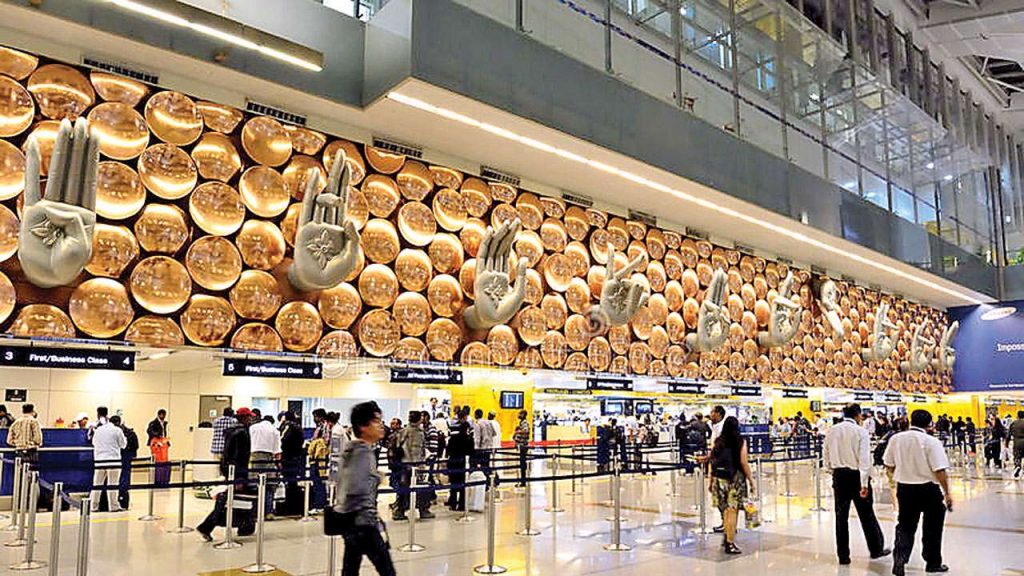
GMR Airports Infrastructure Limited (GIL), a subsidiary of GMR Group had the esteemed privilege of hosting the Hon’ble
Prime Minister of Greece, Kyriakos Mitsotakis visited Delhi Airport's busy Airport Operations Control Centre (AOCC) this week, GMR Airports Infrastructure Limited (GIL) said in a statement.
Mitsotakis who is visiting India was welcomed by G.M. Rao, Group Chairman-GMR and Srinivas Bommidala, Business Chairman, GMR International Airports and Energy among others
Mitsotakis expressed his admiration for its ambience and architecture and hailed Delhi Airport as India’s Gateway to the World. He particularly commended the use of technology and sustainability measures that contribute to the creation of green infrastructure and state-of-the-art passenger experiences at GMR-run airports, the airport said.

During his visit to India, Greek Prime Minister Mr. Kyriakos Mitsotakis shared his thoughts, stating, “It’s no surprise that we already have Indian companies investing in Greek infrastructure. I had the pleasure before flying out to Mumbai to visit the control centre of the Delhi airport managed by GMR. GMR is actively involved in constructing the new airport on my home island of Crete, the biggest airport currently constructed anywhere in the Mediterranean. This could only be the beginning.”
Group Chairman Rao said, "It is indeed a privilege for the GMR Group to host the Greek Prime Minister on his visit to India. Prime Minister Kyriakos Mitsotakis has showcased a remarkable commitment to fostering foreign investments, exemplifying a proactive approach and steadfast dedication. This visit strengthens the bond between our nations, promising a future of learning experiences and holistic economic growth."
Srinivas Bommidala, Business Chairman, GMR International Airports and Energy added, "The visit of the Greek Prime Minister to Delhi Airport not only symbolizes the strong ties between GMR Group and the Greece Government but also serves as a testament to our commitment towards fostering international collaborations. We envision a future of shared growth and mutual benefit. Our ongoing projects, particularly the ambitious Heraklion International Airport project in Crete in collaboration with GEK Terna, exemplify our dedication to contributing to the economic development of Greece. We look forward to further strengthening our partnership with GEK Terna, led by George Peristeris, the Chairman and CEO of GEK TERNA Group. GMR is also actively exploring investment opportunities in Greece, notably at Kalamata Airport. "

The ambitious Heraklion International Airport (HER) project in Crete in collaboration with GEK Terna, marks a transformative journey for GMR Group in Greece. It is Greece's second busiest after Athens Airport and is set to become a pioneer in greenfield airport development in the country. The project aims to revolutionize travel experiences, enhance connectivity, generate employment opportunities, and stimulate economic growth.
GMR Group is in active pursuit of new investment opportunities in Greece, and furthering the ongoing partnership with GEK Terna, it added.
Read next
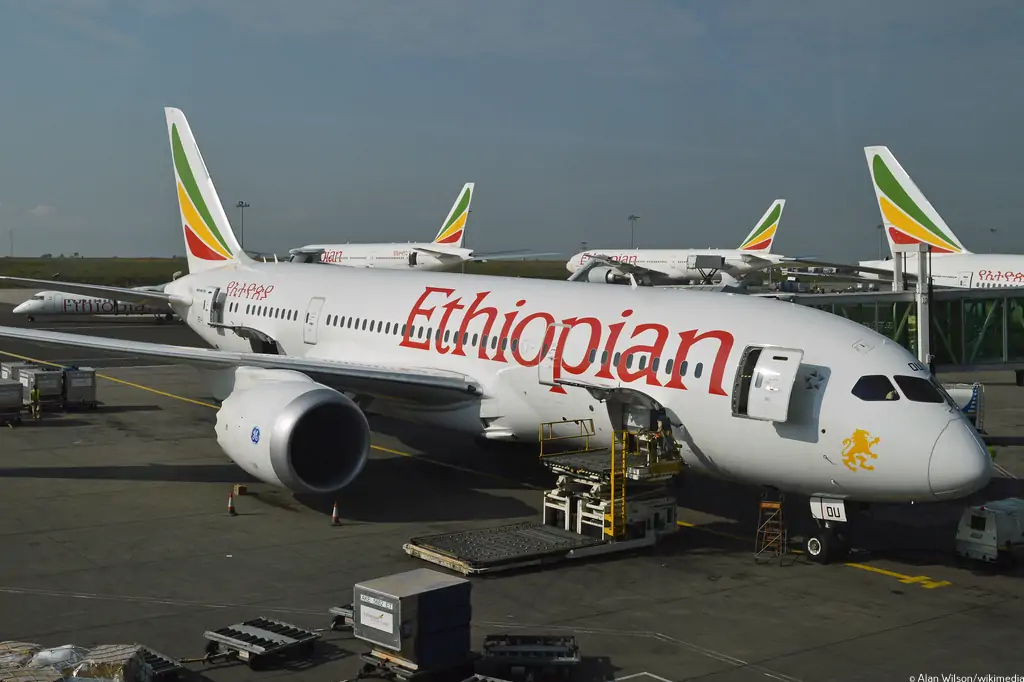
Ethiopian Airlines, the largest network operator in Africa, will launch a thrice-a-week passenger service to Freetown, Sierra Leone via Ouagadougou, Burkina Faso starting from 31st May, the airline said on Friday.
The new thrice-weekly services to Freetown will be operated using Boeing 787-800 aircraft which has personal entertainment systems, and onboard Wi-Fi
Ethiopian Airlines Group CEO Mesfin Tasew said: “We are delighted to expand our West Africa network with the addition of Freetown, Sierra Leone. This new route, set to launch in May 2024, will not only provide our passengers with more options for travel, but also facilitate increased tourism, trade and investment opportunities between Ethiopia, Sierra Leone and Burkina Faso. As we continue to grow and connect with more destinations, we are committed to fostering cooperation and partnership between our countries.”
The airline has 150 domestic and international passenger and cargo destinations across five continents on using Boeing 737s, 777s, 787s, Airbus A350-900 and Bombardier Dash 8-400 double cabin with an average fleet age of seven years.
Comment