

In recent years, the aviation sector has seen a significant movement towards digitization, with the goal of improving the whole travel experience for customers. To keep up with this trend, Emirates, one of the world's leading airlines, has eliminated traditional paper boarding passes for flights departing from Dubai. This action demonstrates the airline's dedication to adopting technological advances and expediting the check-in procedure.
The Shift to Digital Boarding Passes
Advantages
Digital boarding passes have various advantages over conventional boarding passes. For starters, they offer a quick and easy check-in procedure, eliminating the need for passengers to print and retrieve paper passes. Furthermore, digital passes are conveniently accessible via mobile devices, removing the need for additional documentation when travelling.
Process of Implementation
Airlines such as Emirates have worked with technology partners to create user-friendly smartphone applications in order to efficiently use digital boarding passes. Passengers may use these apps to download and save their boarding passes on their smartphones. The integration of these digital passes with airline systems and security procedures assures their legitimacy and security.
Current Scenario
Boarding passes have long been an important aspect of air travel, acting as a portal to one's destination. These passes were traditionally printed on paper and distributed to travelers at the airport. Airlines, on the other hand, are revolutionizing the way customers check in and board their flights with the arrival of digital technology.
This initiative will considerably minimize paper waste while also providing travelers exiting Dubai with a pleasant and quick digitized check-in experience. It lowers the likelihood of lost or missing boarding cards, providing travellers with peace of mind when travelling.
How Digital Boarding Passes Function
Mobile Boarding Passes
At the vanguard of the digital transformation trend are mobile boarding passes. After completing the check-in procedure, passengers may obtain their boarding tickets instantly on their mobile devices. These permits include important travel information such as airline information, seat assignment, and boarding gate numbers.
QR Codes
As a form of authentication, digital boarding tickets frequently use Quick Response (QR) codes. These codes include encrypted information that airport workers may read at numerous checkpoints, allowing travellers to breeze through security and boarding processes.
Integration with Mobile Applications
Airlines' mobile applications are critical to the adoption of digital boarding passes. Passengers may obtain their boarding cards using the airline's specialized app, which also provides real-time flight information, luggage monitoring, and in-flight entertainment.
Improved Passenger Experience
Convenience and effectiveness
Digital boarding passes transform the travel experience by providing travelers with ease and efficiency. Travellers no longer have to worry about missing or forgotten paper tickets with digital passes stored on their smartphones. They can retrieve their boarding passes with a few touches on their phones, making the check-in procedure more efficient and convenient.
Environmentally Friendly
The switch to digital boarding passes corresponds with airlines' aim to lessen their environmental imprint in an era when sustainability is a primary focus. Emirates and other airlines help to save forests and reduce waste by removing the need for paper boarding permits. This environmentally friendly method bolsters the industry's commitment to a cleaner future.
Emirates' Transition to Digital Boarding Passes
Phasing Out Paper Boarding Passes
Emirates has seen the potential of digital technology to improve the passenger experience. As a result, the airline has phased out paper boarding passes for flights departing from Dubai. This move has been smooth, with Emirates utilizing its powerful mobile app and website to give travelers easy digital choices.
Technological Progress
Emirates has invested in cutting-edge technology to make the move to digital boarding passes as smooth as possible. Emirates guarantees a secure and quick experience for travelers by employing QR code scanning technology and connecting with their mobile app. These technological developments not only make check-in procedures easier, but they also improve overall travel experiences.
Potential Problems and Concerns
Issues with Connectivity and Technology
While digital boarding permits have various advantages, connection and technical concerns can occasionally cause problems. Due to weak network coverage or technical issues, passengers may have difficulty retrieving their boarding passes. To enable a seamless transition to digital passes, airlines must address these issues and provide adequate support.
Education and Awareness for Passengers
Another possible issue is passenger education and awareness. Some travelers may be unfamiliar with digital boarding passes or may be cautious about relying only on their mobile devices for travel paperwork. To create trust and drive acceptance, airlines like Emirates must actively educate customers about the benefits and security measures connected with digital passes.
The Evolution of Boarding Passes
As technology advances, the future of boarding passes appears to be increasingly digital. With the increasing use of mobile applications, seamless interaction with airport systems, and developments in biometric technology, we may expect boarding passes to become totally digital and even more safe in the future. The travel sector will most likely see advancements that improve the travel experience by making it more convenient and personalized.
Conclusion
Emirates' decision to eliminate paper boarding passes for flights departing from Dubai demonstrates the airline's commitment to digital transformation and improving the customer experience. Passengers may benefit from a streamlined check-in procedure, increased convenience, and less environmental impact by using technology. While there may be difficulties throughout this shift, the future holds immense promise for a fully digitalized travel experience.
With Inputs from Emirates

Read next
SpiceJet Has No Plans To File For Insolvency; Initiates Revival Of Grounded Fleet

Radhika Bansal
12 May 2023
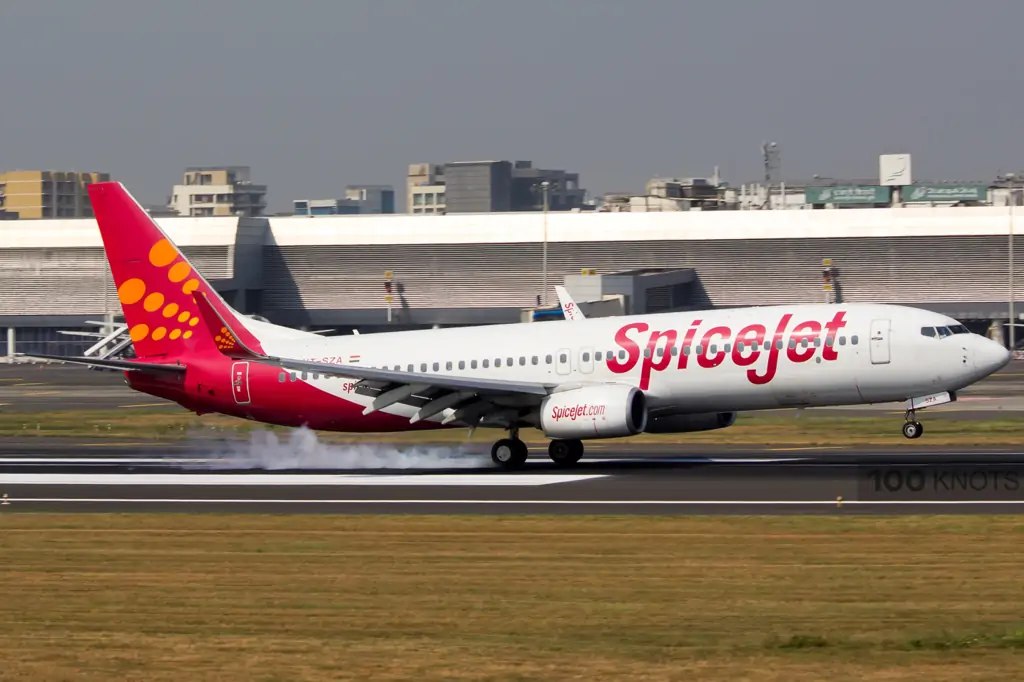
Indian low-cost carrier SpiceJet said that it had no plans to file for insolvency, days after the National Company Law Tribunal (NCLT) issued a notice to the Ajay Singh-promoted private carrier on a petition filed by an aircraft lessor seeking initiation of insolvency resolution proceedings against it.
“SpiceJet has initiated the process of reviving its grounded fleet with the USD 50 million funds received by the airline from the government’s Emergency Credit Line Guarantee Scheme (ECLGS) and internal cash accruals,” the company said in a stock exchange filing. The airline categorically denied plans to file for insolvency. The ECLGS is an initiative launched by the Indian government in May 2020 to help businesses better cope with the disruption caused by the pandemic. As per the updated rules, airlines can claim 100% of their outstanding loans as government-guaranteed credit.
“There is absolutely no question of filing for insolvency. Any rumour regarding the same is completely baseless. We are focused firmly on reviving our grounded fleet and getting more and more planes back into the air. Work on this front has already begun, and the company is using the USD 50 million ECLGS funds and our own cash,” SpiceJet Chairman and Managing Director Ajay Singh said.
Lessors recently approached the aviation regulator DGCA for the deregistration of three planes of the airline. Many aircraft of the budget carrier are grounded due to various reasons. The airline's three lessors -- Wilmington Trust SP Services, Sabarmati Aviation Leasing and Falgu Aviation Leasing -- have sought the deregistration of one aircraft each, according to an update on the regulator's website. On May 8, 2023, the DGCA received deregistration requests for three more SpiceJet aircraft: VT-SZJ, VT-MXF, and VT-MXJ.
According to an aircraft tracking website, SpiceJet had 67 aircraft in its fleet comprising Boeing 737, B737 Max and regional jets Bombardier-Q400. Of them, 37 were in operation and 30 were not in service as of May 3. Last week, SpiceJet said it has mobilised up to INR 400 crore to revive 25 aircraft in its fleet that are out of operation owing to various factors.
Plans to Mobilise Grounded Aircraft
This will help the airline capitalise and make the most of the upcoming peak travel season. In February, aircraft lessor Carlyle Aviation Partner picked up a 7.5% stake in SpiceJet as the struggling airline restructured its outstanding dues of over $100 million to Carlyle and its affiliates through equity and convertible debentures. Amidst financial woes, SpiceJet saw a major hit to its business. In March, its market share plunged to 6.4% from 7.1% in February. Its passenger load factor dropped to 92.3% from 94.1% in February.
CEO Singh had said there is a need for “more rational airfares” in the country even as he tried to assuage concerns of a hike in airfares due to competitor Go First filing for voluntary insolvency by terming it a "temporary phenomenon”. He termed the Go First development “extremely unfortunate” and expressed hope that the airline could use this opportunity to resolve its issues.
Last week, the airline announced plans to revive 25 grounded Boeing 737 and Q400 aircraft. The airline has around 80 planes in its fleet. SpiceJet cited the government's Emergency Credit Line Guarantee Scheme (ECLGS) and improved cash flow for the aircraft revival plan. SpiceJet faces severe financial difficulties, with its net worth at the end of March 2022 being a negative INR 4,340 crore. Additionally, it reported losses before tax of over INR 3,870 crore in the four years leading up to March 2022.
The carrier has had to ground some of its Boeing 737 Max aircraft and is still grappling with working capital issues, despite the modified Emergency Credit Line Guarantee Scheme (ECLGS) intended to assist airlines. It is currently operating with approximately 44 planes, with around 25 aircraft grounded, partly due to supply-chain obstacles. This comes after the Directorate General of Civil Aviation (DGCA) in July 2022 restricted SpiceJet's flights to 50% of departures approved under the summer schedule.
Troubles For The Airline
DGCA had said at the time that SpiceJet, on several occasions, either turned back to its originating station or continued landing at the destination with degraded safety margins. The regulator also noted that poor internal safety oversight and inadequate maintenance actions had degraded the safety margins.
From January 2022 to February 2023, SpiceJet wrongly denied boarding to 3,377 passengers, the highest among all airlines in India. The airline has paid INR 64.66 lakh rupees as compensation to affected passengers in the same period. Experts had said that the large number of denied bookings was due to overbooking by the airline.
SpiceJet restructured its USD 100-million outstanding dues to aircraft lessor Carlyle Aviation Partners into equity shares and compulsorily converted debentures (CCDs) in the previous month. The airline's board sanctioned the issuance of new equity shares worth USD 29.5 million, as a result of which Carlyle Aviation Partners will possess more than a 7.5% equity stake in SpiceJet.
SpiceJet is also facing a plea by Credit Suisse in SC, alleging contempt of court. In Aug 2022, SpiceJet and Credit Suisse agreed to settle a payment dispute of USD 24 million. But in April of 2023, Credit Suisse moved SC alleging that the airline had failed to pay USD 4.9 million, as per the terms of the settlement.
Read next
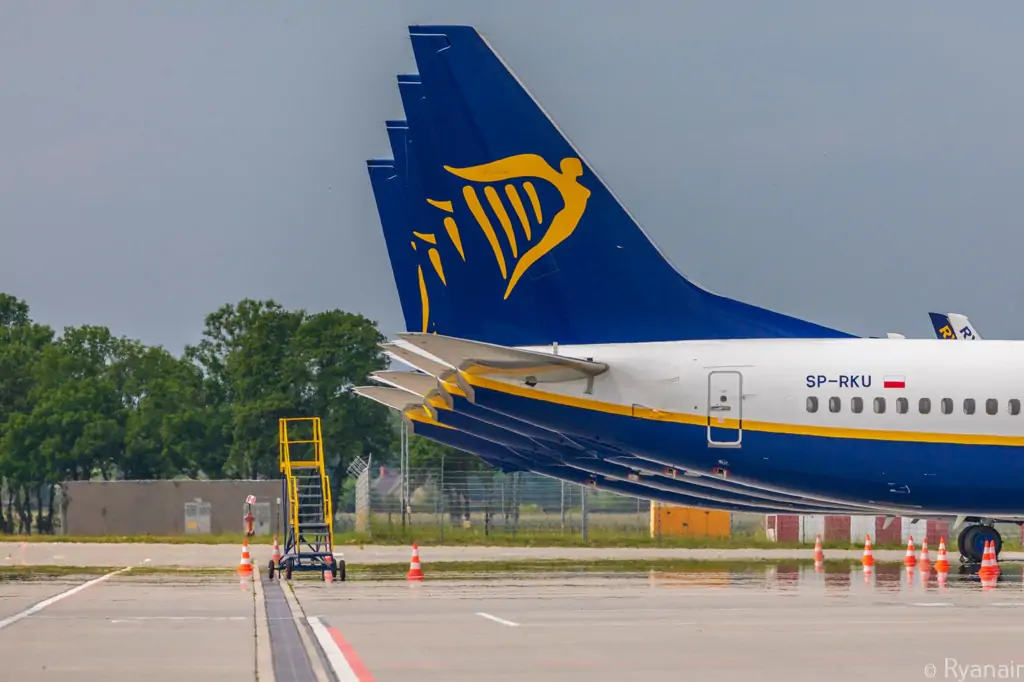
Ryanair, Europe's top low-cost airline, has secured a deal with CFM International to power its 150 B737 MAX aircraft order with LEAP 1-B engines, marking a significant breakthrough in the aviation sector. This relationship between Ryanair and CFM marks a significant milestone with far-reaching ramifications for both companies and the aviation industry as a whole.
Overview of the LEAP 1-B engine
CFM International developed and manufactured the LEAP 1-B engine, which is a high-bypass turbofan engine. It includes cutting-edge technology to provide higher fuel efficiency, lower emissions, and improved performance. The LEAP 1-B engine, with a thrust range of 22,000 to 30,000 pounds, is designed exclusively for the Boeing 737 MAX series of aircraft.
Ryanair's Agreement with CFM for LEAP 1-B Engines
Ryanair, known for its no-frills attitude and low rates, has selected CFM International, a joint venture between GE Aviation and Safran Aircraft Engines, as the sole engine supplier for its current B737 MAX order. CFM International is well-known in the industry for its innovative engine technology and high performance.
Present Situation
Ryanair and CFM International, a partnership between General Electric (GE) Aviation and Safran Aircraft Engines, have agreed to supply engines for the Irish low-cost carrier's recent purchase of 150 Boeing 737 MAX-10 aircraft.
The Boeing 737 MAX aircraft series, which includes the 737 MAX-7, MAX-8, MAX-9, and MAX-10, is powered only by the LEAP 1-B engine. CFM International also manufactures the LEAP 1-A and LEAP 1-AC engines that power the Airbus A320neo and China's COMAC C919.
Significance of the Agreement
This agreement is extremely important for Ryanair's fleet and operations. Ryanair hopes to improve fuel economy and lower operational costs by using the LEAP 1-B engines. The superior design and new characteristics of the LEAP 1-B engine led to decreased fuel usage, resulting in significant savings for the airline.
The Effect of LEAP 1-B on the B737 MAX
The addition of the LEAP 1-B engine will provide various benefits to Ryanair's B737 MAX aircraft. Modern engine technology improves the aircraft's performance and range capabilities, allowing it to operate more efficiently and effectively. Passengers should expect better flying experiences as well as increased reliability and lower maintenance requirements.
Competitive Advantage for Ryanair
Ryanair enjoys a huge competitive edge in the market by choosing the LEAP 1-B engines to power its B737 MAX aircraft. Ryanair's operational expenses are reduced as a result of the LEAP 1-B engine's fuel economy, which translates into lower ticket prices for customers. This cost-cutting benefit boosts Ryanair's position as a top low-cost airline, attracting budget-conscious travellers and boosting its market share.
The Importance of CFM in the Aviation Industry
CFM International has a lengthy history as a prominent engine producer in the aviation sector. The firm has a long history of developing extremely reliable and technologically innovative engines that power a wide range of aircraft types. The deal between Ryanair and CFM strengthens CFM's position as a trusted supplier of engines to prominent airlines across the world.
Conclusion
Ryanair and CFM have reached an agreement to power the airline's 150 B737 MAX aircraft orders with LEAP 1-B engines, marking a significant milestone for both businesses. Ryanair hopes to profit from the LEAP 1-B engine's fuel efficiency, increased performance, and cost reductions, cementing its position as a dominating player in the low-cost carrier industry.
With Inputs from AeroTime
Read next
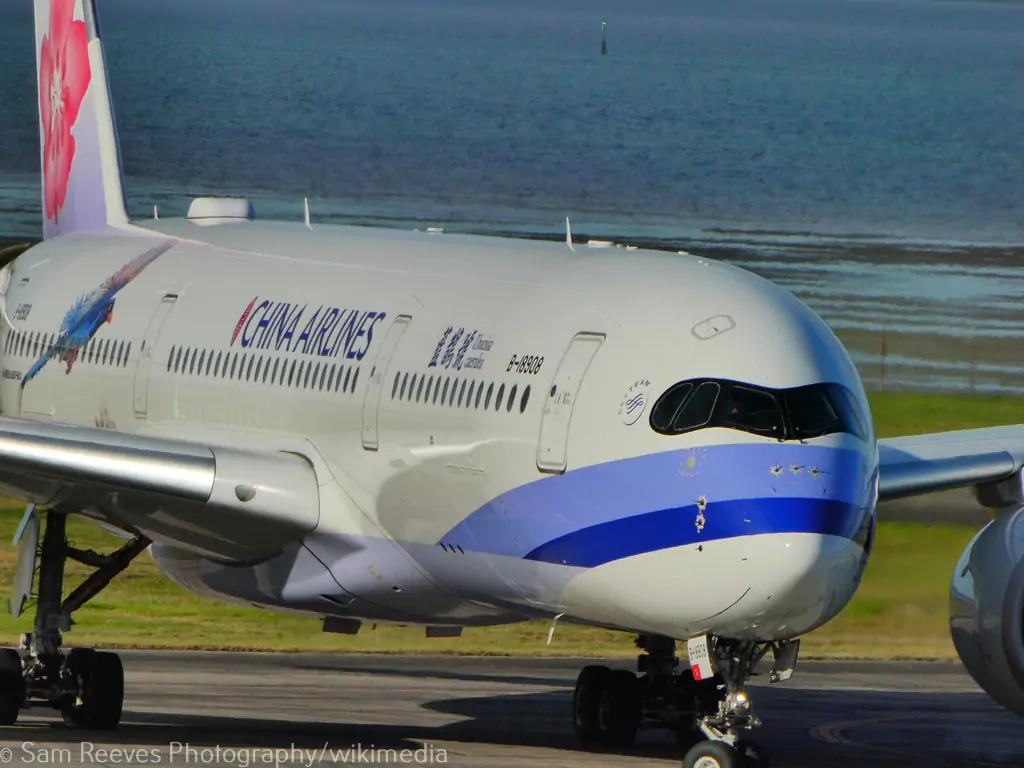
China Airlines, one of Asia's premier carriers, has exercised options on eight Boeing 787 Dreamliners, a key step towards expanding its fleet. This decision is a major milestone for the airline, demonstrating its dedication to delivering outstanding service, growing its operations, and adopting the most recent innovations in aviation technology.
Present Scenario
Staying ahead of the curve is critical in the highly competitive aviation sector. China Airlines realizes this and has continuously endeavored to provide its passengers with great travel experiences. The decision to execute options on eight Boeing 787 Dreamliners is a significant move towards cementing the airline's status as a market leader. According to the Taiwanese airline, deliveries will take place between 2025 and 2028, bringing the total to 24 outstanding Boeing 787-9 Dreamliners.
Boeing 787 Dreamliner and China Airlines
The Boeing 787 Dreamliner is a cutting-edge aircraft noted for its sophisticated features, low fuel consumption, and passenger comfort. China Airlines recognizes the enormous value this aircraft offers to its operations and intends to use it to provide unrivalled services to its customers.
Advantages of the Boeing 787 Dreamliner
The Boeing 787 Dreamliner has various advantages that make it an appealing choice for airlines throughout the world. Its excellent aerodynamics and lightweight composite materials cut fuel consumption, saving airlines substantial money. Furthermore, the Dreamliner's wide interior design, bigger windows, and lower noise levels make flying more enjoyable for passengers.
The Decision of China Airlines to Exercise Options
The decision by China Airlines to exercise options on eight more Boeing 787 Dreamliners demonstrates the airline's trust in the aircraft's performance and its long-term expansion strategy. China Airlines intends to grow its Dreamliner fleet in order to fulfil rising demand for air travel, extend its route network, and provide greater flexibility to its customers.
The Importance of the Order
Both China Airlines and Boeing are excited about the procurement of eight Boeing 787 Dreamliners. It signifies a strategic investment in China Airlines' future expansion as well as a commitment to maintaining a modern and efficient fleet. It strengthens Boeing's position by reinforcing the faith and confidence that airlines have in its products.
Consequences for China Airlines
China Airlines' acquisition of eight Boeing 787 Dreamliners for its fleet will have far-reaching consequences. It will allow the airline to expand to new locations, improve its long-haul capabilities, and meet the changing demands of its passengers. The Dreamliner's range and fuel economy will allow for nonstop trips to distant markets, giving China Airlines a competitive advantage.
Plans for Expansion and Growth
China Airlines' intention to exercise options for further Dreamliners is consistent with the company's ambitions for development and expansion. The airline intends to capitalize on rising demand for air travel in the Asia-Pacific area and expand its market presence. The adaptability and long-range capabilities of the Dreamliner will help China Airlines achieve its goals of connecting more cities, promoting tourism, and facilitating commercial possibilities.
China Airlines Benefits from the Boeing 787 Dreamliner
The Boeing 787 Dreamliner offers various benefits customized, particularly to China Airlines' requirements. Its fuel efficiency will help China Airlines lower operational expenses, allowing the carrier to reallocate resources to other areas of its operations. The higher passenger capacity of the Dreamliner will let China Airlines carry more passengers, meeting the rising demand for air travel.
The Competitive Environment
China Airlines' competitive advantage derived from its investment in the Boeing 787 Dreamliner cannot be overstated. The greater fuel economy and range of the aircraft allow the airline to develop new routes and explore undiscovered markets. This establishes China Airlines as a formidable competitor in the highly competitive aviation industry, drawing both business and leisure travellers.
Conclusion
Finally, China Airlines' decision to exercise options on eight Boeing 787 Dreamliners reflects the company's dedication to expansion, customer satisfaction, and keeping ahead of the competition. China Airlines intends to increase its market position, extend its route network, and deliver excellent travel experiences to its customers by harnessing the sophisticated technology and benefits of the Dreamliner.
Read next
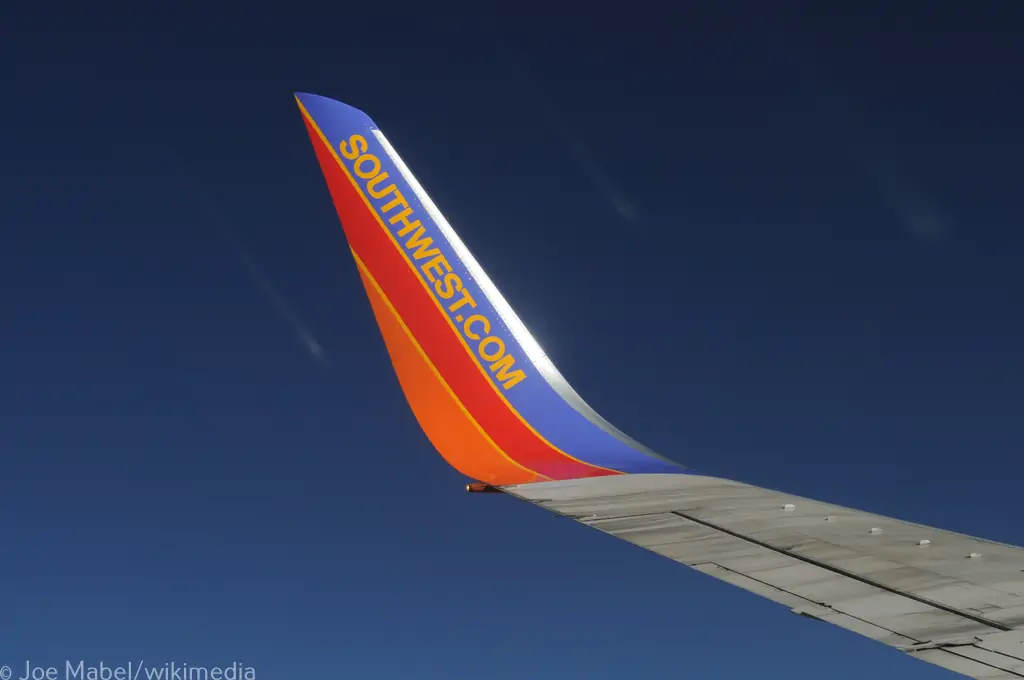
Southwest Airlines Co., one of the country's top low-cost carriers, faces significant disruption as its pilots' union reports overwhelming support for a strike mandate. With the busy summer travel season quickly approaching, this development is concerning for both the airline and the passengers.
The History of Southwest Airlines Co.
Southwest Airlines Co. was founded in 1967 and has since grown to become a major participant in the United States aviation business. The airline is well-known for its wide domestic network, operational efficiency, and one-of-a-kind corporate culture. Southwest has built a reputation for dependable service and low rates over the years, making it a popular choice for travellers across the country.
The Pilots' Union and Their Demands
The pilots' union, which represents the interests of Southwest Airlines Co.'s pilots, has been in contract discussions with the airline's management. These discussions have centered on concerns such as wages, work hours, scheduling, and possibilities for advancement. The union strives to improve terms and conditions for its members, attempting to address long-standing issues.
Current Situation
The aviation sector has been greatly impacted by the COVID-19 epidemic, and airlines have encountered various hurdles in sustaining operations and ensuring financial stability. Southwest Airlines Co., known for its commitment to low fares and exceptional customer service, is now confronted with the threat of a strike by its pilots' union.
Southwest Airlines' Potential Impact
A pilot strike by Southwest Airlines Co. would likely have serious consequences for the airline's operations. Flight cancellations, schedule interruptions, and a drop in passenger trust might all result in financial losses and harm the airline's brand. The strike mandate's timing, right before the summer travel season, adds complication and potential disruption to an already stressed airline sector.
Concerns and Alternatives for Travelers
Travellers who have booked flights with Southwest Airlines may be concerned about their itinerary and the possible impact of a strike. Understanding the potential possibilities becomes critical in such a case. Travellers should avoid any interruptions caused by a strike by exploring rebooking alternatives, confirming travel insurance coverage, or considering alternate airlines.
Process of Negotiation and Possible Resolutions
A rigorous negotiation process will be required to resolve the concerns between Southwest Airlines Co. and its pilots' union. Both parties must participate in productive communication while considering the interests and concerns of all stakeholders. Compensation package tweaks, work-life balance improvements, and increased professional growth chances for pilots are all possible options. Finding common ground and striking a mutually acceptable agreement is critical to avoiding a strike and ensuring the airline's smooth operation.
Potential Consequences of a Strike
A strike would have far-reaching ramifications for Southwest Airlines Co. and its customers. Flight cancellations and interruptions would be inconvenient for passengers and might result in financial losses for the airline. Customer confidence and loyalty might be damaged in the aftermath of the strike, which would have ramifications beyond the immediate aftermath. In the long run, the airline will encounter difficulties in recovering its reputation and regaining consumer trust.
Implications for the Industry
The possibility of a strike at Southwest Airlines Co. has far-reaching repercussions for the aviation sector as a whole. Other airlines may encounter similar labor-related issues, and the talks and eventual settlement of this conflict may serve as a model for others. Furthermore, the aviation sector as a whole will be following events intently, as the actions and outcomes in this case may establish precedents for future labor discussions throughout the industry.
The Government's Role and Regulations
In instances involving labor conflicts in the aviation sector, the intervention of government authorities and regulatory organisations becomes critical. They help to ensure fair practices, protect employees' rights, and minimize travel interruptions. If required, government action may aid in the facilitation of fruitful discussions between Southwest Airlines Co. and its pilots' union, with the objective of obtaining a suitable conclusion for all parties concerned.
Public Perception and Support
The perception and support of the general public can have a considerable influence on the outcome of the strike and following discussions. Passengers and members of the general public may sympathize with the pilots' concerns or express disappointment at the possible interruptions caused by a strike. Southwest Airlines Co. may control public opinion and perhaps earn support for its stance by communicating effectively with the public, resolving their concerns, and remaining transparent throughout the process.
Conclusion
Southwest Airlines Co.'s pilots' union has approved a strike mandate, signaling a critical moment for the carrier and the aviation industry. The possibility of a strike raises worries about flight cancellations, passenger discomfort, and the company's financial ramifications. Southwest Airlines Co. and its pilots' union must engage in fruitful conversations to find solutions that satisfy the pilots' concerns while protecting the airline's operations. A mutually acceptable conclusion is critical to the airline's image and to guaranteeing a great travel experience for passengers.
With Inputs from Reuters
Read next
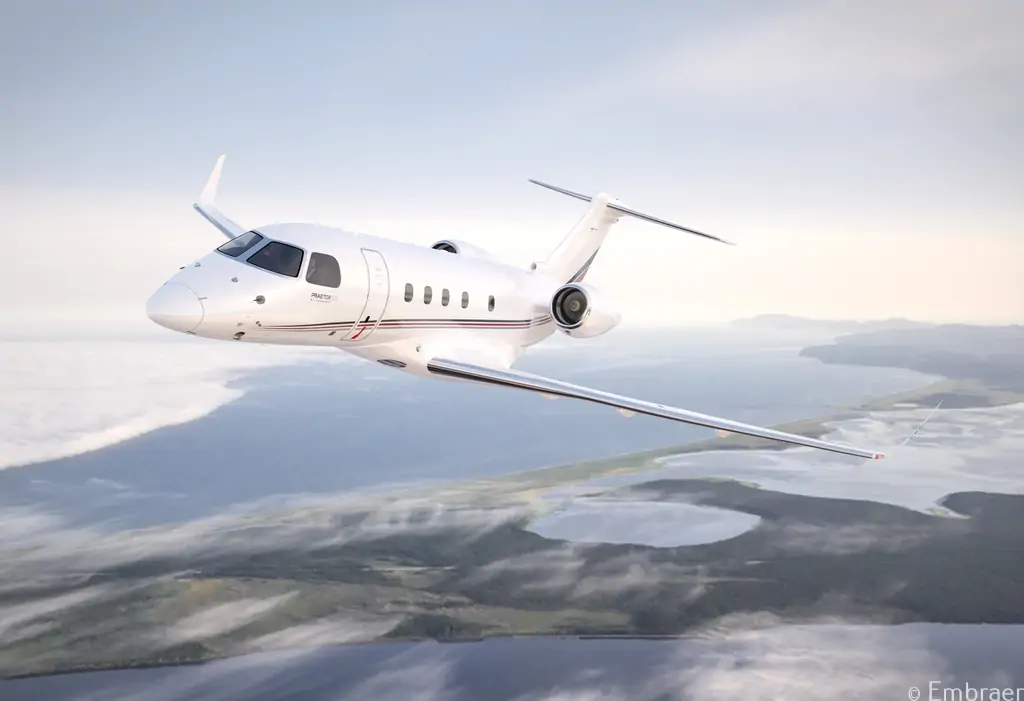
Embraer, the Brazilian aerospace manufacturer, and NetJets, the top private aviation company, have announced a game-changing partnership that will change the business aviation market. The agreement entails NetJets acquisition of 250 Praetor 500 aircraft from Embraer for a total cost of more than $5 billion. This collaboration is a significant milestone for both firms and demonstrates their dedication to innovation, quality, and serving their clients' changing demands.
Embraer and NetJets Overview
Embraer is a world-renowned manufacturer of commercial and executive aircraft with a five-decade history. The organization is well-known for its dedication to technical developments, safety, and quality craftsmanship. Embraer's portfolio comprises a variety of innovative aircraft that serve different areas of the aviation market.
Praetor 500 Jet: Specifications and Features
Embraer's Praetor 500 is a technologically sophisticated midsize business aircraft that embodies elegance and performance. Its elegant form, along with cutting-edge avionics and engineering, makes it a sought-after option for those looking for a more luxurious travel experience. The Praetor 500 offers efficient and quick travel for its passengers, with a range of nearly 3,700 nautical miles and a peak speed of Mach 0.83.
Current Scenario
The partnership between Embraer and NetJets brings together two industry titans. Embraer is well-known for its competence in business jet manufacturing, while NetJets is regarded as a pioneer and leader in fractional aircraft ownership and private jet travel services. They hope to revolutionize the private aviation sector by delivering unrivalled opulence, ease, and efficiency to their discerning clientele.
NetJets' new agreement demonstrates not only the company's commitment to providing an enhanced customer experience (the company averages over 1,200 worldwide flights per day), but also its confidence in Embraer's industry-leading portfolio and top-ranked support to provide the ultimate experience to NetJets customers.
The Deal's Importance
Embraer and NetJets' strategic relationship is critical for both firms and the business aviation market as a whole. For starters, it reinforces Embraer's position as a major business jet manufacturer. NetJets' large-scale acquisition of Praetor 500 aircraft demonstrates its trust in Embraer's engineering excellence, dependability, and devotion to customer satisfaction.
Market Influence and Growth Prospects
Embraer and NetJets' collaboration is likely to have a substantial influence on the business aviation sector. The procurement of up to 250 Praetor 500 planes not only demonstrates Embraer's faith in its capabilities but also underlines the rising demand in the private aviation market for high-performance, technologically sophisticated aircraft.
NetJets Advantages
The arrangement with Embraer delivers numerous significant benefits to NetJets. To begin with, the Praetor 500's exceptional range and speed characteristics allow NetJets to provide its clients with access to a broader choice of locations. Passengers may now travel to remote regions without stopping for layovers or refueling, improving travel efficiency and shortening total journey times.
Embraer Advantages
Embraer will benefit from the cooperation with NetJets as well. The large order of up to 250 Praetor 500 aircraft boosts their manufacturing volume and income. Embraer may optimize their production processes and obtain economies of scale as a result of this magnitude of demand, leading to cost savings and greater profitability.
Business Aviation's Future
Embraer and NetJets' collaboration marks a watershed point in the growth of commercial aviation. The sector is positioned for future development and transition as technology advances and customer expectations alter. The Praetor 500 planes, with their range, performance, and sumptuous amenities, represent the future of business aviation. The expanding worldwide connectedness and the need for time-saving travel solutions are driving up demand for efficient, comfortable, and technologically sophisticated aeroplanes.
Analysis of Competitors
While the Embraer-NetJets alliance is expected to have a big influence on the business aviation market, the competitive landscape must be considered. Other aircraft manufacturers and private aviation firms are competing for market share and attempting to suit the changing needs of discriminating clients.
Considerations for the Environment
Environmental concerns are becoming increasingly significant as the business aviation industry progresses. Aircraft manufacturers, notably Embraer, are investing in R&D to build more fuel-efficient and environmentally friendly aircraft.
Conclusion
Finally, the ground-breaking deal between Embraer and NetJets for up to 250 Praetor 500 aircraft for more than $5 billion represents a key milestone in the business aviation market. This collaboration combines Embraer's experience in aircraft manufacture with NetJets' market leadership in private aviation services.
With Input from Embraer
Comment