
Delhi Airport Launches Self Baggage Drop Facility at T3 to Reduce Waiting Time

Radhika Bansal
27 Jun 2023
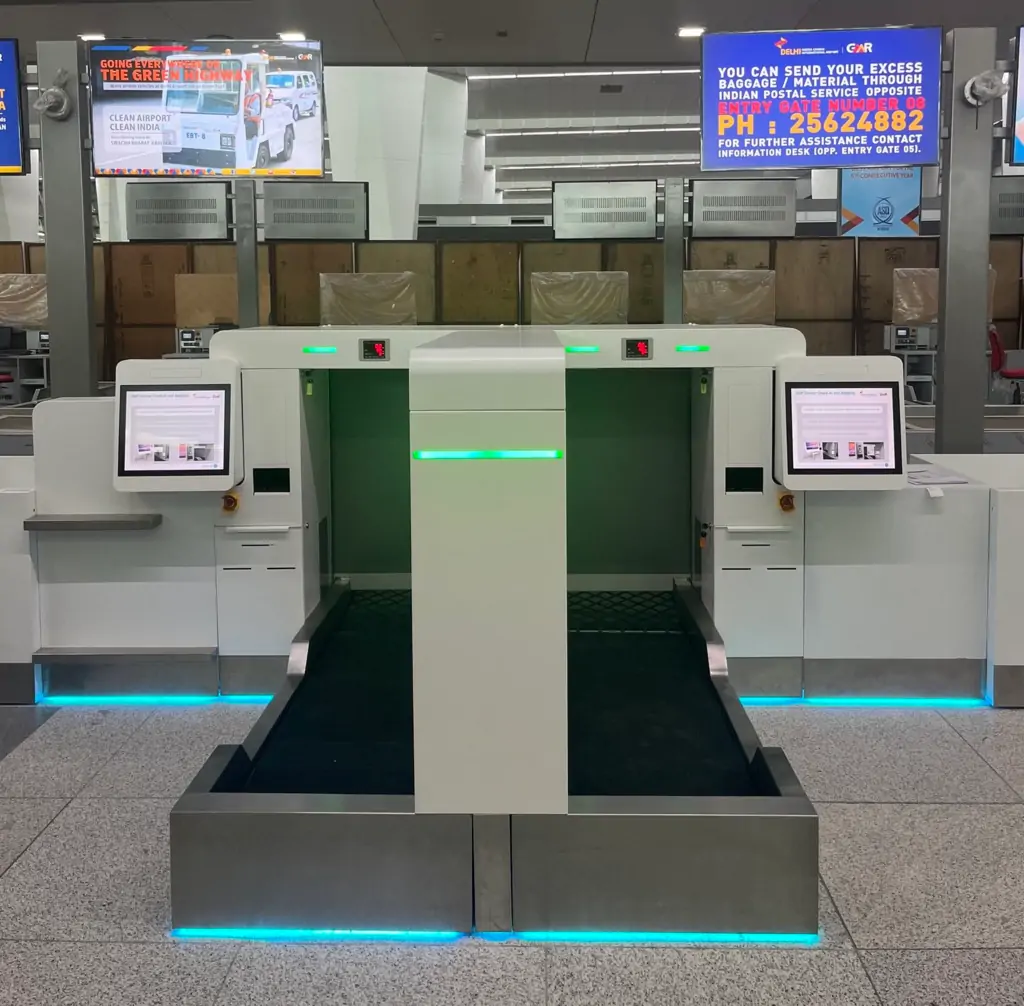
Delhi Airport operator DIAL has introduced Self Baggage Drop (SBD) facility at Terminal 3 that will help reduce the waiting time for passengers at the airport. SBD aims to streamline the baggage drop-off process, reduce the wait time for passengers by around 15-20 minutes and further enhance the overall airport experience. The facility can cater to up to three passengers per minute, according to the Delhi International Airport Ltd (DIAL).
Currently, domestic passengers will be able to use the facility, and it will be made available for international passengers post mandatory approvals. "While currently, passengers travelling IndiGo will be able to use the facility, five other airlines, including Air India, Vistara, Air France, KLM Royal Dutch Airlines and British Airways, are likely to allow usage of self-baggage drop for their passengers shortly," DIAL said in a release.
Passengers can use the SBD facility through a two-step process. After generating their boarding passes and baggage tags at the Self Check-In kiosk, passengers have to tag their check-in baggage.
How will SBD Work?
Flyers will have to follow a two-step process and drop the luggage at one of the 14 self-baggage drop machines from where their bags will be automatically transferred to the sorting area and onto the aircraft. A passenger will have to first generate the boarding pass and the baggage tag at a self-check-in kiosk. After tagging the check-in baggage, the flyer will proceed to the self-baggage drop facility, scan the boarding pass, declare that the luggage is free of prohibited or dangerous items, and load it onto the designated belt. “Passengers do not need to register separately to utilise this facility,” DIAL stated.
At the SBD facility, they will have to scan their boarding pass, declare that their luggage is free of prohibited/ dangerous items, and load their baggage onto the designated belt. Once the process is completed, the baggage will be automatically transferred to the sorting area and subsequently onto the aircraft. If the weight of the check-in baggage is beyond the limit allowed by the airline, then the baggage will not be accepted by the machine. There will be airline staff near the facility to help passengers.
The facility is conveniently available at check-in row P of T3. To ensure a seamless travel experience, 14 self-baggage drop machines have been installed, 12 fully automated and two hybrids, with the initial calibrated weight for each machine set at 120kg for baggage processing. “With each machine being able to cater to up to three passengers per minute, the self-baggage drop facility significantly reduces the overall time taken by passengers to process their baggage at check-in counters,” said DIAL.
"DIAL has been working relentlessly towards maximising passenger experience at the Delhi airport through various digitisation and automation initiatives. The Self-Baggage Drop facility aims to make the passengers self-reliant while reducing the time taken for baggage processing," DIAL CEO Videh Kumar Jaipuriar said.
DIAL said the introduction of the facility reflected its commitment to innovation and continuously improving the airport experience for passengers, setting a new standard for convenience, efficiency and customer satisfaction.
About Delhi Airport
DIAL, a GMR Airport Infrastructure Ltd-led consortium, operates the Indira Gandhi International (IGI) Airport in the national capital. Indira Gandhi International Airport is the primary international airport serving Delhi. The airport, spread over an area of 5,106 acres, is situated in Palam, Delhi. It is the busiest airport in India in terms of passenger traffic since 2009. It is also the busiest airport in the country in terms of cargo traffic. In the financial year of 2020, the airport handled 67.3 million passengers, the highest ever in the airport's history. As of 2022, it is the seventh busiest airport in the world, as per the latest rankings issued by the UK-based air consultancy firm, OAG. It is the second busiest airport in the world by seating capacity, having a seating capacity of over 3.6 million seats, and the busiest airport in Asia by passenger traffic, handling over 37 million passengers in 2021.
Read next
FAA Issues Certification to Lilium Making it the Only eVTOL Certified by Both EASA & FAA

Abhishek Nayar
27 Jun 2023
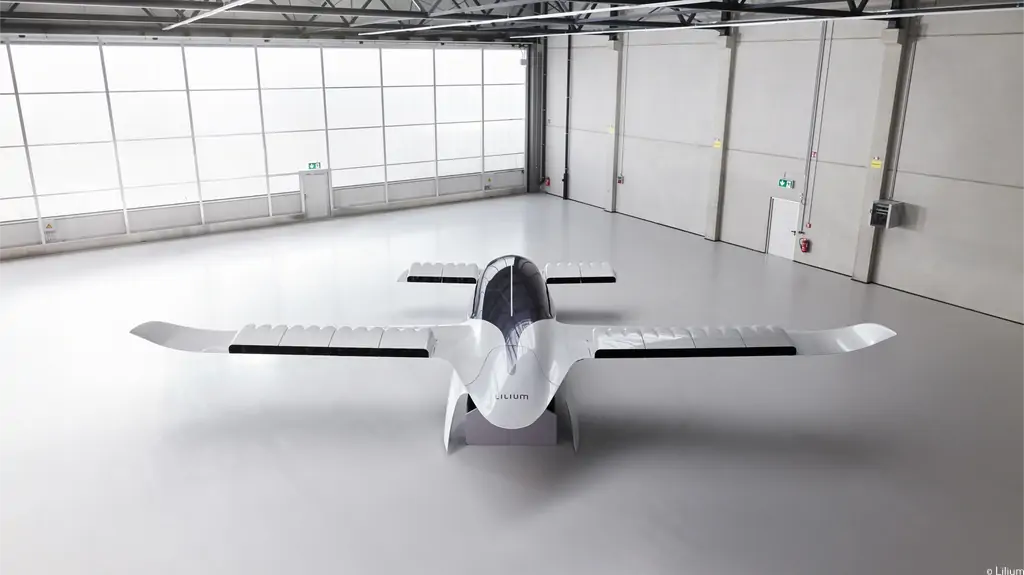
The advent of eVTOL aircraft has opened up new possibilities for urban air mobility and sustainable transportation. These innovative aircraft combine electric propulsion with vertical take-off and landing capabilities, enabling them to operate in congested urban environments while minimizing noise and emissions. Lilium N.V., a leading company in this space, has been at the forefront of developing and commercializing eVTOL technology.
Lilium N.V.: Pioneering the eVTOL Industry
Lilium N.V. has established itself as a trailblazer in the field of eVTOL aircraft. The company's vision is to create a world where anyone can fly anywhere, anytime, with minimal impact on the environment. Lilium's flagship product, the Lilium Jet, is a five-seater aircraft that combines advanced aerodynamics, fly-by-wire controls, and distributed electric propulsion to deliver a safe, efficient, and environmentally friendly transportation solution.
Lilium's FAA G-1 Certification Basis
Obtaining the FAA G-1 Certification Basis is a significant achievement for Lilium N.V. This certification demonstrates the company's commitment to meeting the stringent safety standards set by the Federal Aviation Administration (FAA) in the United States. It signifies that Lilium's eVTOL aircraft complies with the necessary design and operational requirements to ensure safe and reliable operation.
European Union Aviation Safety Agency (EASA) Approval
In 2020, Lilium achieved a significant milestone when it obtained the certification foundation from the European Union Aviation Safety Agency (EASA) for its Lilium Jet. This certification foundation serves as the basis for subsequent certifications and validations required for the aircraft's operation within the European Union.
Lilium's All-Electric eVTOL Aircraft: The Future of Transportation
The completion of the FAA G-1 Certification Basis and the pursuit of dual certification are vital steps in Lilium's mission to revolutionize urban air mobility. By introducing all-electric eVTOL aircraft, Lilium aims to transform transportation within cities, providing efficient and environmentally friendly alternatives to traditional modes of travel.
Lilium's eVTOL aircraft is designed with safety as a top priority. The completion of the FAA G-1 Certification Basis is a testament to Lilium's commitment to meeting stringent safety standards and ensuring the reliability of its aircraft. Through continuous innovation and collaboration with regulatory agencies, Lilium aims to create a new era of urban air mobility, revolutionizing the way people travel.
Dual Certification: Lilium's Unique Approach
What sets Lilium apart from other eVTOL companies is its pursuit of dual certification. While many companies focus on obtaining certification in either the European Union or the United States, Lilium is seeking approval from both the European Union Aviation Safety Agency (EASA) and the FAA. This dual certification approach highlights Lilium's commitment to delivering safe and reliable eVTOL aircraft on a global scale.
Comments
"We are the first powered lift eVTOL pioneer in our industry, holding Certification Basis from EASA and the FAA," stated Alastair McIntosh, Lilium Chief Technology Officer. "This is a significant step towards our goal of achieving early certification of our aircraft in key markets to support a global launch." We are grateful to have wonderful partners on both sides of the pond to electrify the skies. Before the G-1 is made available for public consultation, the FAA will conduct a collaborative process in which Lilium and EASA will submit feedback to the FAA. We look forward to continued collaboration with the FAA and EASA."
Conclusion
Lilium N.V.'s successful completion of the FAA G-1 Certification Basis is a significant milestone in the advancement of eVTOL aircraft. With its commitment to safety, environmental sustainability, and global operations, Lilium is revolutionizing the way we think about transportation. The company's pursuit of dual certification in the EU and the US demonstrates its dedication to meeting regulatory requirements and expanding the reach of its innovative eVTOL technology.
With Inputs from Lilium
Read next

In the ever-evolving landscape of the aviation industry, effective leadership and strategic decision-making play a crucial role in driving success. ATR, a leading aircraft manufacturer, recently announced a significant addition to its top management team.
ATR: A Leading Aircraft Manufacturer
ATR is a renowned aircraft manufacturer specializing in regional aircraft with a capacity of 50 to 70 seats. The company has a strong presence in the aviation market, offering efficient and reliable aircraft solutions to airlines around the globe. With a commitment to sustainability and innovation, ATR has carved a niche for itself in the aviation industry.
ATR's Senior Vice President Commercial: An Overview
The role of the Senior Vice President Commercial at ATR is a pivotal position responsible for driving the company's commercial strategy and overseeing its global sales activities. This executive plays a vital role in fostering relationships with airline customers, identifying new market opportunities, and ensuring the continued success of ATR's products in the aviation industry.
The Appointment of Alexis Vidal
On June 26, 2023, ATR proudly announced the appointment of Alexis Vidal as its new Senior Vice President Commercial. This decision reflects the company's commitment to securing top talent and strengthening its leadership team. With this appointment, ATR aims to leverage Alexis Vidal's expertise and industry knowledge to propel the company forward in a competitive market.
ATR's Top Management Team
ATR's top management team comprises experienced professionals who drive the company's strategic vision and operational excellence. Reporting directly to CEO Nathalie Tarnaud Laude, the team works collaboratively to steer ATR's growth, strengthen partnerships, and ensure the company remains at the forefront of the aviation industry.
Alexis Vidal's Background and Expertise
Alexis Vidal brings a wealth of experience to his new role at ATR. With a strong background in aviation and commercial operations, he is well-equipped to drive ATR's commercial success. Throughout his career, Vidal has demonstrated exceptional leadership skills and a keen understanding of market dynamics. His strategic mindset and ability to build and maintain strong customer relationships make him an ideal fit for ATR's Senior Vice President Commercial position.
He joined the Airbus Group in 2004 as a Business Development Manager in the satellite branch, which has since become known as Airbus Defence and Space. In 2007, he moved to Airbus Helicopters and held various managerial positions in Customer Services, Offers and Contracts, and Sales. In 2016, he was named Vice President of Sales for the Energy and Leasing segments. In 2019, he joined Airbus Commercial Aircraft as Head of Sales for Customer Services. Alexis' last position in 2021 was Head of Marketing for Widebody Programmes.
Principal Responsibilities
In his new role, Alexis Vidal will have a wide range of responsibilities. These include:
- Developing and executing ATR's commercial strategy to drive revenue growth.
- Leading the sales team in identifying and pursuing new business opportunities.
- Nurturing existing customer relationships and cultivating new partnerships.
- Collaborating with cross-functional teams to ensure seamless operations and customer satisfaction.
- Monitoring market trends and identifying emerging opportunities for ATR's products and services.
- Representing ATR at industry events and conferences to enhance brand visibility and market presence.
New Responsibilities for Fabrice Vautier
Fabrice Vautier, the outgoing Senior Vice President Commercial, will transition to new responsibilities within the ATR group. This move allows Vautier to bring his extensive experience and expertise to other strategic initiatives, contributing to the company's overall growth and diversification efforts.
The Vision for ATR's Commercial Strategy
Under the leadership of Alexis Vidal, ATR aims to further strengthen its position as a leading aircraft manufacturer. The company's commercial strategy will focus on expanding its customer base, exploring new markets, and introducing innovative solutions tailored to the evolving needs of the aviation industry. Vidal's appointment signifies ATR's commitment to delivering high-performance aircraft while prioritizing customer satisfaction and sustainable growth.
Alexis Vidal's Impact on ATR's Growth
As Senior Vice President Commercial, Alexis Vidal's impact on ATR's growth is expected to be significant. By leveraging his strategic insights, leadership acumen, industry expertise, and fostering strong partnerships with airlines worldwide, Vidal will play a crucial role in expanding ATR's market share and strengthening its position as a trusted provider of regional aircraft solutions. His expertise in developing and executing successful sales strategies will contribute to ATR's continued success in a competitive market. Vidal's vision for innovation and customer-centric solutions aligns perfectly with ATR's commitment to delivering exceptional products and services.
ATR's Commitment to Growth
ATR has always been at the forefront of the regional aircraft industry, consistently delivering cutting-edge solutions that meet the evolving needs of its customers. With the appointment of Alexis Vidal as Senior Vice President Commercial, ATR reaffirms its commitment to driving growth and remaining a key player in the aviation market. Vidal's appointment reflects ATR's focus on attracting top talent and leveraging their expertise to propel the company forward.
Conclusion
The appointment of Alexis Vidal as ATR's Senior Vice President Commercial signifies the company's commitment to excellence and growth. With his extensive background in aviation and commercial operations, Vidal is well-prepared to lead ATR's commercial strategy and drive the company forward. As ATR continues to innovate and deliver exceptional regional aircraft solutions, Alexis Vidal's leadership and expertise will play a crucial role in shaping the company's future.
With Inputs from ATR
Read next
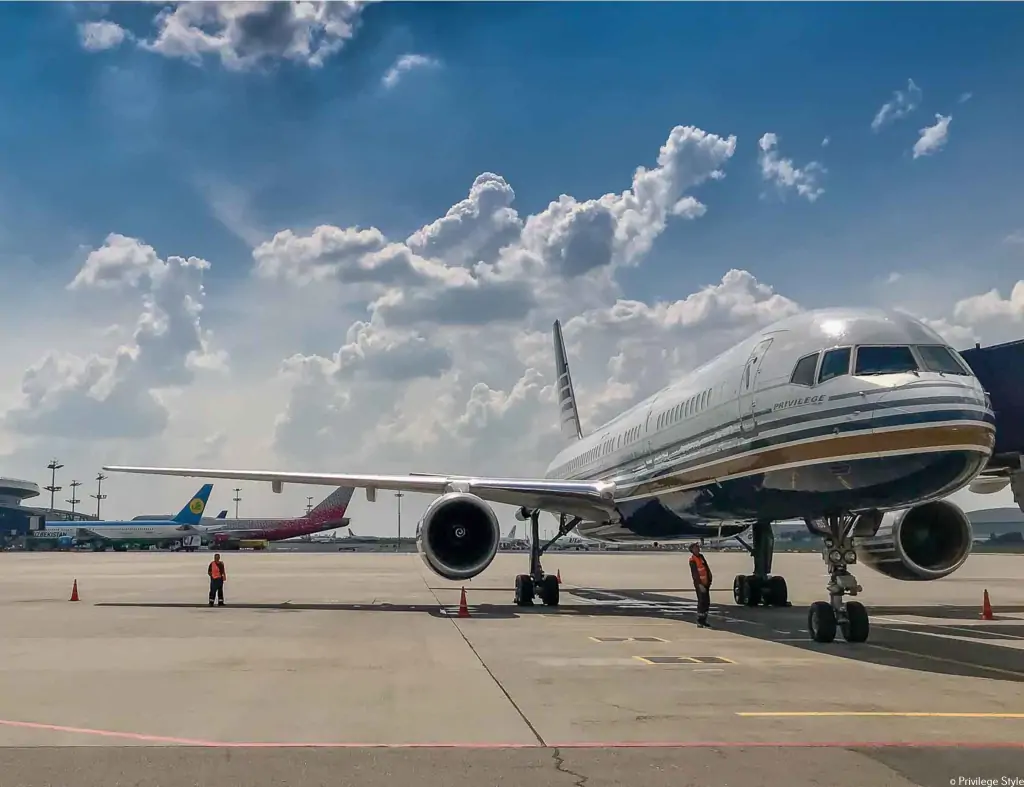
Privilege Style, a renowned Spanish private and wet-lease operator, has made headlines in the aviation industry by introducing an Airbus A330-200 to replace its previous Boeing 767-300ER. This strategic decision highlights the company's dedication to maintaining a modern and efficient fleet to deliver an exceptional travel experience to its customers.
Privilege Style: A Brief Overview
Privilege Style, situated in Palma de Mallorca, is a leading private and wet-lease operator based in Spain. Founded in 2003, the company specializes in providing tailored aviation solutions for various clients, including private individuals, corporations, sports teams, and government organizations. With a strong emphasis on customer satisfaction and safety, Privilege Style has gained a reputation for its premium services and commitment to excellence.
Transition from Boeing 767-300ER to Airbus A330-200
The decision to replace the Boeing 767-300ER with the Airbus A330-200 marks an important milestone for Privilege Style. This transition aligns with the company's long-term growth strategy and ensures that it continues to offer state-of-the-art aircraft to its clientele. The Airbus A330-200 brings numerous benefits and enhancements to Privilege Style's operations and passenger experience.
Features and Advantages of the Airbus A330-200
The Airbus A330-200 is a twin-engine, wide-body aircraft that offers exceptional performance and versatility.
Improved Passenger Experience
Passenger comfort and satisfaction are paramount for Privilege Style, and the Airbus A330-200 excels in this regard. The aircraft boasts a spacious cabin layout with comfortable seating arrangements, allowing passengers to relax and enjoy their journey. The modern interior design and advanced in-flight entertainment systems further enhance the overall travel experience.
Enhanced Operational Efficiency
The Airbus A330-200 incorporates advanced technologies and design elements that contribute to improved operational efficiency. The aircraft's efficient engines reduce fuel consumption, resulting in lower operating costs and a reduced environmental impact. Additionally, the A330-200's state-of-the-art avionics and systems enhance flight performance and ensure a smooth and safe journey for passengers.
Increased Range and Flexibility
With an extended range capability, the Airbus A330-200 enables Privilege Style to expand its reach and offer more destinations to its customers. This increased range provides greater flexibility in route planning, allowing the airline to cater to a wider range of travel demands. Whether it is short-haul or long-haul flights, the A330-200 offers a reliable and efficient solution.
The Benefits of Fleet Modernization
Privilege Style's decision to replace the Boeing 767-300ER with the Airbus A330-200 brings several notable benefits to the company. Firstly, the enhanced fuel efficiency of the A330-200 reduces operational costs, enabling Privilege Style to optimize its resources and allocate funds to other areas of the business. Moreover, the extended range opens up opportunities for new routes and expanded market reach, fostering growth and attracting a broader customer base. According to Privilege Style, the twinjet will allow the carrier to cover a "wide variety" of routes on its network, and "Thanks to this configuration, the aircraft will provide a travel experience in which comfort will be the main protagonist."
Privilege Style's Commitment to Customer Satisfaction
Privilege Style has built its reputation on providing exceptional services and personalized experiences. The introduction of the Airbus A330-200 aligns with the company's unwavering commitment to customer satisfaction. By upgrading its fleet and incorporating advanced features, Privilege Style aims to elevate the overall travel experience for its passengers, ensuring that every journey is comfortable, enjoyable, and memorable.
Conclusion
Privilege Style's introduction of the Airbus A330-200 as a replacement for the Boeing 767-300ER is a testament to the company's commitment to innovation and excellence. The new aircraft brings a range of features and advantages that enhance the overall passenger experience, improve operational efficiency, and provide greater flexibility in flight operations. Privilege Style continues to solidify its position as a leading player in the aviation industry, offering top-notch services to its discerning clientele.
With Inputs from FlightGlobal
Read next
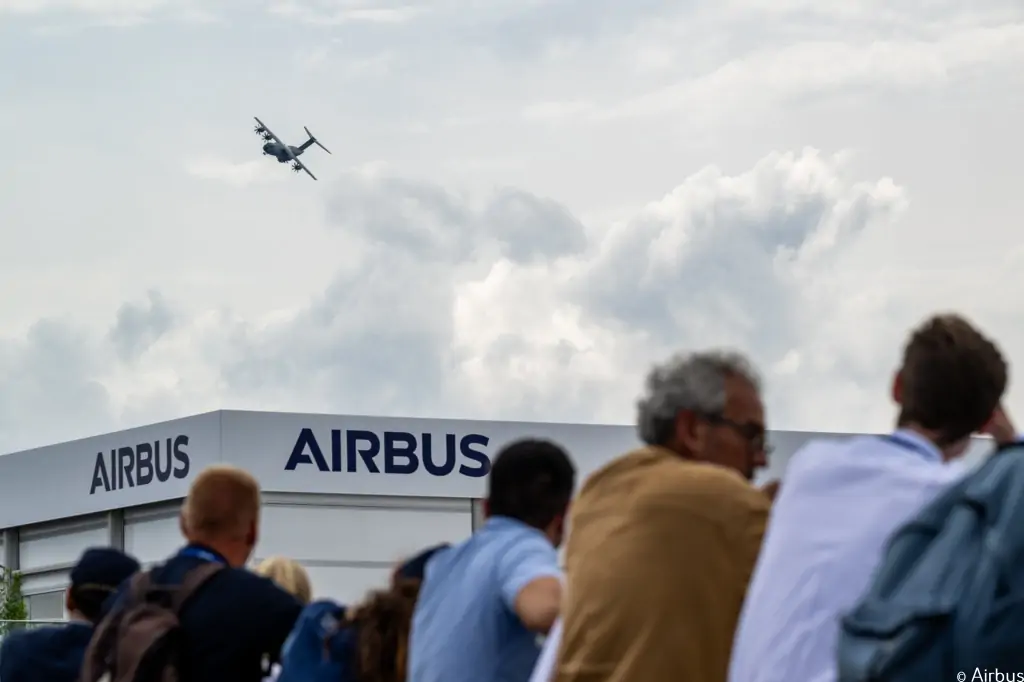
The Paris Air Show, also known as the Salon international de l'aéronautique et de l'espace, holds a special place in the aviation industry. With its rich history dating back to 1909, the event has been a platform for groundbreaking innovations, industry collaborations, and the unveiling of futuristic aircraft. It serves as a meeting point for aerospace professionals, government officials, and aviation enthusiasts.
The Opening Day: Energetic Beginnings
The 54th edition of the Paris Air Show commenced with great anticipation and excitement. Industry leaders, aviation enthusiasts, and journalists gathered at the event to witness the latest advancements in aviation technology. The opening day was characterized by breathtaking aerial displays, captivating product presentations, and buzzing conversations about the future of flight.
Showcasing Innovations: Unveiling the Future of Aviation
The Paris Air Show is renowned for its ability to showcase cutting-edge innovations that shape the future of aviation. During the event, aerospace companies presented their latest aircraft models, technologies, and solutions. From supersonic jets and electric aircraft to advanced avionics and unmanned systems, the show provided a glimpse into the next generation of flight.
Airbus: A Triumph of Orders
Airbus, one of the leading aircraft manufacturers in the world, had a successful run at the Paris Air Show.
- Day One
- Day Two
- Day Three
Regrettably, Airbus did not receive any new orders on the fourth day of the Paris Air Show. Nonetheless, the cumulative results were impressive, as Airbus concluded the event with a total demand for 821 aircraft, demonstrating the trust and confidence placed in Airbus' products.
Aircraft Family | Quantity | Customer |
A220 | 9 | Qantas |
A320 | 740 | Flynas, IndiGo, Air India |
A330neo | 20 | Avolon |
A350 | 52 | Air Mauritius, Philippine Airlines, Air India |
Total | 821 |
|
Boeing: Consolidating Presence
Boeing, a prominent player in the aerospace industry, also had a significant presence at the Paris Air Show. In comparison to its European counterpart, the US aircraft manufacturer breezed through the first day quietly and saw activity only on the second day.
- Day Two
- Day Three
Overall, while Airbus had a strong presence at the Paris Air Show, Boeing managed to secure notable orders across multiple days, with airlines and lessors showing interest in both widebody and narrowbody aircraft. Despite recent challenges, Boeing showcased its commitment to innovation and highlighted its contributions to the future of aviation with an order tally of 356 aircraft. Air India 190 737MAX
Aircraft Family | Quantity | Customer |
737 BCF | 2 | Air Algerie |
737MAX | 240 (50 options) + 56 | Air India, Avolon, Air Algerie, Luxair, Akasa Air |
777X | 10 | Air India |
787 | 40 (20 Options) + 8 | Air India, China Airlines |
Total | 286 |
|
Emerging Players: Navigating the Skies of Opportunity
The Paris Air Show not only attracts established industry giants but also serves as a platform for emerging players to showcase their capabilities. Numerous startups and small aerospace companies presented their unique concepts and technologies, aiming to disrupt traditional aviation norms. These new entrants added a fresh perspective to the event and contributed to the overall buzz surrounding the show.
Technological Advancements: Shaping the Aviation Landscape
Technological advancements played a pivotal role in defining the Paris Air Show. From advancements in electric propulsion systems to enhanced connectivity and advanced materials, the event highlighted the transformative power of technology in aviation. The integration of artificial intelligence, automation, and data analytics showcased the potential to revolutionize aircraft design, manufacturing processes, and passenger experience.
Environmental Sustainability: Prioritizing a Greener Future
In recent years, the aviation industry has increasingly focused on environmental sustainability. The Paris Air Show provided a platform for manufacturers to showcase their efforts in developing greener aircraft and implementing sustainable practices. Concepts such as electric and hybrid-electric propulsion, sustainable aviation fuels, and eco-efficient manufacturing processes took center stage, emphasizing the industry's commitment to reducing its environmental impact.
The Impact of COVID-19: Challenges and Resilience
The COVID-19 pandemic had a profound impact on the aviation industry, and the Paris Air Show was not immune to its effects. The event experienced a shift from in-person interactions to virtual platforms, reflecting the industry's adaptability and resilience. However, the challenges posed by the pandemic did not dampen the spirit of innovation and determination exhibited by industry players.
The Paris Air Show Goes Virtual: Adapting to a Changing World
Acknowledging the need for flexibility, the organizers of the Paris Air Show embraced virtual technologies to ensure continuity during unprecedented times. The virtual format allowed participants from around the world to engage in virtual product demonstrations, interactive conferences, and digital networking. This innovative approach opened doors to broader participation and showcased the industry's ability to adapt and evolve.
Conclusion
When comparing Airbus' order list of over 800 aircraft to Boeing's tally of under 400, it is evident that the European aircraft manufacturer won the 54th edition of the Paris Air Show, which was made possible by IndiGo's substantial historical order. The 54th edition of the Paris Air Show was a testament to the resilience, innovation, and global collaboration within the aviation industry.
With Inputs from AeroTime
Read next
President Vladimir Putin has signed a 20% increase in tariffs on airlines. Vladimir Putin is boosting airline fees for using Russian airspace by a fifth as he tries to raise hundreds of millions of dollars for his war against Ukraine.
The Kremlin had in recent weeks signed off on a 20% hike in tariffs imposed on airlines from Russia’s allies and neutral countries, following a loss of income from Western carriers that were forced to turn around because of the sanctions. These revelations come as Ukrainian aviation authorities have begun laying the groundwork to reopen parts of the war-torn country’s airspace within the next 18 months – whether the war continues or not.
Before the war, charging airlines so-called overflight fees was a lucrative business, generating USD 1.7 billion a year for the Kremlin’s coffers due to the country’s size and importance as an east-west flight route. However, Western sanctions mean many airlines have been forced to avoid Russian airspace since Mr Putin ordered his forces to invade Ukraine 16 months ago, increasing their travel time by a few hours.
Senior industry sources said Mr Putin was forced to increase the number of fees charged by airlines that continue to use Russian airspace to make up for this lost money. In Ukraine, aviation sources said the airport in the eastern city of Lviv is likely to be the first to reopen, providing an air bridge for people and goods moving to and from the West. The discussion took place during the Ukraine Recovery Conference in London last week.
Flying in Russian Airspace
The decision of whether or not to fly over Russia is one of the most controversial issues in the aviation industry.
Chinese airlines, all state-backed, use Russian airspace on their way to Europe and the UK. Such flights have not been significant until recently as China’s borders gradually reopened after reversing President Xi’s zero-Covid policy. European airlines expressed their feelings over Chinese carriers having an unfair advantage - more direct routes equate to wider profit margins.
Meanwhile, earlier this year Air India’s boss defended flying over Russia by comparing it to Britain’s move that allowed Russian oligarchs to buy vast amounts of property in London. Turkish Airlines, Emirates, Etihad, Ethiopian Cargo and Qatar Airways also use Russian airspace. Some even continue to fly to Russian destinations.
Due to their hub locations, some airlines have made the most of the restrictions by offloading and leasing their unused aircraft to other airlines in need of the capacity. One such airline is Finnair which overcame significant airspace challenges and recently entered an agreement with Qantas for two Airbus A330s.
Uniquely placed between Europe and Asia, Russia allows for significantly more efficient east-west routings between the two continents than trajectories bypassing its skies. This means it holds some pretty valuable cards. But, faced with the price of fuel and the competition for customers, airlines must make economically viable choices.
Comment