
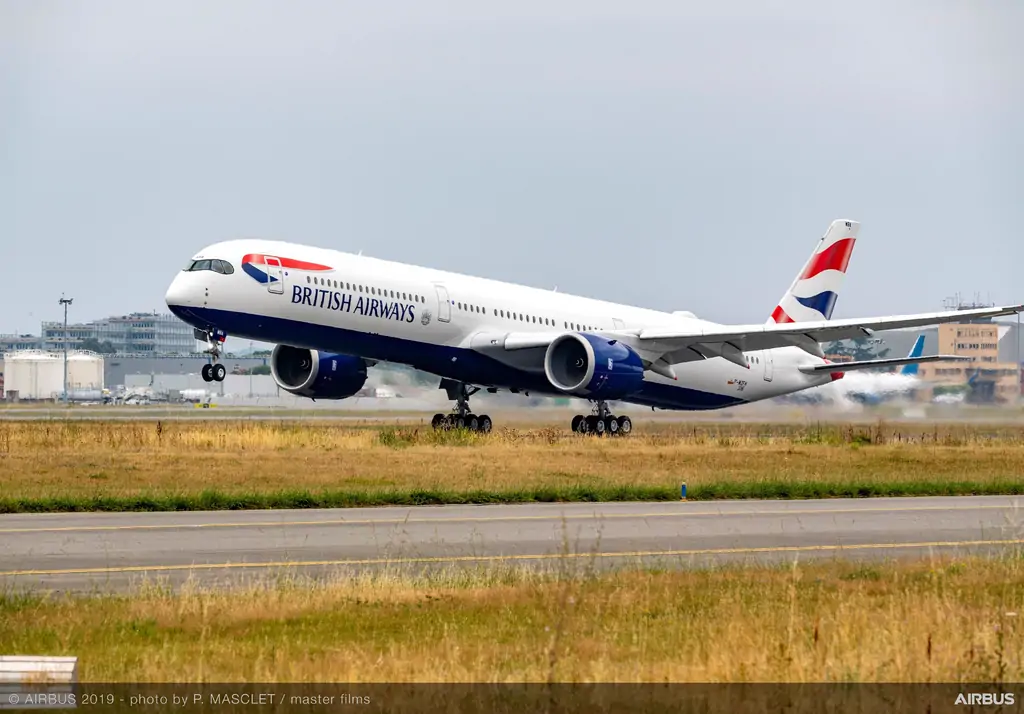
In a significant development for British Airways (BA), the airline is on the cusp of finalizing a long-term wage agreement with its pilots that promises to bring stability and peace to the skies. The deal, which has been the subject of months of negotiations, is expected to receive the green light from the British Airline Pilots' Association (BALPA) and subsequently end the specter of strike action until at least 2027.
The Landmark Agreement
After intensive discussions, British Airways is poised to announce a landmark three-and-a-half-year wage agreement that will reshape the financial landscape for its pilots. Key components of the agreement include:
Salary Increases: BA pilots are set to receive a series of salary increases over the next few years. The agreement kicks off with a 4% salary increase for this year, retroactive to June, followed by 1.5% increases in December and 2.5% in June of the following year. An additional 2% increase is scheduled six months later.
Continued Growth: This positive trajectory continues with a 0.5% salary increase in March 2025, followed by substantial 2.5% increases in June of that year and June 2026.
One-time Payment: Pilots are also in line for a one-time payment of £1,000 in November, providing a welcome financial boost.
Performance-Based Incentives: In a forward-looking move, British Airways has introduced a new incentive program tied to the airline's operating profit performance. This program holds the potential for pilots to receive incentives worth thousands of pounds, providing an extra layer of motivation and reward.
Future Salary Review: To ensure continued fairness and competitiveness, the next pilot salary review is slated for January 2027.

Response and Context
The BALPA agreement is a significant development for British Airways, coming on the heels of unions representing approximately 24,000 other BA staff securing a 13% pay increase spread over 18 months. This agreement signals the airline's commitment to supporting its employees during a period marked by ongoing cost-of-living pressures.
A representative for British Airways expressed their satisfaction with the agreement, stating, "We are pleased that we have now reached an agreement in principle for the pilot pay award 2023-27. BALPA will now ballot its members on the agreement in principle. The pay offer builds on a number of pay and reward changes made in 2022 to support colleagues throughout the business at a time of ongoing cost of living pressures."
Stability in the Skies
The impending wage agreement between British Airways and BALPA brings a welcome sense of stability to the airline industry. The prospect of strike action, which could have disrupted travel plans and affected passengers, has been averted. The agreement is expected to provide a strong foundation for the airline and its pilots to work together harmoniously for years to come.
As British Airways takes this significant step forward, it reinforces its commitment to its employees and its determination to navigate the challenges of the aviation industry while providing top-tier service to its passengers. With this agreement, both parties have achieved a positive outcome that promises to benefit everyone involved in the British Airways family, from pilots in the cockpit to passengers in the cabins.

A Promising Future for British Airways
The impending agreement not only offers immediate financial benefits to British Airways pilots but also sets a positive precedent for the airline's future endeavors. As the aviation industry continues to grapple with various challenges, this accord showcases British Airways' dedication to its workforce and its commitment to fostering a harmonious labor-management relationship.
The substantial salary increases, coupled with the one-time payment and performance-based incentives, acknowledge the invaluable contributions of the airline's pilots. Furthermore, by linking rewards to the company's operating profit, this agreement aligns the interests of the pilots with the overall success and profitability of British Airways. It reflects a forward-thinking approach that aims to incentivize excellence and innovation.
For passengers, this agreement brings the assurance of uninterrupted travel plans and the knowledge that the skilled and experienced British Airways pilots will continue to provide safe and reliable flights. Travelers can take comfort in the fact that the airline is proactively addressing the needs of its employees, ensuring that they remain motivated and committed to delivering exceptional service.
Moreover, in a broader context, this agreement underscores the importance of fair compensation and collaborative negotiations within the aviation industry. It serves as a reminder that a well-balanced relationship between airlines and their employees is essential for the sector's long-term sustainability.
As British Airways embarks on this new chapter, it remains committed to upholding its reputation as a world-class carrier. The airline's ongoing efforts to support its workforce and adapt to changing industry dynamics are commendable. It is evident that British Airways is proactively addressing the evolving landscape of air travel, striving to provide passengers with seamless, comfortable, and secure journeys.
Conclusion
The imminent long-term wage agreement between British Airways and BALPA marks a significant milestone in the airline's history. It not only secures the immediate financial well-being of its pilots but also lays the groundwork for a more prosperous and cooperative future. The agreement reflects British Airways' commitment to its employees and passengers, ensuring the continued delivery of exceptional service.
As the airline industry faces a multitude of challenges, this accord serves as a beacon of stability and unity. It demonstrates the potential for constructive labor-management relationships to drive success in a competitive and ever-changing market.
With this agreement, British Airways reaffirms its position as a leading global airline, dedicated to providing safe, reliable, and enjoyable journeys for travelers worldwide. As passengers board British Airways flights, they can do so with confidence, knowing that the skies remain clear and that the airline's pilots are focused on delivering exceptional experiences at every altitude.
With Inputs from Sky News

Read next
NCLAT Grants Bluesky 19 Leasing Company Inspection Rights Amid Go First's Insolvency
Abhishek Nayar
06 Oct 2023
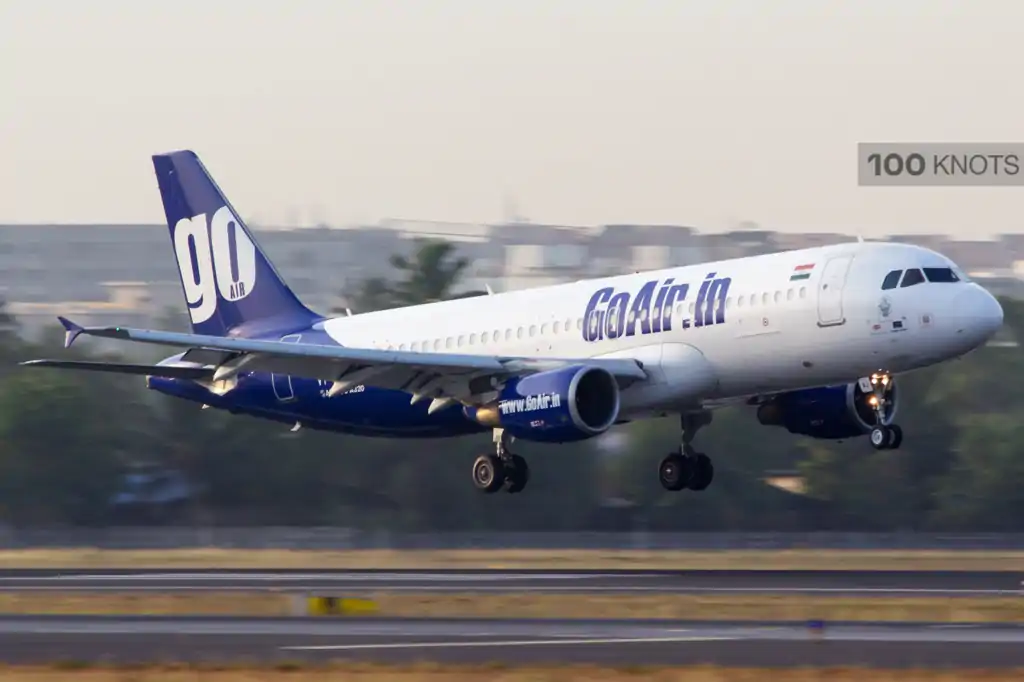
On Thursday, October 5, 2023, a significant development unfolded in the ongoing insolvency proceedings of Go First, as the National Company Law Appellate Tribunal (NCLAT) granted aircraft lessor Bluesky 19 Leasing Company permission to inspect the planes it has leased to the beleaguered airline.
This marks the third instance of the appellate tribunal awarding relief to lessors, following similar rights granted to engine lessor Engine Lease Finance BV (ELFBV) and aircraft lessor Jackson Square Aviation Ireland.
Background
Go First, formerly known as GoAir, has been grappling with financial challenges, leading it to enter insolvency proceedings. In the midst of this crisis, various lessors of the airline's assets have sought legal recourse to safeguard their interests. Engine Lease Finance BV was the pioneer among Go First's lessors, approaching NCLAT in August to secure inspection rights for its four engines. Jackson Square Aviation Ireland followed suit, seeking similar permissions.
Bluesky 19 Leasing Company's Appeal
Bluesky 19 Leasing Company joined the ranks of Go First's lessors seeking recourse by appealing to NCLAT. Their request for clarification went beyond inspection rights, as they sought to understand the extent of a lessor's authority in opposing issues other than inspection. However, the NCLAT bench declined this request, asserting that their previous ruling in the ELFBV case had already provided a clear and unambiguous precedent on the matter.
Go First's Resolution Professional's Opposition
The counsel representing Go First's resolution professional opposed Bluesky 19 Leasing Company's appeal, arguing that the Delhi High Court had already addressed the matter in a previous order issued just a month earlier. According to Go First's legal team, this prior order comprehensively covered the rights and responsibilities of lessors, and therefore, there was no need to seek inspection rights from the appellate tribunal separately.
Implications and Future Developments
The NCLAT's decision to grant Bluesky 19 Leasing Company inspection rights underscores the complexity of insolvency proceedings involving airlines and their lessors. This decision could set a precedent for future cases involving similar disputes, shedding light on the rights and obligations of lessors in insolvency scenarios.
However, the debate over the scope of a lessor's authority in opposing issues other than inspection remains unsettled. While the NCLAT has declined to clarify this matter further, the dispute highlights the need for greater legal clarity in insolvency proceedings to protect the interests of all parties involved.
As the Go First insolvency case unfolds, it will be essential to monitor how these developments impact the overall resolution process and the fate of the beleaguered airline. The decisions made in this case could have far-reaching implications for the aviation industry and its stakeholders, setting important precedents for future insolvency cases.
Conclusion
The NCLAT's decision to grant Bluesky 19 Leasing Company inspection rights in the Go First insolvency case marks a significant milestone in the ongoing proceedings. While the tribunal declined to provide further clarity on the extent of lessors' authority, the case highlights the complexity of such disputes in the aviation industry. As the legal battles continue, the outcome of the Go First insolvency case will have broader implications for the aviation sector and the resolution of similar cases in the future.
With Inputs from Economic Times
Read next
Jet Airways' Lenders Sceptical of Jalan-Kalrock Consortium's Funding Source

Radhika Bansal
05 Oct 2023

The creditors of the grounded carrier Jet Airways raised questions over the source of INR 200 crore deposited by the Jalan-Kalrock Consortium before the insolvency appellate tribunal NCLAT and said it does not align with the resolution plan.
Additional Solicitor General (ASG) N Venkataraman, representing lenders including SBI and other banks, told the National Company Law Appellate Tribunal (NCLAT) that there are apprehensions about the source of funds, which deposited money for Jalan-Kalrock Consortium's (JKC). "The payment is not compliant with the resolution plan as it mandates that the money is to be paid through JKC," ASG submitted before a three-member NCLAT bench headed by Chairperson Justice Ashok Bhushan. He also alleged that there are apprehensions the money could have been laundered.
The lenders sought some time to file a reply over the JKC's compliance affidavit, which was accepted by the appellate tribunal. Meanwhile, senior advocate Krishnendu Datta, representing the consortium, said only a part of the money came from another source while the majority of the amount was paid by Murari Lal Jalan. He further alleged, "Lenders are objecting to every move since they do not want to transfer Jet's ownership." The lenders also expressed apprehensions about the consortium’s foreign partner Florian Fritsch, pointing out that his properties were searched in 2022 as part of a larger fraud and money-laundering probe.
NCLAT has directed listing the matter for the next hearing on October 12. This is in light of the latest application filed by the CoC (committee of creditors) to stay the implementation of the approved resolution plan recently in NCLT.” The NCLAT has directed the lenders to file their objections by the next date of hearing.
Payment by the Consortium
Jalan Kalrock Consortium (JKC) is led by UAE-based businessman Murari Lal Jalan and London-based Kalrock Capital, which is promoted by Fritsch. JKC, the winning bidder for the airline, which stopped flying in April 2019 and later underwent an insolvency resolution process, had to pay INR 350 crore to the lenders by August 31. Earlier on August 28, NCLAT had extended the time till September 30 for Jalan-Kalrock Consortium for payment of INR 350 crore to the lenders of the bankrupt Jet Airways. It had accepted the plea of the consortium to extend the timeline and also for adjustment of INR 150 crore from the performance bank guarantee (PBG) towards payment of INR 350 crore.
The consortium has submitted an undertaking before the appellate tribunal, in which it had committed to pay INR 100 crore by August 31, 2023 and another INR 100 crore by September 30, 2023. The consortium on September 29 in a statement said it had fulfilled its total financial commitment of INR 350 crore equity as per the court-approved resolution plan.
Even as JKC hopes to take Jet Airways back to the skies in 2024, another major hurdle could be the payment of over INR 270 crore towards gratuity and provident fund of its former employees that was ordered by the Supreme Court.
The consortium has asked NCLAT to allow it to make these payments in instalments of three years, four years and five years. The employee unions plan to oppose the demand and seek one-time payment in case the tribunal grants relief to JKC on this front. The airline also doesn't have an Air Operator's Certificate as yet. It will need to demonstrate operational capability with the required staff and fleet to renew the AOC.
In May 2023, the National Company Law Appellate Tribunal (NCLAT) granted Jalan Kalrock Consortium, which emerged as a successful bidder to take over Jet Airways, more time to make payments to the State Bank of India (SBI).
While the National Company Law Tribunal (NCLT) approved the transfer to Jalan Kalrock in January, the decision was challenged in NCLAT, which ruled in favour of the consortium on March 3, 2023. Hence, Jalan Kalrock was entitled to exclude November 16, 2022, to March 3, 2023 period, during which the ownership hearing was on, to comply with the payment deadline.
On January 13, NCLT allowed the transfer of the beleaguered airline to the consortium led by London-based Kalrock Capital and UAE-based entrepreneur Murari Lal Jalan. The lenders approached the NCLAT, opposing the ownership transfer, saying the consortium had not fulfilled its obligations.
Jet Airways was grounded in April 2019 over growing losses and a debt of about INR 8,000 crore. In October 2020, the airline's Committee of Creditors (CoC) approved the revival plan submitted by the Jalan-Kalrock consortium.
Read next
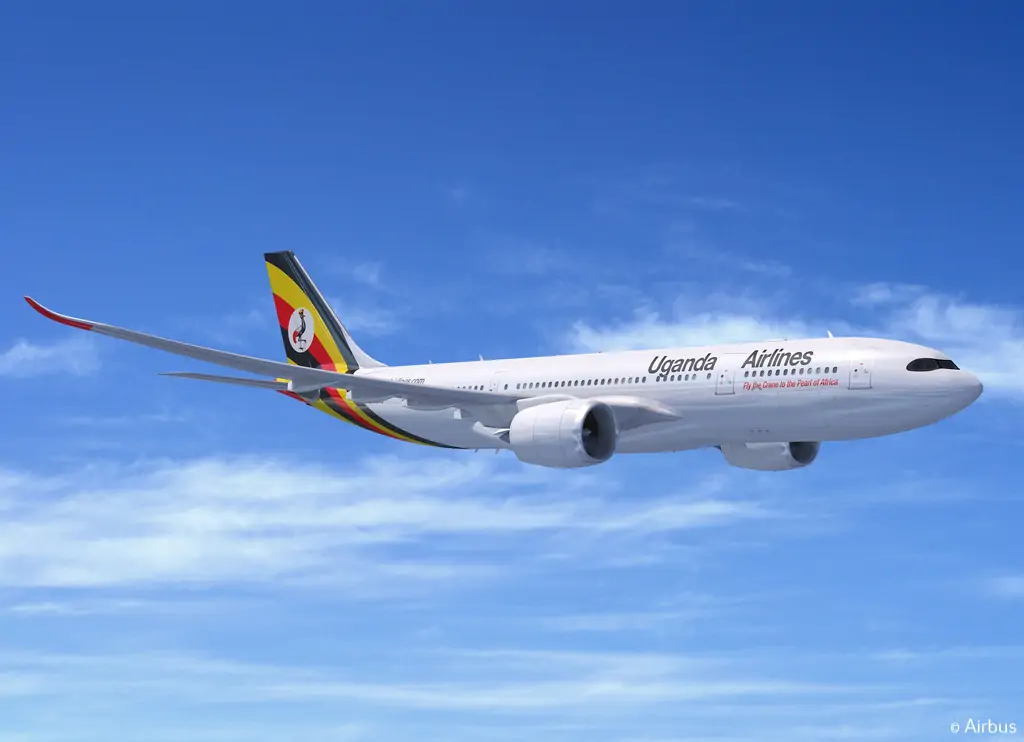
Uganda Airlines announced the commencement of its operations in India with the launch of a direct flight service, connecting Entebbe city in Uganda with Mumbai, starting October 7.
The thrice-a-week service will be operated with a wide-body Airbus A330-800 neo aircraft in a three-class configuration with 20 seats in business class, 28 in premium economy and the rest 210 in economy, Uganda Airlines said at an event on Tuesday, October 3.
It will be for the first time in more than 50 years that India and Uganda will be connected by a non-stop flight service, the airline said. Kenya Airways and Ethiopian Airlines have direct flights to India while South Africa, despite its sizable Indian diaspora, does not have any direct flights to India.
"We are excited to introduce this (Entebbe-Mumbai flight), the latest addition to our network, which affirms Uganda Airlines expands travel options for our passengers. Besides convenience, we hope this route will add energy to the existing business and commercial relations between India and Uganda," said Adedayo Olawuyi, Chief Commercial Officer at Uganda Airlines.
As per details, the direct service will last approximately 5 and a half hours in each direction, which would bring unmatched convenience to people travelling between the two points for business, family, or tourism.
An estimated 35,000 Indians or persons of Indian origin (PIO) are living in Uganda, as per the High Commission of India, Kampala. An estimated 80,000 people travelled to Uganda last year from India. The African airline aims to make Entebbe a hub for travel within the continent, especially as there are very few direct flights between the African countries and India. Delhi and Chennai are the other destinations the airline said it is keen to have on its map.
On 7 October, the inaugural flight UR 430 from Uganda will depart Entebbe and the return UR 431 will depart Mumbai on 8 October. The schedule has been designed to fit neatly into the existing network to meet the needs of those passengers who might wish to continue their journeys beyond Uganda.
The airline said the new route augments its services outside the African continent and joins a rapidly expanding network that offers travellers convenient connections to South, West, Central and Eastern Africa. Uganda Airlines currently operates flights to Dubai, Johannesburg, Bujumbura, Nairobi, Mombasa, Zanzibar, Dar es Salaam, Kilimanjaro, Juba, Kinshasa and Mogadishu. Flights to Lagos in Nigeria are scheduled to start shortly, it added.
Uganda Airlines’ fleet comprises six aircraft – two Airbus A330-800 and four Bombardier CRJ900. The airline aims to expand its fleet and connect London, Jeddah, Cape Town, Guangzhou, and Riyadh to name a few. For this, it is said to be in talks for placing orders with Airbus and Boeing.
Read next
China Airlines Installs First Pratt & Whitney GTF Engine, Strengthening Partnership
Abhishek Nayar
05 Oct 2023

In a significant milestone for both Pratt & Whitney and China Airlines, the Taiwanese carrier announced on October 4, 2023, that it had successfully installed its first Pratt & Whitney GTF engine. This marks a continuation of their long-standing partnership and a pivotal moment in advancing aviation sustainability in the Asia-Pacific region.
The GTF Engine and China Airlines' Commitment
China Airlines became a part of the GTF MRO (Maintenance, Repair, and Overhaul) network in 2020, signaling its commitment to innovation and sustainability in aviation. The carrier's Engineering and Maintenance organization has been diligently working on the PW1100G-JM engine, a GTF variant known for powering Airbus A320neo family aircraft.
In 2019, China Airlines made a strategic decision to equip 25 of its Airbus A321neo aircraft with Pratt & Whitney's GTF engines. This move was accompanied by a long-term agreement with EngineWise Maintenance for comprehensive engine support, including maintenance, repair, and overhaul services.
Currently, China Airlines has ten Airbus A321neo aircraft powered by the efficient GTF engines in its fleet, with an additional 15 on order. The airline's vision is clear: leverage cutting-edge technology to enhance operational efficiency, reduce environmental impact, and meet the growing demands of the aviation industry.

Building on Decades of Partnership
At a celebratory ceremony held at China Airlines' facility in Taiwan, Jung-Hui Lee, Vice President at China Airlines, expressed the carrier's enthusiasm for the GTF engine's induction. "The GTF engine is one of the industry's most fuel-efficient engines," Lee stated. "We're confident that it will pave the way towards a more sustainable future. We look forward to growing our capabilities with today's most advanced technology to be ready to meet the needs of current and future operators, many of them here in Asia."
Marc Meredith, Vice President of GTF Engines Aftermarket at Pratt & Whitney, highlighted the enduring relationship between the two entities, which dates back more than six decades. "Our relationship with China Airlines dates back more than six decades, when they began operating aircraft powered by our Twin Wasp engines," Meredith noted. This rich history underscores the depth of collaboration and trust between Pratt & Whitney and China Airlines.
A Sustainable Future for Asian Aviation
The installation of the first Pratt & Whitney GTF engine at China Airlines signifies a significant step towards a more sustainable aviation industry in Asia. The GTF engine is renowned for its fuel efficiency, reduced emissions, and lower noise levels, making it an ideal choice for environmentally-conscious airlines like China Airlines.
As the aviation industry continues to evolve, airlines are increasingly focused on improving their environmental footprint. Pratt & Whitney's GTF engine aligns perfectly with these objectives, offering airlines a pathway to reduce their carbon footprint and operating costs while maintaining high levels of performance and reliability.
Conclusion
The installation of the first Pratt & Whitney GTF engine at China Airlines is a testament to the airline's commitment to sustainability and its enduring partnership with Pratt & Whitney. As the carrier looks forward to expanding its GTF-powered fleet, it aims to set an example for the wider Asian aviation industry, demonstrating the benefits of advanced technology and eco-friendly solutions in achieving a more sustainable future for air travel. This milestone serves as a reminder of the ongoing efforts to make aviation cleaner, quieter, and more efficient.
With Inputs from RTX
Comment