

In a groundbreaking move, American Airlines has offered a tentative agreement to the Association of Professional Flight Attendants (APFA), promising significant improvements to compensation for its cabin crew. This deal could mark a pivotal moment for flight attendants across the airline industry, setting a new standard for pay and benefits.
A Historic Pay Rise: What’s on the Table?
On July 26th, the APFA announced that American Airlines had proposed a "top-of-industry agreement" for its flight attendants, promising an immediate wage increase of 18%, with potential increases of up to 20.5%. Here’s a breakdown of the key features of the tentative agreement:
- Immediate Wage Increase: Flight attendants will receive an 18% to 20.5% pay raise upon signing the contract.
- Incremental Pay Scale Increase: Over the next five years, wages will increase by 33% to 36%.
- Annual Wage Growth: Crew members will see annual raises of 2.75%, 3%, 3%, and 3.5% in subsequent years.
- Introduction of Boarding Pay: For the first time, flight attendants will earn 50% of their hourly rate for every minute of scheduled boarding time.
The Financial Impact: Billions in Added Value
If approved, this deal will add an impressive $4.2 billion in value to the contracts over the next five years. This financial boost not only enhances the wages of flight attendants but also significantly impacts their 401(k) plans, profit-sharing, retroactive pay, and other benefits. It is estimated that each active flight attendant could see an average increase in value of around $160,000 over the five-year term of the agreement.
Detailed Compensation Breakdown
The increase in value can be summarized as follows:
- Wages: 18% to 20%
- Boarding Pay: 8.2%
- 401(k): 4.2%
- Per Diem: 2.5%
- Other Elements: 1.1%
Total Increase: 34% - 36%
This comprehensive compensation package reflects a significant acknowledgment of the hard work and dedication of flight attendants.
Unity and Solidarity: The Backbone of the Agreement
The APFA credits the solidarity of 28,000 flight attendants as the driving force behind this successful negotiation. Through several pickets and decisive strike authorization votes, the flight attendants have demonstrated their commitment to earning the compensation they deserve. The unity shown by the crew members has proven to be a crucial factor in bringing the parties back to the negotiating table.
Setting New Industry Standards
The approval of this tentative agreement would not only represent a significant victory for American Airlines flight attendants but also set a new industry standard for compensation among U.S.-based carriers. With the growing trend of airlines improving pay packages, flight attendants at other American carriers may look to this agreement as a benchmark for their own negotiations.
A Broader Trend in Airline Compensation

Interestingly, American Airlines is not alone in reaching a tentative agreement for enhanced pay. Just a month prior, Alaska Airlines struck a deal with the Association of Flight Attendants (AFA), which included a 32% wage increase, 21 months of retro pay, and a 3% salary increase in 2025.
A Positive Outlook for the Industry
This recent wave of agreements signifies a positive trend within the airline industry, suggesting that airlines are beginning to recognize the value of their workforce. As the industry continues to recover and grow, the hope is that compensation packages for flight attendants and other staff members will see continued improvement.
Conclusion
The tentative agreement between American Airlines and the APFA is a monumental step forward for flight attendants, potentially reshaping compensation standards within the industry. As negotiations continue across the airline sector, there is cautious optimism that better pay packages will become the norm, ensuring that those who work tirelessly in the skies receive the recognition and compensation they rightfully deserve.

Read next
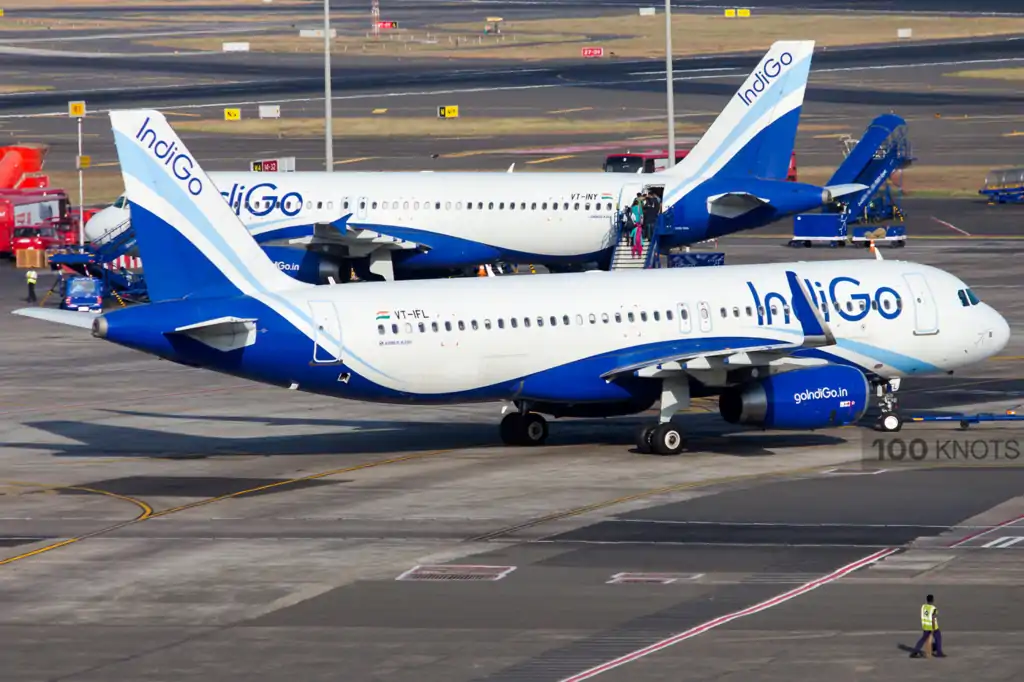
IndiGo, India's largest airline by market share, is navigating turbulent skies as it grapples with extensive aircraft groundings due to persistent Pratt & Whitney engine issues. Despite the challenges, the airline is optimistic about reducing the number of grounded planes by early next year. This article delves into the recent developments, financial impacts, and IndiGo's strategies to tackle these disruptions.
The Engine Grounding Crisis
IndiGo's fleet has been significantly affected by a rare powder metal defect in Pratt & Whitney engines, leading to the grounding of hundreds of twin-engine Airbus A320neo aircraft globally. This issue, combined with earlier engine problems, has left around a fifth of IndiGo's fleet grounded since November. As of now, the airline reports that the number of aircraft on the ground remains in the mid-70s.
Financial Fallout: The First Profit Fall in Nearly Two Years
In a recent earnings call, Chief Financial Officer Gaurav Negi highlighted the airline's struggles with higher operating costs and largely unchanged fares. These challenges contributed to an 11% fall in first-quarter profit, marking IndiGo's first quarterly profit decline in nearly two years. The airline's total expenses soared by 24%, driven by a 23% increase in fuel costs, a tripling of leasing costs, and a 7% rise in maintenance expenses.
Strategies to Mitigate the Impact
To cope with the ongoing groundings, IndiGo has been extending aircraft leases and continuing to lease more jets to meet the surging travel demand in India, one of the world's fastest-growing aviation markets. Despite the financial strain, the airline reported record quarterly revenue of $2.3 billion and anticipates high single-digit percentage capacity growth for the second quarter.
Compensation and Future Outlook
In June, IndiGo announced it would receive compensation from Pratt & Whitney for the aircraft groundings, although the amount has not yet been disclosed. This compensation is expected to alleviate some financial pressure and support the airline's recovery efforts.
Conclusion
IndiGo's journey through the engine grounding crisis underscores the resilience and adaptability required to thrive in the dynamic aviation industry. As the airline works to reduce the number of grounded aircraft and manage rising costs, the aviation world watches closely. Will IndiGo's proactive measures and upcoming compensation be enough to steer the airline back to smoother skies? Only time will tell.
With Inputs from Reuters
Read next

In a landmark move for the Indian aviation industry, Vistara, India's premier full-service airline and a joint venture between Tata Group and Singapore Airlines, has announced the introduction of complimentary Wi-Fi on its international flights. This groundbreaking service will be available on Vistara's Boeing 787-9 Dreamliner and Airbus A321neo aircraft, positioning the airline as the first in India to offer such a benefit to its passengers.
Complimentary Wi-Fi: A Game-Changer for International Travelers
Vistara's new initiative offers 20 minutes of free Wi-Fi access to passengers in all cabins, providing a seamless connection to the world during their journey. This service is designed to enhance the travel experience, allowing passengers to stay connected, productive, and entertained while in the air.
Key Features of the Complimentary Wi-Fi:
- 20 Minutes Free Access: Available to all passengers, regardless of cabin class. During this session, passengers can purchase extended connectivity plans using Indian credit or debit cards, facilitated by one-time passwords received via email.
- 50 MB Free Data: Exclusively available for Business Class passengers and Platinum Club Vistara members.
- Free Chat: Unrestricted access to messaging apps like WhatsApp and Facebook Messenger for all Club Vistara members throughout the flight, regardless of tier or cabin class.
Extended Connectivity: Affordable and Flexible Options
For those needing more than the complimentary 20 minutes, Vistara offers a variety of paid Wi-Fi plans to suit different needs and budgets. These plans ensure that passengers can continue to enjoy uninterrupted connectivity for the duration of their flight.
Paid Wi-Fi Plans:
- Chat Plan: Priced at Rs.372.74 + GST, this plan offers unlimited access to messaging apps, ensuring passengers can stay in touch with friends, family, and colleagues. This plan is complimentary for Club Vistara members.
- Surf Plan: For Rs.1,577.54 + GST, passengers can access data for audio and video streaming, perfect for social media browsing and other entertainment needs.
- Stream Plan: At Rs.2,707.04 + GST, this plan provides unlimited data for all streaming protocols, ensuring passengers can enjoy their favorite movies, series, and more without interruption.
Vistara's Commitment to Excellence
Deepak Rajawat, Vistara’s Chief Commercial Officer, expressed his excitement about this new offering, stating, “At Vistara, we continuously strive to enhance our customers' experience. We are thrilled to be the first Indian airline to provide complimentary Wi-Fi on international flights across all cabins. We believe this will greatly enrich the travel experience, making it more convenient, productive, and seamless.”
Conclusion
With this innovative move, Vistara not only sets a new standard for Indian airlines but also reinforces its commitment to providing an exceptional travel experience. By offering complimentary Wi-Fi and a range of affordable connectivity options, Vistara ensures that passengers can stay connected and make the most of their journey. This new service is poised to significantly enhance the in-flight experience, making Vistara the go-to choice for international travelers seeking comfort, convenience, and connectivity.
With Inputs from Business Today
Read next
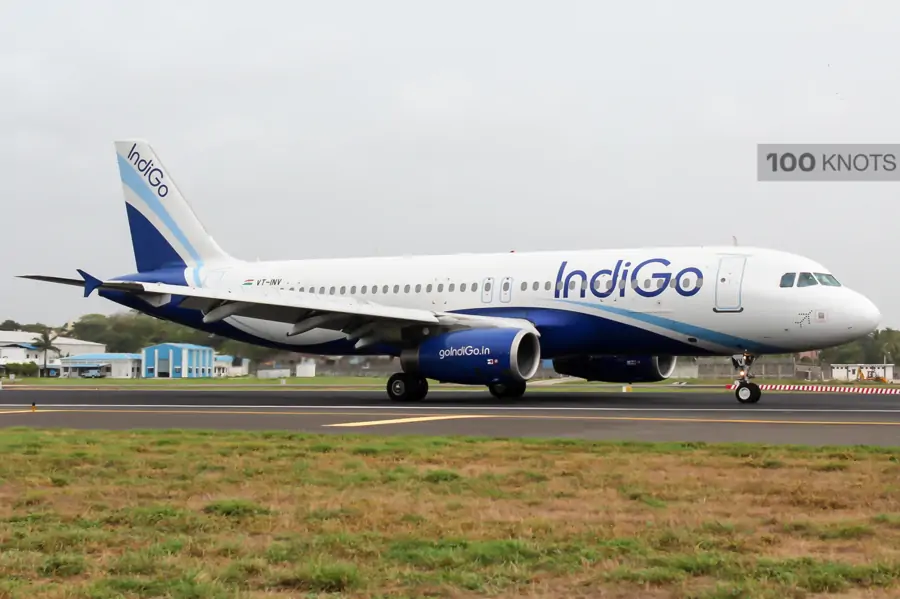
India's leading airline, IndiGo, is navigating through a challenging economic climate characterized by rising inflation. Various expenses, including fuel costs and airport charges, have seen significant increases. This inflationary trend has impacted IndiGo’s profitability, with the airline reporting a 12 percent decline in its profit for the June quarter.
Escalation in Fuel Prices and VAT Increases
During a recent earnings call, IndiGo’s Chief Financial Officer, Gaurav Negi, highlighted the escalation in fuel prices as a significant concern. Several states have begun increasing the Value Added Tax (VAT) on jet fuel, contributing to the overall rise in fuel costs. This has become a critical issue for the airline, which relies heavily on fuel for its operations.
Increasing Airport Charges
In addition to rising fuel costs, airport charges have also started to climb. IndiGo is closely monitoring these increases and engaging in discussions with airport partners to find ways to mitigate the impact. The rising charges add another layer of cost that the airline must manage to maintain its competitive edge.
Maintenance Costs on the Rise
Maintenance expenses are another area where IndiGo is feeling the pinch of inflation. As the airline’s fleet grows and ages, the cost of maintaining its aircraft is increasing. Negi pointed out that maintenance works are going through an inflationary cycle, further adding to the airline’s financial challenges.
Strategies to Control Costs
Despite the higher costs, IndiGo is actively seeking ways to control expenses. Increasing capacity is one of the strategies being employed to offset the rising costs. By expanding its fleet and routes, the airline aims to spread its costs over a larger number of flights, thereby reducing the impact of inflation on its per-unit costs.
Induction of Aircraft from Qatar Airways
IndiGo plans to induct six aircraft from Qatar Airways on a damp lease in the coming quarters, subject to regulatory approvals. This move is expected to boost the airline’s capacity and help manage costs more effectively. The damp lease agreement allows IndiGo to lease the aircraft along with the crew, which can be a cost-effective way to expand its fleet without incurring the full costs of purchasing new planes.
Capacity Guidance for the Fiscal Year
For the fiscal year ending March 2025, IndiGo has provided a capacity guidance of early double digits. In the second quarter, the capacity addition is anticipated to be in the high single digits. This planned increase in capacity is part of the airline’s strategy to manage costs and maintain its market position.
Financial Performance and Future Outlook
InterGlobe Aviation, the parent company of IndiGo, reported a nearly 12 percent decline in profit after tax, amounting to Rs 2,728.8 crore for the three months ended June. The decline is attributed to higher fuel and other operational expenses. Despite the current challenges, IndiGo remains focused on finding ways to control costs and enhance profitability in the long term.
Conclusion
IndiGo is facing a higher inflationary environment, with escalating costs across fuel, airport charges, and maintenance. However, the airline is proactively seeking strategies to manage these costs, including increasing capacity and leasing aircraft from Qatar Airways. As the airline navigates through these challenges, its ability to control expenses and enhance efficiency will be crucial for sustaining profitability and growth in the competitive aviation market.
Read next
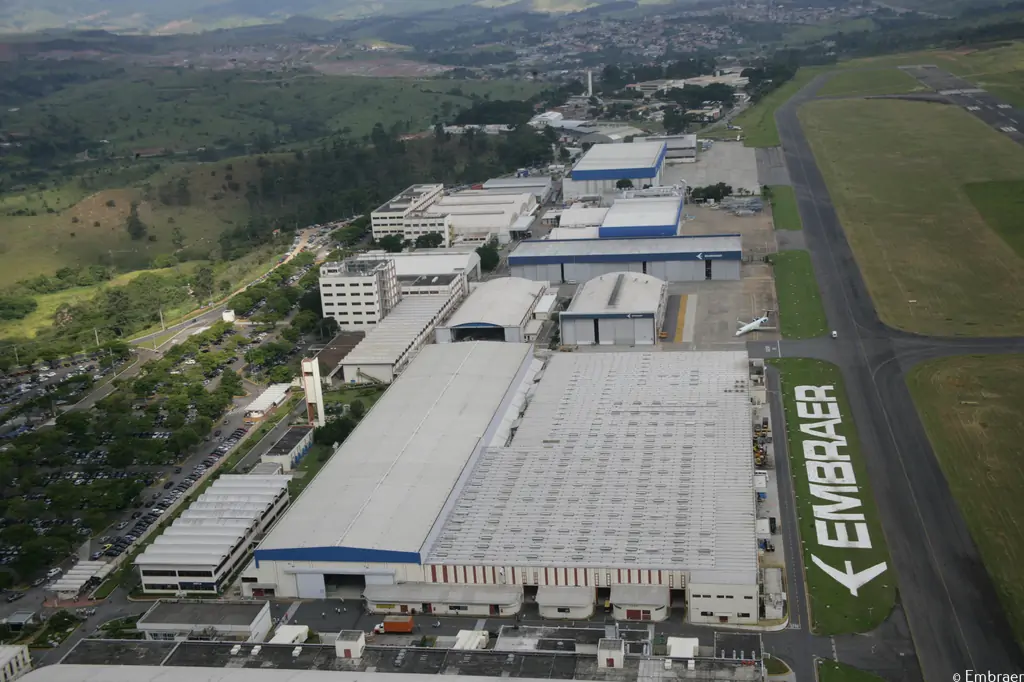
In a significant move to capitalize on the burgeoning demand for aircraft maintenance, Brazilian planemaker Embraer has inaugurated a state-of-the-art maintenance hub for Pratt & Whitney (P&W) engines in Portugal.
This development comes as airlines and manufacturers grapple with persistent supply chain issues and an uptick in engine repairs post-pandemic. Embraer's strategic initiative is poised to generate an additional €600 million ($653 million) in annual revenues once the facility reaches full operational capacity.
Addressing Global Maintenance Demands
The newly opened P&W-authorized maintenance facility is situated at Embraer's OGMA subsidiary near Lisbon. It aims to overhaul P&W engines that power jets manufactured by both Embraer and industry giant Airbus (AIR.PA). The facility’s launch aligns with the surging global demand for aircraft maintenance services, a trend exacerbated by supply chain disruptions and the need for more frequent engine inspections.
Carlos Naufel, head of Embraer's Services & Support unit, emphasized the high demand for maintenance services worldwide. "Demand is high. All shops in the world have been full," Naufel remarked. "The first engines we are receiving are from European airlines, but going forward they could come from anywhere."
Tackling P&W's Metal Defect Challenges
P&W, a subsidiary of RTX Corp., has faced challenges since last year due to a rare powder metal defect affecting primarily the Airbus A320neo jet engines. This defect prompted accelerated inspection mandates, which airlines report can extend maintenance timelines to almost a year. The new facility in Portugal is well-positioned to alleviate some of this pressure by offering specialized services for these engines.
Capabilities and Future Plans of the OGMA Facility
OGMA, which already provides maintenance for Rolls-Royce engines, will initially focus on servicing the PW1100G-JM geared turbofan engine, which powers the A320neo family. By 2026, the facility plans to expand its services to include the PW1900G engine, used in Embraer's next-generation E2 jets.
At its peak, the OGMA hub is expected to handle 240 engines annually and significantly surpass previous revenue forecasts. The facility's anticipated revenue of €600 million annually marks a substantial increase from the €500 million projection made last year when plans for the hub were first announced.
Naufel did not specify the initial capacity or the timeline to reach peak capacity but indicated a gradual year-over-year ramp-up.
Embraer's Services & Support Unit: A Growth Trajectory
In 2023, Embraer's Services & Support unit contributed 27% to the group’s revenues, amounting to $1.4 billion. The unit's backlog reached a record $3.1 billion by the end of the year. Naufel projects that the unit’s yearly revenues could double by 2030, reflecting the sector's robust growth.
"If you ask me what the term is for services and support, I'll say 'accelerated growth'," Naufel asserted. "The sector is heated and we have been keeping up with it."
Conclusion
Embraer’s investment in the new maintenance hub in Portugal underscores its commitment to meeting the escalating demand for aircraft maintenance and repair services. With its strategic location, advanced capabilities, and ambitious growth plans, the facility is set to become a critical player in the global aviation maintenance landscape, driving significant revenue growth for Embraer and contributing to the broader industry’s resilience and efficiency.
With Inputs from Reuters
Read next
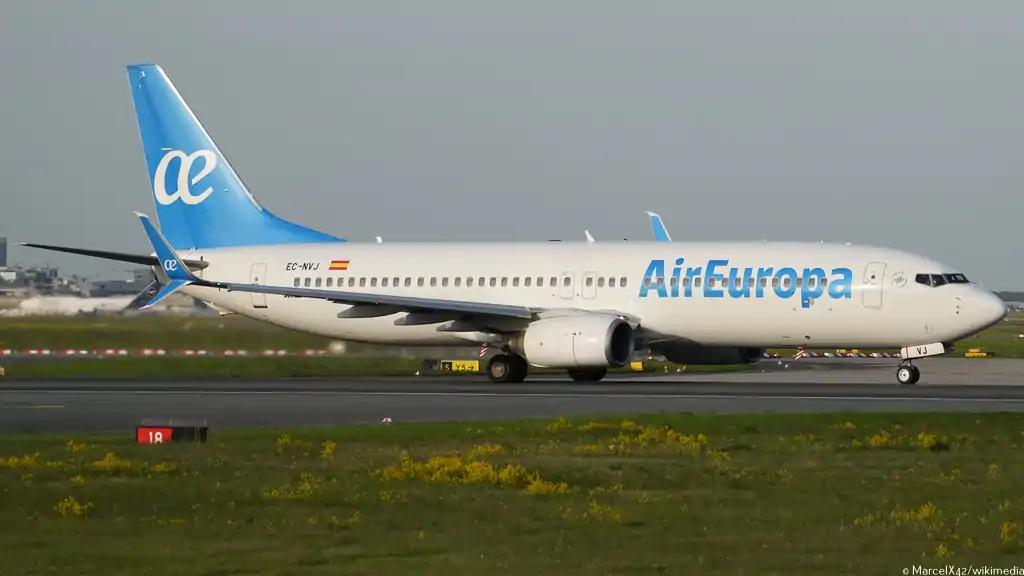
The European Commission (EC) is currently deliberating on whether to block the International Airlines Group’s (IAG) proposed acquisition of Air Europa due to significant anticompetition concerns. Despite concessions offered by IAG and Air Europa, the EC remains unconvinced, potentially leading to the blockage of the merger.
EC's Anticompetition Concerns
The EC's investigation, initiated in January, has highlighted several key concerns regarding the potential merger’s impact on market competition, especially in Spain. In April, the EC warned that the merger could lead to:
- Reduced competition on Spanish domestic routes without high-speed train alternatives: IAG and Air Europa currently compete head-to-head on these routes, and post-merger, direct competition could disappear.
- Reduced competition on routes between mainland Spain and the Balearic and Canary Islands: The merger could result in a significant reduction of competition on these routes.
- Reduced competition on short-haul routes connecting Spain with Europe and the Middle East: Although low-cost carriers like Ryanair might still operate, they often use more remote airports, limiting effective competition.
- Reduced competition on long-haul routes from Spain to North and South America: The merger could leave some routes without any direct competition, potentially affecting service quality and prices.
Remedies Offered by IAG and Air Europa
To address these concerns, IAG and Air Europa have proposed several remedies. According to sources familiar with the matter:
- Handing over slots to rival carriers: The two airlines are prepared to transfer around half of Air Europa’s slots to competitors.
Despite these concessions, the EC remains skeptical about their adequacy in alleviating the competitive concerns raised by the merger.
A Glimmer of Hope: The Lufthansa-ITA Airways Precedent
The recent approval of Lufthansa's acquisition of an initial stake in ITA Airways by the EC could provide a template for IAG and Air Europa. Lufthansa and ITA Airways managed to gain approval by offering extensive remedies, including:
- Slots for rivaling airlines: Routes from Milan or Rome to certain Central European airports.
- Access to ITA Airways’ domestic routes: Facilitating indirect connections for rivaling airlines.
- Improving competition on long-haul flights: Commitments to enhance competition from/to Italy.
- Giving up slots at Milan Linate Airport (LIN): Allowing rivals to operate more effectively.
These measures were sufficient to alleviate the EC’s concerns, resulting in the approval of the Lufthansa-ITA Airways deal on July 3.
The Path Forward for IAG and Air Europa
Following the EC’s recent feedback, the chances of blocking the IAG-Air Europa merger remain high unless further remedies are offered. IAG and Air Europa are under pressure to present additional concessions to convince the EC that their merger will not harm competition within the EU.
With a final decision deadline of July 15 already passed, the EC’s ongoing deliberations signal the complexity and high stakes of this potential merger. Both airlines must strategically consider how to emulate Lufthansa and ITA Airways' success in satisfying the EC’s stringent competition requirements.
Conclusion
The fate of the IAG-Air Europa merger hangs in the balance as the EC scrutinizes the potential impact on market competition. While initial remedies have fallen short, there is still a window for IAG and Air Europa to propose additional measures. The aviation industry watches closely, anticipating whether the EC will ultimately block the deal or approve it with conditions that ensure a fair and competitive market environment.
Comment