
Airlines to cancel Over 1000 Flights at Delhi Airport to Make Space for Aircraft for G20 Summit

Radhika Bansal
26 Aug 2023
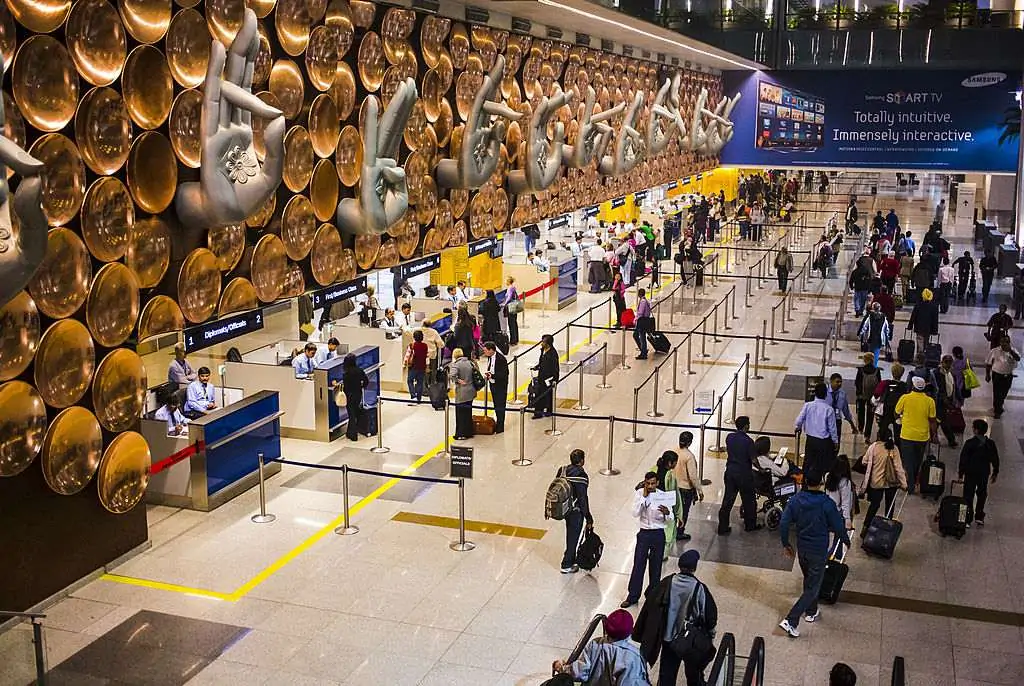
In a bid to create parking slots for VVIP aircraft expected at Delhi Airport for the G20 Leaders’ Summit, scheduled airlines may have to cut their flights in and out of Delhi by about 25% from September 8-11. The capacity restrictions could see about 1,000 flights being reduced or rescheduled in the four days. Airlines have been instructed to cut down on aircraft parking for parking of G20 summit planes.
The Delhi airport, the largest airport in the country, has nearly 220 parking stands. However, all of these spots are utilised due to a surge in air traffic. The move has become unavoidable as there was no headway in shifting any of the 52 grounded aircraft of IndiGo and GoFirst from Delhi to nearby airports. In IndiGo’s case, there were no replacement engines given by Pratt & Whitey. In Go First’s case, the airline itself is grounded.
Fewer commercial flights in and out of Delhi will mean scheduled airlines will have fewer planes at IGIA. The decision to cut scheduled flights out of IGI from September 8 to September 11 was conveyed by the aviation ministry to Delhi International Airport Ltd (DIAL) on Friday, August 25. The ministry will now discuss with airlines which flights are to be cancelled or rescheduled. Officials say it has been indicated to them that flight cuts may be required on September 8 from noon to midnight when dignitaries are expected to fly in, and then in the evening of September 10 after 6 PM for 18 hours or so when the dignitaries start flying out. Such a restriction will impact flights across airlines’ networks.
Delhi Airport has 52 A320 planes of IndiGo and Go First grounded due to Pratt & Whitney engine issues. The decision to possibly cut flights was taken after no way could be found to resolve this issue by shifting them. While it was suggested that VVIP aircraft drop off dignitaries and then fly off to a nearby airport to be parked there, the same was not accepted by the security of participating Nations. The reason is that VVIP aircraft have to be in the same city to enable them to fly out as and when needed due to any circumstances.
G20 Summit in Delhi
More than 50 special aircraft will fly into Delhi for the summit, which will be attended by people like US President Joe Biden, British Prime Minister Rishi Sunak, German Chancellor Olaf Scholz and Chinese Premier Xi Jinping. Special details about the aircraft, including their features, date, time and other information will be shared later. The special aircraft will be parked in Bay-1 and Bay-3 at IGI Airport, which is very close to the ceremonial lounge itself.
The coordination meeting was attended by the officials of the Ministry of Home Affairs (MHA), Indian Air Force (IAF), Delhi International Airport Limited (DIAL), Bureau of Civil Aviation Security and the Central Industrial Security Force (CISF). During the discussion, a suggestion to close one of the runways of Indira Gandhi International Airport was made. The runway will be used as a parking space. However, the representatives of the airport said that all runways need to be open for landings during the summit.
The G20 Summit is going to be held on September 9-10 at the Bharat Mandapam Convention Centre (previously Pragati Maidan) in Delhi. This year, the theme for the G20 Summit is "Vasudhaiva Kutumbakam, which translates to "One Earth, One Family, One Future." The G20 cohort includes leaders from Argentina, Australia, Brazil, Canada, China, France, Germany, India, Indonesia, Italy, Japan, Mexico, Russia, Saudi Arabia, South Africa, South Korea, Turkey, UK, US and the European Union.
New Runway to be Operational Before the Summit
Delhi's Indira Gandhi International Airport (IGIA) is gearing up for a significant moment as aircraft are poised to start landing on its latest runway, 29R/11L, starting September 7. This timing coincides with the upcoming G20 Leaders' Summit, which is scheduled to kick off on September 8. The inauguration of the runway took place on July 14, 2023, marking IGIA's fourth operational runway. However, since its commissioning, the new runway has exclusively been used for take-offs, owing to the pending activation of its instrument landing system (ILS).
The ILS equipment was procured from Russia in May this year, yet its calibration has encountered certain complications. To address these issues, a team of Russian engineers is presently on-site, working to rectify the necessary aspects. The timeline for their work is optimistic, and once the calibration process is completed and successful testing is conducted, the 29R runway is anticipated to be fully operational for landings from September 7 onward. The successful calibration of the ILS would enable both landings and take-offs on the two runways situated towards the Gurgaon side of the Northern Access Road. This route connects Terminal 3 (T3) with Mahipalpur and can facilitate smoother air traffic flow when both runways are functional. The two runways on the Dwarka side of this route are identified as 28/10, historically recognized for its jumbo jet point, and the smaller 27/09.
While runways 29R and 29L are capable of supporting near-simultaneous aircraft movements, they demand impeccable precision. Aircraft taxiing to or from 29L/11R will need to cross the active runway 29R/11L during their route to or from Terminal 3. An incident on Wednesday morning drew attention to the critical nature of this coordination. An air traffic controller momentarily neglected to grant clearance for an aircraft that had landed on 29L to cross 29R en route to Terminal 3. This was accompanied by clearance for another aircraft to take off from 29R. Fortunately, the vigilant pilot of the incoming aircraft alerted the ATC, prompting both planes to halt safely, averting any mishap.
Read next
Go First Lenders Approve INR 100 Crore CIRP Cost; Tussle with Aircraft Lessors Goes On
Radhika Bansal
26 Aug 2023
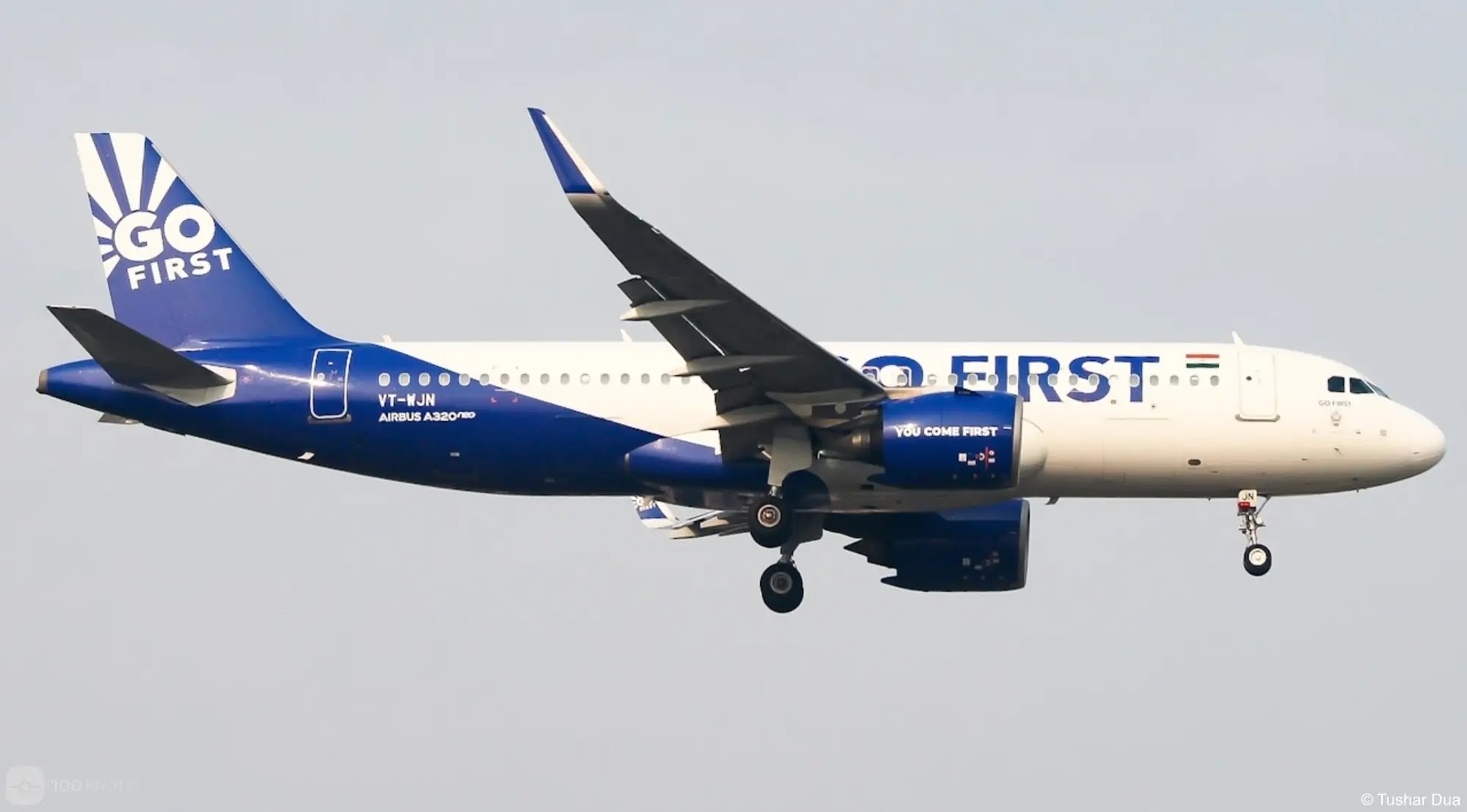
The lenders of Go First have approved the corporate insolvency resolution process (CIRP) cost of INR 100 crore with a 98% vote. A lender said that the CIRP costs were approved by the Central Bank and the Bank of Baroda, according to a report in the Businessline. The IDBI Bank abstained from voting, thereby leaving 98% vote in favour of the costs.
According to the rules, over 66% of the lenders are required to vote in favour of the same. The Central Bank, which is the largest lender to the airline, has 51.5% voting rights, the Bank of Baroda has 46.5% voting rights, and the IDBI has 1.98% voting rights. Sources said that during a meeting held on Wednesday, August 23, lenders to the Wadia-owned airline have approved the costs, including parking and airport costs, employee salaries, insurance premiums, aircraft maintenance and repair, tax deducted at source (TDS), and provident fund, among others.
Earlier this month, Shailendra Ajmera, the airline's resolution professional (RP), had requested the CIRP costs to the tune of INR 100 crore. The costs included INR 37 crore on salaries for Go First, TDS and provident fund of INR 20.50 crore on the employee front, and Go First ground support employee health insurance of INR 1.75 crore. The company also sought INR 8.75 crore on insurance premiums for aircraft, airport parking charges of INR 5.3 crore, repair and maintenance costs of INR 3 crore and other airport charges of INR 2.56 crore, according to the Businessline report. It also sought electricity, rent and ticketing system charges among others.
Go First has 2,198 employees on its payroll, of which 1,000 are serving their notice period. The airline has 103 captains, 26 co-pilots, and 374 cabin crews. The carrier saw a massive exit of its employees, particularly pilots who were quickly employed by other airlines, such as IndiGo and Air India. Recent reports have even said that Go First is now only left with 100 pilots, as nearly 500 of the total 600 pilots it had have left the company in the last few months.
The airline announced that it has discontinued operations till August 24. Go First stopped flying on May 3 and approached for initiation of the CIRP against it as it was unable to fly due to technical difficulties faced by the non-availability of engines from Pratt & Whitney. Go First was originally founded as GoAir and is owned by the conglomerate Wadia Group. In 2017, the airline was the fifth-largest airline in India and operated as an ultra-low-cost airline.
Problem with Aircraft Lessors
It’s also in a tussle with its lessors, who are worried about the losses from their planes getting stuck with the carrier. In another setback to Go First, the Delhi High Court recently ordered the airline not to fly lessors’ aircraft as part of scheduled maintenance. The court said that the airline cannot consider scheduled maintenance as the reason to fly its lessors’ aircraft. It added that the resolution professional (RP) who is managing the airline’s insolvency proceedings has been unable to give compelling reasons to carry out these maintenance flights.
Over 50 aircraft of the airline have been grounded since May after the airline filed for voluntary bankruptcy citing faults with Pratt and Whitney engines. The bankruptcy protection law has prevented lessors from taking back aircraft despite cancelling lease agreements.
In July, allowed leasing companies to access aircraft leased to Go First for “inspections of their fleet and carry out engine and other maintenance work. During their inspection, lessors found that multiple critical parts of those aircraft had been cannibalised by the airline. Photos of the aircraft taken during the inspection by the lessors show that critical parts like side sticks, fan blades, tail cones of the engine, transponder evacuation slides, and lavatory seats are missing.
Lessors backed by multiple international banks such as Sumitomo Mitsui Banking Corporation, US conglomerate GE and China Development Bank have exposure to Go First. The resumption of the airline has also been delayed as apprehensive lenders are yet to release contingency funding of INR 450 crore as they are worried about the logjam in courts.
(With Inputs from Hindu BusinessLine and The Economic Times)
Read next
Embraer and India Explore Aerospace Collaboration: Seizing Pandemic-Driven Supply Chain Opportunities

Abhishek Nayar
26 Aug 2023

In a world marked by uncertainties and disruptions, opportunities can sometimes emerge from unexpected corners. On Friday, August 26, 2023, Francisco Gomes Neto, the CEO of Embraer, the renowned Brazilian aircraft manufacturer, voiced a compelling proposition at the B20 Summit India 2023.
He outlined Embraer's keen interest in forming a strategic collaboration with India to strengthen the aerospace sectors of both nations. This visionary step comes against the backdrop of challenges posed by the pandemic-induced disruptions in the global supply chain.
Setting the Stage for Collaboration
Embraer's inclination towards India is driven by a multitude of factors. First and foremost, the competitive labor cost in India makes it an attractive destination for manufacturing and production activities. This economic advantage can significantly lower the operational costs for Embraer, which, in turn, can translate into more competitive pricing for their products in the global market.
Moreover, India possesses a treasure trove of engineering, design, and technical expertise. The nation's skilled workforce, along with its rapidly advancing technological capabilities, has caught the attention of global players like Embraer. This expertise aligns seamlessly with the intricate demands of the aerospace industry, making India an ideal partner for collaboration.
On the other hand, Embraer brings to the table a wealth of knowledge and experience in the development, certification, and manufacturing of aircraft. Over the years, the company has earned a stellar reputation for its innovation and reliability in the aerospace sector. The combination of India's expertise and Embraer's track record creates a potent synergy that holds the potential to reshape the aerospace industry landscape.

Unraveling the Opportunities
The proposed collaboration between Embraer and India can unlock a multitude of opportunities. One of the most prominent avenues is the co-development of aircraft tailored to meet the specific needs of the Indian and global markets. With India's engineering prowess and Embraer's technical acumen, these aircraft can be designed to be fuel-efficient, environmentally friendly, and cost-effective.
Furthermore, this partnership can pave the way for joint ventures in research and development. India's burgeoning aerospace research institutions can collaborate with Embraer's experts to explore cutting-edge technologies, materials, and manufacturing processes. This can lead to breakthrough innovations that not only benefit the collaborating entities but also elevate the aerospace industry as a whole.
"We are currently suffering from a shortage of parts and specialized labor, but I see a good opportunity here to improve supply chain resilience (through) partnerships," Neto added.
The Road Ahead
While the prospects of collaboration between Embraer and India shine brightly, there are challenges that must be navigated. The complexities of international partnerships, regulatory frameworks, and intellectual property rights will require meticulous planning and negotiations. However, the potential rewards far outweigh the obstacles.
Conclusion
In conclusion, Embraer's visionary CEO, Francisco Gomes Neto, has illuminated a path that could redefine the aerospace industry's landscape. The synergy between India's expertise and Embraer's experience holds the promise of creating innovative, cost-effective, and environmentally conscious aircraft. As the world grapples with the challenges of a post-pandemic era, such collaborations represent beacons of hope and progress.
With Inputs from Economic Times
Read next
Under Scrutiny: Air India's Safety Audits Raise Questions Amid Regulatory Investigation
Abhishek Nayar
26 Aug 2023
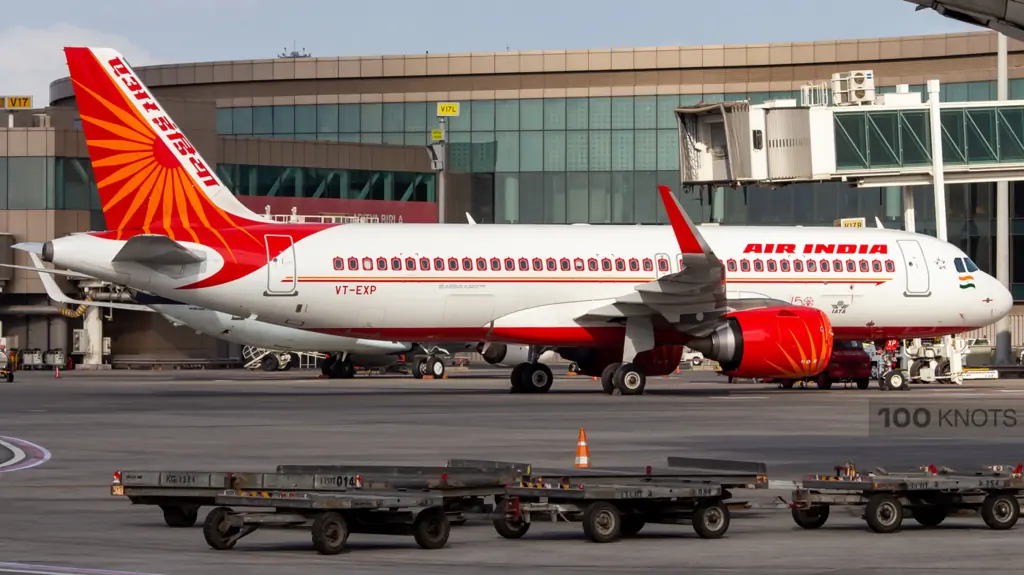
In the realm of aviation, safety is paramount. Ensuring the well-being of passengers and crew members alike is a responsibility that airlines take incredibly seriously. It's no wonder that airlines like Air India undergo rigorous safety audits to guarantee that they meet the highest industry standards. Recently, though, there have been whispers of lapses in Air India's internal safety audits.
The DGCA Inspection
The Role of DGCA
The Directorate General of Civil Aviation, often referred to as DGCA, is the regulatory body responsible for overseeing civil aviation in India. Their primary objective is to ensure the safe and secure operation of aircraft within the country's airspace. This includes conducting comprehensive safety audits of airlines to identify potential risks and areas for improvement.
A Surprise Evaluation
The Directorate General of Civil Aviation (DGCA), which serves as the regulatory body for civil aviation in India, dispatched a two-member inspection team to scrutinize Air India's safety protocols. The inspection was unannounced, adding an element of surprise and authenticity to the evaluation process.
Lapses Unveiled
During their assessment, the DGCA inspectors uncovered certain lapses in Air India's internal safety audits. These audits are designed to ensure that the airline complies with safety regulations, internal policies, and industry best practices. The revelation of these lapses has raised concerns about the airline's commitment to safety.
According to the inspection report submitted to the DGCA, the airline was supposed to conduct regular safety spot checks in various areas of operations such as cabin surveillance, cargo, ramp, and load, but the team discovered that the airline prepared false reports in all 13 cases during a random inspection of 13 safety points.
"Moreover, when cross-verified with CCTV, recordings, auditee statements, shift register documents, GD (General Declaration) list, passenger manifest, and so on, it is understood that all of the aforesaid 13 spot checks shown to be carried out in stations Mumbai, Goa, and Delhi were verified and were established to have not been actually performed," the two-member team wrote in the 'Deficiency Reporting Form' (DRF).
According to the inspection, these reports "were subsequently prepared/falsified when demanded by the DGCA team." Furthermore, according to the inspection report, these counterfeit spot check reports were not signed by the Chief of Flight Safety (CFS), who has the authority to do so.

Air India's Response
A Commitment to Safety
Upon learning about the DGCA's findings, Air India's spokesperson responded promptly. The airline asserted its active engagement in safety audits, emphasizing that they consider them essential for continually assessing and strengthening their operational processes.
Addressing the Issues
The airline's spokesperson further stated that Air India takes any issues highlighted during safety audits seriously. They assured that the airline collaborates directly with the relevant authorities to resolve these issues promptly and effectively.
The Broader Context
Impact on Air India
The discovery of safety audit lapses can have significant repercussions for Air India. Beyond potential regulatory actions, such findings can erode passenger confidence and affect the airline's reputation. Air India will need to take swift and effective measures to address the identified issues and reassure its customers of their safety. Context
Routine Audits
It's important to note that safety audits are a routine practice in the aviation industry. Airlines are subject to frequent evaluations by regulators and other authorities to ensure compliance with safety standards. These audits help identify areas for improvement and maintain the highest levels of passenger safety.
Industry-Wide Commitment
Air India's experience underscores the aviation industry's collective commitment to safety. Airlines understand the importance of adhering to stringent safety protocols and actively cooperate with regulatory bodies to ensure the highest standards are maintained.
Conclusion
In the dynamic world of aviation, safety remains the number one priority. The recent inspection by the DGCA, which revealed lapses in Air India's internal safety audits, highlights the airline's dedication to maintaining the highest standards. Air India's commitment to addressing these concerns reinforces its commitment to passenger safety.
Read next
Uncovering the Shadows: India's Air Safety Authority Dives into Pilot Fatigue Data After Tragic Pilot Passing
Abhishek Nayar
26 Aug 2023
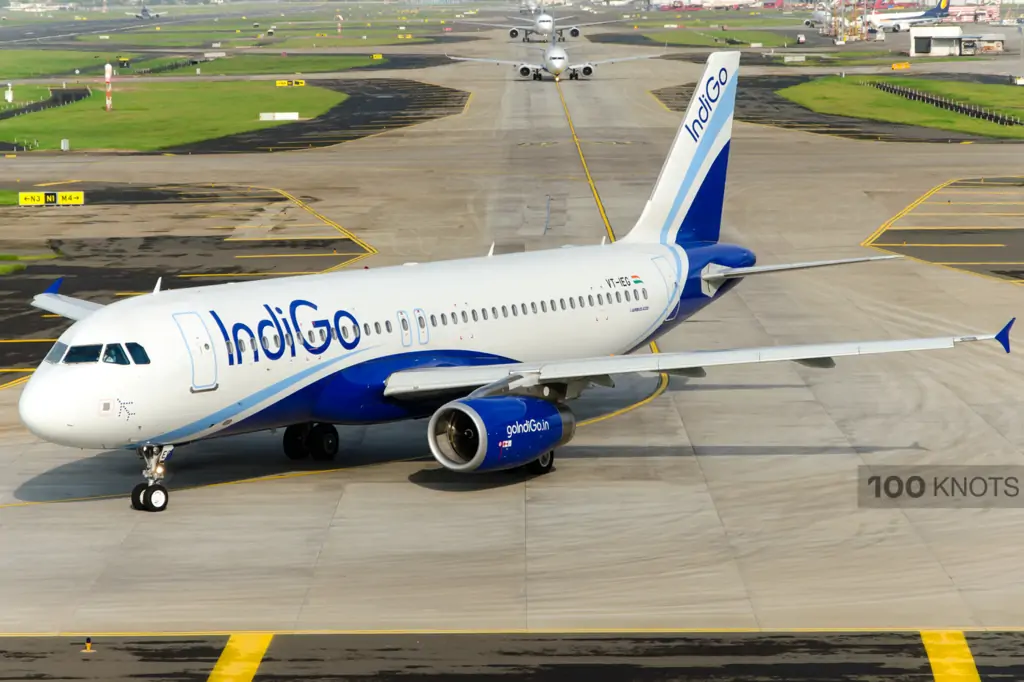
In a sombre turn of events, the aviation industry in India finds itself at a crossroads as it grapples with the untimely passing of an IndiGo pilot. The incident has sparked concerns about pilot fatigue and prompted India's air safety authority to initiate a comprehensive investigation.
A Tragic Incident

The tragic incident that has sent shockwaves through India's aviation community occurred when an IndiGo pilot collapsed and passed away just before a scheduled flight. This unfortunate event has raised serious questions about the well-being and working conditions of pilots in the country.
Pilot Fatigue: An Underlying Concern
One of the key concerns that has emerged in the aftermath of this incident is pilot fatigue. Many Indian pilots have voiced their grievances, alleging that airlines are overworking them, often in violation of duty time regulations. This has led to increased stress, exhaustion, and, ultimately, concerns about safety in the skies.
Following the tragic event, hundreds of airline pilots plan to form an association to oppose flying duty regulations that they claim induce fatigue and imperil safety, according to Reuters.
The Role of Air Safety Authorities
In response to the pilot's tragic demise, India's air safety authority has taken a proactive step by initiating an investigation into pilot fatigue data. This review, which has not been reported before, aims to comprehensively assess the working conditions and schedules of pilots across various airlines.
Ensuring Compliance with Regulations
A critical aspect of the investigation involves evaluating whether airlines are adhering to duty time regulations. These regulations are in place to prevent pilot fatigue and ensure that those responsible for the safety of countless passengers are well-rested and alert during their flights.
According to the source, the Directorate General of Civil Aviation (DGCA) has decided to conduct a review of pilot fatigue data obtained during spot inspections and airline surveillance to evaluate if regulations pertaining to flight duty times or fatigue need to be amended.
Policy Changes on the Horizon?
The overarching goal of this investigation is to determine whether any policy changes are necessary to safeguard the well-being of pilots and the passengers they serve. It underscores the importance of proactive measures to prevent fatigue-related incidents in the future.
Pilots' Concerns
The concerns voiced by Indian pilots are not to be taken lightly. They play a pivotal role in ensuring the smooth operation of the aviation industry and the safety of air travel in the country. It is imperative that their voices are heard and their concerns addressed.
The Toll of Overwork
Overworked pilots face a myriad of challenges. Long hours and irregular schedules can lead to sleep deprivation, which, in turn, affects cognitive function and decision-making abilities. This is a matter of grave concern, as split-second decisions are often required in the aviation sector.
The Need for Work-Life Balance
Pilots, like any other professionals, deserve a healthy work-life balance. The demanding nature of their job should not come at the cost of their physical and mental well-being. Striking the right balance is essential for both their personal lives and the safety of air travel.
A Call for Transparency
Transparency in scheduling and adherence to regulations are crucial steps towards addressing the concerns of Indian pilots. It is imperative that airlines prioritize the safety and health of their flight crews.
"Whatever systemic intervention is required; the regulator will implement significant changes." It is an outcome-oriented exercise, and the watchdog is prepared to take whatever action," the official stated, adding that India aimed to be in line with other major regulators. However, Indian pilots must disclose fatigue without fear of repercussions from airlines, he stressed.
"The airlines must demonstrate greater maturity." "There needs to be a cautious monitoring of fatigue in rostering," said the source, adding that reporting it is a "shared responsibility."
Conclusion
The untimely passing of an IndiGo pilot has cast a spotlight on the issue of pilot fatigue in India's aviation sector. The initiation of an investigation by the air safety authority is a positive step towards ensuring the safety of passengers and the well-being of pilots. It is hoped that the findings of this investigation will lead to meaningful policy changes that prioritize safety above all else.
With Inputs from Reuters
Read next
Charting a Unified Path: Air India Express and AIX Connect's Bold Move to Revolutionize Compensation and Careers
Abhishek Nayar
26 Aug 2023
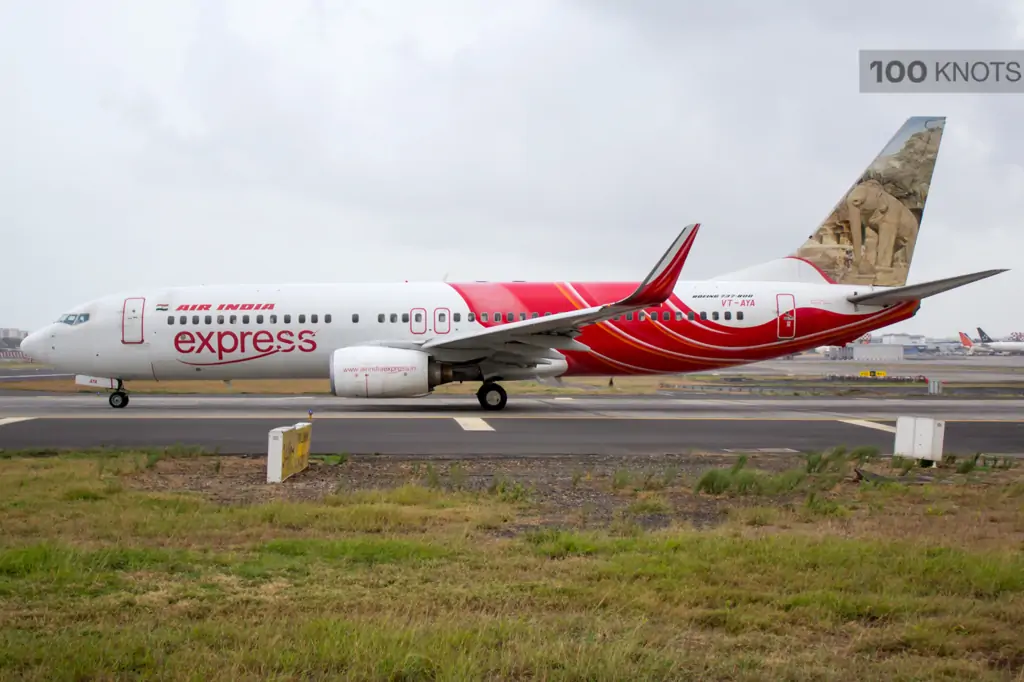
The aviation industry is known for its rapid changes and innovations, and the recent merger between Air India Express and AIX Connect is a testament to this dynamism. On Friday, August 25, 2023, both airlines unveiled an exciting array of new harmonized grades, compensation structures, and benefits for their employees. This strategic move aims to streamline operations, enhance transparency, and offer improved career opportunities for their dedicated workforce.
A Smooth Merger

Mergers in the airline industry can often be a turbulent affair, but Air India Express and AIX Connect seem to have navigated these challenges seamlessly. The announcement of harmonized grades and benefits comes as a positive step towards integrating the two airlines into a cohesive unit. This merger, which was orchestrated by the Tata company, not only blends the distinct identities of the two carriers but also paves the way for a more efficient and competitive airline.
Expanding Reach
AIX Connect, a low-cost carrier, brings a different set of capabilities and routes to the table. By merging with Air India Express, the combined entity will be better equipped to serve a broader customer base and explore new market opportunities.
Operational Synergy
Mergers often come with operational challenges, but they also present opportunities for synergy. Air India Express and AIX Connect will be able to share resources and expertise, potentially leading to more efficient operations and cost savings.
Enhanced Customer Experience
With expanded routes and potentially better services, passengers can expect an improved flying experience. The merger aims to enhance the overall customer journey, from booking to disembarking.
Career Advancement Opportunities
One of the standout features of the new structure is the enhanced career development opportunities it offers to the employees of both airlines. With a clear and unified career path, employees can now chart their professional growth more effectively. This not only benefits the individuals but also contributes to the overall efficiency and effectiveness of the airline's operations.
Market-Competitive Remuneration
In today's competitive market, attracting and retaining top talent is crucial for any organization's success. Recognizing this, Air India Express and AIX Connect have taken a significant step by increasing the pay and benefits for their employees. This move not only rewards the hard work of the existing staff but also makes the airlines more appealing to potential hires.

A Commitment to Excellence
The statement released by both airlines underscores their unwavering commitment to hiring and retaining the best talent across all functions. This commitment is pivotal in ensuring the airlines continue to deliver exceptional service and maintain their reputation for reliability and customer satisfaction. It's a testament to their dedication to passengers and the industry as a whole.
Conclusion
In conclusion, the merger of AIX Connect with Air India Express represents a pivotal moment in the aviation industry. The harmonized grades, compensation, and benefits signify a commitment to transparency, career growth, and market competitiveness. This move reflects the Tata company's strategic vision to create a stronger, more efficient airline that can meet the evolving demands of the industry.
Comment