
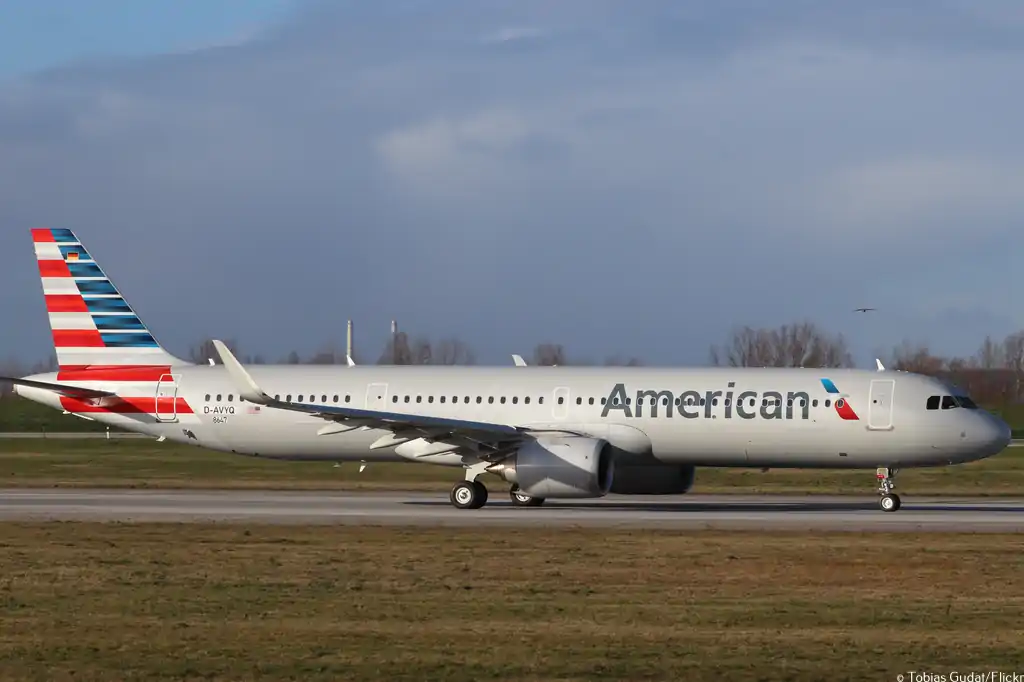
In a recent development in the aviation industry, American Airlines has made a strategic move by purchasing ten second-hand Airbus A321-200N aircraft from Alaska Airlines. The decision to retire these relatively young aircraft marks Alaska Airlines' commitment to fleet unification with Boeing narrowbody jets.
The Fleet Transition at Alaska Airlines
Retirement of Ten A321-200Ns
Alaska Airlines decided to retire its ten A321-200N aircraft at the end of September 2023. Despite being just 5.6 years old on average, these planes no longer aligned with the company's evolving fleet strategy, which focuses on standardizing their fleet with Boeing narrowbody jets. These A321-200Ns were initially leased by Virgin America in 2015 from GECAS. Only four of them were delivered to Virgin America before Alaska Airlines acquired the low-cost carrier. The other six aircraft were integrated directly into Alaska Airlines' fleet.
Lease Agreements and Gains
Of the ten aircraft, Alaska Airlines owned one, and the remaining nine were leased from various lessors. Four of them were leased from Jackson Square Aviation, two from AerCap, two from SMBC Aviation Capital, and one from Merx Aviation Finance. In its quarterly earnings report, Alaska Airlines reported a $14 million gain related to the "interest expense associated with certain A321neo lease agreements which were modified as part of Alaska's fleet transition."
American Airlines' Acquisition
Adding to the A321-200NX Fleet
With this acquisition, American Airlines has expanded its A321-200NX fleet by ten aircraft. Prior to this purchase, American Airlines already operated seventy A321-200NX planes, all of which were delivered directly from the manufacturer. This strategic acquisition is in line with American Airlines' efforts to enhance and diversify its fleet as part of its growth strategy.
Ongoing Partnership with Airbus
American Airlines has not only acquired these second-hand A321-200Ns but also has four more A321-200NX aircraft on order from Airbus. In addition to these, American Airlines has fifty A321-200NY (XLR) aircraft on order, showing their continued collaboration with Airbus as a trusted aircraft supplier.
Conclusion
Alaska Airlines' decision to retire ten A321-200N aircraft has provided an opportunity for American Airlines to expand its fleet with relatively new aircraft, furthering its growth ambitions. This acquisition underlines the dynamic nature of the aviation industry and the importance of fleet optimization in an ever-changing market. As American Airlines continues to diversify its fleet, this move is indicative of their commitment to providing efficient and reliable air travel services to passengers worldwide.
With Inputs from ch-aviation

Read next
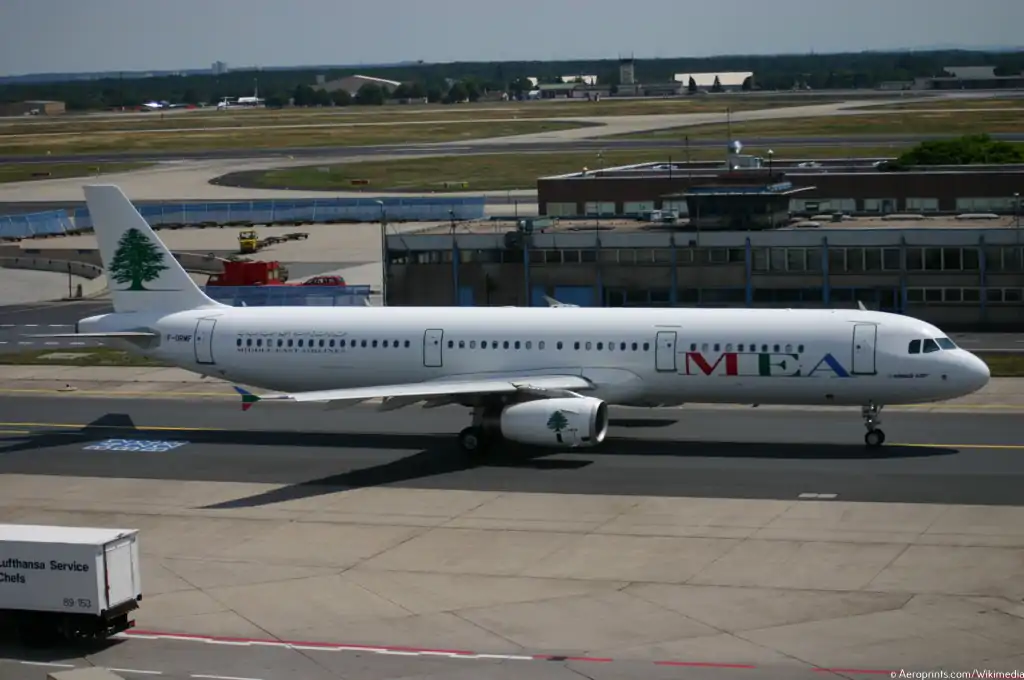
Lebanese flag carrier Middle East Airlines (MEA) is facing significant challenges as it navigates the turbulent waters of the Middle East's geopolitical conflicts. The airline has been forced to make strategic decisions to ensure the safety of its passengers and assets. Recent developments in the region have led to the cancellation of flights and the evacuation of a substantial portion of MEA's fleet from its hub at Beirut–Rafic Hariri International Airport (BEY).
Escalating Regional Tensions
The Middle East has long been a region marked by conflict and political instability. Recent events have only exacerbated the situation, prompting heightened concerns for the safety of travelers and the security of airlines operating in the area.
In addition to the ongoing conflict in the Gaza Strip, the region has witnessed renewed hostilities along the border between Israel and Lebanon. The Israeli Air Force has also targeted airports in nearby Syria, specifically Damascus and Aleppo. These developments have raised alarm bells for airlines like MEA, which rely on the stability of the region to operate safely and efficiently.
MEA's Fleet Relocation
In response to the increased security risks, MEA has made the difficult decision to relocate a significant portion of its fleet overseas. As of October 23, 2023, MEA has moved 14 out of its 24-strong aircraft fleet to various international destinations.
The process began on October 17, 2023, with the departure of five aircraft to Istanbul (IST). This initial wave was followed by the relocation of four more aircraft, which are now stationed at Larnaca International Airport (LCA) in Cyprus. Other aircraft have been shifted to airports in Doha, Muscat, Kuwait, and Paris.
Flight Cancellations and Insurance Costs
MEA's woes do not end with the relocation of its fleet. The airline has also had to grapple with increased insurance costs, a direct consequence of the heightened security risks in the region. As a result, MEA announced over the weekend of October 21-22, 2023, that it may have to cancel up to 80% of its scheduled flight program.
Many of the affected flights are to destinations in the Middle East, including Cairo, Baghdad, Amman, Najaf, and Doha. The airline has also introduced more flexible flight change and cancellation policies to accommodate passengers facing disruptions to their travel plans.
MEA's Fleet and Future Prospects
Middle East Airlines currently operates an all-Airbus fleet, consisting of 22 aircraft. This fleet includes nine A320s, nine A321neo aircraft, and four A330-200 aircraft. MEA is poised to become the first operator of the Airbus A321XLR once the aircraft receives certification, which is anticipated in 2024.
Conclusion
MEA's response to the increased security risks in the Middle East underscores the challenges faced by airlines operating in a region marked by ongoing conflicts and political instability.
The evacuation of a substantial part of its fleet and the potential cancellation of numerous flights demonstrates the airline's commitment to passenger safety and the security of its assets. MEA's ability to adapt to these challenges and its prospects as the future operator of the Airbus A321XLR will be closely watched as the airline navigates these turbulent times in the Middle East.
Read next

After 27 years leading Qatar Airways, H.E. Akbar Al Baker, CEO of the Qatar Airways Group, is stepping down, effective November 5. In addition to being CEO of Qatar Airways Group, Al Baker is also Chairman of Qatar Tourism and CEO of Hamad International Airport. In May 2021, Al-Baker was also appointed as chairman of Oneworld.
The new CEO will be announced soon by the authorities. Al Baker told staff “It has been an incredible privilege to lead such an exceptional global team, & the honour of a lifetime to serve my country.”
Making Qatar Airways World’s Best Airline
Under his leadership, Qatar Airways has become one of the world’s most highly-respected airlines, competing on a scale very few airlines achieve. As a result, passengers have recognised the airline’s commitment to the values of safety, security, innovation and quality of service by awarding it the ‘Airline of the Year’ for a record fifth time, ‘World’s Best Business Class’, ‘Best Business Class Seat’ and ‘Best Airline in the Middle East’ at the 2019 World Airline Awards, managed by international air transport rating organisation Skytrax.
He also ensures Qatar Airways leads the way in showcasing the best possible product, with the airline being the proud launch customer of the A350-900 in 2014 and A350-1000 in 2018, as well as being the regional launch customer for the Boeing Dreamliner 787 in 2015.
In August 2017, H.E. Mr. Al Baker was announced as the Chairman of the Board of Governors (BoG) of the prestigious global aviation industry body, the International Air Transport Association (IATA), which came into effect in June 2018 for a period of one year. In November 2017 he was proudly named ‘Aviation Executive of the Year’ by the CAPA Centre for Aviation in recognition of his global influence and visionary approach to the airline industry.
H.E. Mr Al Baker is also a member of the Executive Committee of the Arab Air Carriers Organisation (AACO) and is a non-executive Director of Heathrow Airport Holdings (HAH) - the company responsible for the running and development of the U.K.’s largest airport. In June 2015, the President of the Republic of France, Francois Hollande, presented H.E. Mr. Al Baker with the Legion of Honour in recognition of his leadership in the aviation industry.
In 2019 H.E. Mr. Al Baker was appointed Secretary-General of Qatar’s National Tourism Council (NTC).
Personal Life of Mr. Baker
Born in Doha, he is a graduate of Economics and Commerce and worked at various levels in the Civil Aviation Directorate before being tasked with creating the world’s best airline in 1997. He holds a private pilot license.
Al-Baker became chief executive officer of Qatar Airways in 1997. Before their appointment, he worked at the Civil Aviation Directorate of Qatar. He is also the former chairman of the Qatar Tourism Authority. He is CEO of several divisions of Qatar's national airline, including Qatar Executive, Qatar Airways Holidays, Qatar Aviation Services, Qatar Duty-Free Company, Doha International Airport, Internal Media Services, Qatar Distribution Company and Qatar Aircraft Catering Company.
Read next
Trainer Aircraft Crash Lands in a Village Near Pune; 2 Injured; Second Incident in 4 Days

Radhika Bansal
23 Oct 2023

A trainer aircraft crashed on Sunday, October 22 morning in Maharashtra's Pune district said the Directorate General of Civil Aviation adding that both instructor and trainee are safe. The incident took place around 6.45 a.m. when the Tecnam aircraft VT-RBT operated by the Redbird Flight Training Academy made an emergency landing in Katfal village near Baramati on the field owned by Nandu Bhure.
"The site is 2 miles north of Baramati Airfield. Both the instructor and trainee are safe. DAS (Mumbai) is carrying out further investigation," DGCA said in a brief statement. According to officials, the training aircraft crashed during a training session near Gojubavi village in Maharashtra's Pune district. "A training aircraft crashed during a training session near Gojubavi village in the Pune district. More details are awaited," an official of the Pune Rural Police said.
This is the second such incident involving the private aviation academy's aircraft in four days. In the earlier incident that took place at 4:30 PM on Thursday, October 19, the trainer aircraft had crash-landed following a technical issue on a farm in Katfal. Both trainer and trainee had sustained minor injuries in the incident. Officials said that the AAIB investigation process begins when an event involving an aircraft is classified as an accident or serious incident.
Previous Incidents
Between June 2013 and July 2022, as many as four incidents involving trainer aircraft have been reported from Baramati. The details of the past incidents as brought out in the AAIB investigation reports:
- June 29, 2013 - Academy of Carver Aviation Private Ltd, Cessna 172 R Aircraft VT- BUD on June 29, 2013 at Baramati Airfield. The trainee pilot was rescued and there was no injury reported. There was no fire and the Aircraft was damaged substantially. The probable cause of the accident was the overcorrection of the rudder given by the trainee pilot while landing in crosswind conditions. The wind was a contributory factor in the accident.
- February 5, 2019 - Accident to M/S Carver Aviation Private Ltd Cessna -172s VT-RDX at Baramati on February 5, 2019. The pilot who was on a cross-country solo training sortie from Baramati to Akkalkot and back was seriously injured during the emergency landing as the wing brushed a tree and later aircraft hit the ground. The probable cause of the accident was fuel exhaustion leading to loss of engine power which was attributed to not performing a complete pre-flight inspection.
- September 20, 2021 - Accident on Baramati airfield Involving TECNAM P2008JC Aircraft VT-RBE Operated by M/s Redbird Flight Training Academy at Baramati on September 20, 2021, during a solo circuit and landing sortie. Significant damage to the aircraft but the pilot was unhurt. The probable cause of the accident was inappropriate aircraft handling after touchdown.
- July 25, 2022 - Accident to M/S Academy of Carver Aviation Private Ltd, Cessna 152 Aircraft, VT-ALI on July 25, 2022. While carrying out a solo cross-country training sortie from Baramati to Akkalkot and back, made a forced landing on an agriculture field near Kadbanwadi in Indapur taluka village. Minor injuries to the pilot were reported. The probable cause of this accident was attributed to Non-adherence to ‘lost procedure’ and Non-adherence to DGCA-approved training procedure manuals to monitor fuel at regular intervals.
(With Inputs from The Indian Express)
Read next
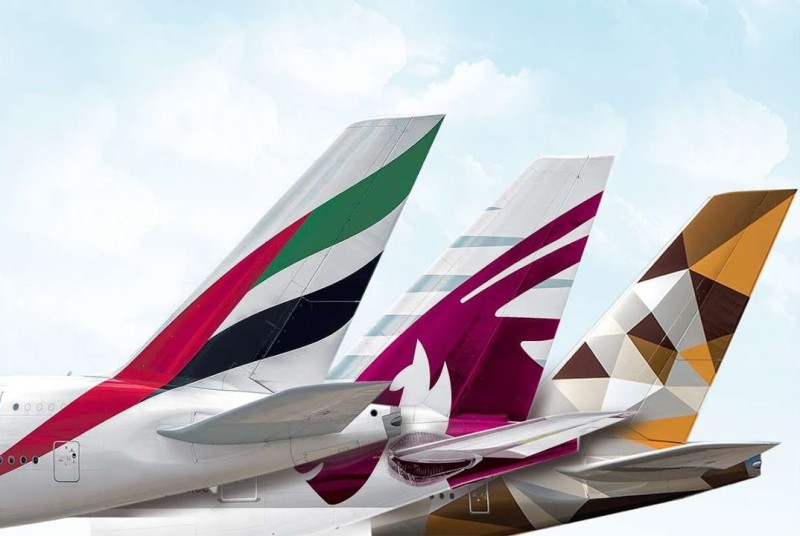
Teams of the Directorate General of GST Intelligence (DGGI) reportedly searched India offices of Etihad, Emirates and other Gulf air carriers for alleged tax evasion on "account of import of services from head office by Indian branch offices".
Offices of Saudi Airlines, Qatar Airways, Air Arabia, Oman Air and Kuwait Airways were searched, a CNBC-TV18 report said on October 18. "The search operation started on October 18 at Delhi NCR offices of these airlines," the report quoted a source as saying.
The search operation comes on the back of Goods and Services Tax (GST) notices sent to the online gaming and casino industry that have brought back the ghost of the controversial Vodafone retrospective tax case, the CNBC-TV18 report said.
For GST purposes, the Indian entity and its head office are treated as separate bodies for legal reasons, which means transactions between the two come under the purview of the tax regime.
As per Goods and Services Tax (GST) terms and clauses, the establishment of a company in India and its counterpart outside the country are treated as distinct legal entities. This means that transactions between a foreign airline's head office and its Indian branch office must adhere to GST regulations.
Schedule 1 of the Central Goods and Services Tax (CGST) Act says that even if there is a supply without consideration within a company's head office and branch office, it is deemed as a supply for tax purposes.
"Airlines were booking expenditure such as lease rental, crew charges, fuel charges, etc, to their head office and were not charging the same to the Indian office," the report quoted sources as saying.
What do Experts Have to Say?
“The import of services are subject to tax under reverse charge when there is an actual receipt of import service and in many cases, only for administrative convenience, the expenses are booked either at head office or branch or vice versa,” Abhishek A Rastogi, founder of Rastogi Chambers, was quoted as saying.
“The business establishment could also get into the shoes of a pure agent and there could be instances when there is no markup. Accordingly, the facts would determine whether such expenses would be subject to import taxes,” said Rastogi, who has argued against the taxability of such transactions for foreign banks.
Abhishek Jain, Indirect Tax Head & Partner, KPMG said taxability and valuation of intra-entity cross charges was a vexed issue under GST. There was ambiguity on whether there is an actual provision of service/supply to trigger GST, potential arguments on NIL valuation, etc. "While the recent circular on similar related party/ distinct persons did provide clarity, these airlines would need to evaluate coverage under the Circular and other potential legal arguments and judicial pronouncements to justify their position," Jain said.
(With Inputs from CNBC TV18)
Comment