
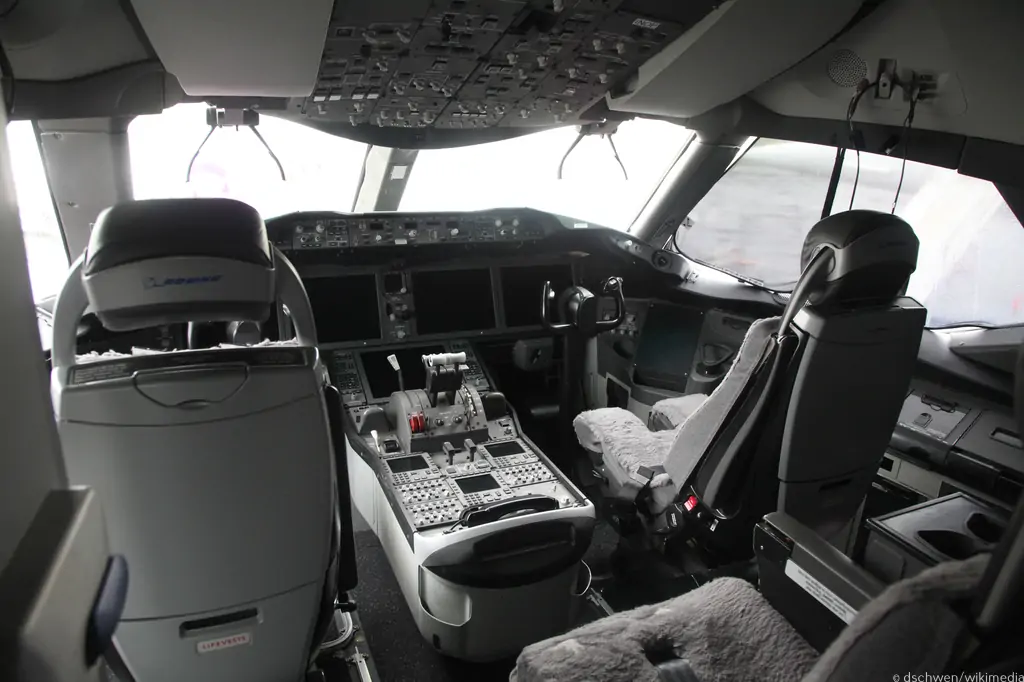
Artificial intelligence (AI) has been transforming several sectors, and it appears that aviation is about to undergo a substantial transition as well. In a recent speech, Emirates Airline's President hinted at the prospect of AI pilots on future flights. This intriguing prospect raises concerns regarding AI's role in aviation, its influence on safety and dependability, ethical concerns, collaboration between AI and human pilots, and public perception.
Artificial Intelligence's Role in Aviation
AI has already made an impact in the aviation sector, largely through aircraft system automation. AI algorithms are utilized to simplify operations and boost efficiency, from autopilot functions to predictive maintenance. However, the use of AI in the cockpit, taking over the tasks of human pilots, has sparked tremendous interest and discussion.
Current Scenario
Needless to say, artificial intelligence (AI) is defining humanity's future in practically every field and altering the environment around us. The potential of generative AI is unlimited, yet it is only now being explored. Tim Clark, Emirates President, believes AI may represent the future of air travel because of its ever-changing and increasing range of capabilities. Mr. Clark told the New York Post that artificial intelligence may one day replace real-life pilots in passenger jets, emphasizing the prospect of a single-pilot aircraft.
The Notion of AI Pilots
The premise of AI pilots entails controlling and navigating aircraft using powerful machine learning algorithms and AI technologies. AI pilots, according to supporters, might provide various benefits, including higher safety, improved operational efficiency, and lower costs. AI pilots may be able to evaluate massive quantities of data in real time, analyze weather patterns, make split-second decisions, and respond quicker than human pilots.
Emirates Airline's Viewpoint on AI Pilots
Emirates Airline's President, Tim Clark, has shown interest in and confidence about the possibilities of AI pilots. While recognizing that the technology is still in its infancy, he envisions a future in which AI pilots operate alongside human pilots, forming a harmonious relationship that incorporates the best of both. The goal of this hybrid cockpit idea is to use AI's processing capacity, accuracy, and ability to handle massive quantities of data while depending on human pilots' expertise, critical thinking, and decision-making abilities.
Effect on Safety and Dependability
The ability to eliminate human mistakes is one of the key arguments in favor of AI pilots. According to research, the majority of aircraft accidents are caused by human factors such as weariness, attention, or misjudgment. The margin for error might be greatly decreased by replacing or supplementing human pilots with AI technology. AI pilots can stay awake, analyze several variables at once, and respond quickly, possibly improving aviation safety and dependability.
Ethical Dilemmas and Regulatory Frameworks
As AI pilots become a reality, addressing ethical quandaries becomes increasingly important. There are concerns regarding accountability, responsibility, and decision-making power. To guarantee that AI pilots operate within specified limitations and follow safety, privacy, and passenger welfare norms, ethical guidelines and legal frameworks must be established. Collaboration among aviation authorities, industry experts, and technology developers is required to produce complete rules for the usage of AI pilots.
AI and Human Pilot Collaboration
Instead of completely replacing human pilots, the AI pilot concept incorporates collaboration between AI systems and human pilots in a mixed cockpit environment. This partnership combines the qualities of both organisations, resulting in a synergy that improves safety and operational efficiency. While AI pilots can perform regular jobs like system monitoring and data processing, human pilots provide experience, judgement, and the ability to manage complicated and unanticipated scenarios. The combination of human and artificial intelligence skills might result in safer and more efficient flights.
AI Pilot Training and Preparation
AI pilot training entails intensive training, simulations, and constant learning. Machine learning algorithms must be taught on massive amounts of flight data in order to recognize patterns, adapt to different events, and make sound judgements. Simulations are essential for testing and fine-tuning the AI pilots' abilities by exposing them to various weather conditions, system failures, and crises. Continuous learning and improvement guarantee that AI pilots are up to speed with the latest advances, can adapt to emerging technology, and maintain high performance standards.
Public Acceptance and Perception
The implementation of AI pilots in aviation will very certainly be received with varied degrees of public perception and approval. It is critical to instill faith and confidence in technology. Transparent communication, public awareness campaigns, and proving the advantages of AI pilots, such as greater safety and operational efficiency, may all aid in the reduction of skepticism and anxiety. Involving the public in the debate, addressing concerns, and incorporating comments can also help to create inclusion and confidence in the creation and execution of AI pilots.
Conclusion
Tim Clark's comment sparks an intriguing conversation about the future of aviation and the prospect of AI pilots. While the concept is still in its early phases, the potential benefits, such as increased safety, efficiency, and collaborative collaborations with human pilots, make it an appealing proposition. To achieve the effective integration of AI pilots in the aviation business, various obstacles, such as safety, legal frameworks, and public image, must be solved.
With Inputs from NDTV

Read next

Aerospace major Hindustan Aeronautics Ltd (HAL) reported its first decline in profit in 10 quarters, hurt by higher input costs and tax expenses. HAL's consolidated net profit fell nearly 9% to INR 28.31 billion in the fourth quarter ended March 31.
While revenue from operations rose 8% to INR 124.95 billion, that was offset by a 9.2% jump in expenses, led by a nearly 39% spike in the cost of materials, HAL said in an exchange filing. The company also said it incurred tax expenses of INR 124.7 million in the quarter, against a gain of 5.28 billion rupees from tax refunds a year ago.
The company's margin — a key measure of profitability for a business, grew to 25.98%t as against 21.60% registered in the corresponding quarter of the previous fiscal. HAL’s earnings before interest, taxes, depreciation, and amortisation (EBITDA) stood at INR 3245.8 crore as against INR 2496.9 crore in March 2022 quarter. The company’s expenses for the March quarter increased 9% to INR 10,360 crore from INR 9,486 crore a year earlier.
ICICI Direct has given a ‘buy’ rating on shares of HAL for a target price of INR 3,300 apiece. “We expect HAL to deliver revenue and EBITDA CAGR of 10.3% and 14.8%, respectively, over FY22-25E,” the brokerage said. On a year-to-date (YTD) basis, HAL stock rose over 17% as compared to Nifty50’s rise of 0.64%. On a six-month basis, the stock rose over 19% against Nifty50’s decline of over 0.08%.
For the March quarter, the state-owned defence major's expenses rose 9% to INR 10,360 crore as against INR 9,486 crore a year ago. The company has reported an EBITDA (earnings before interest, tax, depreciation and amortisation) of INR 3,242 crore during the January-March period, which is higher by 29%, compared with INR 2,495 crore in the year-ago period. Margins during the March quarter improved to 25.9% as against 21.6% a year ago. For the full year ended March 2023, HAL's consolidated net profit increased 14% to INR 5,828 crore as compared to INR 5,080 crore posted in FY22. Revenue from operations during the year jumped 9% to INR 26,927 crore. The same stood at INR 24,620 crore in fiscal 2022.
Shares of HAL fell as much as 2.4% after the results, after rising 7.9% in the March quarter. On the technical front, HAL shares were down 1.31% at INR 2,978 on May 12's afternoon NSE session following the results announcement. At 14:26 IST, the shares of the company on NSE were down 2.22% at INR 2,951.45 apiece. The stock so far, hit an intraday high of INR 3,033, and an intraday low of INR 2,947.30. However, the stock is near its 52-week high level. According to Trendlyne data, the stock price rose 90.3% and outperformed its sector by 32.1% in the past year.
About HAL
The state-owned aerospace and defence firm, whose customers include the Indian Army, Navy and Air Force, and aerospace corporations Airbus and Boeing, said its order book position stood at INR 817.84 billion for the quarter. HAL is engaged in the design, development, manufacture, repair, overhaul, upgrade and servicing of a wide range of products including, aircraft, helicopters, aero-engines, avionics, accessories, aerospace structures and Industrial Marine Gas turbines.
The Indian government currently owns a 71.65% stake in HAL as of March-end, according to exchange data, having sold 3.5% of its holdings in a deal that fetched it INR 28.67 billion in the last fiscal year.
Hindustan Aeronautics Limited (HAL) is an Indian public-sector aerospace and defence company, headquartered in Bangalore. Established on 23 December 1940, HAL is one of the oldest and largest aerospace and defence manufacturers in the world. HAL began aircraft manufacturing as early as 1942 with licensed production of Harlow PC-5, Curtiss P-36 Hawk and Vultee A-31 Vengeance for the Indian Air Force.
HAL currently has 11 dedicated Research and development (R&D) centres and 21 manufacturing divisions under 4 production units spread across India. HAL is managed by a board of directors appointed by the President of India through the Ministry of Defence, Government of India. HAL is currently involved in designing and manufacturing of fighter jets, helicopters, jet engines and marine gas turbine engines, avionics, software development, spares supply, overhauling and upgrading of Indian military aircraft. The HAL HF-24 Marut fighter bomber was India’s first indigenous fighter aircraft.
Read next
Air France-KLM Plans To Increase Routes In India; KLM Launches New Premium Comfort Class In India

Radhika Bansal
14 May 2023
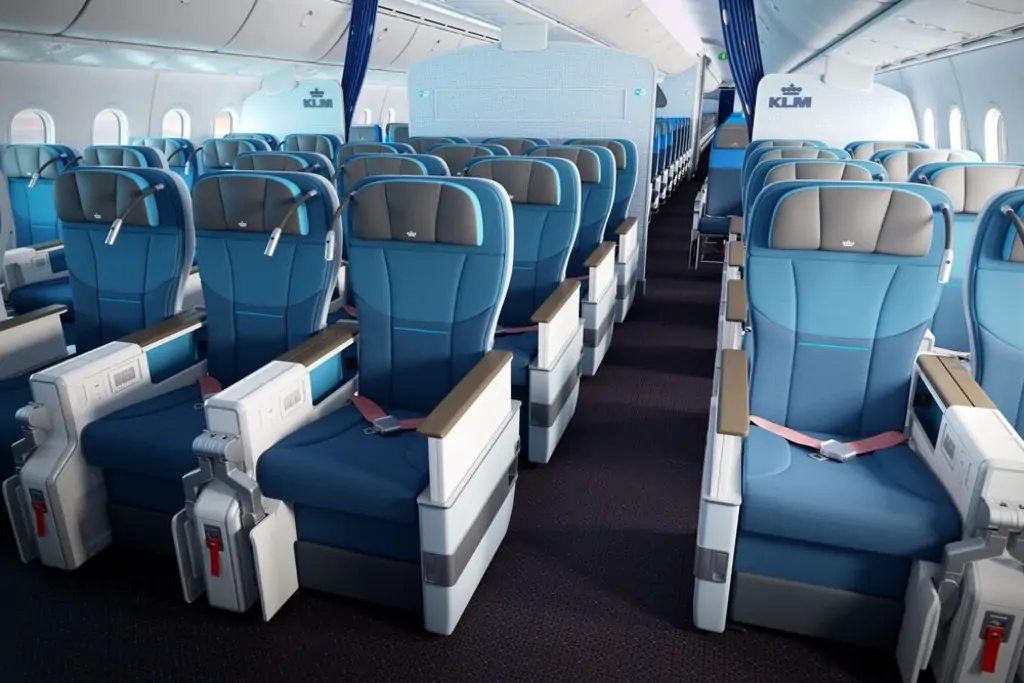
KLM Royal Dutch Airlines announced the launch of the new Premium Comfort Class on India routes to elevate the comfort of passengers travelling with the airlines. The new Premium Comfort class will be available on flights from Bengaluru, Delhi and Mumbai to/from Amsterdam and destinations across KLM’s global network.
The new premium comfort class was launched in September 2022 on the North American Routes on the B787-9 / B787-10 Dreamliner. The whole Dreamliner fleet is now equipped with the premium comfort class. In the coming year, the entire fleet of B777 will be retrofitted with premium comfort class. The Business Class seats of the B777 will also be changed and all the seats will become aisle seats.
The premium comfort class also have some elements from the Business Class. As the demand for business travel and leisurely travel increases, the demand for premium economy and business class has also increased. The demand for the same is also increasing in India.
Mr. Christiaan van de Koppel, Commercial Director (Indian Subcontinent) of Air France-KLM Group told 100 Knots that the demand for business travel is increasing. “More and more corporate companies are discussing if they want their employees to travel economy, premium comfort or business class. And it can be seen over the last few years that several corporates have already shifted to the premium economy class which opens the door for our premium comfort class.”
Mr. Christiaan further noted that in the premium comfort class, it’s not only the seats but also the full cabin and full-service experience. Food and beverage, SkyPriority, and extra baggage are key parts of the brand-new premium comfort class. SkyPriority gives a priority queue for the flyers to check in and board. That means shorter lines at airports to get a boarding pass and drop off bags. Premium comfort, business class and flying blue elite members will be benefitted from the Sky Priority.

When asked about if the premium comfort class will expand to the airline’s Airbus fleet as well, Mr. Claude Sarre, General Manager (Indian subcontinent) of the Air France-KLM Group said, “After 2 years of the covid-19 pandemic, ongoing Russia-Ukraine War and the high fuel prices, currently, our priority and investment of introducing the new premium comfort class is in the new aircraft and refurbishing the complete B777 fleet.”
Speaking on the launch, Claude Sarre, General Manager India sub-continent Air France-KLM said, “With the introduction of KLM Premium Comfort Class in India, we are delighted to offer our customers a distinctive travel experience, more choices and elevated comfort. Premium Comfort Class is an important feature in enhancing the overall customer experience for leisure and business travellers. This development strengthens KLM’s standing as a global network carrier offering an appealing and varied range of onboard products i.e. World Business Class, Premium Comfort and Economy Class. It also reaffirms our partnership with Delta Air Lines and Virgin Atlantic on North Atlantic routes, where we can now combine our products on all routes.”
Features of the New Premium Comfort Class
The brand new Premium comfort class with several new features. Alcohol will be served in the premium comfort class. There is little to no use of plastic in the service. It also comes with noise-cancellation headphones and the blanket and the pillows are the same as the business class.
- LIGHTWEIGHT AND REUSABLE - The new seats in Premium Comfort Class are designed by Collins Aerospace together with specialists at KLM Customer Experience. Apart from their elegant design and comfort features, the seats are also lighter than previous designs.
- CATERING - Premium Comfort Class has a distinctive catering concept. On intercontinental services, one or two hot meals will be served, depending on the duration of the flight. There will always be a choice of meat, fish or vegetarian dishes. After the meal, passengers will be offered coffee, tea, liqueur and ice cream. A variety of snacks and cocktails will also be served between meals.
- SUSTAINABLE AMENITY KIT - Premium Comfort Class customers receive a sustainable amenity kit made from recycled plastic. Sustainability was also an important factor when selecting the bag's contents. For example, the eye mask is made from recycled plastic and the earplugs are wrapped in paper, as are the Happy Tabs toothpaste tablets and the bamboo toothbrush by Bamboovement. The pen is made from wheat straw, an agricultural residue.
- FLYING BLUE - Premium Comfort Class customers will gain double the amount of Experience Points (XP) compared to Economy Class. Customers flying Premium Comfort Class will earn more Miles as the price for a ticket in Premium Comfort Class is higher than the price for a ticket in Economy Class.
Air France-KLM's Presence in India
According to Mr. Claude Sarre, Air France-KLM is right now 22% of seat capacity right now. Currently, Air France-KLM operates up to 46 weekly flights connecting four Indian cities -- Delhi, Mumbai, Bengaluru, and Chennai. It also has a codeshare agreement with IndiGo for more than 30 cities.
Mr. Sarre Told 100 Knots that currently their complete focus is on their codeshare agreement with IndiGo. The group is also planning to put their codeshare flight no. on IndiGo flights. This development will be needing approval from the civil aviation authorities of India, France and The Netherlands. The bilateral agreement between India- France and India-Amsterdam will help in the increment of flight frequencies between the countries. This will also help in expanding the codeshare routes in India with IndiGo.
Currently, Air France-KLM operates up to 46 weekly flights connecting four Indian cities -- Delhi, Mumbai, Bengaluru, and Chennai. It also has a codeshare agreement with IndiGo for more than 30 cities. The group’s also exploring its options to expand to further Indian cities under the bilateral agreement.
Additionally, the group wants to lower fuel consumption with its young fleet. KLM operated with 1% Sustainable Aviation Fuel (SAF) in 2022 and plans to increase the amount to 10% in 2030 and 63.3% in 2050. A significant player in global air travel is Air France-KLM. According to the group's website, Air France, KLM Royal Dutch Airlines, and Transavia fly to over 300 destinations as part of its global network.
Read next
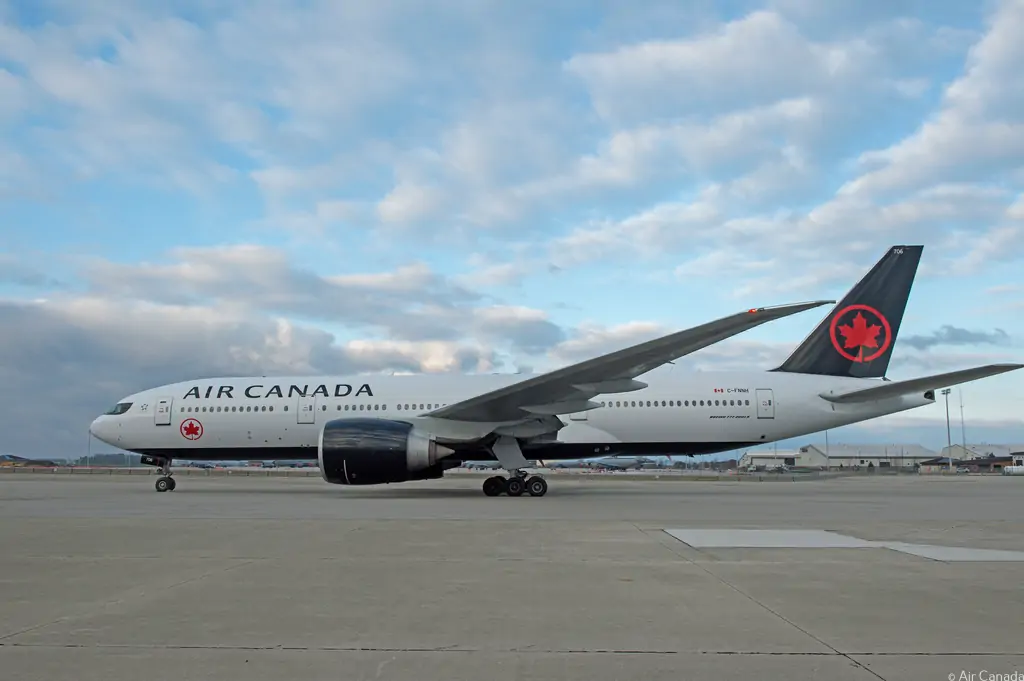
Air Canada, one of Canada's biggest airlines, just published its first-quarter financial statistics for 2023. During this time, the corporation recorded a net loss of $17 million, a major improvement from the $550 million ($406 million) write-off it incurred in the first quarter of 2022.
Overview of Air Canada's financial performance in Q1 2023
Air Canada reported a $17 million financial loss in the first quarter of 2023. While any loss is cause for worry, this amount marks a big improvement over the write-off from the prior year. It displays the company's capacity to adapt to changing market conditions and suggests a favorable trajectory. Despite persistent difficulties, Air Canada's performance suggests a possible road to recovery.
Current Situation
Air Canada's financial performance in the first quarter of 2023 showed a favorable trend, with losses falling significantly from the previous year. The airline's ability to negotiate the current pandemic issues while lowering losses is remarkable. Air Canada has announced a solid post-pandemic recovery, recently publishing numbers indicating that it had more than quadrupled passenger revenue compared to the previous year and increased capacity by more than 53%. Operating losses were CA $17 million ($12.4 million), a significant improvement from the airline's $550 million ($406 million) write-off in Q1 2022.
The airline's operating revenues have reached CA $4.88 billion ($3.57 billion), marking a more than 90% rise over the first quarter of 2022 and a 10% improvement over life before the epidemic in 2019. According to Michael Rousseau, President and Chief Executive Officer of Air Canada: "Our first-quarter financial results exceeded both internal and external expectations, and we expect demand to remain strong throughout the year, supported by strong advance bookings." As a result of this, as well as lower-than-expected fuel costs, we raised our adjusted EBITDA outlook for 2023 last week. I want to congratulate all of our workers for their continuous commitment to enhancing all elements of our business via effective and constructive collaboration, as well as our customers for their loyalty.'' Throughout the first quarter of this year, the carrier said that Air Canada Cargo, Air Canada Vacations, and Aeroplan all contributed to a solid outcome. Overall system yields have increased by 9%, resulting in an increase in overall cash flow of over CA $987 million ($723 million).
According to Air Canada's financial results statement, executives projected that Canada will have moderate GDP growth and maintain an exchange rate of roughly CA $1.34 to US $1. This, together with robust passenger demand and lower jet fuel costs, has contributed to Air Canada's favorable earnings. Rousseau, President and CEO, went on to say: "Air Canada's outstanding first-quarter performance reflects the strength of our brand, the extremely strong demand environment in all markets, and the effective execution of our strategic plan." When compared to the same time in 2022, passenger revenues more than quadrupled, reaching a first-quarter record of over $4.1 billion, thanks to our diverse network and strong international franchise. Our adjusted EBITDA increased by $554 million to $411 million, but our adjusted CASM* decreased by approximately 7% year on year."
Factors influencing the $17 million loss
Air Canada's $17 million deficit in the first quarter of 2023 was caused by a number of issues. The lasting influence of the COVID-19 epidemic on the aviation sector is one key issue. Travel restrictions, decreased customer demand, and rising operational expenses have continued to plague airlines throughout the world, including Air Canada. These issues require more investigation to determine their specific consequences for the company's financial performance.
In Comparison with Air Canada's Q1 2022 Write-off
Air Canada had a significant financial loss in the first quarter of 2022, with a write-off of $550 million ($406 million). When compared to the $17 million deficit in Q1 2023, this result represents a significant improvement. The company's losses have been significantly reduced as a result of the execution of strategic initiatives and the steady recovery of the aviation sector. This beneficial move demonstrates Air Canada's business strategies’ endurance and adaptability.
Cost-saving measures implemented by Air Canada
Air Canada has undertaken a number of cost-cutting initiatives in order to minimize financial issues and decrease losses. These include adjusting the staff, renegotiating supplier contracts, and improving operational efficiency. The airline hopes to strengthen its financial stability and position itself for future growth by carefully managing its resources and adopting strategic cost-cutting measures.
COVID-19's Impact on the Airline Industry
The worldwide aviation sector has been greatly impacted by the COVID-19 outbreak. Travel restrictions, border closures, and decreased passenger trust all had a substantial impact on airline operations throughout the world. Air Canada, like its competitors, experienced unprecedented problems, resulting in significant financial losses. However, with the implementation of vaccination campaigns and the relaxation of travel restrictions in some areas, the sector is slowly rebounding.
The Aviation Industry's Steady Recovery
The aviation industry is gradually recovering as vaccination rates rise and countries adopt steps to reopen borders. Air Canada, like many other airlines, is hopeful about the future. The reintroduction of foreign travel, albeit at a slower rate, offers a ray of optimism for the industry's rebirth. Uncertainties surrounding new versions and changing travel laws, on the other hand, continue to present difficulties.
Strategic Initiatives for Future Development at Air Canada
Air Canada has adopted a number of strategic initiatives in order to position itself for future development. These include extending local and international routes, improving customer service, and investing in environmentally friendly flying practises. Air Canada intends to increase its competitive position in the industry and attract more passengers by concentrating on customer happiness, operational efficiency, and innovation.
Air Canada's Prospects and Challenges in 2023
Air Canada faces both opportunities and challenges throughout 2023. The aviation industry's slow recovery provides a chance for the airline to re-establish customer confidence and enhance its market share. As travel restrictions loosen, there is an increasing demand for air travel, particularly among leisure travellers wanting to visit new places. However, rising fuel prices, fierce competition, and changing consumer expectations will be problems for Air Canada. Adapting to these problems while capitalizing on opportunities will be critical for the airline's performance in 2023.
Conclusion
Air Canada's first-quarter financial performance in 2023, with a $17 million loss, represents a substantial improvement over the previous year's write-off. The company's resilience and strategic strategy are demonstrated by its ability to negotiate the hurdles provided by the COVID-19 epidemic, execute cost-cutting measures, and adjust to changing market conditions. Air Canada is well-positioned to capitalise on future opportunities and meet the difficulties that lie ahead as the aviation sector progressively recovers.
With Inputs from Air Canada
Read next

In an astonishing turn of events, a prominent YouTube influencer has admitted to purposefully crashing his plane in order to garner more views on his channel while securing a lucrative sponsorship agreement. This alarming disclosure has piqued the interest of the internet community as well as the Department of Justice (DOJ), which is currently looking into the occurrence and its potential legal ramifications.
The YouTube influencer's background
Before digging into the distressing situation, it is critical to understand the YouTube influencer involved. Trevor Jacob had successfully created a dedicated fan base over the years, thanks to a large following and a reputation for entertaining material. His films, which ranged from adventurous escapades to informative vlogs, enthralled fans and received millions of views.
The Suspected Aircraft Crash Incident
Trevor Jacobs' desire for fame and sponsorship, however, prompted him to create a frightening plot. In an admission that shocked the internet community, Jacob claimed that he purposefully crashed his plane while filming the entire event for their YouTube channel. He anticipated that by staging such a show, he would draw the attention of possible sponsors.
Present Situation
YouTube has emerged as a social media behemoth, allowing content producers to share their experiences, abilities, and stories with a large audience. However, because of the fierce rivalry for views, subscribers, and sponsorships, some influencers have gone to extreme lengths to garner attention. One recent example is a YouTube star who purposefully wrecked his jet in order to increase the attention of his channel.
According to the statement, Jacob revealed to investigators that he intended to profit from the footage of the incident and had signed a sponsorship arrangement to sell wallets on his channel. He also admitted to falsifying an accident report he filed after the incident and lying to investigators. Jacob is scheduled to appear in court in "the coming weeks," according to the Justice Department.
"I am completely exhausted." I am quite thirsty. "I'm scared, I'm in trouble, and I'm cut all over," Jacob says midway through his journey. "The only option I have is to keep crawling through these bushes like I've been doing for the last five hours." He is also seen in the video finding the wreckage of his jet.
The DOJ's Role and the Legal Consequences
Recognizing the gravity of the issue, the Department of Justice acted quickly. Jacob's conduct created various legal concerns as a purposeful act with possible ramifications for public safety. The Department of Justice has launched an inquiry to assess the full scope of the offence and the relevant charges to be pursued against the influencer.
Public Opinion and Controversy
Unsurprisingly, Jacob's disclosure provoked tremendous shock and controversy. Many viewers were shocked and disappointed, feeling deceived by someone they previously adored. Social media networks were inundated with comments condemning his actions and demanding responsibility.
Concerns about Ethics and the Influencer Industry
This incident highlights serious ethical issues in the influencer industry. It exemplifies the perilous trend of content creators engaging in dishonest and potentially damaging practices in their pursuit of popularity and financial gain. Jacob's activities not only jeopardized public safety but also jeopardized the trust and sincerity that viewers demand from their favorite creators.
The Value of Sincerity and the Lessons Learned
This unsettling occurrence is a sharp reminder of the value of authenticity in content development. Viewers have a right to demand openness and honesty from the people they follow. It is critical that producers prioritize real connections with their audiences above sensationalist stunts or deceitful practices.
Conclusion
Trevor Jacob's revelation that he deliberately crashed his aircraft to get views and secure sponsorships has shocked the online community. The Department of Justice's inquiry into the event emphasizes the sensitivity of the matter and the potential legal ramifications for the influencer.
With Inputs from Insider
Read next
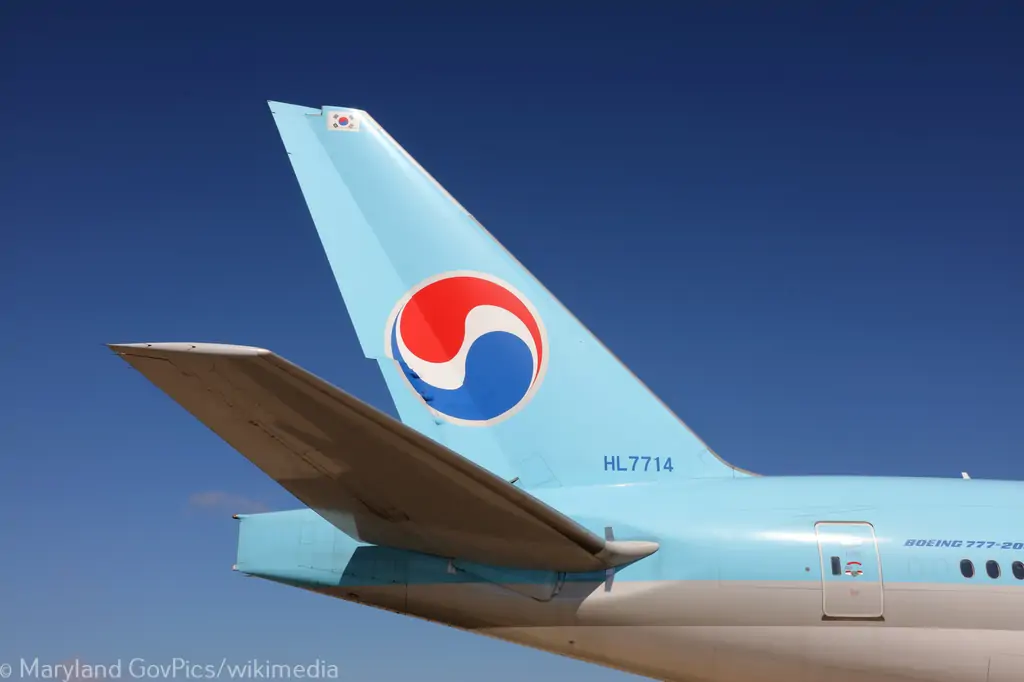
Let us look at the latest events surrounding Korean Air's bid for Asiana Airlines and its anticipation of obtaining an antitrust notice from the European Union (EU) by the end of May. This bid has sparked considerable interest and conjecture due to its possible influence on the aviation sector and competitive landscape.
The History of the Asiana Bid
Korean Air, one of South Korea's leading airlines, has been aggressively seeking the acquisition of Asiana Airlines, the country's second major carrier. The proposed transaction intends to consolidate market share and boost Korean Air's industry position. However, large-scale mergers and acquisitions are frequently scrutinized by regulatory agencies in order to promote fair competition and defend consumer interests.
Present Scenario
Korean Air Lines said on Friday that it expects EU antitrust officials to issue a formal warning about its offer for Asiana Airlines by the end of May, posing yet another obstacle to a major aviation merger. The late-2020 announcement that Korean Air would become the largest stakeholder in insolvent Asiana is the country's aviation industry's greatest shake-up in over three decades.
Expectations for Korean Air
Korean Air anticipates obtaining an antitrust notice from the European Union in conjunction with its bid for Asiana Airlines as the process progresses. This warning, which is anticipated to be published by the end of May, indicates that the EU is concerned about potential anticompetitive practices as a result of the merger. A similar warning would compel Korean Air to resolve these risks in order to proceed with the bid.
EU Antitrust Investigation
The EU antitrust probe is a normal procedure for large-scale mergers and acquisitions with significant competition implications. It entails a comprehensive study of the potential consequences for market competition, consumer pricing, and consumer choice. The proposed deal is thoroughly evaluated by the European Union's antitrust authorities to verify that it complies with fair competition legislation and does not impair market dynamics.
Possible Repercussions for the Asiana Bid
An antitrust warning from the EU does not always imply that the bid will be rejected or terminated. Instead, it acts as a signal for Korean Air to address particular European Union concerns. The warning gives Korean Air the option to suggest remedies or changes to the agreement, proving its adherence to fair competition standards.
Factors Considered by EU Antitrust Authorities
When examining mergers and acquisitions, EU antitrust regulators take numerous aspects into account. Market concentration, possible price hikes, less customer choice, hurdles to market entry for rivals, and the influence on innovation and investment are among these reasons. The study aims to guarantee that the merger does not result in Korean Air gaining a dominant market position, which would harm competition and consumer welfare.
Korean Air's Reaction
Korean Air has stated its willingness to fully work with the European Union in order to address any concerns about the planned merger. The airline is dedicated to collaborating closely with antitrust authorities in order to identify acceptable solutions that protect fair competition while realizing the strategic benefits of the Asiana offer. Korean Air understands the importance of open and fair market practices and intends to handle this process with care.
The Importance of the Asiana Bid
The proposed merger of Korean Air with Asiana Airlines has enormous consequences for the South Korean aviation sector as well as the worldwide market. The merger of these two large airlines might result in greater operating efficiencies, expanded service options, and higher competitiveness. Furthermore, it may result in improved connections, additional travel alternatives, and increased convenience for travellers. Korean Air and Asiana Airlines' combined resources and experience may pave the way for a stronger and more resilient aviation sector.
Conclusion
Finally, Korean Air's bid for Asiana Airlines has piqued the interest and excitement of the aviation sector. Korean Air expects to receive an antitrust notice by the end of May as the EU antitrust probe advances. This warning expresses the European Union's concern about potential anticompetitive practices as a result of the merger. Nonetheless, Korean Air is committed to resolving these concerns and collaborating with antitrust authorities to find appropriate answers.
With Inputs from Reuters
Comment