
AAI Partners With SITA Technology for 43 Airports to Use Cloud-Based Technologies

Radhika Bansal
08 Jul 2023

Forty-three airports across the country are set to adopt cloud-based technologies for passenger and baggage processing with global airlines IT services solution major SITA signing a deal with the Airport Authority of India (AAI), according to officials. The deal will see improvement in over 2,700 passenger touchpoints, paving the way for the adoption of new-age solutions to meet modern passengers' expectations. Initially deployed across 43 airports, the technologies are scalable to an additional 40 airports over the next seven years. Over 500 million passengers are expected to be processed during this period.
"The solutions will give passengers more control over their journey, offering a low-touch, efficient check-in, bag drop, and collection process through assisted and self-service mechanisms. The airports will benefit from a reduced infrastructure footprint and increased operational efficiency. At the same time, airlines will see service charges drop and can take advantage of an agile technology platform to build bespoke passenger experiences," Sumesh Patel, president, of Asia Pacific, SITA, told a press conference. "The adoption of cloud solutions also brings new agility and flexibility to scale airport operations efficiently as passenger numbers grow. The cloud-first approach enforces better security and offers airlines a platform to host new progressive technologies and move away from native applications. Centralised cloud hosting of all servers means reduced on-premise infrastructure costs and results in centralised control, enabling proactive monitoring and control of services," he added.
Patel explained that the rollout of new cloud technology will enable Indian airports to shift to common-use passenger experiences where multiple airlines can leverage the same infrastructure, such as check-in counters, self-service kiosks and boarding gates. "The number of airports in India is expected to increase from 148 today to 220 by 2025. The new airports will bring closer together India's almost 50 cities with populations exceeding one million people, creating substantial economic value in the long term. By connecting these cities better, air travel and transport will also help unlock India’s economic growth’s full potential. "Ensuring efficient and fluid operations and a seamless passenger experience at these airports will be critical to delivering on India's air transport industry opportunity," Patel said.
What will the Agreement Cover?
Under the agreement, SITA will deploy its state-of-the-art solutions, including SITA Flex, Common Use Passenger Processing System (CUPPS), SITA Common Use Self Service (CUSS) and SITA Bag Manager. These IATA-certified platforms offer airlines and ground handlers the benefits of common-use technologies, enabling scalable operations to meet their specific operational requirements.
"The baggage reconciliation system ensures a high level of baggage accountability, preventing losses and security concerns, which is critical to industry recovery amidst a spiralling baggage mishandling rate. This project represents a significant shift towards adopting cutting-edge technological platforms, enhancing operational efficiencies, and paving the way for the future adoption of biometric passenger processing. Additionally, real-time dashboard-based information will be made available to governing agencies, promoting transparency and informed decision-making," he said.
Patel informed that AAI officers at the airport and headquarters now have access to online real-time dashboards, replacing the monthly service availability reports. "The solution ensures they are better informed and know the availability of systems across all airports at every point in time, optimizing efficiency and promoting smooth operations," he said.
Sumesh Patel highlighted that with the implementation of SITA’s solutions, officers from the Airport Authority of India (AAI) now have access to online real-time dashboards, eliminating the need for monthly service availability reports. This shift enables AAI officers to stay well-informed about the availability of systems across all airports at any given moment. By having this real-time visibility, they can optimize operational efficiency and ensure smooth operations throughout the airport network.
With passenger experience at the centre of India’s proposed $12-billion investment in new air transport infrastructure and 500 million passengers expected by 2030, SITA was contributing to Digi Yatra’s deployment with its tech expertise. In collaboration with the US-based NEC Corp. and the Airports Authority of India (AAI), the company successfully launched the country’s first biometric boarding experience with passengers flying with low-cost airline IndiGo out of Varanasi airport in December 2022.
Thereafter, Bangalore International Airport Ltd (BIAL) has partnered with SITA to implement the state-of-the-art Smart Path biometric solution for a seamless passenger experience at over 280 touch points in Terminal-2 of the country’s third-busiest airport. More touch points are expected to go live in the third quarter of 2023 for faster passenger processing, especially at check-in counters and self-service.
About SITA
Geneva-based SITA delivers technology-based solutions for airlines, airports, aircraft and governments to ensure seamless, safe and sustainable air travel. It is a multinational information technology company providing IT and telecommunication services to the air transport industry. The company provides its services to around 400 members and 2,500 customers worldwide, which it claims is about 90% of the world's airline business. Around the world, nearly every passenger flight relies on SITA technology. SITA's shared infrastructures include AirportHub, AirportConnect, CUTE and BagMessage Services, as well as systems for passenger processing.
SITA or Société Internationale de Télécommunications Aéronautiques, was founded in February 1949 by eleven airlines ABB to bring about shared infrastructure cost efficiency by combining their communications networks. The eleven original airlines were: British European Airways Corporation (BEAC), British Overseas Airways Corporation (BOAC), British South American Airways (BSAA), KLM, Sabena, Swissair, TWA, Swedish A.G.Aerotransport, Danish Air Lines, Norwegian Air Lines and Air France. SITA was the first company to handle real-time data traffic via a packet-switched network over common carrier leased lines.
SITA's portfolio services include:
- Airport operations, including total airport management, safety and security
- Aircraft operations, including operational communications, e-Aircraft services * e.g. for EFBs), and in-flight communications
- Baggage processing
- Cargo operations
- Communications & data exchange
- Passenger processing
- Border management
Read next


The Airbus A380 has revolutionized air travel, offering a luxurious and spacious experience for passengers while accommodating a large number of people on long-haul flights. It has been a flagship aircraft for many airlines, including Emirates, the largest customer of the A380.
Background: Airbus A380 and Emirates
The Airbus A380, a marvel of engineering and a testament to human ingenuity, is a double-deck, wide-body aircraft that has captured the imagination of aviation enthusiasts worldwide. Emirates, the flag carrier of the United Arab Emirates, has embraced the A380 as a cornerstone of its fleet, elevating the experience of air travel for millions of passengers. However, with the onset of the global pandemic, the aviation industry faced unprecedented challenges, leading to the grounding and storage of numerous aircraft, including the A380.
The Impact of the Pandemic: Storing the A380s
With the onset of the COVID-19 pandemic, air travel came to a halt, and airlines faced unprecedented challenges. Many aircraft, including the A380s, were temporarily taken out of service and stored in various locations around the world. This extended period of inactivity had unforeseen consequences for the A380 fleet.
The Discovery of Accelerated Cracking
During the extended period of storage, Airbus and Emirates engineers discovered a disconcerting issue: accelerated cracking in the wing spars of certain A380s. The wing spar, a vital component of an aircraft's wing, provides crucial support and stability during flight. The detection of cracking in this area raised concerns regarding the structural integrity of the affected A380s. Prompt action was necessary to ensure the safety and airworthiness of these aircraft.
The Role of Airbus and Emirates
As the manufacturer of the A380, Airbus took immediate action to address the issue. Collaborating closely with Emirates, they initiated a comprehensive inspection and repair program to ensure the safety and airworthiness of the affected aircraft. This joint effort demonstrates their commitment to passenger safety and their dedication to resolving any issues promptly. "We are supporting inspections on some aircraft in Toulouse," stated an Airbus spokesperson.
The A380 Emirates Inspection Facility
To facilitate the inspection and repair process, Airbus commenced the construction of a dedicated "A380 Emirates" inspection facility. This facility, located within the Airbus plant, will serve as a specialized area solely focused on inspecting and repairing A380s from Emirates. The facility's purpose is to streamline operations and ensure that the necessary inspections and repairs are carried out efficiently.
A Dedicated Space for Inspection and Repairs
The A380 Emirates inspection facility is designed to cater specifically to the needs of the A380 fleet from Emirates. It will house state-of-the-art equipment and a team of highly skilled technicians and engineers dedicated to conducting thorough inspections and carrying out any necessary repairs.
The Timeline and Union Involvement
The construction of the A380 Emirates inspection facility began in December and is scheduled to continue until the third quarter of 2024. The project has also involved the Force Ouvriere union, ensuring that the workers' interests and concerns are considered. This collaborative approach promotes a harmonious work environment while maintaining a focus on safety and quality.
"We're working closely with Airbus and our MRO (maintenance and repair) partners to fulfil the wing inspection and repair requirements for our A380s," stated an airline representative. "A large portion of the work will be carried out at Emirates' Engineering Centre, and Airbus will provide us with additional MRO support in Toulouse." Ground time per aircraft will vary depending on the results and repairs but is "estimated to average about 60 days," according to the spokesperson.
Ensuring Safety and Airworthiness
The establishment of the A380 Emirates inspection facility underscores Emirates commitment to ensuring the safety and airworthiness of the A380s. By having a dedicated space and a specialized team, Airbus and Emirates can conduct detailed inspections and implement any necessary repairs with precision and efficiency. This thorough approach guarantees that the aircraft meet and exceed the stringent safety standards set by the aviation industry.
Conclusion
The Airbus A380 Emirates inspection facility represents a significant step forward in ensuring the safety and quality of the A380 fleet. The collaboration between Airbus and Emirates demonstrates their commitment to passenger safety and their proactive approach to addressing any issues that arise. With a dedicated space and a skilled team, the inspection and repair process can be carried out meticulously, further enhancing the airworthiness of these remarkable aircraft.
With Inputs from Reuters
Read next
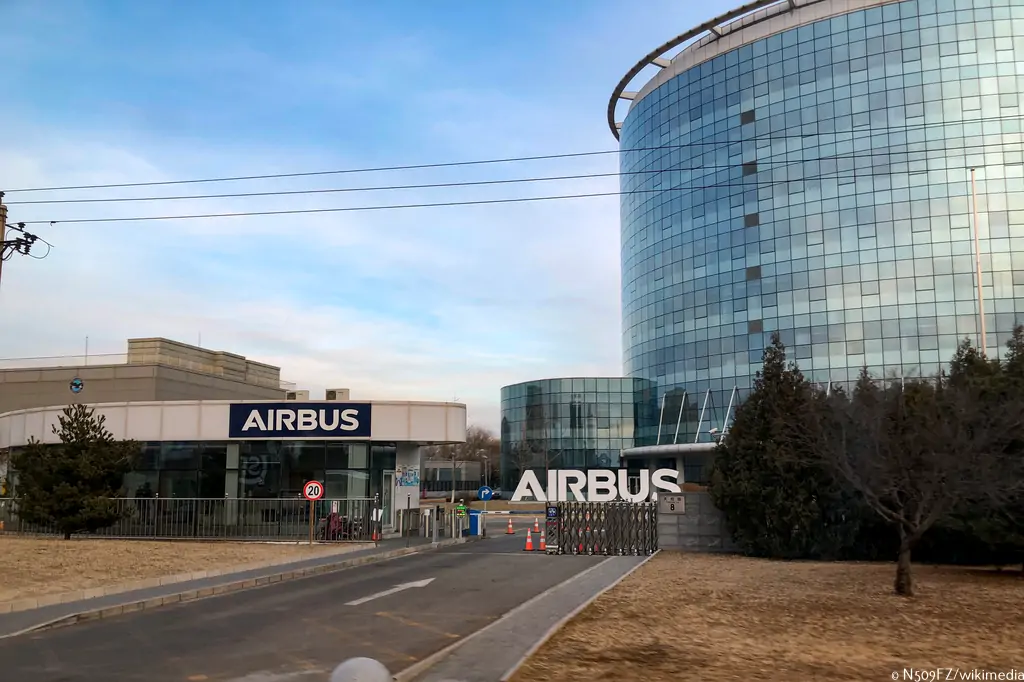
The aviation industry has experienced its fair share of turbulence in recent times due to the ongoing COVID-19 pandemic. However, Airbus, one of the leading aircraft manufacturers in the world, has managed to defy the odds.
Airbus: Overview
Airbus' journey began in 1967, when a consortium of European aerospace companies joined forces to compete against established American aircraft manufacturers. Aerospatiale of France, Deutsche Airbus of Germany (later merged into DASA), and CASA of Spain were among the founding members. The goal of this partnership was to pool assets, expertise, and investment with the objective of creating an attractive alternative to Boeing.
Airbus Deliveries in Numbers
Airbus has long been known for its commitment to innovation and excellence in aircraft manufacturing. The company's dedication is reflected in its robust performance, evident in the delivery numbers for the first half of this year. A total of 316 aircraft were delivered during this period, representing a notable 6% growth compared to the previous year. These deliveries include a diverse range of aircraft models, catering to the needs of various airlines worldwide.
June Deliveries: A Significant Increase
June proved to be an exceptional month for Airbus, with the company witnessing a substantial surge in deliveries. In that month alone, Airbus delivered 72 planes, marking a remarkable 20% increase compared to the same period last year. This surge in deliveries can be attributed to several factors, including the easing of travel restrictions in certain regions and the gradual recovery of the aviation industry as a whole.
The 72 planes delivered in June also surpassed the number of deliveries made in May, which stood at 63 aircraft. This upward trajectory further highlights Airbus' commitment to meeting the demands of its customers efficiently and effectively.
Comparison to the Previous Year
When analyzing the performance of Airbus in the first six months of this year, it is essential to consider the comparison to the previous year. Excluding two units related to Russia after a negative adjustment, Airbus delivered 297 planes in the first half of this year. This figure represents a significant increase compared to the same period in the previous year, signifying the company's growth and resilience amidst a challenging global environment.
Challenges in the Aerospace Industry
While the positive growth in Airbus deliveries is commendable, it is crucial to acknowledge the challenges faced by the aerospace industry as a whole. The COVID-19 pandemic has disrupted global supply chains and caused labor shortages, impacting various industries, including aviation. Airbus has not been immune to these challenges, but the company's ability to overcome them demonstrates its strength and adaptability.
Conclusion
In conclusion, Airbus has experienced remarkable growth in deliveries during the first half of this year, reaching a total of 316 aircraft, representing a 6% increase compared to the previous year. The surge in June deliveries, coupled with the impressive performance in the first six months, showcases the company's resilience and commitment to meeting customer demands. Despite the challenges posed by the COVID-19 pandemic, Airbus has managed to navigate through supply chain disruptions and labor shortages effectively. As the aviation industry gradually recovers, Airbus remains at the forefront of innovation and continues to provide cutting-edge solutions for the global aerospace sector.
With Inputs from Reuters
Read next
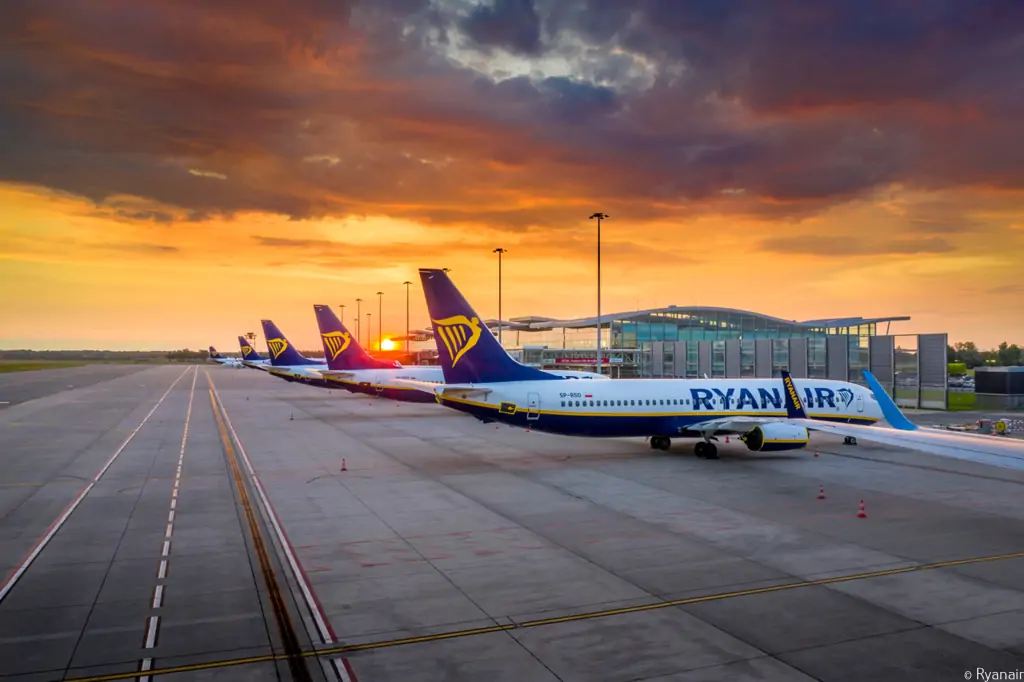
Ryanair, renowned for its low-cost flights, continues to make waves in the aviation industry. June witnessed a historic achievement for the airline, with an impressive 17.4 million passengers transported. This record-breaking feat showcases the airline's commitment to providing affordable travel options to an ever-growing customer base.
Year-on-Year Growth: A Promising Increase of 9.4%
When comparing June 2023 with the same month in 2022, Ryanair experienced a notable increase in passenger traffic, amounting to a 9.4% surge. This growth is a testament to the airline's resilience and the recovery of the aviation sector as travel restrictions gradually ease. Despite the challenges posed by the global pandemic, Ryanair has managed to bounce back, demonstrating its ability to adapt to changing circumstances.
Pre-Pandemic Comparison: A Remarkable Surge of 38.1%
To truly grasp the magnitude of Ryanair's achievement, it is essential to examine the numbers in the context of pre-pandemic levels. Compared to June 2019, the airline witnessed an exceptional surge of 38.1% in passenger traffic. This remarkable increase underscores Ryanair's ability to not only recover but also surpass its previous performance, reflecting a strong demand for its services.
Unusually High Load Factor: 95% Seats Filled
One of the notable highlights of Ryanair's June performance is the unusually high load factor. The load factor indicates the percentage of seats filled on flights. In this case, Ryanair managed to fill an impressive 95% of its available seats. This statistic signifies a remarkable level of demand, with passengers flocking to take advantage of the airline's affordable fares and extensive route network.
Analyzing the Passenger Data: A Word of Caution
While the data presented showcases Ryanair's exceptional growth, it is crucial to approach them with a word of caution. The figures provided seem to account for booked passengers, which include individuals who may not have shown up for their flights or those affected by cancellations. Therefore, while the numbers are undoubtedly impressive, they should be interpreted with consideration for potential variations due to unforeseen circumstances.
Airports Serviced in June
Throughout June, Ryanair serviced 227 airports across Europe, North Africa, and the adjacent Middle East. Its airport list increased from 225 in 2022 and 218 in 2019. Its 227 airports comprise more than 90 locations where aircraft and crew are stationed. The ULCC's flights visited 36 countries, with Italy having the most airports (29) serviced. Spain came in second (27), followed by France (25), the United Kingdom (21), Germany (14), Greece (14), Poland (13), Morocco (10), Sweden (9), and Croatia (7).
Factors Contributing to Ryanair's Success
Ryanair's remarkable achievements in June can be attributed to several key factors. The airline has implemented a comprehensive strategy focused on expansion, customer experience, safety, and reliability. These elements have played a significant role in attracting passengers and fostering their loyalty.
Ryanair's Strategy for Expansion
Ryanair's expansion strategy involves increasing flight frequencies, expanding routes, and targeting new markets. By continuously adding new destinations and improving connectivity, the airline has created more travel options for passengers, enhancing its appeal and competitiveness.
Enhancing Customer Experience
Understanding the importance of customer satisfaction, Ryanair has made significant efforts to improve the overall travel experience. This includes initiatives such as revamped cabin interiors, upgraded onboard amenities, and enhanced digital services. By prioritizing passenger comfort and convenience, Ryanair has successfully positioned itself as a customer-centric airline.
Commitment to Safety and Reliability
Ryanair's commitment to safety and reliability has been instrumental in building trust among passengers. The airline strictly adheres to stringent safety protocols and invests in modernizing its fleet to ensure the highest standards of safety. Additionally, Ryanair's punctuality record and efficient operations contribute to its reputation as a reliable and trustworthy airline.
Ryanair's Competitors and Market Share
In a highly competitive industry, Ryanair faces stiff competition from other budget carriers and traditional airlines. However, its consistent growth and expanding market share have established it as one of the industry leaders. By offering affordable fares, a vast network, and excellent service, Ryanair has attracted a loyal customer base, making it a formidable player in the aviation market.
Conclusion
Ryanair's achievement of transporting 17.4 million passengers in June highlights the airline's resilience and ability to bounce back from the challenges posed by the global pandemic. With a promising year-on-year growth of 9.4% and an outstanding surge of 38.1% compared to pre-pandemic levels, Ryanair is on track to regain its position as a leading player in the aviation industry. The unusually high load factor of 95% further underlines the strong demand for the airline's services. However, it is essential to exercise caution when interpreting the data, considering factors such as cancellations and no-shows.
With Inputs from Ryanair
Read next

Maritime Energy Heli Air Services Pvt Ltd (MEHAIR) has inked a deal with Switzerland-based Jekta for the purchase of ten electrically powered regional amphibious aircraft PHA-ZE 100, said the Mumbai-based company in a statement. Apart from these ten firm orders, the company has options for the purchase of 40 more of this aircraft type, it said.
"With this agreement, MEHAIR will be the first customer to receive the aircraft in Asia, with initial deliveries starting in 2029," the company said. The first ten aircraft will be delivered in baseline configuration for 19 passengers to support regional connectivity, it added.
"We have served destinations across the Andaman and Nicobar Islands and destinations across Maharashtra. The company is rescheduling its services in India, starting with Andaman & Nicobar and Goa in 2023 under the UDAN Scheme. We believe the 19-seat PHA-ZE 100 will come for deliveries at the ideal time to address the market's demand in 2029. The Jekta PHA-ZE 100 design meets the operating requirements at much lower costs than existing seaplanes," it said.
About PHA-ZE 100
PHA-ZE stands for Passenger Hydro Aircraft Zero Emission. The plane has a range of 150 kilometres and can achieve speeds of up to 135 knots. Its batteries can be recharged in 45 minutes. There is an option of using hydrogen fuel cells too. The manufacturer claims that the plane is optimised to serve coastal and island communities, regional routes currently limited by operational costs and to support new low-cost, sustainable services between cities without the need to install expensive land infrastructure.
The PHA-ZE 100 is powered by ten electric motors supplied with energy from batteries or hydrogen fuel cells; its initial flight endurance on battery power is projected at 60 minutes, with a 30-minute reserve. The PHA-ZE 100 will be able to operate from coastal waters in waves up to 1.2m high, lakes, waterways, and runways, the latter using its standard retractable wheeled landing gear.
The PHA-ZE 100 flying boat will be certified to EASA CS-23 and US FAA FAR-23 standards for fixed-wing passenger aircraft. It is optimized to serve coastal and island communities and regional routes. Flexible configurations, include 19-seat, mixed economy/freight, VIP, and ambulance options.
Amphibious Aircraft
An amphibious aircraft or amphibian is an aircraft that can take off and land on both solid ground and water. They are typically fixed-wing, though amphibious helicopters do exist as well. Fixed-wing amphibious aircraft are seaplanes (flying boats and floatplanes) which are equipped with retractable wheels, at the expense of extra weight and complexity, plus diminished range and fuel economy compared to planes designed specifically for land-only or water-only operation. Some amphibians are fitted with reinforced keels which act as skis, allowing them to land on snow or ice with their wheels up.
Amphibious aircraft are heavier and slower, more complex and more expensive to purchase and operate than comparable land planes. However, they are also more versatile. Even though they cannot hover or land vertically, they compete favourably with helicopters for some jobs and can do so at a significantly lower cost. Amphibious aircraft can also be much faster and have a longer range than comparable helicopters, and can achieve nearly the range of land-based aircraft because an airplane's wing is more efficient than a helicopter's lifting rotor
Officials’ Comments
George Alafinov, CEO of Jekta Switzerland said: "We aim to drastically reduce per-passenger-per-hour flight costs compared with existing seaplanes. We are exploring the options for redefining single pilot operations in the commercial sector, and we are committed to attracting a new workforce into aviation. We know that the Indian government has defined multiple water routes across India and is launching many more, nearing 100 seaplane routes.”
“India is blessed with a 7,400-km-long coastline and a rich diversity of rivers, lakes, backwaters and dams. We want to be one of the first operators in the world to update its fleet with a zero emissions aircraft to support regional flights between land and water infrastructure,” said Siddharth Verma, director of MEHAIR.
Read next
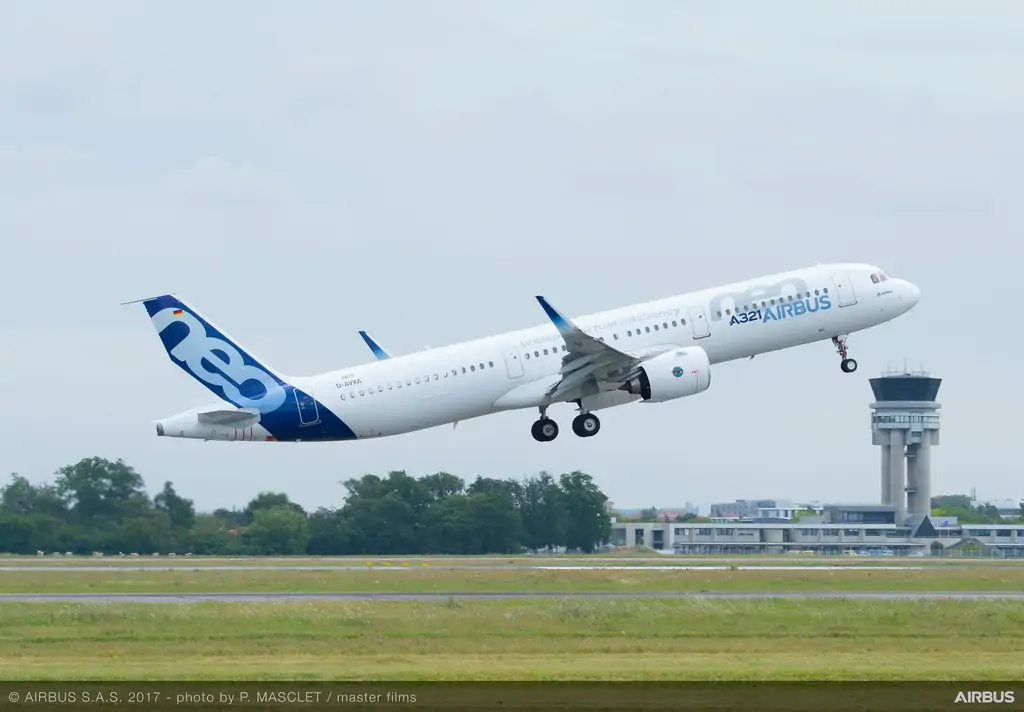
In the dynamic world of aviation, where technological advancements and customer preferences drive innovation, the Airbus A321neo has emerged as a trailblazer. Thirty years after the first flight of the Airbus A321, the A321neo has taken the aviation industry by storm, becoming the airframer's most popular individual model across its entire aircraft line. With a staggering number of orders, the A321neo has proven its mettle as a game-changer for both airlines and passengers alike.
A Legacy of Excellence
The Airbus A321neo, an upgraded version of the highly successful A321, showcases Airbus's commitment to continuous improvement and innovation. Equipped with the latest technological advancements, enhanced fuel efficiency, and increased passenger capacity, the A321neo has become the go-to choice for airlines looking to elevate their operations and meet the evolving demands of the industry.
The A321neo Takes Flight: Surpassing Predecessors
The A321neo's monumental success is evident from its exceptional order figures. According to Airbus's half-year backlog figures, the A321neo has received orders for a staggering 5,163 aircraft, surpassing its predecessor, the A320, which held the record with 4,763 orders. This significant milestone highlights the industry's recognition of the A321neo's superiority in terms of performance, efficiency, and passenger experience.
Unleashing Unmatched Efficiency
One of the key factors contributing to the A321neo's popularity is its exceptional fuel efficiency. The aircraft is equipped with state-of-the-art Pratt & Whitney's PurePower PW1100G-JM or CFM International's LEAP-1A engines and aerodynamic enhancements, enabling it to deliver substantial fuel savings. These engines are designed to minimize fuel consumption and reduce carbon emissions, addressing the growing concern for environmental sustainability within the aviation industry.
Enhanced Passenger Experience
In addition to its economic advantages, the A321neo prioritizes passenger comfort and experience. The aircraft's larger size compared to its predecessors allows airlines to offer more spacious cabins, enabling passengers to enjoy a comfortable journey. With advanced in-flight entertainment systems, mood lighting, and ergonomic seating arrangements, the A321neo provides an enhanced travel experience for passengers across various flight durations.
Expanding Market Opportunities
As carriers recognized the advantages offered by the A321neo, the aircraft successfully expanded into new markets and routes. Its increased range and capacity enable airlines to explore previously untapped destinations and cater to growing travel demands. The A321neo's versatility has opened up opportunities for both established and emerging airlines to expand their operations and connect people around the world like never before.
Impact on Airline Business Models
The introduction of the A321neo has had a significant impact on airline business models. With its increased capacity and improved efficiency, airlines can optimize their operations and achieve higher profitability. The A321neo enables airlines to transport more passengers while reducing costs, leading to improved financial performance and a competitive edge in the industry.
The Airbus A321neo vs. Competitors
In the fiercely competitive aviation market, the Airbus A321neo faces competition from other aircraft manufacturers offering similar models. However, the A321neo's impressive fuel efficiency, extended range, passenger capacity, and advanced features give it a competitive advantage. Airlines value the aircraft's superior performance and operational flexibility, making it the preferred choice for many carriers.
Revolutionizing Air Travel
The rise of the A321neo represents a pivotal moment in the aviation industry. Its unmatched performance, fuel efficiency, and passenger comfort have redefined the standards for narrow-body aircraft. By incorporating cutting-edge technology and design, Airbus has created a revolutionary aircraft that sets new benchmarks for the industry.
Conclusion
Thirty years after its inception, the Airbus A321neo has risen to prominence, surpassing its predecessors, and becoming Airbus's most popular individual model. With its exceptional order figures and remarkable technological advancements, the A321neo has proven to be a game-changer in the aviation industry. This aircraft embodies the perfect balance of efficiency, passenger comfort, and market adaptability, cementing its position as a frontrunner in the rapidly evolving world of aviation.
With Inputs from FlightGlobal
Comment